
REVIEW · UJI TOURS
Kyoto Hidden Riverside Zen Mediation and Uji Matcha Experience
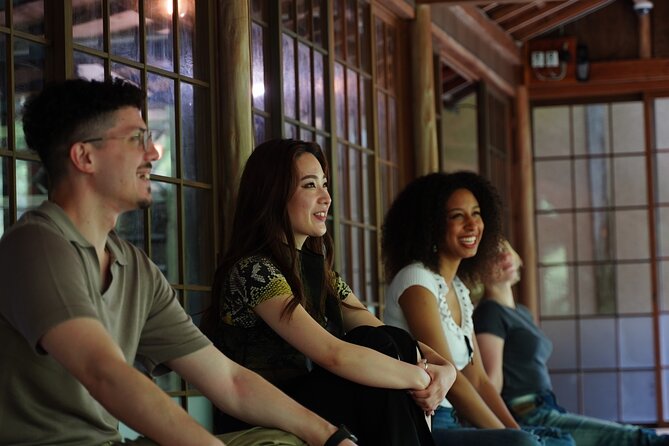
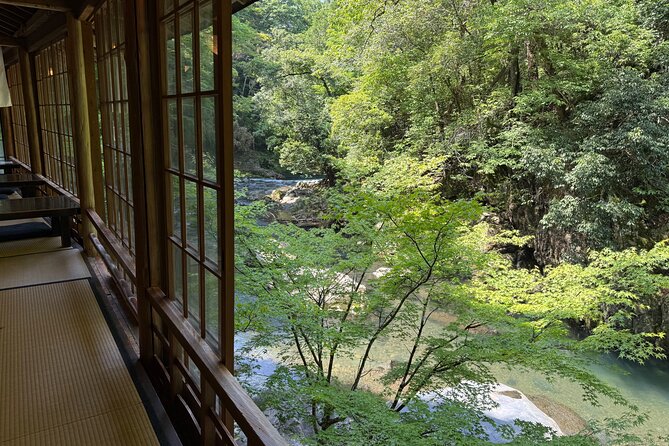
Kyoto’s most unusual meditation experience takes place beside a river, not inside a temple. You sit on an open-air deck with flowing water, trees, fresh air, and seasonal scenery around you. An experienced Zen instructor leads the session, while an English-speaking cultural guide helps explain the practice as you go.
I like the gentle introduction to zazen, which makes seated meditation approachable instead of stiff or mysterious. I also like the quiet matcha-and-wagashi finish, a simple way to return to the day after the reflective session. The main consideration is the price: at $105 per person for about two hours, this is a specialized experience rather than a low-cost sightseeing stop.
In This Review
- Key points to know before booking
- Why this riverside Zen workshop feels different
- Starting with posture, breath, and attention
- Learning Zen as an everyday practice
- The riverside setting and seasonal atmosphere
- Closing with Uji matcha and seasonal wagashi
- How much value does the $105 price offer?
- Who will enjoy this experience most?
- Practical details for planning your visit
- Should you book this Kyoto Zen experience?
- FAQ
- How long does the Kyoto riverside Zen experience last?
- Where does the experience begin?
- Where does the experience end?
- Is meditation experience required?
- Is the experience held inside a temple?
- What food and drink are included?
- Is the experience conducted in English?
- What happens if bad weather cancels the experience?
- How many people can join?
- Can I cancel for a full refund?
Key points to know before booking
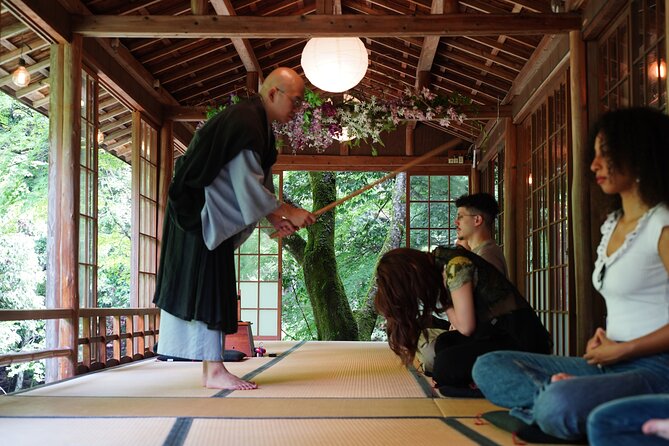
- Riverside setting: Practice on an open-air deck surrounded by trees, flowing water, and fresh air instead of sitting in a temple hall.
- Beginner-friendly zazen: The instructor explains posture, breathing, and the wider purpose of Zen in clear, practical steps.
- English support: An English-speaking cultural guide provides live interpretation and cultural context.
- Uji matcha and wagashi: End with freshly whisked premium matcha and seasonal Japanese sweets.
- Small group size: The experience accepts a maximum of 10 participants, giving the workshop a more personal feel.
- Weather matters: The activity requires good weather, so poor conditions can lead to a new date or a full refund.
Why this riverside Zen workshop feels different
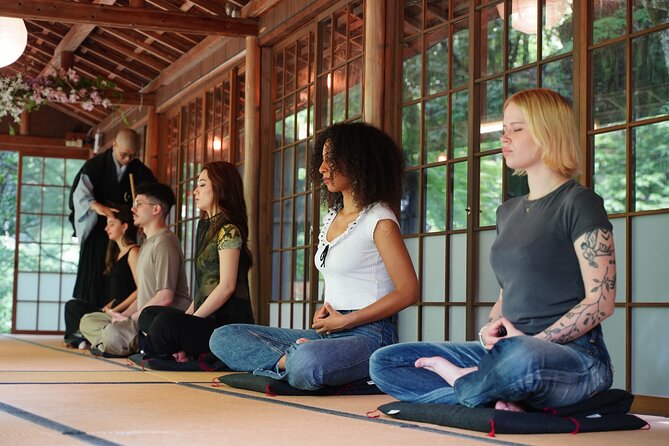
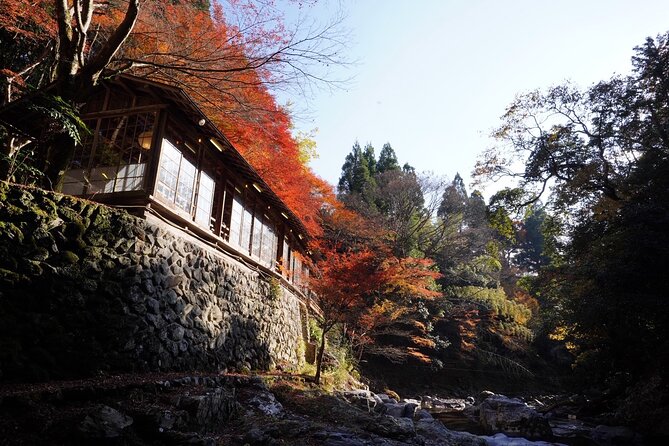
Many Kyoto meditation sessions take place indoors, often in a temple hall with formal surroundings. This one moves the practice outdoors, where the river, breeze, and changing season become part of the experience.
That choice matters. You are not asked to shut out every sound around you. Instead, the natural setting gives you something simple to notice. The sound of running water may help settle your attention. A breeze may remind you that the session is taking place in the present moment, not in some separate spiritual world.
I appreciate that the workshop treats Zen as a practical habit rather than a performance. You are not expected to arrive with religious knowledge or meditation experience. The format is designed to show how calm attention can fit into ordinary life, including moments after you leave Kyoto.
The location is in Umegahata, in Kyoto’s Ukyo Ward, at 35 Umegahata Tonohatachō. The activity returns to the same meeting point at the end. Since private transportation is not included, you should check the route carefully before booking and allow enough time to reach this part of Kyoto.
More time in Uji:
- World Heritage Kyoto & Nara Uji Authentic Matcha Experience
★ 5.0 · 1,573 reviews - Uji: Green Tea Tour with Byodoin and Koshoji Temple Visits
★ 4.8 · 72 reviews - Uji: UNESCO Heritage & Tea Ceremony Walking Tour
★ 4.6 · 54 reviews
Starting with posture, breath, and attention
The workshop begins with an introduction to zazen, the seated meditation practice associated with Zen. The instructor guides you step by step, so you are not left guessing how to sit or what you should do with your attention.
That beginner-friendly approach is important. Meditation can be intimidating when an activity assumes you already understand the posture, breathing, or expected silence. Here, the teaching is structured as a workshop, giving you a clear way into the practice.
You can expect the instructor to focus on more than simply sitting still. The experience presents Zen as a way to notice your thoughts and return your attention to the present. The goal is not to produce a perfect meditation session. It is to give you a useful starting point.
The open-air deck changes the mood. Rather than facing a formal interior, you are surrounded by the everyday sounds of nature. This may appeal to you if a temple meditation session feels too solemn or unfamiliar. It may be less suitable if you want a completely silent, highly formal retreat, since an outdoor setting naturally includes environmental sounds.
The workshop is private in style and limited to a maximum of 10 people. That does not mean you should expect a one-on-one lesson, but it does keep the group small enough for a more focused introduction than a large tour format.
Learning Zen as an everyday practice
The most useful part of the session is its practical message. You are shown that Zen does not have to remain inside a temple or end when the workshop ends.
The instructor connects meditation with ordinary life, encouraging you to carry a calmer, more aware mindset back home. That makes the experience more useful than a short photo stop or a quick cultural demonstration. You receive a practice to think about after your holiday, even if you continue only for a few minutes at a time.
I would recommend paying attention to this part rather than worrying about doing everything perfectly. The workshop is meant to be approachable. If your mind wanders, that is part of the process. If your posture feels unfamiliar, the guided format gives you a way to adjust and continue.
The English-speaking cultural guide is also important. The instructor leads the Zen practice, while the guide offers interpretation and cultural explanation in real time. That arrangement helps you understand not only what you are being asked to do, but also why the practice matters in Japanese culture.
Because no guide names are provided, you should not book this expecting a particular named teacher. The useful detail is the instructor’s long experience guiding practitioners at historic Kyoto temples and shrines, along with the English support throughout the session.
The riverside setting and seasonal atmosphere
This experience makes the natural surroundings part of the lesson. The river is not just a backdrop for photographs. Its sound and movement give you a steady point of attention while you sit.
The trees and seasonal scenery also mean the mood can change depending on the time of year. The provided details do not specify a particular season or the exact views you will see, so it is best to think of the setting as naturally changing rather than booking for a guaranteed display of blossoms or autumn color.
Fresh air is another part of the appeal. You are not spending the entire activity inside a crowded sightseeing site. For a visitor moving through Kyoto’s busy temple districts, two quiet hours beside the river can provide a welcome change of pace.
Still, an outdoor activity comes with a trade-off. Weather can affect the experience, and the operator may cancel if conditions are poor. You will be offered another date or a full refund if that happens. Comfortable clothing suited to sitting outdoors is a sensible choice, though no specific dress requirement is provided.
More matcha tastings and workshops:
- Kyoto: Arashiyama Bamboo Forest, Monkeys, Matcha & Temple Tour
★ 5.0 · 759 reviews - Kyoto: Tea Museum Tickets and Matcha Grinding Experience
★ 4.9 · 739 reviews - Kyoto: Tea Ceremony Meditation – Make Matcha with Tea Master
★ 4.8 · 406 reviews - Kyoto: Arashiyama Bamboo, Matcha, Monkeys & Temple Tour
★ 4.9 · 291 reviews
Closing with Uji matcha and seasonal wagashi
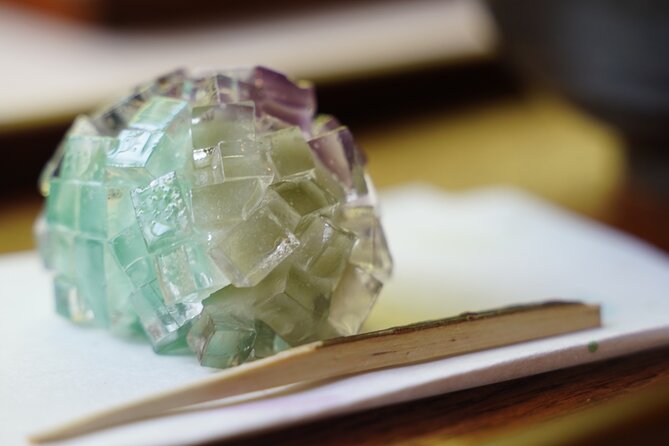
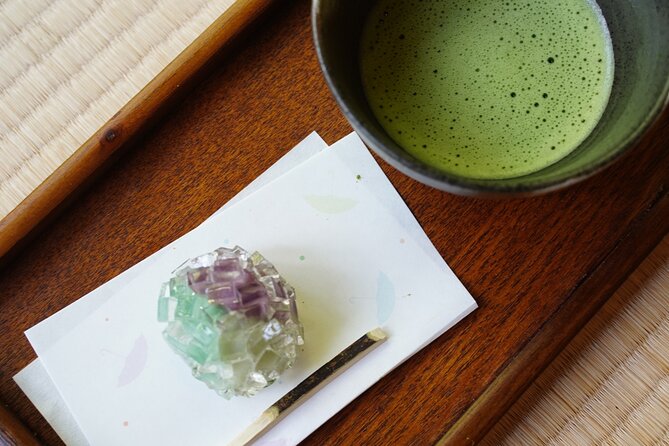
After the meditation, the experience shifts into a quiet tea time. You receive premium Uji matcha, freshly whisked, along with seasonal wagashi, or Japanese sweets.
This is not presented as a formal tea ceremony. That distinction helps set the right expectation. You are not booking an elaborate demonstration of tea utensils and strict movements. Instead, the matcha is a calm closing ritual that lets you return gently to the pace of the day.
Uji is closely associated with high-quality Japanese tea, and the matcha gives the final part of the workshop a clear connection to the Kyoto area. The seasonal wagashi add a small visual and culinary note, though the exact sweets are not specified and will vary.
I like this ending because it keeps the workshop from feeling abrupt. Sitting quietly with tea after meditation gives you a moment to reflect on the practice before you head back into sightseeing. If you do not enjoy matcha’s earthy, sometimes bitter flavor, the tea could be less appealing than a standard coffee or sweet drink. The activity does include coffee and/or tea, with premium Uji matcha and seasonal wagashi specifically listed.
How much value does the $105 price offer?
At $105 per person, this is not the right pick for someone looking for the cheapest way to see Kyoto. The activity lasts about two hours, and private transportation and gratuities are not included.
The value comes from the combination of elements. You are paying for a guided Zen workshop, an outdoor riverside setting, English interpretation, a small group capped at 10 people, and matcha with seasonal sweets. You also receive an introduction to a practice that you can continue after the trip.
I see the price as reasonable if you want a focused cultural activity and prefer meaningful participation over collecting another sightseeing photograph. It is less compelling if your main goal is a formal temple visit, a full tea ceremony, or a longer meditation retreat.
The strongest value is personal. If you are curious about Zen but hesitant about formal temple etiquette, this format removes much of the uncertainty. If you already meditate regularly, you may find the session familiar, but the Kyoto riverside setting and cultural interpretation can still give the practice a different frame.
The experience is booked about 14 days ahead on average, so I would not leave it until the last day of a Kyoto stay. Booking earlier also gives you more room to adjust if weather affects the date.
Who will enjoy this experience most?
I would recommend it to first-time visitors who want a quieter, more thoughtful activity between major sightseeing days. It suits people interested in Japanese culture, mindfulness, meditation, tea, and slower travel.
It is also a good fit if you prefer small groups. With no more than 10 participants, the activity should feel more focused than a large bus tour or crowded cultural class.
You do not need prior meditation experience. The teaching is designed to introduce zazen clearly, and the guide helps with English interpretation and context.
This may not be the best choice for you if you dislike sitting quietly, want a packed itinerary, or expect a full religious ceremony. It is also not ideal if your schedule cannot handle a possible weather-related change. Since the activity is outdoors and weather-dependent, flexibility matters.
Service animals are allowed, and the meeting point is near public transportation. The details provided do not state the exact accessibility arrangements for the riverside deck, so you should confirm those needs before booking if they apply to you.
Practical details for planning your visit
The meeting point is 35 Umegahata Tonohatachō, Ukyo Ward, Kyoto, 616-8293, Japan. The activity ends back at this same location.
A mobile ticket is provided, and confirmation is received at the time of booking. Private transportation is not included, so the cost and effort of reaching Umegahata are part of your planning.
The total duration is approximately two hours. That makes it easy to fit into a half-day, but remember to add travel time to and from the meeting point. Since the session is reflective rather than fast-moving, avoid scheduling it immediately before another activity with a tight arrival time.
The maximum group size is 10 people. The experience also requires a minimum number of participants, and the operator may cancel if that minimum is not reached. In that case, you can choose another date or experience, or receive a full refund.
Free cancellation is available until 24 hours before the start time. Cancellations or changes made less than 24 hours in advance are not accepted for a refund. The cut-off is based on local Kyoto time.
Should you book this Kyoto Zen experience?
Book it if you want to do more than look at temples. The riverside deck, guided zazen, English interpretation, and Uji matcha create a calm cultural experience with a clear purpose.
I especially recommend it for beginners who want a friendly introduction to meditation without committing to a formal religious ceremony. The setting gives you space to slow down, and the workshop explains how to bring the practice into daily life.
Skip it if $105 feels high for a two-hour activity, if you need guaranteed outdoor weather, or if you are seeking a traditional tea ceremony with formal rituals. For everyone else, this is a thoughtful choice for a quieter side of Kyoto, with enough practical guidance to remain useful after you leave Japan.
FAQ
How long does the Kyoto riverside Zen experience last?
The experience lasts approximately two hours.
Where does the experience begin?
It begins at 35 Umegahata Tonohatachō, Ukyo Ward, Kyoto, 616-8293, Japan.
Where does the experience end?
The activity ends back at the meeting point.
Is meditation experience required?
No. The workshop introduces the basics of zazen step by step and is designed to be approachable for beginners.
Is the experience held inside a temple?
No. The meditation takes place on an open-air riverside deck surrounded by trees, fresh air, flowing water, and seasonal scenery.
What food and drink are included?
Premium Uji matcha and seasonal wagashi are included. Coffee and/or tea are also listed among the included refreshments.
Is the experience conducted in English?
An English-speaking cultural guide accompanies the group and provides real-time interpretation and cultural insight.
What happens if bad weather cancels the experience?
You will be offered a different date or a full refund if poor weather causes the activity to be canceled.
How many people can join?
The experience has a maximum of 10 participants.
Can I cancel for a full refund?
Yes. You can cancel at least 24 hours before the experience start time for a full refund. Cancellations or changes made less than 24 hours before the start time are not accepted.
More Kyoto Zen Meditation Experiences in Kyoto
- Kyoto Zen Meditation & Garden Tour at a Zen Temple with Lunch
★ 5.0 · 441 reviews - Kyoto: Zen Experience in a Hidden Temple
★ 5.0 · 437 reviews - Kyoto: Zen Meditation at a Private Temple with a Monk
★ 5.0 · 202 reviews - Kyoto: Zen Garden, Zen Mind (Private)
★ 5.0 · 126 reviews
Recently added around Kyoto
- Higashiyama | Kyoto: Sakura Season Private Rickshaw Tour★ 5.0 · 3 reviews
- Kyoto Kimono Rental CHAMATSU|Kimono/Yukata Rental FamilyPlan★ 5.0 · 3 reviews
- Kyoto: Half-Day Private Guided Tour to the Old Town of Gion★ 4.4 · 3 reviews
- Nara Private Customizable Half Day Tour★ 5.0 · 3 reviews
- Kansai Region Hiking Adventure in Nara Kobe Kyoto and More★ 5.0 · 3 reviews
- Full Day Nara Deer, Temple, Shrine, Activities & Tea Ceremony★ 5.0 · 3 reviews
- Nara: Essential Private Tour with Deer Park and Temples★ 5.0 · 3 reviews
- Hiking Tour for Sacred Sites in Kyoto with a Guide★ 5.0 · 3 reviews
Uji Tours, compared.
World Heritage Kyoto & Nara Uji Authentic Matcha Experience
Read our review →
Green Tea Tour with Byodoin and Koshoji Temple Visits
Read our review →
Matcha Grinding Experience and Walking Tour in Uji Kyoto
Read our review →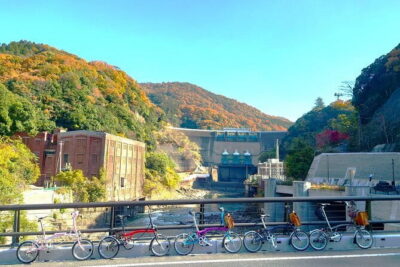
Slow Cycling Tour at Uji’s Matcha Green Tea Fields and Heritage
Read our review →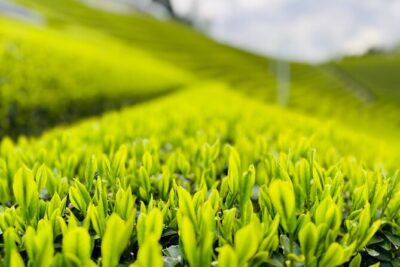
Uji and Wazuka Matcha Farm Half Day Private Guided Tour
Read our review →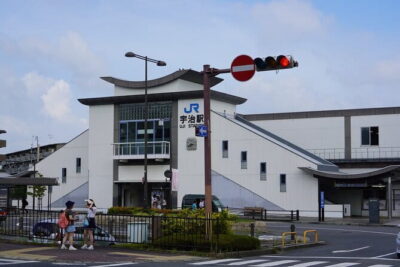
Uji Tea Ceremony and UNESCO Heritage Walking Tour
Read our review →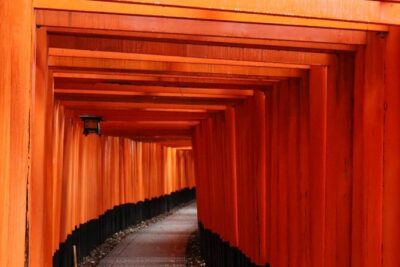
Browse the lists this tour appears in