
REVIEW · UJI TOURS
Uji: UNESCO Heritage & Tea Ceremony Walking Tour
Uji’s best moment may come in a quiet tea room, where a host prepares matcha with careful movements and your guide explains what is happening. This three-hour walk connects that calm ritual with Byodo-in Temple, two important Shinto shrines, riverside bridges, and the shops that make Uji famous for green tea.
I like the way the tour joins history and daily food culture instead of treating Uji as only a temple stop. I also like the small group size, limited to nine people, since guides such as Yuko, Katsuhiko, Katsu, and Nobumasa Miyake can answer questions and adjust their explanations. The main consideration is physical: you will walk for much of the three hours, and the tour is not suitable for people with mobility impairments, heart problems, respiratory issues, or pregnancy.
In This Review
- Key points at a glance
- Why Uji makes a good half-day from Kyoto
- Byodo-in, Uji’s essential first stop
- A quiet tea ceremony at Taihoan
- Tachibara and Asagiri bridges bring fresh air
- Uji Shrine and Ujigami Shrine
- Finish with Uji’s matcha and local snacks
- The guides make the difference
- Practical planning for the three-hour route
- Who should book this Uji walk
- Should you book the Uji tea and temple tour?
- FAQ
- Where does the Uji walking tour begin?
- Where does the tour finish?
- How long does the experience last?
- Is Byodo-in Temple admission included?
- Is the tea ceremony included?
- Is the tea ceremony held in English?
- Can I take photographs during the tea ceremony?
- What should I bring?
Key points at a glance
- Byodo-in in 50 minutes: Enter one of Japan’s most famous temples with admission included, rather than simply viewing it from outside.
- Tea at Taihoan: Take part in a traditional ceremony for about 30 minutes, with Japanese-only instruction translated by your English-speaking guide.
- Two suspension bridges: Cross Tachibara and Asagiri bridges for river views and a change of pace from temple interiors.
- Two important shrines: Learn how Uji Shrine and Ujigami Shrine fit into Japanese religious traditions.
- Matcha beyond a souvenir tin: Use the final 40 minutes to sample local snacks and green-tea flavors.
- Easy planning: Meet at the south exit of JR Uji Station and finish at Uji Bridge, with no hotel transfer included.
Why Uji makes a good half-day from Kyoto
Uji gives you a more measured version of historic Japan. It has major cultural sights, but the route also passes tea shops, snack counters, river crossings, and ordinary streets. That mix matters. You are not being rushed from one famous building to another without a sense of place.
The tour starts at JR Uji Station, a practical meeting point if you are arriving by train. Your guide wears a TripGuru shirt or holds a TripGuru sign. Arrive at least 10 minutes early. Morning traffic can be unpredictable, so allow extra time if you are coming from elsewhere and relying on navigation apps.
At $66 per person, this is not the cheapest way to see Uji. The price includes an English-speaking guide, the Byodo-in entrance fee, and the tea ceremony. You are paying mainly for context and organization: someone connects the buildings, religious customs, tea culture, and food stops into one route. If you would rather wander independently and read signs on your phone, admission and snacks will cost less. If you want help understanding what you are seeing, the price is easier to justify.
More time in Uji:
- World Heritage Kyoto & Nara Uji Authentic Matcha Experience
★ 5.0 · 1,573 reviews - Uji: Green Tea Tour with Byodoin and Koshoji Temple Visits
★ 4.8 · 72 reviews - Matcha Grinding Experience and Walking Tour in Uji Kyoto
★ 5.0 · 26 reviews
Byodo-in, Uji’s essential first stop
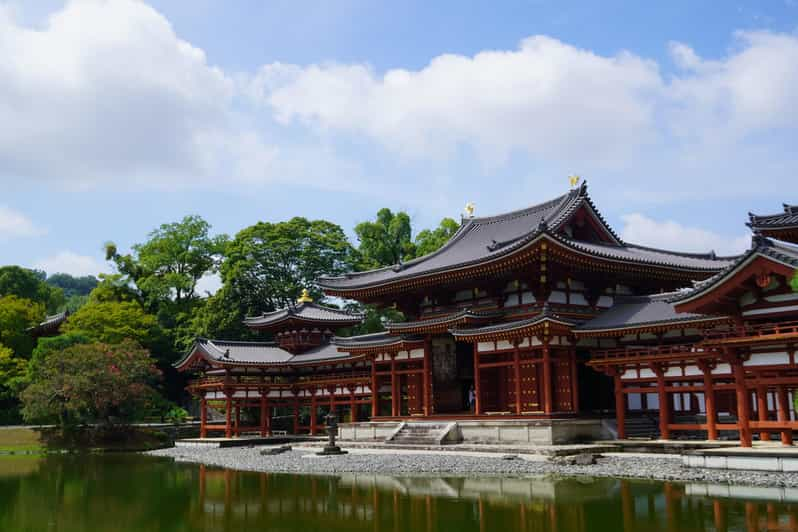
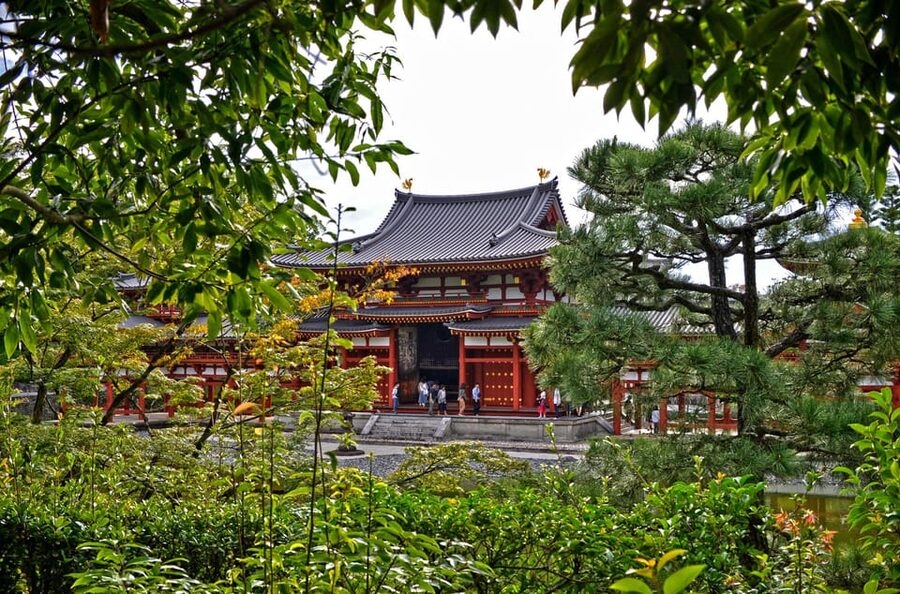
The walk leads to Byodo-in Temple, with about 50 minutes set aside for a guided visit. This is the tour’s major historical anchor and the place most visitors already expect to see.
Byodo-in is a UNESCO World Heritage Site, known for its elegant architecture and long cultural importance. The temple is also familiar from the back of the Japanese 10-yen coin, though the real building is far more useful for understanding Uji than a quick coin comparison. Your guide can give the architecture and religious setting meaning, which is especially helpful if Buddhist temples are new to you.
Fifty minutes is a sensible amount of time. It gives you room to look closely, hear the explanation, and take photographs without allowing the stop to swallow the whole afternoon. Still, it is not a private scholarly tour. The pace needs to suit the group, and the guide must keep the rest of the route on schedule.
The temple grounds can be busy, particularly during popular seasons. That is one reason a morning start may help, though traffic to Uji can also be heavier then. Wear shoes that are comfortable for walking and standing. The tour does not include hotel pickup, so you are responsible for reaching the station.
A quiet tea ceremony at Taihoan
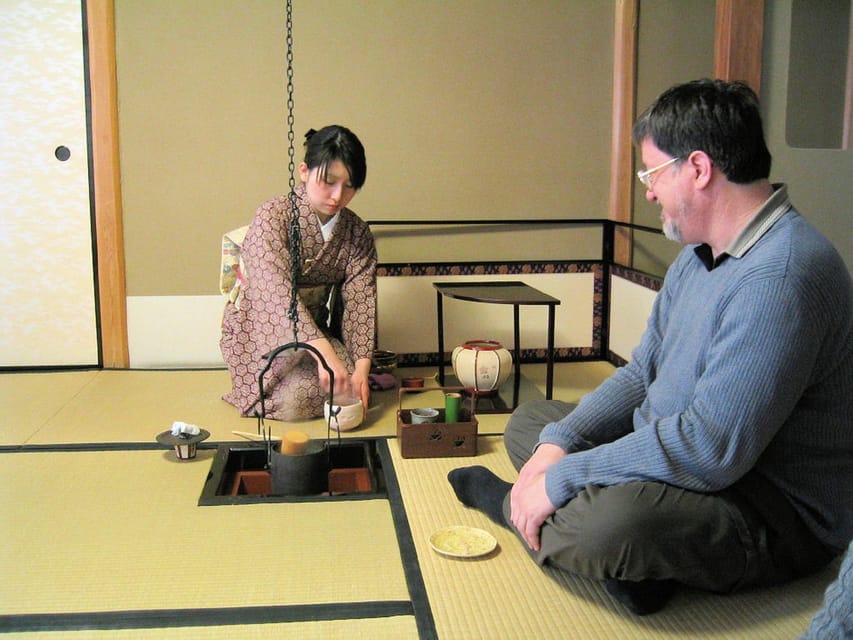
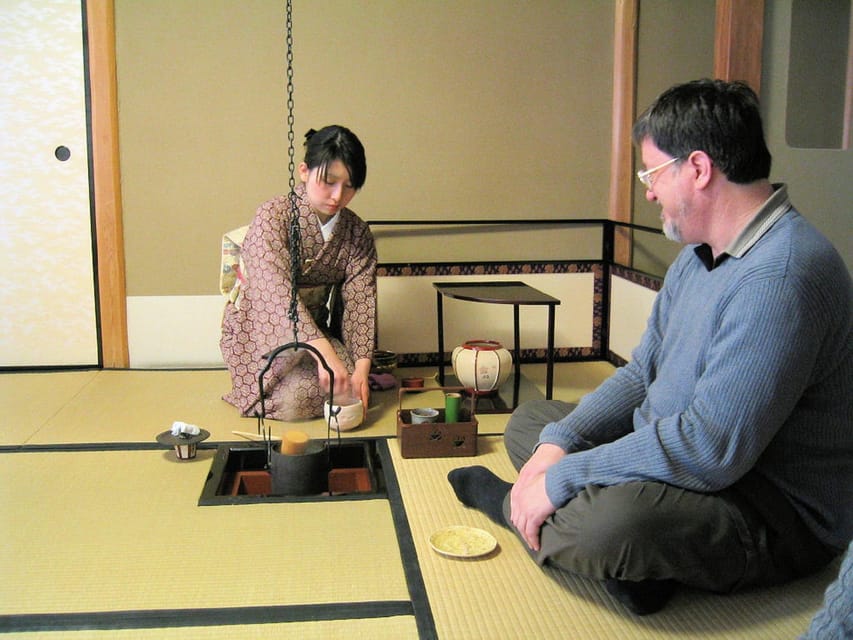
After Byodo-in, the group attends a traditional tea ceremony at Taihoan. The ceremony itself lasts about 30 minutes, while the schedule allows roughly 40 minutes for the wider stop. This is not a theatrical performance designed only for photographs. You are shown how the ceremony works and, according to the experience details, you can try the tea preparation yourself.
The ceremony is conducted in Japanese. Your guide translates and explains each stage, which makes a real difference. Without help, the careful bows, movements, utensils, and pauses could seem mysterious. With an explanation, you can pay attention to the courtesy behind the ritual rather than worrying about making a mistake.
The host is described as welcoming and forgiving when participants do not get every step right. That is useful to know if you feel nervous about formal Japanese customs. You are there to learn, not to pass an exam.
Photography and video recording are prohibited during the ceremony. Put your camera away and treat the restriction as part of the experience. The quiet is one of the strongest parts of this stop, and the ceremony provides a welcome pause after the temple visit.
The tea segment is likely the emotional center of the tour. Uji is famous for matcha, but drinking tea in a formal setting gives you a better sense of the care and discipline behind the product. It also helps separate genuine tea culture from the many matcha-flavored sweets sold around town.
Tachibara and Asagiri bridges bring fresh air
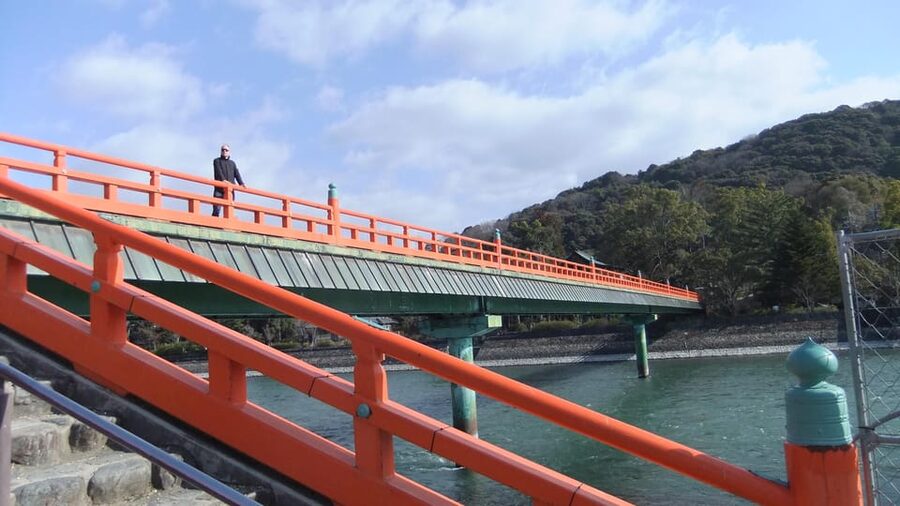
A short walk of about 10 minutes takes you onward to the river crossings. The route includes the Tachibara and Asagiri suspension bridges, where you can look across Uji’s scenery and see the city from a different angle.
These bridges break up the temple-heavy portion of the walk. After sitting or standing quietly during the tea ceremony, you get open views, moving water, and a chance to stretch your legs. Bring a camera for this section, since photography is allowed here, though the supplied details do not promise a particular view or weather condition.
Suspension bridges can move slightly as people cross, so anyone uneasy with that style of bridge should keep it in mind. The tour is also not a good match for anyone who finds extended walking difficult. Comfortable shoes are more important than stylish ones.
More tea ceremonies in Uji:
- Uji Tea Ceremony and UNESCO Heritage Walking Tour
★ 5.0 · 20 reviews - Uji Walking Tour – Byodo-in temple and Tea Ceremony from Kyoto
★ 3.5 · 3 reviews - Kyoto: Tea Ceremony in a Traditional Tea House in Kiyomizu
★ 4.9 · 3,519 reviews - Kyoto: Tea Ceremony Ju-An at Jotokuji Temple
★ 4.9 · 3,207 reviews
Uji Shrine and Ujigami Shrine
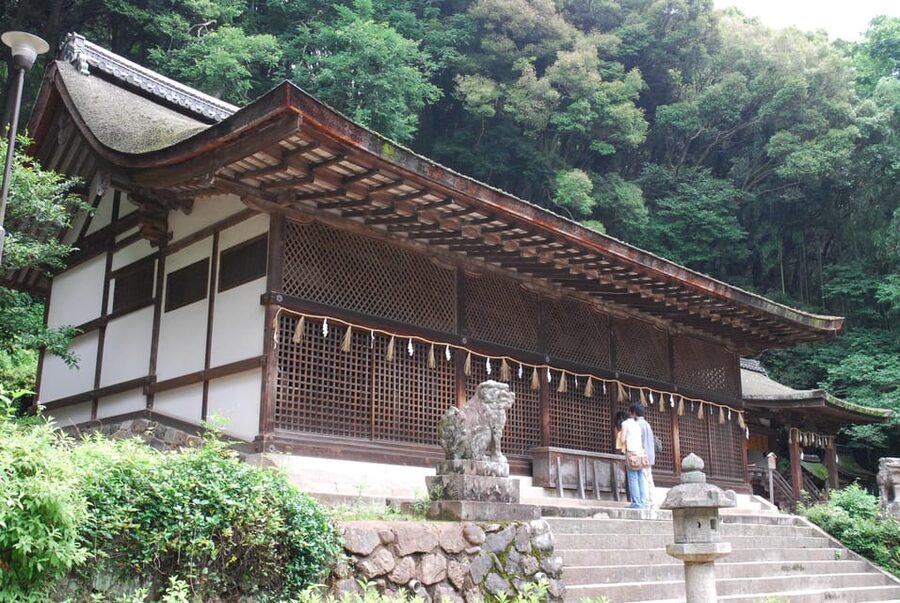
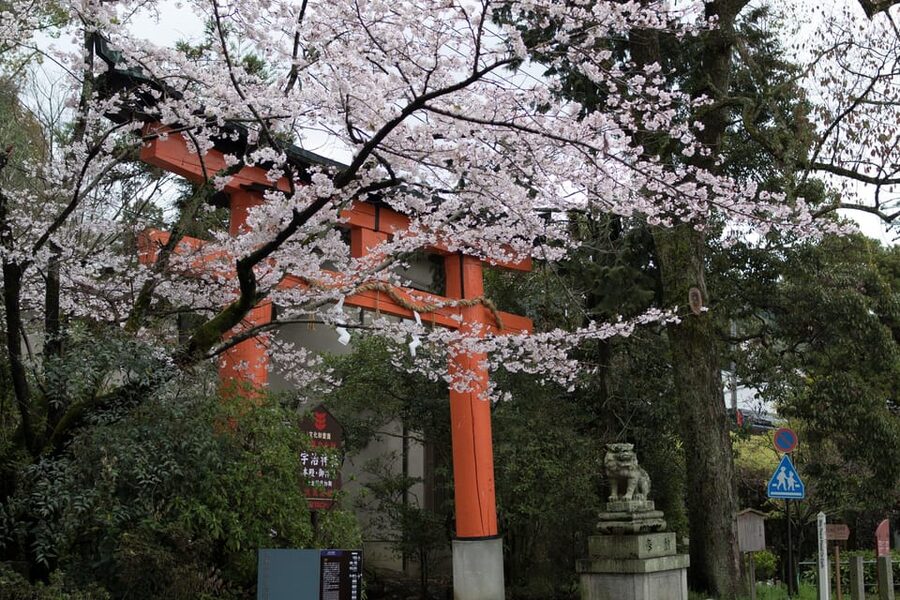
The next two stops shift the focus from Buddhism to Shinto. The tour spends about 20 minutes at Uji Shrine and another 20 minutes at Ujigami Shrine, both with guide explanations.
This pairing is valuable because the two traditions can otherwise blur together during a first visit to Japan. Your guide can point out differences in purpose, layout, customs, and the way people approach each place. Several guides, including Yuko and Katsuhiko, are praised for making Shinto and Buddhist ideas understandable to people who have not studied Japanese culture before.
Ujigami Shrine is especially important within Uji’s cultural story, but the tour does not give you hours for quiet contemplation. Twenty minutes per shrine means a focused visit. You will hear the main points, see the setting, and move on. That works well for a first look, though visitors who want detailed religious history may want to return independently.
The guides have also been noted for answering questions patiently. That matters here, since shrines can seem simple at first glance. A short explanation of why people bow, where they pray, and how shrine customs differ from temple practices can make the visit much more rewarding.
Finish with Uji’s matcha and local snacks
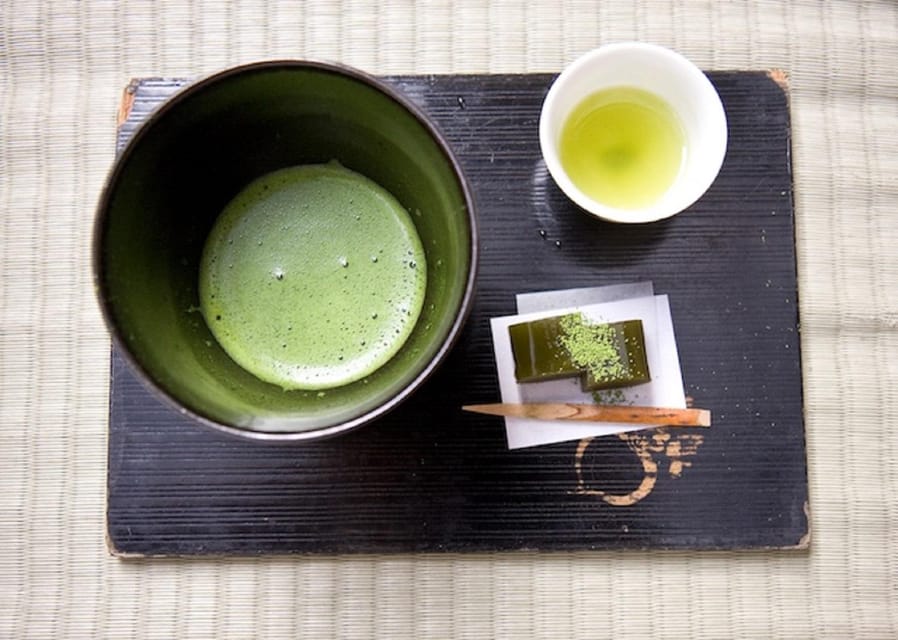
The final 40 minutes are devoted to local snacks and tea-related flavors. This is where Uji becomes more than a collection of historic buildings.
You can expect to encounter the city’s famous green tea in edible forms, along with culinary treats such as mochi and other local sweets. The exact items are not specified, so do not book the tour expecting a fixed tasting menu. Instead, think of this as a guided introduction to the shops and flavors associated with Uji.
That distinction is important for your budget. Personal purchases are not included, so bring cash for anything you want to buy. A guide may point out matcha shops, restaurants, and mochi shops, giving you useful ideas for a later meal or souvenirs.
I like this ending because it lets you finish with something tangible. You have learned about tea, then tasted the broader food culture around it. The route ends at Uji Bridge, making the final walk a natural place to decide if you want to keep exploring on your own.
The guides make the difference
The experience uses English-speaking guides, and the names that appear repeatedly in the supplied information include Yuko, Katsuhiko, Katsu, and Nobumasa Miyake. Their strengths are described in practical terms: clear English, cultural explanations, patience, humor, and good recommendations.
Yuko is especially noted for explaining Uji’s history and culture in an approachable way, as well as suggesting places for restaurants, matcha, and mochi. Katsuhiko is praised for making the tea ceremony and both Shinto and Buddhist traditions easier to follow. Nobumasa Miyake is described as adding cultural detail and being accommodating.
Guide assignments can change, so you should not assume you will receive a particular person. Still, the repeated focus on guide quality is worth noting. On a short walking tour, a friendly guide who can explain customs clearly is often more valuable than adding another formal sight.
The group is limited to nine participants. That is small enough for questions and personal attention, but it is not a private tour. Your pace and time at each stop will still be shared with the group.
Practical planning for the three-hour route
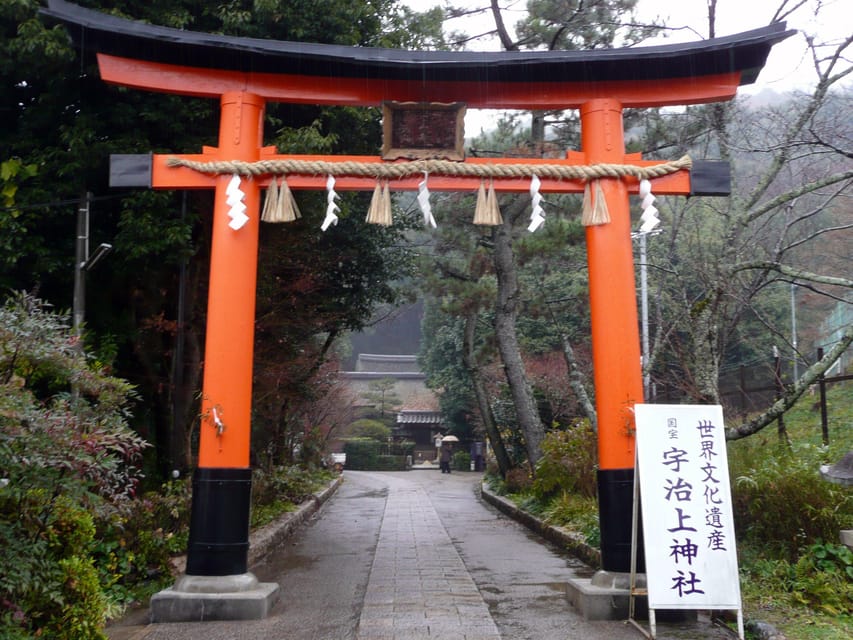
The tour begins at the south exit of JR Uji Station and ends at Uji Bridge. Since there is no hotel pickup or drop-off, plan your route to the station before booking. Arrive 10 minutes early, and add extra time if you are traveling during a busy morning.
Bring:
- Comfortable walking shoes
- Cash for personal purchases
- A camera for the outdoor sections
- Water and weather-appropriate clothing, although these items are not specifically listed as tour inclusions
The route includes walking, stairs or uneven surfaces may be present at traditional sites, and long periods of standing are possible. The activity is specifically not suitable for pregnant women or people with mobility, heart, or respiratory concerns. If any of those apply to you, choose a gentler sightseeing option.
The tea ceremony allows no photography or video. The guide translates from Japanese, but the host does not conduct the ceremony in English. That is not a flaw, but it is useful to understand before you reserve.
Free cancellation is available up to 24 hours before the start time, and you can reserve now and pay later. Those terms are useful if your Japan plans are still shifting.
Who should book this Uji walk
I would choose this tour if you have three hours in Uji and want a clear introduction rather than a self-guided checklist. It is particularly suited to first-time visitors who want help with temple and shrine customs, or anyone curious about tea but unsure how to approach a formal ceremony.
It also works well for people who like a balanced outing. You get architecture at Byodo-in, a quiet cultural ritual, open-air bridge views, Shinto sites, and food stops. The variety keeps the experience from feeling like three hours of temple corridors.
You may prefer to explore independently if you want to spend a long time at Byodo-in, shop at your own pace, or avoid a fixed walking schedule. The 50-minute temple visit and 20-minute shrine stops are enough for orientation, not exhaustive study.
Should you book the Uji tea and temple tour?
Book it if you value interpretation, want to take part in a tea ceremony, and appreciate having the route organized for you. The strongest parts are the tea experience at Taihoan, the clear cultural explanations, and the chance to connect matcha with the history and daily life of Uji.
Skip it if you have difficulty walking, dislike small-group timing, or mainly want unrestricted shopping. At $66, the value rests on the guide, included Byodo-in admission, and tea ceremony rather than on transportation or a large number of included tastings.
For most visitors with a free half-day, this is a well-balanced way to meet Uji. You leave at Uji Bridge with temple history, shrine context, a better understanding of tea ceremony manners, and a short list of matcha treats to investigate next.
FAQ
Where does the Uji walking tour begin?
It begins at JR Uji Station, at the South Exit. Your guide will wear a TripGuru shirt or hold a TripGuru sign.
Where does the tour finish?
The tour finishes at Uji Bridge.
How long does the experience last?
The tour lasts three hours. Starting times vary, so you need to check availability when booking.
Is Byodo-in Temple admission included?
Yes. The entrance fee to Byodo-in Temple is included in the tour price.
Is the tea ceremony included?
Yes. A tea ceremony at Taihoan is included. The included ceremony is listed as 30 minutes, while the scheduled tea stop takes about 40 minutes.
Is the tea ceremony held in English?
No. The ceremony is conducted in Japanese, and your English-speaking guide translates and explains it.
Can I take photographs during the tea ceremony?
No. Photo and video recording are prohibited during the tea ceremony. You can bring a camera for the outdoor portions of the tour.
What should I bring?
Bring comfortable shoes, a camera, and cash. Personal expenses and hotel pickup and drop-off are not included.
More Walking Tours in Uji
- Kyoto Geisha Walking Tour: Gion District & Hidden Gems
★ 4.7 · 3,273 reviews - Kyoto: Gion Magical Night Walking Tour with Geisha Trivia
★ 4.9 · 2,393 reviews - Kyoto: Gion Geisha District Walking Tour – Stories of Geisha
★ 4.7 · 2,187 reviews - Night Walk in Gion: Kyoto’s Geisha District
★ 4.5 · 2,003 reviews
More History Walks in Uji
- Slow Cycling Tour at Uji’s Matcha Green Tea Fields and Heritage
★ 5.0 · 25 reviews - Cycling Tour at Uji’s Matcha Green Tea Fields and Heritage
★ 5.0 · 10 reviews - Kyoto Gion: 2-Hour Geisha Culture & History Walking Tour
★ 5.0 · 1,186 reviews - Kyoto Gion Historical Walking Tour
★ 5.0 · 188 reviews
Recently added around Uji
- Uji Walking Tour – Byodo-in temple and Tea Ceremony from Kyoto★ 3.5 · 3 reviews
- Kyoto: Uji Matcha Tea Museum Entry Ticket★ 5.0 · 5 reviews
- Utilising upcycled Matcha! Creating matcha incense (Uji, Kyoto)★ 5.0 · 6 reviews
- Kyoto Hidden Riverside Zen Mediation and Uji Matcha Experience★ 5.0 · 9 reviews
- Cycling Tour at Uji’s Matcha Green Tea Fields and Heritage★ 5.0 · 10 reviews
- Uji: Private immersion into Kyoto’s tea and reglious culture★ 5.0 · 17 reviews
- Kyoto Early Bird Tour in Uji and Fushimi Inari★ 5.0 · 18 reviews
- Uji Tea Ceremony and UNESCO Heritage Walking Tour★ 5.0 · 20 reviews
Uji Tours, compared.
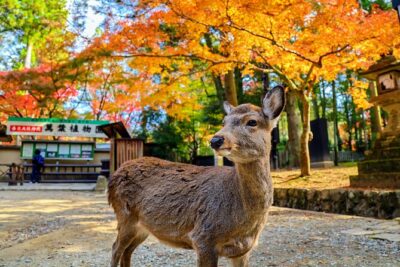
World Heritage Kyoto & Nara Uji Authentic Matcha Experience
Read our review →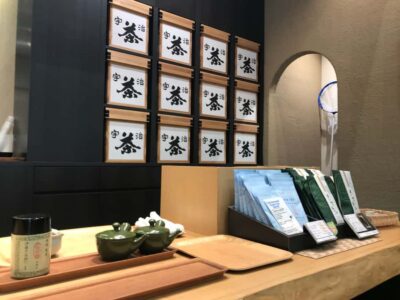
Green Tea Tour with Byodoin and Koshoji Temple Visits
Read our review →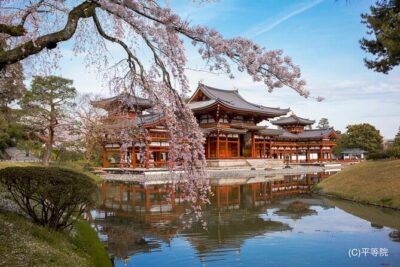
Matcha Grinding Experience and Walking Tour in Uji Kyoto
Read our review →
Slow Cycling Tour at Uji’s Matcha Green Tea Fields and Heritage
Read our review →
Uji and Wazuka Matcha Farm Half Day Private Guided Tour
Read our review →
Uji Tea Ceremony and UNESCO Heritage Walking Tour
Read our review →
Private immersion into Kyoto’s tea and reglious culture
Read our review →Browse the lists this tour appears in