
REVIEW · KYOTO NINJA EXPERIENCES
Ninja 2-hour Hands-on Lesson by Japanese master in Kyoto -Medium
The most unusual part of this Kyoto activity is its hands-on range. In two hours, you move from Kuji-In meditation and ninja breathing to sword work, shuriken, kunai, rope techniques, and a blowgun. This is not simply a costume photo stop. You get instruction, demonstrations, and time to try the techniques yourself.
I like the six-person maximum, which gives the Japanese Sensei room to correct movements and keep the lesson lively. I also like that clothing rental is included, and that staff may take photos and videos during the class and send them by email afterward. The main consideration is that $95.51 is a fair but not cheap price for two hours, and anyone hoping for a serious martial arts course should remember that this is an entry-level cultural lesson.
In This Review
- Key points before you book
- What happens inside the Kyoto ninja dojo
- Changing into rented ninja clothing
- Beginning with Kuji-In meditation and ninja breathing
- Learning ninja walking and trick-house ideas
- Handling the ninja sword
- Trying kunai, shuriken, and rope techniques
- Ending with the ninja blowgun
- Why the small group makes a difference
- How families and adults fit into the class
- The English-speaking Sensei and teaching style
- Photos, videos, and the value of the memories
- Is $95.51 a fair price for two hours?
- Practical details to know before arrival
- Who should book this Kyoto ninja lesson?
- Should you book it?
- FAQ
- Where does the ninja lesson meet?
- What time does the activity start?
- How many people can join the class?
- Is ninja clothing included?
- Is the lesson taught in English?
- What techniques are included?
- Can I cancel for a full refund?
Key points before you book
- Six-person maximum: Small groups make it easier to hear the English explanations and get hands-on time with each activity.
- More than sword practice: The lesson covers meditation, breathing, ninja walking, traps, rope skills, kunai, shuriken, sickle and chain work, and blow darts.
- Ninja clothing included: You change into rented ninja clothing before training, making the class more fun and giving you better photos.
- Beginner-friendly format: The elementary lesson adds five more techniques to the basic introduction, so you do not need prior martial arts experience.
- Family appeal: Children as young as five have taken part according to the supplied experience details, while adults and teenagers also fit comfortably into the class.
- Central Kyoto meeting point: The class starts and ends at NINJA DOJO and STORE KYOTO, near public transportation, at 10:00 a.m.
What happens inside the Kyoto ninja dojo
You meet at NINJA DOJO and STORE KYOTO, at 528 Hakurakutenchō, second floor, in Kyoto’s Shimogyo Ward. The postal code is 600-8422. The activity begins at 10:00 a.m. and returns to the same place, so you do not need to arrange a second pickup point.
Arrive about 15 minutes early. You leave your shoes at the door, use the slippers provided in the shoe boxes, and head upstairs. That small change of footwear helps the class feel more like a dojo than a standard sightseeing stop.
The setting also includes a store, which makes it easy to browse ninja-themed items before or after class. Food and drink are not included, so plan breakfast or a snack separately. Hotel pickup and drop-off are not provided, but the meeting point is near public transportation.
More ninja experiences:
- Skip the lines Basic Ticket at SAMURAI NINJA MUSEUM KYOTO
★ 4.5 · 632 reviews - Ninja 1-hour Hands-on Lesson by Japanese master in Kyoto -Entry
★ 5.0 · 489 reviews - Kyoto: Ninja Weapon Forging Experience
★ 4.8 · 478 reviews
Changing into rented ninja clothing
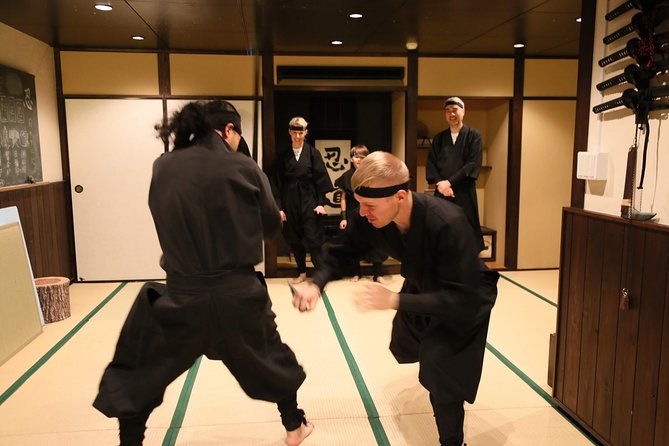
The class starts with a change into ninja clothing supplied by the dojo. This is not an optional costume add-on that you need to arrange yourself. The rental is part of the lesson, and staff help with the change if needed.
The clothing matters for more than photographs. It gives the group a shared role and helps younger children settle into the activity quickly. Adults tend to enjoy it too, especially when the staff take photos during the exercises.
Several participants received photos and videos by email, sometimes on the same day. This is a useful extra because it lets you focus on the lesson instead of trying to take pictures while handling equipment. The supplied information does not list this as a formal inclusion, so treat it as a staff-provided bonus rather than a guaranteed product feature.
Beginning with Kuji-In meditation and ninja breathing
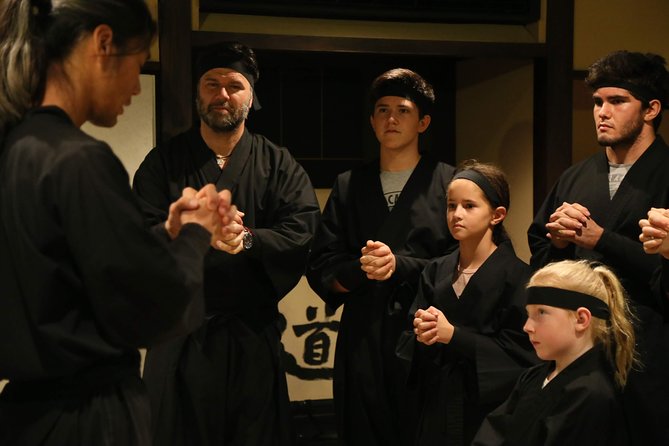
The class does not rush straight to weapons. It begins with ninja meditation called Kuji-In, along with breathing practice. This gives the lesson a little context and shows that ninja training is presented as more than theatrical sword poses.
You learn basic hand signs and ways of controlling your breathing before moving into physical techniques. The meditation section also creates a useful pause in a class that later becomes active and playful.
If you are booking this for children, this opening may be one of the moments when the instructor needs to work hardest to hold attention. The class then moves into practical movement, so the quiet start does not last too long.
Learning ninja walking and trick-house ideas
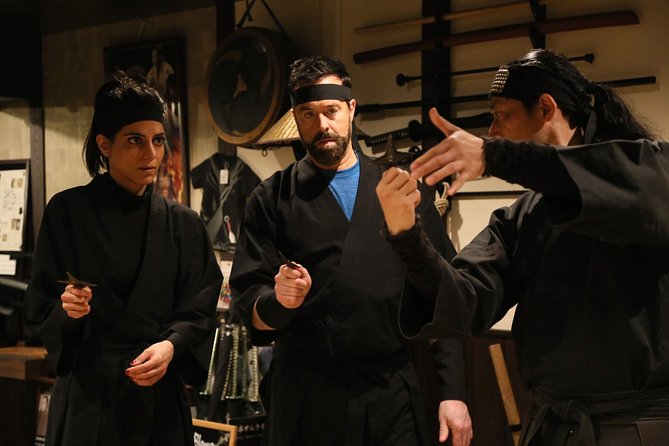
Next comes ninja walking, with instruction on how to move in a controlled and discreet way. You also receive an introduction to a gimmick and trap inside the ninja trick house.
This section is valuable because it connects movement with the popular image of ninja craft. It is not only about throwing an object at a target. You start to see how balance, timing, silence, and surprise fit into the larger idea of ninja technique.
The trick-house portion is also likely to appeal to children and first-time visitors who want something more playful. If your main goal is historical study, the lesson may feel light on detailed background. One person specifically wanted more history, and that is a fair expectation to manage: this class teaches techniques first, with cultural explanation woven around them.
More workshops and classes in Kyoto:
- Kyoto: 45-Minute Tea Ceremony Lesson Experience
★ 4.3 · 2,378 reviews - Kyoto : Chopsticks Making Workshop in Gion with Engraving Option
★ 5.0 · 958 reviews - Kyoto: Samurai Sword Class by Experts in Traditional Arts
★ 4.9 · 657 reviews - Kyoto: Ramen Cooking Class at a Ramen Factory with Souvenir
★ 4.9 · 532 reviews
Handling the ninja sword
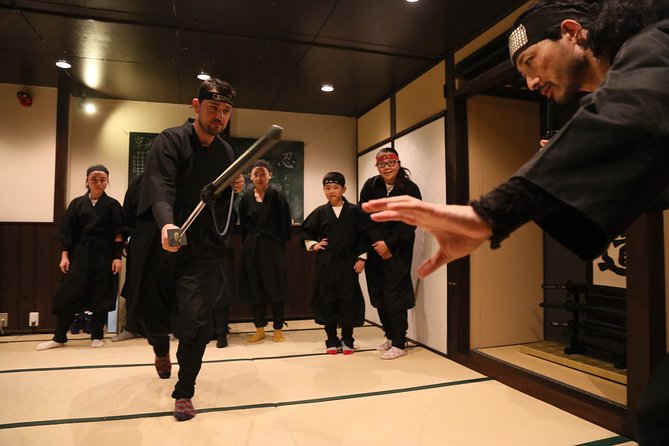
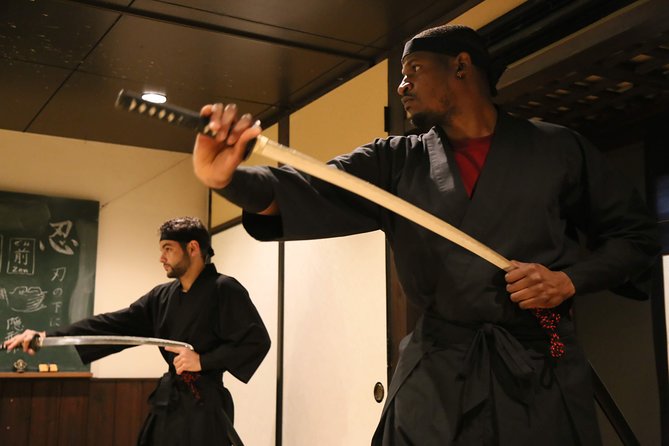
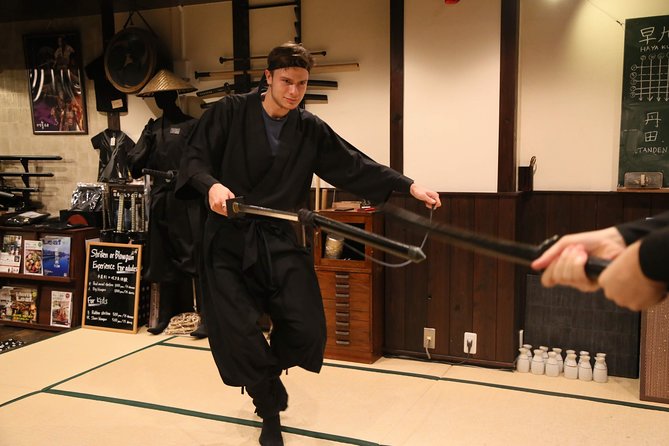
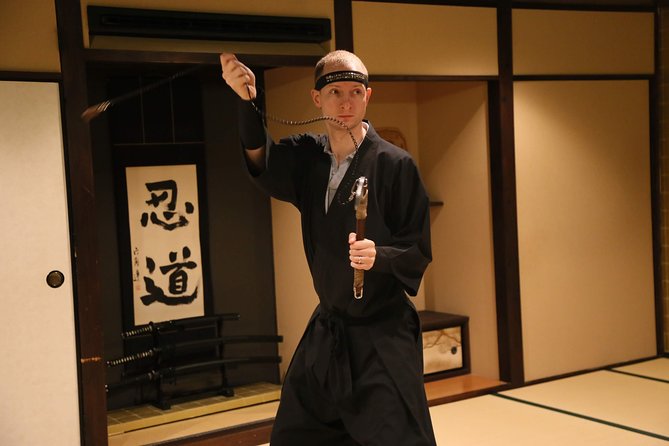
Sword training is one of the main attractions. The Sensei demonstrates how to wield a ninja sword, then gives you a chance to practice the movements.
The instructors are described as patient and clear in English, which matters when a movement involves both posture and control. You are not left to guess what to do. The class is designed for beginners, and the teaching style balances humor with discipline.
The experience details describe the weapons as authentic rather than toy-like. That makes the session feel more serious, but it also means you should listen closely and handle every item exactly as instructed. The supplied information does not promise that every weapon is used by every participant for the same length of time, so expect a rotation through many activities rather than an extended sword workshop.
Trying kunai, shuriken, and rope techniques
The lesson includes kunai, a dagger-shaped ninja tool, along with shuriken, often called ninja stars. You practice throwing at targets under staff supervision.
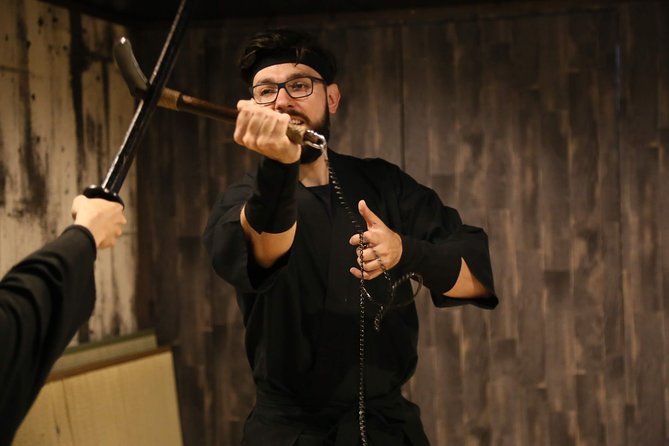
You may also work with a kusarigama, a sickle with a chain, plus rope technique and kunai with rope. These activities give the class its variety. You are not repeating one movement for two hours, and the change from throwing to handling rope or a chain keeps the pace lively.
There is also a ninja sword with shuriken, stick-type shuriken, and other combinations listed in the lesson plan. Since this is an entry-level class with an additional five techniques, the exact pace can depend on group size and instructor timing.
This variety is a major reason I see value in the experience. At $95.51 per person, you are paying for a guided sequence of different skills, clothing, instruction in English, and access to equipment. If you only want a quick sword photo, the price may feel high. If you want to try a broad set of techniques in one organized session, the cost makes more sense.
Ending with the ninja blowgun
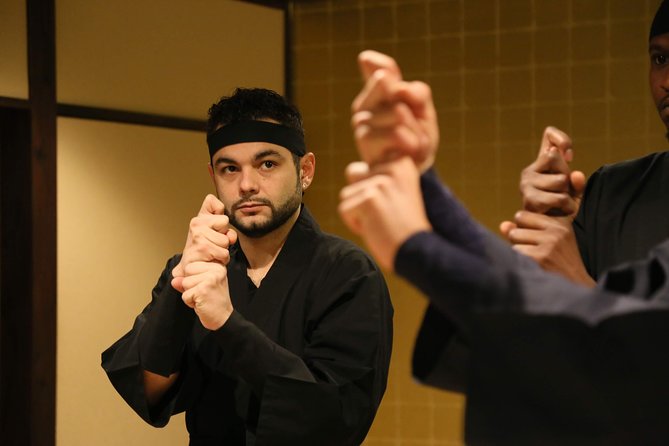
The ninja blowgun, or blow darts, provides a memorable final activity. It is different from the sword and throwing exercises, and it gives you another lesson in breath control and aim.
The blowgun also ties back to the opening breathing practice. That connection gives the class a simple structure: begin by learning to control your breath, then use that control in a practical activity later.
As with the other equipment, follow the instructor’s safety directions carefully. The class is designed to be accessible to most people, but it still involves weapons and target practice. This is not a free-play session.
Why the small group makes a difference
The maximum group size is six. That is one of the strongest practical features of the experience.
A small group means you can see demonstrations without standing far back. It also gives the Sensei more time to watch your form, answer questions, and help children or beginners who need another explanation.
The small size can also make the lesson more comfortable for solo visitors. One person joined without a companion and found the group manageable. Couples, parent and child pairs, and families can take part without being swallowed by a large tour group.
A six-person cap does not guarantee a private lesson. You may share the dojo with other bookings, and the supplied details show that some sessions included a mix of couples, families, and solo participants. That mix can add energy, but it also means the lesson’s mood depends partly on the group.
How families and adults fit into the class
The strongest fit is a family with children who like action, costumes, and hands-on activities. Children aged 5 to 12 have taken part, and families with children aged 7 and 9 or 10, 8, and 6 found the format accessible.
Older children and teenagers should enjoy the wider range of techniques, while adults can take part without needing to be especially limber. A middle-aged couple found the activities manageable, which is useful if you are concerned that the class might require athletic ability.
The lesson also works for adults traveling together. Groups ranging from two people in their twenties to people in their fifties enjoyed the combination of instruction and humor. You do not need to be a fan of martial arts to have a good time, but you should be willing to participate rather than watch from the side.
The class may not suit someone seeking a quiet, scholarly treatment of ninja history. The emphasis is on doing. You receive cultural information and ninja philosophy, but the main memory will likely be wearing the clothing and trying the tools.
The English-speaking Sensei and teaching style
The class is taught in English by a Japanese Sensei who has trained in Ninja-Arts. The instruction is described as clear, patient, funny, and well organized.
That combination is important. Weapon demonstrations can become confusing when a guide explains too quickly or relies on gestures alone. Here, the teaching approach is built for first-timers, with each movement shown before you try it.
The information supplied does not identify one instructor by name, though Sho is mentioned as a welcoming staff member at the door in one account. You may meet different instructors or helpers depending on the date. Staff also assist with clothing and may handle photography during the lesson.
Photos, videos, and the value of the memories
The dojo staff may photograph and film the class with a professional camera. The images and videos can be sent to your email through Google Photos, sometimes on the same day.
This is especially useful for families. Parents can join the activity instead of standing outside with a phone, and solo visitors do not have to ask another participant to take pictures.
Do not book solely for the photography, since the formal inclusions list does not spell out a guaranteed photo package. Think of it as a welcome extra attached to a real class. The lasting value comes from the instruction and the chance to try the techniques, while the images help you remember the experience later.
Is $95.51 a fair price for two hours?
At $95.51 per person, this is not a bargain activity. Kyoto offers many low-cost cultural sights, and two hours of entertainment can add up quickly for a family.
Still, the price includes the English-speaking Sensei, admission, ninja clothing rental, and access to a long list of activities. You also get a small group, which is more valuable here than it would be on a simple walking tour because each person needs time to practice.
I would call it good value for the right purpose. You are paying for a structured, memorable activity with unusual equipment, not for a full martial arts certification or a detailed academic course on ninja history.
For a family, compare the total cost with other paid attractions in Kyoto. If your children are excited by ninja culture, the class can be one of the trip’s main highlights. For a solo adult on a tight budget, it is worth booking only if the hands-on training matters more to you than visiting another temple or museum.
Practical details to know before arrival
You receive confirmation when you book, and the ticket is mobile, so you can keep it on your phone. The experience takes place near public transportation and starts at 10:00 a.m.
The class ends back at the dojo. There is no food, drink, hotel pickup, or hotel drop-off, so fit it into your day with those limits in mind.
Most people can participate, and service animals are allowed. The activity requires a minimum number of participants, and poor weather can also lead to a cancellation, with a new date or full refund offered in those cases. For your own cancellation, cancel at least 24 hours before the start time for a full refund. Changes or cancellations inside 24 hours are not accepted and are not refunded.
Who should book this Kyoto ninja lesson?
I would choose this class if you want an active break from temples and gardens, especially with children or teenagers. It gives you a clear two-hour block, a central meeting point, and enough variety to keep the activity from feeling repetitive.
It is also a good choice for a solo visitor who wants a social activity without committing to a full-day tour. The small group makes it easier to take part, and the staff’s photography can help you leave with more than a phone selfie.
I would hesitate if you want detailed ninja history, advanced martial arts instruction, or a private class. The course is elementary level, and its charm comes from variety, humor, costumes, and practical attempts at many techniques.
Should you book it?
Book it if you want to try the tools yourself, wear ninja clothing, and learn from a Japanese Sensei in a small English-speaking class. The sword, shuriken, rope, sickle and chain, and blowgun activities give you much more than a quick staged demonstration.
Skip it if $95.51 feels too high for a two-hour activity or if your main interest is serious historical study. For families, couples, solo visitors, and adults who enjoy a little silliness with their culture, this is an easy Kyoto choice to recommend. Just arrive early, wear comfortable clothing beneath the rented outfit, and treat the equipment with care.
FAQ
Where does the ninja lesson meet?
The class meets at NINJA DOJO and STORE KYOTO, 528 Hakurakutenchō, second floor, Shimogyo Ward, Kyoto 600-8422. It ends back at the same meeting point.
What time does the activity start?
The listed start time is 10:00 a.m. The lesson lasts approximately two hours.
How many people can join the class?
The activity has a maximum of six participants.
Is ninja clothing included?
Yes. Ninja clothing rental during the training is included in the activity.
Is the lesson taught in English?
Yes. A Japanese Sensei trained in Ninja-Arts teaches the lesson in English.
What techniques are included?
The lesson includes Kuji-In meditation, ninja breathing, ninja walking, a ninja trick-house introduction, sword training, kunai, kusarigama, rope techniques, shuriken, stick-type shuriken, and a ninja blowgun.
Can I cancel for a full refund?
Yes, if you cancel at least 24 hours before the experience start time. Cancellations or changes made less than 24 hours in advance are not refunded or accepted.
More 2-Hour Experiences in Kyoto
- Kyoto Gion: 2-Hour Geisha Culture & History Walking Tour
★ 5.0 · 1,186 reviews - Kyoto: 2-Hour Maiko Makeover and Photo Studio Shoot
★ 4.7 · 122 reviews - Kyoto 2 Hours Genuine Kendo / Samurai Experience In Japan
★ 5.0 · 57 reviews - 2 Hour Night Walking Tour Throughout Gion with snack
★ 4.0 · 13 reviews
Recently added around Kyoto
- Higashiyama | Kyoto: Sakura Season Private Rickshaw Tour★ 5.0 · 3 reviews
- Kyoto Kimono Rental CHAMATSU|Kimono/Yukata Rental FamilyPlan★ 5.0 · 3 reviews
- Kyoto: Half-Day Private Guided Tour to the Old Town of Gion★ 4.4 · 3 reviews
- Nara Private Customizable Half Day Tour★ 5.0 · 3 reviews
- Kansai Region Hiking Adventure in Nara Kobe Kyoto and More★ 5.0 · 3 reviews
- Full Day Nara Deer, Temple, Shrine, Activities & Tea Ceremony★ 5.0 · 3 reviews
- Nara: Essential Private Tour with Deer Park and Temples★ 5.0 · 3 reviews
- Hiking Tour for Sacred Sites in Kyoto with a Guide★ 5.0 · 3 reviews
Kyoto Ninja Experiences, compared.
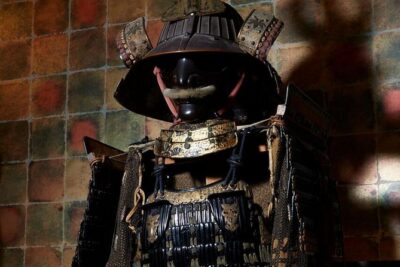
Skip the lines Basic Ticket at SAMURAI NINJA MUSEUM KYOTO
Read our review →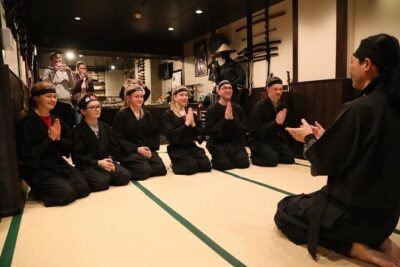
Ninja 1-hour Hands-on Lesson by Japanese master in Kyoto -Entry
Read our review →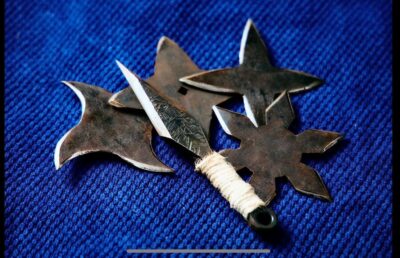
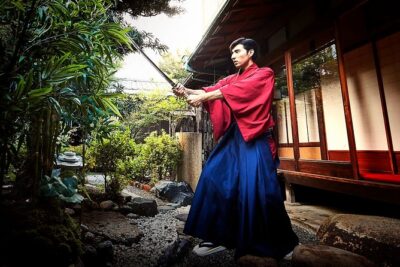
Kyoto Sword Experience – includes Museum Ticket/Ninja Experience
Read our review →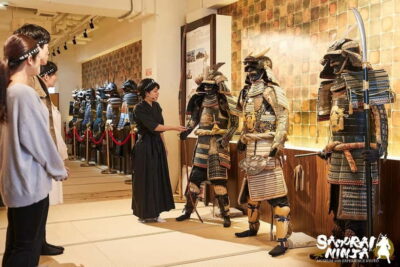
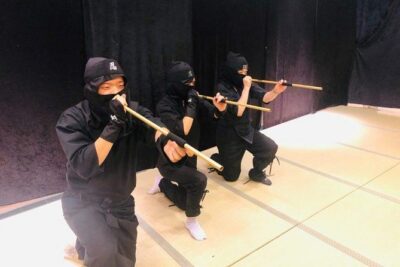
Ninja Experience (Family Friendly) at Samurai Ninja Museum KYOTO
Read our review →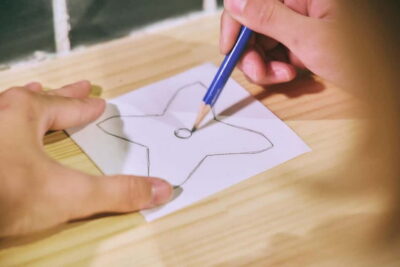
Forge Your Own Ninja Weapon with Japanese Tin Casting
Read our review →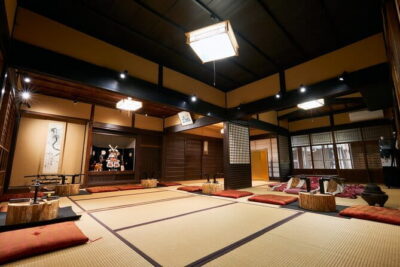
Authentic Ninja Weapon Forging Experience in Kyoto
Read our review →Browse the lists this tour appears in