
REVIEW · KYOTO NINJA EXPERIENCES
Kyoto: Ninja Weapon Forging Experience
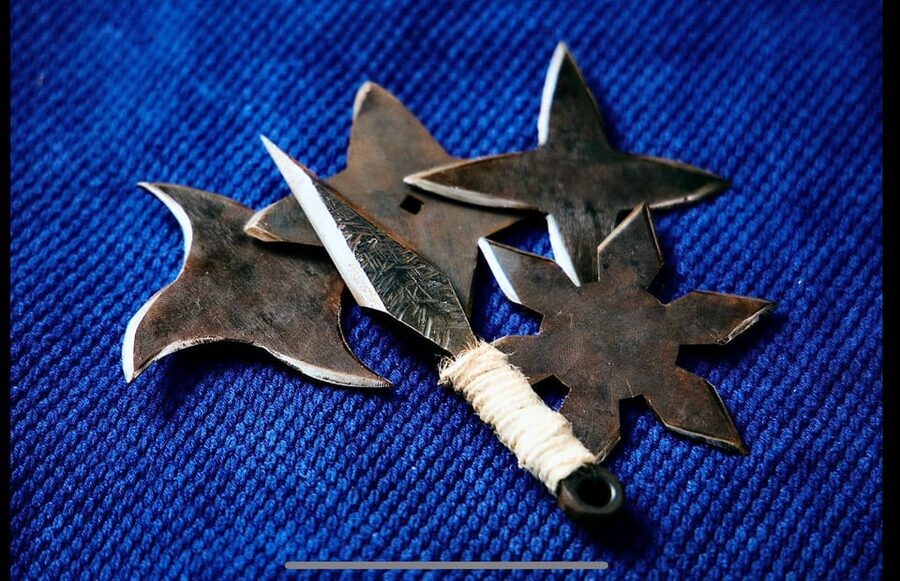
The most memorable part of this Kyoto activity is that you do not simply watch a blacksmith work. You heat real steel in an 800°C furnace, hammer it, sand it, engrave it, darken it, and polish it into a ninja-style weapon. Taka and his team keep the mood lively while guiding you through work that feels both serious and approachable.
I especially like the hands-on format, since you take part in nearly every stage rather than posing for a quick photo. I also like the finished souvenir: your chosen kanji character gives the shuriken or kunai a personal mark, and the presentation box makes it easy to carry home. The main consideration is the location. It is close to Hieizanguchi Station, but the approach includes a hill, and some visitors find a taxi or bus from central Kyoto more practical.
In This Review
- Key points to know before booking
- Why this Kyoto workshop feels different
- Getting to Hieizanguchi Station and the red postbox
- Changing into samue starts the lesson
- Choosing between shuriken and kunai
- The furnace and the first hammer blows
- Sanding turns a rough shape into a weapon
- Kanji engraving makes the keepsake personal
- Ninja history between the work stations
- Blackening, polishing, and the final presentation
- Is $148 good value for 150 minutes?
- Who will enjoy this most?
- Timing, cancellation, and what to plan
- Should you book the Kyoto Ninja Weapon Forging Experience?
- FAQ
- Where is the ninja weapon forging experience located?
- How long does the activity last?
- What weapon can I make?
- Is the class taught in English?
- What is included in the price?
- Can I take the weapon home on my flight?
- Can I cancel or pay later?
Key points to know before booking
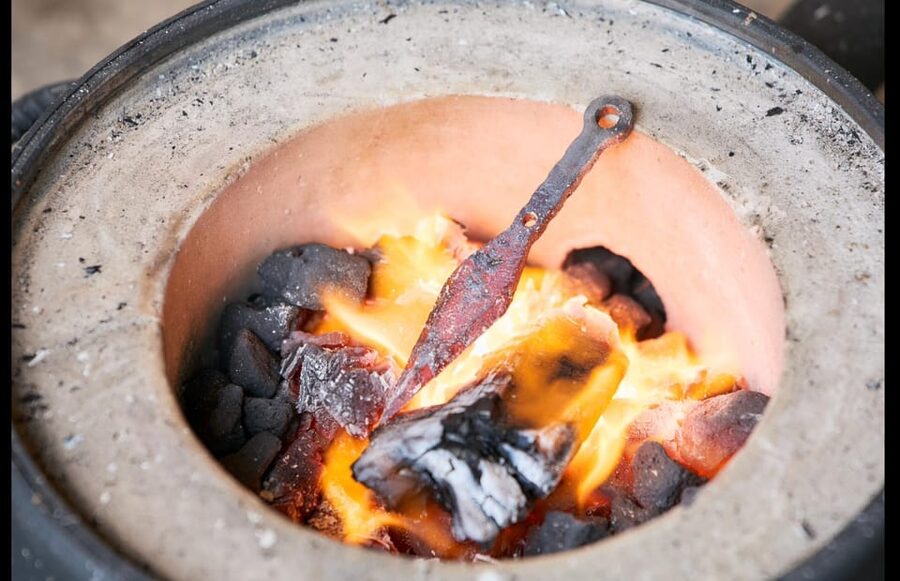
- 800°C furnace work: You watch the steel glow, then strike it under close instruction as sparks fly.
- Three shuriken styles or a kunai: The shuriken is included, while the kunai costs an additional ¥3,000.
- A full craft process: You take part in hammering, belt-sanding, polishing, blackening, and kanji engraving.
- English-speaking instruction: Taka, Mits, Ako, Yok, and Daiki are among the team members praised for clear guidance and good humor.
- A useful Kyoto souvenir: Your finished weapon goes home in a box, but it must travel in checked luggage, never in your carry-on.
- Good for families and solo visitors: Children as young as eight have taken part, and solo participants have made friends during the class.
Why this Kyoto workshop feels different
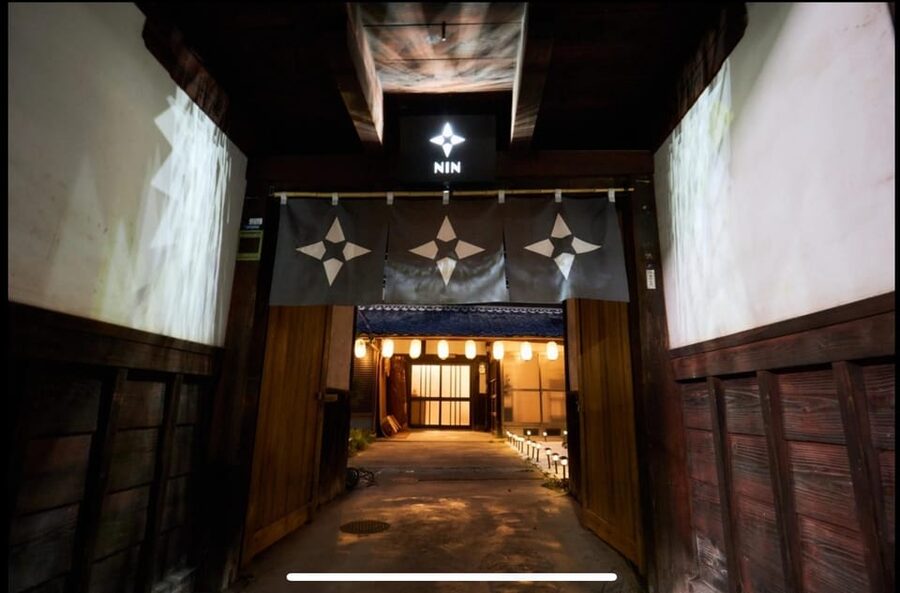
Kyoto has no shortage of cultural activities. You can attend a tea ceremony, dress in traditional clothing, or watch a craftsman demonstrate an old skill. This workshop takes a different route: you put on the work clothes and make something yourself.
That distinction matters. A demonstration can be fascinating, but the memory often fades once you leave. Here, your souvenir carries the marks of your own effort. It may not be a perfect weapon made by a professional smith, but it is a personal object that shows where you spent part of your Kyoto visit.
The class is also careful to frame the activity with cultural background. You learn about ninja history, symbolism, and techniques connected with the craft. The history session does not replace the practical work. Instead, it gives the hammering, sharpening, and darkening a clearer purpose.
The tone is energetic rather than solemn. Taka is repeatedly singled out for his humor and enthusiasm, while Mits, Ako, Yok, and Daiki help with the different stations. English is used throughout, which makes the class workable even if you know little Japanese.
More ninja experiences:
- Skip the lines Basic Ticket at SAMURAI NINJA MUSEUM KYOTO
★ 4.5 · 632 reviews - Ninja 1-hour Hands-on Lesson by Japanese master in Kyoto -Entry
★ 5.0 · 489 reviews - Ninja 2-hour Hands-on Lesson by Japanese master in Kyoto -Medium
★ 5.0 · 218 reviews
Getting to Hieizanguchi Station and the red postbox
The meeting point is a one-minute walk from Hieizanguchi Station. From the station, go uphill toward the red postbox in front of the station. That landmark is useful because the final approach may not feel like a large tourist attraction or a formal city-center studio.
There is a small practical wrinkle. The activity information describes the station as very close, but several detailed accounts say the location is some distance from central Kyoto and that a taxi is the easiest choice. One person also noted that public transport did not bring them close enough without an uphill walk.
I would allow extra time, especially for a morning booking or if you are carrying luggage. Check the route before leaving central Kyoto rather than assuming this is a quick walk from the main sightseeing district. The less central setting is part of the appeal for some people, but it is not the most convenient Kyoto stop if you are trying to squeeze in several downtown sights.
Changing into samue starts the lesson
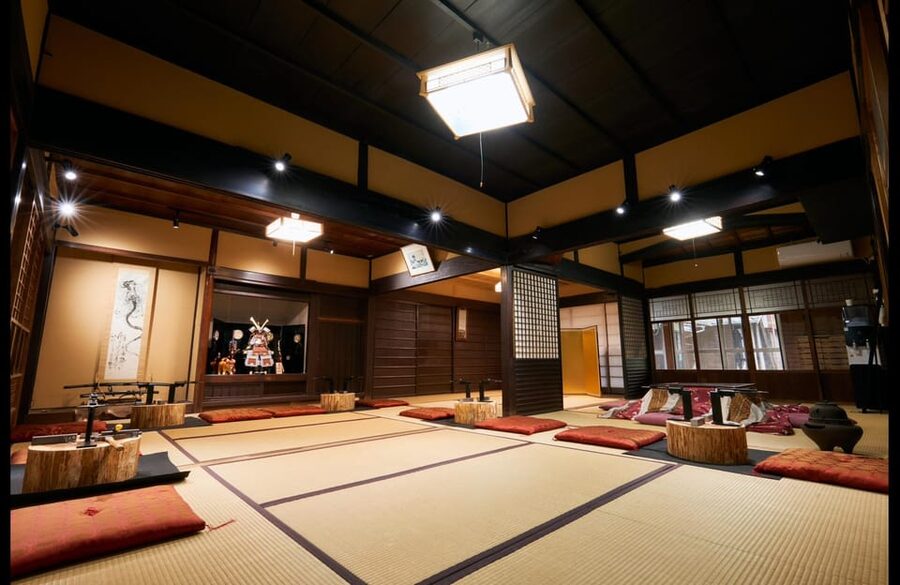
At the studio, you change into samue, the traditional work clothing associated with Japanese artisans and blacksmiths. A tenugui head cloth completes the outfit.
This is not just a costume photo opportunity. The clothing helps mark a change from sightseeing to workshop time. You are dressed for the part, then placed in front of tools, steel, and heat. Photos and videos are encouraged during the process, so you can preserve the visual details of the session.
The outfit also makes the class more appealing for families and groups. Children can take on a role, and adults get a souvenir photo that feels more connected to the activity than a standard posed picture. Keep in mind that this is a working environment, not a quiet museum visit. You will be close to heat, machinery, and other participants using tools.
Choosing between shuriken and kunai
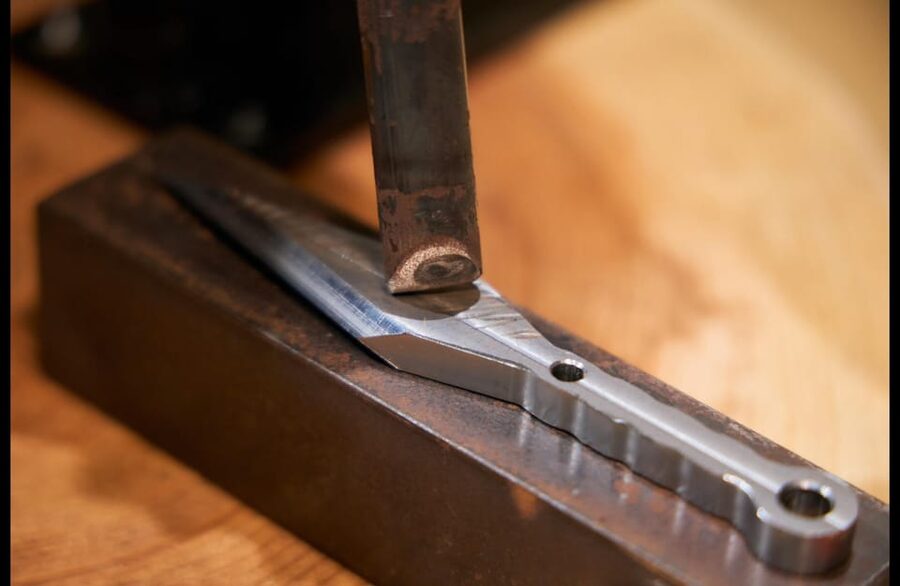
You choose one of three shuriken designs or select a kunai. Each shape has a different look and balance, so this is the point where you decide what kind of keepsake you want.
The standard shuriken option is included in the listed price. A kunai requires an extra ¥3,000, and you need to select that option when booking. Do not assume you can simply change your mind at the studio without arranging the additional payment.
The shuriken is a sensible choice if you want the basic experience at the advertised price. The kunai is the natural pick if you prefer a knife-shaped piece or want a larger-looking display object. Some participants choose a deliberately dull finish for classroom display or easier handling at home. Ask about the available level of sharpness during the session rather than assuming every finished piece will have the same edge.
Replica swords are also sold at the studio for an additional fee. They are separate purchases, not part of the weapon-making class.
A completely different side of Kyoto:
- PERFECT KYOTO 1-Day Bus Tour
★ 5.0 · 13,518 reviews - Kyoto: Fushimi Inari, Kinkakuji, Bamboo Grove 1 Day Bus Tour
★ 4.8 · 4,316 reviews - Kyoto: Tea Ceremony in a Traditional Tea House in Kiyomizu
★ 4.9 · 3,519 reviews - Kyoto Geisha Walking Tour: Gion District & Hidden Gems
★ 4.7 · 3,273 reviews
The furnace and the first hammer blows
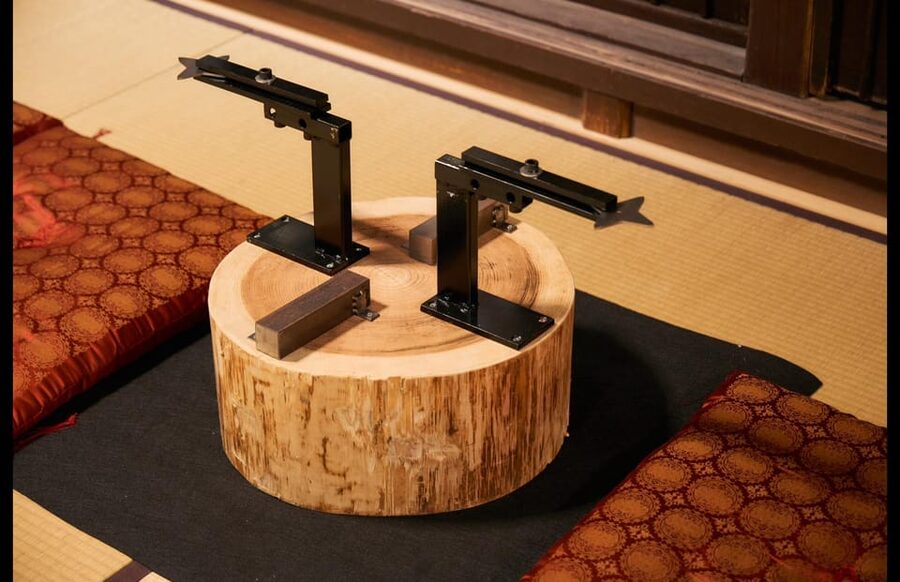
The central moment comes when your steel is heated in a furnace at about 800°C. You see the metal glow, then work with the hammer under direct instruction.
This part is physical, but it is structured for beginners. The staff explain each step before you try it, and they help you position the metal and use the tools. You are not expected to arrive with blacksmithing experience.
The furnace is also the best photo moment. The glow of the steel and the shower of sparks make the workshop feel dramatic, so keep your camera ready if the staff permit filming at that stage. The activity information specifically highlights photos and videos of your crafting, and the team has helped participants record their work.
The trade-off is that your personal hammering time may be limited when several people are in the class. One detailed account wished for more time shaping the steel. The staff prepare and guide the process so that everyone can complete a finished piece within roughly 150 minutes, but this is not an open-ended apprenticeship.
Sanding turns a rough shape into a weapon
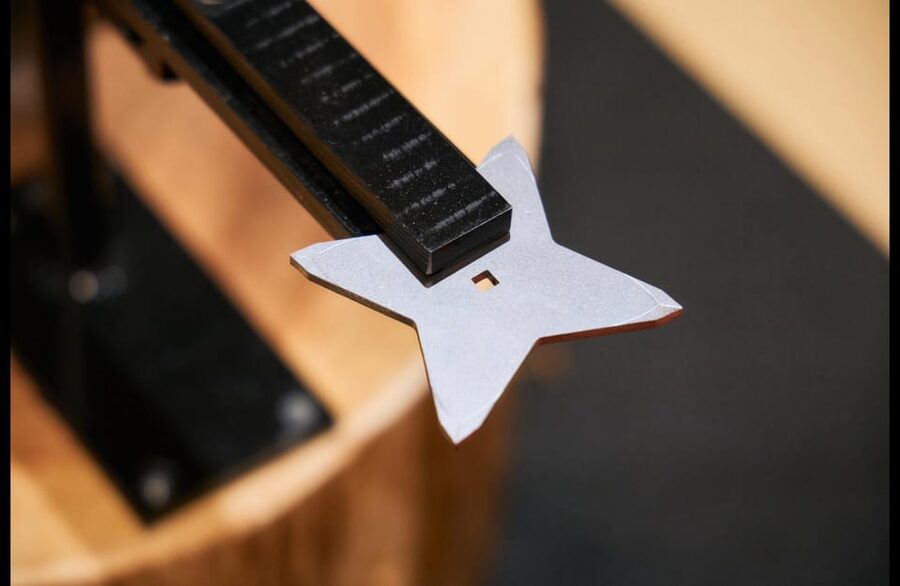
After forging, you refine the form with a professional belt sander. This is where the object begins to look less like heated metal and more like a finished shuriken or kunai.
You can see the lines become cleaner as the surface is shaped. The process rewards patience. A quick pass can remove material, while careful work brings the outline into focus. In practical terms, the belt sander may be the stage where you feel most responsible for the final appearance.
The instructor remains nearby and explains what to do. You do not need to operate the machine without guidance. Still, this is a workshop tool, so listen closely and follow the safety instructions. The experience is suitable for families according to several accounts, but children should take the equipment seriously and work only as directed.
The sanding stage also explains why the final item is a souvenir rather than a museum-quality forged weapon. You receive a prepared basic form and help refine it. That approach makes the activity manageable for first-time participants while still allowing you to take part in meaningful craft work.
Kanji engraving makes the keepsake personal
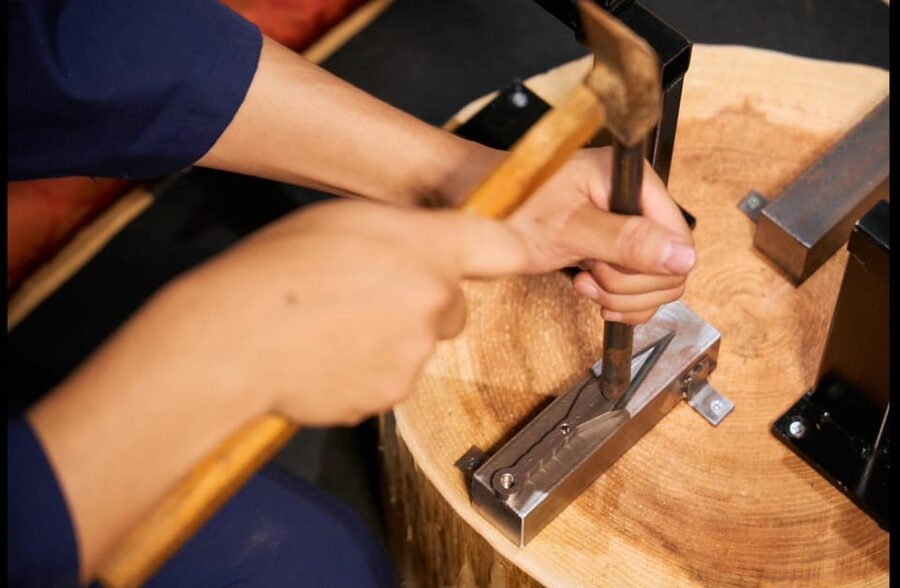
You choose a kanji character that has meaning for you, and a staff member engraves it onto the weapon. The engraving is done by the team rather than by you, which keeps the lettering clean and precise.
Think about your character before the class if you already have an idea. You might choose a word connected to strength, courage, family, travel, or another personal theme, but confirm the meaning with the staff before committing it to the metal.
This is one of the strongest parts of the souvenir. A store-bought replica can look attractive, but a piece with your chosen kanji feels tied to your own visit. The engraving also adds a calmer, more personal stage after the heat and noise of the furnace.
Ninja history between the work stations
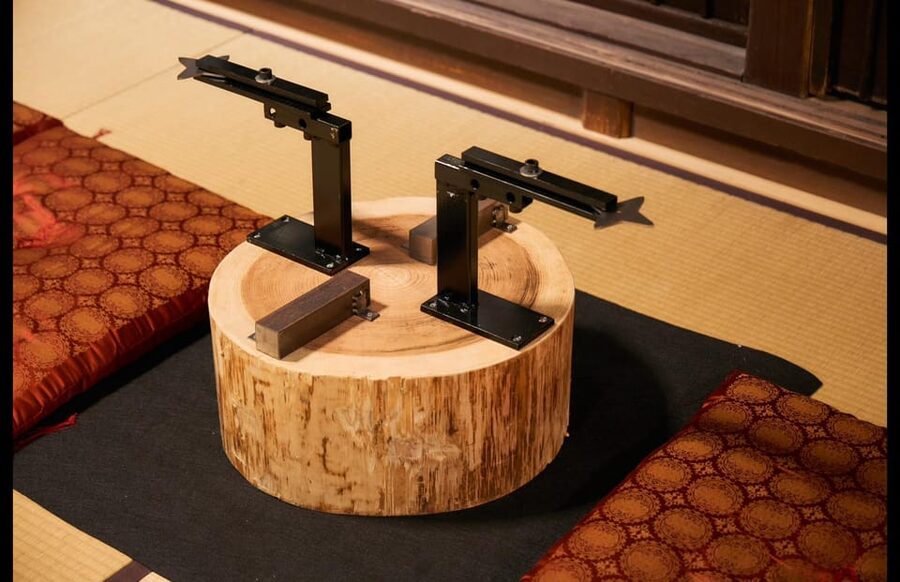
The class includes a lesson on ninja history, symbolism, and hidden techniques. This gives the activity cultural context without turning it into a long lecture.
You learn why the objects have different forms and how the craft connects with the popular image of the ninja. The history lesson is useful because the workshop could otherwise feel like a themed souvenir-making session. Here, the staff explain the ideas behind the objects as you work on them.
The guides are a major part of the experience. Taka is known for keeping the energy high, while other instructors move around to help with individual steps. Ako has been praised for patient guidance, and Yok handles the engraving with care. Daiki, also referred to as Dike, has led detailed explanations of the forging process.
The English instruction is clear enough for hands-on work. You will still need to pay attention when tools and heat are involved, but language should not prevent you from following the sequence.
Blackening, polishing, and the final presentation
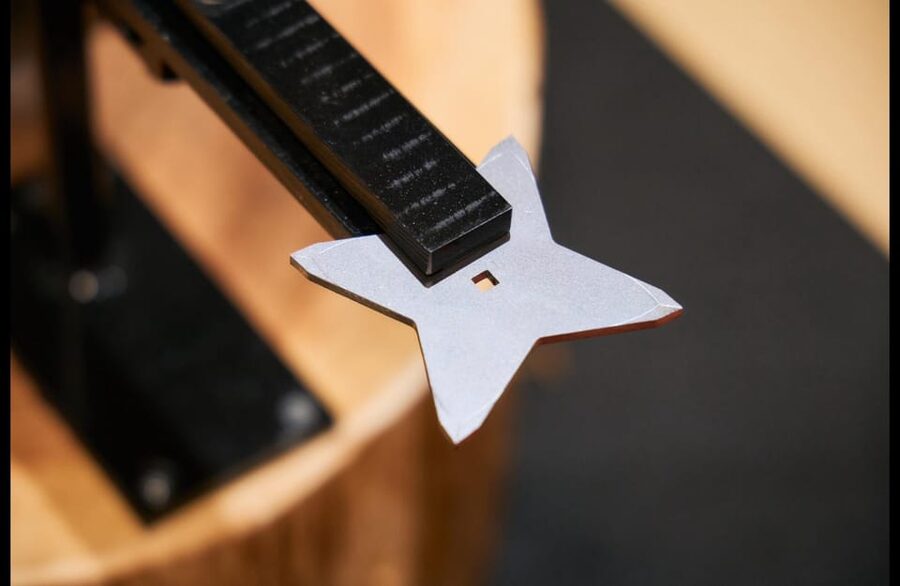
Once the shape and engraving are complete, a special solution darkens the steel and helps protect it from rust. The black finish gives the piece a shadowy, understated look rather than a bright polished-metal appearance.
You then complete the final polishing. This brings out selected areas of the surface and gives the weapon a cleaner finish. The contrast between darkened steel and polished sections makes the final piece feel more finished than the rough material you handled at the start.
The weapon is placed in a presentation box for you to take home. That is an important value point. A fragile or awkward souvenir can be a burden during a long Japan trip, while a box gives you a safer way to store the piece before your flight.
You cannot pack it in carry-on luggage. The weapon must go in checked baggage. Check the rules for your airline and destination before booking, especially if you are traveling with only a cabin bag. The activity information confirms that you can bring the piece home on your flight only in checked luggage.
Is $148 good value for 150 minutes?
At $148 per person, this is not a budget activity. You are paying for an instructor-led craft session, use of the studio and tools, traditional clothing, real steel, the finished weapon, custom engraving, and a presentation box.
I think the price makes sense if you value participation and a distinctive souvenir. It compares less favorably if you only want a quick ninja-themed photo or a cheap gift. You spend around two and a half hours working through several stages, and the object you take home is made during your session rather than selected from a shop shelf.
The included guidance matters. Heating and shaping steel is not something most visitors can arrange safely or easily during a Kyoto holiday. The staff prepare the process, explain the tools, and help you move from one stage to the next.
The extra ¥3,000 for a kunai is worth including in your budget if that is the design you want. Since the basic shuriken is included, you can keep the listed price by choosing one of the three shuriken styles.
The class can also replace several smaller activities. You receive a cultural lesson, a traditional clothing experience, a craft session, and a custom souvenir in one booking. That does not make it cheap, but it does make the cost easier to justify for a special day in Kyoto.
Who will enjoy this most?
I would recommend this for:
- Families with older children who can follow tool and safety instructions
- Couples who want matching or complementary keepsakes
- Solo visitors looking for a structured activity outside ordinary sightseeing
- Anyone interested in Japanese craft, ninja culture, or metalworking
- Visitors who prefer making a souvenir instead of buying one
- Repeat Japan visitors who have already covered the major temples and shrines
The workshop has worked well for children around eight and up according to detailed accounts, including family groups with children aged 11, 12, 15, and 17. There is no stated official minimum age, so confirm suitability when booking if you are bringing a younger child.
It is less suitable if you want a relaxed, passive cultural show. You will stand, handle tools, work near heat, and concentrate on several stages. It is also not the right choice if you hope to test or throw the finished weapon. The activity is about making and taking home a display piece, not using it.
Solo visitors can fit in comfortably. One participant made friends during the class and later went for drinks with people from the session. That kind of social connection depends on the group, but the shared work gives you an easy way to meet others.
Timing, cancellation, and what to plan
The advertised duration is 150 minutes. Several detailed accounts describe the session as taking about three hours, so I would avoid scheduling a tight connection immediately afterward. The exact pace can depend on the group and how much help each person needs.
The experience is offered in English. The staff guide you through each step, and the team has been praised for being friendly, funny, and patient. You should still arrive ready to listen carefully, especially before using the belt sander or working near the furnace.
You can cancel up to 24 hours before the activity for a full refund. A reserve-now, pay-later option is also available, which helps if your Kyoto schedule is still shifting. Starting times vary, so check availability before building the rest of your day around the class.
Bring a phone or camera if you want photos and videos of the process. Wear whatever you can comfortably change out of, since the studio provides the samue uniform. Afterward, protect the boxed weapon in your checked luggage and confirm the rules that apply to your destination.
Should you book the Kyoto Ninja Weapon Forging Experience?
Book it if you want a hands-on Kyoto memory and you are happy to pay for a guided craft session rather than a quick attraction. The combination of real steel, furnace work, kanji engraving, and a boxed souvenir gives the activity lasting value.
Choose the shuriken to stay within the advertised price, or add ¥3,000 for the kunai. Allow extra time for the hill and the journey from central Kyoto, and plan to check the finished piece in your luggage.
I would skip it only if your schedule is too tight, you dislike workshop environments, or you cannot check luggage on your flight. For families, couples, solo visitors, and anyone curious about Japanese craft, this is a lively and unusual way to spend part of a Kyoto day.
FAQ
Where is the ninja weapon forging experience located?
It is near Hieizanguchi Station in Kyoto on Honshu. The studio is described as a one-minute walk from the station. From the station, go uphill toward the red postbox in front of the station.
How long does the activity last?
The stated duration is 150 minutes. Some detailed accounts describe the session as taking about three hours, so allow some extra time if you have plans afterward.
What weapon can I make?
You can choose from three shuriken styles or a kunai. The shuriken option is included in the listed price. The kunai requires an additional ¥3,000 and must be selected when you reserve.
Is the class taught in English?
Yes. English-speaking instructors lead the activity and explain the forging, sanding, engraving, blackening, and polishing steps.
What is included in the price?
The instructor, weapon-making class, samue uniform, tools, and the weapon you make to take home are included. Certain weapon types cost extra, and replica swords are available to buy separately.
Can I take the weapon home on my flight?
Yes, but it must go in checked luggage. It cannot be carried onto the plane in your carry-on baggage. Check the requirements for your airline and destination before traveling.
Can I cancel or pay later?
You can cancel up to 24 hours in advance for a full refund. A reserve-now, pay-later option is also available.
Recently added around Kyoto
- Higashiyama | Kyoto: Sakura Season Private Rickshaw Tour★ 5.0 · 3 reviews
- Kyoto Kimono Rental CHAMATSU|Kimono/Yukata Rental FamilyPlan★ 5.0 · 3 reviews
- Kyoto: Half-Day Private Guided Tour to the Old Town of Gion★ 4.4 · 3 reviews
- Nara Private Customizable Half Day Tour★ 5.0 · 3 reviews
- Kansai Region Hiking Adventure in Nara Kobe Kyoto and More★ 5.0 · 3 reviews
- Full Day Nara Deer, Temple, Shrine, Activities & Tea Ceremony★ 5.0 · 3 reviews
- Nara: Essential Private Tour with Deer Park and Temples★ 5.0 · 3 reviews
- Hiking Tour for Sacred Sites in Kyoto with a Guide★ 5.0 · 3 reviews
Kyoto Ninja Experiences, compared.
Skip the lines Basic Ticket at SAMURAI NINJA MUSEUM KYOTO
Read our review →
Ninja 1-hour Hands-on Lesson by Japanese master in Kyoto -Entry
Read our review →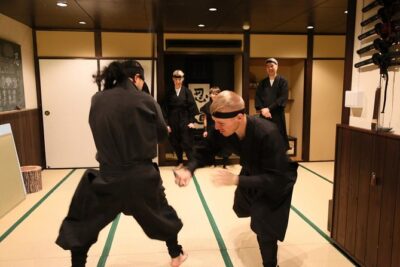
Ninja 2-hour Hands-on Lesson by Japanese master in Kyoto -Medium
Read our review →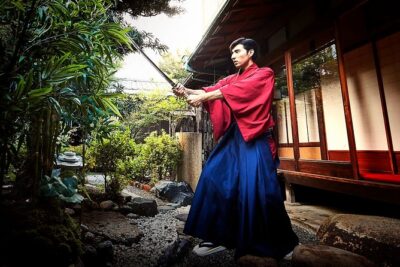
Kyoto Sword Experience – includes Museum Ticket/Ninja Experience
Read our review →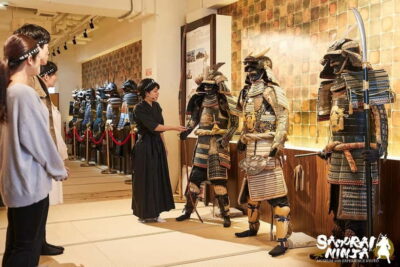
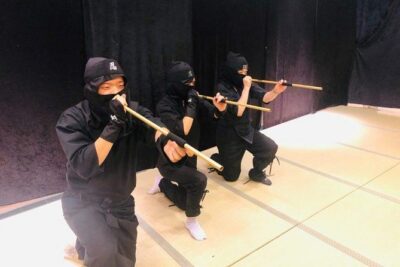
Ninja Experience (Family Friendly) at Samurai Ninja Museum KYOTO
Read our review →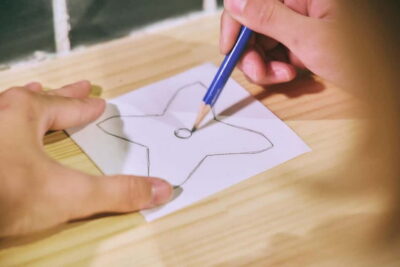
Forge Your Own Ninja Weapon with Japanese Tin Casting
Read our review →
Authentic Ninja Weapon Forging Experience in Kyoto
Read our review →Browse the lists this tour appears in