
REVIEW · MUSEUMS
Skip the lines Basic Ticket at SAMURAI NINJA MUSEUM KYOTO
Kyoto’s Samurai Ninja Museum turns a history lesson into a hands-on hour. You’ll see swords, armor, weapons, and a recreated samurai house, then try a costume, handle a replica sword, and throw ninja stars. The shuriken activity is the crowd favorite, especially with children.
I like the mix of clear historical commentary and playful activities. Guides such as Naromi, Raito, Saku, Jasmine, and Nobu have been singled out for bringing energy and useful context to the visit. I also like the flexible time slots and mobile ticket, which make this easy to fit between temples and shopping.
The main caution is scale. This is a small museum in a shopping arcade, not a grand hall filled with dozens of rare artifacts. Crowds can make the tour feel rushed, and some visitors have found the costumes worn or limited in choice. Go for an accessible introduction, not a serious research collection.
In This Review
- Key points to know before you book
- What the $28.52 ticket really buys you
- Entering the small Kyoto museum
- The guided introduction to samurai and ninja life
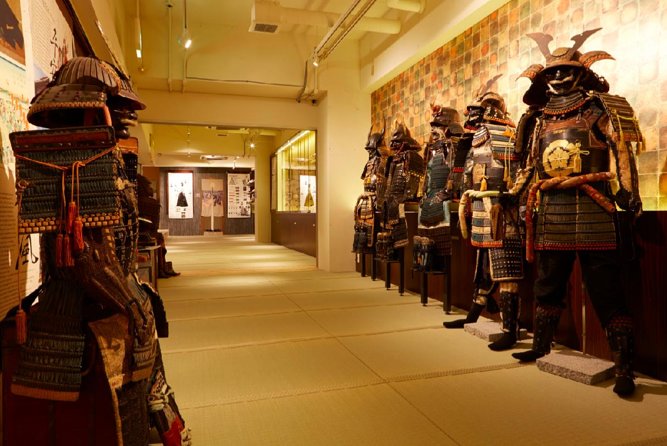
- Seeing swords, armor, and the recreated samurai house
- Throwing ninja stars, the most memorable activity
- The armor and sword photo session
- How long the visit lasts and how the pace feels
- Families, history fans, and the right expectations
- The museum’s main strengths and weaknesses
- Booking, cancellation, and practical planning
- Should you book the Samurai Ninja Museum?
- FAQ
- How long does the Samurai Ninja Museum experience last?
- What activities are included?
- Is transportation included?
- Can children take part?
- What happens if the experience is canceled because of bad weather?
- Can I cancel for a full refund?
Key points to know before you book
- Plan on about one hour: The guided portion is short and easy to fit into a busy Kyoto day, though some visitors spend up to 90 minutes looking around.
- Expect hands-on activities: You can try samurai armor, pose with replica swords, and throw ninja stars as part of the visit.
- Guides shape the experience: Naromi, Raito, Saku, and Nobu have all been praised for humor, energy, and useful explanations.
- The museum is compact: It works best as a lively introduction for families and first-time visitors rather than a large artifact museum.
- The basic ticket may not mean an empty queue: The advertised ticket is called skip-the-line, but entry can still involve gathering with the scheduled group.
- The price is reasonable for an activity: At $28.52 per person, you are paying for a guide, admission, costume use, and activities, not hours of independent museum viewing.
What the $28.52 ticket really buys you
At $28.52 per person, this experience sits in the middle range for a short Kyoto activity. The value comes from the combination of a guide and participation. You are not simply walking past display cases. You receive an explanation of samurai and ninja culture, then get a chance to put on part of the costume and handle safe replicas.
That price makes the most sense for a family, a first-time visitor to Japan, or anyone who wants a simple introduction without reading a long museum text panel. A six-year-old may remember the star throwing more clearly than the explanation of feudal government, but that is part of the appeal.
If you want a large collection of original weapons, long quiet stretches for study, or a full afternoon of history, the value is weaker. The museum is small, and the formal tour moves at a brisk pace. Some visitors have felt the costume selection was thin, with only a couple of outfits available at busy times.
The ticket includes admission and a professional guide. Transportation is not included, so you make your own way to the museum in central Kyoto. A mobile ticket is supplied, and confirmation is sent when you book.
More samurai and sword sessions:
- Kyoto Samurai Experience
★ 5.0 · 1,294 reviews - Kyoto: Kendo and Samurai Experience with Uniform and Gear
★ 4.9 · 815 reviews - Kyoto: Samurai Sword Class by Experts in Traditional Arts
★ 4.9 · 657 reviews
Entering the small Kyoto museum

The museum is in the heart of Kyoto, inside a shopping arcade. That location is convenient once you reach the area, but finding the entrance can take attention. Use the directions supplied with your booking rather than assuming the name will be obvious from the street.
You meet the guide and your scheduled group at the museum. The stated group limit appears in two forms, 15 and 30 people, so the actual size may depend on the booking channel or time slot. I would confirm the current limit if a smaller group matters to you.
The skip-the-line label also deserves a practical note. It should help with the admission process, but one account describes it as a regular ticket where the full scheduled group entered together. Do not book this expecting a private entrance or a completely separate queue.
At busy times, the small rooms can feel tight. One poor experience came during a crowded period, while many other visits were described as smooth and fun. Choosing a less popular time slot may improve the experience, though no quiet period is guaranteed.
The guided introduction to samurai and ninja life
The first part explains the feudal system and the place of samurai and ninja within Japanese society. Your guide also discusses daily life, weapons, clothing, and the popular image of these figures.
This is an overview rather than an academic lecture. That is good news if you want a clear starting point before visiting castles, gardens, or historic districts. The guide keeps the material moving, and several guides have been praised for making the talk funny and easy to follow.
The quality of the hour depends heavily on the person leading it. Names attached to especially warm feedback include Naromi, Raito, Saku, Jasmine, and Nobu. You may not receive one of these guides, but the recurring strength of the experience is the live presentation. A good guide turns basic facts into a story. A less engaging session may feel like information you could have read in a guidebook.
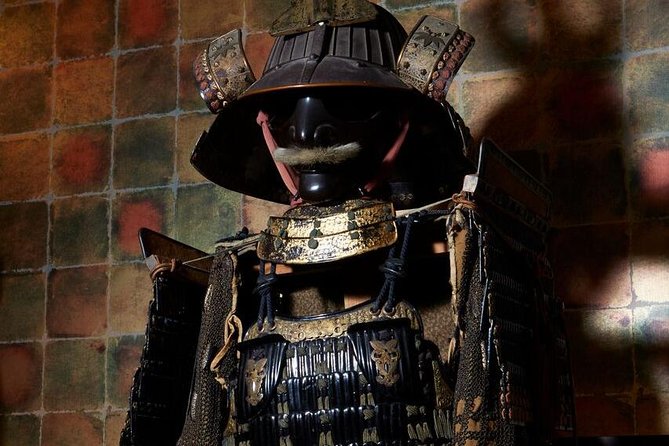
The exhibits provide visual support. You see swords and other weapons, along with samurai armor and displays about the social and political setting of the period. Some visitors have found the artifacts beautiful and the explanations useful. Others expected more objects and more time to inspect them.
That difference comes down to expectations. Think of the museum as a guided introduction with activities attached, not as a major national collection.
Seeing swords, armor, and the recreated samurai house
The displays include preserved weapons and a recreation of a samurai house. These give the talk a physical setting and help you picture how samurai life is presented to modern visitors.
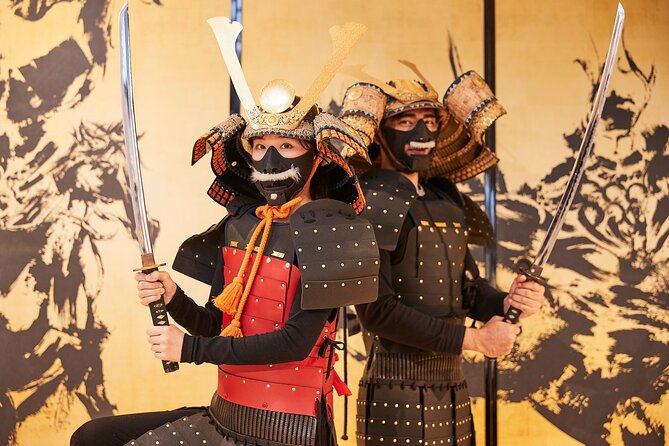
The swords are among the best photo subjects. You can admire traditional sword forms and, during the activity, pose with replica blades. The distinction matters: this is a supervised photo opportunity with replicas, not an invitation to handle valuable historic weapons freely.
Armor adds another layer. You may be able to put on samurai gear, try a helmet, or dress as a ninja, depending on the session and what is available. This is particularly useful for families because it gives children a role in the story rather than leaving them to watch from the side.
The costume portion can be brief. At crowded times, choices may be limited, and a few visitors found the clothing old or the replica katana worn. Treat it as a photo moment, not a theatrical costume production.
The museum’s small footprint has one advantage: you will not wear yourself out. You can see the key displays quickly, and the guide remains close enough to answer questions. The downside is that you may wish for more space and more time with each object.
More ninja experiences:
- Ninja 1-hour Hands-on Lesson by Japanese master in Kyoto -Entry
★ 5.0 · 489 reviews - Kyoto: Ninja Weapon Forging Experience
★ 4.8 · 478 reviews - Ninja 2-hour Hands-on Lesson by Japanese master in Kyoto -Medium
★ 5.0 · 218 reviews - Kyoto Sword Experience – includes Museum Ticket/Ninja Experience
★ 4.5 · 149 reviews
Throwing ninja stars, the most memorable activity
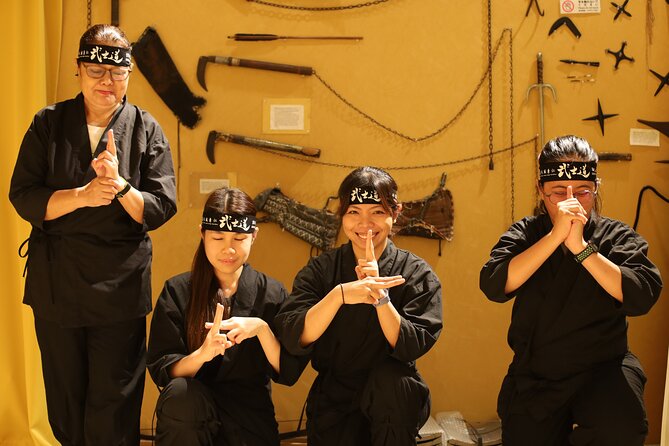
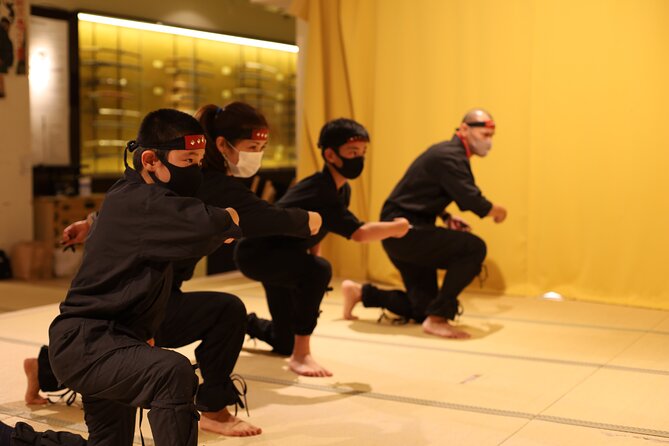
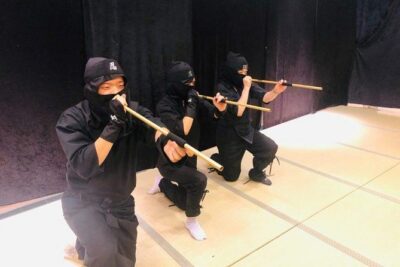
The ninja star throwing session is the liveliest part of the visit. You throw plastic or other safe replica shuriken at a target, often in a friendly competition. The activity is simple, but it gives the hour a clear high point.
You do not need special training. The guide demonstrates the activity and keeps the tone light. Children often enjoy it, but adults usually join in as well. One participant even won a ninja star, though prizes should not be treated as guaranteed.
This activity also explains why the experience works better for families than for specialists. You are learning through movement and play. The star throwing does not provide a serious lesson in martial arts, but it does help you remember the visit.
If you dislike group activities, you can still watch and take photos. The supplied details describe the star throwing as included, but participation in the armor trial is marked optional. Ask the guide if you prefer not to take part.
The armor and sword photo session

The samurai costume activity follows the historical explanation and gives you a chance to pose with a helmet, armor, or replica sword. It is the part most likely to fill your camera roll.
The photo value is real, especially if you are visiting with children. You can take home a more personal souvenir than a picture of a display case. The guide usually helps organize the activity, which keeps the group moving.
There are limits. The number of costumes and available props may not match the number of people in a large group. A crowded session can mean a quick turn, and some equipment may show signs of heavy use.
I would keep your expectations modest: this is a museum activity, not a professional photo shoot. Wear clothing that is easy to adjust, and avoid building your schedule around a long costume session. The whole visit is designed to take about an hour.
How long the visit lasts and how the pace feels
The official duration is about one hour. That usually covers the guided explanation, displays, armor or sword photos, and ninja star throwing.
Some visitors find the pace just right. You receive enough context to understand what you are seeing without giving up half a day. Others feel rushed, especially when the museum is crowded or the group is large. Another estimate puts the overall visit at one to one and a half hours, so allow a little extra time if you want to look around after the formal presentation.
The experience is not necessarily over the instant the guide finishes. The museum has indicated that visitors can continue exploring at their own pace, though this may not always be clear during a busy session. If you want more time with the displays, ask before leaving the tour area.
Multiple time slots help you place it between other Kyoto plans. I would avoid scheduling a major timed attraction immediately afterward. A delayed start, a crowded entry, or a few extra minutes with the exhibits can easily affect your next appointment.
Families, history fans, and the right expectations
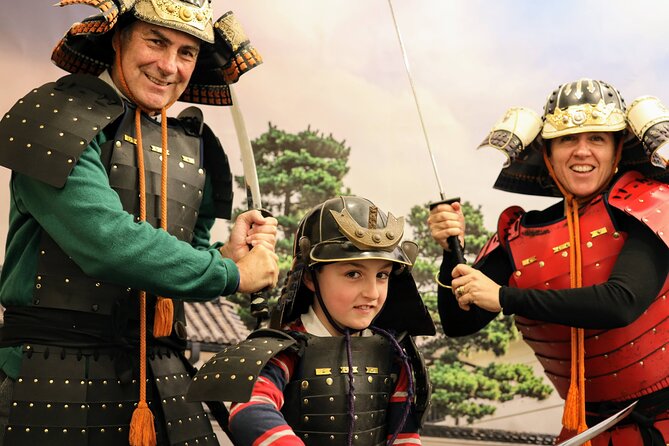
Families with children are a natural fit. The armor, swords, costumes, and star throwing give younger visitors several ways to stay involved. Children must be accompanied by an adult, and most people can participate.
First-time visitors to Japan may also find the museum useful. It gives you basic terms and a simple account of samurai and ninja life before you see related places elsewhere in Kyoto. The guide-led format helps if you do not want to study background information in advance.
History enthusiasts should decide how much depth they need. The museum presents social, political, and historical information, but the displays are limited in size. If your main goal is to study sword construction or inspect a large number of period objects, this will probably feel too light.
It is also a good rainy-day plan in principle, but the activity has a stated good-weather requirement. If poor weather causes cancellation, you are offered another date or a full refund. That policy is worth noting if you are building a tightly timed Kyoto itinerary.
Service animals are allowed, and the museum is near public transportation. The elevator has a specific out-of-service period from January 24 through February 19, 2026, so anyone who needs elevator access should check the arrangement before booking.
The museum’s main strengths and weaknesses
The strongest feature is the guide. Names such as Raito, Saku, Naromi, and Nobu come up for good reason: a lively presenter can make familiar samurai stories feel fresh. The experience succeeds when the guide balances facts with humor and gives everyone a turn at the activities.
The second strength is its family-friendly structure. You move from explanation to objects to participation. That pattern keeps the visit from feeling like a school lecture, and it gives children something active to anticipate.
The weaknesses are space and consistency. The museum occupies a compact area over two levels, and crowded sessions can make the rooms feel cramped. Some visitors have also found the costumes worn, the replica swords damaged, or the tour too quick.
There is also a gap between the word museum and what some people expect from it. You will see artifacts and displays, but the main product is a guided experience. The venue has stated that it is moving to a much larger downtown facility, described as five to ten times bigger with more interactive exhibits. Until that move is complete, judge the current venue on what it offers now.
Booking, cancellation, and practical planning
You can cancel for a full refund up to 24 hours before the scheduled start time. Cancellations or changes made within 24 hours are not refunded or accepted, and the cut-off follows Kyoto local time.
Confirmation arrives at booking, and the mobile ticket is convenient for a day of sightseeing. You are responsible for reaching the museum, since transportation to and from the attraction is not included.
Children need an accompanying adult. Most people can take part, and service animals are allowed. If you have mobility needs, check the elevator situation and the current venue layout before committing to a date.
Because the experience is short, it pairs well with nearby Kyoto plans. Leave a buffer after it, especially during busy seasons or poor weather. The museum can be a useful change of pace after temples, but it should not replace a visit to a major castle or historic site if you want substantial architecture and original collections.
Should you book the Samurai Ninja Museum?
Book it if you want a friendly, guided introduction with costumes, photos, and ninja star throwing. At $28.52, it offers fair value for families, first-time visitors, and anyone who prefers a social activity to a quiet museum visit.
Skip it if you want a large, serious collection or long periods of independent study. The compact rooms, possible crowding, limited costume choices, and brisk pace can disappoint if you expect a major institution.
My practical advice is simple: book a quieter time slot if possible, allow about 90 minutes in your schedule, and treat the visit as history with a playful extra. If a guide such as Naromi, Raito, Saku, or Nobu leads the session, you are likely to get the best version of what this small Kyoto attraction does well.
FAQ
How long does the Samurai Ninja Museum experience last?
The scheduled experience lasts about one hour. You may need up to one and a half hours if you spend extra time with the displays after the guided portion.
What activities are included?
The experience includes a guided museum visit, a samurai costume activity, photo opportunities with replica swords, and a ninja star throwing competition. Trying on samurai armor is optional.
Is transportation included?
No. You make your own way to the museum, and transportation to and from the attraction is not included.
Can children take part?
Yes. Most people can participate, but children must be accompanied by an adult.
What happens if the experience is canceled because of bad weather?
You will be offered a different date or a full refund if the experience is canceled because of poor weather.
Can I cancel for a full refund?
Yes. You must cancel at least 24 hours before the scheduled start time. Cancellations or changes made less than 24 hours before the start are not accepted for a refund.
More Museums in Kyoto
- Kyoto: Tea Museum Tickets and Matcha Grinding Experience
★ 4.9 · 739 reviews - Kyoto : Geiko Maiko Dance of Kyoto & Visits of Gion Museum
★ 4.6 · 415 reviews - Kyoto: Samurai Ninja Museum guided tour
★ 4.8 · 145 reviews - Ninja Experience (Family Friendly) at Samurai Ninja Museum KYOTO
★ 4.5 · 132 reviews
Recently added around Kyoto
- Higashiyama | Kyoto: Sakura Season Private Rickshaw Tour★ 5.0 · 3 reviews
- Kyoto Kimono Rental CHAMATSU|Kimono/Yukata Rental FamilyPlan★ 5.0 · 3 reviews
- Kyoto: Half-Day Private Guided Tour to the Old Town of Gion★ 4.4 · 3 reviews
- Nara Private Customizable Half Day Tour★ 5.0 · 3 reviews
- Kansai Region Hiking Adventure in Nara Kobe Kyoto and More★ 5.0 · 3 reviews
- Full Day Nara Deer, Temple, Shrine, Activities & Tea Ceremony★ 5.0 · 3 reviews
- Nara: Essential Private Tour with Deer Park and Temples★ 5.0 · 3 reviews
- Hiking Tour for Sacred Sites in Kyoto with a Guide★ 5.0 · 3 reviews
Museums, compared.
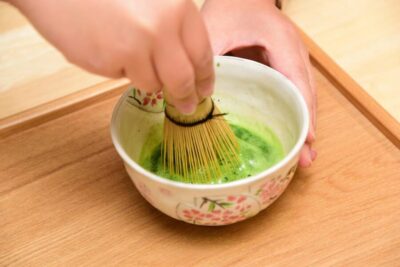
Tea Museum Tickets and Matcha Grinding Experience
Read our review →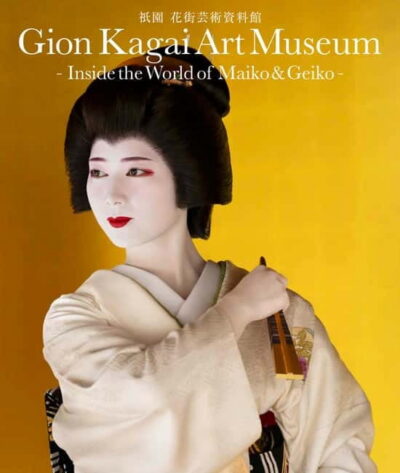
Geiko Maiko Dance of Kyoto & Visits of Gion Museum
Read our review →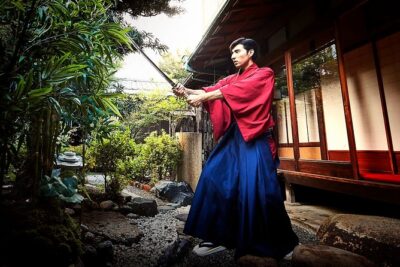
Kyoto Sword Experience – includes Museum Ticket/Ninja Experience
Read our review →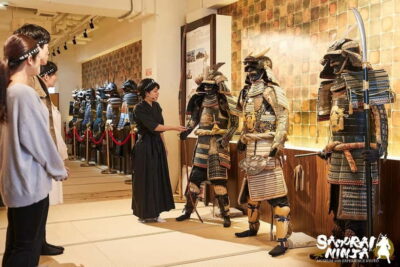
Ninja Experience (Family Friendly) at Samurai Ninja Museum KYOTO
Read our review →
Kyomai Dance by Maiko Geiko and Visits of Gion Art Museum Kyoto
Read our review →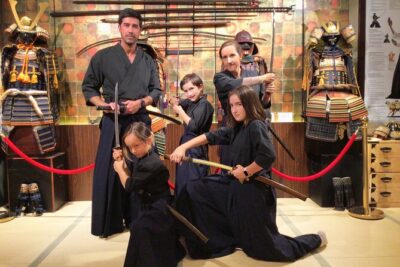
Samurai Sword Experience (Family Friendly)at SAMURAI MUSEUM KYOTO
Read our review →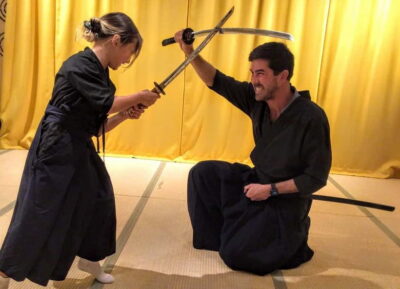
Family-Friendly Sword Lesson at Samurai Ninja Museum
Read our review →Browse the lists this tour appears in