
REVIEW · NARA DAY TRIPS
Nara Heritage Walkabout from Nara Park to Todaji-ji temple
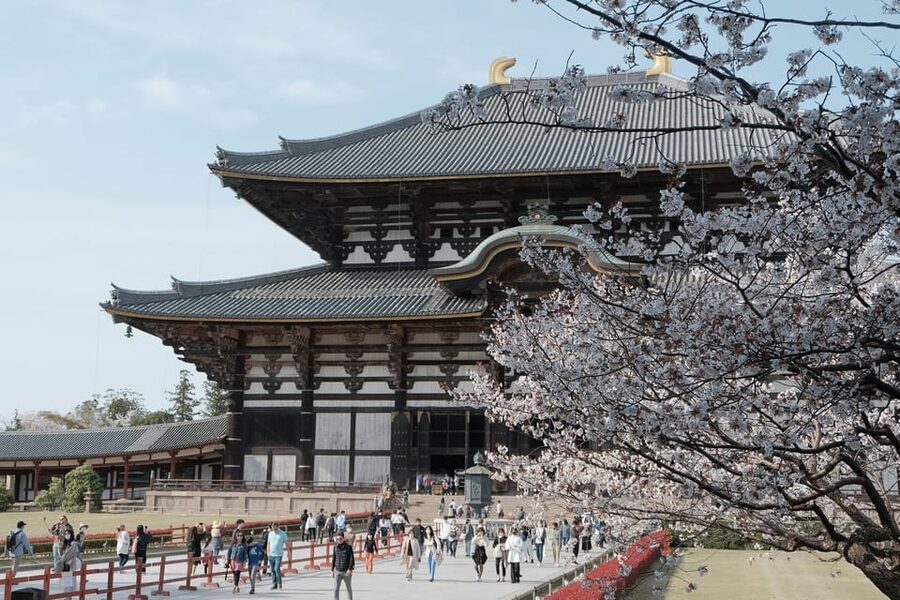
Nara’s famous deer are only the opening act. This four-hour walk takes you from Nara Park’s shika deer to Todaiji’s enormous Great Buddha, then through Kasuga Taisha and the old streets of Naramachi. I like the way the route joins nature, religion, and everyday local life instead of treating the temple as a stand-alone photo stop.
I also like the human touch. Guides such as Ferdinand and Angelito have been praised for clear English, practical deer-feeding advice, local shop tips, photos, and kind help with walking needs. The main consideration is pace: four hours covers a lot on foot, so comfortable shoes are essential, and anyone wanting a slow temple visit may find the schedule brisk.
In This Review
- Key points at a glance
- Starting beside Kintetsu Nara Station
- Meeting Nara’s polite but persistent deer
- Entering Todaiji and the Great Buddha Hall
- Following the lanterns at Kasuga Taisha
- Wandering through Naramachi’s old lanes
- What the guide adds to the day
- Is $102 a fair price?
- Walking, timing, and accessibility
- Who should book this Nara walk?
- Should you book the Nara Heritage Walkabout?
- FAQ
- Where does the Nara Heritage Walkabout meet?
- How long does the tour last?
- What language is the tour conducted in?
- Are entrance fees and transportation included?
- Is lunch included?
- Can I cancel or pay later?
Key points at a glance
- Feed Nara’s shika deer: Buy traditional shika senbei and learn why these deer are linked with the gods.
- See the Great Buddha at Todaiji: Enter the huge Daibutsuden and visit one of Japan’s most powerful temple sights.
- Walk beneath Kasuga Taisha’s lanterns: Explore a World Heritage Site known for vermilion buildings and thousands of hanging lanterns.
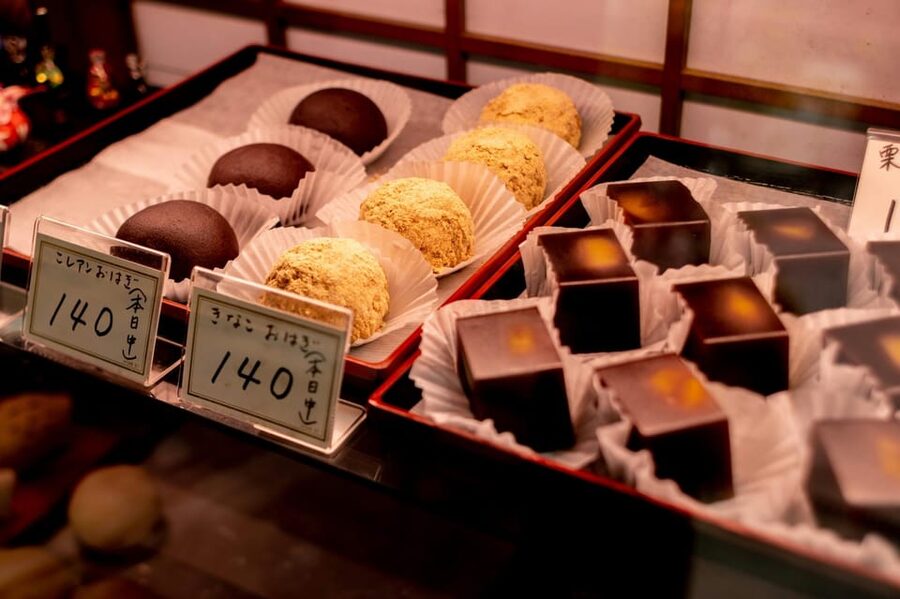
- Finish in old Naramachi: Browse traditional streets, crafts, local products, sweets, and food stalls.
- Get more than directions: The guide provides commentary, local shopping advice, dining suggestions, and help with photos.
- Keep the plan flexible: The $102 price includes the guide, public transportation, entrance fees, and a snack, with free cancellation up to 24 hours before departure.
Starting beside Kintetsu Nara Station
The meeting point is the Lawson convenience store directly outside Kintetsu Nara Station, at 3 Higashimuki Nakamachi. This is a useful place to meet because it is easy to identify, and the tour finishes back at the same location.
From there, you walk toward Nara Station and onward to the park. The route includes about 20 minutes of walking before the main park visit, so I would arrive ready to move rather than treating this as a bus-based sightseeing trip. Public transportation is included, though the experience itself is mainly a guided walk.
You can book a private or small-group format. That matters here. Nara’s temple grounds and old lanes reward questions, and a smaller group makes it easier to hear explanations and adjust the pace. The guide language is English.
More day trips to Nara:
- World Heritage Kyoto & Nara Uji Authentic Matcha Experience
★ 5.0 · 1,573 reviews - Nara Half Day Trip Walking Tour (Private Option Available)
★ 5.0 · 937 reviews - Nara Early Morning Tour (Kyoto or Osaka Departure Available)
★ 5.0 · 676 reviews
Meeting Nara’s polite but persistent deer
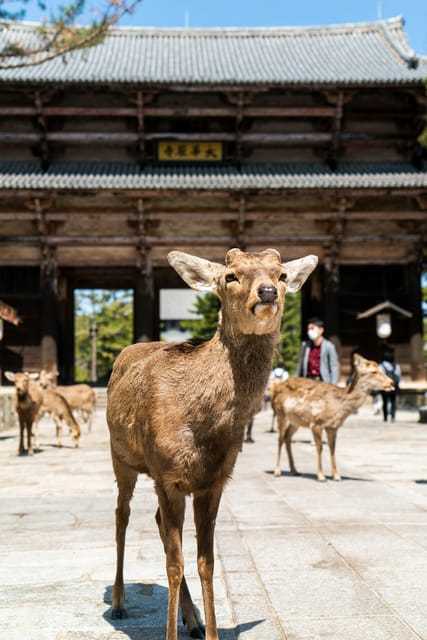
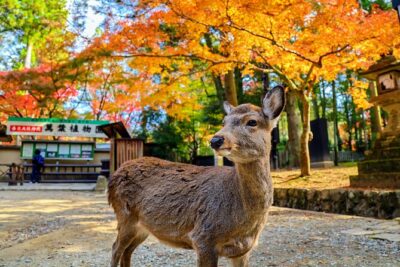
Nara Park is best known for its shika deer, and the first extended section of the experience gives you time to watch them up close. The deer are considered divine messengers in Shinto tradition, which adds cultural meaning to what might otherwise be a simple wildlife encounter.
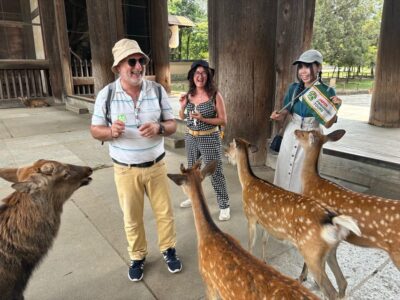
You can buy shika senbei, the traditional deer crackers, and feed the animals. A useful tip is to keep the crackers together until you are ready. Once the deer notice them, they may become very interested in your hands, pockets, and anything else that looks promising. The guide can show you how to handle the exchange, which is especially helpful if you have never fed the deer before.
The park also provides the tour’s calmest setting. Along the way, you get scenic views and time for wildlife watching. I like this pause before the temple visit because it lets you experience Nara as a place where nature and sacred sites sit side by side.
Still, deer are animals, not theme-park props. They can be eager, and younger children or anyone uneasy around animals may want to keep the feeding brief. The crackers cost extra, since personal purchases are not included.
Entering Todaiji and the Great Buddha Hall
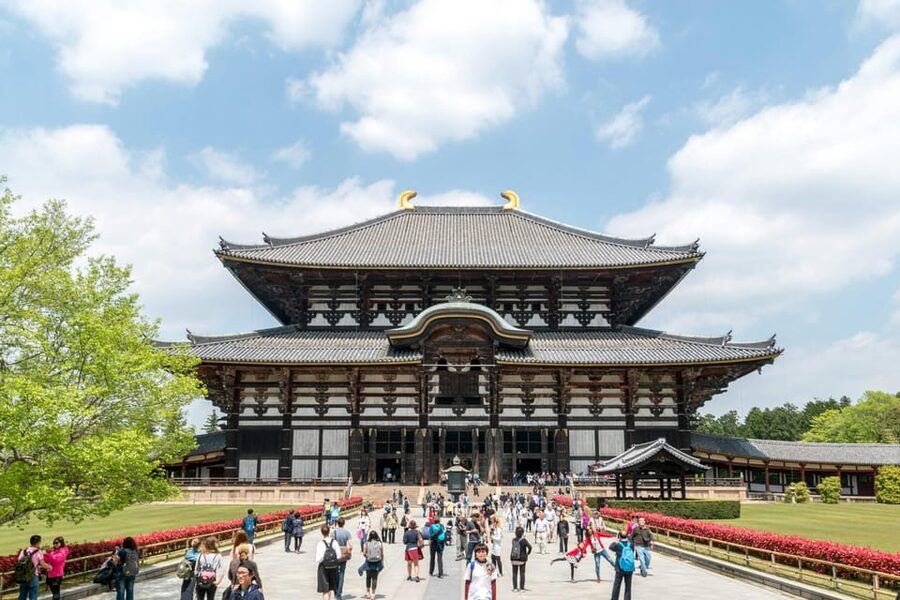
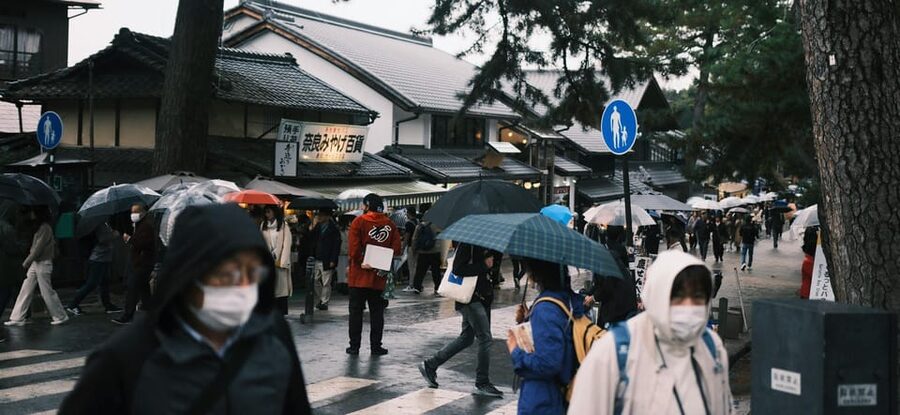
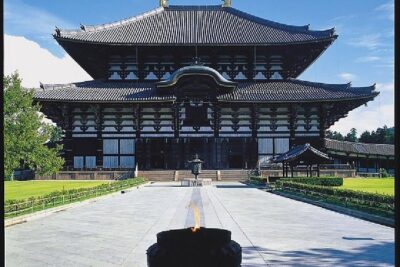
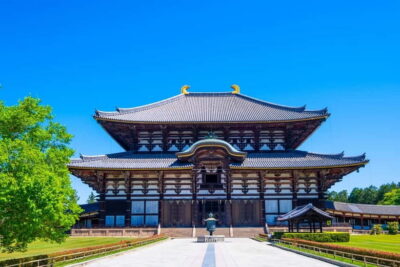
Todaiji is the tour’s grandest stop. Inside the enormous Great Buddha Hall, the bronze Daibutsu commands the room with sheer scale. The statue represents peace and enlightenment, and its size gives the visit a sense of ceremony even when the hall is full.
The guided visit lasts about an hour, including sightseeing and walking. That is enough time to take in the main hall, hear the religious and historical context, and see details that are easy to miss when you move through on your own. The temple also holds old scriptures, woodwork, and other important artifacts.
Do not rush past Nandaimon Gate. Its fierce Nio guardian statues create a dramatic entrance and are among the memorable visual details of the temple complex. At the back of the hall, you will also find the well-known pillar with a hole said to grant enlightenment to anyone who can squeeze through it.
The hole is small, so it is not an activity for everyone. You can simply watch others try and continue with the visit. That small moment of humor helps balance the solemn scale of the Great Buddha Hall.
Entrance fees are included, which improves the value of the tour. If you came to Nara mainly to see Todaiji, you could visit independently, but the guide helps connect the building, statue, gates, and objects into one clear story.
Following the lanterns at Kasuga Taisha
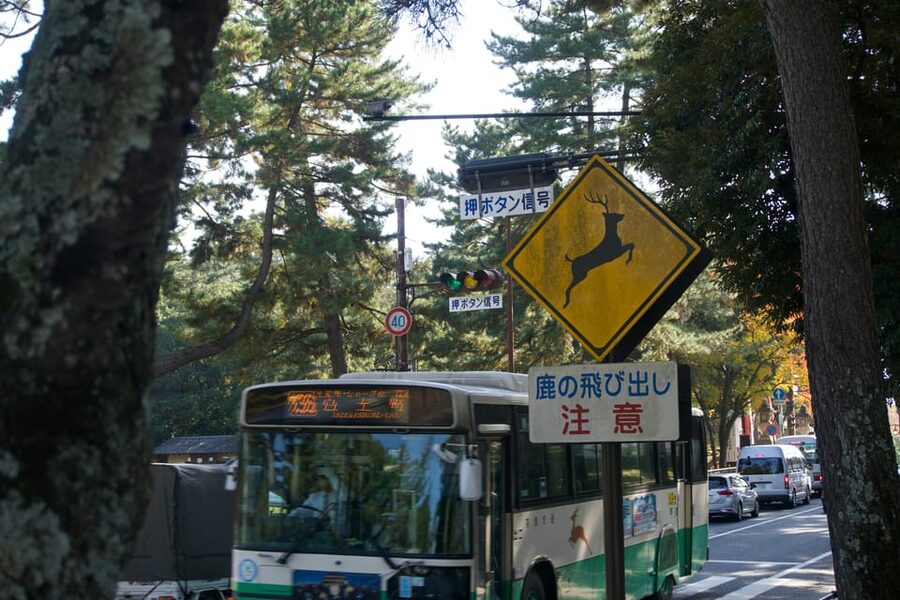
From Todaiji, the route continues to Kasuga Taisha, a World Heritage Site founded in the eighth century. The shrine has served Shinto ceremonies for more than a thousand years, and its vermilion-lacquered structures offer a different mood from the dark wood and monumental interior of Todaiji.
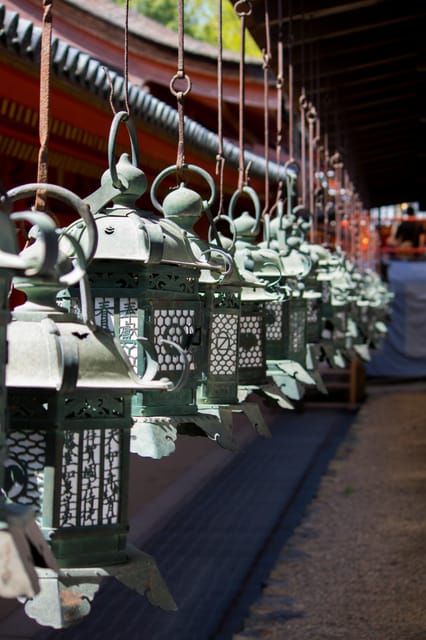
The shrine is known for thousands of hanging lanterns. During festivals, these lanterns create a striking display, but even outside festival periods they give the grounds a distinct character. Look for the repeated lantern forms, carved wood details, and the contrast between the shrine buildings and the surrounding greenery.
The visit here lasts about 45 minutes and includes guided sightseeing. That time works well for an introduction to the shrine, but it may feel short if you want to examine every building or spend long stretches in quiet reflection. The guide’s commentary is most useful for explaining how the shrine fits into Nara’s religious traditions.
I like this stop because it changes the rhythm of the day. Todaiji is about scale and bronze. Kasuga Taisha is about ritual, color, lanterns, and a more intimate sense of place.
More Kyoto temples worth a morning:
- Nara: Essential Private Tour with Deer Park and Temples
★ 5.0 · 24 reviews - Relax in Nara: Deer Park, Todai-ji Temple and Merchants’ Town
★ 5.0 · 6 reviews - Nara City Tour | Explore Temples, Park & Local Highlights
★ 4.8 · 5 reviews - Full Day Nara Deer, Temple, Shrine, Activities & Tea Ceremony
★ 5.0 · 3 reviews
Wandering through Naramachi’s old lanes
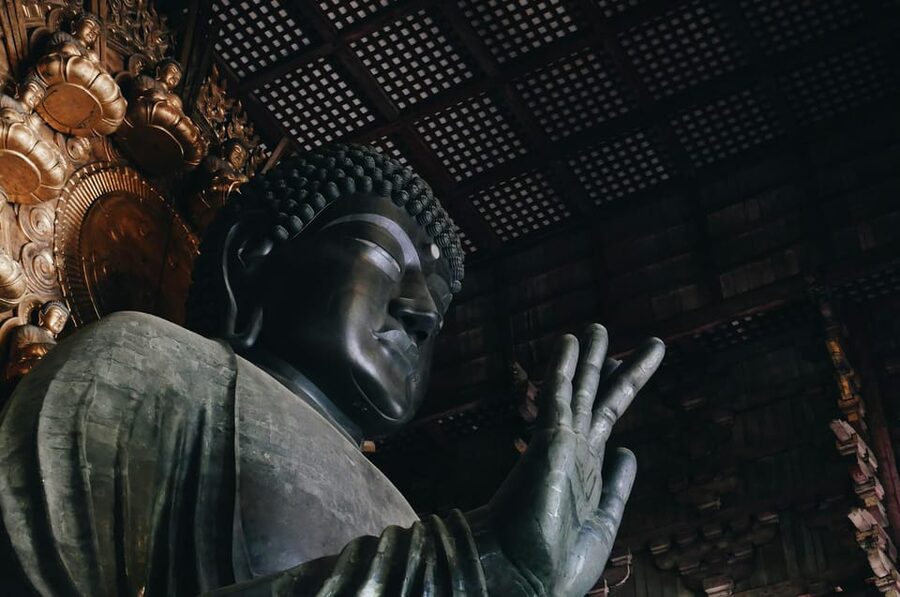
Naramachi brings the tour back to ordinary life. This old town district is lined with traditional machiya houses and narrow lanes, giving you a chance to see a side of Nara beyond its major religious monuments.
The 45-minute visit includes sightseeing, shopping, and a food-market stop. Shops offer handmade crafts, local products, and vintage items. You might find that this is the easiest place to choose a small souvenir with a stronger connection to Nara than a standard temple postcard.
A traditional Japanese snack is included, which is a welcome detail after several hours of walking. Lunch is not included, and this snack is not meant to replace a full meal. If you need more food, personal snacks and any extra meals are your responsibility.
One especially useful part of the Naramachi stop is the local advice. Angelito was praised for pointing out shops selling local products and suggesting good places for dinner. That kind of help can save you from choosing a restaurant at random after the tour ends.
The route returns to 3 Higashimuki Nakamachi. Ending where you began makes it easier to continue shopping, find dinner, or return to your hotel.
What the guide adds to the day
The guide is the main reason to choose this experience instead of visiting the same four areas alone. The sights are well known, and you can reach them independently, but the guide supplies the connections between them.
The strongest feedback centers on clear English and strong subject knowledge. Simone described the guide’s English as excellent and praised the explanations about Nara. Ferdinand was singled out for helpful, informed guidance, while Angelito was praised for practical tips, photos, and familiarity with the city.
The guide also seems to adapt well to different needs. One guest specifically praised the way the guide adjusted to walking difficulties, along with a friendly manner and good humor. That does not remove the need to ask about your own mobility before booking, but it is a positive sign for anyone who benefits from patient, attentive support.
You should use the guide actively. Ask about the deer, shrine customs, local food, or where to shop after the tour. The more you engage, the more this becomes a cultural walk rather than a sequence of famous photo stops.
Is $102 a fair price?
At $102 per person, this is not the cheapest way to see Nara. You can walk through Nara Park and Naramachi without a guide, and independent visitors can decide how long to spend at each temple. The price makes more sense if you value structure, commentary, included entrance fees, public transportation, and a small-group or private setting.
The package covers the professional guide, transportation, entrance fees, guided visits, and the traditional snack. You still pay for deer crackers, souvenirs, extra snacks, lunch, insurance, and any activities outside the route.
For a first visit to Nara, the price is easier to justify because the route covers four major experiences in one half-day. You avoid spending time working out the order of stops, and you get practical help with the deer and local shops. If you already know Nara well or prefer to linger for photography, an independent visit may offer better control.
The reserve-now, pay-later option also helps if your Japan plans are still shifting. You can cancel for a full refund up to 24 hours before the start time.
Walking, timing, and accessibility
The tour lasts four hours and includes substantial walking. The listed route includes a 20-minute walk toward the park, about 45 minutes in Nara Park, an hour at Todaiji, 45 minutes at Kasuga Taisha, and 45 minutes in Naramachi.
That schedule leaves little room for long unscheduled breaks. Wear comfortable shoes, and plan for a day spent moving between outdoor paths, temple grounds, shrine areas, and old-town streets.
The activity is listed as wheelchair accessible, and the guide has been praised for adapting to walking difficulties. Even so, you should discuss your specific needs when booking because the route includes several different sites and a fair amount of walking.
Weather can also shape the experience. The park, shrine grounds, and walk between stops are outdoor portions, while the main temple and shops provide some indoor time. The tour does not include travel insurance, so arrange your own cover if you want it.
Who should book this Nara walk?
I would recommend this experience to a first-time Nara visitor who wants the major sights explained in one organized outing. It suits couples, families, solo visitors, and small groups who prefer a guide to handle the route and add local context.
It is particularly useful if you want more than Todaiji. The combination of deer, Great Buddha, lanterns, traditional houses, shopping, and a Japanese snack gives you a broad introduction to the city in four hours.
You may want another plan if you want a long, quiet visit inside each religious site, a full food tour, or a very slow photography walk. Lunch is not included, and the schedule is active.
Should you book the Nara Heritage Walkabout?
Book it if you want an efficient first look at Nara and value a guide who can explain the sights, manage the deer encounter, offer shop and dinner suggestions, and adjust to your needs. The strongest praise has gone to the guides’ English, local knowledge, kindness, and practical help.
Skip it if you are comfortable navigating on your own and want complete control over timing. At $102, the value comes from the guide, included admissions, and well-planned coverage, not from transportation alone.
For most first-time visitors, I think the route earns its place in a Nara itinerary. Just wear good shoes, keep your deer crackers under control, and leave room after the tour for lunch or a longer wander through Naramachi.
FAQ
Where does the Nara Heritage Walkabout meet?
The meeting point is the Lawson convenience store directly outside Kintetsu Nara Station, at 3 Higashimuki Nakamachi.
How long does the tour last?
The experience lasts four hours.
What language is the tour conducted in?
The tour is conducted in English with a live guide.
Are entrance fees and transportation included?
Yes. The price includes public transportation, entrance fees, guided tours, and commentary at each location.
Is lunch included?
No. Lunch is not included. Personal expenses, extra snacks, souvenirs, travel insurance, and additional meals are also separate.
Can I cancel or pay later?
You can cancel up to 24 hours in advance for a full refund. Reserve-now, pay-later booking is available, so you do not need to pay at the time of booking.
More History Walks in Nara
- Nara: Bike Tour in Ancient Capital UNESCO World Heritage
★ 5.0 · 43 reviews - Nara World Heritage PRIVATE TOUR
★ 4.5 · 15 reviews - Nara: UNESCO Heritage Sites & Deer Park Tour with Pro guide
★ 4.5 · 10 reviews - Nara: Cultural Heritage Tour by Rickshaw
★ 5.0 · 5 reviews
Recently added around Nara
- Nara Private Customizable Half Day Tour★ 5.0 · 3 reviews
- Full Day Nara Deer, Temple, Shrine, Activities & Tea Ceremony★ 5.0 · 3 reviews
- Nara: Essential Private Tour with Deer Park and Temples★ 5.0 · 3 reviews
- Discover the Essence of Nara Ink Through Your Senses★ 5.0 · 3 reviews
- Private Journey in Nara’s Historical Wonder★ 5.0 · 3 reviews
- Nara:Private Tea Ceremony(Max 5 ppl) -Master Matcha Making-★ 5.0 · 3 reviews
- Nara Takayama Tea Whisk Craft and Tea Culture Experience★ 5.0 · 3 reviews
- Nara: Half-Day Private Tour of 4 Must-See Spots & Deer Park★ 5.0 · 3 reviews
Nara Day Trips, compared.
World Heritage Kyoto & Nara Uji Authentic Matcha Experience
Read our review →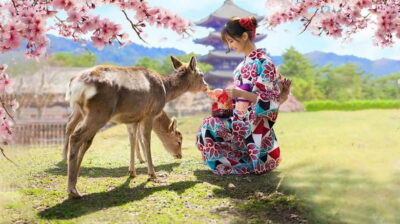
Kyoto/Osaka: Nara, Fushimi Inari Taisha, Arashiyama Bus Tour
Read our review →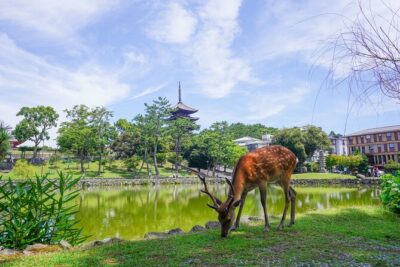
Nara Half Day Trip Walking Tour (Private Option Available)
Read our review →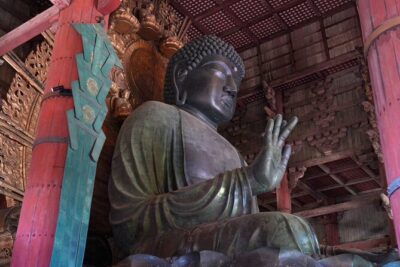
Nara Early Morning Tour (Kyoto or Osaka Departure Available)
Read our review →
Kyoto/Osaka: Kinkakuji, Bamboo Forest, and Nara Deer Park
Read our review →Browse the lists this tour appears in