
REVIEW · NARA DAY TRIPS
Nara: Essential Private Tour with Deer Park and Temples
Nara’s great strength is how quickly it moves you from a city street into temples, gardens, and free-roaming deer. This three-hour private tour gives you a clear route through Japan’s first permanent capital without asking you to manage maps, tickets, or cultural details on your own. Guide Masa is especially useful for explaining temple statues, answering questions, and showing you how to feed the deer without being swarmed.
I like the private format, which lets you ask for more history, more practical help, or a slower pace. I also like the mix of major sights and smaller stops, including Himuro Shrine and Yoshikien Garden. The main consideration is time: three hours is enough for an introduction, but not enough for a leisurely look at every corner of Nara Park or each temple complex.
In This Review
- Key points to know before booking
- Why this three-hour Nara route works
- Meeting Masa at Kintetsu Nara Station
- Higashimuki Shopping Street: a useful city introduction
- Kōfuku-ji: temple context in a compact visit
- Nara Park: deer with a little strategy
- Himuro Shrine: a quieter change of pace
- Tōdai-ji: the main cultural anchor
- Yoshikien Garden: a calm final stop
- What Masa adds to the experience
- Price, pace, and what you receive
- Practical preparation for the walk
- Should you book this Nara tour?
- FAQ
- How long does the tour last?
- What is the price?
- Where does the tour begin?
- How will I find the guide?
- Is the tour private?
- What language is the tour offered in?
- What does the price include?
- Are hotel pickup and personal expenses included?
- Can I cancel for a refund?
- What should I bring?
Key points to know before booking
- Private tour with Masa: You have an English-speaking guide dedicated to your group, with time for questions and personal assistance.
- Six stops in three hours: The route covers a shopping street, two temples, a shrine, Nara Park, and a traditional garden.
- Practical deer advice: Masa can explain how to feed and approach the deer without attracting too many at once.
- Strong help for first-time visitors: The tour includes navigation, cultural context, and assistance with shops, translation, and practical errands when needed.
- Convenient station meeting point: Begin and end at Kintetsu Nara Station, making this easy to fit into a day trip.
- Not ideal for every visitor: Wheelchair users, pregnant people, and anyone with animal allergies should choose another activity.
Why this three-hour Nara route works
Nara can feel simple on a map, but the sightseeing area spreads across streets, temple grounds, wooded paths, and open parkland. A private guide makes the day easier by linking the sights into one sensible walk and explaining what you are looking at as you go.
This tour is also a good choice if you want more than a quick photograph with a deer. Nara’s appeal comes from the connection between its old religious sites and its natural setting. You move from the commercial approach near the station into quieter spaces where temples, shrines, gardens, and deer share the same route.
The pace is intended to be relaxed rather than rushed. Each stop has a planned amount of time, but a private group gives Masa room to answer questions and adjust the emphasis. Previous guests have found him patient, friendly, and well prepared. He has also provided information in a visitor’s native language and prepared Korean translations when needed, though English is the stated tour language.
At $126 per person, this is not the cheapest way to see Nara. The value comes from having a private guide for the full three hours, temple and park admission included, plus help with details that can consume time when you are on your own. For a couple or small group that wants history explained clearly, the cost may be reasonable. If you only want to see the deer and take a few photographs, you can visit Nara Park without booking a tour.
More day trips to Nara:
- World Heritage Kyoto & Nara Uji Authentic Matcha Experience
★ 5.0 · 1,573 reviews - Nara Half Day Trip Walking Tour (Private Option Available)
★ 5.0 · 937 reviews - Nara Early Morning Tour (Kyoto or Osaka Departure Available)
★ 5.0 · 676 reviews
Meeting Masa at Kintetsu Nara Station
The tour begins at Kintetsu Nara Station, a useful starting point for this part of the city. After leaving through the East Gate, head toward Exit 3. Go up the stairs or the escalator beside them, then look for the tourist information center.
Masa waits nearby with a sign showing the Get Your Guide logo. This is a clear meeting arrangement, but give yourself enough time to find Exit 3. Station exits can be confusing when you are carrying luggage or arriving during a busy part of the day.
Starting and finishing at the same station is one of the route’s practical strengths. You do not need hotel pickup, and you can continue exploring Nara after the tour or catch a train when it ends. Hotel pickup and drop-off are not included.
Higashimuki Shopping Street: a useful city introduction
The first stop is Higashimuki Shopping Street, with about 20 minutes of guided time. This gives you a brief look at the everyday commercial side of Nara before the route turns toward temples and parkland.
A shopping street may sound less important than a temple, but it helps you understand the city as a living place rather than a collection of monuments. It is also a useful moment to ask Masa about food, shops, and local customs. He has helped with translation in shops, which can be valuable if you want to make a purchase but are unsure how to ask a question.
Twenty minutes is short, so think of this as an orientation stop, not a shopping expedition. Personal purchases, drinks, and souvenirs cost extra. If you need an ATM, Masa has also helped visitors find one, but you should still bring a payment method and some yen rather than relying on the tour to handle your errands.
Kōfuku-ji: temple context in a compact visit
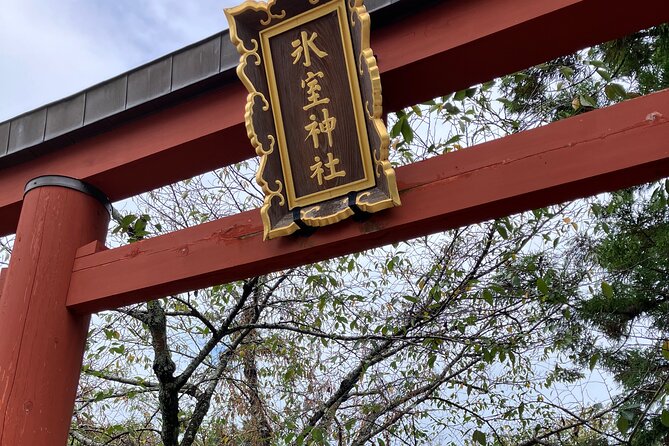
The tour allows about 30 minutes at Kōfuku-ji. Here, the focus is on seeing the temple site and understanding its place in Nara’s cultural story. Masa can explain the history of the temples and the statues you encounter, which gives the visit more meaning than simply walking through and taking photographs.
Half an hour is enough for a guided introduction, especially if you want to keep moving. It is not enough for a slow, detailed study of every building, artwork, or surrounding path. Your experience may also depend on opening conditions and the amount of time available on the day, so treat the schedule as a framework rather than a promise of extended time at every feature.
Admission to temples and parks is included. That helps keep the tour price easier to understand, since you are not repeatedly stopping to buy tickets along the way.
More Kyoto temples worth a morning:
- Relax in Nara: Deer Park, Todai-ji Temple and Merchants’ Town
★ 5.0 · 6 reviews - Nara Heritage Walkabout from Nara Park to Todaji-ji temple
★ 5.0 · 5 reviews - Nara City Tour | Explore Temples, Park & Local Highlights
★ 4.8 · 5 reviews - Full Day Nara Deer, Temple, Shrine, Activities & Tea Ceremony
★ 5.0 · 3 reviews
Nara Park: deer with a little strategy
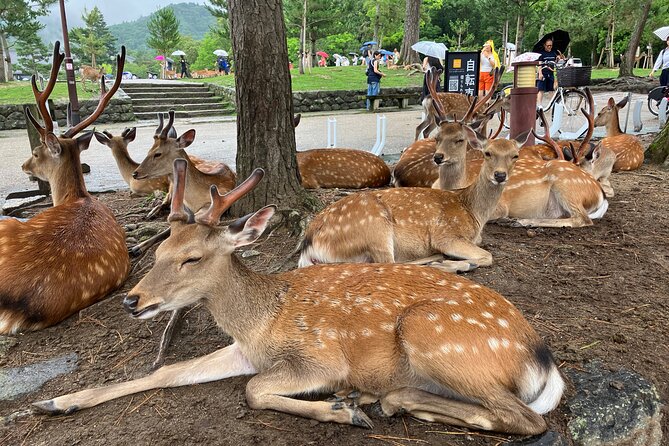
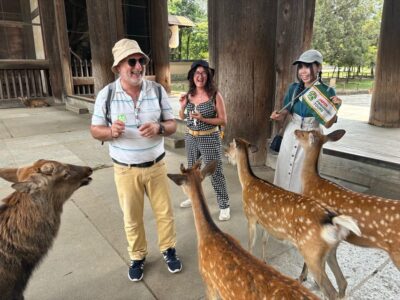
Nara Park receives about 30 minutes, and this is likely to be one of the most memorable parts of the tour. The deer are free to move through the park, creating an unusual meeting between wildlife, visitors, and historic sites.
The animals may look calm, but feeding them takes some care. Masa can show you how to interact with them and how to avoid being surrounded when you have food. This practical guidance matters. It helps you enjoy the encounter instead of fumbling with food while several deer crowd around you.
Bring a camera, but keep your attention on the animals and your surroundings. Do not assume every deer will behave the same way, and follow your guide’s instructions. People with animal allergies should not book this tour. The activity is also not suitable for wheelchair users or pregnant people, and comfortable shoes are important for the walking route.
Thirty minutes gives you time to see the deer and learn the basics, but it may feel brief if you want long photographs or a quiet walk through the entire park. If deer are your main reason for visiting Nara, plan to return to the park after the tour.
Himuro Shrine: a quieter change of pace
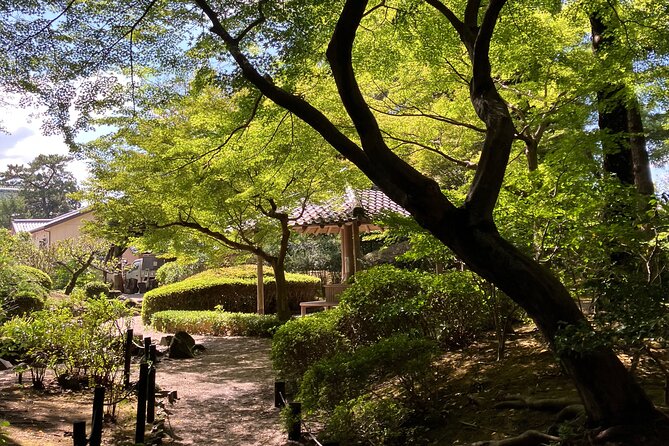
Himuro Shrine receives 20 minutes. After the open park setting, this stop provides a smaller and more focused shrine visit. The shorter time works well here because the guide can explain the site without asking you to spend a large part of the tour in one place.
I like this kind of stop on a short private tour. Big attractions can dominate a first visit, while a smaller shrine gives you a chance to notice the quieter side of Nara. Masa’s role is useful here because he can explain what you are seeing and answer the simple questions that often arise at a Japanese religious site.
The schedule leaves little room for lingering, so do not expect a long period for independent exploration. The benefit is variety: you see a shrine as well as temples, a garden, a shopping street, and the deer park.
Tōdai-ji: the main cultural anchor
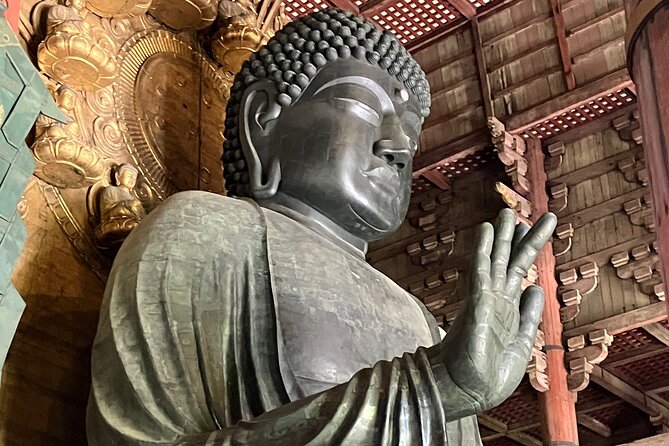
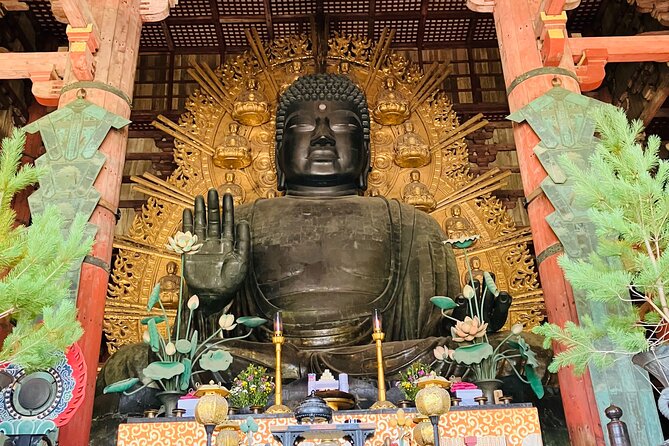
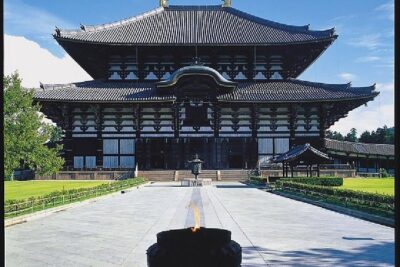
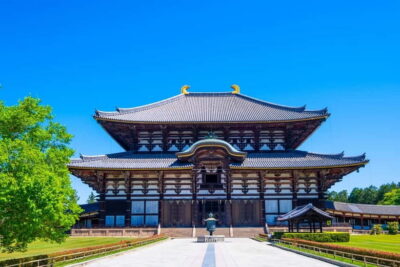
The longest stop is Tōdai-ji, with one hour of guided time. This is the central cultural visit on the route, and the extra time allows Masa to explain the temple, its history, and the statues in greater detail.
This is where a guide can make the biggest difference. Large temple sites can be visually impressive but hard to understand without context. Masa has been praised for explaining temple history and statues in detail, and his patient style suits visitors who want to ask questions rather than simply follow a speech.
An hour still passes quickly. You will have time for a guided look and some photographs, but you should not expect to examine every part of the complex at leisure. Flash photography is not allowed, so bring a camera that works well without flash and respect the rules inside the temple.
The longer stop also gives you a break from the faster movement between smaller points of interest. Wear shoes that are comfortable for walking and standing, and consider a hat and sunscreen in warmer weather. The tour takes place outdoors as well as inside religious sites, so conditions may affect your comfort.
Yoshikien Garden: a calm final stop
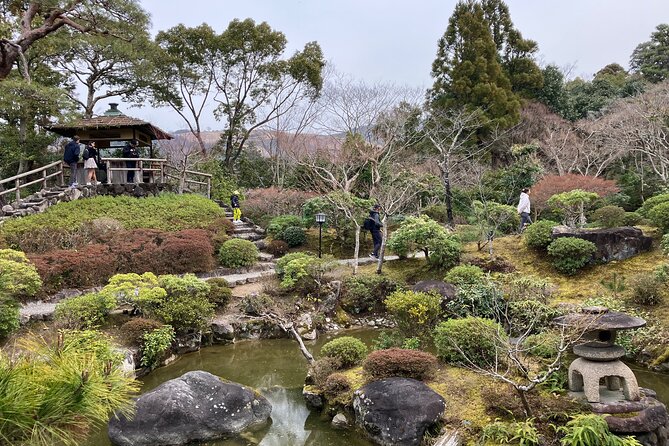
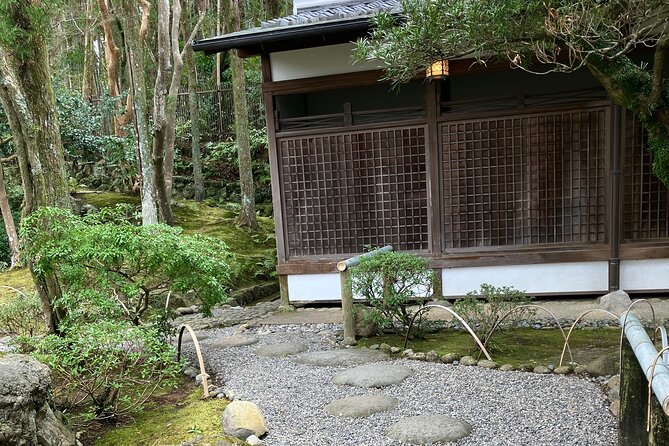
The final guided stop is Yoshikien Garden, with about 20 minutes before returning to Kintetsu Nara Station. It is a fitting way to finish a route that has combined wildlife, religious buildings, city streets, and green spaces.
The short visit is best viewed as a peaceful closing look rather than a full garden tour. You can slow down, take photographs, and compare the garden’s atmosphere with the wider park and temple grounds. If gardens are a major interest for you, you may want extra independent time after the tour, assuming opening conditions and your schedule allow it.
Ending at the station keeps the logistics simple. You can leave Nara immediately, find a meal, or continue on your own. One visitor received a recommendation for a good soba restaurant from Masa, so you can also ask him for food suggestions during the walk.
What Masa adds to the experience
The strongest part of this tour is the guide service. Masa speaks excellent English and is described as patient, friendly, attentive, and well prepared. Those qualities matter more on a private tour than a long list of facts.
You can ask him to explain a statue again, help you find an ATM, translate in a shop, or suggest somewhere to eat. He has also brought an extra umbrella for a visitor, which suggests a practical, attentive approach, though you should still prepare for the weather yourself.
His help with the deer is especially useful. Nara’s deer are a major attraction, but knowing how to feed them without getting mobbed makes the experience more comfortable. If you are curious about Japanese customs or want more background at the temples, a private guide gives you room to ask questions that a large group tour may not allow.
The tour is offered in English. Masa has prepared materials in other languages for individual visitors, including Korean and native-language information in another case, but you should confirm your language needs before booking if English is not comfortable for you.
Price, pace, and what you receive
The $126 per-person price includes the English-speaking guide and admission to temples and parks. It does not include drinks, souvenirs, personal purchases, hotel transportation, or a tip for the guide.
For a private group, the price can make sense if you value personal attention. You are paying for a planned route, three hours with Masa, explanations at each stop, and practical assistance along the way. The value is strongest for first-time visitors, couples, families who want a private pace, and anyone who feels unsure about navigating Nara alone.
The value is weaker if you are comfortable using a map, reading temple information independently, and spending as long as you like at one sight. Nara Park itself is freely accessible, and independent visitors can arrange their own temple visits. This tour earns its price through guidance and convenience, not through exclusive access.
The current schedule is tightly organized but not frantic. Since the listed stop times total three hours, there is little space for a long meal or extended shopping. Save those for before or after the tour.
Practical preparation for the walk
Wear comfortable shoes. The route includes several outdoor stops, temple and shrine grounds, and time on foot between locations. A hat and sunscreen are sensible, especially in sunny weather, and a camera is welcome as long as you follow the no-flash rule.
Smoking is not allowed during the activity. Personal expenses are your responsibility, and guide gratuity is optional but appreciated.
The tour is not suitable for pregnant women, wheelchair users, or people with animal allergies. These limits are important because the route includes walking and close contact with deer. If any of those concerns apply to you, choose an activity with a different format.
Free cancellation is available up to 24 hours before the start time for a full refund. You can also reserve now and pay later, which helps if your Japan itinerary is still changing. Check the available starting times before booking.
Should you book this Nara tour?
Book it if you want a well-organized first look at Nara with a private English-speaking guide. Masa’s patience, practical help, and ability to explain temples, statues, deer etiquette, shops, and local food add real value. The mix of major sights and smaller stops also gives you a broader feel for the city than a deer-only visit.
Skip it if you want to wander without a schedule, spend hours photographing deer, or study one temple at length. Three hours gives you a strong introduction, not an exhaustive visit.
For couples, small private groups, and first-time visitors who want history explained in plain language, I consider this a sensible Nara choice. Bring good shoes, keep your expectations realistic about the pace, and leave room afterward for your own unhurried exploration.
FAQ
How long does the tour last?
The tour lasts three hours.
What is the price?
The price is $126 per person.
Where does the tour begin?
It begins at Kintetsu Nara Station. After exiting through the East Gate, go toward Exit 3 and look near the tourist information center.
How will I find the guide?
Masa waits near Exit 3 with a sign showing the Get Your Guide logo.
Is the tour private?
Yes. It is operated as a private group tour.
What language is the tour offered in?
The tour is offered in English with a live English-speaking guide.
What does the price include?
The price includes the English-speaking guide and admission to temples and parks.
Are hotel pickup and personal expenses included?
No. Hotel pickup and drop-off, drinks, souvenirs, shopping, and other personal expenses are not included.
Can I cancel for a refund?
Yes. You can cancel up to 24 hours in advance for a full refund.
What should I bring?
Bring comfortable shoes, a hat, a camera, and sunscreen. Flash photography and smoking are not allowed.
Recently added around Nara
- Nara Private Customizable Half Day Tour★ 5.0 · 3 reviews
- Full Day Nara Deer, Temple, Shrine, Activities & Tea Ceremony★ 5.0 · 3 reviews
- Nara: Essential Private Tour with Deer Park and Temples★ 5.0 · 3 reviews
- Discover the Essence of Nara Ink Through Your Senses★ 5.0 · 3 reviews
- Private Journey in Nara’s Historical Wonder★ 5.0 · 3 reviews
- Nara:Private Tea Ceremony(Max 5 ppl) -Master Matcha Making-★ 5.0 · 3 reviews
- Nara Takayama Tea Whisk Craft and Tea Culture Experience★ 5.0 · 3 reviews
- Nara: Half-Day Private Tour of 4 Must-See Spots & Deer Park★ 5.0 · 3 reviews
Nara Day Trips, compared.
World Heritage Kyoto & Nara Uji Authentic Matcha Experience
Read our review →
Kyoto/Osaka: Nara, Fushimi Inari Taisha, Arashiyama Bus Tour
Read our review →
Nara Half Day Trip Walking Tour (Private Option Available)
Read our review →
Nara Early Morning Tour (Kyoto or Osaka Departure Available)
Read our review →
Kyoto/Osaka: Kinkakuji, Bamboo Forest, and Nara Deer Park
Read our review →Browse the lists this tour appears in