
REVIEW · NARA DAY TRIPS
Nara City Tour | Explore Temples, Park & Local Highlights
Nara’s most memorable sight may be its deer, but this tour gives you more than a quick photo stop. You’ll walk from Osaka into Japan’s first capital, pass through Nara Park, enter Todai-ji, and climb to Nigatsudo for a quieter temple visit. I especially like the small group of no more than eight and the chance to see both famous landmarks and everyday shopping streets.
I also like the tour’s clear rhythm: train, walk, temple, snack break, temple, then train back to Osaka. Guides such as Kota and Kenji have been praised for friendly help and fluent English. The main drawback is the pace. Nearly 10 kilometers on foot is a serious half-day walk, and the amount of detailed explanation may vary by guide.
In This Review
- Key points at a glance
- Why this Nara walk feels different from a quick day trip
- Meeting in Namba and riding toward Nara
- Nara Park and the deer encounter
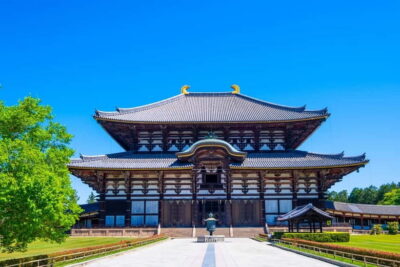
- Todai-ji and the weight of the main temple stop
- Nakatanidou for a snack and shopping pause
- Nigatsudo and a quieter side of Nara
- What the $83 price really covers
- Walking, weather, and who should skip it
- How much temple explanation should you expect?
- Should you book this Nara tour?
- FAQ
- How long does the Nara City Tour last?
- Where does the tour meet?
- Is transportation included in the tour price?
- What language is the tour offered in?
- How much walking is involved?
- Does the tour run in rainy weather?
- Are meals and drinks included?
Key points at a glance
- Small English-speaking group: The tour is limited to eight people, making conversation with the guide easier.
- Nearly 10 kilometers of walking: Comfortable shoes are essential, and this is not a good fit for limited mobility.
- Three distinct Nara experiences: You’ll see free-roaming deer, Todai-ji, and Nigatsudo rather than only one major sight.
- A practical route from Osaka: The day begins and ends by train, with the meeting point in Namba Walk.
- Shopping at Nakatanidou: You get time for local crafts, delicacies, and a break between temple visits.
- Best autumn timing: Late October through mid-November can bring striking fall colors to the park and temple grounds.
Why this Nara walk feels different from a quick day trip
Nara is easy to visit from Osaka, but it rewards a slower pace. The city’s appeal comes from the way open parkland, ponds, deer, temple grounds, and shopping streets sit close together. You are not simply checking off one large temple. You are moving through a town where nature and old religious sites share the same space.
This five-hour tour is built around walking rather than a bus or vehicle. That matters because you see the changes in the city as you go. The route begins in Osaka, then shifts from train travel to park paths, temple approaches, a shopping stop, and a hilltop hall.
The group size is another useful feature. With no more than eight participants, you can ask questions without trying to catch a guide’s attention across a crowd. Ali described the staff as friendly and kind, while Praveen had a strong experience with Kenji. William found Kota fluent in English and able to answer questions clearly, especially on a rainy, quieter day.
There is one point to keep in mind. One participant wanted more explanation at the sights and felt the guide mainly directed the group through the trains and sites. That means you should treat the guide as an important part of the experience, but not assume every tour will deliver the same level of temple history. If detailed cultural commentary is your top priority, ask questions as you go.
More day trips to Nara:
- World Heritage Kyoto & Nara Uji Authentic Matcha Experience
★ 5.0 · 1,573 reviews - Nara Half Day Trip Walking Tour (Private Option Available)
★ 5.0 · 937 reviews - Nara Early Morning Tour (Kyoto or Osaka Departure Available)
★ 5.0 · 676 reviews
Meeting in Namba and riding toward Nara
The starting point is Osaka JOINER in the underground Namba Walk area, near exit B23. This is not the subway area. The shop is between a Mizuno store and a Docomo store, so give yourself time to find the correct underground passage rather than rushing in at the last minute.
The train ride takes about 50 minutes each way. Since the transportation fee is not included, you need to budget separately for the train. Meals and drinks are also extra, as are personal purchases.
That train ride has two practical effects. First, it makes this a straightforward add-on from an Osaka stay. Second, it uses about 100 minutes of the five-hour schedule, leaving roughly four hours for Nara itself. You are paying for a guided route and local context, but this is not a full-day Nara exploration.
The return train is also part of the planned route, so you are not left to work out your way back after the final temple. Still, keep your schedule reasonably open. A walking tour in rain, along with train transfers and temple stops, can run at a different pace than a tightly timed independent visit.
Nara Park and the deer encounter
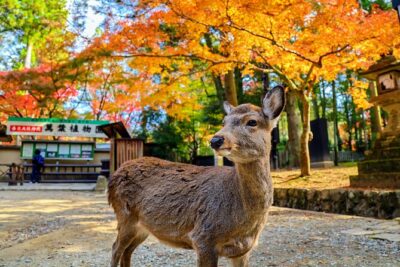
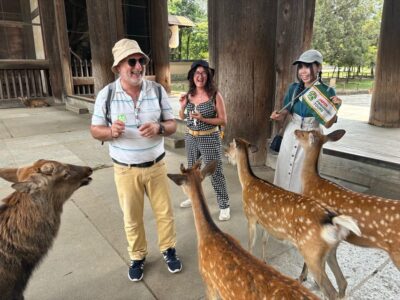
The first major stop is Nara Park, with about 30 minutes set aside for sightseeing. This is where you meet the deer that roam freely through the city and parkland. You can feed them and take photos, but you should follow the guide’s instructions and treat the animals with care.
The deer are a charming part of Nara, yet they are still animals, not trained performers. Bring cash for the experience if needed, and keep your attention on the deer rather than trying to force a photograph. The tour information specifically recommends respectful behavior.
Thirty minutes is enough for a first encounter and some pictures, but it is not a long wildlife session. The value is in seeing how naturally the deer fit into the setting, with temple buildings and wooded paths nearby. If you want a quiet moment, rainy weather can help. William found the park far less crowded in wet conditions, which made conversation with the guide easier.
Rain does not cancel the tour. Bring a raincoat or umbrella, and expect wet paths. A rainy visit can mean fewer people, but it also makes the 10-kilometer route more demanding. Shoes with good comfort and reliable grip are a smart choice.
Todai-ji and the weight of the main temple stop
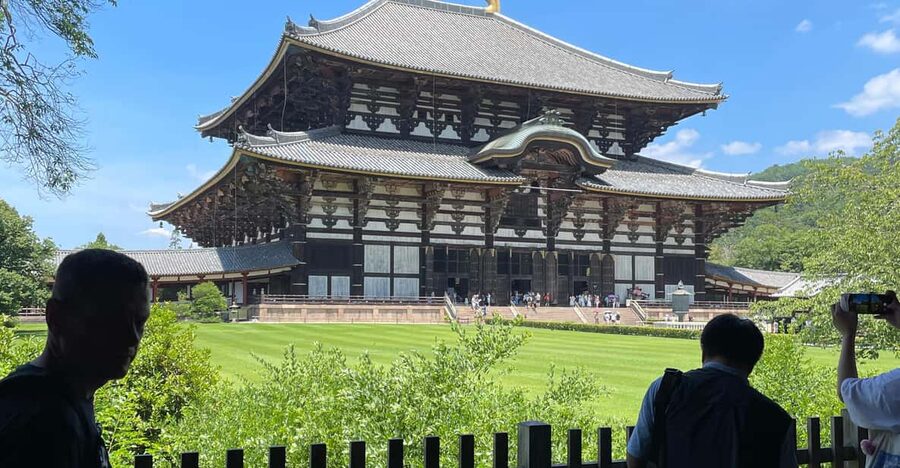
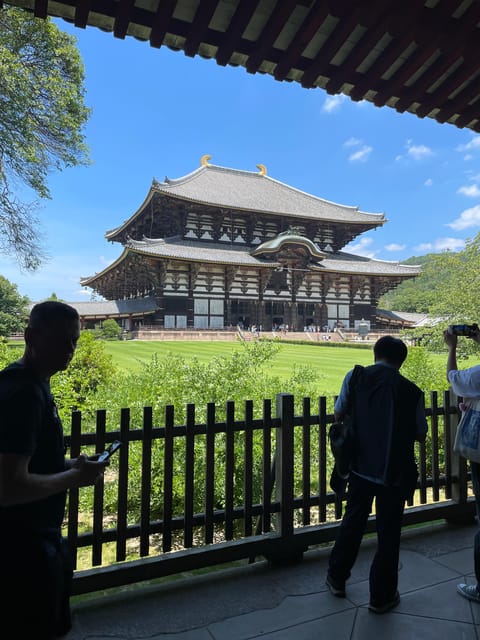
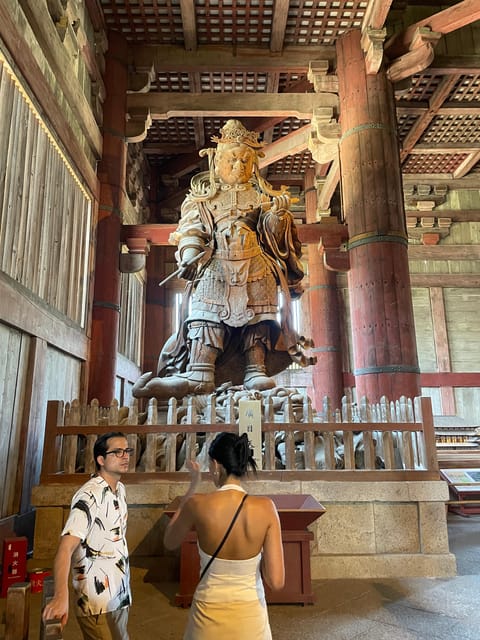
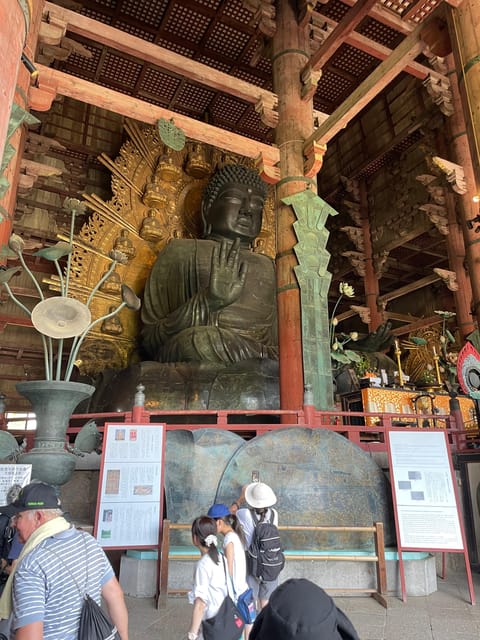
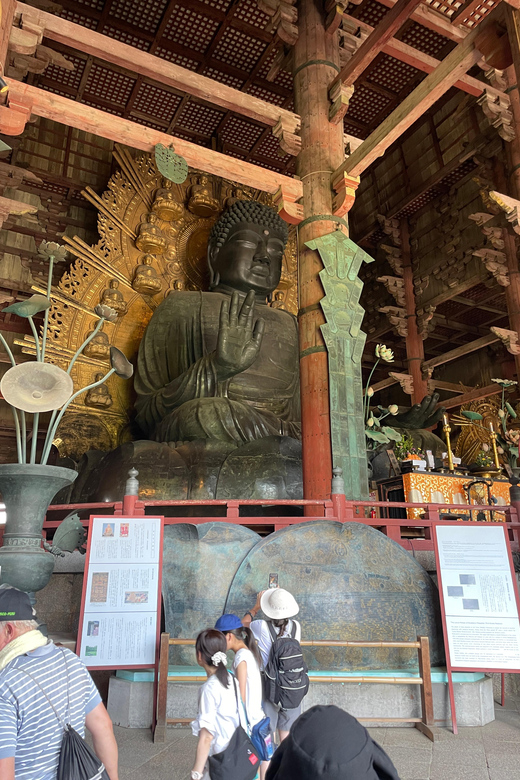
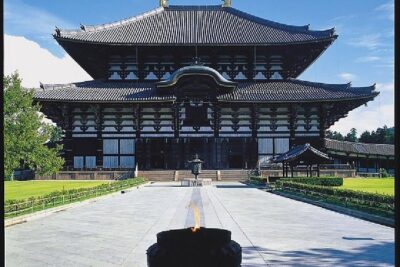
After about 15 minutes on foot, you reach Todai-ji for a 40-minute visit. This is the tour’s biggest temple stop and one of Nara’s essential sights. The approach gives you time to shift from the open park into a more formal religious setting.
The visit is long enough to take in the building and grounds without turning the tour into a full architectural study. You should expect a guided visit, but the exact amount of historical detail may depend on the guide. One participant specifically wanted more insight into the sights, so do not be shy about asking what you are seeing, why it matters, and how the temple fits into Nara’s past.
Todai-ji is best appreciated at a measured pace. Look beyond the main photo opportunity and notice the change in scale between the park paths and the temple structure. The tour gives you a fixed 40 minutes, which helps keep the day moving but may feel short if you prefer to linger.
This stop also shows the tradeoff built into the route. A guide helps you reach the right places efficiently, especially if Nara is new to you. An independent visit gives you more time inside each site. The tour is the better choice if you want an organized first look rather than unlimited time at one temple.
More Kyoto temples worth a morning:
- Nara: Essential Private Tour with Deer Park and Temples
★ 5.0 · 24 reviews - Relax in Nara: Deer Park, Todai-ji Temple and Merchants’ Town
★ 5.0 · 6 reviews - Nara Heritage Walkabout from Nara Park to Todaji-ji temple
★ 5.0 · 5 reviews - Full Day Nara Deer, Temple, Shrine, Activities & Tea Ceremony
★ 5.0 · 3 reviews
Nakatanidou for a snack and shopping pause
The walk to Nakatanidou takes about 10 minutes. Here you have 30 minutes for a break, shopping, and local food. This is a welcome change after the first temple and park sections.
The stop gives the tour a more ordinary, local-facing side. You can look for delicacies and crafts instead of spending the whole day among formal monuments. The supplied information does not include a meal, so plan to pay for any food and drinks yourself. Bring cash, which is also listed among the recommended items.
Thirty minutes is enough for a short refreshment stop and browsing, but not for a long meal. William noted that Kota knew a good place for a late lunch, which suggests that asking your guide for food advice may be worthwhile. Do not count on lunch being included or on having a large amount of time to sit down.
This is one of the tour’s more useful design choices. Nara can feel overly focused on headline sights, especially on a first visit. A shopping stop lets you see what people buy, eat, and take home. It also breaks up the walking before the final temple visit.
Nigatsudo and a quieter side of Nara
From Nakatanidou, you walk for about 20 minutes to Todai-ji Nigatsudo, also called February Hall. The visit lasts around 30 minutes.
Nigatsudo offers a different mood from the main Todai-ji stop. The route takes you away from the most obvious center of the park and toward a temple setting with gardens, ponds, and elevated views mentioned in the tour description. The walk itself is part of the experience, though it adds to the day’s physical demands.
This is the stop I would value most if you want a calmer side of Nara. The tour description emphasizes peaceful gardens and the connection between people and nature, and Nigatsudo fits that idea better than a quick shopping street or crowded approach.
Again, ask questions. The itinerary gives you time at the site, but it does not promise a long formal lecture. A curious participant who asks about the building, its name, and its religious role is likely to get more from the visit than someone who simply follows the group.
The final 25-minute walk brings you back toward the train. By this point, the distance matters. You will have covered park paths, temple approaches, shopping streets, and the route to Nigatsudo before riding 50 minutes back to Osaka.
What the $83 price really covers
At $83 per person, the price is reasonable if you want a guided introduction to Nara from Osaka, but it is not an all-inclusive day. The fee covers the five-hour guided walking tour, the guide, and the walking portion of the experience.
You pay separately for transportation, food, drinks, and personal purchases. Since the itinerary includes two 50-minute train rides, calculate the train cost before booking. The real value lies in the route planning, the small group, English assistance, and the convenience of returning to Osaka with the day organized.
I would compare this price with the cost of arranging your own transport, choosing temple stops, finding the park, and handling the route between the shopping area and Nigatsudo. Independent travel can be cheaper and gives you more control. The tour earns its price if you want someone else to lead the way and help you manage a busy half-day.
The small group helps the value. Eight people or fewer is a much more personal setup than a large coach group, and it gives you a better chance to speak with the guide. The strongest feedback has focused on friendly staff and clear English, especially from Kota and Kenji.
Walking, weather, and who should skip it
The tour includes almost 10 kilometers of walking. That is the most important practical fact in the entire description. You need comfortable shoes, comfortable clothes, and enough energy for repeated walks between stops.
The experience is not suitable for wheelchair users or people with mobility impairments. It is also not recommended for people with recent surgeries, people with animal allergies, or people over 95 years old. The deer encounter makes animal allergies a direct concern, while the long route is the bigger issue for most people.
Smoking is not allowed. Bring a camera if you want photos, but do not let photography distract you from the guide’s instructions around the deer.
The tour runs in rainy weather. A raincoat or umbrella is essential on wet days. Rain may reduce crowds and make the guide’s explanations easier to hear, but it will not shorten the route. If the forecast is poor and you dislike long walks in wet clothes, rescheduling may be wiser.
Late October through mid-November is a particularly appealing window because autumn leaves can add color to the park and temple grounds. The exact display changes from year to year, so treat the dates as a useful seasonal guide, not a guarantee.
How much temple explanation should you expect?
This is a guided walk, but the experience appears to balance movement and sightseeing rather than offering an intensive lecture at every stop. That distinction matters. You will be shown where to go and taken through the route, but you should actively ask questions if you want more cultural or historical detail.
The positive side is flexibility. Friendly guides such as Kota and Kenji can answer questions, and a small group makes that conversation easier. The limitation is inconsistency. If the guide focuses more on directions and timing, you may get less explanation than expected.
I recommend preparing a few questions before you meet the group. Ask about the significance of Todai-ji, the purpose of Nigatsudo, the deer’s place in Nara, and the meaning of the gardens and ponds. Those questions can turn a simple walking route into a more rewarding cultural visit.
The English-language format is useful for visitors who want help navigating the day without joining a large group. Just keep your expectations realistic: this is not presented as a specialist lecture or a private scholar-led tour.
Should you book this Nara tour?
Book it if you are staying in Osaka, want a guided first visit to Nara, and enjoy long walks with several different stops. The combination of deer, park paths, Todai-ji, Nigatsudo, and a shopping break gives you a broad taste of the city in five hours.
I would especially recommend it to solo visitors or couples who prefer a small group and want help with the train route. The friendly English-speaking approach, along with advice such as Kota’s late-lunch suggestion, can make the day easier.
Skip it if you need a slow pace, wheelchair access, extended time inside each temple, or a guaranteed stream of detailed historical commentary. An independent visit may suit you better if you want to set your own timing.
For most fit visitors, this is a practical way to see Nara from Osaka without spending a full day planning the details. Just budget for trains and food, wear serious walking shoes, and arrive at the correct Namba Walk meeting point.
FAQ
How long does the Nara City Tour last?
The tour lasts five hours, including the train rides between Osaka and Nara.
Where does the tour meet?
The meeting point is in the underground Namba Walk area near exit B23. It is not in the subway area. The store is between a Mizuno Shop and a Docomo Shop.
Is transportation included in the tour price?
No. Transportation fees are not included. The route includes a 50-minute train ride to Nara and a 50-minute train ride back to Osaka.
What language is the tour offered in?
The tour is offered in English, with an English-speaking host or greeter.
How much walking is involved?
The tour includes almost 10 kilometers of walking, including routes between Nara Park, Todai-ji, Nakatanidou, and Nigatsudo.
Does the tour run in rainy weather?
Yes. The tour proceeds in rainy weather. Bring a raincoat or umbrella and wear comfortable shoes.
Are meals and drinks included?
No. Meals and beverages are not included. You should bring cash for food, drinks, and personal purchases.
Recently added around Nara
- Nara Private Customizable Half Day Tour★ 5.0 · 3 reviews
- Full Day Nara Deer, Temple, Shrine, Activities & Tea Ceremony★ 5.0 · 3 reviews
- Nara: Essential Private Tour with Deer Park and Temples★ 5.0 · 3 reviews
- Discover the Essence of Nara Ink Through Your Senses★ 5.0 · 3 reviews
- Private Journey in Nara’s Historical Wonder★ 5.0 · 3 reviews
- Nara:Private Tea Ceremony(Max 5 ppl) -Master Matcha Making-★ 5.0 · 3 reviews
- Nara Takayama Tea Whisk Craft and Tea Culture Experience★ 5.0 · 3 reviews
- Nara: Half-Day Private Tour of 4 Must-See Spots & Deer Park★ 5.0 · 3 reviews
Nara Day Trips, compared.
World Heritage Kyoto & Nara Uji Authentic Matcha Experience
Read our review →
Kyoto/Osaka: Nara, Fushimi Inari Taisha, Arashiyama Bus Tour
Read our review →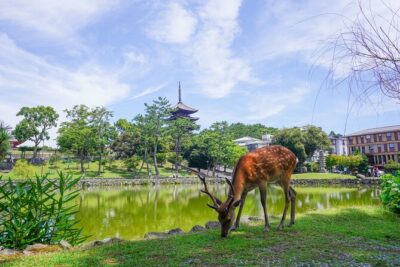
Nara Half Day Trip Walking Tour (Private Option Available)
Read our review →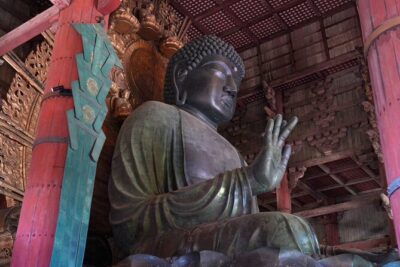
Nara Early Morning Tour (Kyoto or Osaka Departure Available)
Read our review →
Kyoto/Osaka: Kinkakuji, Bamboo Forest, and Nara Deer Park
Read our review →Browse the lists this tour appears in