
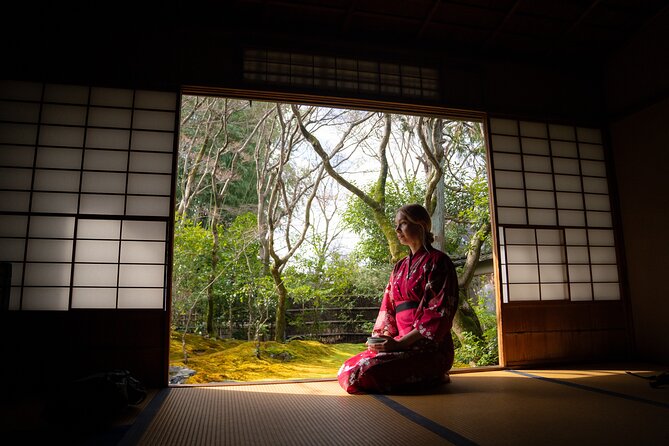
REVIEW · KYOTO ZEN MEDITATION EXPERIENCES
Kyoto: Zen Meditation at a Private Temple with a Monk
Kyoto has no shortage of temples, but this experience gives you something most temple visits do not: time with a monk in a temple that is normally closed to the public. After a short walk from Kodaiji Park, you learn the basics of Zazen, practice seated meditation, and talk with the monk about Buddhism and daily life.
I like the small, personal setting and the chance to ask real questions after the meditation. I also like the gentle finish: matcha, sweets, photographs, and a stroll through a quiet garden. The main drawback is the price, $91 per person for 90 minutes, plus the meeting point can be confusing if you follow Google Maps instead of the guide’s instructions.
In This Review
- Key points at a glance
- A quiet temple behind Kyoto’s busy streets
- What happens during the 90-minute visit
- Learning Zazen without needing meditation experience
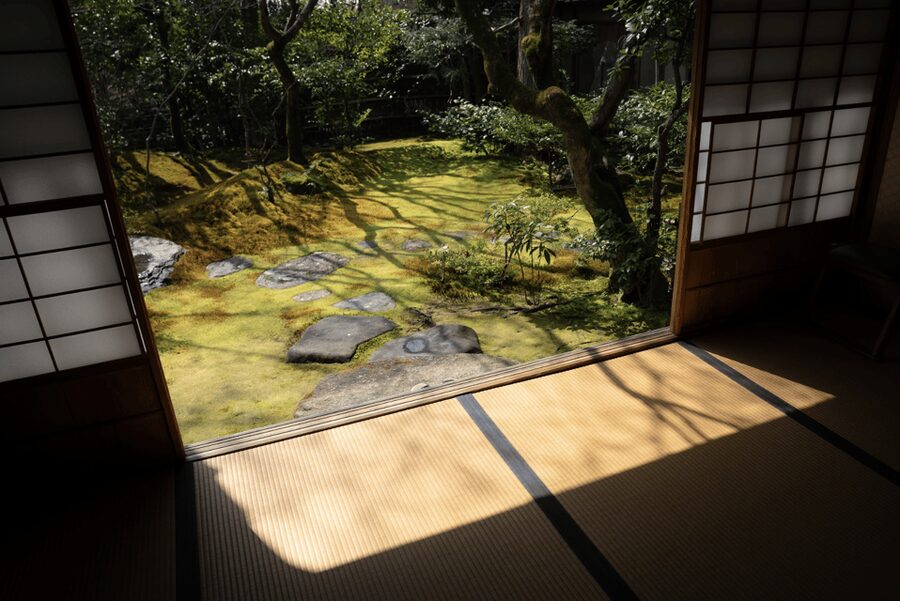
- Why the private garden adds real value
- Tea, sweets, and an unusually open conversation
- Is $91 a fair price for 90 minutes?
- Timing, meeting point, and physical considerations
- Who will get the most from this experience?
- Book it for the monk, not just the photo
- FAQ
- How long does the Kyoto Zen meditation experience last?
- Where do I meet the guide?
- Is the activity conducted in English?
- Do I need meditation experience?
- What is included in the price?
- Can I visit a temple that is normally closed to the public?
- Who cannot take part?
Key points at a glance
- Private temple access: Visit a temple that is not open to the general public.
- Guided Zazen lesson: Learn posture, breathing, focus, and the purpose of seated meditation.
- English support: Guides such as Soma, Satoru, Ruko, and Kohtaro interpret and explain the monk’s teaching.
- Tea and conversation: Finish with matcha, sweets, questions, and time with the monk.
- Beautiful garden setting: See the temple garden and take photographs with permission.
- Short but focused format: The full experience lasts 90 minutes, including the walk from Kodaiji Park.
A quiet temple behind Kyoto’s busy streets
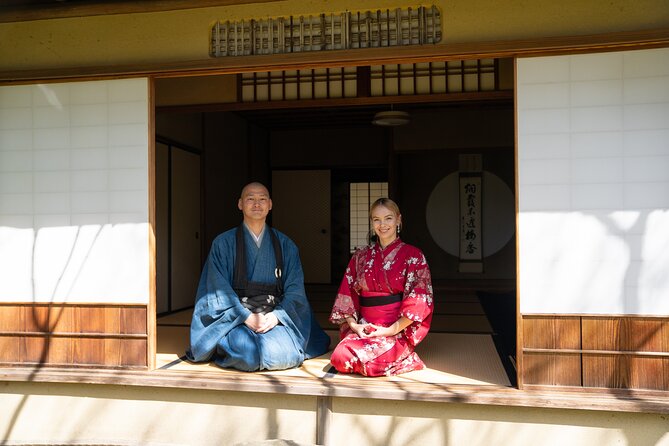
The meeting point is at the toilet on the northern side of Kodaiji Park. From there, you walk about 10 minutes with your guide to the temple. This short walk matters. You leave the crowds and stone-paved lanes around Nene no Michi behind, then arrive at a much more private setting.
Your guide may be Soma, Satoru, Kohtaro, Ruko, or another English-speaking member of the team. The guides are not just there to lead the way. They explain Japanese customs, interpret the monk’s words, help with questions, and often take group photographs. Several visitors singled out Soma and Satoru for clear English and warm, professional help, while Ruko was praised for smooth interpreting and taking photos.
The temple is small enough to feel personal. This is not a large ceremonial hall filled with tour groups. Depending on the date, you may find yourself in a private group or a very small session. One person even had a one-on-one experience with the guide and monk, while another February session had only two participants.
That intimacy is the real reason to consider this activity. You are not simply looking at a temple from behind a rope. You are invited into a working religious space, introduced to the monk, and given time to ask about his practice and life.
More Zen sittings in Kyoto:
- Kyoto Zen Meditation & Garden Tour at a Zen Temple with Lunch
★ 5.0 · 441 reviews - Kyoto: Zen Experience in a Hidden Temple
★ 5.0 · 437 reviews - Kyoto: Tea Ceremony Meditation – Make Matcha with Tea Master
★ 4.8 · 406 reviews
What happens during the 90-minute visit
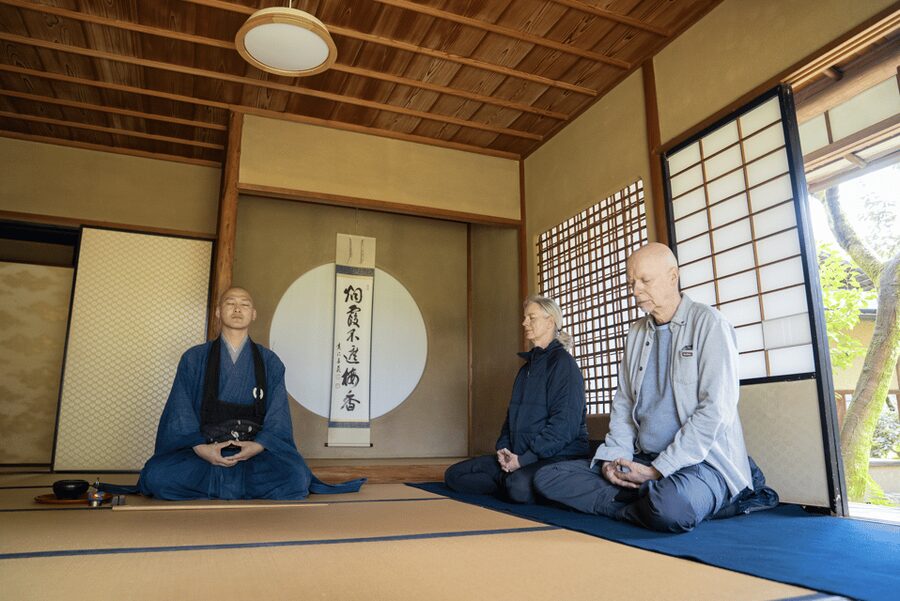
The visit includes the 10-minute walk from Kodaiji Park, roughly an hour at the temple, and the return walk to the park. The exact balance can vary, especially when questions continue after meditation, but the session follows a clear pattern.
First comes a brief introduction to Japanese culture and Zen Buddhism. This is useful even if you know little about Buddhism, and it also gives experienced meditators a framework for the lesson that follows.
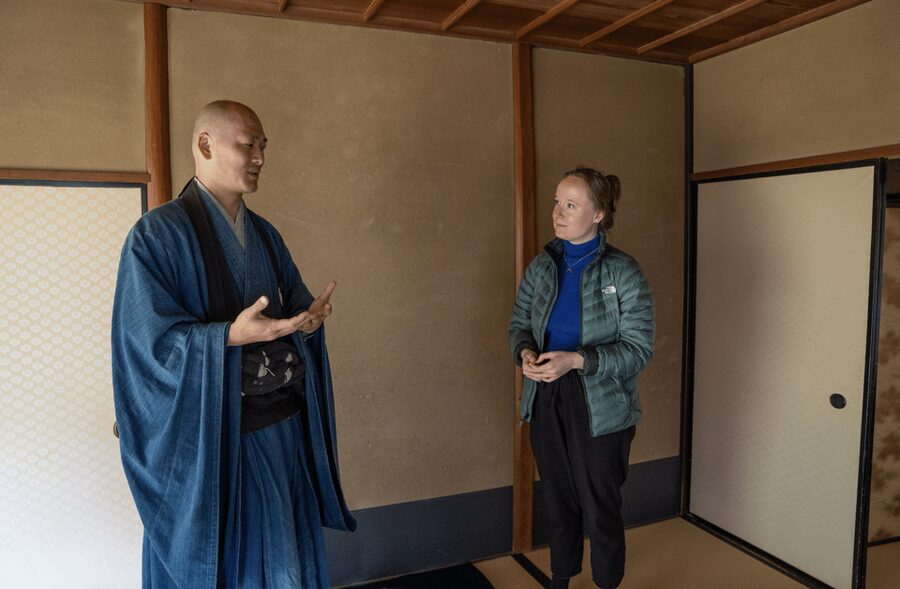
The monk then explains Zazen, the seated meditation practice central to Zen. The lesson covers the purpose of the practice along with practical points such as posture, breathing, and technique. The aim is not to turn you into a Zen expert in one morning. Instead, you learn enough to sit with some understanding rather than simply closing your eyes and hoping for calm.
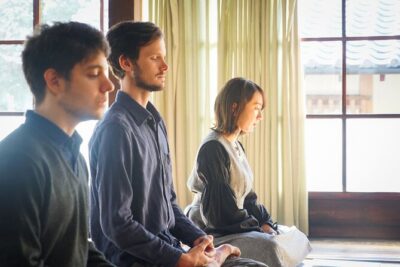
You then practice meditation yourself. The session can include about 20 minutes of silence, according to one detailed account, though the precise meditation length is not separately guaranteed. The guide helps interpret the monk’s instructions, which may be delivered in Japanese.
Finally, you drink matcha with traditional sweets, talk with the monk, and spend time in the garden. This last part is not filler. It gives you a chance to ask about Buddhism, monastic life, meditation at home, and anything that came to mind during the sitting.
Learning Zazen without needing meditation experience
You do not need prior meditation experience. One first-time participant found the lesson accessible and left intending to continue the practice at home. Another person who already meditated alone appreciated learning a more formal method and sitting in silence for about 20 minutes.
That range is important. Beginners get clear instruction on how to sit and breathe, while experienced meditators can ask more precise questions about concentration and practice. The monk’s role is to make the session approachable, not mysterious.
The language arrangement is also worth understanding. The monk may teach in Japanese, with the English-speaking guide interpreting. This can create a natural pause between each idea, but it also allows the guide to explain cultural points and clarify questions. English fluency was repeatedly praised, especially from Soma and Satoru.
Do not expect a silent retreat. The experience includes instruction, translation, discussion, tea, and photographs. The meditation itself is quiet, but the larger session is social and conversational. If you want hours of uninterrupted solitude, this is not the right format. If you want a clear first lesson with access to a monk, it works much better.
Why the private garden adds real value
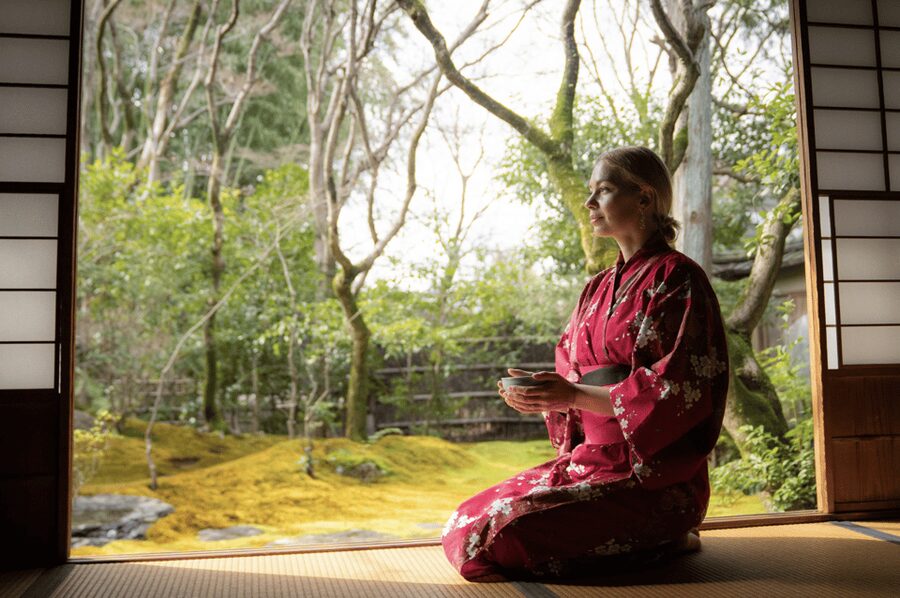
Kyoto’s famous temple gardens can be packed, especially around major sights. Here, the garden is part of the visit rather than something you rush past on the way to the next attraction.
The setting has been described as a moss garden with a peaceful, green character. You have time to look around after the meditation, and the garden gives the conversation a calm place to continue. Rainy weather may even suit the mood, with one session taking place on a quiet wet morning.
The garden is also a reminder that Zen is not only about sitting still. The setting, the tea, the careful movements, and the pause between activities all support the lesson. You do not have to interpret every detail in a profound way. Simply having a little time to notice the space is valuable in a city where your sightseeing schedule can become a blur of gates, gardens, and photographs.
Speaking of photographs, you can take pictures within the temple and with the monk. Ask your guide about the right moment and follow the temple’s wishes. The guides have helped take photos for participants, which is handy when you are traveling without a group of friends.
More Kyoto temples worth a morning:
- Kyoto: Tea Ceremony Ju-An at Jotokuji Temple
★ 4.9 · 3,207 reviews - Arashiyama Bamboo, Temple, Monkeys, or Secret Sake Brewery
★ 4.8 · 886 reviews - Kyoto: Arashiyama Bamboo Forest, Monkeys, Matcha & Temple Tour
★ 5.0 · 759 reviews - Kyoto: Ninnaji Temple Entry Ticket
★ 4.2 · 650 reviews
Tea, sweets, and an unusually open conversation
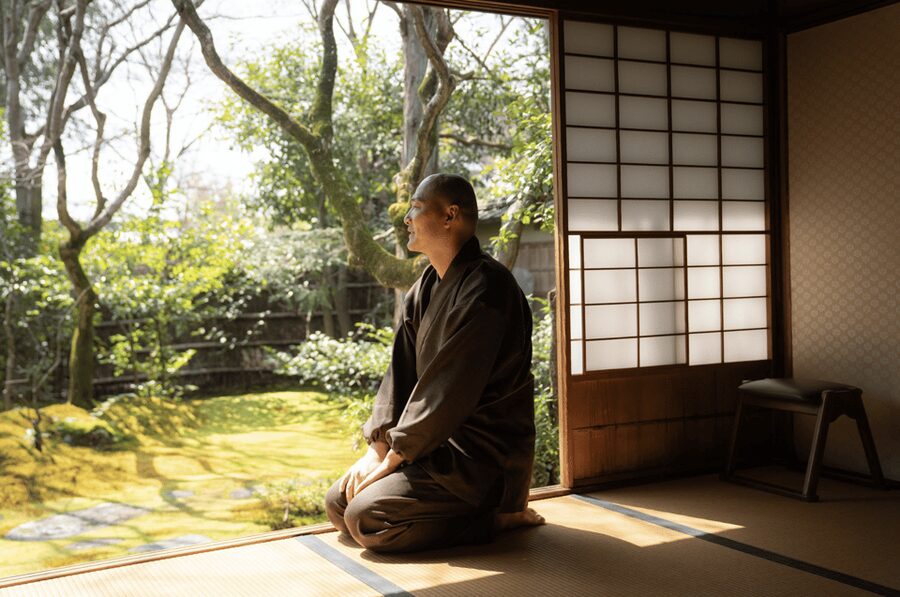
The matcha and sweets are a pleasant part of the visit, but the conversation with the monk is the stronger reason to stay engaged. You can ask about his life, Buddhism, meditation, and the demands of monastic practice.
The discussion appears to be informal and welcoming rather than a formal lecture. One visitor stayed an extra 20 minutes to continue asking questions after the others had left. That extra time is not promised, so you should plan around the advertised 90 minutes, but it shows the kind of exchange that can happen when the group is small and the schedule allows.
You may also learn about the monk as a person rather than only as a religious figure. One family happened to meet his young daughter, a reminder that the temple is connected to ordinary human life as well as ceremony. Do not count on this happening, but it helps explain why the session can feel more personal than a standard cultural demonstration.
The tea ceremony is not presented as a full, formal tea-school performance. Think of it as a traditional serving of matcha and sweets, followed by conversation and a garden visit. That keeps the experience moving and leaves room for the meditation itself.
Is $91 a fair price for 90 minutes?
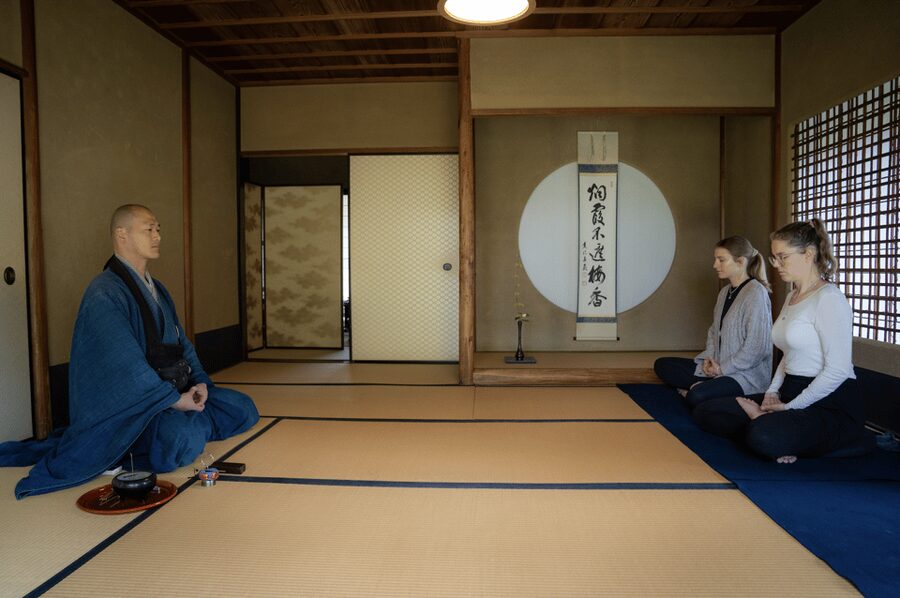
At $91 per person, this is not a bargain activity. Kyoto has many temples you can visit for a modest admission fee, and you can read about Zen meditation for free. You are paying for access, interpretation, a small group format, and direct time with the monk.
The price makes more sense if you value personal contact. You receive entry to a private temple, an explanation of Zazen, guided practice, tea, garden time, and English support. A guide also removes the language barrier and helps the meeting go smoothly once you are together.
The value is strongest for three types of visitors:
- Someone visiting Japan for the first time who wants cultural context, not just temple photographs.
- A beginner who wants to learn meditation in a respectful setting.
- A returning Kyoto visitor who has already seen the major public temples and wants a quieter experience.
The value is weaker if you are mainly looking for sightseeing. The visit is short, and the garden is not a substitute for a full temple tour. You should book it for the human exchange and the chance to practice, not for a long list of architectural sights.
You can reserve now and pay later, and cancellation is free up to 24 hours before the activity for a full refund. Those terms help if your Kyoto schedule is still shifting.
Timing, meeting point, and physical considerations
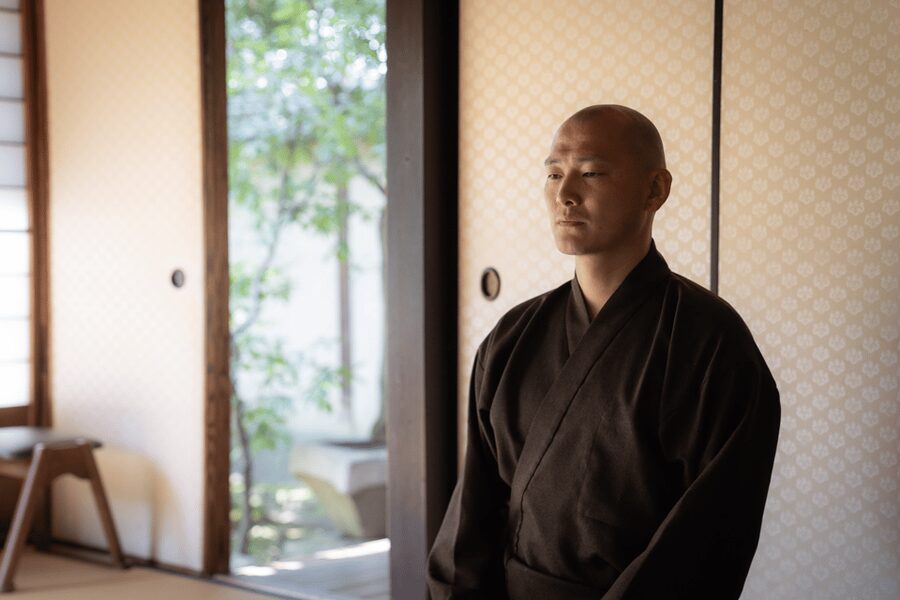
The listed meeting point is specific but easy to mishandle. Meet at the toilet in Kodaiji Park, on its northern side. Do not simply enter Kodaiji Park into Google Maps and assume you have arrived at the right place. A few people found themselves in the middle of the park and had trouble locating the guide.
Read the guide’s message on the day before the activity and follow the meeting instructions provided there. Arriving early at the park toilet is sensible, since the group then walks together to the temple.
The activity lasts 90 minutes and has different starting times depending on availability. Morning sessions are popular with people who want a calm beginning to the day. An evening start can also work well, and one participant preferred a 7 p.m. time after the schedule changed.
There is no transportation included. The route from Kodaiji Park is on foot, with about 10 minutes each way. The activity is not suitable for people with mobility impairments, claustrophobia, or a fear of heights. The supplied information does not explain which specific feature causes concern, so ask the operator before booking if any of those issues apply to you.
Children under 12 cannot join. Older children and teenagers may appreciate the quiet format, but remember that the session includes silent sitting and a discussion about Buddhist practice. It is better for a young person who can handle that pace than for someone expecting an active tour.
Who will get the most from this experience?
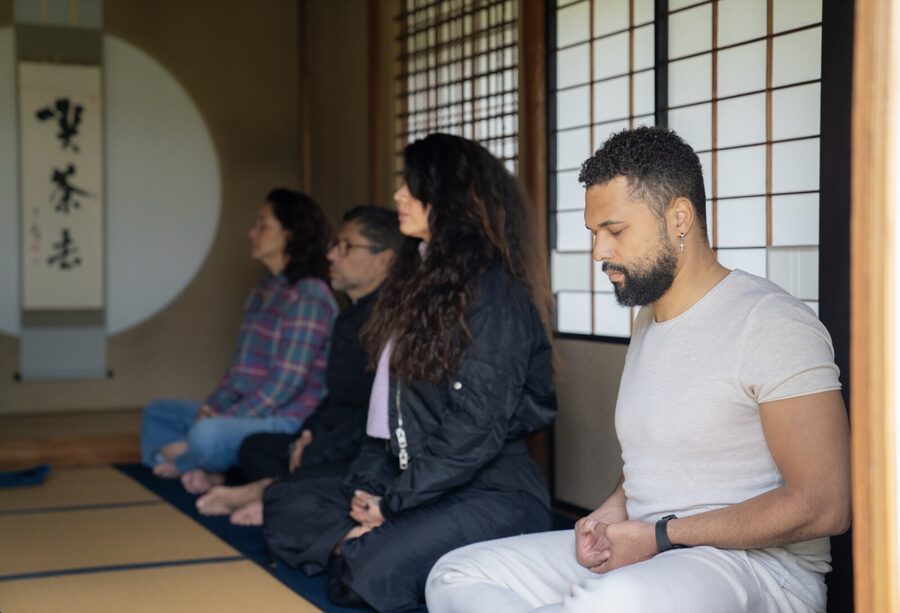
I would choose this for a first visit to Kyoto if you want one activity that connects culture, religion, and personal practice. It gives you a useful lens for understanding Zen without requiring you to sign up for a retreat or commit to a long ceremony.
It also suits couples, solo visitors, and small groups. The shared meditation can feel less awkward than meditating alone, and the group often has an easy point of connection because everyone has come for the same reason. At the same time, a private booking or small group keeps the exchange from becoming impersonal.
This may be especially good after a long journey. One participant arrived after several flights and train rides and found the calm format a welcome first full-day activity. I would not schedule it immediately before a rushed attraction on the opposite side of Kyoto, though. Give yourself room for the walk, the discussion, and the possibility that the conversation runs a little long.
You should skip it if you dislike sitting quietly, have no interest in Buddhist ideas, or want a large temple complex with extensive sightseeing. The meditation is the center of the experience, not a short add-on.
Book it for the monk, not just the photo
This is one of Kyoto’s more thoughtful cultural activities. Its strongest points are the private temple, the monk’s open discussion, the clear English interpretation, and the chance to practice Zazen in a peaceful garden.
I especially like that it welcomes beginners without treating meditation as a quick wellness trick. You learn the basic method, try it in silence, and then have a chance to ask what comes next. The matcha, sweets, and photos make the visit friendly, but they are secondary to the instruction and conversation.
Book it if $91 fits your budget and you want a personal encounter with Japanese religious culture. Before confirming, check the meeting directions carefully, choose a time that does not leave you rushed, and be ready to sit quietly for part of the session. If that sounds appealing, this is a strong choice for a calm and memorable morning or evening in Kyoto.
FAQ
How long does the Kyoto Zen meditation experience last?
The experience lasts 90 minutes. This includes meeting at Kodaiji Park, walking about 10 minutes to the temple, the temple session, and returning to the park.
Where do I meet the guide?
Meet at the toilet in Kodaiji Park. The guide waits on the northern side of the toilet. Check the guide’s message before the activity, since entering the park generally into Google Maps can lead you to the wrong spot.
Is the activity conducted in English?
Yes. The activity includes a live English-speaking guide. The monk may speak in Japanese, with the guide interpreting the lesson and discussion in English.
Do I need meditation experience?
No. The experience teaches the principles and techniques of Zazen, including posture and breathing, and is suitable for beginners as well as people who already meditate.
What is included in the price?
The price includes the Zen experience, temple entry, a lecture on meditation principles and techniques, and practice of Zazen. Transportation is not included.
Can I visit a temple that is normally closed to the public?
Yes. The activity provides entry to a private temple that is not open to the general public, along with access to its garden and time with the monk.
Who cannot take part?
Children under 12 are not permitted. The activity is also not suitable for people with mobility impairments, claustrophobia, or a fear of heights.
Recently added around Kyoto
- Higashiyama | Kyoto: Sakura Season Private Rickshaw Tour★ 5.0 · 3 reviews
- Kyoto Kimono Rental CHAMATSU|Kimono/Yukata Rental FamilyPlan★ 5.0 · 3 reviews
- Kyoto: Half-Day Private Guided Tour to the Old Town of Gion★ 4.4 · 3 reviews
- Nara Private Customizable Half Day Tour★ 5.0 · 3 reviews
- Nara: Essential Private Tour with Deer Park and Temples★ 5.0 · 3 reviews
- Kansai Region Hiking Adventure in Nara Kobe Kyoto and More★ 5.0 · 3 reviews
- Full Day Nara Deer, Temple, Shrine, Activities & Tea Ceremony★ 5.0 · 3 reviews
- Hiking Tour for Sacred Sites in Kyoto with a Guide★ 5.0 · 3 reviews
Kyoto Zen Meditation Experiences, compared.
Kyoto Zen Meditation & Garden Tour at a Zen Temple with Lunch
Read our review →
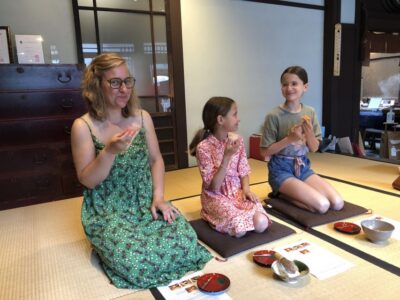
Tea Ceremony Meditation – Make Matcha with Tea Master
Read our review →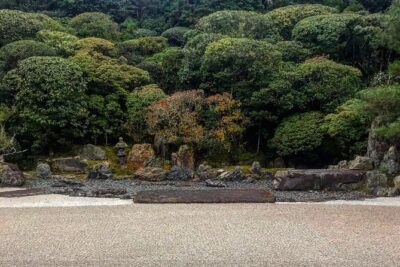
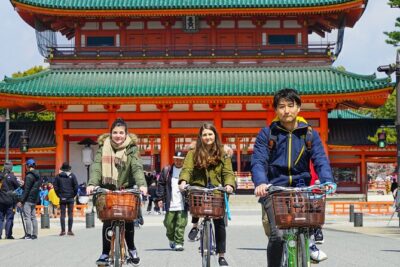
4.5-Hour Kyoto Bike Tour with Lunch and UNESCO Zen Temples
Read our review →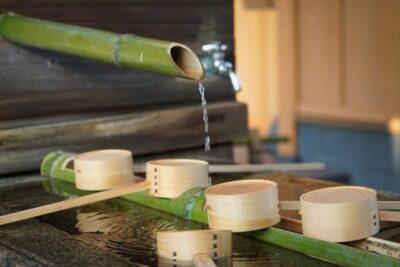
Zen Meditation and Garden Tour at a Temple with Lunch
Read our review →
Arashiyama Guided Tour, Bamboo, Monkey, Zen Temple
Read our review →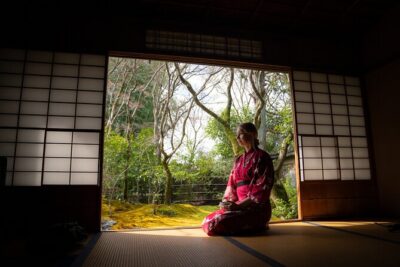
Browse the lists this tour appears in