
REVIEW · KYOTO ZEN MEDITATION EXPERIENCES
Kyoto: Zen Garden, Zen Mind (Private)
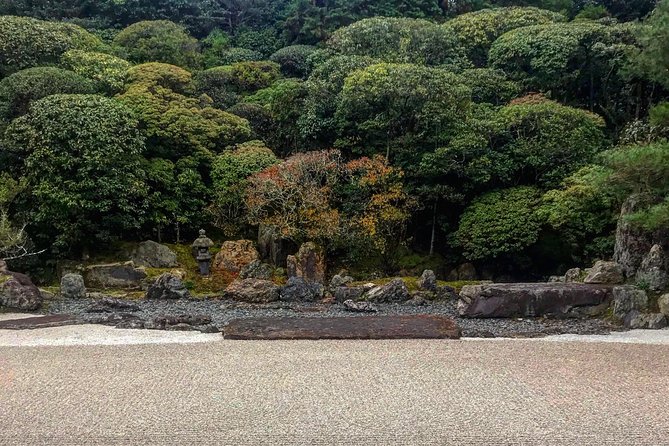
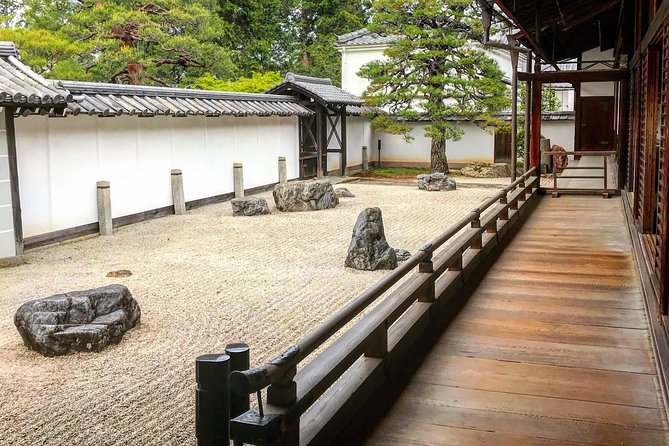
Kyoto’s Zen gardens can look simple at first: a few rocks, swept gravel, clipped plants, and a quiet wall. The real interest begins when Andrew explains how those elements work together, and how garden design connects with Zen thought, Buddhism, Shinto, history, and daily life in Kyoto. This private walk visits three important temple sites around Nanzen-ji, with time to look rather than simply take a photograph and move on.
I like two things here. First, Andrew brings professional experience as a garden designer with more than 15 years in the field, so you get practical insight into how these spaces were built as well as what they may mean. Second, the tour stays on foot, reaching temple grounds and side streets that buses and cars cannot reach. The main consideration is cost: $380 per group covers up to four people, but the temple admissions add ¥1,600 per person.
In This Review
- Key points at a glance
- Why these gardens deserve a closer look
- Starting near Keage Station
- Konchi-in, a small temple with a serious garden
- Tenjuan and the value of a quieter stop
- Nanzen-ji, the major temple at the finish
- What Andrew adds that a guidebook cannot
- Price, admissions, and what the private format is worth
- Who will enjoy this walk most
- How to get more from the experience
- Should you book Kyoto: Zen Garden, Zen Mind?
- FAQ
- How long does the Kyoto Zen garden tour last?
- How many people can join the private tour?
- Which temples are included?
- Where does the tour begin?
- Where does the tour end?
- Are temple entrance fees included?
- Who leads the tour?
- Is the tour suitable for most people?
- Can I cancel for a full refund?
Key points at a glance
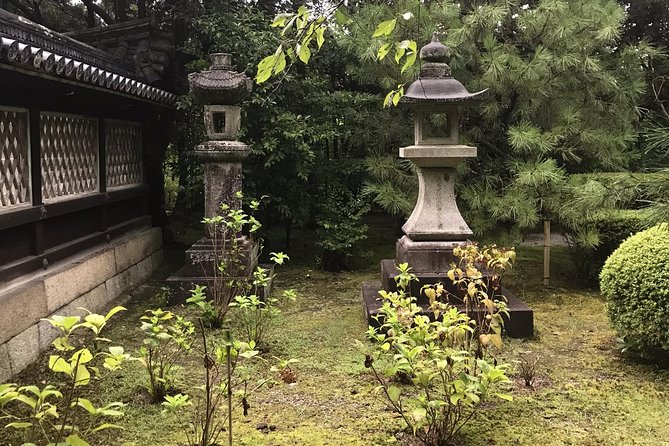
- Three temple gardens in about three and a half hours: Visit Konchi-in, Tenjuan, and Nanzen-ji in one focused walk.
- Andrew’s garden-design perspective: Expect discussion of rock placement, gravel patterns, plants, composition, and the ideas behind Japanese gardens.
- A private group experience: Your party alone takes part, making it easier to ask questions and shape the conversation around your interests.
- A walking route around Nanzen-ji: The tour begins near Keage Station and finishes in front of Nanzen-ji.
- More than garden facts: The discussion includes Zen philosophy, Buddhism, Shinto, Japanese history, aesthetics, and contemporary life in Kyoto.
- Plan for extra admission costs: The three temple tickets total ¥1,600 per person and are not included in the $380 group price.
Why these gardens deserve a closer look
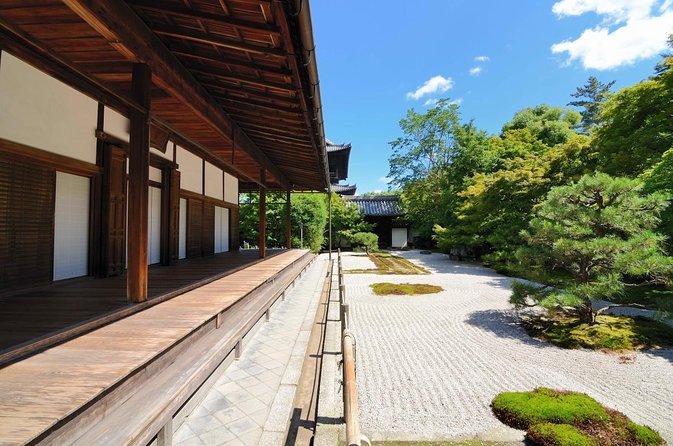
A Zen garden is not simply a decorative courtyard. Its bare surfaces and carefully placed forms invite you to think about space, balance, absence, and attention. Without guidance, it is easy to admire the calm setting for a few minutes, take a picture, and leave without noticing why one rock sits where it does or why an empty patch of gravel matters.
That is the central value of this experience. Andrew explains the choices behind the gardens in plain terms, then connects those choices to Japanese religious and cultural ideas. You may find yourself looking at a rock garden less as a pretty arrangement and more as a designed scene with several layers of meaning.
The tour also helps you separate Shinto and Buddhist traditions, which can seem blurred during a first visit to Japan. The focus is not only on religion. Andrew also places the gardens within Kyoto’s history and present-day culture, giving you useful context for the shrines, temples, and garden styles you will see elsewhere in the city.
The private format matters here. Garden discussion works best when you can stop, ask why, and return to a detail that caught your eye. With only your own group taking part, the pace can respond to your questions rather than following a fixed script for a large crowd.
More Zen sittings in Kyoto:
- Kyoto Zen Meditation & Garden Tour at a Zen Temple with Lunch
★ 5.0 · 441 reviews - Kyoto: Zen Experience in a Hidden Temple
★ 5.0 · 437 reviews - Kyoto: Tea Ceremony Meditation – Make Matcha with Tea Master
★ 4.8 · 406 reviews
Starting near Keage Station
The meeting point is at Keage Station in Kyoto’s Higashiyama Ward. This is a practical starting place for a walking route through the Nanzen-ji area, and the tour ends in front of Nanzen-ji in Sakyo Ward.
You should think of this as a temple-and-garden walk, not a bus tour with brief stops. The route is designed around walking, which takes you into places that cars and buses cannot reach. Wear comfortable shoes and allow enough time to arrive at the station before the scheduled start.
The total duration is about three hours and 30 minutes. The published itinerary gives roughly one hour to each of the three stops. That is a useful pace for anyone who wants explanation and quiet viewing, rather than a fast checklist of famous sites.
Because the tour requires good weather, keep some flexibility in your Kyoto plans. If poor weather causes cancellation, you are offered another date or a full refund.
Konchi-in, a small temple with a serious garden
The first stop is Konchi-in, a sub-temple of the Nanzen-ji complex. Smaller sub-temples can be especially rewarding because they give you a more focused setting. Instead of trying to understand an enormous religious compound all at once, you can concentrate on the relationship between the temple buildings and their garden.
Plan to spend about an hour here. Andrew’s design background is particularly useful at this point, since he can draw your attention to the construction and arrangement of the garden rather than leaving you with broad comments about tranquility. Expect attention to rock gardens, composition, and the way individual features contribute to the whole.
This is also where the tour’s central method becomes clear. Andrew does not only provide dates or labels. He explains connections between garden form, religious ideas, and Japanese aesthetics. If you have questions about why gravel is raked in a certain way, how stones are selected, or what a garden is intended to suggest, this is the time to ask.
Konchi-in may appeal most to you if you enjoy close observation. The experience rewards patience. Give yourself time to sit or stand quietly, then compare what you notice before and after Andrew’s explanation.
Tenjuan and the value of a quieter stop
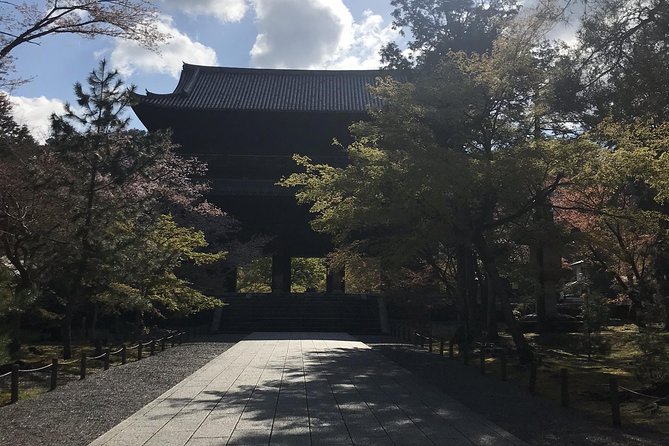
Tenjuan is another sub-temple of Nanzen-ji and the second scheduled stop. It also receives about an hour, giving the tour enough time to treat it as more than a quick addition to the route.
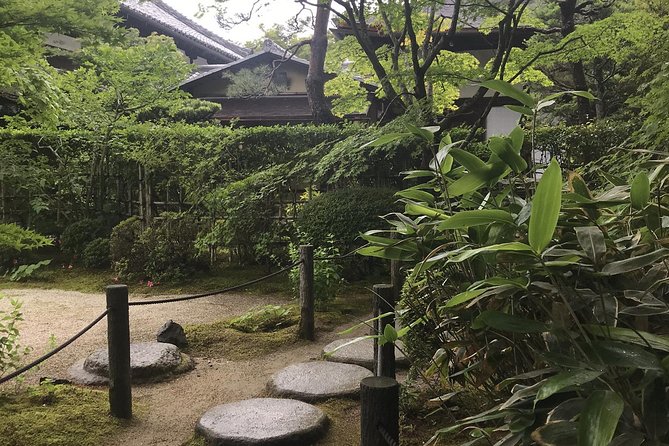
One useful feature of the walk is the chance to compare gardens rather than study only one. After Konchi-in, you have a reference point. You can begin to notice how different spaces handle rocks, gravel, plants, walls, views, and empty areas.
The mood may also change from one garden to the next. The supplied information describes the route as quiet and peaceful, and Tenjuan is part of a tour built around slowing down and looking carefully. Still, conditions can vary by day, and the experience is outdoors, so weather and the number of people at the temples may affect how still the setting feels.
Andrew’s explanations can help you make those comparisons. Rather than treating Japanese gardens as a single style, you can ask how design choices differ and what each space may be trying to express. His teaching also covers basic Buddhist and Shinto practices, which helps place the gardens within the wider temple setting.
More Kyoto gardens:
- Kyoto Arashiyama Walking Tour: Bamboo, Monkeys, Gardens & Secrets
★ 5.0 · 1,216 reviews - Kyoto Arashiyama Bamboo forest & Garden Half-Day Walking Tour
★ 5.0 · 413 reviews - Kyoto Kiyomizu Tea Ceremony with Scenic Garden Views
★ 5.0 · 101 reviews - Kyoto: Zen Meditation and Garden Tour at a Temple with Lunch
★ 4.9 · 86 reviews
Nanzen-ji, the major temple at the finish

The final stop is Nanzen-ji, the head temple of the Nanzen-ji Zen Monastery. The tour ends in front of the temple, so you finish at one of the area’s major religious sites rather than being returned to the starting station.
Allow about an hour here. By this point, you will have spent time with two sub-temples and can approach Nanzen-ji with more questions. The stop gives the tour a strong close, linking the smaller gardens to the larger monastery complex.
Nanzen-ji is also a practical ending point for the rest of your day. Since you finish in front of the temple, you can continue exploring the area independently after the guided portion. The experience does not state that additional sightseeing or transport is included, so plan your onward route separately.
The final stop is valuable because the tour is not only about isolated garden scenes. It shows how temple grounds, religious practice, architecture, and garden design fit together. You leave with a clearer way to read other Kyoto sites, even if those places are not part of this tour.
What Andrew adds that a guidebook cannot
Andrew’s strongest role is interpreter. His background includes a master’s degree in landscape architecture, more than 15 years of experience, and a personal interest in the philosophical and spiritual side of gardens. That combination gives the tour a useful balance between design detail and cultural context.
You can expect discussion of:
- Rock-garden construction and design principles
- The use of gravel, rocks, plants, and empty space
- Japanese aesthetics
- Zen philosophy
- Basic Shinto and Buddhist traditions
- Kyoto’s history and contemporary life
- The relationship between garden choices and religious settings
The difference is not simply the amount of information. Andrew’s approach appears to focus on relationships. He points out how a design choice connects with an idea, how a temple setting affects the garden, or how religious traditions help explain what you are seeing.
That approach suits curious people who like to ask questions. The experience can be adapted to your interests, and Andrew has been described as staying longer when needed to cover a group’s questions. You should not assume that every tour will run late, but the format allows for conversation rather than a rigid, one-way lecture.
Price, admissions, and what the private format is worth
The listed price is $380 per group of up to four people. The three temple admissions are extra, totaling ¥1,600 per person. For a full group of four, the guide fee is effectively $95 per person before admission costs. For two people, it becomes $190 per person, and a solo booking pays the full group price.
That makes the number in your party important. Families or groups of friends can get solid value from the private arrangement because one fee covers up to four people. For one or two people, the price is harder to justify unless gardens, design, and Japanese spirituality are major interests.
I see the cost as a payment for interpretation rather than transport or entertainment. You are not paying for a vehicle, a meal, or a long list of attractions. You are paying for access to a specialist who can help you understand three important temple sites in a short period.
The value also depends on how you travel. If you are happy to read a guidebook and look at gardens on your own, this may feel expensive. If you want to understand why these gardens look the way they do, the private format offers something more personal and focused than a standard sightseeing stop.
Remember that the total budget includes the ¥1,600 admission charge for each person. Confirmation arrives at booking, and free cancellation is available until 24 hours before the start time. Changes or cancellations inside that 24-hour window are not accepted for a refund.
Who will enjoy this walk most
I would choose this tour if you care about gardens, architecture, religion, design, or the quiet side of Kyoto. It suits first-time visitors who want a strong introduction to Japanese garden ideas, as well as repeat visitors who have already seen the famous sights but want to understand them better.
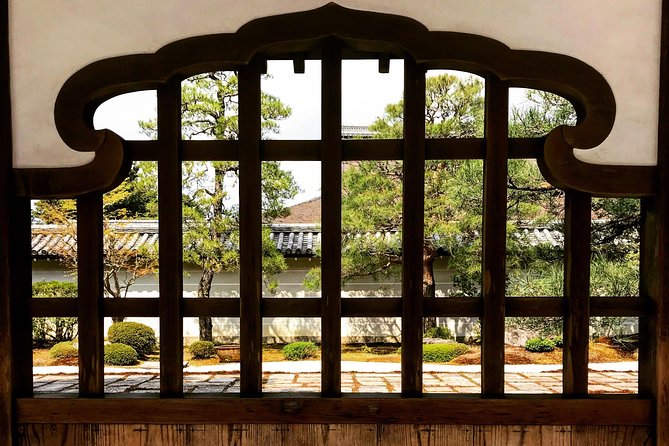
It is also a good match for anyone who has looked at a Zen garden and wondered what they were supposed to notice. Andrew can give you a vocabulary for the details: the placement of stones, the use of open space, the relation between built structures and garden views, and the ideas that shape the composition.
The tour is less suitable if you want a broad city tour covering food, shopping, several neighborhoods, and many landmarks. It focuses tightly on three temple sites and the meaning of their gardens. You should also be comfortable walking for three and a half hours and spending extended periods studying gardens and temple grounds.
Most people can participate, and the route is near public transportation. Even so, the supplied details do not specify the amount of stairs, uneven ground, or seating, so contact the provider if those points matter to you.
How to get more from the experience
Before you go, decide what interests you most. You might want to focus on garden construction, Zen philosophy, Shinto and Buddhist customs, or the way Kyoto’s past shapes its present. Sharing that interest with Andrew early can help shape the private discussion.
Bring questions, even basic ones. A question about a single stone or a raked gravel pattern may lead to a wider explanation of Japanese aesthetics. This is not a tour where you need to hide your curiosity.
Try not to schedule another demanding activity immediately afterward. The walk lasts about three and a half hours, and the value comes from time spent looking closely. Finishing at Nanzen-ji gives you the option to continue nearby, but you will get more from the tour if you are not watching the clock.
A good strategy is to visit another garden later in your Kyoto stay and test what you learned. Notice the parts that now catch your eye. The tour’s lasting benefit is this new way of looking, not only the three sites you visit.
Should you book Kyoto: Zen Garden, Zen Mind?
Book it if you want a thoughtful, specialist-led introduction to Kyoto’s Zen gardens and you can fill the private group with up to four people. Andrew’s design training, interest in Zen and religion, and willingness to tailor the conversation make this much more than a basic temple walk.
Think twice if your main goal is low-cost sightseeing or a quick overview of Kyoto. The $380 group fee, plus ¥1,600 per person in admissions, is a real investment, and the subject is focused.
For garden lovers, photographers who want better context, and anyone drawn to Japanese spirituality, this is one of the stronger ways to spend a half day in the Nanzen-ji area. Go with comfortable shoes, an open schedule, and a few questions ready.
FAQ
How long does the Kyoto Zen garden tour last?
The tour lasts approximately three hours and 30 minutes.
How many people can join the private tour?
The price covers one private group of up to four people. Only your group participates.
Which temples are included?
The route visits Konchi-in, Tenjuan, and Nanzen-ji.
Where does the tour begin?
The meeting point is near Keage Station at Higashikomonozacho in Kyoto’s Higashiyama Ward.
Where does the tour end?
The tour ends in front of Nanzen-ji in Nanzenji Fukuchicho, Sakyo Ward.
Are temple entrance fees included?
No. Admission to the three temples costs ¥1,600 per person and is not included in the group price.
Who leads the tour?
Andrew of AN Design leads the experience. He has more than 15 years of experience as a garden designer and holds a master’s degree in landscape architecture.
Is the tour suitable for most people?
Most people can participate, and the meeting point is near public transportation. The experience is a walking tour, and specific details about stairs or uneven surfaces are not provided.
Can I cancel for a full refund?
Yes. You can cancel at least 24 hours before the start time for a full refund. Cancellations or changes made less than 24 hours before the start are not accepted for a refund. If poor weather causes cancellation, you are offered another date or a full refund.
Recently added around Kyoto
- Higashiyama | Kyoto: Sakura Season Private Rickshaw Tour★ 5.0 · 3 reviews
- Kyoto Kimono Rental CHAMATSU|Kimono/Yukata Rental FamilyPlan★ 5.0 · 3 reviews
- Kyoto: Half-Day Private Guided Tour to the Old Town of Gion★ 4.4 · 3 reviews
- Nara Private Customizable Half Day Tour★ 5.0 · 3 reviews
- Kansai Region Hiking Adventure in Nara Kobe Kyoto and More★ 5.0 · 3 reviews
- Full Day Nara Deer, Temple, Shrine, Activities & Tea Ceremony★ 5.0 · 3 reviews
- Nara: Essential Private Tour with Deer Park and Temples★ 5.0 · 3 reviews
- Hiking Tour for Sacred Sites in Kyoto with a Guide★ 5.0 · 3 reviews
Kyoto Zen Meditation Experiences, compared.
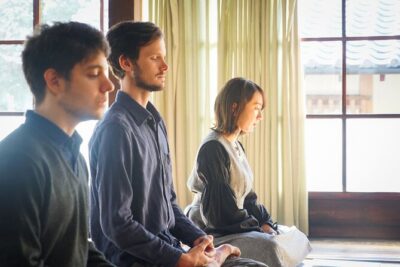
Kyoto Zen Meditation & Garden Tour at a Zen Temple with Lunch
Read our review →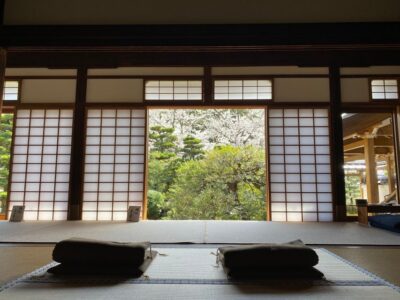
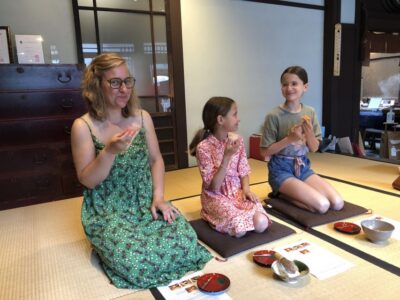
Tea Ceremony Meditation – Make Matcha with Tea Master
Read our review →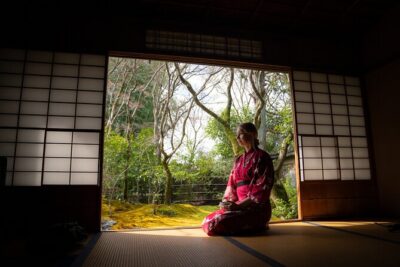
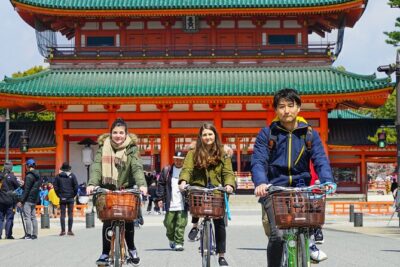
4.5-Hour Kyoto Bike Tour with Lunch and UNESCO Zen Temples
Read our review →
Zen Meditation and Garden Tour at a Temple with Lunch
Read our review →
Arashiyama Guided Tour, Bamboo, Monkey, Zen Temple
Read our review →Browse the lists this tour appears in