
REVIEW · FUSHIMI INARI SHRINE TOURS
Kyoto: 3-Hour Fushimi Inari Shrine Hidden Hiking Tour
Fushimi Inari is famous for its thousands of red torii gates, but the best part of this tour comes before you reach the crowded main route. You walk through quiet neighborhoods, forest paths, bamboo groves, and small hillside altars before approaching the shrine from behind. The route feels like a proper mountain hike, not a quick photo stop.
I like two things in particular: the small group, limited to nine people, and the way the guide turns shrine customs into something practical. Guides such as Hina, Naru, Shiori, and Matthew have been praised for explaining offerings, amulets, and respectful behavior at the gates. The guide also takes photos during the walk, which is useful when you want more than a collection of arm’s-length selfies.
The catch is the fitness level. The route covers about 7 kilometers, with stairs, steep sections, rocky ground, and possible mud after rain. This is not an easy stroll, and warm weather brings mosquitoes and other insects. Wear long sleeves, long pants, and proper walking shoes.
In This Review
- Key points to know before you book
- Why this route changes the Fushimi Inari experience
- From Tofukuji Station to the first quiet shrines
- The bamboo grove and off-paved forest trails
- Climbing Mount Inari through thousands of gates
- Coming down through quieter woodland
- Finishing at the main shrine and local food
- What the $72 price gets you
- Who will enjoy this hike most
- The guide can shape the day
- My verdict: book it for the quiet approach, not an easy walk
- FAQ
- Where does the Fushimi Inari hiking tour meet?
- How long is the tour?
- Is this a walk or a hike?
- Does the tour avoid all crowds?
- What should I wear?
- Is food included?
- Can I cancel the tour for a refund?
Key points to know before you book
- A back-route approach to Fushimi Inari: Start near Tofukuji and reach the shrine through quiet forest trails rather than joining the busiest entrance route.
- About 7 kilometers in three hours: Expect steady uphill and downhill walking, stairs, uneven ground, and regular rest stops.
- Two bamboo groves and secluded altars: The route includes peaceful wooded areas that most shrine visitors never see.
- Small groups of up to nine: The guide can stop for questions, photos, and extra breaks more easily than on a large bus tour.
- A cultural visit as well as a hike: Guides explain Shinto customs, offerings, wishes, amulets, and how to pass through the torii gates respectfully.
- The famous gates come later: You get quiet nature first, then the iconic vermilion tunnel when the route reaches the main shrine area.
Why this route changes the Fushimi Inari experience
Fushimi Inari Taisha is one of Kyoto’s most popular sights. Its rows of orange-red torii gates climb Mount Inari, drawing large crowds to the lower section, especially around the most photographed gates. If you arrive expecting a quiet woodland walk from the main entrance, you may be surprised by the traffic.
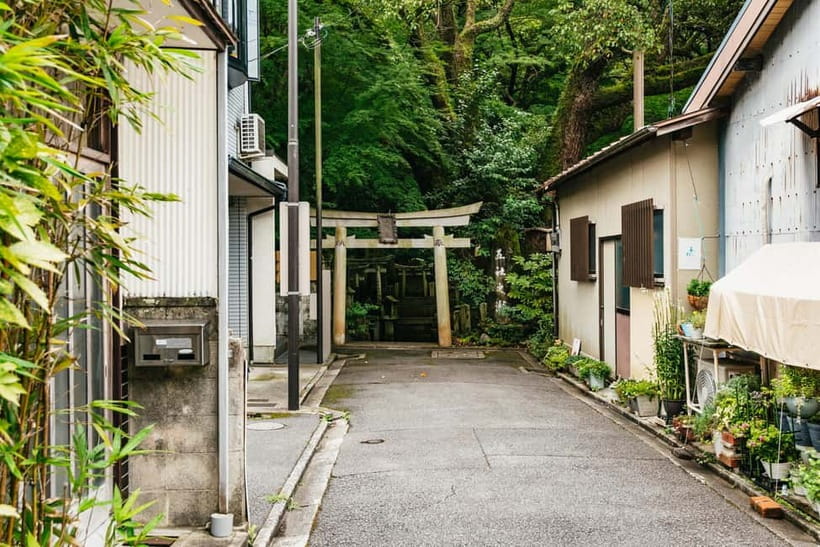
This tour takes a different approach. You meet outside FamilyMart Nakai Tofukuji, beside Exit 2 of Tofukuji Station, then leave the station area through a quiet neighborhood. Small shrines appear along the way before the route turns toward the mountain.
That change of pace matters. Instead of spending your first hour edging around people holding cameras, you begin with local streets, trees, and lesser-seen religious sites. You have time to ask questions and get used to the walking before reaching the famous gates.
The tour is offered as a private or small-group experience, with shared groups capped at nine people. That is large enough to have some company, but small enough for a guide to keep an eye on everyone. It also makes photo stops less awkward. Guides such as Naru and Nina have been praised for taking pictures at scenic points, while others, including Hina and Shiori, have been noted for patient explanations and friendly conversation.
More ways to walk Fushimi Inari:
- Kyoto: Fushimi Inari, Kinkakuji, Bamboo Grove 1 Day Bus Tour
★ 4.8 · 4,316 reviews - Fushimi Inari Hidden Hiking Tour (Private Option Available)
★ 5.0 · 1,750 reviews - Kyoto/Osaka: Nara, Fushimi Inari Taisha, Arashiyama Bus Tour
★ 4.7 · 1,275 reviews
From Tofukuji Station to the first quiet shrines
The meeting point is simple: FamilyMart Nakai Tofukuji, outside Exit 2 of Tofukuji Station. You can reach the station by JR trains, including rapid and local services. On the Keihan line, use a sub-express, semi-express, or local train. Do not take an express train to Tofukuji.
The opening walk through the neighborhood is not the grand visual payoff, but it helps the tour feel less like a direct transfer to a landmark. You start among ordinary Kyoto surroundings, then visit Tofukuji Temple for about 10 minutes. This early stop adds religious context before the longer climb.
From here, the route heads toward Mount Inari. The first part is a good chance to ask your guide about Shinto practice, shrine architecture, and the difference between the many small altars you pass. Several guides have helped people understand how to approach a shrine, make an offering, and express a wish without treating the place like a photo set.
You should not expect a long temple lecture. The strongest part of the guiding is informal and tied to what you are seeing. If you are curious, ask questions as you go. The pace includes regular stops, and extra breaks are possible when needed.
The bamboo grove and off-paved forest trails
About half the tour takes place in the forest, which gives you shade from direct sunlight. That is welcome in Kyoto’s warmer months, though the woods also bring mosquitoes and bugs. Long sleeves and long pants are not just polite packing advice here. They are sensible protection.
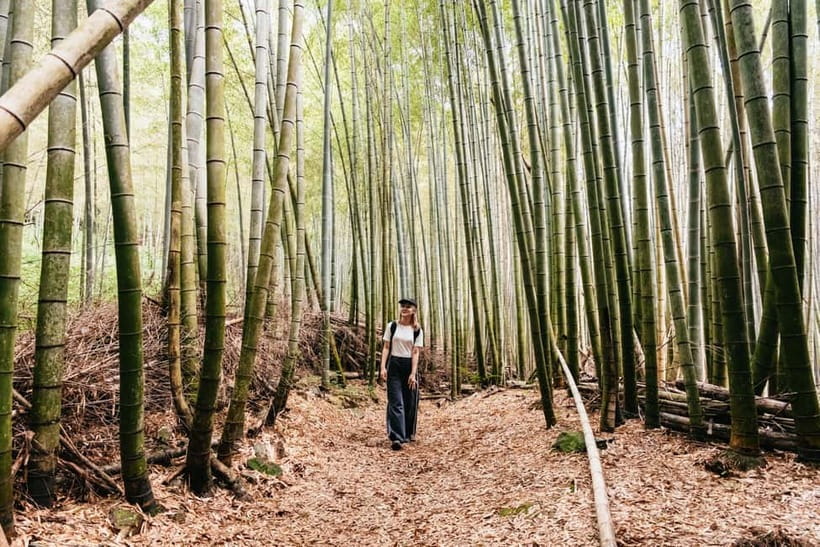
The first major woodland section leads to a bamboo grove. It is smaller and quieter than the famous bamboo areas elsewhere in Kyoto, but that is part of its appeal. You get the tall green stalks, filtered light, and a calm setting without making a separate trip across the city.
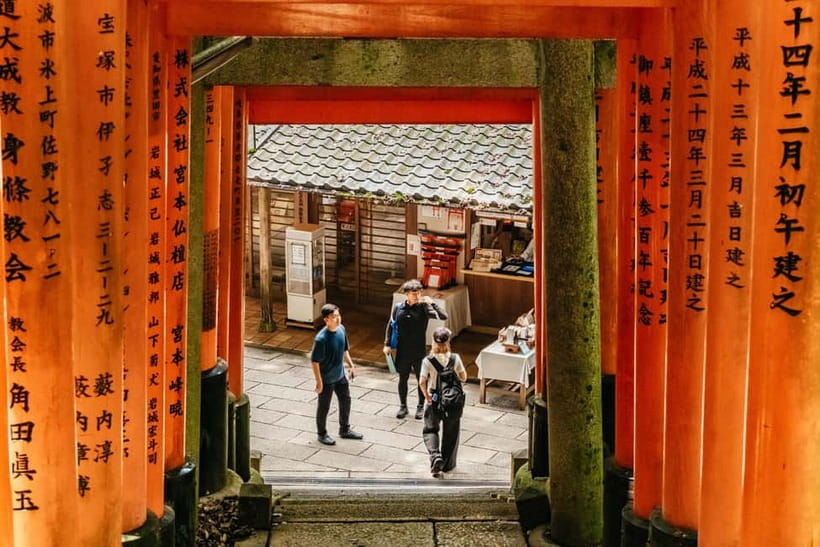
The route then connects with the main path of vermilion torii gates. This contrast is one of the tour’s best features. One moment you are walking on an unpaved forest trail with few people around. Soon you are under the bright gates that define Fushimi Inari.
The transition also gives you a better sense of the shrine complex. The torii are not a single short tunnel. They continue up the mountain, with smaller shrines and altars along the way. The quiet approach helps you notice the setting instead of seeing only the most famous angle.
Keep in mind that off-paved paths are less predictable than the main route. Rain can make them muddy or slippery, and some sections are rocky or steep. One visitor described a wet outing with very muddy ground, while another compared the effort to climbing around 50 flights of stairs. That will vary by person, but it is a useful warning: bring shoes with a firm grip.
Climbing Mount Inari through thousands of gates
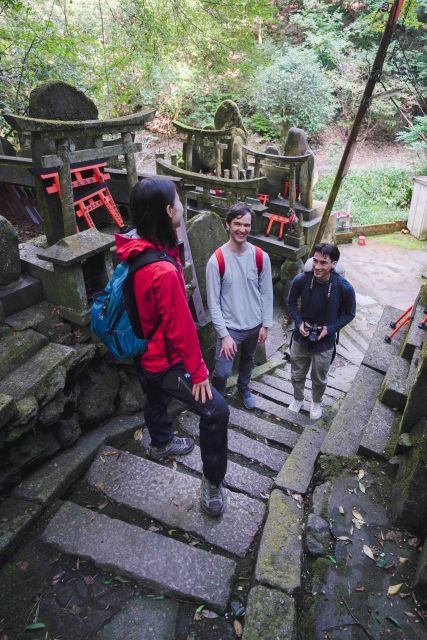
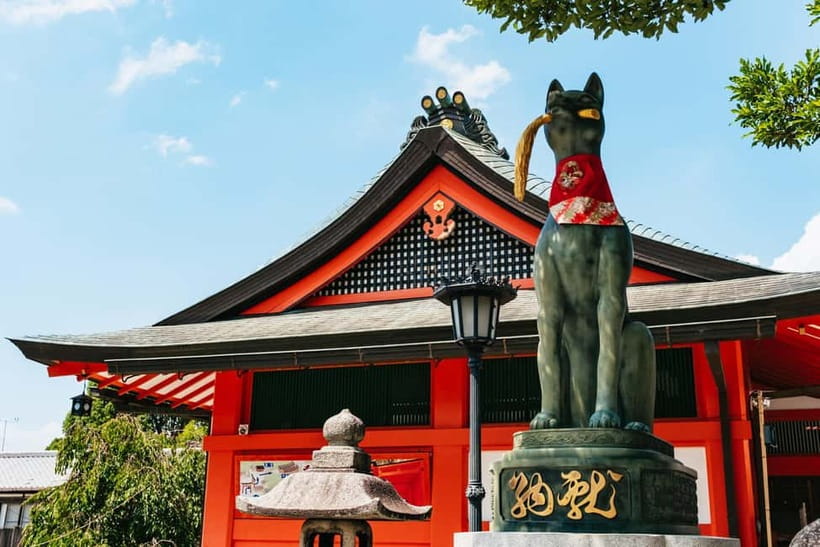
The middle section takes you higher up Mount Inari. The mountain is covered with shrine altars, stone fox figures, torii gates, and wooded paths. The route includes a viewpoint stop of about an hour, followed by another viewpoint stop lasting around 45 minutes. These long blocks are not simply time spent staring at one panorama. They include walking, pauses, explanations, and photo opportunities.
Some of the uphill work takes place on stairs. Other parts use narrow, uneven forest paths. The hike is described as moderate, but that word can mean different things. If you walk regularly and can manage several hours on hilly ground, you will likely find it manageable with stops. If you have trouble walking, limited mobility, or are not in regular condition, choose another way to see Fushimi Inari.
The guide sets the pace, and regular pauses help. Still, you should expect to work. Several people who enjoyed the tour most were already comfortable with hiking. One person specifically noted that it was more of a hike than a relaxing walk, which is the right way to think about it.
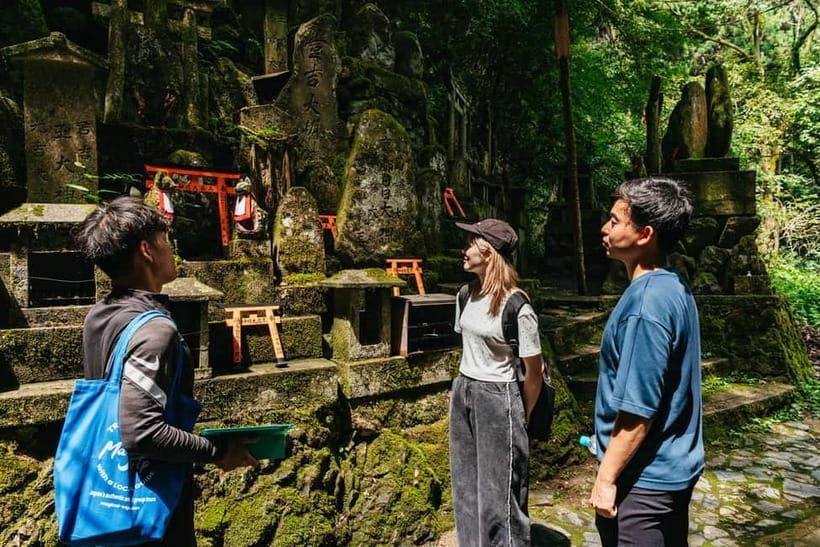
At the higher sections, you gain a quieter view of the shrine’s religious side. Small altars tucked into the woods can feel more personal than the famous lower gates. Your guide may explain the meaning of the fox figures, offerings, and different shrine features. The quality of this part depends partly on your guide’s English. Most of the guides are described as well informed and engaging, but one outing had a guide with very limited English, so explanations were brief.
More Kyoto shrines:
- KYOTO Tea Ceremony with kimono near by Imamiya Jinjya Shrine
★ 5.0 · 343 reviews - E-Bike Nara Highlights – Todaiji, Knives, Deer, Shrine
★ 4.8 · 186 reviews - Kyoto Magical Night English Tour: Gion & Fushimi Inari Shrine
★ 5.0 · 97 reviews - Kyoto: Fushimi Inari Shrine and Tofukuji Temple E-Bike Tour
★ 5.0 · 75 reviews
Coming down through quieter woodland
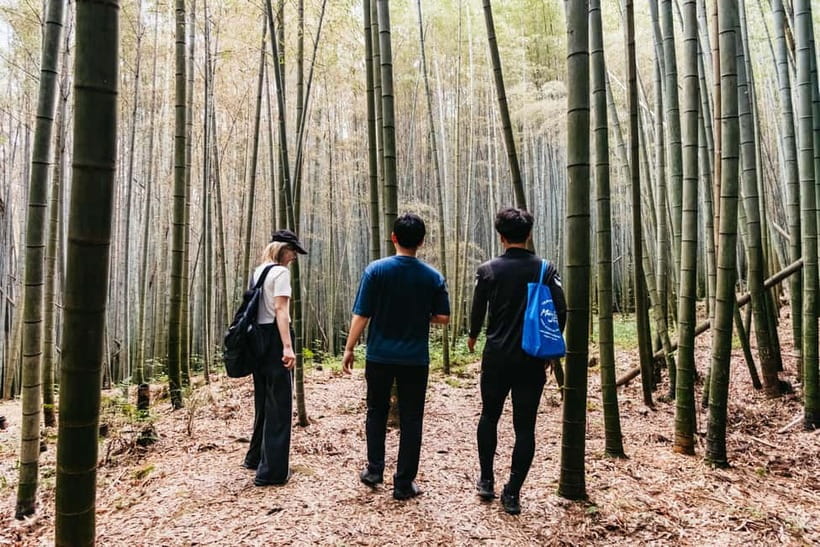
The return route uses a forested trail rather than simply retracing the busiest path. You pass more small shrines and reach another bamboo grove before heading toward the most famous section of Fushimi Inari.
This downhill stretch can be easier on your lungs but harder on your knees, especially where stairs or slippery ground are involved. Watch your footing after rain. The route is not technically extreme, but uneven paths demand more attention than the paved approach.
I like the way the tour saves the most recognizable photo area for later. By this point, you have already seen the mountain away from the crowds. When you arrive at the popular torii gates, you can appreciate the scale and color without feeling that the entire experience consisted of standing in line for a picture.
Crowds become more noticeable as you move toward the lower shrine. This tour does not promise an empty Fushimi Inari. It gives you a quieter first half and gradually brings you into the famous areas. That distinction matters. You still see the classic gates, but you are not confined to the busiest paths for all three hours.
Finishing at the main shrine and local food
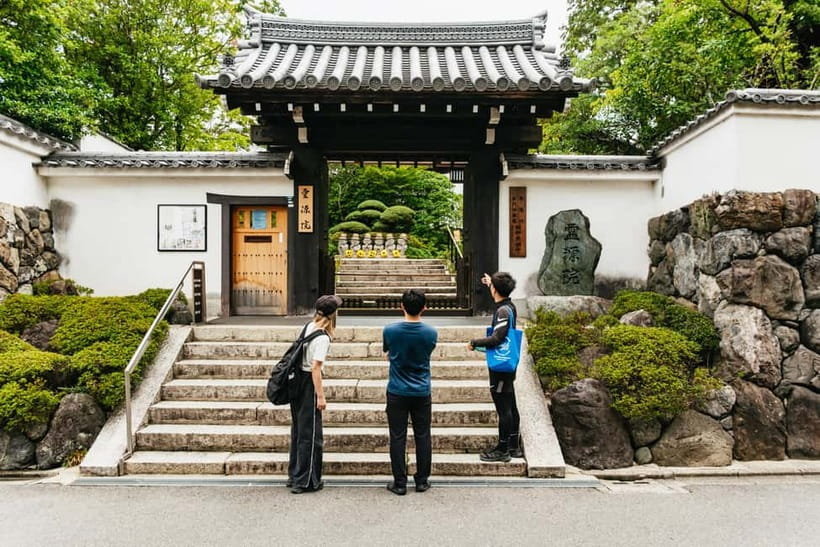
The route finishes at the main shrine at the base of the mountain, where you can continue exploring and buy local street food. The stated endpoint also brings you back toward the FamilyMart meeting area, so confirm the exact finish point and timing with your guide when you meet.
Food is not included. That is reasonable for a three-hour walking tour, since it lets you choose what you want after the hike. You may be ready for a drink or a snack by the end, especially in warm weather.
The final shrine area is the busiest part of the experience. It has the classic entrance views, more visitors, and the food stalls and shops that make the lower approach feel lively. You should plan extra time afterward if you want to browse, pray, or take more photos.
What the $72 price gets you
At $72 per person, this is not the cheapest way to visit Fushimi Inari. You can walk the main shrine route without paying an admission fee. The price makes sense only if you value the route, local guidance, cultural explanation, and photos.
For me, the strongest value comes from seeing the mountain in a way that is hard to plan alone. The back trails are not the usual route for a first-time visitor, and a local guide helps you avoid wasting time at trail junctions. You also gain context about shrine etiquette rather than simply passing through the gates.
The small-group format improves the value. A guide can adjust the pace, answer questions, and stop for photos. If you book a private group, you may get an even more personal outing, though the price and availability can vary.
The price is less appealing if you only want the famous torii gates and do not care about the forest trails. In that case, visit independently early in the day and spend the money elsewhere. This tour is for the full mountain experience, not just the standard photo.
You can reserve now and pay later, and cancellation is free up to 24 hours before the start time. Extreme weather can cancel the hike, and you may also cancel for rain if you are not prepared. Date and time changes are allowed up to 24 hours ahead, subject to availability.
Who will enjoy this hike most
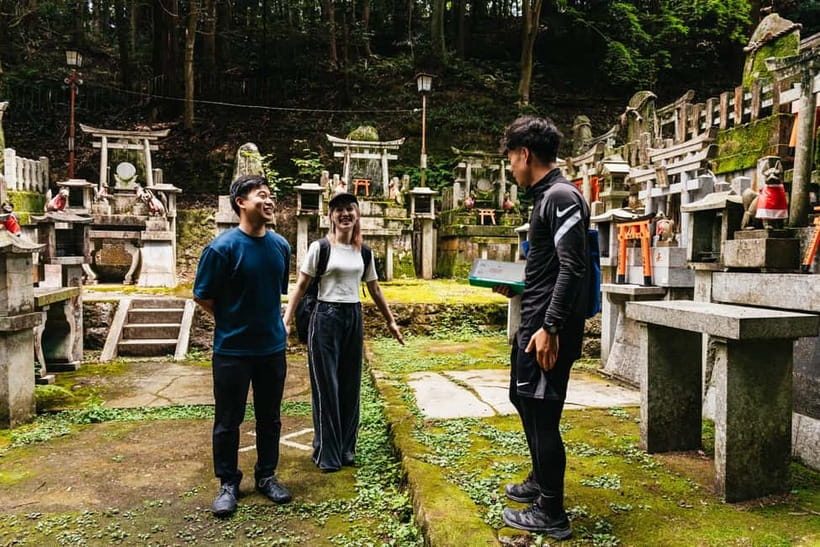
I would choose this tour if you want to combine nature, exercise, photography, and Japanese religious culture in one morning or afternoon. It suits couples, active families with older children, and solo visitors who prefer company on a mountain route.
Children under eight are not suitable for the activity, and children younger than eight require a parent or guardian’s permission before booking. The tour is also not suitable for people with mobility impairments.
Families with children around 10 and 13 have completed the walk successfully, but age alone is not the key issue. Your group should be comfortable with stairs, hills, and seven kilometers of walking. If one person in your group dislikes exercise, this could become an uncomfortable three hours.
Bring water, long sleeves, long pants, and shoes suited to uneven ground. Large bags and luggage are not allowed. A small day bag is more practical than a suitcase, and insect repellent would be sensible given the mountain setting, though it is not listed as an included item.
The guide can shape the day
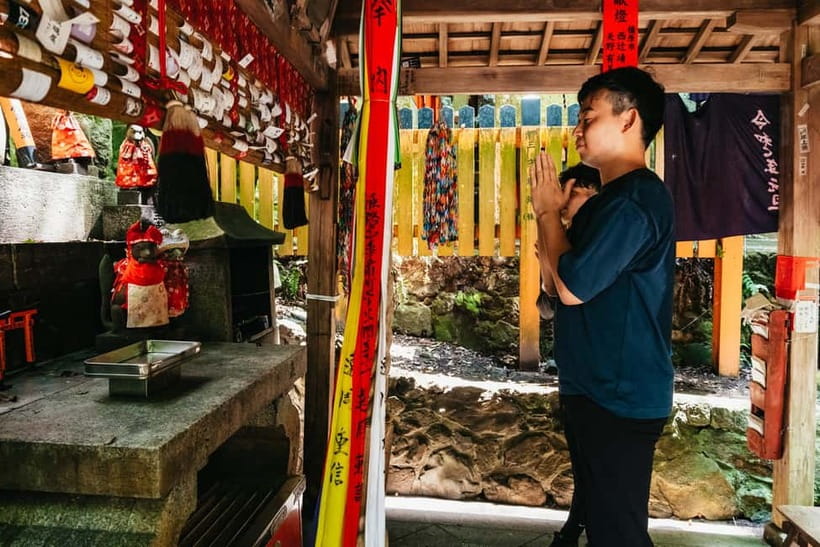
The guides are a major part of the experience. Hina has been praised for patience with children and for explaining customs clearly. Naru is known for friendly conversation and taking photographs. Shiori, Yuto, Hikari, Yukari, Matthew, Makoto, Nina, and others have also been singled out for good company, cultural information, and careful pacing.
There is some variation in guiding style and English ability. Most feedback points to warm, capable guides who explain Shinto practice and local history well. Still, if detailed English explanation is central to your plans, remember that one guide was reported to speak very limited English.
The best way to get more from the tour is to ask questions. Ask about the fox statues, the torii donations, how to make an offering, or the meaning of the smaller altars. The guide is there to connect those details to the place, not just to lead you uphill.
My verdict: book it for the quiet approach, not an easy walk
Book this tour if the thought of seeing Fushimi Inari away from the main crowd sounds better than checking off the famous gates in 30 minutes. You get bamboo, forest trails, old altars, views, photos, and a guide who can explain what you are seeing. The route also gives you the famous torii gates at the end, so you do not have to choose between quiet nature and Kyoto’s signature sight.
Skip it if you want a gentle walk, have mobility limits, or mainly want a quick visit to the lower shrine. For everyone else, the $72 cost is fair compensation for a route that would be difficult to plan on your own. Wear proper clothes, accept that the climb will make you sweat, and you get one of Kyoto’s most famous sights with much more space to breathe.
FAQ
Where does the Fushimi Inari hiking tour meet?
Meet outside FamilyMart Nakai Tofukuji Store, beside Exit 2 of Tofukuji Station.
How long is the tour?
The tour lasts three hours and covers approximately 7 kilometers.
Is this a walk or a hike?
It is a moderate mountain hike, not a simple walk. Expect stairs, uphill and downhill sections, rocky ground, and some unpaved forest trails.
Does the tour avoid all crowds?
No. The back trails are quiet for most of the early route, but crowds increase when you reach the popular Fushimi Inari areas and the main shrine.
What should I wear?
Wear a long-sleeved shirt and long pants because mosquitoes and other insects may be present. Shoes suitable for uneven or slippery ground are also important.
Is food included?
No. Additional food and drinks are not included, though you can enjoy local street food near the main shrine after the hike.
Can I cancel the tour for a refund?
You can cancel up to 24 hours before the tour starts for a full refund. Date and time changes are also available up to 24 hours before the start, subject to availability.
More 3-Hour Experiences in Kyoto
- 3-Hour Kyoto Insider Sake Brewery Tour with Tastings & Pairings
★ 5.0 · 917 reviews - All must-sees in 3 hours – Nara Park Classic Tour! From JR Nara!
★ 5.0 · 108 reviews - Kyoto Imperial Palace & Nijo Castle Guided Walking Tour – 3 Hours
★ 4.5 · 106 reviews - 3 Hours Kyoto Insider Sake Experience | Tasting Konteki
★ 5.0 · 24 reviews
More Hiking & Trekking in Kyoto
- Kyoto Hiking Tour: The Nature and Legends of Kurama and Kibune
★ 5.0 · 75 reviews - Kyoto: Hike and Hot Springs in Kurama
★ 5.0 · 49 reviews - Kyoto: Fushimi Inari Hidden Hike (Private)
★ 5.0 · 31 reviews - Kyoto Arashiyama Bamboo Forest Hiking Tour(Hidden Temples)
★ 5.0 · 30 reviews
Recently added around Kyoto
- Higashiyama | Kyoto: Sakura Season Private Rickshaw Tour★ 5.0 · 3 reviews
- Kyoto Kimono Rental CHAMATSU|Kimono/Yukata Rental FamilyPlan★ 5.0 · 3 reviews
- Kyoto: Half-Day Private Guided Tour to the Old Town of Gion★ 4.4 · 3 reviews
- Nara Private Customizable Half Day Tour★ 5.0 · 3 reviews
- Kansai Region Hiking Adventure in Nara Kobe Kyoto and More★ 5.0 · 3 reviews
- Full Day Nara Deer, Temple, Shrine, Activities & Tea Ceremony★ 5.0 · 3 reviews
- Nara: Essential Private Tour with Deer Park and Temples★ 5.0 · 3 reviews
- Hiking Tour for Sacred Sites in Kyoto with a Guide★ 5.0 · 3 reviews
Fushimi Inari Shrine Tours, compared.
Fushimi Inari, Kinkakuji, Bamboo Grove 1 Day Bus Tour
Read our review →
Fushimi Inari Hidden Hiking Tour (Private Option Available)
Read our review →
Kyoto/Osaka: Nara, Fushimi Inari Taisha, Arashiyama Bus Tour
Read our review →
Nijo, Kinkaku-ji, Arashiyama, Kiyomizu & Fushimi Inari
Read our review →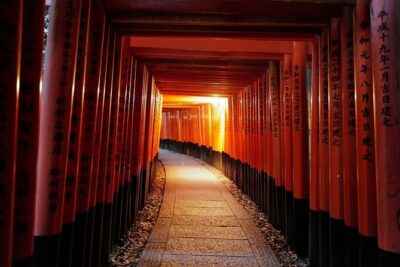

Kyoto Early Bird English Tour: Fushimi-Inari and Arashiyama
Read our review →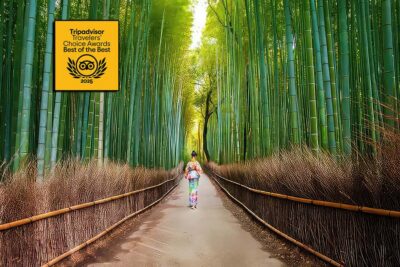
Fushimi, Arashiyama – Bamboo, Monkey, Torii & Secrets
Read our review →
Kyoto Early Bird English Tour: Fushimi Inari & Gion(Private opt)
Read our review →Browse the lists this tour appears in