
REVIEW · HIKING & TREKKING
Kyoto Hiking Tour: The Nature and Legends of Kurama and Kibune
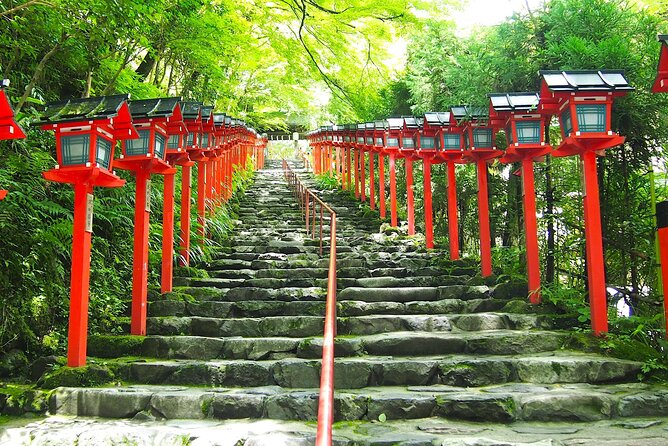
Mount Kurama gives you a very different Kyoto: cedar forest, stone stairways, mountain temples, and old stories about gods, demons, healing, and rain. This private day tour links Yuki Shrine, Kurama-dera, Okunoin Maoden, and Kifune Shrine, with an English-speaking guide to explain what you are seeing.
I like the hotel pickup and drop-off, which saves you from sorting out Kyoto’s trains and mountain connections first thing in the morning. I also like the private format: guides such as Mariko, Ryoma, Yuki, Akari, and Yoji can adjust the pace and explain the religious traditions instead of simply pointing at buildings.
The catch is physical. This is not a gentle park stroll. You will encounter many stairs, uneven ground, and uphill and downhill sections. The tour suits anyone with moderate fitness, but heavy rain can cancel or alter the forest walk.
In This Review
- Key points to know before booking
- Why this mountain day feels different from central Kyoto
- Yuki Shrine and the cedar tree with a protective purpose
- Mount Kurama and the Reiki connection
- The 25-minute forest walk to Kurama-dera
- Okunoin Maoden, a brief and eerie mountain stop
- Kifune Shrine and the god of water
- The inner shrine and the boat legend
- What the walking is really like
- Guides make the private format worthwhile
- Lunch, timing, and the real value of $191.60
- Who should book the Kurama and Kibune hike
- Should you book it?
- FAQ
- How long does the Kyoto Kurama and Kibune tour last?
- Is hotel pickup included?
- Is this a private tour?
- Are temple entrance fees included?
- Is lunch included in the price?
- How difficult is the hike?
- What happens if the weather is poor?
Key points to know before booking
- A private guide for your group: You do not share the activity with strangers, and the guide can adjust the walking pace and explanations.
- A forest route with serious stairs: The walk is manageable for many people, but it requires steady footing and energy.
- Reiki connections at Mount Kurama: The mountain is associated with Mikao Usui and the origin story of Reiki healing.
- Four major cultural stops: Yuki Shrine, Kurama-dera, Okunoin Maoden, and Kifune Shrine each offer a different set of legends.
- Transfers and admission are included: Hotel pickup in the Kyoto urban area and Kurama area, taxes, Kurama-dera admission, and photos are covered.
- Lunch is your responsibility: You pay separately for food, and private taxi, car, or bus service is available for an additional fee.
Why this mountain day feels different from central Kyoto
Kyoto’s famous temples can be crowded and highly polished. Kurama and Kibune feel quieter and more wooded. The appeal here is not one grand monument. It is the changing rhythm of the day: a shrine gate, a cedar tree, a long run of steps, a temple terrace, a shadowy mountain site, then a waterside shrine.
The tour lasts about eight hours, beginning at 9 a.m. Hotel pickup is offered from Kyoto’s urban area and the Kurama area. That matters because reaching the northern mountains can take more planning than a visit to Kiyomizu-dera or Fushimi Inari.
Your guide gives the day its real shape. The route includes plenty of cultural information, but you are not left to read signs on your own. Guides such as Miyo and Mizuho have been praised for keeping a patient pace, while Michiko has adapted plans when a participant had an injury. That flexibility is especially useful on a mountain route.
At $191.60 per person, this is not a budget excursion. It offers better value if you are traveling with several people, since only your group participates and group discounts are available. The price also covers the guide, hotel transfers, taxes, the Kurama-dera entrance fee, and photos of your group. Lunch is not included, and private transportation by taxi, car, or bus may cost extra, so check exactly how your transport will be handled when booking.
A few more Kyoto experiences worth comparing
- Fushimi Inari Hidden Hiking Tour (Private Option Available)
★ 5.0 · 1,750 reviews - Kyoto: 3-Hour Fushimi Inari Shrine Hidden Hiking Tour
★ 4.9 · 270 reviews - Kyoto: Hike and Hot Springs in Kurama
★ 5.0 · 49 reviews
Yuki Shrine and the cedar tree with a protective purpose
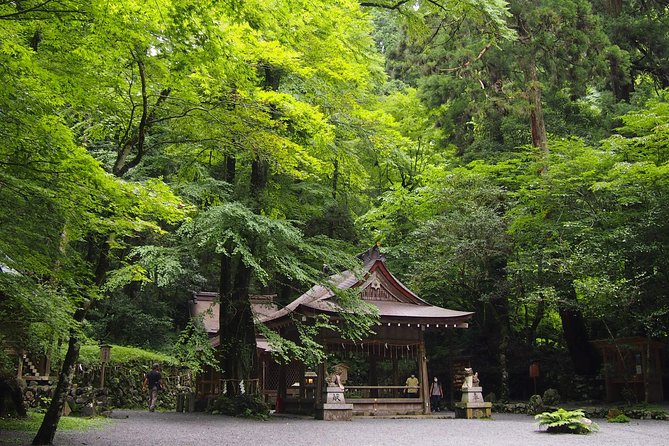
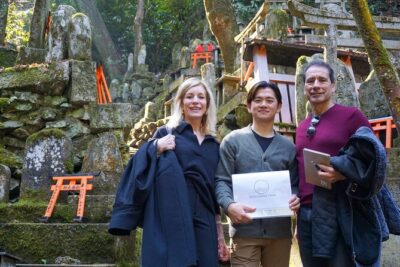
The first stop is Yuki Shrine, with about 20 minutes set aside for the visit. The shrine was originally built in central Kyoto and moved to Kurama in 940 AD. Its purpose was protection from mysterious evil, a fitting beginning for a day built around mountain folklore.
One of the main sights is an 800-year-old cedar tree. The tree gives you an immediate sense of time and place. This is not simply a quick photo stop. With a guide, you can connect the shrine’s location, protective role, and old mountain beliefs to the rest of the route.
Twenty minutes is enough for a focused visit, but it is not long enough to inspect every detail at leisure. If you enjoy architecture or shrine photography, you may want to tell your guide early in the day. A private tour gives you more room to ask questions, though the schedule still has several stops to cover.
Mount Kurama and the Reiki connection
The route then reaches Mount Kurama, where about an hour is devoted to the mountain and its story. Mount Kurama is known as the birthplace of Reiki, the holistic healing practice associated with Mikao Usui. According to the tradition described on the tour, Usui meditated on the mountain for 21 days in the early 1900s and received Reiki healing energy.
You do not need to practice Reiki to appreciate this part of the tour. The useful point is that the mountain remains a place where nature, religious belief, and personal spiritual practice overlap. Your guide can help separate the historical setting from the legends and explain why Kurama carries such importance for people interested in Japanese religion and healing traditions.
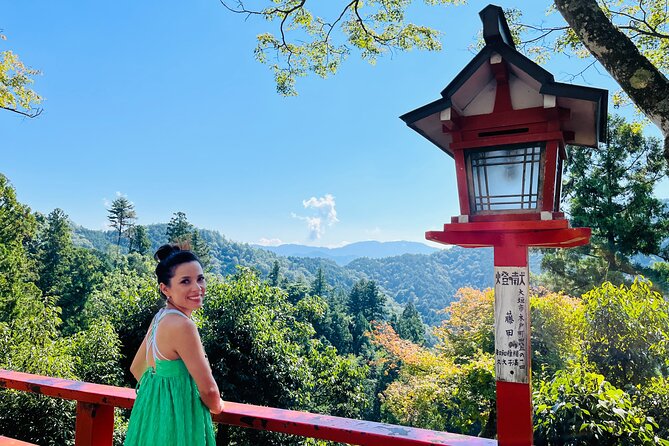
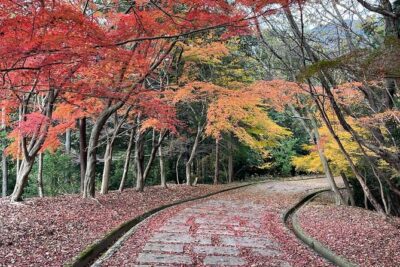
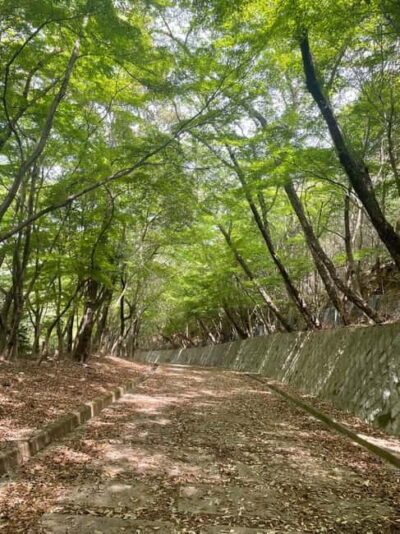
The hour here also gives you time to absorb the forest setting. Tall trees shade sections of the route, and the mountain air offers a welcome change from Kyoto’s city streets. In autumn, the colors can make the walk especially attractive. In warmer months, the elevation and forest can feel more comfortable than the city, though you still need water and suitable shoes.
Do not treat the Mount Kurama portion as a flat walk. Several people have described the day as rewarding but stair-heavy. One older couple in their seventies found the route manageable because the guide turned the climb into a series of short stops and stories. That is encouraging, but it does not remove the need for reasonable fitness.
The 25-minute forest walk to Kurama-dera
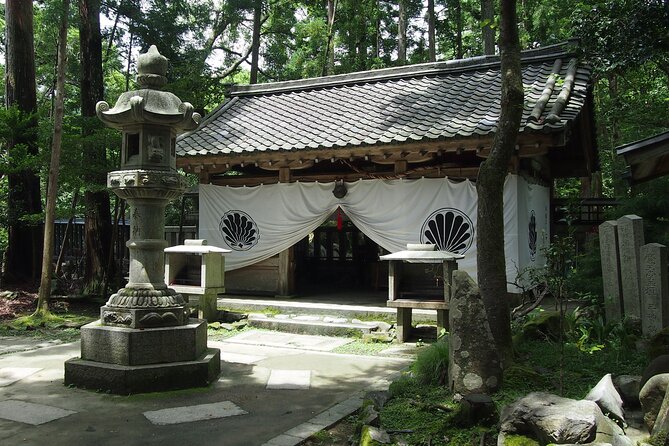
From Yuki Shrine, the route continues through the forest on a pleasant walk of about 25 minutes to Kurama-dera, the best-known temple in the area. The walk is one of the tour’s strongest features because the forest becomes part of the cultural experience rather than just scenery between attractions.
Kurama-dera was founded in the eighth century and is dedicated to the Buddhist deity Bishamonten. The temple visit lasts about 45 minutes, and admission is included. That saves you a separate payment and lets you focus on the site itself.
Expect stairs and uneven surfaces. The route has been described as short in distance but demanding because of the steps. You may stop often for photographs, breathing space, or an explanation of a statue or building. A private guide can slow down for your group, which is a major advantage over trying to follow a fixed group schedule.
This section is best for people who enjoy walking with a purpose. If you want a quick temple visit with minimal exertion, Kurama-dera will feel like work. If you like the connection between a wooded path and an old religious site, it is likely to be the most satisfying part of the morning.
A completely different side of Kyoto:
- PERFECT KYOTO 1-Day Bus Tour
★ 5.0 · 13,518 reviews - Kyoto: Fushimi Inari, Kinkakuji, Bamboo Grove 1 Day Bus Tour
★ 4.8 · 4,316 reviews - Kyoto: Tea Ceremony in a Traditional Tea House in Kiyomizu
★ 4.9 · 3,519 reviews - Kyoto Geisha Walking Tour: Gion District & Hidden Gems
★ 4.7 · 3,273 reviews
Okunoin Maoden, a brief and eerie mountain stop
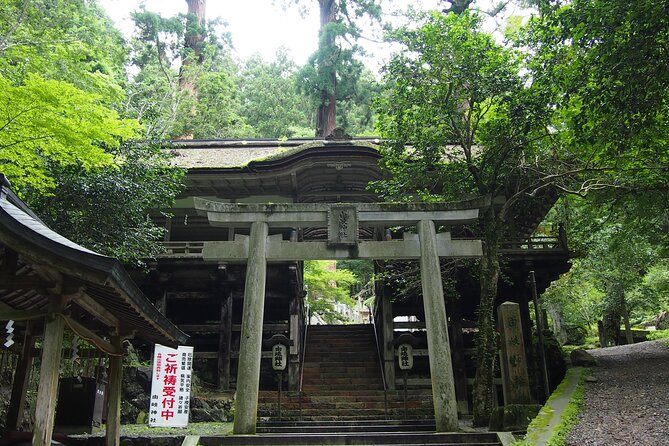
Okunoin Maoden is a smaller stop, with about 10 minutes planned. It lies farther into the mountain and is said to be a place where demons reign. The atmosphere is more mysterious than grand, and that is precisely its appeal.
You should not expect a long temple tour or a major collection of objects here. The value is in the setting and the stories. The short visit breaks up the route and adds a darker note to the day’s folklore.
This is also a reminder that Kurama is not presented as a simple nature walk. The mountain has layers of Buddhist, Shinto, and local spiritual traditions. Your guide can make those connections easier to understand, especially if you are unfamiliar with the way Japanese religious sites often share space with older local beliefs.
Kifune Shrine and the god of water
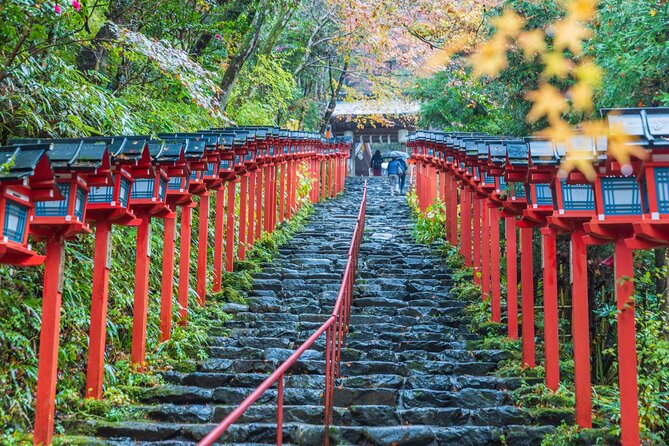
The route continues to Kifune Shrine, also written as Kifune or Kifune Shrine in English-language material. About 30 minutes is set aside for the main shrine visit. Kifune is dedicated to the god of water and rain, and sailors traditionally came here to pray for safe and fortunate voyages.
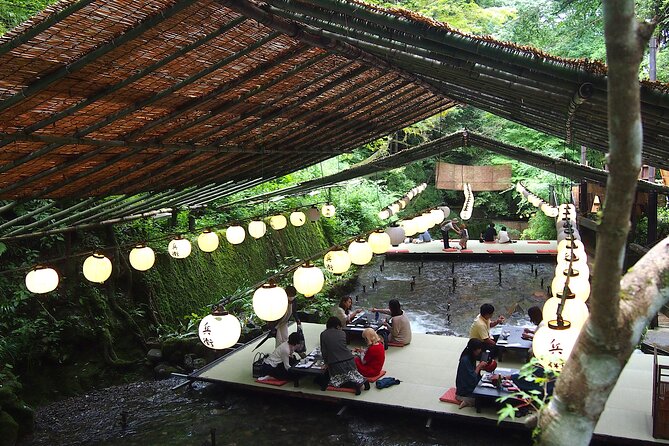
This stop changes the feel of the day. Kurama is strongly tied to mountain paths and Reiki stories, while Kifune turns your attention toward water, rivers, rain, and travel. You can drink the pure mountain water at designated places, adding a simple hands-on detail to the visit.
The shrine’s setting near the mountain stream helps explain its purpose. You do not need an elaborate explanation to see why water would become sacred here. Still, the guide adds context about the shrine’s rituals and legends, making the visit more than a short walk past a red gate.
The schedule allows 30 minutes, so you will get an overview rather than a slow, detailed study of every feature. If you have a particular interest in water worship or shrine architecture, mention it to your guide. Guides such as Akari and Yoji are noted for tailoring explanations to individual interests.
The inner shrine and the boat legend
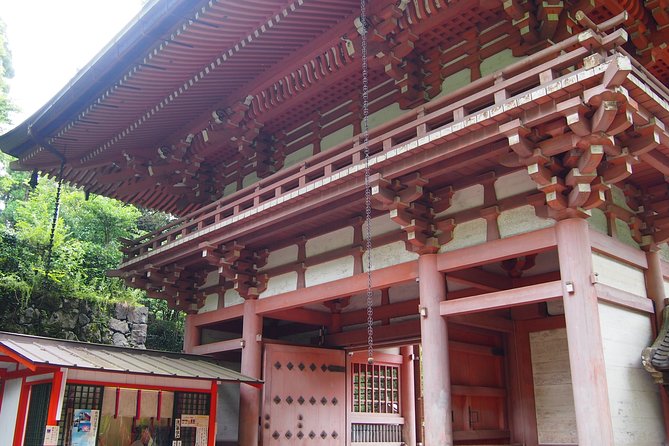
A second Kifune stop takes about 25 minutes. This inner shrine is connected to the legend of a goddess who traveled by boat from Osaka up the river into the mountains. The boat she is said to have used is housed here.
The story gives the surrounding geography a human shape. A river route that may look remote today becomes part of a larger journey, and the inner shrine feels like the endpoint of that tale. It is a good final cultural note after the mountain climb and the visit to the water shrine.
The two Kifune visits work well together. The first introduces the god of water and rain; the second offers a specific legend tied to a goddess and a boat. You get a broader idea of how local stories explain the mountains, streams, and sacred sites around Kyoto.
What the walking is really like
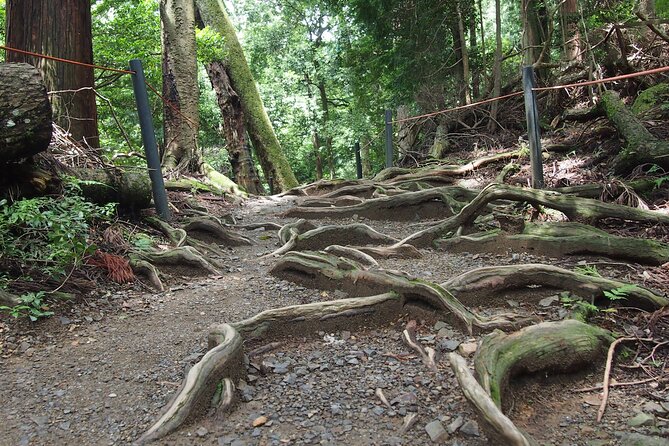
The total walking distance is not given, so you should judge the tour by the terrain rather than the mileage. The route includes a forest walk, substantial stairs, uphill and downhill sections, and uneven surfaces. Several accounts describe it as a moderate challenge, not an extreme hike.
I would wear shoes with a firm sole and bring water. You should also be comfortable spending much of the day on your feet. The private guide can set a suitable pace, and regular stops make the climb more approachable, but no guide can turn mountain steps into a flat pavement walk.
Weather matters. The tour requires good weather, and heavy rain may lead to cancellation, a refund, or a changed plan. One altered itinerary replaced the forest walk with easier shrine visits and added another cultural site because of pouring rain. That is a sensible safety decision, but it means the natural portion of your day is not guaranteed in poor conditions.
Service animals are allowed. The activity is near public transportation, though the included hotel pickup and drop-off reduce the need to manage connections at the beginning and end.
Guides make the private format worthwhile
The strongest reason to choose this tour is the guide. The route itself can be visited independently, but the stories, pacing, and practical help are harder to reproduce on your own.
Mariko is described as friendly and easy to talk with. Ryoma is associated with strong explanations of Mount Kurama’s past and an enjoyable day that included soba lunch. Yuki is praised for helping a group explore the forest without worrying about getting lost or missing important details.
Miyo is noted for patience, and Mizuho for making the climb feel more like a series of interesting stops than a long workout. Michiko has handled injuries and bad weather with care, while Akari has been praised for clear English, cultural explanations, and making sure everyone reached the top safely.
These details point to something important: guide quality may vary by individual style, but the private setup gives you a better chance to ask questions and request a slower pace. If you want silence and solitude, a guide may feel like company when you would rather walk alone. If you want to understand the shrines, the private guide is worth much of the price.
Lunch, timing, and the real value of $191.60
Lunch is not included. The day may end near a small mountain town, where soba and a picturesque setting by a stream can make a satisfying finish, but you pay for your own meal. Ask about the lunch plan before departure if food timing matters to you.
The $191.60 price makes the most sense for a couple, family, or small group that values convenience and personal attention. Hotel transfers remove navigation hassles, admission to Kurama-dera is included, and the guide is focused only on your party. Photos of participants are also included, a small but useful extra if you want a record of the day without handing your phone to strangers.
For a solo visitor, the cost is harder to justify unless you place a high value on door-to-door service and a private guide. Group discounts can improve the calculation. Since this experience is often booked about 60 days in advance, popular dates may require early planning.
Free cancellation is available up to 24 hours before the start time. Changes made inside that window are not accepted, and poor weather may result in another date or a full refund.
Who should book the Kurama and Kibune hike
You should consider this tour if you want to pair Kyoto culture with active time outdoors and prefer explanations to a self-guided walk. It suits people who enjoy legends, Buddhist and Shinto sites, forest paths, and a flexible private guide.
It is also a good option for older or mixed-ability groups who can walk but need a careful pace. The guides can stop often and adapt the day when conditions or injuries require it. That said, moderate fitness is still required.
You should think twice if you want a completely easy outing, dislike stairs, or need a guaranteed forest walk in all weather. You may also prefer an independent visit if you are comfortable navigating public transportation and do not need a guide’s interpretation.
Should you book it?
Book this tour if Mount Kurama’s stories, forest temples, and Kifune’s water traditions sound more appealing than another crowded central Kyoto sight. The private format, hotel transfers, included admission, and strong guide focus make the higher price easier to defend, especially for a small group.
Skip it if you want a flat route or a low-cost day. The views and atmosphere reward the effort, but the steps are real. Bring proper shoes, accept that rain can change the plan, and you will have a well-paced introduction to one of Kyoto’s most memorable mountain areas.
FAQ
How long does the Kyoto Kurama and Kibune tour last?
The tour lasts approximately eight hours and starts at 9 a.m.
Is hotel pickup included?
Yes. Hotel pickup and drop-off are included from the Kyoto urban area and the Kurama area.
Is this a private tour?
Yes. Only your group participates in the activity, with a private English-speaking guide.
Are temple entrance fees included?
Yes. All fees and taxes are included, along with admission to Kurama-dera Temple.
Is lunch included in the price?
No. Lunch is not included, so you pay separately for any meal.
How difficult is the hike?
You should have moderate physical fitness. The route includes many stairs, uphill and downhill sections, and uneven surfaces.
What happens if the weather is poor?
The experience requires good weather. If poor weather causes cancellation, you will be offered a different date or a full refund. The itinerary may also be adjusted for safety in heavy rain.
Recently added around Kyoto
- Higashiyama | Kyoto: Sakura Season Private Rickshaw Tour★ 5.0 · 3 reviews
- Kyoto Kimono Rental CHAMATSU|Kimono/Yukata Rental FamilyPlan★ 5.0 · 3 reviews
- Kyoto: Half-Day Private Guided Tour to the Old Town of Gion★ 4.4 · 3 reviews
- Nara Private Customizable Half Day Tour★ 5.0 · 3 reviews
- Kansai Region Hiking Adventure in Nara Kobe Kyoto and More★ 5.0 · 3 reviews
- Full Day Nara Deer, Temple, Shrine, Activities & Tea Ceremony★ 5.0 · 3 reviews
- Nara: Essential Private Tour with Deer Park and Temples★ 5.0 · 3 reviews
- Hiking Tour for Sacred Sites in Kyoto with a Guide★ 5.0 · 3 reviews
Hiking & Trekking, compared.
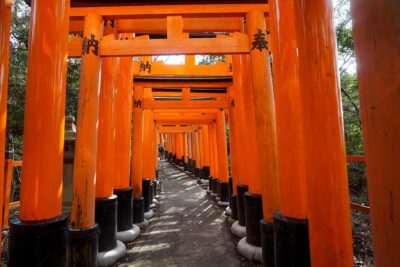
Fushimi Inari Hidden Hiking Tour (Private Option Available)
Read our review →
Kyoto Arashiyama Bamboo Forest Hiking Tour(Hidden Temples)
Read our review →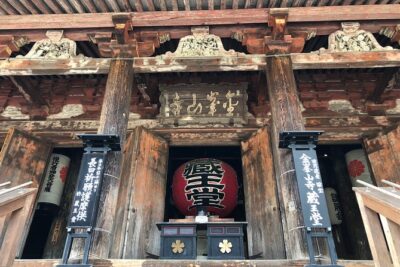
Ninja Trekking half-day tour at Mt.Daimonji Kyoto
Read our review →Browse the lists this tour appears in