
REVIEW · NARA DAY TRIPS
All must-sees in 3 hours – Nara Park Classic Tour! From JR Nara!
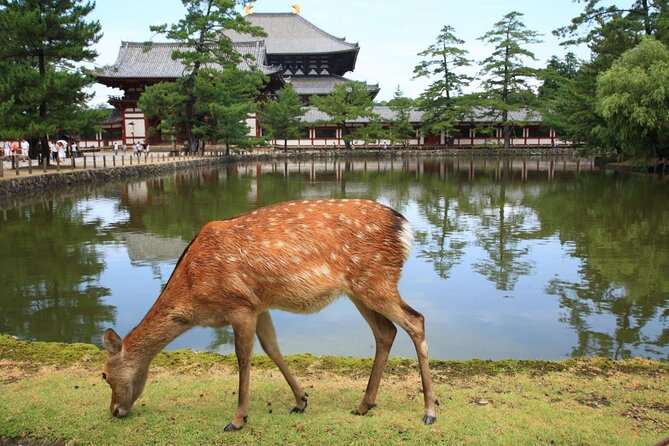
Nara Park’s famous deer are only the beginning. In three hours, this small-group walking tour links Kasuga Grand Shrine, Todai-ji’s Great Buddha Hall, the park, and Kofuku-ji, with a guide explaining the customs, religions, photo spots, and deer etiquette along the way. Guides such as Reiko, Nobuko, Mayumi, and Makiko are praised for making the tour warm and personal.
I like two things right away: the included bus ride saves some early walking, and admission to the Great Buddha Hall is covered. I also like the timing. Finishing around 1 pm leaves you an afternoon for lunch, mochi, shopping, or more temples. The main drawback is that this is a real walking tour, with steps, gravel, heat, and roughly three hours on your feet. One report also found the pace too slow and the tour longer than planned.
In This Review
- Key points to know before booking
- Why this three-hour Nara route works
- Starting at JR Nara Station at 10 am
- Kasuga Grand Shrine and the first deer sightings
- Todai-ji and the Great Buddha Hall
- Nara Park, deer etiquette, and room to wander
- Kofuku-ji and the useful finish near lunch
- What the $42.94 price buys you
- The guides are a major part of the experience
- Walking, weather, and family considerations
- Who should book this Nara morning
- Should you book the Nara Park Classic Tour?
- FAQ
- Where does the tour start?
- Can I join the tour from Kintetsu Nara Station?
- How long does the tour last?
- Is admission to Todai-ji included?
- Is transportation included?
- Is the tour suitable for strollers and people with limited mobility?
Key points to know before booking
- See the four main Nara Park sights in one morning: Kasuga Grand Shrine, Todai-ji, Nara Park, and Kofuku-ji are all part of the route.
- Meet at JR Nara Station at 10 am: Look for the guide holding a white NaraWalk flag in front of the ticket gates.
- The Great Buddha Hall admission is included: You will see Todai-ji’s enormous Buddha statue without paying a separate entry fee.
- Expect a group of up to 15 people: The tour is not private, and it leaves punctually.
- Plan for active walking: Steps, gravel, deer, crowds, and summer heat all affect the experience.
- Use the afternoon well: The tour usually ends around 1 pm near Kofuku-ji, with help available for lunch and onward directions.
Why this three-hour Nara route works
Nara is easy to visit independently, but the sights are spread across a broad park, and the religious details are not always obvious. A guide helps you understand why a Shinto shrine and a Buddhist temple sit within the same sightseeing area, why deer roam freely, and what you are looking at beyond the usual photo.
This tour is built for a first look rather than a slow study of every building. You move from JR Nara Station into the park, spend time at the major stops, and finish close to places where you can continue on your own. That makes it particularly useful if you are staying in Kyoto or Osaka and have only part of a day in Nara.
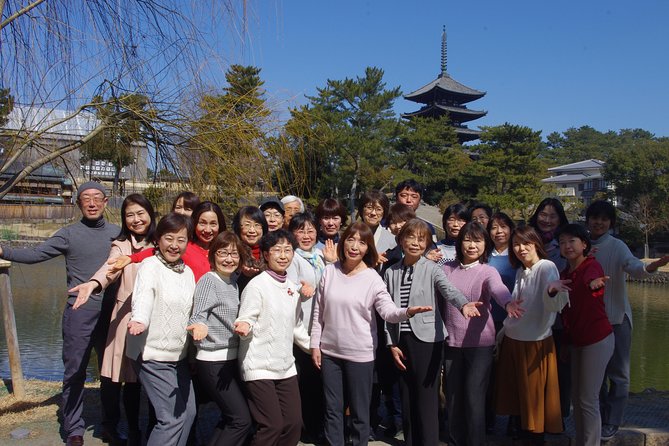
The group limit of 15 is small enough for questions without promising the intimacy of a private guide. The experience is offered by NARAWALK, and the guide may vary. Names appearing in the guide responses and feedback include Mayumi, Nobuko, Seiko, Makiko, Kazu, Yoshi, Reiko, Shigeru, Setsuko, Motoko, Satomi, Lay, and Mamiko.
The strongest pattern is the guides’ personal care. Reiko has been praised for helping a solo participant with photos and even bringing an umbrella on a rainy day. Nobuko is described as patient and flexible, while Setsuko has been praised for handling a family with children and knowing quieter places. These details matter because the quality of a group tour often depends less on the checklist than on how clearly the guide reads the group.
More day trips to Nara:
- World Heritage Kyoto & Nara Uji Authentic Matcha Experience
★ 5.0 · 1,573 reviews - Nara Half Day Trip Walking Tour (Private Option Available)
★ 5.0 · 937 reviews - Nara Early Morning Tour (Kyoto or Osaka Departure Available)
★ 5.0 · 676 reviews
Starting at JR Nara Station at 10 am
The meeting point is in front of the ticket gates at JR Nara Station, at 1 Sanjohonmachi. JR Nara Station has one ticket-gate area, so the instructions are fairly simple: come out of the gates and find the white NaraWalk flag.
The location is important. If you arrive at Kintetsu Nara Station, you must make your own way to JR Nara Station. The guide cannot meet you at Kintetsu Nara, and the group will not stop there. Build in extra time if your train arrives from Osaka or Kyoto, especially if you need transfers.
The tour starts at 10 am sharp. This is not a flexible meet-up where the guide waits while you finish breakfast or search for the station exit. If you arrive late, you may not be able to join, so I would aim to be at the station before 9:50 am.
From JR Nara Station, one bus ride to the Nara Park area is included. That is a modest but useful benefit. It gets you closer to the main sights and keeps the opening part of the tour from becoming a long urban walk.
Kasuga Grand Shrine and the first deer sightings
Kasuga Grand Shrine is the first major stop, with about 30 minutes in the precinct. This gives the tour a calm start before the larger crowds around Todai-ji.
Your guide explains the shrine’s Shinto setting, the role of deer in Nara, and the difference between Shinto and Buddhism. Those explanations are valuable because Nara’s monuments are not just old buildings. Their rituals, symbols, and relationship to the natural world are part of what makes the city distinctive.
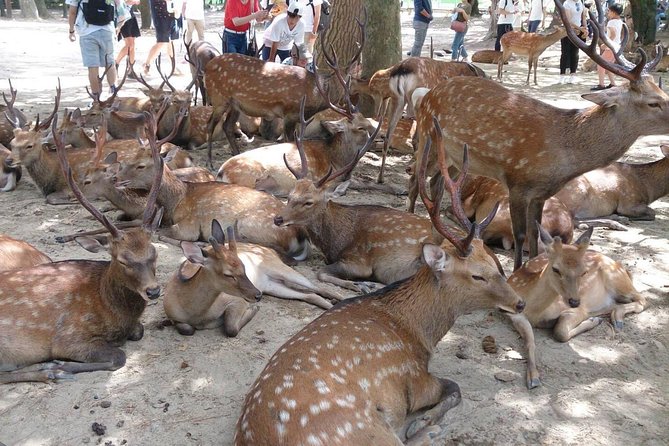
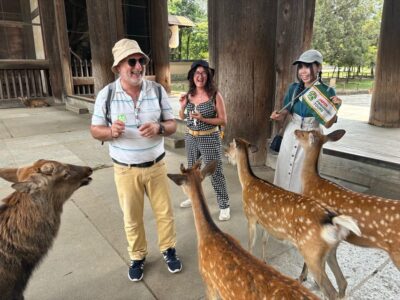
Deer often appear around the shrine grounds and along the paths. Feeding them can be a memorable part of the morning, especially for children, but you should treat the animals with care. They may look gentle, yet the experience notes and visitor feedback warn that males can become aggressive, particularly around antlers or food.
Guides may point out quieter corners and good places for photographs. The exact route can vary with the season and the group’s walking speed, so do not expect every departure to follow precisely the same path.
Todai-ji and the Great Buddha Hall
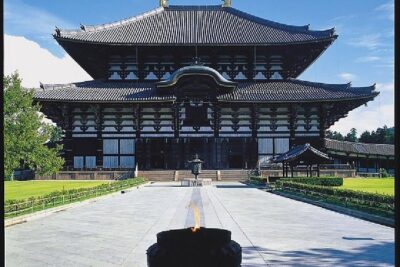
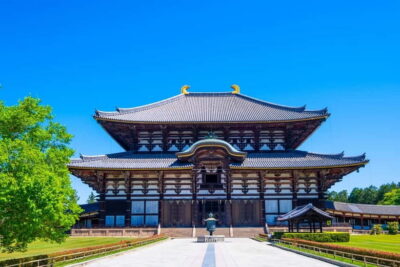
The tour then reaches Todai-ji Temple, where about 40 minutes are devoted to the Great Buddha Hall. This is the most structured sightseeing stop, and admission to the hall is included in the price.
Inside, the guide explains the story behind the Great Buddha and the temple. That context changes the visit from a quick look at a huge statue into a clearer understanding of why the hall matters. You will also have time for photographs.
One popular feature is the pillar hole, described as about 37 by 30 by 110 centimeters. Passing through it is associated with good health and protection from bad luck. It is a fun detail, but the opening is narrow, so you should not feel obliged to attempt it. Watch the flow of people around it and follow the guide’s instructions.
Forty minutes is enough for a guided introduction and photographs, but not for every corner of the temple complex. If Todai-ji is your main reason for coming to Nara, you may want to return after the tour for a slower visit.
A few more Nara experiences worth comparing
- Nara: Enjoy Highlight Of Nara in 3 hours
★ 5.0 · 4 reviews - 3-Hour Kyoto Insider Sake Brewery Tour with Tastings & Pairings
★ 5.0 · 917 reviews - Kyoto: 3-Hour Fushimi Inari Shrine Hidden Hiking Tour
★ 4.9 · 270 reviews - Kyoto Imperial Palace & Nijo Castle Guided Walking Tour – 3 Hours
★ 4.5 · 106 reviews
Nara Park, deer etiquette, and room to wander
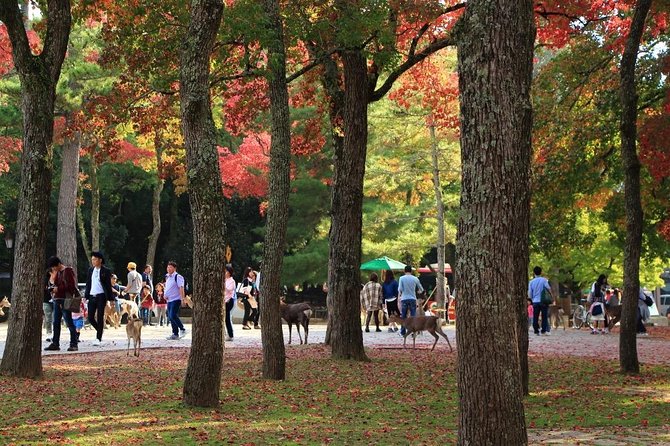
Nara Park is not a single attraction so much as the wide setting that connects the main sights. Kasuga Grand Shrine, Todai-ji, and Kofuku-ji are all within the park area, with paths, open spaces, forested sections, and deer appearing along the way.
The listed time here is about 30 minutes, though the exact stops may change depending on weather, season, and the group’s speed. The guide may add other places in the park when time allows. One benefit of this flexible approach is that the morning does not have to feel like a rigid march from one landmark to another.
This is also the part of the experience where the deer become the main event for many people. You may buy crackers separately and feed them, but keep your hands clear once the food is gone. Feedback also notes that deer can wander near shops, and the animals are not simply decorative statues. Pay attention to their behavior, especially around antlered males.
The park includes uneven ground, steps, and gravel. A family with young children reported walking about five miles overall, so the advertised three-hour duration should not be mistaken for a gentle stroll. The pace has often been described as comfortable, with time for photos and deer feeding, but the total distance can still feel substantial.
Kofuku-ji and the useful finish near lunch
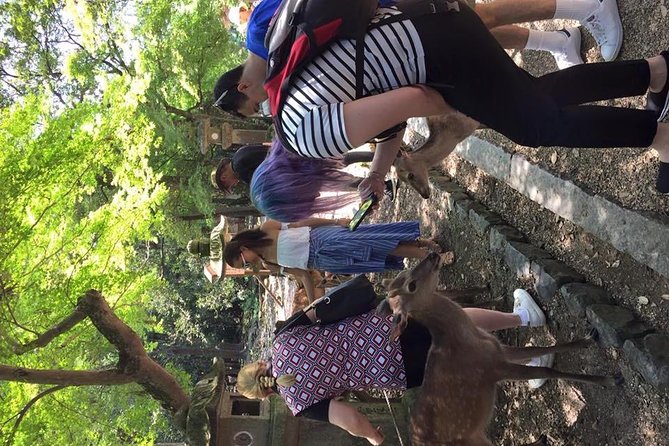
The tour usually ends at Kofuku-ji after about 20 minutes. Its five-storied pagoda is an especially photogenic final stop and gives the morning a strong closing image.
Your guide explains the temple’s history, then helps with practical decisions. You can ask for directions to the train stations, suggestions for lunch, and ideas for spending the afternoon. This assistance is one of the tour’s quiet strengths. You finish in a part of Nara where it is easy to continue rather than being sent back to the starting point.
The end point is different from the meeting point, so check your onward route before setting off. Some people use the remaining afternoon for lunch, mochi, shopping, or additional sightseeing. One solo participant continued to see a mochi-making demonstration after the tour, while others appreciated being shown a street with food options.
The tour usually ends around 1 pm, but allow for some variation. One account described a tour that ran more than an hour late after a delayed start and a slow pace. The published meeting rules say the group starts punctually, so that experience may not reflect the normal schedule, but it is still sensible not to book a tight afternoon train immediately afterward.
What the $42.94 price buys you
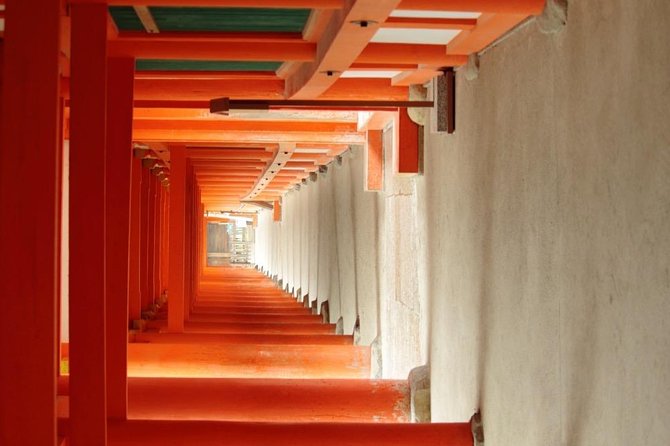
At $42.94 per person, the tour is priced as an accessible introduction to Nara rather than an all-day specialist excursion. You pay for a guide, the bus ride from JR Nara Station to the park area, and admission to the Great Buddha Hall. Meals, drinks, deer crackers, and other personal purchases are not included.
The value depends on how you travel. If you are comfortable finding the temples yourself and reading background information, you can visit Nara Park independently for less. The park is open and easy to explore, and you can choose your own pace.
I think the price makes better sense when your Nara time is limited. The guide handles the route, connects the religious sites, points out places you might pass without noticing, and leaves you with practical advice for the afternoon. That is useful when you are making a day trip from another city and do not want to spend your short visit working out the basics.
The included Todai-ji admission also reduces the number of separate transactions during the morning. Still, do not book this expecting a private experience. The group can include up to 15 people, and the guide must balance questions, photo stops, and walking speeds.
The guides are a major part of the experience
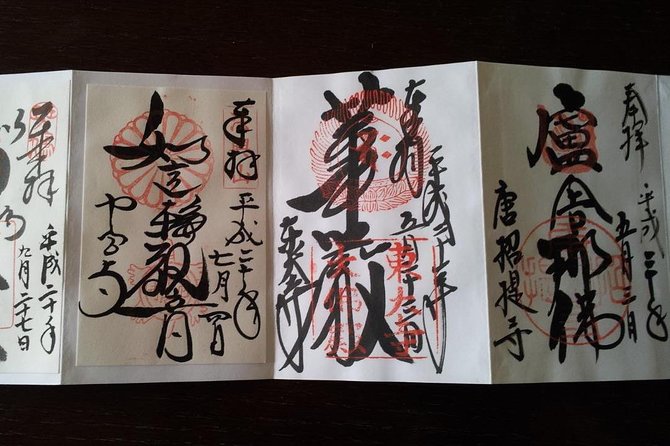
The tour uses several local guides, so your exact personality match and speaking style will vary. The strongest praise goes to guides who add warmth, manage the group carefully, and explain the connection between Japanese religions, local customs, and daily life.
Mayumi has been singled out for her warm manner and ability to answer questions about Nara. Nobuko has been praised for patience, flexibility, and thoughtful attention to different ages and interests. Reiko has received especially warm comments for communication, photos, umbrellas, hydration reminders, and keeping families comfortable.
Setsuko brings long experience and has been credited with finding quieter spots and avoiding some crowds. Kazu is praised for clear explanations and useful lunch advice. Makiko and her assistant have been noted for friendliness, humor, and extra effort. Other guides, including Seiko, Yoshi, Shigeru, Motoko, Satomi, Lay, and Mamiko, have also received strong marks for cultural explanations and a welcoming approach.
English ability may vary by guide. One report found the guide’s English adequate but less fluent than that of other local guides, with a soft speaking voice that made the long tour harder in the heat. A guide may use pictures, gestures, or a folder of images to make explanations easier to follow. If detailed English commentary is your highest priority, remember that the guide is assigned rather than selected by you.
Walking, weather, and family considerations
Wear shoes suited to gravel and steps. The route is not technically difficult, and most people can participate, but you will be outdoors and on your feet for much of the morning.
Heat and humidity can change the experience sharply. Several guide responses refer to very hot days, and one participant found the amount of walking in the heat tiring. Carry water, use sun protection, and take the guide’s advice about staying hydrated. The tour requires good weather, and poor conditions may lead to a different date or a full refund.
Families can do this tour, and children often enjoy feeding the deer. A family with children aged four and seven completed the route, though the reported distance was about five miles. That is a useful warning for parents: the pace may be manageable, but young legs still have to cover the ground.
Strollers need more thought. Steps and gravel can require you to carry a stroller or push it with extra effort. Service animals are allowed, and the activity is near public transportation, but the uneven route means you should consider your group’s mobility before booking.
Who should book this Nara morning
I would choose this tour if you have less than half a day in Nara, want the main sights explained, or prefer not to navigate the park alone. It is also a good fit for first-time visitors who want a practical introduction to Shinto, Buddhism, deer customs, and the major monuments.
It suits families, solo visitors, and couples who like a social group setting. Solo visitors may particularly appreciate help with photographs and conversation. The group format can also make the morning feel more comfortable if you are unsure how to approach the deer or behave at the religious sites.
You may want another option if you dislike fixed schedules, need a very gentle route, or want to spend a long time inside one temple. Independent sightseeing gives you more control, while a private guide would give you more flexibility and a better chance to shape the tour around your own interests.
Should you book the Nara Park Classic Tour?
Book it if you want efficient coverage with cultural explanation, not just a walk through a deer park. The route covers Nara’s essential sights, the Great Buddha Hall admission is included, and the finish near Kofuku-ji leaves you with time for lunch and further exploring.
Skip it if three hours of walking sounds tiring, if your arrival at JR Nara Station may be late, or if your schedule cannot tolerate a possible delay. Arrive early, wear sturdy shoes, carry water, and remember that deer are wild animals with sharp opinions about snacks. For a first visit and a limited timetable, this is a sensible way to get oriented before exploring Nara at your own pace.
FAQ
Where does the tour start?
It starts at 10 am in front of the ticket gates at JR Nara Station, at 1 Sanjohonmachi. Look for the guide holding a white NaraWalk flag.
Can I join the tour from Kintetsu Nara Station?
No. You must go to JR Nara Station because the group meets there and takes a bus to the Nara Park area. The guide cannot meet or collect you at Kintetsu Nara Station.
How long does the tour last?
The tour lasts approximately three hours and usually ends around 1 pm. The exact finish may vary depending on the season and the group’s walking speed.
Is admission to Todai-ji included?
Yes. Admission to Todai-ji’s Great Buddha Hall is included in the tour price.
Is transportation included?
One bus ride from JR Nara Station to the Nara Park area is included. Meals and drinks are not included.
Is the tour suitable for strollers and people with limited mobility?
Most people can participate, but the route includes steps and gravel. You may need to carry a baby stroller or push it with extra effort. The tour also involves substantial walking.
Recently added around Nara
- Nara Private Customizable Half Day Tour★ 5.0 · 3 reviews
- Full Day Nara Deer, Temple, Shrine, Activities & Tea Ceremony★ 5.0 · 3 reviews
- Nara: Essential Private Tour with Deer Park and Temples★ 5.0 · 3 reviews
- Discover the Essence of Nara Ink Through Your Senses★ 5.0 · 3 reviews
- Private Journey in Nara’s Historical Wonder★ 5.0 · 3 reviews
- Nara:Private Tea Ceremony(Max 5 ppl) -Master Matcha Making-★ 5.0 · 3 reviews
- Nara Takayama Tea Whisk Craft and Tea Culture Experience★ 5.0 · 3 reviews
- Nara: Half-Day Private Tour of 4 Must-See Spots & Deer Park★ 5.0 · 3 reviews
Nara Day Trips, compared.
World Heritage Kyoto & Nara Uji Authentic Matcha Experience
Read our review →
Kyoto/Osaka: Nara, Fushimi Inari Taisha, Arashiyama Bus Tour
Read our review →
Nara Half Day Trip Walking Tour (Private Option Available)
Read our review →
Nara Early Morning Tour (Kyoto or Osaka Departure Available)
Read our review →
Kyoto/Osaka: Kinkakuji, Bamboo Forest, and Nara Deer Park
Read our review →Browse the lists this tour appears in