
REVIEW · FUSHIMI INARI SHRINE TOURS
Kyoto Early Bird English Tour: Fushimi Inari & Gion(Private opt)
Fushimi Inari is the reason to set the alarm. Arriving early lets you walk beneath rows of red torii gates before the busiest crowds fill the shrine. I like that the morning then continues through Kiyomizu-dera’s city views and Kyoto’s old streets, rather than stopping at one famous sight.
I also like the practical help from a local English-speaking guide. Ikki is often praised for clear English, friendly energy, photo-taking, and useful food advice. The main consideration is the pace: seven stops in roughly four to five hours means some visits are brief, and one account experienced only about two and a half hours.
In This Review
- Key points
- Why the early start matters at Fushimi Inari
- Kiyomizu-dera and the view across Kyoto
- Sannenzaka and Ninenzaka, Kyoto on foot
- Yasaka Pagoda and the colorful Koshin-do
- Gion, where the morning route turns atmospheric
- Yasaka Shrine brings the route together
- What Ikki adds to the morning
- Price, extra fees, and the real value
- Timing, walking, and the possible schedule gap
- Who should book this Kyoto route
- Practical booking advice before you go
- Should you book the Fushimi Inari and Gion tour?
- FAQ
- Where does the tour start?
- Where does the tour end?
- How long does the tour take?
- Is this a private tour?
- Is public transportation included?
- Is admission to Kiyomizu-dera included?
- What does the tour price include?
- Can I cancel for a full refund?
Key points
- Early access to Fushimi Inari: Begin with Kyoto’s famous torii gates when the paths are calmer.
- A strong first-day route: See Fushimi Inari, Kiyomizu-dera, Gion, Yasaka Shrine, and several old Kyoto lanes in one morning.
- Local guidance from Ikki: He is often assigned to the tour and is praised for fluent English, cultural explanations, patience, and good photo skills.
- Mostly walking: You will use public transportation between areas and spend plenty of time on foot over stone streets and slopes.
- Extra costs are modest but real: Add ¥390 for public transportation and ¥500 for Kiyomizu-dera, plus anything you eat or drink.
- Private format: Only your own group participates, which makes questions, photo stops, and pacing more personal.
Why the early start matters at Fushimi Inari
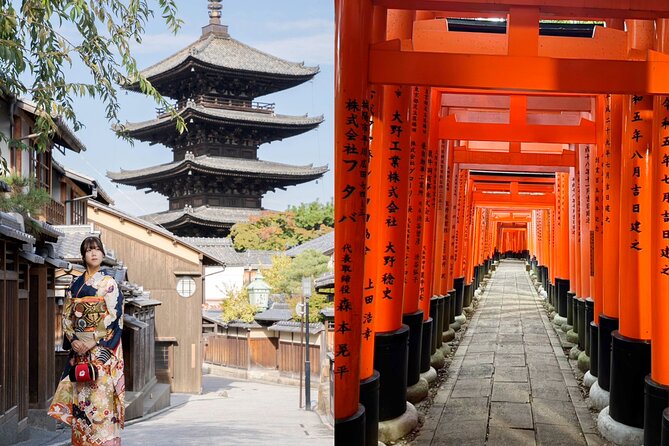
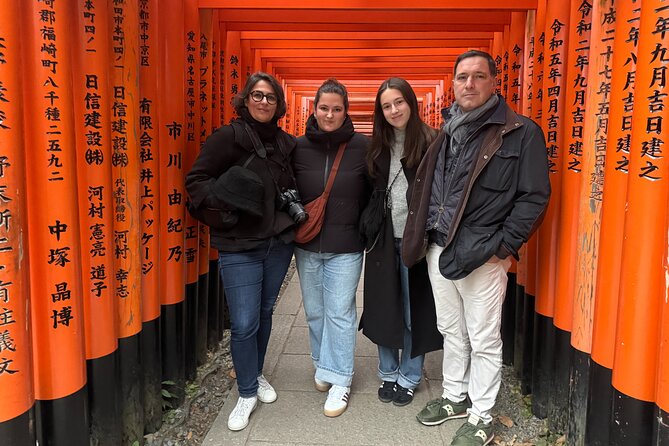
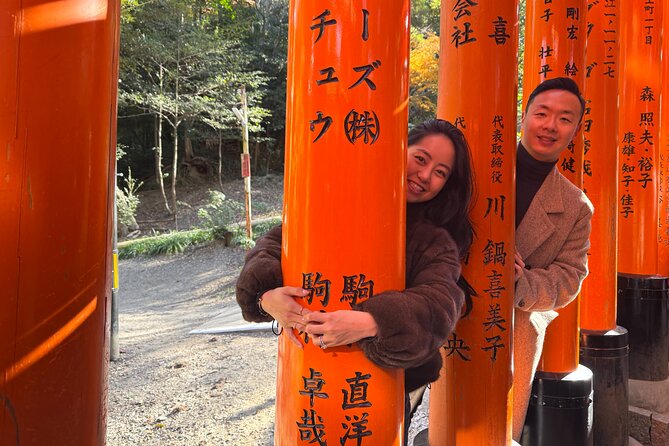
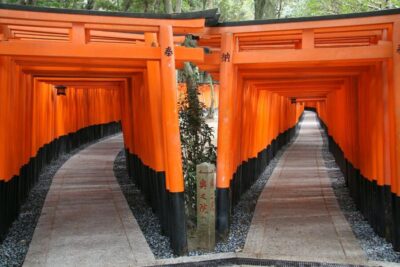
Fushimi Inari-taisha is one of Kyoto’s signature sights, but its fame brings crowds. This tour wisely puts it first, when the red torii gates and wooded paths have a better chance of feeling peaceful. You get about an hour here, with admission included at no cost.
The shrine is dedicated to Inari, associated with rice and prosperity. Your guide can give meaning to the gates and explain how the shrine fits into Japanese religious life, rather than leaving you with a series of photogenic tunnels and no context.
You do not need to climb all the way up Mount Inari to enjoy the visit. The route is on foot, and the ground soon becomes sloped. If you want a long uphill walk, an hour will pass quickly. If you prefer a lighter visit, your guide can help you make the most of the lower paths and major photo spots.
The early timing is also useful for photography. Red gates, forest shade, and a quieter path make this the best part of the morning for pictures. The guide takes professional photos during the tour, so you can look around without constantly handing your phone to strangers.
More ways to walk Fushimi Inari:
- Kyoto: Fushimi Inari, Kinkakuji, Bamboo Grove 1 Day Bus Tour
★ 4.8 · 4,316 reviews - Fushimi Inari Hidden Hiking Tour (Private Option Available)
★ 5.0 · 1,750 reviews - Kyoto/Osaka: Nara, Fushimi Inari Taisha, Arashiyama Bus Tour
★ 4.7 · 1,275 reviews
Kiyomizu-dera and the view across Kyoto
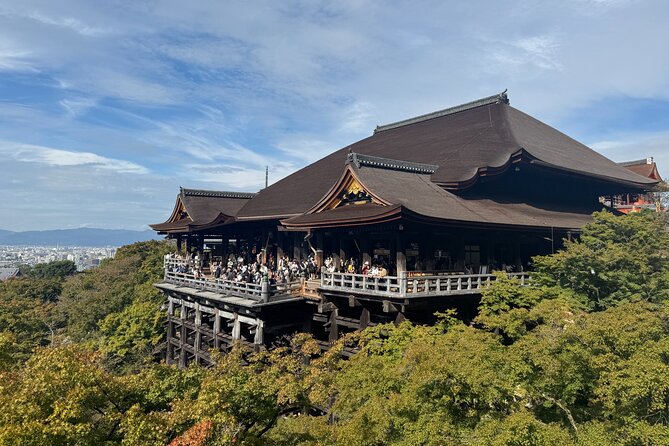
The next major stop is Kiyomizu-dera Temple, where you have about an hour. The temple sits above Kyoto and is famous for its broad view over the city. This is a large, popular complex, so an hour gives you a worthwhile look without pretending you can see every corner.
Admission is not included. Budget ¥500 per person, in addition to the tour price and transportation. That is a small extra charge, but it is worth knowing before you arrive, especially if you are comparing the total cost of several Kyoto tours.
This stop adds a different mood to Fushimi Inari. Fushimi Inari is about repetition, color, and a forest path. Kiyomizu-dera gives you architecture, religious setting, and an open view over Kyoto. The guide’s role matters here because the temple customs can be easy to observe without understanding. The tour includes explanations of local beliefs, temple and shrine practices, and the meaning behind what you are seeing.
Kiyomizu-dera is also reached through sloping streets, and the whole outing is designed as a walking experience. Wear shoes that handle uneven stone pavement. You should be comfortable walking for several hours, using public transportation, and moving at a steady morning pace.
Sannenzaka and Ninenzaka, Kyoto on foot
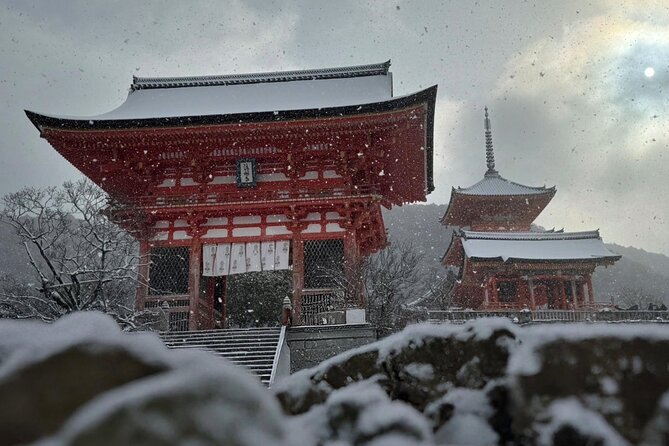
After the temple, the route passes through Sannenzaka and Ninenzaka. The scheduled visit is about 15 minutes, so think of this as a guided introduction, not a shopping afternoon.
These stone-paved lanes run between old wooden buildings, shops, and restaurants. They offer the kind of setting many people picture when they imagine historic Kyoto. The short stop is useful for orientation and photographs, but you may want to return later if you hope to browse carefully or eat in the area.
This is one reason the tour works well as a first look. You get the route and its main visual markers, then you can decide where to spend more time on your own. The end point at Yasaka Shrine also leaves you close to Gion, so returning to these streets later is practical.
Yasaka Pagoda and the colorful Koshin-do
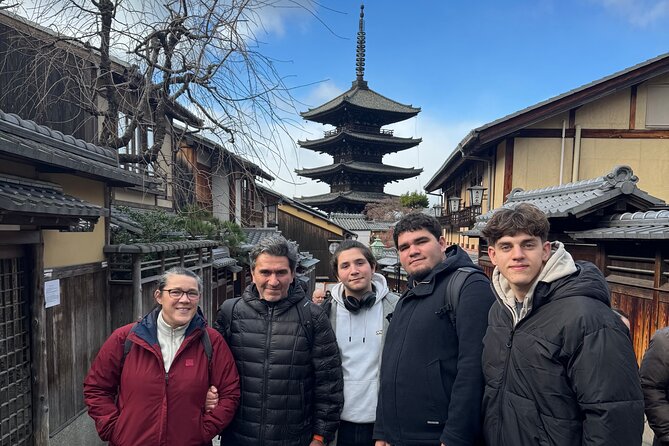
Yasaka Pagoda, part of Hokanji Temple, receives about 15 minutes. Its height and old wooden construction make it an unmistakable Kyoto landmark. The tour presents it as a quick exterior and neighborhood stop, so do not expect a long temple visit.
That short timing is typical of this route. The goal is to connect several well-known places rather than give each one a full exploration. You can take in the pagoda, hear why it matters, and continue through the historic district before the schedule loses momentum.
Yasaka Koshin-do is another brief stop. Its colorful decorations differ from the quieter tones seen at many Japanese temples. With only about 15 minutes here, the value comes from having someone point out what makes the place unusual and explain the local customs or symbolism.
I like these two stops because they break up the bigger attractions. They also help you see Kyoto as a collection of small religious sites and old streets, not only as a checklist of major temples.
More evenings in Gion:
- Kyoto Geisha Walking Tour: Gion District & Hidden Gems
★ 4.7 · 3,273 reviews - Kyoto: Gion Magical Night Walking Tour with Geisha Trivia
★ 4.9 · 2,393 reviews - Kyoto: Gion Geisha District Walking Tour – Stories of Geisha
★ 4.7 · 2,187 reviews - Best of Kyoto: Gion, Geisha, Pagodas & Cobblestones
★ 4.9 · 2,058 reviews
Gion, where the morning route turns atmospheric
Gion gets another 15 minutes. It is Kyoto’s best-known geisha district, with traditional machiya houses, teahouses, and preserved streets. A short guided walk can help you understand the character of the area and the importance of treating it respectfully.
Do not expect a geisha performance or a long evening in the district. That is not what this experience offers. You are walking through the setting, learning about Kyoto’s traditional entertainment culture, and seeing the streets during a morning route.
The guide can be especially helpful here. The district has customs that are not obvious to first-time visitors, and a local guide can explain how to look without disrupting daily life. Keep your camera ready, but follow any posted instructions and your guide’s advice.
The route ends at Yasaka Shrine, so Gion is not a rushed pass-through with no useful follow-up. You can continue exploring from here, find food, or arrange your next stop using public transportation.
Yasaka Shrine brings the route together
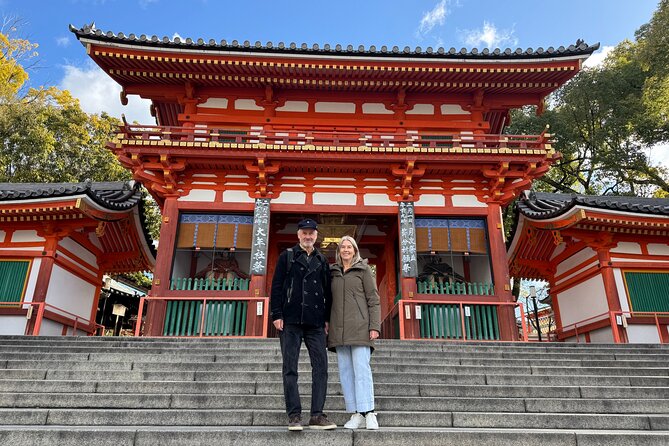
The final stop is Yasaka Shrine, with about 30 minutes planned. The shrine is associated with prosperity and protection and serves as the headquarters of approximately 2,300 related shrines across Japan.
Ending here makes geographic sense. You move from Fushimi Inari in the southeast of Kyoto through Kiyomizu-dera and the Higashiyama streets, then finish in Gion. The route has a clear direction, so you are not repeatedly crossing the city.
A half-hour is enough to see the main setting and ask final questions. It is also a useful point to pause and decide what to do next. Tell your guide your plans, and the tour information says they can direct you toward a suitable route or bus.
That help can be more valuable than it sounds. Kyoto’s bus and train network takes some practice, particularly after a morning spent walking. Ending near a major sightseeing area means you can keep exploring instead of losing time returning to the starting point.
What Ikki adds to the morning
The strongest part of this experience is the guide. Ikki is frequently singled out for fluent English, clear explanations, warmth, patience, and an easy way with families and teenagers. He was born and raised in Kyoto, and that local connection gives the history and customs a more personal frame.
He is also known for taking many photos during the morning. This is a real benefit at Fushimi Inari, where it is hard to capture your whole group against the gates without help. It is useful at the temples and pagoda, too.
The tour may include support material such as a booklet with photos, language notes, temple and shrine background, and guidance on how to pray. The exact materials may vary by guide, but the experience is clearly designed to explain more than names and dates.
Ikki is also praised for recommendations beyond the route, especially food. One family received a conveyor-belt sushi suggestion and help getting there after the tour. Treat that as a helpful possibility, not a guaranteed extension, since the official experience ends at Yasaka Shrine.
The private format helps here. Only your group takes part, so you can ask questions without holding up a large crowd. Families, couples, and small groups who want a conversation rather than a lecture should get the most from this setup.
Price, extra fees, and the real value
The listed price is $99.10 per person. That is not the cheapest way to walk through Kyoto, but it includes a private group experience, an English-speaking local guide, explanations at seven locations, and professional photos.
You should add ¥390 per person for public transportation and ¥500 per person for entry to Kiyomizu-dera. Food and drinks are separate. The total remains easier to judge when you consider what you are paying for: not just transport between sights, but the time saved planning a route and the personal help at places where customs and history can be hard to read on your own.
The value is strongest if this is your first Kyoto visit or if your sightseeing time is short. In one morning, you cover two major religious sites, three Higashiyama highlights, Gion, and Yasaka Shrine. You also finish in a useful area rather than returning to Kyoto Station.
The value is weaker if you prefer slow travel. Fifteen minutes at Sannenzaka and Ninenzaka, Yasaka Pagoda, Yasaka Koshin-do, and Gion is enough to see each place, but not enough for serious shopping, extended photography, or a relaxed meal.
Timing, walking, and the possible schedule gap
The advertised duration is about four to five hours. The listed stop times add up to four hours, before transfers and walking between locations. That makes a morning of roughly four hours a sensible expectation, but you should allow extra time in your day in case the route runs longer.
There is also a practical caution about pacing. One reported experience lasted closer to two and a half hours, even though the stated duration is longer. I would confirm the expected start and finish time directly when booking if you have a train, restaurant reservation, or another timed activity afterward.
You must arrive on time at Kyoto Station. Late arrivals cannot join and do not receive a refund. This is especially important for an early tour, when a few missed minutes can affect the whole route.
The tour is not a bus sightseeing circuit. You will use public transportation and walk extensively. Expect slopes around Kiyomizu-dera and Mount Inari, plus stone streets in the Higashiyama area. Moderate physical fitness is required.
Who should book this Kyoto route
I would recommend it to first-time Kyoto visitors who want a clear introduction without spending days planning the basics. It is also a good fit for families, since the guide can adjust explanations, help with photos, and keep younger members engaged.
Couples and small groups who care about pictures should take a close look at the photography benefit. You can enjoy the sights together instead of taking turns behind the camera.
It also suits anyone arriving in Kyoto with limited time. Starting at Kyoto Station and ending at Yasaka Shrine creates a useful half-day plan, with the rest of the day open for food, shopping, or another district.
I would be more cautious about booking if you want a slow temple study, extensive shopping, or a long hike through Fushimi Inari. You may prefer to visit fewer places independently and give each one more time.
The private setup is a plus, but the cost per person may be harder to justify for solo visitors. Group discounts are available, so the value improves as your own party grows, provided the discount makes the final price clear at checkout.
Practical booking advice before you go
Wear shoes with good grip and bring water. Food and drinks are not included, and the route includes slopes, stairs, and several hours outdoors.
Keep ¥390 for transportation and ¥500 for Kiyomizu-dera separate from the tour fee. A mobile ticket is available, and booking confirmation is provided at the time of booking.
The meeting point is Kyoto Station, at Higashishiokoji Kamadonocho in Shimogyo Ward. The finish is Yasaka Shrine at 625 Gionmachi Kitagawa in Higashiyama Ward.
Free cancellation is available if you cancel at least 24 hours before the start time. Cancellations or changes made inside that window are not refunded or accepted. Cutoff times use local Kyoto time, so check carefully if you are booking from another time zone.
Should you book the Fushimi Inari and Gion tour?
Book it if you want Kyoto’s major sights organized into one early, private morning and you value explanation, photos, and local advice. The combination of Fushimi Inari before the crowds, Kiyomizu-dera’s views, old Higashiyama streets, and Gion gives you a strong first taste of the city.
The guide can make the difference. If Ikki is available, his fluent English, Kyoto background, photo skills, and practical recommendations are major reasons to choose this experience.
Skip it if your priority is unhurried exploration or a full climb at Fushimi Inari. Also check the expected duration before booking if your day is tightly scheduled. For most first visits, though, this is a smart way to cover a lot of Kyoto without spending your first morning figuring out the route yourself.
FAQ
Where does the tour start?
The tour starts at Kyoto Station, at Higashishiokoji Kamadonocho in Shimogyo Ward, Kyoto.
Where does the tour end?
The tour ends at Yasaka Shrine in the Gion area, at 625 Gionmachi Kitagawa, Higashiyama Ward, Kyoto.
How long does the tour take?
The stated duration is approximately four to five hours. The scheduled stops total about four hours, excluding transportation and walking between locations.
Is this a private tour?
Yes. Only your group participates in the activity.
Is public transportation included?
No. Public transportation costs ¥390 per person and are not included in the tour price.
Is admission to Kiyomizu-dera included?
No. Admission costs ¥500 per person and is paid separately.
What does the tour price include?
The price includes a passionate local English-speaking guide and professional photos taken during the tour. Food, drinks, transportation, and Kiyomizu-dera admission are not included.
Can I cancel for a full refund?
Yes, if you cancel at least 24 hours before the experience start time. Cancellations or changes made less than 24 hours before the start time are not refunded or accepted.
More Kyoto Early Morning Tours in Kyoto
- Kyoto Early Morning Tour with English-Speaking Guide
★ 5.0 · 1,427 reviews - Kyoto: Early Morning Tour with English-Speaking Guide
★ 4.9 · 1,128 reviews - Nara Early Morning Tour (Kyoto or Osaka Departure Available)
★ 5.0 · 676 reviews - Arashiyama Bamboo Forest & Hidden Gems Bike Tour (Early Bird)
★ 5.0 · 613 reviews
Recently added around Kyoto
- Higashiyama | Kyoto: Sakura Season Private Rickshaw Tour★ 5.0 · 3 reviews
- Kyoto Kimono Rental CHAMATSU|Kimono/Yukata Rental FamilyPlan★ 5.0 · 3 reviews
- Kyoto: Half-Day Private Guided Tour to the Old Town of Gion★ 4.4 · 3 reviews
- Nara Private Customizable Half Day Tour★ 5.0 · 3 reviews
- Kansai Region Hiking Adventure in Nara Kobe Kyoto and More★ 5.0 · 3 reviews
- Full Day Nara Deer, Temple, Shrine, Activities & Tea Ceremony★ 5.0 · 3 reviews
- Nara: Essential Private Tour with Deer Park and Temples★ 5.0 · 3 reviews
- Hiking Tour for Sacred Sites in Kyoto with a Guide★ 5.0 · 3 reviews
Fushimi Inari Shrine Tours, compared.
Fushimi Inari, Kinkakuji, Bamboo Grove 1 Day Bus Tour
Read our review →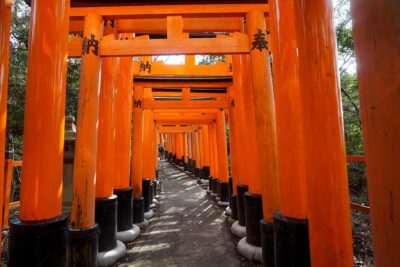
Fushimi Inari Hidden Hiking Tour (Private Option Available)
Read our review →
Kyoto/Osaka: Nara, Fushimi Inari Taisha, Arashiyama Bus Tour
Read our review →
Nijo, Kinkaku-ji, Arashiyama, Kiyomizu & Fushimi Inari
Read our review →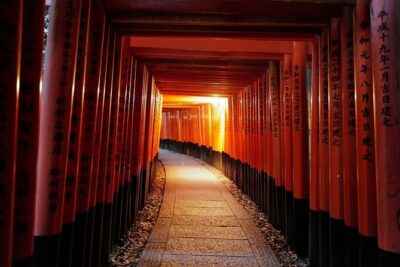
Kyoto Early Bird English Tour: Fushimi-Inari and Arashiyama
Read our review →
Fushimi, Arashiyama – Bamboo, Monkey, Torii & Secrets
Read our review →Browse the lists this tour appears in