
REVIEW · FUSHIMI INARI SHRINE TOURS
Kyoto Magical Night English Tour: Gion & Fushimi Inari Shrine
Fushimi Inari’s red torii gates take on a different mood after sunset, and this tour pairs them with the lantern-lit lanes of Gion and Higashiyama. For $26.43 per person, you get about two and a half hours with an English-speaking guide, shrine and temple admissions, and photos taken during the walk.
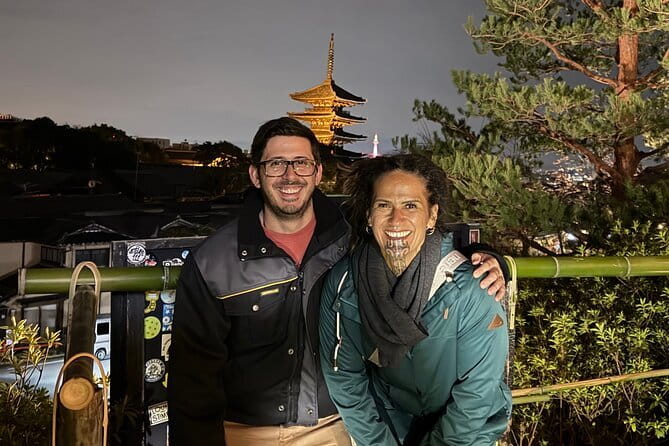
I like two things here. First, the route gives you a quick but meaningful introduction to Kyoto’s customs, from shrine etiquette to the difference between Shinto shrines and Buddhist temples. Second, guides such as Ikki, Yui, Yuki, and Mariko are praised for making the walk personal, helping with photos, and offering useful restaurant and transit advice.
The main consideration is pace. You cover a lot of ground, use public transportation, and walk through hilly or stone-paved areas. If you need frequent breaks, tell your guide early. The experience can be adapted, but it is not a sit-down sightseeing tour.
In This Review
- Key points to know before booking
- Why Kyoto works so well after sunset
- Meeting at Izumo-no-Okuni and setting off
- Fushimi Inari’s thousand gates
- Hanamikoji Street and the old Gion district
- Yasui-Konpiragu and the relationship stone
- Yasakanoto and the familiar Kyoto view
- Ninenzaka and Sannenzaka after the shops close
- Nene-no-Michi and a slower stretch
- Yasaka Shrine and the final explanations
- The guide makes the difference
- Who should book this evening walk
- Practical details that affect your decision
- Should you book the Kyoto Magical Night Tour?
- FAQ
- How long does the Kyoto Magical Night English Tour last?
- Where does the tour meet?
- Where does the activity end?
- Is the tour private?
- Is public transportation included?
- Are entrance fees included?
- Are food and drinks included?
- What level of fitness is needed?
- What happens if I arrive late?
- Can I cancel for free?
Key points to know before booking
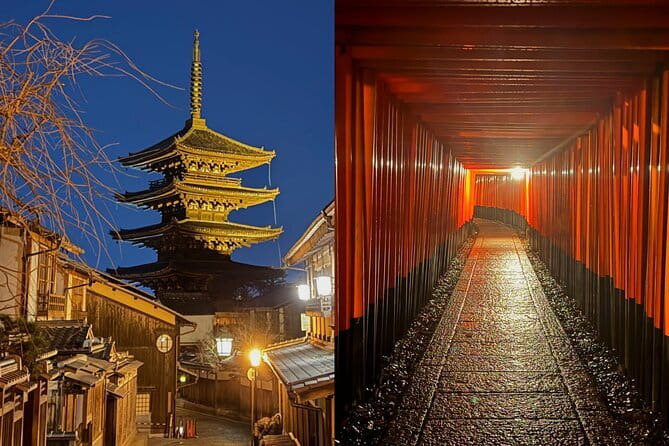
- Fushimi Inari after dark: Spend about an hour beneath the famous torii gates, with guidance on shrine customs and local stories.
- Gion without the daytime crush: Walk Hanamikoji Street, Nene-no-Michi, and nearby lanes when the evening atmosphere is calmer.
- A fast cultural overview: Learn how Shinto shrines differ from Buddhist temples and why each stop matters.
- Photos included: Your guide takes professional photos, with some visitors receiving dozens of images and short videos soon after the tour.
- Public transportation is part of the route: Budget ¥480 per person in addition to the tour price.
- Private group format: Only your group participates, making it easier to ask questions and request a comfortable pace.
Why Kyoto works so well after sunset
Kyoto can feel crowded and hurried in daylight, especially around its most famous shrines and old streets. At night, the city’s wooden buildings, stone lanes, and shrine gates become easier to appreciate. You are not getting a full after-hours opening of every site, but you do get a quieter setting for walking and listening.
This experience is designed as an introduction to Kyoto rather than a deep visit to any single temple. It links Fushimi Inari with Gion and the southern Higashiyama area, giving you a broad sense of the city’s religious customs, old neighborhoods, and evening rhythm.
I especially like this format for your first evening in Kyoto. A good guide can explain what you are seeing before you spend the next few days visiting shrines on your own. The route also gives you practical bearings, including help with public transportation, food suggestions, and questions about Japanese language and customs.
The tour is listed at $26.43 per person. That is a reasonable price for a private walking experience that includes a local English-speaking guide and photos. You still pay ¥480 per person for public transportation, and food and drinks are not included. Since the tour lasts around 150 minutes, you are paying mainly for interpretation, navigation, and the guide’s time, not for costly entrance tickets.
More ways to walk Fushimi Inari:
- Kyoto: Fushimi Inari, Kinkakuji, Bamboo Grove 1 Day Bus Tour
★ 4.8 · 4,316 reviews - Fushimi Inari Hidden Hiking Tour (Private Option Available)
★ 5.0 · 1,750 reviews - Kyoto/Osaka: Nara, Fushimi Inari Taisha, Arashiyama Bus Tour
★ 4.7 · 1,275 reviews
Meeting at Izumo-no-Okuni and setting off
The meeting point is the Statue of Izumo-no-Okuni in Kawabatacho, in Kyoto’s Higashiyama Ward. Your guide meets you there, and the activity ends back at the same meeting point.
Pay close attention to the meeting instructions and arrive early. The operator states that late arrivals cannot join and will not receive a refund. That rule matters more here than on a bus tour because the group needs to catch public transportation and keep moving through a planned route.
The experience is described as private, meaning only your group participates. That is useful for families, couples, and small groups who want to ask plenty of questions. It also gives the guide more room to adjust the conversation and walking rhythm. Group discounts are available, though the exact discount depends on the booking.
Several guides are associated with this experience. Ikki receives especially strong praise for his clear explanations, care with older participants, help with children, and practical recommendations. Yui, Yuki, Mariko, and Joi are also praised for their warmth, local insight, and ability to make the evening feel relaxed. Your exact guide is not guaranteed from the information provided, so treat those names as examples of the guiding style you may encounter rather than a promise of assignment.
Fushimi Inari’s thousand gates
The first major stop is Fushimi Inari-taisha, with about one hour set aside for the shrine. Admission is free, and the shrine is famous for its long corridors of red-orange torii gates leading into the wooded slopes of Mount Inari.
This is the visual centerpiece of the evening. In daylight, the gates are striking. Under evening light, the repeated rows create a more hushed and unusual setting. You will not need to hike the entire mountain in one hour, and the tour should be understood as a focused visit rather than a complete ascent.
Your guide can add meaning to what might otherwise be a quick photo stop. Fushimi Inari is dedicated to Inari, associated with rice and prosperity, and the torii gates represent offerings connected with worship. Guides also explain how to behave at a Shinto shrine and how to pay your respects.
That cultural explanation is one of the strongest reasons to book a guided walk. You learn not only where to stand for a photo, but also what the gates, shrine buildings, and gestures mean. Several accounts of the experience highlight lessons in shrine etiquette, mythology, and local lore.
Bring comfortable shoes. The route through the gates involves walking, and the entire evening continues on foot after this stop. If rain is in the forecast, do not assume the tour will be ruined. The experience operates as a walking tour, and a little rain may even make the gates and forest feel more atmospheric. Still, carry suitable rain protection and expect wet or slippery surfaces.
Hanamikoji Street and the old Gion district
From Fushimi Inari, the route continues through Kyoto’s traditional neighborhoods. Public transportation is used, and the transportation cost of ¥480 per person is not included in the tour price.
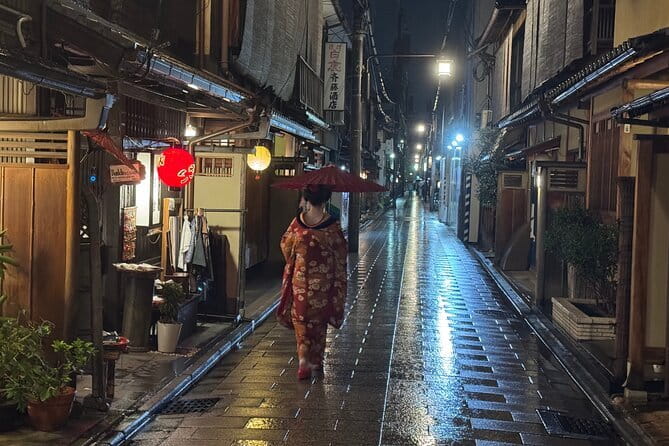
Hanamikoji Street gets about 10 minutes. It is one of Gion’s best-known streets, lined with traditional wooden machiya houses and teahouses. You might see geisha or maiko, but there is no guarantee, and you should not treat them as performers available for photographs. The real value of this short stop is the preserved streetscape and the guide’s explanation of Gion’s role in Kyoto’s cultural life.
The wider Gion stop also lasts about 10 minutes. That may sound brief, but this part of the route is about orientation. Your guide points out the character of the district and helps you notice details you could easily miss alone, such as the narrow lanes, wooden façades, and discreet entrances to traditional establishments.
I would not book this tour expecting a long, slow evening in one teahouse district. The route keeps moving. For many people, that is a plus because you see several parts of Kyoto in one night. If you prefer lingering over a meal or taking extended photographs, you may want to return to Gion independently.
More evenings in Gion:
- Kyoto Geisha Walking Tour: Gion District & Hidden Gems
★ 4.7 · 3,273 reviews - Kyoto: Gion Magical Night Walking Tour with Geisha Trivia
★ 4.9 · 2,393 reviews - Kyoto: Gion Geisha District Walking Tour – Stories of Geisha
★ 4.7 · 2,187 reviews - Best of Kyoto: Gion, Geisha, Pagodas & Cobblestones
★ 4.9 · 2,058 reviews
Yasui-Konpiragu and the relationship stone
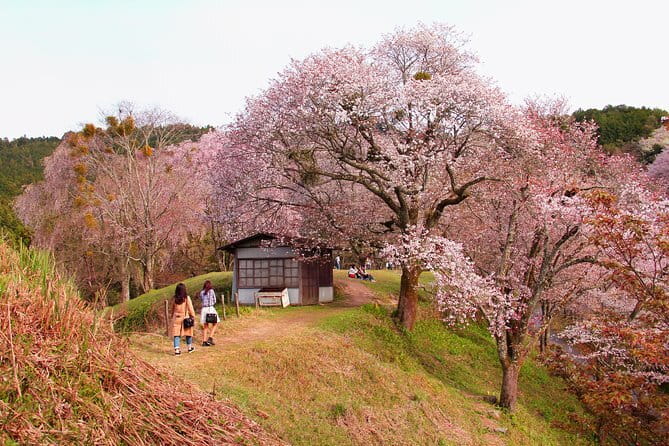
Yasui-Konpiragu is a small but memorable stop. The shrine is known for prayers to end harmful relationships and form better ones. It is often called one of Kyoto’s strongest places for severing negative ties.
The visit lasts about 10 minutes. Your guide can explain the meaning of the shrine and the relationship stone, giving you cultural context before you decide how to take part. Several tour accounts describe learning about the stone and trying the custom themselves.
This is a good example of why a local guide adds value. A solitary visitor might see a crowded stone covered with paper charms and have no idea what it represents. A short explanation turns an unusual object into part of Kyoto’s living religious practice.
Keep an open mind, but do not feel pressured to make a personal wish. The stop is brief, and the tour remains respectful rather than theatrical.
Yasakanoto and the familiar Kyoto view

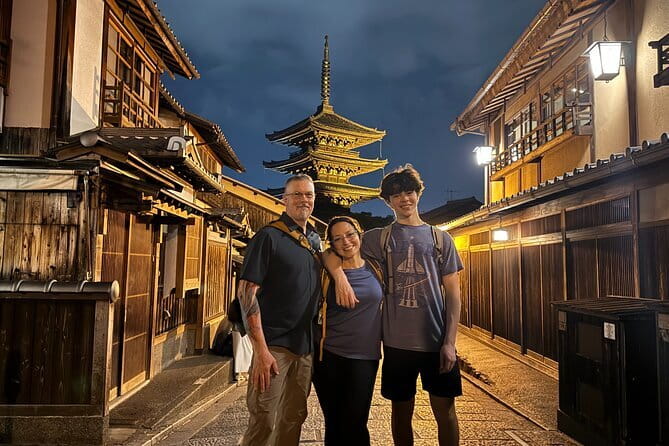
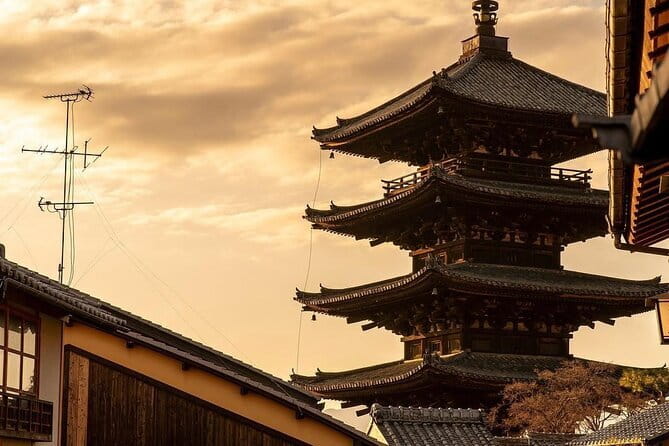
Yasakanoto refers to Yasaka Pagoda, part of Hokanji Temple. The pagoda is one of Kyoto’s most recognizable sights, rising above the old streets of Higashiyama.
The scheduled visit lasts about 15 minutes. The structure is impressive from street level, and its scale helps explain why this corner of Kyoto appears in so many photographs. The tour information describes it as one of Japan’s oldest wooden structures and notes that it was built without nails.
This is mainly a viewing and photography stop. Do not assume that the tour includes a full interior visit or a climb. The provided details do not promise that, and the short timing suggests that the focus is the exterior setting and the surrounding streets.
Your guide can help you find a better angle for photos while explaining why the pagoda has become such a strong symbol of Kyoto. Night lighting also gives the area a softer feel than the bright daytime scene.
Ninenzaka and Sannenzaka after the shops close
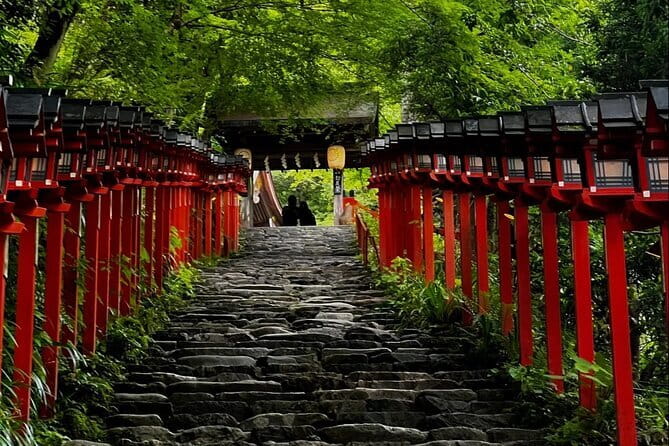
The walk continues along Ninenzaka and Sannenzaka, traditional stone-paved streets lined with shops and restaurants in old wooden buildings. You get about 15 minutes here.
These lanes are among the most picturesque parts of Higashiyama, but they can be busy during the day. Evening brings a calmer mood, though some businesses may be closed. That trade-off is worth understanding: you gain atmosphere and fewer crowds, but you may not have the same chance to browse shops or stop for snacks.
Watch your footing. The stone paving is uneven in places, and the route includes plenty of walking. One guide also made a point of explaining why you should be careful on these sloping streets, adding a bit of local belief and practical sense to the walk.
This section is well suited to photos of Kyoto’s old wooden architecture. Your guide may also take pictures of your group, which is useful if you want more than the usual solo snapshots taken with a phone timer.
Nene-no-Michi and a slower stretch
Nene-no-Michi is a quieter path named after Nene, the wife of a powerful Japanese shogun. The route passes historic temples and offers a more peaceful change of pace after the busier lanes around Yasakanoto and Ninenzaka.
The scheduled time is about 15 minutes. The stop is not about checking off a famous building. It is about walking through an old part of Kyoto and letting the setting speak for itself.
This stretch may be especially welcome if the earlier parts of the tour feel fast. That said, the route as a whole still requires moderate physical fitness. A family with children can enjoy it, and one group with four children aged 5 to 12 found the guide patient and engaging, but you should be ready for a steady walk.
Older adults can also take part, provided the pace works for them. One particularly positive account describes a guide adjusting for older family members who needed regular breaks. That is encouraging, but you should still tell the guide about mobility concerns before the walk begins.
Yasaka Shrine and the final explanations
The final destination is Yasaka Shrine, where about 15 minutes is scheduled. The shrine is described as the headquarters of 2,300 related shrines across Japan and is associated with prosperity and protection.
This is a fitting end because it brings the evening back to a major place of worship after the residential streets and smaller shrines. Your guide can review the difference between Shinto and Buddhist sites, explain the customs you have seen, and answer final questions before returning you to the meeting point.
You may also have time to make a wish or offer a coin. One useful tip is to carry some small coins if you would like to take part in shrine customs. The tour does not include food, drinks, or personal offerings, so bring a little cash if that matters to you.
At this point, you will have seen a wide sweep of Kyoto’s evening Higashiyama area. You will not have had a long interior visit at every temple, but you will understand how the sites fit together.
The guide makes the difference
The best part of this experience is not simply the route. It is the person explaining it.
Ikki is repeatedly praised for his clear teaching, friendly manner, visual aids, local knowledge, and ability to help with restaurant seating and transportation questions. He has also taken large numbers of family photos and sent them quickly after the walk. Another guide, Mariko, is described as moving at a brisk pace while finding excellent photo spots and keeping the evening lively.
Yui is noted for making the city easy to navigate and offering suggestions for the rest of a Kyoto stay. Yuki is praised for warmth and enthusiasm, while Joi is credited with giving groups a good overview of the city with fewer crowds.
The practical lesson is simple: ask questions. This is not a scripted audio tour. If you want help understanding shrine rituals, Japanese words, local restaurants, or transit, this is the time to ask. You may also request a short break if your group needs one.
The photo service is a real bonus. The information provided includes accounts of receiving more than 40 photos and short videos within about an hour of finishing. That will vary by guide and group, so do not treat the exact number as guaranteed, but photo-taking is included as part of the experience.
Who should book this evening walk
I would recommend it most strongly for first-time Kyoto visitors who want a useful introduction without spending a full day on a formal sightseeing circuit. It also suits couples, families, and small private groups who prefer asking questions as they go.
It is a good match for you if you want:
- A short overview of Gion and Higashiyama
- Help with shrine etiquette and Japanese customs
- Evening photos in Kyoto’s old streets
- A guide who can suggest restaurants and explain transit
- A private setting rather than a large group
- A route that combines Fushimi Inari with several Gion-area sights
It is less suitable if you want a leisurely food tour, a long climb up Mount Inari, extensive temple interiors, or a slow photography session at each stop. The itinerary covers eight locations in two and a half hours, so the experience values variety and explanation over long visits.
Practical details that affect your decision
The price is $26.43 per person, with group discounts available. Admissions to all temples and shrines are included, although the itinerary lists the stops as free admission anyway. The extra cost to plan for is ¥480 per person for public transportation.
You receive booking confirmation at the time of purchase, and a mobile ticket is available. The meeting point is near public transportation, but you should still allow extra time to find the statue. Missing the start means losing the tour and the payment.
Free cancellation is available if you cancel at least 24 hours before the start time. Changes or cancellations inside that window are not accepted for a refund.
The experience returns to the original meeting point. Wear shoes suited to uneven streets and a sustained walk. Bring water, a small amount of cash, and weather protection. Food and drinks are not included.
Should you book the Kyoto Magical Night Tour?
Book it if you want Kyoto explained as you walk, not just photographed from the outside. The combination of Fushimi Inari, Gion, Yasui-Konpiragu, Yasaka Pagoda, Ninenzaka, Nene-no-Michi, and Yasaka Shrine gives you a lot in a short evening, and the private format makes the price particularly fair for couples or families sharing the booking.
I would choose this tour early in your Kyoto stay. The cultural guidance, transit help, restaurant suggestions, and neighborhood overview can improve the rest of your visit. Just arrive on time, wear good shoes, and accept that the route moves briskly.
If you want an easygoing introduction to Kyoto after dark, with meaningful explanations and useful photos, this is a strong choice. If your priority is a slow meal, extensive shrine exploration, or a full Mount Inari hike, plan a separate visit instead.
FAQ
How long does the Kyoto Magical Night English Tour last?
The tour lasts approximately 2 hours and 30 minutes.
Where does the tour meet?
The meeting point is the Statue of Izumo-no-Okuni in Kawabatacho, Higashiyama Ward, Kyoto.
Where does the activity end?
The tour ends back at the original meeting point.
Is the tour private?
Yes. Only your group participates in this activity.
Is public transportation included?
No. Public transportation costs ¥480 per person and are paid separately.
Are entrance fees included?
Admission fees for the temples and shrines are included. The listed stops have free admission.
Are food and drinks included?
No. Food and drinks are not included.
What level of fitness is needed?
You should have a moderate level of physical fitness. This is a walking tour that uses public transportation and includes plenty of time on foot.
What happens if I arrive late?
Late arrivals cannot join the tour and will not receive a refund.
Can I cancel for free?
Yes, if you cancel at least 24 hours before the experience start time. Cancellations made less than 24 hours in advance are not refunded.
More Kyoto Evenings
- Night Walk in Gion: Kyoto’s Geisha District
★ 4.5 · 2,003 reviews - Kyoto Night Foodie Tour in Gion (9+ dishes + 6 Sake tastings)
★ 5.0 · 1,762 reviews - Kyoto Gion Night Walk & Geisha District Guided Tour
★ 5.0 · 786 reviews - Kyoto Ghost Tour: Dark Tales, Urban Legends, Bamboo Forest Night
★ 5.0 · 625 reviews
More Shrines in Kyoto
- KYOTO Tea Ceremony with kimono near by Imamiya Jinjya Shrine
★ 5.0 · 343 reviews - Kyoto: 3-Hour Fushimi Inari Shrine Hidden Hiking Tour
★ 4.9 · 270 reviews - E-Bike Nara Highlights – Todaiji, Knives, Deer, Shrine
★ 4.8 · 186 reviews - Kyoto: Fushimi Inari Shrine and Tofukuji Temple E-Bike Tour
★ 5.0 · 75 reviews
Recently added around Kyoto
- Higashiyama | Kyoto: Sakura Season Private Rickshaw Tour★ 5.0 · 3 reviews
- Kyoto Kimono Rental CHAMATSU|Kimono/Yukata Rental FamilyPlan★ 5.0 · 3 reviews
- Kyoto: Half-Day Private Guided Tour to the Old Town of Gion★ 4.4 · 3 reviews
- Nara Private Customizable Half Day Tour★ 5.0 · 3 reviews
- Kansai Region Hiking Adventure in Nara Kobe Kyoto and More★ 5.0 · 3 reviews
- Full Day Nara Deer, Temple, Shrine, Activities & Tea Ceremony★ 5.0 · 3 reviews
- Nara: Essential Private Tour with Deer Park and Temples★ 5.0 · 3 reviews
- Hiking Tour for Sacred Sites in Kyoto with a Guide★ 5.0 · 3 reviews
Fushimi Inari Shrine Tours, compared.
Fushimi Inari, Kinkakuji, Bamboo Grove 1 Day Bus Tour
Read our review →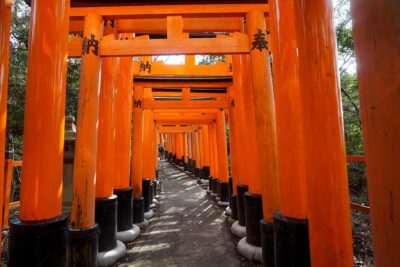
Fushimi Inari Hidden Hiking Tour (Private Option Available)
Read our review →
Kyoto/Osaka: Nara, Fushimi Inari Taisha, Arashiyama Bus Tour
Read our review →
Nijo, Kinkaku-ji, Arashiyama, Kiyomizu & Fushimi Inari
Read our review →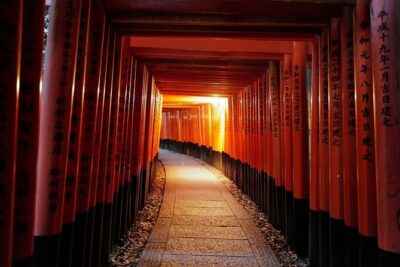
Kyoto Early Bird English Tour: Fushimi-Inari and Arashiyama
Read our review →
Fushimi, Arashiyama – Bamboo, Monkey, Torii & Secrets
Read our review →Browse the lists this tour appears in