
REVIEW · SAKE TASTING
3 Hours Kyoto Insider Sake Experience | Tasting Konteki
Kyoto’s Fushimi district is one of Japan’s best places to understand sake, and this experience puts the drink into context. You’ll visit the Kizakura Kappa Museum, learn how sake is made, then taste more than 10 varieties with a certified sake sommelier. The tasting is designed to show you the difference between dry, sweet, fruity, and full-bodied styles.
I especially like the small maximum group of 12, which gives the tasting room a more personal feel, and the pairing of sake with otsumami, the Japanese snacks traditionally served with drinks. The main drawback is that the $92.24 price does not include transportation, and the experience is non-refundable except when the operator cancels it.
In This Review
- Key points to know before booking
- Why Fushimi is the right place to study sake
- Inside the Kizakura Kappa Museum
- The private room tasting, with more than 10 styles
- Otsumami shows why pairing matters
- The sake cheat sheet is useful after Kyoto
- Is $92.24 a fair price?
- Who will get the most from this experience?
- Timing, comfort, and responsible drinking
- The best reason to book
- Should you book this Kyoto sake experience?
- FAQ
- Where does the Kyoto sake experience begin?
- Where does the activity end?
- How long does the sake experience last?
- How many sake varieties are included?
- Is food included?
- Is transportation included?
- Can people under 20 join the tasting?
- Can I cancel for a refund?
Key points to know before booking

- Fushimi setting: You visit the Kizakura Kappa Museum in one of Kyoto’s major sake-producing areas.
- 10-plus pours: A sake sommelier selects a broad range, including bottles that have not been exported.
- Food pairing included: Otsumami helps you see how snacks change the taste of each sake.
- Useful take-home tools: You receive a sake cheat sheet and tasting notes for future restaurant and shop visits.
- Three-hour format: The time is split between the brewery museum and a private tasting session.
- Public transit required: Do not drive, since drinking and driving is strictly prohibited in Japan.
Why Fushimi is the right place to study sake
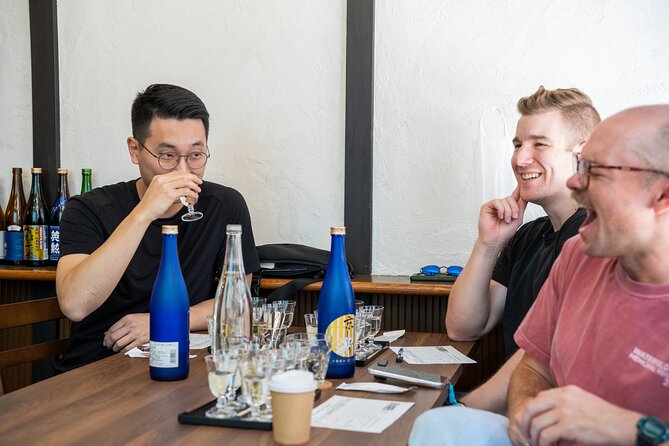
Fushimi is not just a convenient Kyoto neighborhood for a drink. It is a place where sake production has long been part of local life, helped by the area’s water and brewing tradition. This tour makes that setting useful rather than decorative by starting with the making of sake before asking you to judge what is in your glass.
That order matters. Many visitors first meet sake as a small restaurant pour with a Japanese label and little explanation. You may like it, but you may not know why. Here, the brewery visit gives you a basic map: rice, water, fermentation, polishing, and the choices that affect flavor.
The activity begins at 271-1 Kurumamachi in Fushimi Ward. You should plan to reach the meeting point by public transportation, with enough time to find the address without rushing. Hotel pickup and drop-off are not included, and the tour ends where it begins.
The walk involved is short, but comfortable shoes still make sense. Bring water, and eat lunch or brunch first. This is a three-hour alcohol tasting, not a meal, even though snacks are served.
More bars and sake stops in Kyoto:
- Kyoto Night Foodie Tour in Gion (9+ dishes + 6 Sake tastings)
★ 5.0 · 1,762 reviews - 3-Hour Kyoto Insider Sake Brewery Tour with Tastings & Pairings
★ 5.0 · 917 reviews - Arashiyama Bamboo, Temple, Monkeys, or Secret Sake Brewery
★ 4.8 · 886 reviews
Inside the Kizakura Kappa Museum
The first part lasts about 90 minutes and includes a guided visit to the Kizakura Kappa Museum. The museum gives you an introduction to local brewing and to the traditional methods passed down through generations.
The kappa theme adds a playful touch. Kappa are Japanese folklore creatures associated with water, and their presence gives the museum a more approachable character than a purely technical brewery display. You can expect the visit to connect local culture, brewing, and the practical role of water in sake production.
The important point is that this is a guided museum and brewery visit, not simply a stop for a quick sample. You get time to understand the process before the tasting begins. That makes the later pours easier to compare because you are listening for the effects of production choices rather than treating sake as one single drink.
The brewery visit also gives you a chance to taste some of the flavors made there. The exact bottles can vary, so you should not expect a fixed list of labels. That flexibility is useful for a sake lesson, since the focus is on styles and preferences rather than collecting a promised lineup.
One limitation is that the museum portion may appeal less to someone who only wants to drink. You are spending half the activity learning how sake is produced. For me, that is a fair trade, but it is worth knowing before you book.
The private room tasting, with more than 10 styles
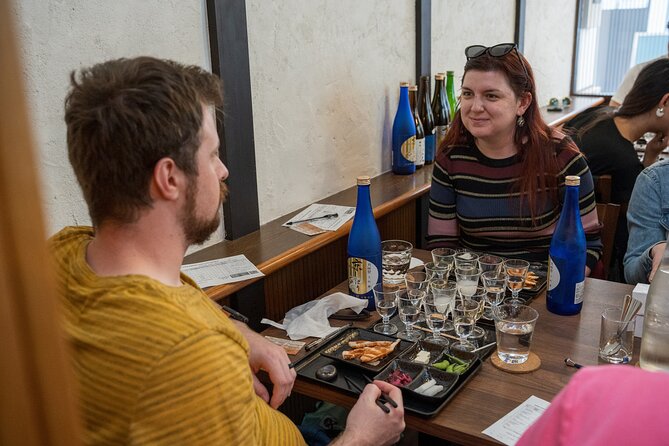
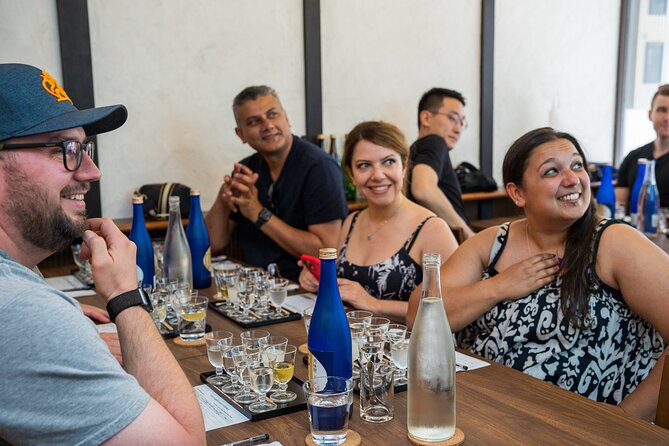
The second 90-minute section takes place in a dedicated private sake tasting room. A certified sake sommelier leads the session and selects at least 10 types for you to try.
That number gives the experience real range. Instead of tasting one brewery’s narrow selection, you can compare different styles and notice how your preferences change from pour to pour. The guide explains categories such as dry, sweet, rich, and fruity, along with how production affects the finished drink.
You may also be introduced to bottles that have never been exported. That is one of the more appealing details for someone who has already sampled sake outside Japan. It gives you a chance to taste products that are difficult to find on an overseas menu or in a foreign liquor shop.
Still, more samples do not automatically mean a better tasting. Ten-plus pours over 90 minutes can be a lot, especially if you arrive hungry or are not used to drinking alcohol. The advice to eat lunch or brunch first is practical, not a minor footnote. Pace yourself, drink water, and remember that you do not need to finish every pour to learn from it.
The small-group limit helps here. With no more than 12 people, the sommelier has a better chance to answer questions and notice which styles interest you. The experience is not described as a private booking for just your party, so expect to share the room with other participants.
Otsumami shows why pairing matters

Sake can taste very different beside food. The tour includes various otsumami, Japanese appetizers and snacks traditionally served with alcohol, so you can compare the drinks with more than one flavor on your plate.
This is where the lesson becomes practical. A sake that seems sharp by itself may feel more balanced with a savory snack. A sweeter or fruitier style may work better with a different bite. You are not simply being told what to like. You are given a way to notice the connection for yourself.
The food is a pairing element, not a full lunch or dinner. If you need a substantial meal, eat before arriving. Vegetarian snacks are available, but you should tell the guide on site.
I like this part because it answers a common problem. You may enjoy sake at a tasting but have no idea what to order with tempura, grilled food, or small plates at a restaurant. The pairing session gives you a few reference points you can use later, even if the exact dishes differ.
More food tours in Kyoto:
- Kyoto: Insider Sake Brewery Tour with Sake and Food Pairing
★ 5.0 · 704 reviews - Kyoto Sake Brewery & Tasting Walking Tour
★ 5.0 · 623 reviews - Kyoto Nishiki Market Food and Culture Walking Tour
★ 5.0 · 412 reviews - Kyoto: Gion Food Tour 13 Dishes at 4 Eateries
★ 5.0 · 408 reviews
The sake cheat sheet is useful after Kyoto
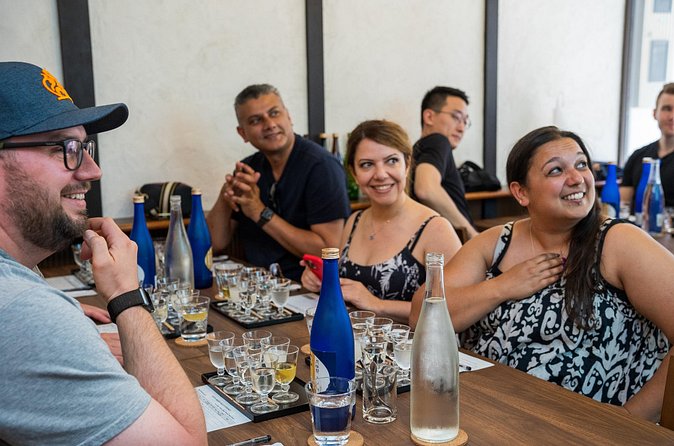
Many sake labels are written in Japanese, and restaurant menus may offer little help beyond a brand name and price. The included sake cheat sheet and tasting notes are meant to solve that problem.
Use the notes during the session rather than stuffing them into your bag for later. Mark the styles you prefer and write down words that describe them. You may find that you like dry sake with a clean finish, or perhaps a fuller, sweeter style. The purpose is not to assign you a single favorite forever. It is to help you recognize patterns in your own taste.
The guide also explains enough about sake varieties for you to make a more confident choice later. You may not become an expert after three hours, but you should be less dependent on guesswork when faced with a Japanese menu.
That practical payoff is one of the strongest reasons to consider the experience. The museum is tied to Fushimi, the tasting exposes you to a broad selection, and the notes help you continue exploring after the tour.
Is $92.24 a fair price?
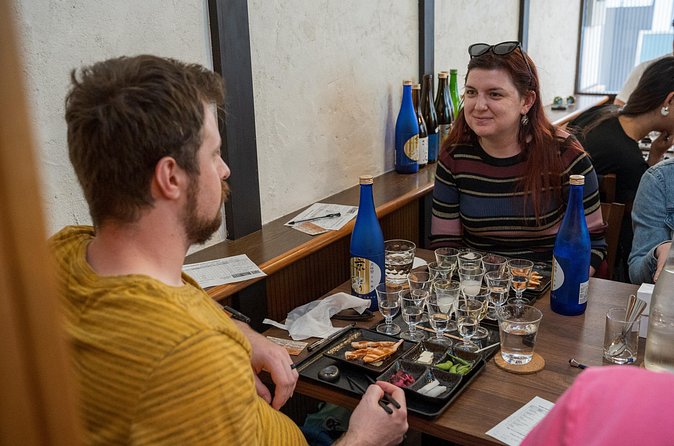
At $92.24 per person, this is not a cheap tasting, but the price covers three hours of structured activity. You receive a guided museum visit, 10-plus sake samples, otsumami, a certified sommelier, a private tasting room, and printed guidance.
The value depends on how you would otherwise explore Fushimi. If you simply want one or two drinks, you can spend much less elsewhere. If you want to understand sake, compare many types, and ask questions in English or through a guided format, the cost becomes easier to justify.
The included food also matters. You are not paying only for liquid samples. The snacks help make the tasting more useful, while the museum visit gives you a cultural and production background.
Transportation is extra. Since the meeting point is near public transportation and the tour ends there, you are responsible for getting to and from Fushimi. Build that into your Kyoto budget, especially if you are staying far from the area.
Who will get the most from this experience?
This tour fits you well if you already like sake but struggle to choose among unfamiliar bottles. It is also a good match if you want a structured introduction instead of wandering between bars and ordering at random.
You do not need to arrive as a sake expert. In fact, the session is designed for people who want to learn how to identify their preferences. The explanations cover basic flavor differences and production, so a curious beginner should have plenty to work with.
It also suits a small group of friends who want a shared Kyoto activity with a clear focus. The maximum of 12 keeps it from feeling like a large bus excursion, though it is not necessarily a private tour.
I would be more cautious if you dislike museum visits, cannot drink alcohol, or want a full meal. Participants under 20 receive non-alcoholic drinks only, since the legal drinking age in Japan is 20. Anyone with limited interest in tasting several alcoholic samples may find the three-hour format too long.
Timing, comfort, and responsible drinking
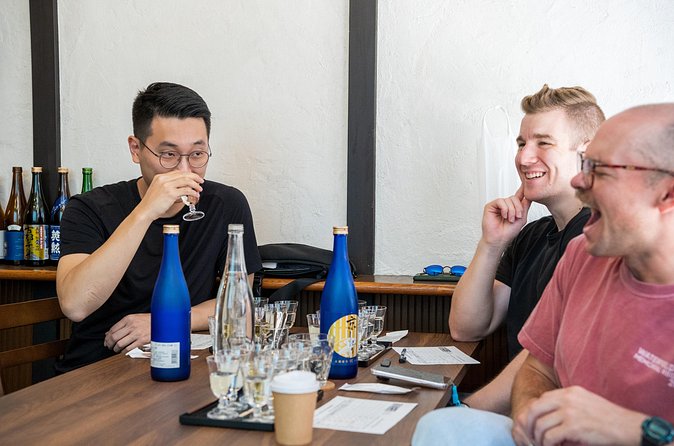
The experience lasts about three hours, divided into two roughly equal parts. That makes the pace easier to manage than a short tasting where you are rushed through a line of glasses.
Wear walking shoes. Only a small amount of walking is involved, but the activity includes a short walk to the local brewery museum. Bring water and eat before you arrive.
Do not drive to the tour. Japanese law strictly prohibits drinking and driving, and public transportation is the right choice. The activity does not include hotel transfers, so check your route to the Fushimi meeting point before booking.
The tour requires good weather and a minimum number of participants. If the operator cancels because of poor weather or insufficient numbers, you are offered another date or experience, or a full refund. Your own cancellation is different: the booking is non-refundable and cannot be changed for any reason.
The best reason to book
The strongest feature is the way the activity turns sake from a mystery into a set of choices. You taste more than 10 styles, learn what production does to flavor, test the drinks with otsumami, and leave with notes that can guide your next order.
The highest praise available for the experience focuses on how much you learn about sake making, flavors, and drinking, along with the well-organized tasting. That matches the tour’s design: it is not just a brewery stop followed by casual sampling. Each part prepares you for the next.
Should you book this Kyoto sake experience?
Book it if you want more than a quick drink and would like to understand what you are ordering in Japan. The combination of Fushimi’s brewing setting, the Kizakura Kappa Museum, 10-plus samples, food pairing, and a certified sake sommelier gives you plenty for the $92.24 cost.
Skip it if you want a full meal, dislike guided museum time, or need flexible cancellation. Also skip it if you are looking for a private experience for only your own party, since the group can reach 12 people.
For a sake-curious visitor, this is a practical Kyoto lesson. You taste widely, ask questions, and gain a simple system for choosing sake long after the glasses are cleared.
FAQ
Where does the Kyoto sake experience begin?
It begins at 271-1 Kurumamachi, Fushimi Ward, Kyoto, 612-8365, Japan.
Where does the activity end?
The experience ends back at the meeting point.
How long does the sake experience last?
It lasts approximately three hours. About 90 minutes are spent at the Kizakura Kappa Museum, followed by about 90 minutes of sake tasting and food pairing.
How many sake varieties are included?
The experience includes 10 or more sake types selected by a sake sommelier.
Is food included?
Yes. Traditional otsumami snacks are included for food pairing. A vegetarian snack option is available if you tell the guide on site.
Is transportation included?
No. Hotel pickup, hotel drop-off, and transportation to and from the attractions are not included. The meeting point is near public transportation.
Can people under 20 join the tasting?
Customers under 20 may participate, but they are served non-alcoholic drinks only. The legal drinking age in Japan is 20.
Can I cancel for a refund?
The experience is non-refundable and cannot be changed for any reason. If the operator cancels because of poor weather or because the minimum number of participants is not met, you are offered another date or experience, or a full refund.
More Sake Tasting in Kyoto
- 1.5-Hour Kyoto Insider Sake Experience with 7 Tastings & Pairings
★ 5.0 · 297 reviews - Kyoto: Insider Sake Experience with 7 Tastings and Snacks
★ 5.0 · 266 reviews - Private Tea Ceremony and Sake Tasting in Kyoto Samurai House
★ 5.0 · 163 reviews - Advanced Kyoto Insider Sake Tasting Experience
★ 5.0 · 44 reviews
More 3-Hour Experiences in Kyoto
- Kyoto: 3-Hour Fushimi Inari Shrine Hidden Hiking Tour
★ 4.9 · 270 reviews - All must-sees in 3 hours – Nara Park Classic Tour! From JR Nara!
★ 5.0 · 108 reviews - Kyoto Imperial Palace & Nijo Castle Guided Walking Tour – 3 Hours
★ 4.5 · 106 reviews - Kyoto: Personalize, private tour (3h, 5h, 8h) [W/Car Option]
★ 4.9 · 24 reviews
Recently added around Kyoto
- Higashiyama | Kyoto: Sakura Season Private Rickshaw Tour★ 5.0 · 3 reviews
- Kyoto Kimono Rental CHAMATSU|Kimono/Yukata Rental FamilyPlan★ 5.0 · 3 reviews
- Kyoto: Half-Day Private Guided Tour to the Old Town of Gion★ 4.4 · 3 reviews
- Nara Private Customizable Half Day Tour★ 5.0 · 3 reviews
- Kansai Region Hiking Adventure in Nara Kobe Kyoto and More★ 5.0 · 3 reviews
- Full Day Nara Deer, Temple, Shrine, Activities & Tea Ceremony★ 5.0 · 3 reviews
- Nara: Essential Private Tour with Deer Park and Temples★ 5.0 · 3 reviews
- Hiking Tour for Sacred Sites in Kyoto with a Guide★ 5.0 · 3 reviews
Sake Tasting, compared.
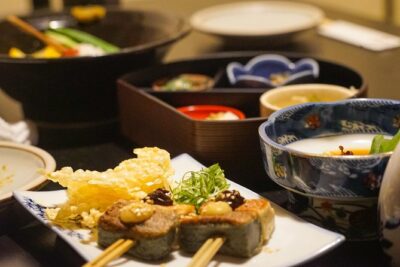
Kyoto Night Foodie Tour in Gion (9+ dishes + 6 Sake tastings)
Read our review →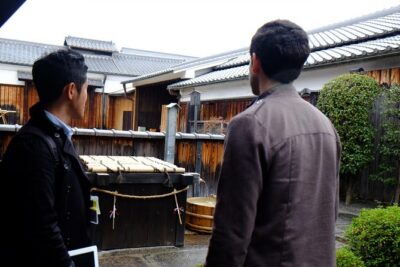
3-Hour Kyoto Insider Sake Brewery Tour with Tastings & Pairings
Read our review →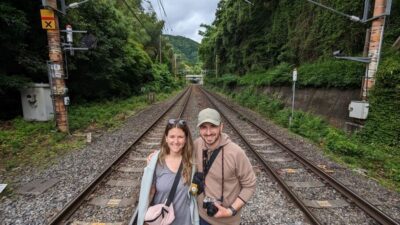
Arashiyama Bamboo, Temple, Monkeys, or Secret Sake Brewery
Read our review →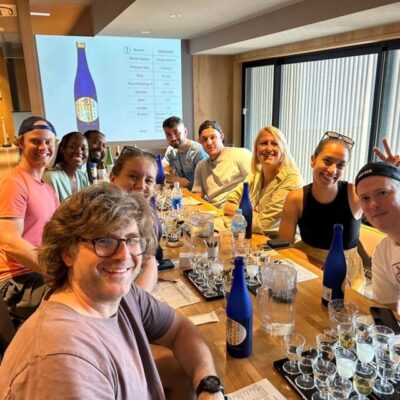
Insider Sake Brewery Tour with Sake and Food Pairing
Read our review →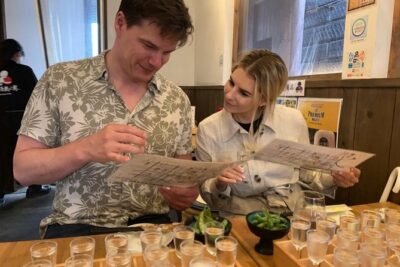
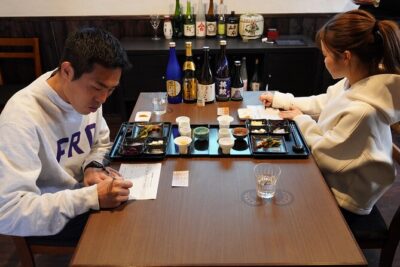
1.5-Hour Kyoto Insider Sake Experience with 7 Tastings & Pairings
Read our review →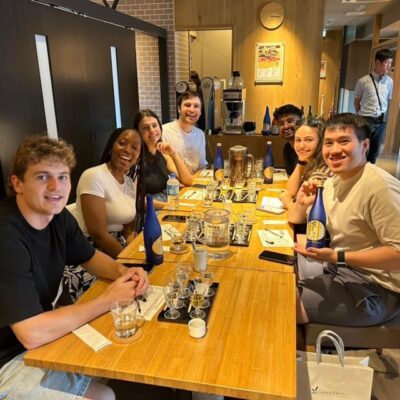
Insider Sake Experience with 7 Tastings and Snacks
Read our review →
Private Tea Ceremony and Sake Tasting in Kyoto Samurai House
Read our review →Browse the lists this tour appears in