
REVIEW · FUSHIMI INARI SHRINE TOURS
Kyoto: Fushimi Inari Shrine and Tofukuji Temple E-Bike Tour
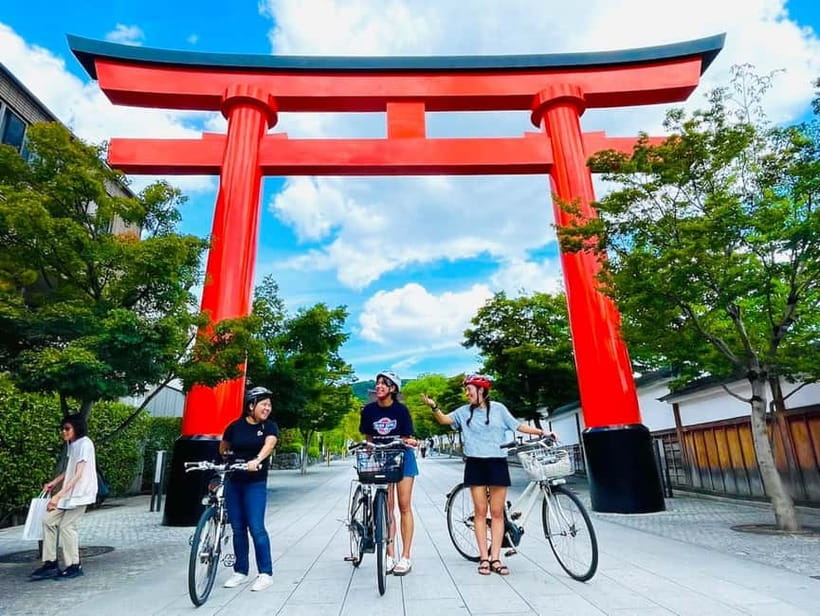
Kyoto’s famous sights are easier to understand when you connect them by bicycle. This four-hour e-bike tour takes you from Gion’s geisha district through quieter streets and along the river to Fushimi Inari Shrine and Tofukuji Temple. Guide Maki adds history, humor, personal stories, and practical help along the way.
I like two things here: the route mixes major sights with ordinary neighborhoods, and the electric bicycles make Kyoto’s longer stretches and steeper sections manageable. The main consideration is time. Fushimi Inari is a huge shrine complex, so this is an introduction rather than a full exploration of every path.
Key points
- Four-hour Kyoto route: Ride from Higashiyama-Sanjyo through Gion, local neighborhoods, Fushimi Inari, and Tofukuji.
- Small group of up to eight: The limited group size makes it easier to hear Maki and ask questions.
- Easy electric bicycles: The bikes help on inclines and when your legs begin to tire.
- Culture beyond the postcard: Learn about Shinto, Buddhism, geisha customs, Japanese traditions, and daily life.
- A calm Zen finish: Pause at Tofukuji Temple’s garden before riding back beside the river.
- Useful inclusions: Your fee covers the bike, helmet, insurance, water, a snack, and entry to two places.
In This Review
- Why an E-Bike Is a Smart Way to See Kyoto
- Starting Near Higashiyama-Sanjyo
- Gion, Geisha Customs, and the Kyoto You Do Not See from a Bus
- Fushimi Inari Shrine and the Meaning of the Torii Gates
- Tofukuji Temple and a Quiet Zen Pause
- The Ride Back Along the River
- Maki’s Role in the Experience
- Price, Pace, and What You Receive for $83
- Who Should Book This Kyoto Bike Tour?
- Should You Book It?
- FAQ
- How long is the Kyoto e-bike tour?
- Where does the tour meet?
- Which language is the tour conducted in?
- How many people are in the group?
- Are electric bicycles and helmets included?
- Are entrance fees included?
- What should I bring and wear?
Why an E-Bike Is a Smart Way to See Kyoto
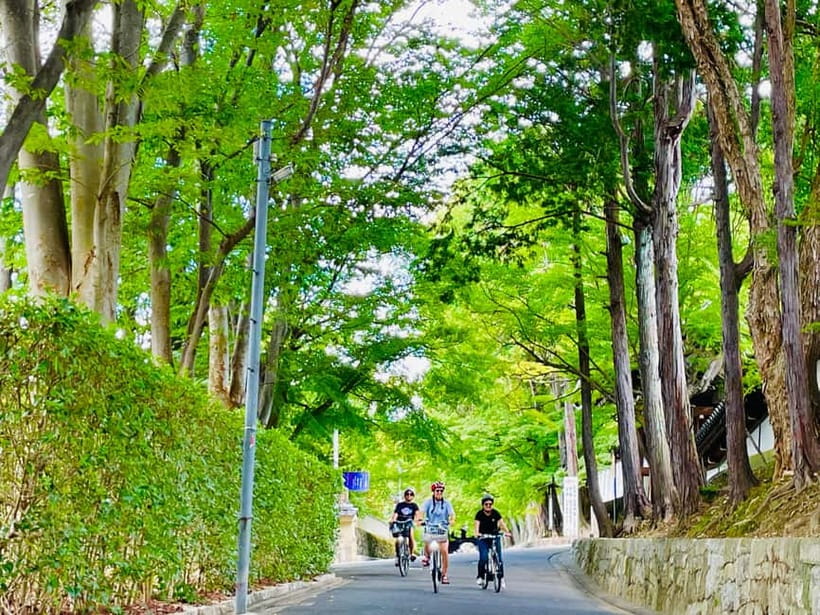
Kyoto’s central sights are spread across a broad area. You can use trains and buses, but moving by bicycle gives you a better sense of how the city fits together. You pass from old lanes to residential streets, from temple walls to ordinary homes, and from the busy center to the southern suburbs.
The e-bike matters here. You still pedal, but the electric assistance takes the sting out of hills and helps when the afternoon heat or a long ride begins to wear you down. Several parts of the route use city roads, and the tour begins with an explanation of how to ride safely in Japan.
You should be comfortable on a bicycle, but you do not need to be a serious cyclist. The route includes frequent stops, and the pace is designed for sightseeing rather than speed. The supplied bikes have been described as clean, sturdy, and well maintained, which is important when you are riding through unfamiliar streets.
The tour is limited to eight participants. That is large enough to have some company but small enough for a guide to keep an eye on the group. If you are worried about traffic, Maki’s directions and use of quieter side streets should help. You will still encounter some busy roads, so stay alert and follow her signals.
Starting Near Higashiyama-Sanjyo
The meeting point is Pedal Adventure Kyoto, near Higashiyama-Sanjyo. This is not a hotel pickup service, so you need to make your own way to the shop. Allow enough time to arrive, especially if you are unfamiliar with Kyoto’s street layout.
The first part of the outing is practical. You receive your e-bike, helmet, and riding orientation before setting off. Use this time to adjust the saddle, test the electric assistance, and ask about braking or gear changes. A short setup can make the next four hours far more comfortable.
Wear clothing that lets you move freely and shoes suitable for both riding and walking. Sunscreen is sensible on clear days, and a water bottle is worth bringing even though water is included. A camera also earns its place, since the route includes temple gardens, shrine gates, river views, and quieter streets that are easy to miss from a bus.
More ways to walk Fushimi Inari:
- Kyoto: Fushimi Inari, Kinkakuji, Bamboo Grove 1 Day Bus Tour
★ 4.8 · 4,316 reviews - Fushimi Inari Hidden Hiking Tour (Private Option Available)
★ 5.0 · 1,750 reviews - Kyoto/Osaka: Nara, Fushimi Inari Taisha, Arashiyama Bus Tour
★ 4.7 · 1,275 reviews
Gion, Geisha Customs, and the Kyoto You Do Not See from a Bus
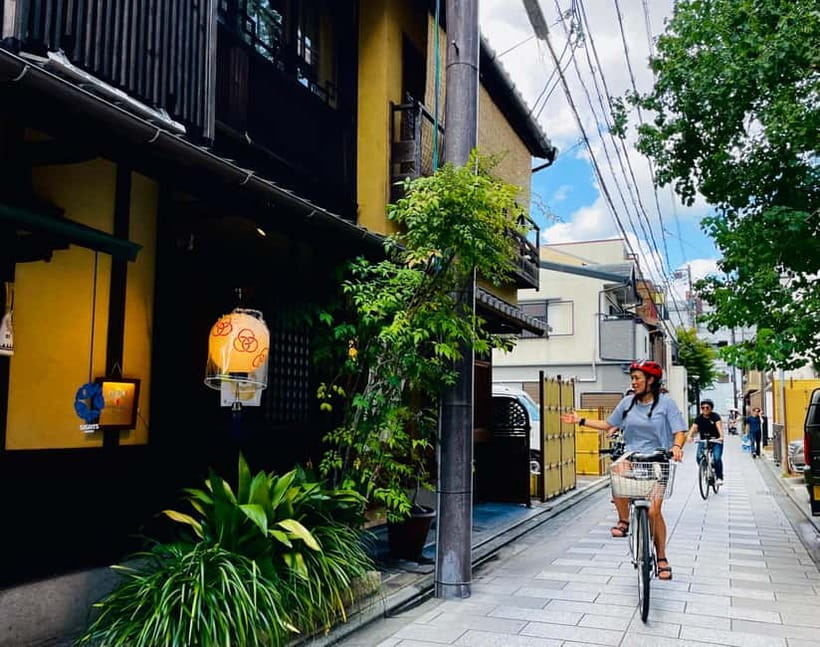
The ride heads through Gion, Kyoto’s best-known traditional district. Its lanes, wooden buildings, and tea-house culture are closely linked with geisha, known in Kyoto as geiko and maiko depending on their role and training. The value of having a local guide here is that you receive context rather than simply passing attractive streets.
Maki explains Kyoto customs and the etiquette connected with traditional neighborhoods. You can ask questions as you go, including questions about religion, daily routines, Japanese manners, or the difference between what you see in a tourist district and what is part of normal local life.
The route does not stay only in the polished center. You also cycle through residential streets and suburban areas where the city feels more lived-in. That change is one of the tour’s best features. Kyoto becomes more than a collection of temples when you see the smaller roads, rivers, creeks, and everyday surroundings between the major stops.
The group usually stops before explanations, rather than trying to listen while riding. One practical point is that the guide’s talks take place after everyone gathers, so stay close to the group and move in promptly at each stop. One rider suggested that a microphone and earpiece could help people hear every word, especially when the group is spreading out. It is a minor issue, but worth knowing if clear audio is especially important to you.
Fushimi Inari Shrine and the Meaning of the Torii Gates
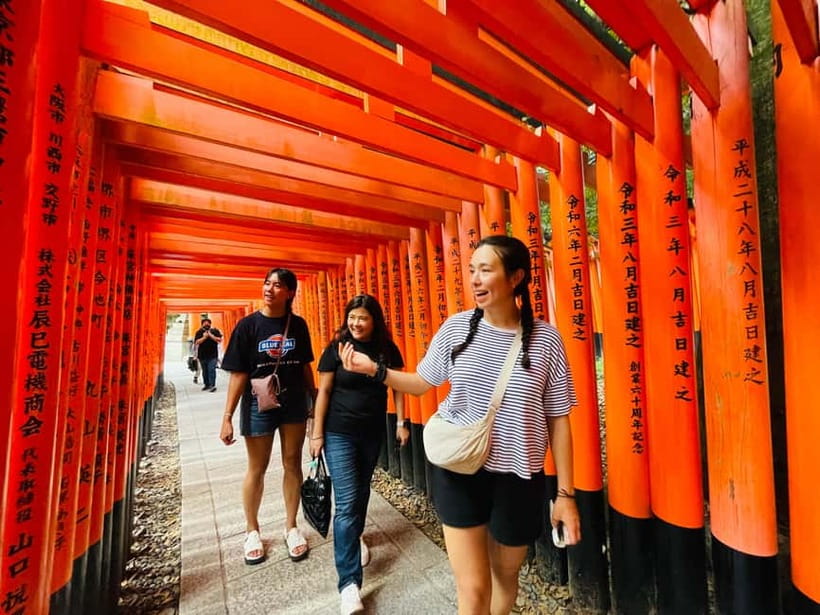
Fushimi Inari Shrine is the tour’s headline stop, and for good reason. It is one of Japan’s most recognizable religious sites, famous for its long rows of orange torii gates climbing into the wooded hills.
The shrine is dedicated to Inari, a Shinto deity associated with rice, agriculture, business, and prosperity. Fox statues appear throughout the grounds because foxes are regarded as messengers of Inari. Your guide explains the symbolism and the basic customs of visiting a Shinto shrine, so the gates and buildings become easier to read.
You may already have seen photographs of the torii tunnel, but the experience is different when you understand that many gates were donated by individuals and businesses. Each one represents a wish, thanks, or connection with the shrine. Look closely at the inscriptions on the back of the gates, where the donor and date are recorded.
Fushimi Inari can be crowded, particularly around its lower section. The tour gives you a planned visit, but not unlimited time. You should not expect to walk the entire mountain trail during this half-day outing. If exploring every upper trail is a major goal, return independently on another morning and allow several hours.
That time limit is the clearest compromise in the itinerary. You gain access to one of Kyoto’s essential sights while still visiting other places, but you may wish for longer at Fushimi Inari. The trade-off suits people who want variety and cultural explanation more than those who want one shrine in great depth.
Tofukuji Temple and a Quiet Zen Pause
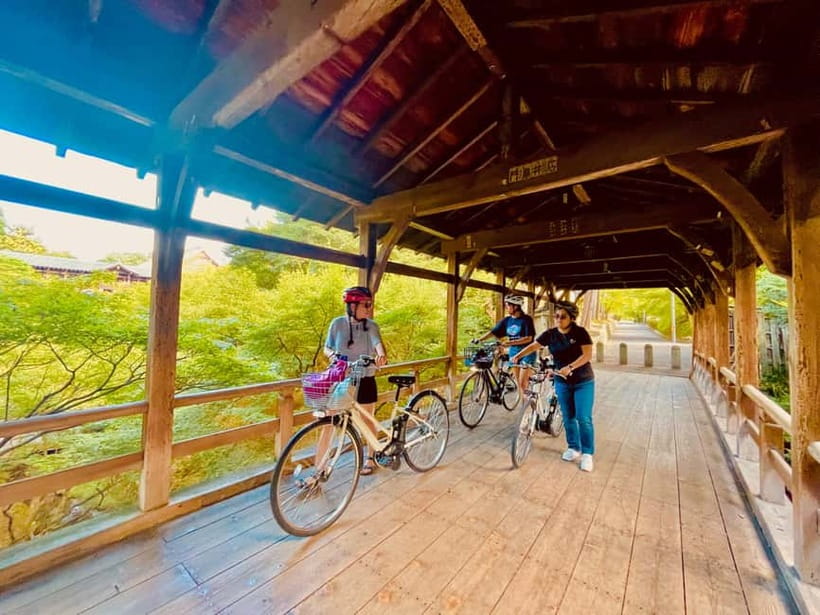
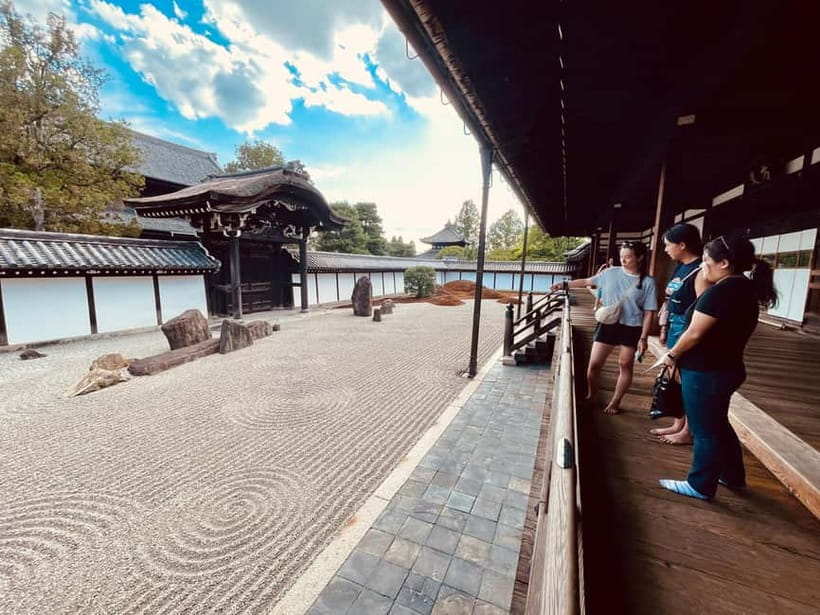
After Fushimi Inari, the route continues to Tofukuji Temple. The temple is known for its Zen setting and garden, which provides a welcome change after the crowds and visual intensity of the shrine.
Here, the tour slows down. Maki allows time to sit, reflect, and take in the garden rather than filling every minute with facts. I like this part of the plan because Kyoto’s religious sites are not just places to photograph. A quiet pause gives you a chance to notice the layout, the stillness, and the way the garden frames space.
Your guide also helps explain the difference between Shinto and Buddhism in Japan. That distinction can be confusing at first, since people may visit both shrines and temples and take part in customs connected with both traditions. A clear explanation at Tofukuji gives you a useful foundation for the rest of your time in Kyoto.
The included entrance fee covers two places, which makes the stop straightforward. As with Fushimi Inari, your visit is part of a wider route, not a detailed temple study. If you are an avid garden enthusiast, you may want a separate visit later with more time to examine Tofukuji’s grounds.
More Kyoto temples worth a morning:
- Kyoto: Tea Ceremony Ju-An at Jotokuji Temple
★ 4.9 · 3,207 reviews - Arashiyama Bamboo, Temple, Monkeys, or Secret Sake Brewery
★ 4.8 · 886 reviews - Kyoto: Arashiyama Bamboo Forest, Monkeys, Matcha & Temple Tour
★ 5.0 · 759 reviews - Kyoto: Ninnaji Temple Entry Ticket
★ 4.2 · 650 reviews
The Ride Back Along the River
The return journey is one of the most pleasant sections of the outing. The route follows the river for part of the way back toward the shop, offering a more open setting after the narrow city streets and temple approaches.
This final stretch also shows why a bicycle works so well in Kyoto. You are not waiting for a bus or walking the full distance between districts. You are moving at a human pace, with enough time to notice the water, bridges, trees, and changing neighborhoods.
The ride back should feel easier than the start because you know how the bicycle handles and the electric assistance can help when fatigue sets in. You still need to watch the road, pedestrians, and other cyclists. This is an active sightseeing tour, not a passive ride.
Maki’s Role in the Experience
The route is useful, but Maki is central to how the day feels. She leads in English and combines historical explanation with personal stories, jokes, and local observations. Her style is energetic and friendly without turning the tour into a lecture.
She uses visual material, including a binder with pictures, to explain subjects that are hard to grasp from a quick glance at a building. That can be particularly helpful when discussing samurai conflicts, religious customs, or the changing role of geisha in Kyoto.
Maki also takes photographs for the group, which is a thoughtful touch for families and couples. Several parts of the route make good group-photo stops, and you can ask her to take pictures rather than relying only on hurried phone shots.
Families with teenagers have found the format a good fit. Young participants can ride, ask questions, and avoid spending seven or eight hours moving from one temple to another. A child must be at least 12 years old, and the tour is not suitable for pregnant people or those with mobility impairments.
Price, Pace, and What You Receive for $83
At $83 per person, this is not the cheapest way to see Kyoto’s temples. The value comes from combining transport, a guide, cultural interpretation, equipment, and entry fees in one four-hour outing.
The price includes the live English-speaking guide, electric bicycle, helmet, insurance, a snack, water bottle, and admission to two places. Lunch is not included, and neither is hotel pickup or drop-off, so you should budget for food and your own transport to the meeting point.
I consider the tour good value if you want an active introduction to Kyoto. You would need to rent a bicycle, plan a safe route, learn where to stop, and arrange entry fees on your own. The guide’s local knowledge also helps you reach residential roads and less familiar shrines that are not obvious on a standard sightseeing route.
The value is weaker if you want a slow, highly detailed visit to Fushimi Inari or Tofukuji. Four hours passes quickly once you include bike fitting, riding, stops, and explanations. This is a sampler with real substance, not a full-day religious architecture tour.
Free cancellation up to 24 hours before the start and the option to reserve now and pay later make booking less risky. Check the available start times carefully, since the exact schedule can vary.
Who Should Book This Kyoto Bike Tour?
I would choose this tour for a first visit to Kyoto, especially if you want orientation before exploring on your own. It shows you how the districts connect and gives you background that can make later temple visits more meaningful.
It also suits couples, families with older children, and friends who enjoy light exercise. The e-bike keeps the route accessible to ordinary riders, and the frequent stops prevent it from becoming a fitness challenge.
You should think twice if you dislike cycling in urban areas, even though the guide works to keep the group safe. Busy roads are part of getting around Kyoto, and you must be able to ride, stop, and follow directions.
The tour is also not suited to children under 12, pregnant people, or people with mobility impairments. Comfortable clothing, proper shoes, sun protection, and hydration will make a noticeable difference.
Should You Book It?
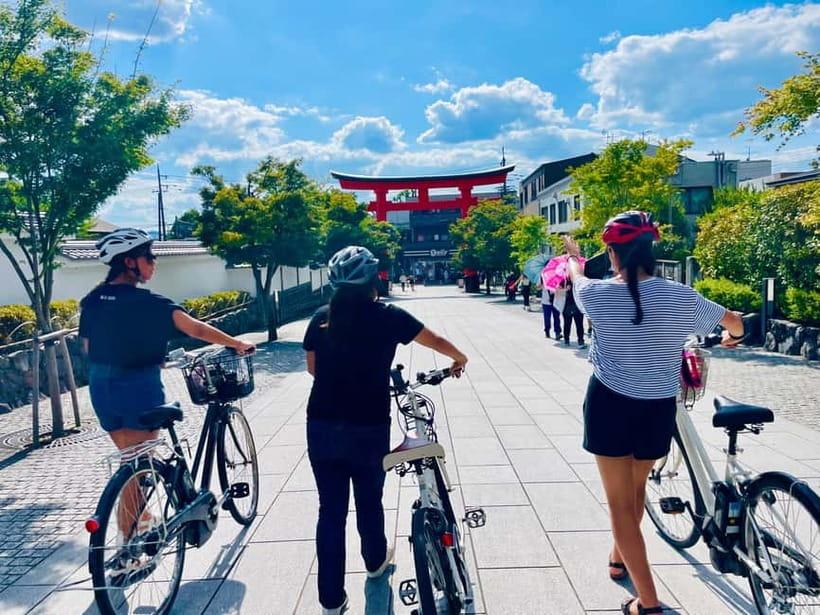
Book this tour if you want Kyoto’s major sights mixed with local streets, river riding, and clear explanations of Shinto, Buddhism, geisha customs, and Japanese life. Maki’s humor and personal stories add warmth, while the e-bikes let you cover more ground without exhausting yourself.
Skip it if you want to spend most of the day at Fushimi Inari alone or prefer a purely walking-based temple tour. For everyone else, the combination of a small group, easy bikes, strong guiding, and varied scenery makes $83 a fair price for a well-paced half day.
FAQ
How long is the Kyoto e-bike tour?
The tour lasts four hours, including riding, sightseeing stops, cultural explanations, and time at the temples and shrine.
Where does the tour meet?
The meeting point is Pedal Adventure Kyoto, near Higashiyama-Sanjyo. Hotel pickup and drop-off are not included.
Which language is the tour conducted in?
The tour is conducted in English with a live local guide.
How many people are in the group?
The group is limited to eight participants.
Are electric bicycles and helmets included?
Yes. The electric bicycle rental and helmet are included in the price. Insurance is also included.
Are entrance fees included?
Yes. Entry fees for two places are included. The itinerary includes Fushimi Inari Shrine and Tofukuji Temple.
What should I bring and wear?
Wear comfortable clothing and shoes suitable for cycling and walking. Sunscreen, a water bottle, and a camera are recommended. Smoking and alcoholic drinks in the vehicle are not allowed.
More Bike Days Around Kyoto
- Hidden Kyoto E-Biking tour
★ 5.0 · 1,843 reviews - Bike Tour Exploring North Kyoto plus Lunch
★ 5.0 · 1,087 reviews - Arashiyama Bamboo Forest & Hidden Gems Bike Tour (Early Bird)
★ 5.0 · 613 reviews - 5 Top Highlights of Kyoto Full Day Bike Tour (E-bike option)
★ 5.0 · 511 reviews
More Shrines in Kyoto
- KYOTO Tea Ceremony with kimono near by Imamiya Jinjya Shrine
★ 5.0 · 343 reviews - Kyoto: 3-Hour Fushimi Inari Shrine Hidden Hiking Tour
★ 4.9 · 270 reviews - E-Bike Nara Highlights – Todaiji, Knives, Deer, Shrine
★ 4.8 · 186 reviews - Kyoto Magical Night English Tour: Gion & Fushimi Inari Shrine
★ 5.0 · 97 reviews
Recently added around Kyoto
- Higashiyama | Kyoto: Sakura Season Private Rickshaw Tour★ 5.0 · 3 reviews
- Kyoto Kimono Rental CHAMATSU|Kimono/Yukata Rental FamilyPlan★ 5.0 · 3 reviews
- Kyoto: Half-Day Private Guided Tour to the Old Town of Gion★ 4.4 · 3 reviews
- Nara Private Customizable Half Day Tour★ 5.0 · 3 reviews
- Kansai Region Hiking Adventure in Nara Kobe Kyoto and More★ 5.0 · 3 reviews
- Full Day Nara Deer, Temple, Shrine, Activities & Tea Ceremony★ 5.0 · 3 reviews
- Nara: Essential Private Tour with Deer Park and Temples★ 5.0 · 3 reviews
- Hiking Tour for Sacred Sites in Kyoto with a Guide★ 5.0 · 3 reviews
Fushimi Inari Shrine Tours, compared.
Fushimi Inari, Kinkakuji, Bamboo Grove 1 Day Bus Tour
Read our review →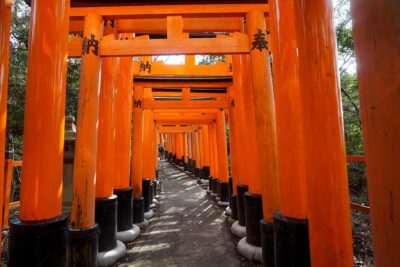
Fushimi Inari Hidden Hiking Tour (Private Option Available)
Read our review →
Kyoto/Osaka: Nara, Fushimi Inari Taisha, Arashiyama Bus Tour
Read our review →
Nijo, Kinkaku-ji, Arashiyama, Kiyomizu & Fushimi Inari
Read our review →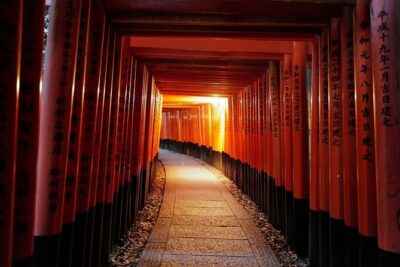
Kyoto Early Bird English Tour: Fushimi-Inari and Arashiyama
Read our review →
Fushimi, Arashiyama – Bamboo, Monkey, Torii & Secrets
Read our review →Browse the lists this tour appears in