
REVIEW · KYOTO TEA CEREMONY EXPERIENCES
Authentic Tea Ceremony & Sushi in The Museum of Kyoto
The most unusual part of this Kyoto experience is the pairing of sushi made in front of you with a formal tea ceremony. One moment centers on precise knife work and fresh seafood. The next slows down around a bowl of matcha, traditional sweets, and the quiet design of a small garden.
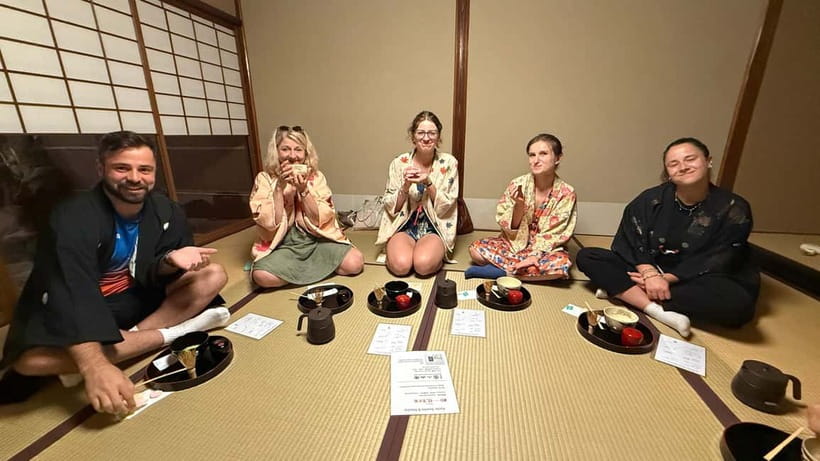
I like the hands-on elements: you wear a traditional haori and whisk your own matcha instead of only watching. I also like the setting, a traditional Japanese house on the basement floor of The Museum of Kyoto, with an Edo-period atmosphere and a carefully made miniature garden. The main consideration is the price, $133 per person, and the food restrictions. This is not suitable for vegans or vegetarians, and children under 10 cannot join.
In This Review
- Key points
- Sushi Shin sets the tone with precision
- The basement house offers a quiet change of pace
- Wearing a haori makes the ceremony feel personal
- Chanoyu explained without turning it into a museum lecture
- Premium matcha and Kyoto sweets finish the tea portion
- Choosing between the 11:00 and 13:30 sessions
- Is $133 a fair price?
- Who should book this experience?
- What the strongest praise tells you
- Practical booking advice for Kyoto
- Should you book it?
- FAQ
- Where does the experience begin?
- Where does the experience end?
- How much does the experience cost?
- What happens in the 11:00 session?
- What happens in the 13:30 session?
- Is a traditional garment provided?
- Will I make my own matcha?
- Which languages are available?
- Can I cancel for a full refund?
Key points
- Sushi is prepared directly in front of you by a highly trained master chef.
- The order changes by session: at 11:00, tea comes before sushi; at 13:30, sushi comes first.
- You wear a haori while learning about chanoyu, tea utensils, and Japanese customs.
- You whisk your own premium matcha and pair it with Kyoto sweets.
- The setting is a traditional house inside The Museum of Kyoto, looking onto a miniature garden.
- English and Japanese support is available, with cancellation allowed up to 24 hours before the start for a full refund.
Sushi Shin sets the tone with precision
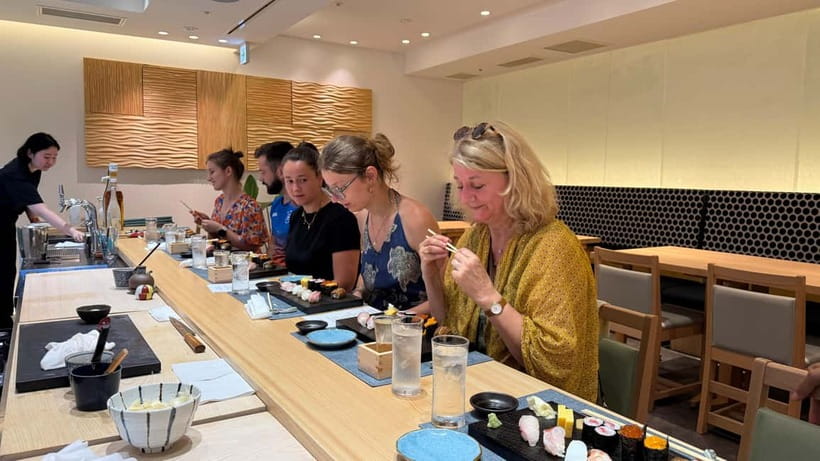
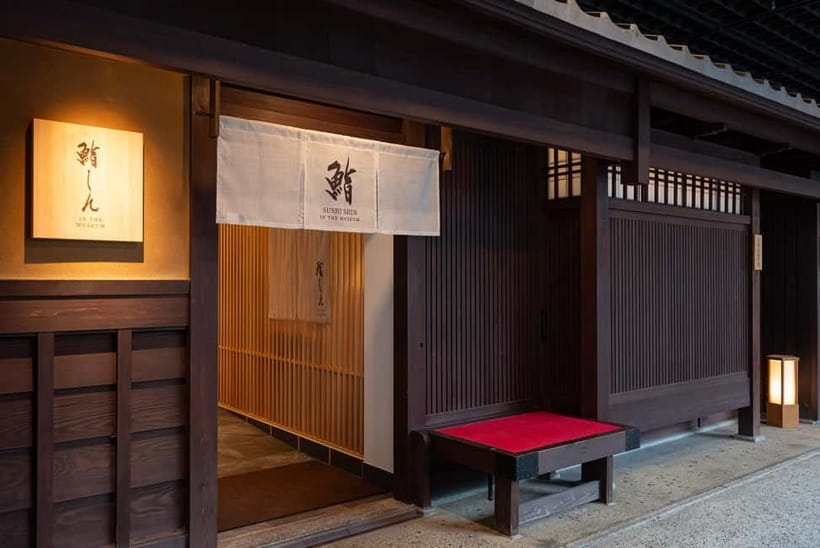
Your meeting point is Sushi Shin, inside The Museum of Kyoto. That detail matters. You do not need to travel out to a remote tea house or arrange a second transfer across the city. The experience begins at a clear cultural landmark, then moves into a more intimate space on the museum’s basement floor.
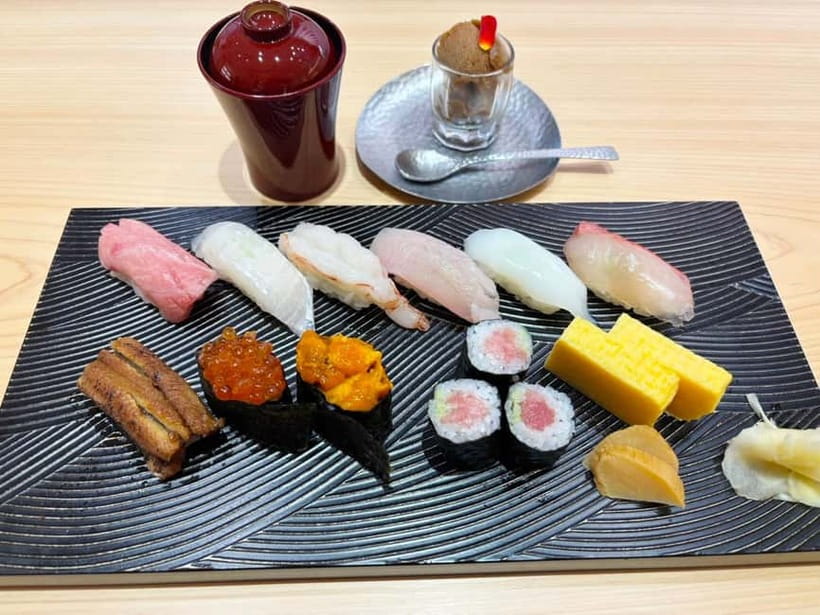
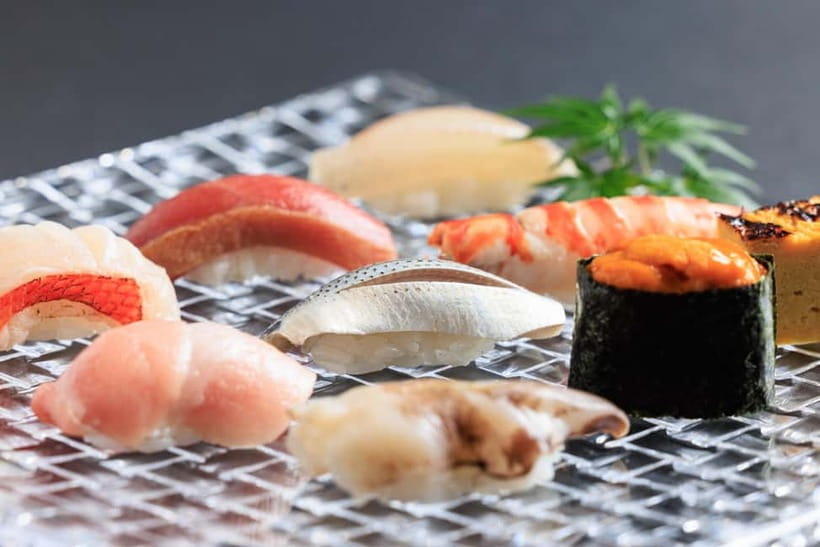
The sushi is prepared directly in front of you. That gives the meal a small performance element, but the value is not just in watching a chef work. You can see the care behind each piece, from the handling of the rice to the final preparation. The available feedback is especially strong on this part: the sushi is described as fresh, exceptionally good, and made right before the diners.
The chef is presented as a master with years of training. No chef’s name is provided, so you should not expect a named celebrity encounter. Instead, the focus is on technique and the chance to observe sushi being made at close range.
Pay close attention to your booking time. At the 11:00 session, the tea ceremony comes first and sushi is served at the end. At 13:30, the order is reversed, with sushi at the beginning. This may affect your choice if you want a full meal before sightseeing, or prefer to finish with sushi after the quieter cultural portion.
More tea ceremonies in Kyoto:
- Kyoto: Tea Ceremony in a Traditional Tea House in Kiyomizu
★ 4.9 · 3,519 reviews - Kyoto: Tea Ceremony Ju-An at Jotokuji Temple
★ 4.9 · 3,207 reviews - Kyoto: 45-Minute Tea Ceremony Lesson Experience
★ 4.3 · 2,378 reviews
The basement house offers a quiet change of pace
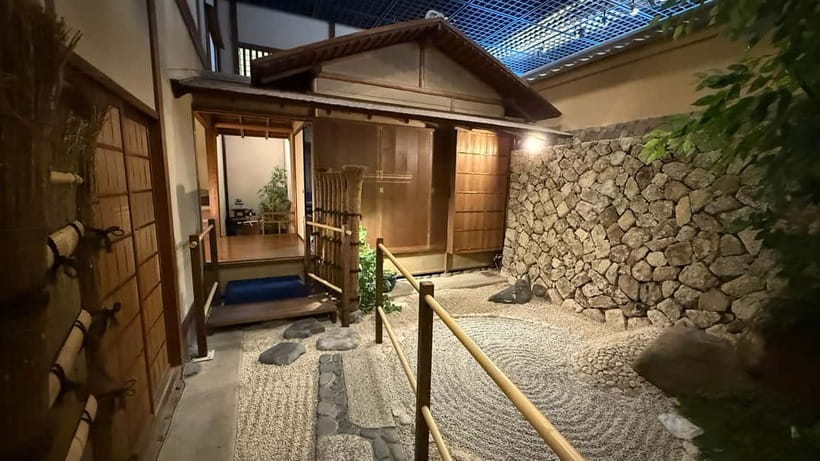
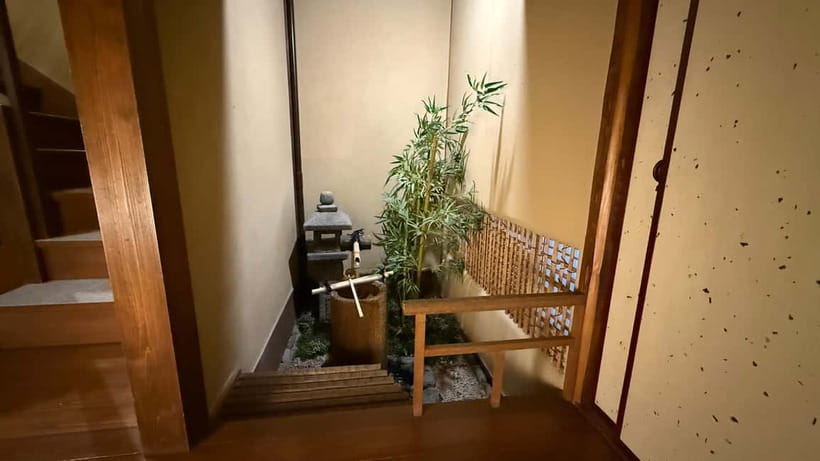
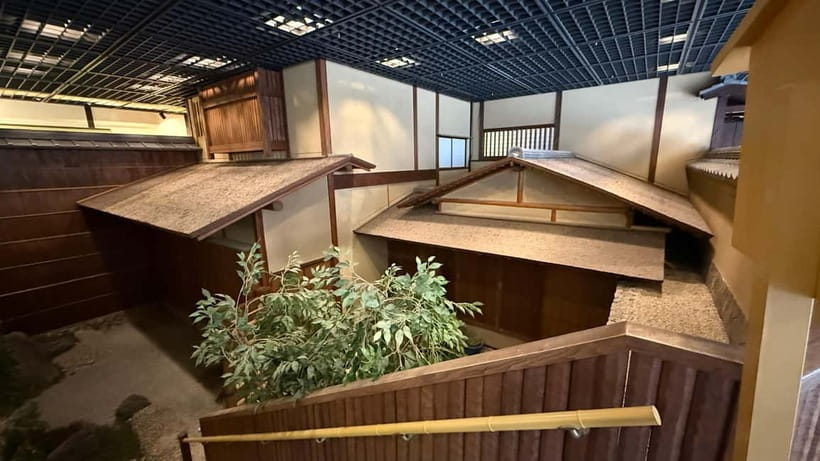
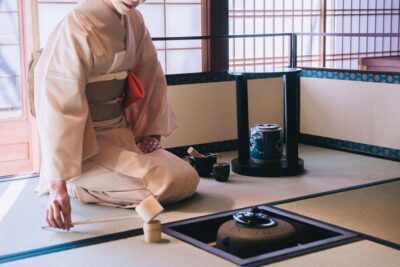
After, or before, the sushi portion, you enter a traditional Japanese house on the museum’s basement floor. The setting is designed to recall the elegant atmosphere of the Edo period. You will also be able to look at a meticulously arranged miniature garden.
The garden is not described as a large outdoor site, so keep your expectations sensible. This is a crafted view within a compact cultural setting, not a stroll through a famous Kyoto temple garden. Its appeal lies in the way it frames the tea ceremony and gives you something quiet to study while the explanation unfolds.
I like this change in scale. Kyoto can be tiring, especially after a morning of temples, crowds, and streets. Here, the experience asks you to slow down and notice small details: the room, the utensils, the garden, the movement of preparing tea.
The basement location also means this is not a grand historic tea house that you enter from a garden path. Its value comes from the careful interior design and the way the house creates a separate mood within the museum.
Wearing a haori makes the ceremony feel personal
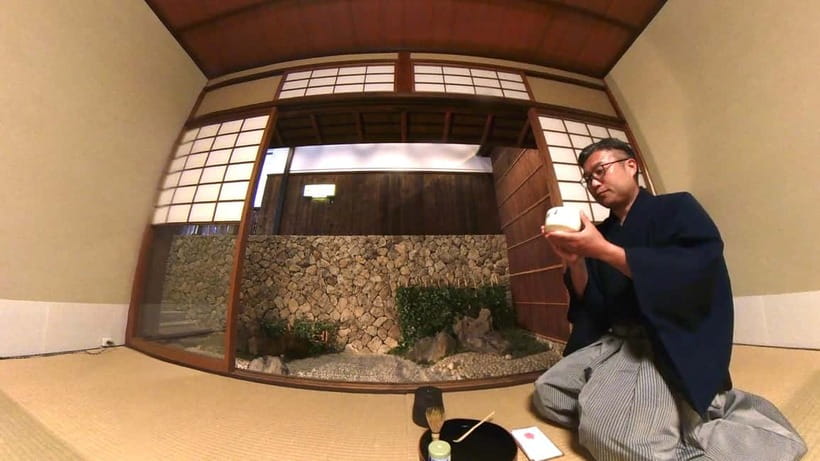
You will be given a traditional haori, a kimono-style jacket, to wear during the experience. This is a simple touch, but it helps you feel involved rather than positioned as an observer behind a rope or display case.
A haori is not a full kimono, so you should not confuse this with a complete dressing session. Still, putting on a traditional garment changes the feel of the activity. It also makes the ceremony more memorable in photographs, if photography is permitted by the venue. The supplied information does not specify photography rules, so ask on arrival before taking pictures.
The haori also gives the host a natural way to explain Japanese clothing and ceremony customs. The main cultural lesson, however, centers on chanoyu, the Japanese tea ceremony, and the utensils used to prepare and serve matcha.
Chanoyu explained without turning it into a museum lecture
The host provides a brief explanation of the history and cultural origins of chanoyu. You will also learn about the traditional utensils used in the ceremony. This background is important because the ceremony can otherwise seem like a series of slow, formal movements with no clear reason behind them.
The experience is available in English and Japanese. That makes it practical for international visitors, though the supplied information does not name the individual guide. You can expect cultural explanation, but the description promises a brief introduction rather than a long academic talk.
That balance suits this kind of booking. I want enough context to understand why the bowl, whisk, sweets, and gestures matter. I do not need a full university lecture before drinking tea. The strongest response to this experience specifically praises the explanations, so the teaching element appears to be a central part of the visit, not an afterthought.
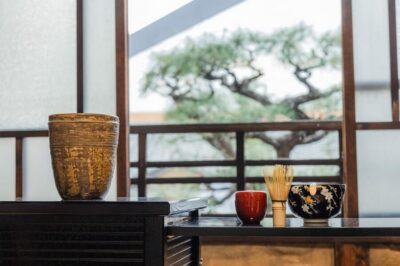
You should pay attention to the utensils. Their role is not simply decorative. The ceremony gives you a chance to see how traditional objects are handled and why the preparation follows a set rhythm.
More sushi counters and classes:
- Sushi Making in Kyoto! Same-day bookings welcome!
★ 5.0 · 713 reviews - The Original Small-Group Sushi Making Class in Kyoto
★ 5.0 · 436 reviews - Kyoto: Small-Group Authentic Sushi Making Workshop
★ 5.0 · 137 reviews - Sushi – Authentic Japanese Cooking Class – the best souvenir from Kyoto!
★ 5.0 · 93 reviews
Premium matcha and Kyoto sweets finish the tea portion
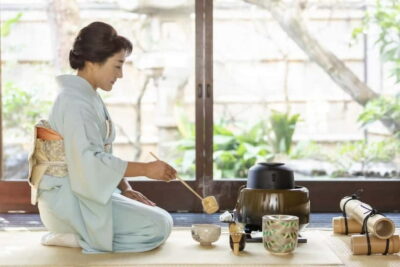
The tea portion includes premium, rare matcha and a traditional Kyoto sweet. You will whisk your own bowl of matcha, then enjoy it with the sweet. This is the most active part of the ceremony and gives you something to do with your hands.
Do not expect matcha to taste like a sweet green tea latte. Proper matcha can be grassy, bitter, creamy, or intense, depending on the tea and how it is prepared. The experience emphasizes a rare, high-quality matcha unlike ordinary versions you might find in a café. The strongest praise focuses on the quality of the tea, with the matcha described as exceptionally good.
The sweet is not just a separate dessert. Traditional Japanese sweets are often paired with matcha so the sweetness balances the tea’s sharpness. The supplied details do not identify the exact sweet, so you should not book expecting a particular confection.
You will be shown how to whisk your own tea. That makes this more than a tasting. It also means your bowl may not look exactly like the host’s, and that is part of the fun. The activity is designed to let you try the technique, not test you on it.
Choosing between the 11:00 and 13:30 sessions
The two listed session times have different food sequences.
At 11:00, the tea ceremony comes first and sushi is served at the end. This works well if you want to begin with the quiet cultural portion and finish with a substantial meal. It may also suit a morning schedule that leaves your afternoon open for Kyoto sightseeing.
At 13:30, sushi is served first, followed by the tea ceremony. This order may appeal if you want lunch before moving into the slower, more reflective part of the activity. It also lets you treat the tea ceremony as the closing portion rather than rushing away immediately after it.
No total duration is provided, so leave room in your schedule rather than booking a tight connection afterward. The activity returns to its starting point at Sushi Shin, which makes planning easier, but you should still allow extra time for the meal, explanations, and tea preparation.
Is $133 a fair price?
At $133 per person, this is not a budget lunch or a quick introduction to matcha. You are paying for several elements together: sushi prepared by a master chef, premium matcha, Kyoto sweets, use of a haori, cultural instruction, traditional utensils, and a specially designed setting inside The Museum of Kyoto.
The value depends on what you want from Kyoto. If your priority is simply eating the most food for the lowest price, this is not the right choice. You can find cheaper sushi and less expensive matcha elsewhere.
I see stronger value if you want a compact experience that joins cuisine with tradition. Instead of booking a separate sushi meal and tea ceremony, you get both in one place. The small group atmosphere is suggested by the intimate setting, though the exact group size is not provided, so you should not assume a private booking.
The price also makes sense for a special occasion, a first visit to Japan, or a day when you want one polished cultural activity rather than a long list of sights. The five-star rating from three published ratings supports the positive impression, but the sample is small. I would treat it as encouraging rather than proof that every part will suit every person.
Who should book this experience?
I would recommend it to adults and older children who are curious about both Japanese food and ceremony. It is especially suitable if you value being shown how something is done, not just being handed a finished product.
It is a good match for:
- First-time visitors who want two classic Japanese experiences in one booking.
- Food lovers interested in watching sushi preparation.
- Museum visitors who prefer a quiet cultural activity after sightseeing.
- Couples or small groups looking for a polished meal with a traditional setting.
- People who want to try making matcha under guidance.
- Visitors who appreciate Japanese design, utensils, clothing, and food customs.
The age rule is firm: children under 10 are not suitable for this activity. The experience is also not suitable for vegans or vegetarians, so do not assume the sushi menu can be adapted. If you have an allergy, tell the provider in advance. That is particularly important for a meal centered on sushi, since the available information does not list specific ingredients or substitutions.
The activity is not suitable for people over 95 years old. The details do not provide accessibility information, so anyone with mobility or seating concerns should ask the provider before booking.
What the strongest praise tells you
The three available ratings are all five stars, and the praise is consistent in a useful way. The sushi is repeatedly singled out as fresh and prepared directly in front of you. The tea ceremony is also praised for being clearly explained and friendly rather than stiff or confusing.
That combination matters. Some food activities offer a good meal but little cultural context. Some ceremonies provide beautiful presentation but leave you hungry or unsure what you just saw. This experience aims to connect the two.
The matcha receives particular attention. It is described as high quality, and you also get to whisk it yourself. If you already drink matcha, the rare tea may be the main reason to book. If you are new to it, the explanation and sweet pairing give you a better first taste than ordering an unfamiliar bowl without context.
The praise is enthusiastic, but the number of ratings is limited. I would rely most on the specific details that repeat: sushi made before you, a peaceful setting, an engaging explanation, and excellent matcha.
Practical booking advice for Kyoto
Start at Sushi Shin inside The Museum of Kyoto, and confirm the exact meeting instructions on your booking. The activity ends back at the same meeting point, so you do not need to arrange a separate pickup.
Choose your session based on the meal order. Select 11:00 if you want tea first and sushi last. Select 13:30 if you prefer sushi at the beginning and tea as the final course.
Tell the provider about allergies in advance. Do not wait until you sit down, since the food is central to the experience. Also remember that vegan and vegetarian diets are not accommodated according to the stated restrictions.
English and Japanese are the available languages. Cancellation is allowed up to 24 hours before the start for a full refund, which gives you some room if your Kyoto plans change.
I would also avoid scheduling a major attraction immediately afterward. The activity is meant to be enjoyed at a measured pace, and the total duration is not stated. Give yourself breathing room instead of turning the tea ceremony into a race to your next appointment.
Should you book it?
Book this if you want a refined Kyoto experience that combines fresh sushi and hands-on tea preparation in one setting. The haori, miniature garden, traditional utensils, and explanation of chanoyu add real cultural substance to the meal.
Skip it if you are looking for a cheap lunch, need a vegan or vegetarian menu, are traveling with children under 10, or want a full kimono dressing session. At $133, it is a deliberate splurge, but the price is easier to justify if you value skilled preparation, high-grade matcha, and a calm setting over quantity.
For food-focused visitors, the 13:30 session gives you sushi first and tea afterward. For a gentler morning experience that ends with a meal, choose 11:00. Either way, this is a strong choice for someone who wants to understand a little of the tradition behind what they are eating.
FAQ
Where does the experience begin?
It begins at Sushi Shin, the sushi restaurant inside The Museum of Kyoto.
Where does the experience end?
The activity ends back at the meeting point at Sushi Shin.
How much does the experience cost?
The listed price is $133 per person.
What happens in the 11:00 session?
For the 11:00 session, the tea ceremony takes place before the sushi is served.
What happens in the 13:30 session?
For the 13:30 session, sushi is served at the beginning, followed by the tea ceremony.
Is a traditional garment provided?
Yes. You can wear a traditional haori, a kimono-style jacket, during the activity.
Will I make my own matcha?
Yes. You will whisk your own bowl of matcha and enjoy it with a traditional Kyoto sweet.
Which languages are available?
The experience is available in English and Japanese.
Can I cancel for a full refund?
Yes. You can cancel up to 24 hours in advance for a full refund.
More Museums in Kyoto
- Kyoto: Tea Museum Tickets and Matcha Grinding Experience
★ 4.9 · 739 reviews - Skip the lines Basic Ticket at SAMURAI NINJA MUSEUM KYOTO
★ 4.5 · 632 reviews - Kyoto : Geiko Maiko Dance of Kyoto & Visits of Gion Museum
★ 4.6 · 415 reviews - Kyoto Sword Experience – includes Museum Ticket/Ninja Experience
★ 4.5 · 149 reviews
Recently added around Kyoto
- Higashiyama | Kyoto: Sakura Season Private Rickshaw Tour★ 5.0 · 3 reviews
- Kyoto Kimono Rental CHAMATSU|Kimono/Yukata Rental FamilyPlan★ 5.0 · 3 reviews
- Kyoto: Half-Day Private Guided Tour to the Old Town of Gion★ 4.4 · 3 reviews
- Nara Private Customizable Half Day Tour★ 5.0 · 3 reviews
- Kansai Region Hiking Adventure in Nara Kobe Kyoto and More★ 5.0 · 3 reviews
- Full Day Nara Deer, Temple, Shrine, Activities & Tea Ceremony★ 5.0 · 3 reviews
- Nara: Essential Private Tour with Deer Park and Temples★ 5.0 · 3 reviews
- Hiking Tour for Sacred Sites in Kyoto with a Guide★ 5.0 · 3 reviews
Kyoto Tea Ceremony Experiences, compared.
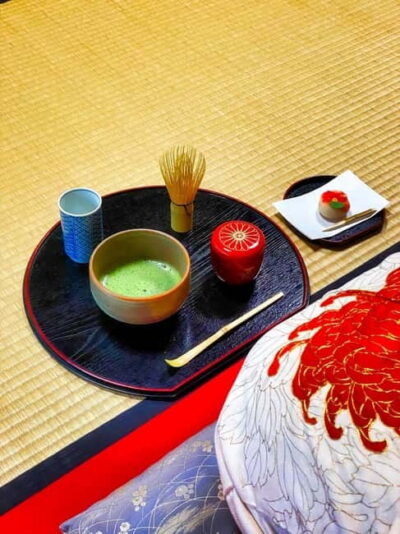
Tea Ceremony in a Traditional Tea House in Kiyomizu
Read our review →
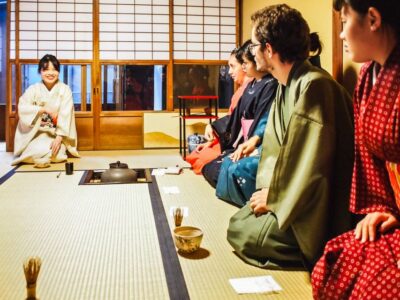
Tea Ceremony in 100-year-old Kyo-Machiya Townhouse
Read our review →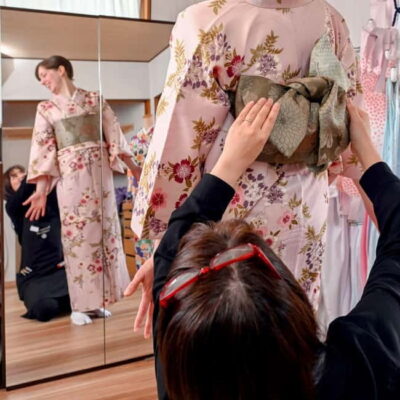
Browse the lists this tour appears in