
REVIEW · COOKING CLASSES
Private Kyoto Cooking Class with Aki in a Beautiful Wooden House
Kyoto’s best food lesson may happen away from its restaurants. In Aki’s beautiful wooden house, you cook the kind of seasonal home dishes that are hard to find on a restaurant menu, using recipes and family techniques passed down through generations. The class is private, so you can stop often, ask questions, and work at a comfortable pace.
I like the one-to-one attention and the chance to make a full meal rather than a single showcase dish. I also like the setting: a real home kitchen gives the experience a warmer, more personal feel than a large classroom. The main consideration is the price, $95 per person, and the fact that the exact menu changes with the season.
In This Review
- Key points to know before booking
- Why this Kyoto cooking class feels different
- Arriving at Ipponmatsu in Shimogamo
- Cooking with Aki for about one hour
- The possible menu: chikuzenni, burdock, and miso soup
- Sitting down to eat what you made
- What the $95 price really covers
- Who will enjoy this private Kyoto class
- Dietary needs and seasonal changes
- Timing, cancellation, and other practical details
- Should you book Aki’s cooking class?
- FAQ
- How long does the private Kyoto cooking class last?
- What time does the class begin?
- Where does the activity meet and end?
- Is the class private?
- Is a vegetarian menu available?
- Are drinks included?
Key points to know before booking
- Aki hosts the class in her own beautiful wooden house, giving the three-hour experience a personal, domestic feel.
- The cooking portion lasts about one hour, followed by a shared meal made from the food you helped prepare.
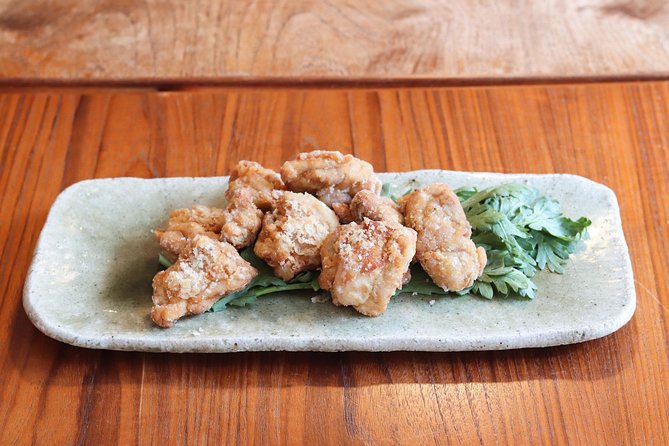
- Seasonal home cooking is the focus, with possible dishes including chikuzenni, braised burdock root, and miso soup.
- The private format makes questions easy, and Aki provides recipes in English.
- The meal can include drinks, but the details list non-alcoholic beverages while the overview also mentions alcoholic drinks, so clarify this before paying.
- The meeting point is in the Shimogamo area, and you must make your own way there because hotel pickup and drop-off are not included.
Why this Kyoto cooking class feels different
Many Japanese cooking classes focus on a famous dish that looks good in a photograph. This one takes a broader view. You prepare several home-style foods and learn how they fit together as a Japanese meal.
That distinction matters. Restaurant dishes often show you the finished product, but not the quiet methods behind it: how vegetables are cut, how a broth is seasoned, or how familiar ingredients are combined in a family kitchen. Aki’s class is built around those everyday skills.
The experience is private, meaning only your group takes part. That gives you room to ask about ingredients, methods, food customs, and substitutions without worrying about holding up a larger class. If you are new to Japanese cooking, this is useful. If you already cook, you can ask more detailed questions and focus on the techniques that interest you.
The setting adds to the appeal. You are not simply renting a kitchen for a demonstration. You are entering a beautiful wooden house in Kyoto and learning in Aki’s own kitchen. The house is part of the experience, though the supplied information does not specify its age, architectural features, or neighborhood sights, so you should not book it expecting a house tour.
More cooking classes in Kyoto:
- Kyoto: Ramen Cooking Class at a Ramen Factory with Souvenir
★ 4.9 · 532 reviews - Kyoto: Ramen, Gyoza, and Onigiri Cooking Class
★ 5.0 · 445 reviews - Kyoto: Japanese Washoku Bento Small Group Cooking Class
★ 5.0 · 380 reviews
Arriving at Ipponmatsu in Shimogamo
The class begins at 10:30 am at Ipponmatsu, Shimogamo Matsunokicho, in Kyoto’s Sakyo Ward, postal code 606-0816. The activity ends back at the same meeting point.
This is a morning plan, and the timing works well if you want to cook before lunch and keep your afternoon open. Allow enough time to find the exact house. The meeting information gives a specific address, but no hotel transfer is provided, so you are responsible for reaching it by public transportation or another local option.
The location is described as being near public transportation. Still, it is wise to check the route before leaving your hotel, particularly if you are carrying luggage or traveling with children. A private home meeting point can be less obvious than a hotel lobby or major station entrance.
The mobile ticket is handy. Keep the booking details easy to access when you set out, and check the final meeting instructions after confirmation. Confirmation is sent within 48 hours, subject to availability.
Cooking with Aki for about one hour
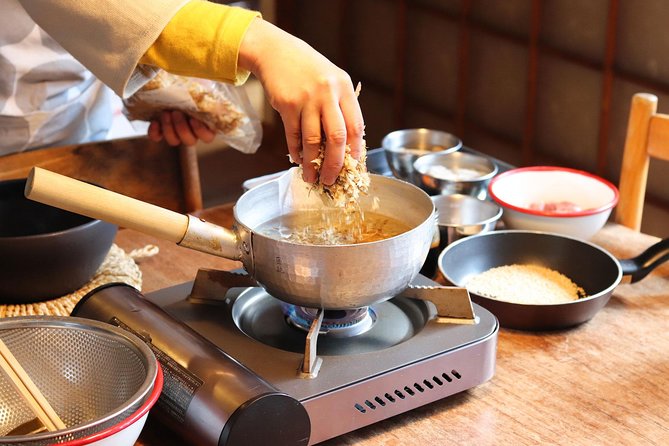
Once you meet Aki, the class moves into her kitchen. She gives you recipes in English and guides you through each stage of preparation. The structure is hands-on, so you are not sitting quietly while someone else does all the work.
The cooking section lasts about an hour. That may sound short, but it is enough time for a focused introduction to several home dishes, followed by the meal itself. You are not paying for a long technical workshop with specialist equipment. You are paying for access to a private kitchen, personal instruction, a meal, and conversation about Japanese food and culture.
Aki’s role is important here. The class depends on her ability to explain both the steps and the reasons behind them. The available feedback describes her as patient and comfortable speaking English, which is especially helpful when a recipe depends on texture, timing, or small visual cues rather than exact measurements.
You can ask questions as you go. That is one of the strongest reasons to choose a private class. You might ask how a dish changes from season to season, what an unfamiliar ingredient does, or how to adapt a recipe at home. The experience is not presented as a formal chef certification course, so expect practical home cooking rather than advanced culinary training.
The possible menu: chikuzenni, burdock, and miso soup
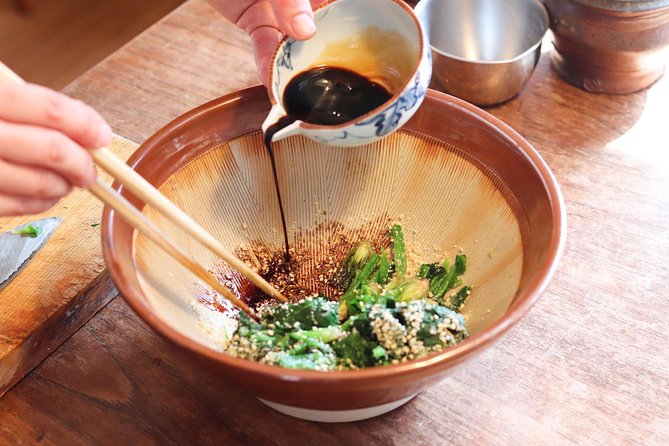
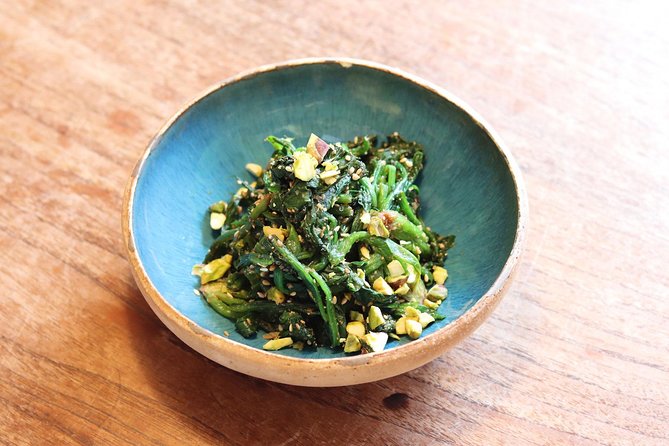
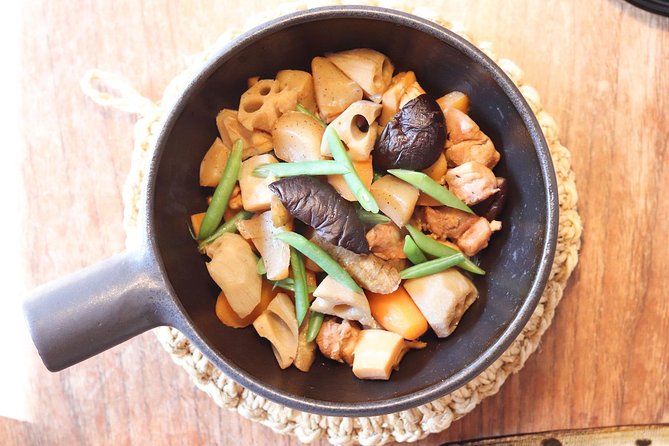
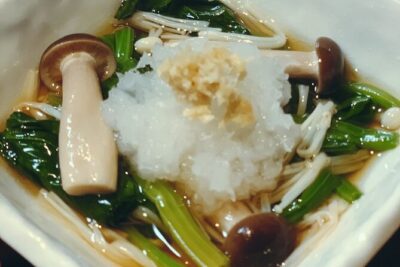
The menu varies by season. Possible dishes include chikuzenni, a braised chicken and vegetable dish, braised burdock root, and miso soup.
Chikuzenni is a good example of why a home class can be more useful than a restaurant meal. The dish brings chicken and vegetables together in a simmered preparation, and the result depends on how the ingredients are cut, seasoned, and cooked. You learn more by making it than by simply ordering it.
Burdock root is another worthwhile inclusion. It is a familiar ingredient in Japanese home cooking but not necessarily something you will find on every restaurant menu aimed at international diners. Working with it gives you a look at an everyday food that can otherwise pass unnoticed.
Miso soup may sound basic, but it is exactly the sort of dish where small tips matter. The class promises advice on familiar classics, and Aki can show you how the soup fits into a wider Japanese meal. Since the menu is seasonal, do not expect the sample dishes to appear every time.
The changing menu is a benefit if you value local cooking and a minor drawback if you want to book around one specific dish. Contact the provider before booking if a particular recipe matters to you.
More workshops and classes in Kyoto:
- Kyoto: 45-Minute Tea Ceremony Lesson Experience
★ 4.3 · 2,378 reviews - Kyoto : Chopsticks Making Workshop in Gion with Engraving Option
★ 5.0 · 958 reviews - Kyoto: Samurai Sword Class by Experts in Traditional Arts
★ 4.9 · 657 reviews - Ninja 1-hour Hands-on Lesson by Japanese master in Kyoto -Entry
★ 5.0 · 489 reviews
Sitting down to eat what you made
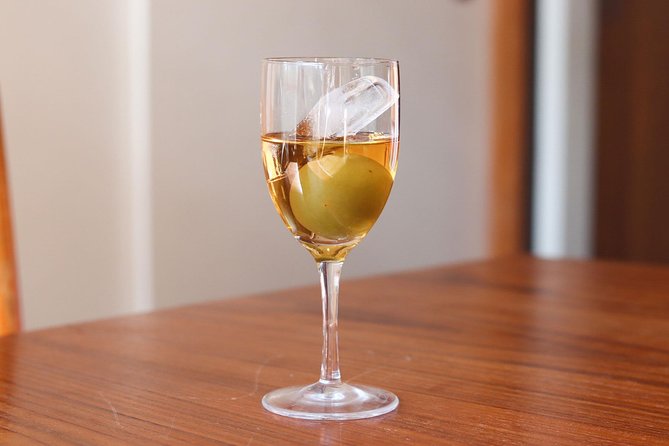
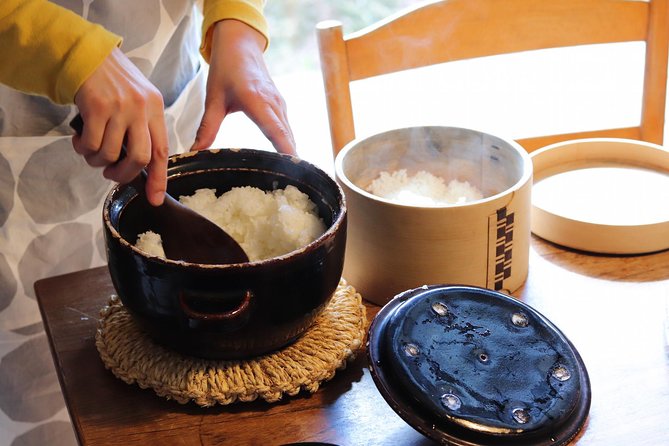
After the cooking, you eat the meal together. The total experience lasts about three hours, but only around one hour is assigned to cooking, so the remaining time includes eating and the social side of the visit.
I like this format because the meal gives the cooking a clear purpose. You prepare the food, then see how the dishes work together at the table. It also lets you slow down. Rather than rushing from one kitchen station to the next, you have time to talk with Aki about Japanese food and culture.
The meal is home-cooked, not a tasting menu prepared separately for you. That distinction helps set expectations. The appeal is the personal setting and the food you helped make, not restaurant-style presentation.
Drink information needs a quick check. The overview says alcoholic drinks are included, while the included-items section specifically lists non-alcoholic beverages. Because those details do not fully match, ask Traveling Spoon what will be served and whether alcohol is included in your booking.
One useful detail from the available feedback is that the portions can be generous, with enough food for leftovers. Do not treat that as a guarantee, since serving size can depend on the menu and group, but it suggests this is designed as a proper meal rather than a few small samples.
What the $95 price really covers
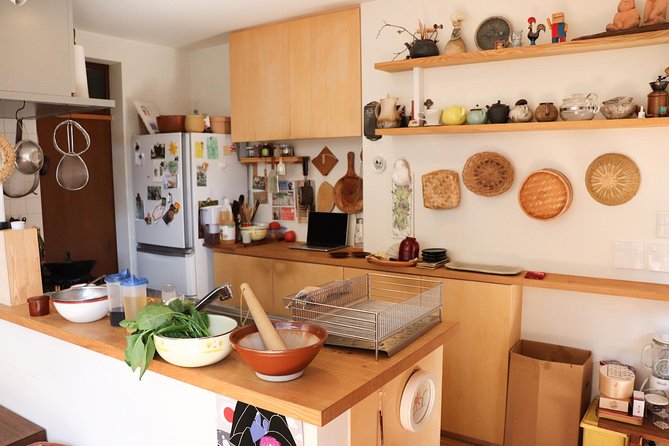
At $95 per person, this is not the cheapest way to eat in Kyoto. You can find a good lunch for far less. The value comes from the combination of instruction, ingredients, private access, recipes, cultural context, and the home meal.
For a private group, the cost is easier to justify. You are not paying only for food. You are also buying Aki’s time and attention, which means your questions do not compete with a room full of other participants. If you want to take Japanese cooking ideas home, the English recipes add lasting value.
The price makes less sense if you mainly want to eat and do not care about cooking. It also may not suit someone looking for a polished, restaurant-like event. This is a personal home lesson, and that is precisely what makes it appealing to the right person.
The perfect 5.0 rating from 12 published ratings is encouraging, and the strongest praise centers on the warmth of the welcome, the hands-on format, Aki’s patience, the food, and the practical recommendations she gives for the rest of a Kyoto stay. A small sample size cannot predict every experience, but the positive pattern fits the design of the class.
Who will enjoy this private Kyoto class
This experience suits you best if you want to:
- Cook rather than simply watch
- Learn recipes you may not encounter in restaurants
- Spend time with a local host in a private setting
- Ask many questions in English
- Eat a full home-cooked meal
- Take seasonal Japanese cooking ideas home
- Build a relaxed morning around food and conversation
Families and small groups may appreciate the private format, especially because the pace can be more personal than in a large class. Service animals are allowed, which is useful for eligible visitors who need that accommodation.
It is also a good choice for a repeat visitor who has already covered Kyoto’s major sights. A cooking class adds a different kind of local contact and does not require you to spend another morning moving between temples.
You may want a different activity if you need hotel pickup, a fixed menu, a long technical lesson, or a guaranteed alcoholic-drink service. The class is also less suitable for someone who dislikes entering a private home or prefers a large commercial kitchen with a predictable format.
Dietary needs and seasonal changes
Tell the provider about allergies, dietary restrictions, and cooking preferences when you book. A vegetarian option is available, but it must be requested in advance.
Do not wait until you arrive to explain a serious allergy. The menu changes with the season, and advance notice gives Aki a chance to plan the ingredients and recipes. The available information does not specify options for every diet, so ask directly about any restriction beyond vegetarian cooking.
Seasonal variation is part of the point. It means your meal reflects what Aki chooses to prepare at that time of year, but it also means you should keep your expectations flexible. The sample menu is a guide, not a promise.
Timing, cancellation, and other practical details
Plan for roughly three hours from the 10:30 am start. The activity begins and ends at the listed meeting point, and there is no hotel pickup or drop-off.
This is a private activity, so only your group participates. A mobile ticket is provided, and confirmation should arrive within 48 hours if space is available.
Pay close attention to the cancellation terms before booking. One part of the information says the experience has a two-week cancellation policy, while the stated cancellation policy says it is non-refundable and cannot be changed for any reason. Those terms conflict, so confirm the applicable rule with the provider before you commit.
Should you book Aki’s cooking class?
Book it if you want a personal Kyoto food experience, not just a meal. The private wooden-house setting, English recipes, seasonal home dishes, hands-on work, and time with Aki make this a strong choice for curious cooks and small groups.
I would be more cautious if $95 feels high for a three-hour activity, if you need a fixed menu, or if alcohol is important to the plan. Confirm the drink details, dietary arrangements, exact meeting directions, and cancellation terms first.
For the right visitor, this is a fine way to spend a Kyoto morning. You leave with a meal in you, recipes in hand, and a better sense of how Japanese food works in an ordinary home.
FAQ
How long does the private Kyoto cooking class last?
The experience lasts approximately three hours. The cooking portion takes about one hour, followed by the meal you helped prepare.
What time does the class begin?
The class starts at 10:30 am.
Where does the activity meet and end?
You meet at Ipponmatsu, Shimogamo Matsunokicho, Sakyo Ward, Kyoto, 606-0816, Japan. The activity ends back at the meeting point.
Is the class private?
Yes. Only your group participates in this private activity.
Is a vegetarian menu available?
Yes, a vegetarian option is available. You must request it when booking, along with any allergies, dietary restrictions, or cooking preferences.
Are drinks included?
Non-alcoholic beverages are listed as included. The overview also mentions alcoholic drinks, so ask Traveling Spoon to confirm exactly what is included before booking.
Recently added around Kyoto
- Higashiyama | Kyoto: Sakura Season Private Rickshaw Tour★ 5.0 · 3 reviews
- Kyoto Kimono Rental CHAMATSU|Kimono/Yukata Rental FamilyPlan★ 5.0 · 3 reviews
- Kyoto: Half-Day Private Guided Tour to the Old Town of Gion★ 4.4 · 3 reviews
- Nara Private Customizable Half Day Tour★ 5.0 · 3 reviews
- Full Day Nara Deer, Temple, Shrine, Activities & Tea Ceremony★ 5.0 · 3 reviews
- Nara: Essential Private Tour with Deer Park and Temples★ 5.0 · 3 reviews
- Kansai Region Hiking Adventure in Nara Kobe Kyoto and More★ 5.0 · 3 reviews
- Hiking Tour for Sacred Sites in Kyoto with a Guide★ 5.0 · 3 reviews
Cooking Classes, compared.
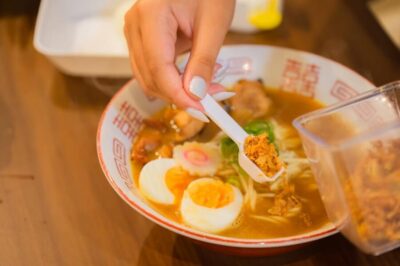
Ramen Cooking Class at a Ramen Factory with Souvenir
Read our review →
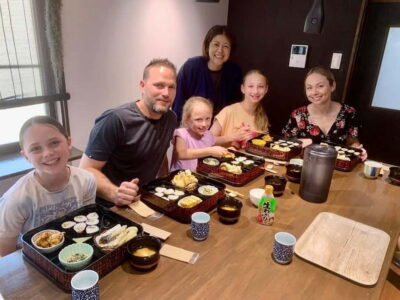
Japanese Washoku Bento Small Group Cooking Class
Read our review →
Kyoto Ramen and Gyoza Cooking Class with Professional Chefs
Read our review →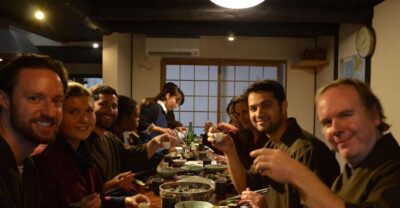

Gyoza Cooking Class in Kyoto: Traditional Japanese Dumplings
Read our review →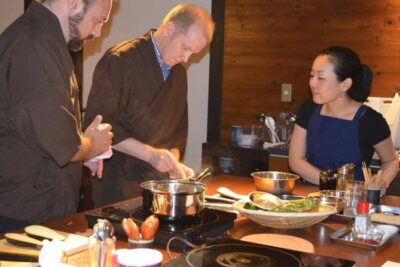
Browse the lists this tour appears in