
REVIEW · COOKING CLASSES
Private Japanese Home Cooking Class in Kyoto with Michiyo
The best part of this experience is not just learning to cook Japanese food. It is being welcomed into Michiyo’s home in Otsu, where the lesson leads naturally to a shared meal with her and her husband. You will make dashi and chirashi sushi, two useful foundations of Japanese cooking, then sit down to eat what you prepared.
I like the personal scale and the practical menu. Your group gets private attention, and the recipes are realistic enough to try at home. I also like the easy station pickup and the included one or two local alcoholic drinks, with non-alcoholic options available.
The main consideration is location. This is not a class in central Kyoto, and you must reach Otsukyo Station on the JR Kosei Line. The class lasts about three hours, so lunch or dinner takes a meaningful slice of your day.
In This Review
- Key details before you book
- Why a home kitchen changes the meal
- Meeting Michiyo at Otsukyo Station
- The first kitchen lesson: dashi stock
- Making chirashi sushi in a wooden bowl
- Sitting down to eat what you made
- What the private format means for your group
- Is $86 a fair price?
- Lunch or dinner, and who should choose each
- Small practical points that matter
- Should you book Michiyo’s cooking class?
- FAQ
- Where does the cooking class take place?
- Where is the meeting point?
- How long does the experience last?
- What will I learn to cook?
- Is the meal included?
- Are drinks included?
- Is the activity private?
- Can I request dietary accommodations?
- Does the host have a pet?
- Is hotel pickup included?
- What is the cancellation policy?
Key details before you book
- A real home visit: Michiyo and her husband welcome you into their private home rather than a commercial cooking studio.
- Two Japanese essentials: You learn to prepare dashi stock and chirashi sushi, then eat the finished meal.
- Seasonal cooking: The vegetables and menu can change with the season, using fresh ingredients sourced locally.
- Simple station transfer: Michiyo picks you up at Otsukyo Station and drives you about three minutes to her home.
- Private by design: Only your group participates, making this a good fit for couples, families, or friends.
- A highly rated format: The experience has a 4.9 rating from 55 reviews, with 98 percent recommending it.
Why a home kitchen changes the meal
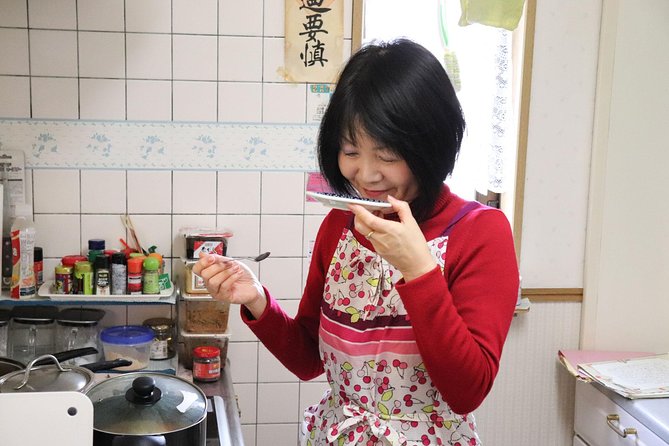
A restaurant can show you the finished version of Japanese cuisine. Michiyo’s class lets you see how the meal comes together. You learn what goes into the pot, how the rice is handled, and how several small preparations become a complete Japanese table.
That setting also changes the pace. You are not being rushed through a cooking demonstration before the next group arrives. This is a private activity, so the conversation and instruction can fit your group. Michiyo and her husband host together, and both speak excellent English according to the supplied guest comments.
The home setting comes with one small domestic detail: Michiyo and her husband share their home with El, a well-behaved dachshund. If you are uncomfortable around dogs, keep that in mind before booking. For most people, it is simply part of visiting a real household rather than a staged cooking venue.
The class is run through Traveling Spoon, which connects visitors with home cooks. That matters here because the appeal is the social contact as much as the food. You are not only following a recipe. You are sharing a table with people who live in the area.
More cooking classes in Kyoto:
- Kyoto: Ramen Cooking Class at a Ramen Factory with Souvenir
★ 4.9 · 532 reviews - Kyoto: Ramen, Gyoza, and Onigiri Cooking Class
★ 5.0 · 445 reviews - Kyoto: Japanese Washoku Bento Small Group Cooking Class
★ 5.0 · 380 reviews
Meeting Michiyo at Otsukyo Station
Your meeting point is Otsukyo Station at 2 Chome-8 Ojigaoka, Otsu, Shiga. The pickup is from the station, not from your hotel, and hotel transport is not included.
Once you meet Michiyo, she drives you roughly three minutes to her home. That short ride keeps the transfer easy, but you still need to plan your route to Otsukyo Station yourself. Check the JR Kosei Line connection carefully against your lunch or dinner start time, especially if you are staying in central Kyoto.
This arrangement is useful for two reasons. First, you do not need to find a residential address on your own. Second, the activity begins with a local greeting rather than a formal check-in at a shop. The tour ends back at the same station meeting point, so your return journey is straightforward.
Confirmation arrives within 48 hours of booking, subject to availability. Since the experience is often reserved about 67 days ahead, I would not leave it until the last day of your Japan planning if this is important to you.
The first kitchen lesson: dashi stock
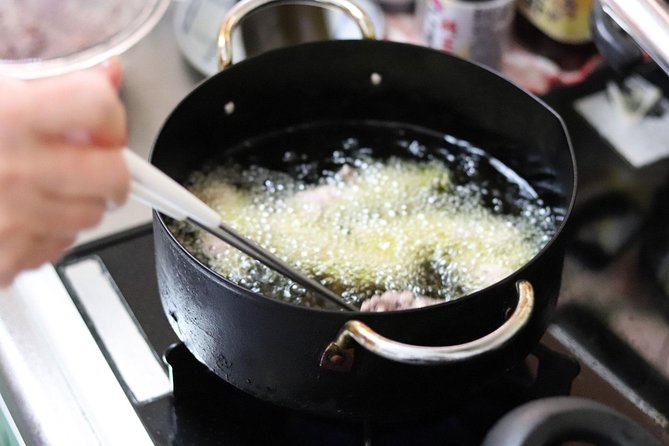
The cooking portion takes about an hour and a half. Michiyo begins by explaining the menu, then leads you through the work in her kitchen. The exact dishes can vary with the season, but dashi and chirashi sushi are central parts of the class.
Dashi is one of the most useful things to learn because it forms the base of many Japanese dishes. Michiyo teaches you how to make this fish broth rather than simply handing you a prepared carton or powder. That gives you a better sense of the clean, savory flavor that supports Japanese cooking.
For a visitor, this is a good lesson in restraint. Japanese food often depends on a few carefully handled ingredients rather than heavy sauces or complicated seasoning. Watching the broth develop helps explain why freshness and timing matter.
The value continues after the class. Dashi is not a souvenir recipe that requires unusual equipment or a special occasion. Once you understand the method, you can use the idea at home in soups and other Japanese dishes. Michiyo also shares cooking tips developed over years of preparing these foods, so pay attention to the small points about technique, not only the ingredient list.
Making chirashi sushi in a wooden bowl
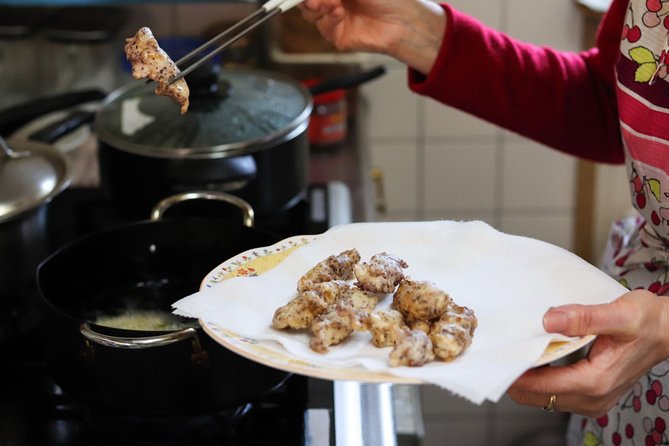
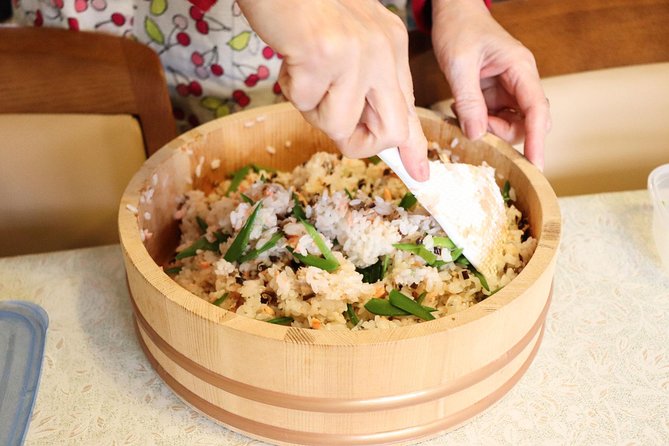
The second central lesson is chirashi sushi. Instead of rolling sushi, you prepare seasoned sushi rice and arrange toppings over it. This makes chirashi a more approachable dish for a short class, since you can focus on properly prepared rice and careful presentation without spending the session learning to roll.
Michiyo shows you how to prepare the rice and how to garnish it in a traditional wooden bowl. The seasonal ingredients may change, which means your meal reflects the time of year rather than following one fixed menu every month.
That seasonal approach is one of the strongest reasons to choose this class. You get a better sense of how Japanese home cooking responds to local produce and the calendar. It also means you should not book expecting an exact list of toppings. The menu may vary, and you should see that as part of the home-cooked format.
The wooden bowl adds a cultural detail that a standard cooking school might skip. Presentation is not treated as an afterthought. You learn how the finished dish should look when it reaches the table, not merely how to make it edible.
More workshops and classes in Kyoto:
- Kyoto: 45-Minute Tea Ceremony Lesson Experience
★ 4.3 · 2,378 reviews - Kyoto : Chopsticks Making Workshop in Gion with Engraving Option
★ 5.0 · 958 reviews - Kyoto: Samurai Sword Class by Experts in Traditional Arts
★ 4.9 · 657 reviews - Ninja 1-hour Hands-on Lesson by Japanese master in Kyoto -Entry
★ 5.0 · 489 reviews
Sitting down to eat what you made
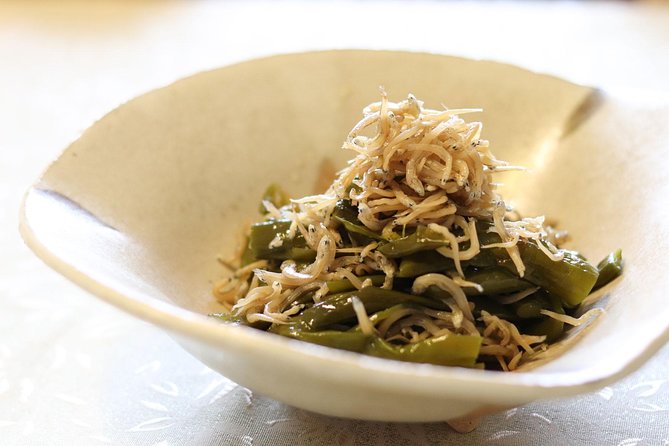
After the kitchen work, you sit down with Michiyo and her husband for the meal. This is where the three-hour schedule earns its value. The class is not finished when the last ingredient is prepared. You get time to enjoy the food and talk with your hosts.
The meal includes local alcohol, usually one or two glasses. Non-alcoholic drinks are also available, so you do not need to drink to take part. The pairing gives the dinner a more social feel, but it remains a cooking class first rather than a bar visit.
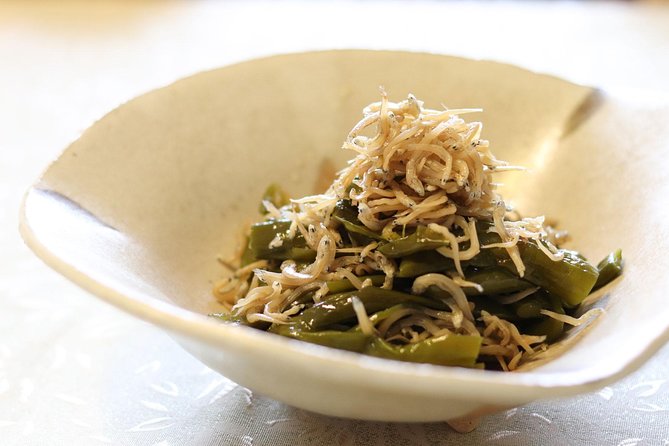
I especially like the connection between the lesson and the table. You can taste the dashi, rice, and seasonal ingredients in the dishes you helped prepare. That makes the meal more memorable than a standard restaurant order, where you may enjoy the food without understanding the work behind it.
Past guests have singled out the warm welcome, the useful cooking tips, and the chance to recreate the recipes at home. Those are the right reasons to choose this activity. It is not aimed at someone who only wants a quick meal between sightseeing stops.
What the private format means for your group
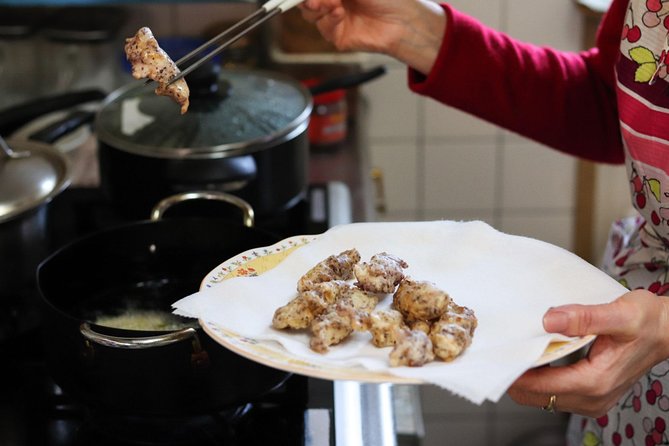
Only your group participates, so the class can feel more relaxed than a large demonstration. A couple can ask questions freely. A family can work at a pace that suits its children. Friends can share the tasks and then eat together.
The private setup also makes this a stronger choice for people who care about conversation. Michiyo and her husband are part of the experience, not just instructors who disappear once the food is served. Their role gives the meal a social center.
Still, private does not mean completely flexible. The class has a planned duration of about three hours, a set station meeting point, and a seasonal menu. If your group needs a highly customized menu, you should state dietary requirements in the Special Requirements box when booking. The available information confirms that requests should be provided in advance, but it does not promise that every request can be accommodated.
The dog is another practical point for families and anyone with allergies. El is described as well behaved, but the activity takes place in the hosts’ home, where a dog is part of the household.
Is $86 a fair price?
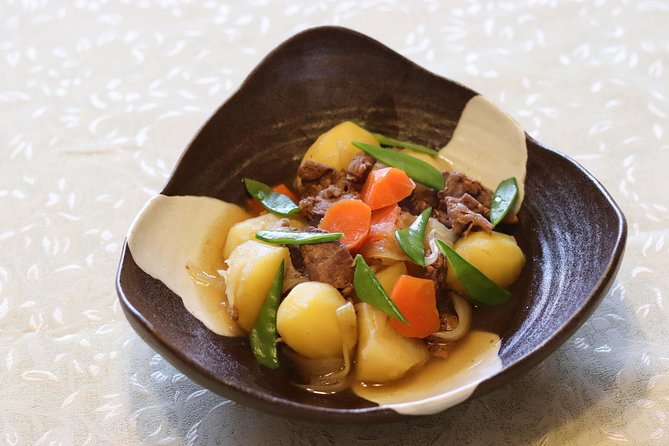
At $86 per person, the price is higher than paying for an ordinary Japanese lunch or dinner. That comparison misses much of what you are buying, though. The fee covers a private class, ingredients, the meal, local alcohol, instruction, conversation, and the station pickup to the home.
The value is strongest if you want a lasting skill or a personal connection. You are learning dashi and chirashi sushi, not simply watching someone cook. You also get a meal prepared with seasonal vegetables and the chance to ask about Japanese home cooking as you eat.
The value is weaker if your main goal is to keep food costs low or fit in several sights during the same afternoon. Three hours is a substantial commitment, and you must pay for your own transport to Otsukyo Station. Group discounts may be available, so check the price for your party rather than assuming the listed per-person rate is final.
The 4.9 rating from 55 reviews and 98 percent recommendation figure support the idea that the format works well for its intended audience. I would still judge the price by your priorities. If you want a private cultural activity with food at its center, $86 is reasonable. If you only want to taste chirashi sushi, spend less at a restaurant.
Lunch or dinner, and who should choose each
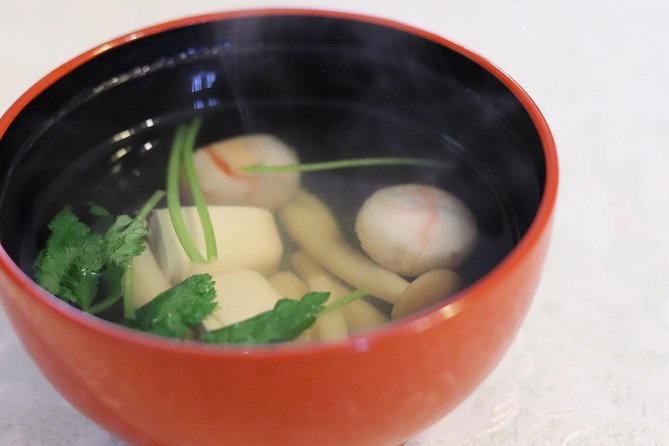
You can book either lunch or dinner, which makes the activity easier to fit around a Kyoto sightseeing plan. Lunch may work well on a day when you want a slower meal away from crowded attractions. Dinner gives the cooking, conversation, and drinks a more leisurely feel.
The choice also depends on your return plans. Since the activity ends at Otsukyo Station, check the train schedule for the time you select. The supplied details do not state the exact start times, so confirm the available slot before arranging other reservations.
I would recommend this most strongly to:
- Couples who want a private meal with a local host
- Families or friends who prefer hands-on activities to sightseeing alone
- Home cooks who want recipes and methods they can use after Japan
- First-time visitors looking for a direct connection to Japanese food culture
- People who enjoy a slow meal and conversation
I would be more cautious about booking it for a tight day of temple visits, a group with strict unconfirmed dietary needs, or anyone who wants a cooking class in central Kyoto itself.
Small practical points that matter
Wear something comfortable for kitchen work, although no special clothing requirement is provided. You will be cooking for about 90 minutes before sitting down to eat, so plan for active participation rather than a passive demonstration.
Tell the provider about dietary requirements when you book. Do not wait until you arrive, since the menu uses seasonal ingredients and may change.
The activity is mobile-ticket friendly, and confirmation is sent within 48 hours when the booking is available. Free cancellation is allowed up to 24 hours before the local start time. Cancellations or changes inside that window are not accepted for a refund.
The experience is private, but it is not a hotel pickup service. Your planning job is to reach Otsukyo Station, find Michiyo there, and allow enough time for the three-minute drive to her home.
Should you book Michiyo’s cooking class?
Book it if you want more than a meal. Michiyo’s class gives you a practical introduction to dashi, sushi rice, and chirashi sushi, then lets you share the results with a Japanese couple in their home. The seasonal menu, private format, station pickup, and local drinks make it feel personal without requiring a full day.
Skip it if you want a quick restaurant experience, dislike home visits, or cannot spare three hours outside central Kyoto. For everyone else, this is one of the better choices for turning Japanese food from something you order into something you understand and can try making again at home.
FAQ
Where does the cooking class take place?
The class takes place in Michiyo’s home in Otsu, Japan. You meet her at Otsukyo Station, and she drives you about three minutes to the house.
Where is the meeting point?
The meeting point is Otsukyo Station on the JR Kosei Line, at 2 Chome-8 Ojigaoka, Otsu, Shiga 520-0025, Japan.
How long does the experience last?
The experience lasts approximately three hours. The hands-on cooking portion takes about an hour and a half, followed by the shared meal.
What will I learn to cook?
You will learn to make dashi stock and prepare sushi rice for chirashi sushi. The final menu may vary depending on the season.
Is the meal included?
Yes. The private cooking class and meal with Michiyo are included.
Are drinks included?
One or two glasses of local alcohol are included. Non-alcoholic drinks are available as an alternative.
Is the activity private?
Yes. Only your group participates in the activity.
Can I request dietary accommodations?
You should provide any specific dietary requirements in the Special Requirements box when booking. The menu may change with the season.
Does the host have a pet?
Yes. Michiyo and her husband share their home with El, a well-behaved dachshund dog.
Is hotel pickup included?
No. Hotel pickup and drop-off are not included. You must reach Otsukyo Station for the start, and the activity ends back at that meeting point.
What is the cancellation policy?
You can cancel up to 24 hours before the local start time for a full refund. Cancellations and changes made less than 24 hours before the start are not accepted.
Recently added around Kyoto
- Higashiyama | Kyoto: Sakura Season Private Rickshaw Tour★ 5.0 · 3 reviews
- Kyoto Kimono Rental CHAMATSU|Kimono/Yukata Rental FamilyPlan★ 5.0 · 3 reviews
- Kyoto: Half-Day Private Guided Tour to the Old Town of Gion★ 4.4 · 3 reviews
- Nara Private Customizable Half Day Tour★ 5.0 · 3 reviews
- Nara: Essential Private Tour with Deer Park and Temples★ 5.0 · 3 reviews
- Kansai Region Hiking Adventure in Nara Kobe Kyoto and More★ 5.0 · 3 reviews
- Full Day Nara Deer, Temple, Shrine, Activities & Tea Ceremony★ 5.0 · 3 reviews
- Hiking Tour for Sacred Sites in Kyoto with a Guide★ 5.0 · 3 reviews
Cooking Classes, compared.
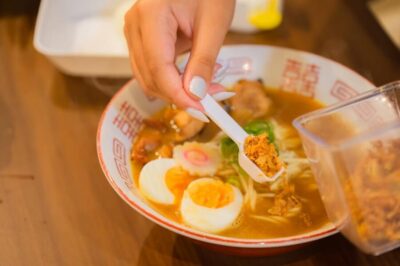
Ramen Cooking Class at a Ramen Factory with Souvenir
Read our review →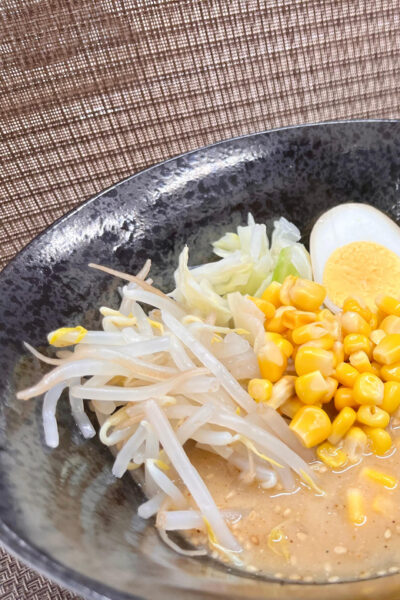
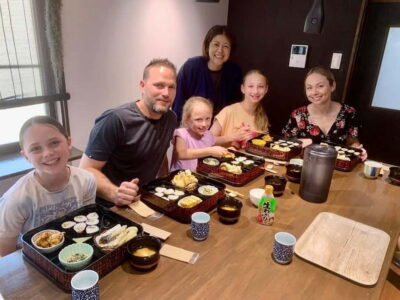
Japanese Washoku Bento Small Group Cooking Class
Read our review →
Kyoto Ramen and Gyoza Cooking Class with Professional Chefs
Read our review →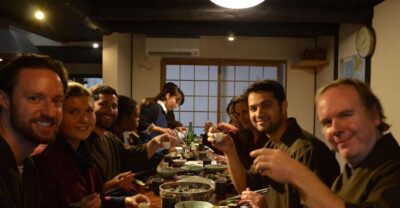
Gyoza Cooking Class in Kyoto: Traditional Japanese Dumplings
Read our review →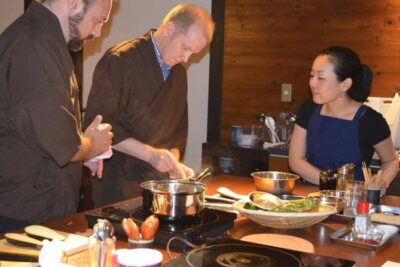
Browse the lists this tour appears in