
REVIEW · COOKING CLASSES
Private Cooking Class Udon in Kyoto Japan
The best part of this Kyoto experience is not just eating noodles. You make them by hand inside a 130-year-old traditional house, using a simple process that includes kneading with your feet, stretching the dough, and cutting each strand. I like the friendly teaching from local instructors such as Tanaka, and I like that children can take part without handling boiling water. The main drawback is that the advertised class lasts about an hour, but the full meal and visit can take closer to two hours.
I also like the location. You are only about a 12-minute walk from Kyoto Station and two minutes from Nishi Honganji Temple, so this fits neatly into a sightseeing day. At $60.43 per person, it is not a cheap lunch, but the price covers hands-on instruction, a historic setting, your handmade noodles, tempura, dipping broth, and a private group experience.
In This Review
- Key points to know before booking
- Entering a Kyoto house near Nishi Honganji
- Meeting Tanaka and the local teaching team
- Turning flour and saltwater into udon
- What you actually eat at lunch
- Why this works especially well for families
- The historic setting adds real value
- Timing, private groups, and practical details
- Is $60.43 a fair price?
- Who should book this udon class?
- My recommendation
- FAQ
- Where does the udon class meet?
- How far is the class from Kyoto Station?
- Is the class near a major Kyoto sight?
- What time does the class start?
- How long does the experience last?
- Do I make the tempura and broth?
- Can children participate?
- Is this a private activity?
- Can I cancel for a full refund?
Key points to know before booking
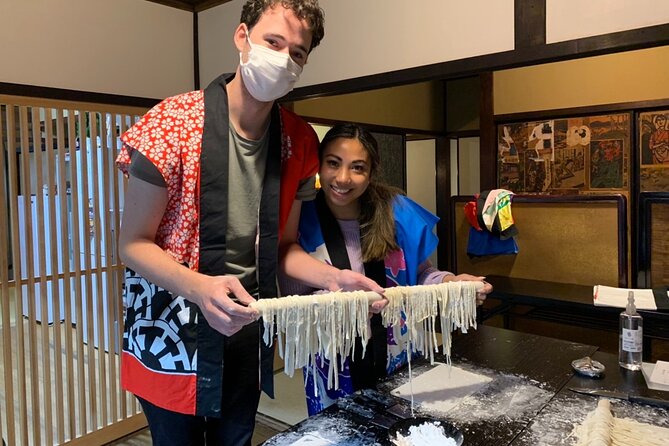
- Make udon through eight hands-on steps: You mix saltwater, combine the dough, knead it with your feet, let it rest, stretch it, cut it, and cook it.
- Work inside a 120 to 130-year-old Kyomachiya: Antique furnishings, old objects, and traditional music give the class a strong sense of place.
- Tanaka is a lively, patient instructor: Her daughter may assist, and the teaching includes basic cultural background as well as cooking.
- Children can join comfortably: The class does not require children to boil the noodles, and young participants can help with the dough and cutting.
- Lunch includes more than noodles: Your meal comes with vegetable tempura, dipping broth, grated ginger, and green onion.
- Plan for extra time after the class: The cooking takes about an hour, but eating and relaxing may extend the visit to 1.5 or 2 hours.
Entering a Kyoto house near Nishi Honganji
The meeting point is at 364 Momijicho in Kyoto’s Shimogyo Ward. From Kyoto Station, the walk takes about 12 minutes, and Nishi Honganji Temple is only two minutes away. That makes this a useful midday stop, especially if you are already visiting the temple or using the station area as your base.
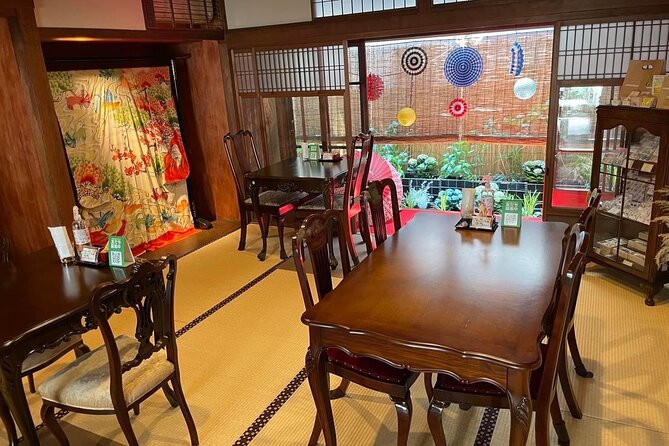
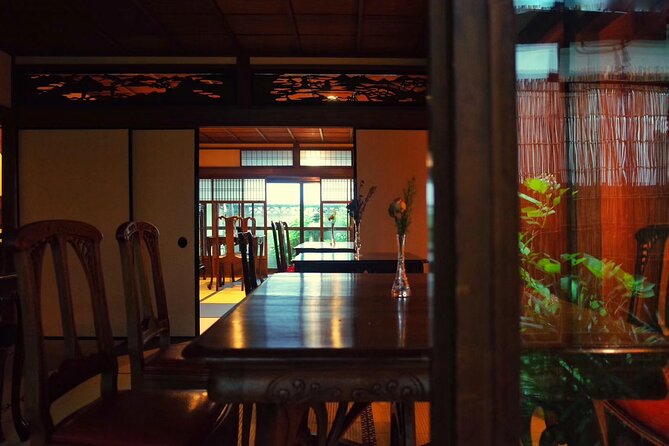
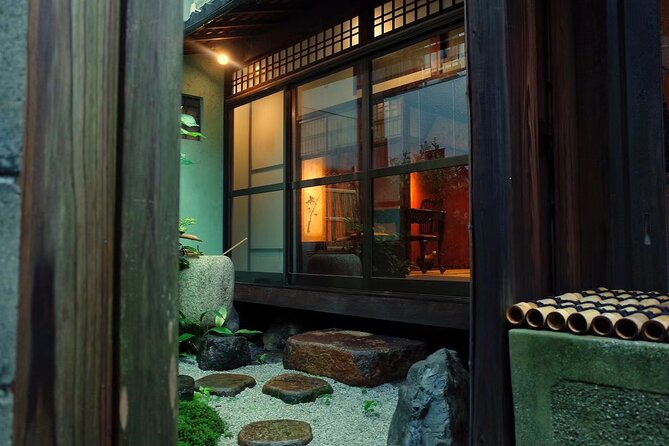
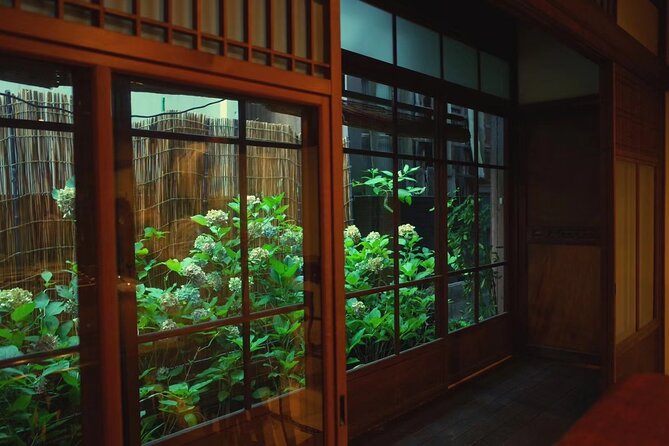
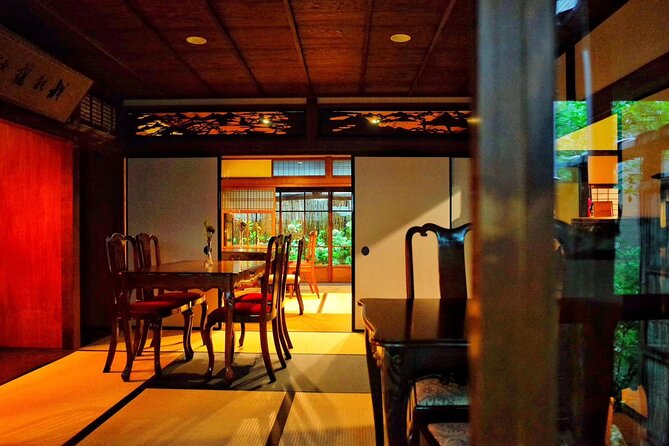
The building is part of the experience. This is a renovated Japanese house dating back roughly 120 to 130 years, not a modern cooking studio with stainless-steel counters and bright commercial lighting. Inside, you find antique furniture and artifacts, many more than 110 years old, along with traditional Japanese music.
That setting gives the class a cultural side without turning it into a formal museum visit. You are there to cook, but the old wooden rooms help explain how different daily life in Kyoto once felt. The space is also one reason the class offers more than a bowl of noodles at a restaurant.
The building has a restaurant and shop area, and the cooking takes place at work tables with ingredients prepared in advance. You do not need to arrive with cooking skills. The instructions are broken into clear stages, and the teacher demonstrates each part before you try it.
More cooking classes in Kyoto:
- Kyoto: Ramen Cooking Class at a Ramen Factory with Souvenir
★ 4.9 · 532 reviews - Kyoto: Ramen, Gyoza, and Onigiri Cooking Class
★ 5.0 · 445 reviews - Kyoto: Japanese Washoku Bento Small Group Cooking Class
★ 5.0 · 380 reviews
Meeting Tanaka and the local teaching team
Tanaka is the instructor most often identified with this class. She is described as friendly, upbeat, encouraging, and patient, with a lively way of explaining the steps in English. Her young adult daughter may assist during the lesson.
Another instructor named Hisayu is also associated with the experience. The teaching team comes from Kyoto and brings local knowledge to the session, including background about the food and the house.
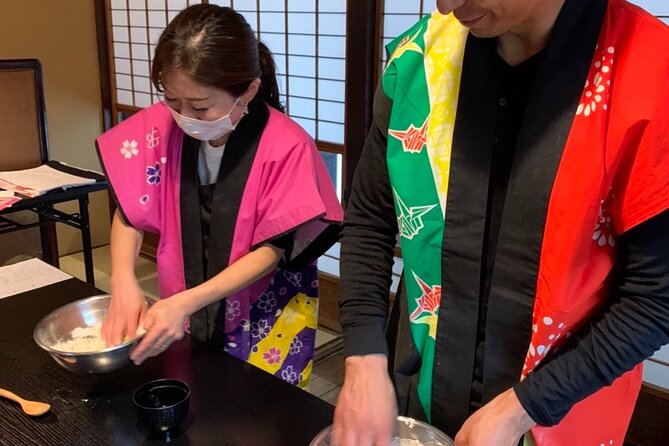
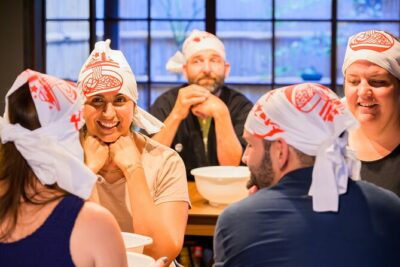
The tone is informal. You put on an apron, gather around the prepared ingredients, and follow along as the dough takes shape. The class includes small cultural details, and one instructor even teaches an udon dance. That playful touch helps keep the activity moving, especially when children are part of the group.
You should not expect a serious chef-training session. The aim is to show you how udon is made and give you a recipe you can try at home. The approach works well for families and first-time cooks because the steps are practical rather than technical.
Turning flour and saltwater into udon
The class follows a useful sequence. First, you make the saltwater. This is mixed into the flour, and the dough begins as a rough, uneven mass rather than a smooth ball.
Next comes the footwork. The dough is placed in a protective covering and kneaded by stepping on it. It is a memorable part of the activity, and children can take part without needing the strength or fine control required for some other cooking classes.
After kneading, the dough rests and matures. This pause is important because it gives the dough time to become easier to work. You are then shown how to stretch it into a broad sheet before cutting it into noodles.
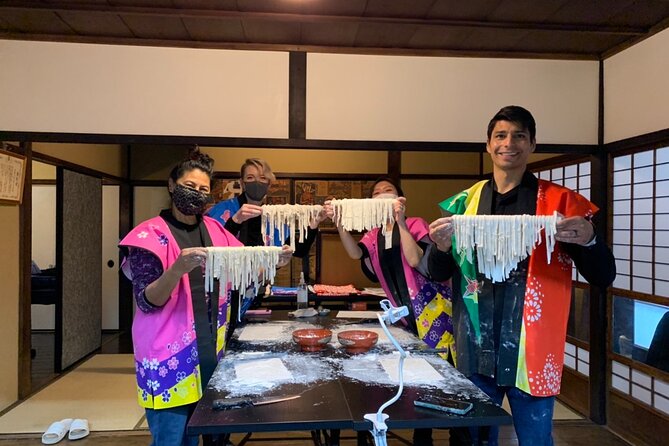
The knife-cutting stage lets you see why handmade udon has a different look from factory-made noodles. The strands may not all be identical, and that is part of the appeal. You have made the food yourself rather than simply watching someone prepare it.
The full sequence is described as:
- Making saltwater
- Mixing and rinsing the dough
- Kneading with your feet
- Resting or maturing the dough
- Stretching the dough
- Cutting the noodles
- Boiling the noodles
- Eating the finished meal
The wording of the steps can vary during the demonstration, but the idea is simple: you work the dough, shape it, and then enjoy the result. A recipe is provided, which gives the class lasting value if you want to repeat it at home.
What you actually eat at lunch
You make the udon, but you do not prepare the tempura or the broth. That is a useful point to understand before booking. The tempura is supplied as part of the meal, along with the dipping sauce or dashi broth.
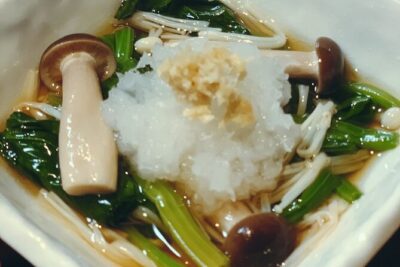
The finished tray may include vegetable tempura, freshly grated ginger, chopped green onion, and a serving of the noodles you made. Some descriptions refer to a bubbling bucket of udon, which suggests the meal is served hot and generously.
This arrangement keeps the activity within its one-hour cooking format. Making tempura would require more ingredients, more equipment, and careful work around hot oil. Instead, you focus on the central lesson, handmade udon, and then receive a complete lunch.
The meal is also the reward for the messy part of the class. Your hands may be coated with flour, and the dough work is physical. Afterward, you wash up and can look around the old house while the instructors boil the noodles and prepare the rest of the meal.
The food itself is an important part of the value. At $60.43, you are paying for a class and a meal, not just a restaurant lunch. The tempura and condiments make the experience feel like a proper midday meal rather than a small tasting.
More workshops and classes in Kyoto:
- Kyoto: 45-Minute Tea Ceremony Lesson Experience
★ 4.3 · 2,378 reviews - Kyoto : Chopsticks Making Workshop in Gion with Engraving Option
★ 5.0 · 958 reviews - Kyoto: Samurai Sword Class by Experts in Traditional Arts
★ 4.9 · 657 reviews - Ninja 1-hour Hands-on Lesson by Japanese master in Kyoto -Entry
★ 5.0 · 489 reviews
Why this works especially well for families
This is one of the more suitable Kyoto cooking activities for a mixed-age group. A four-year-old and a ten-year-old can participate in the dough work, and the adults do not need to keep children away from a hot pan during the main class.
The foot-kneading stage is naturally entertaining. Cutting the noodles also gives older children and teenagers a clear task, while the instructors can help with the parts that require more care.
The class has enough structure to keep children occupied, but it is not presented as a long technical lesson. The teacher’s upbeat manner and the playful udon dance add energy. After the cooking, the meal gives everyone a reason to sit down and slow the pace.
Teenagers can enjoy the hands-on element without being treated like small children. Older adults can take part as well, since the class does not depend on fast movement or difficult equipment. One group included a mother who had just turned 83, and the activity worked for the whole party.
Still, consider your group’s comfort with a one-hour cooking session in an old Japanese house. If your children need constant entertainment or dislike touching dough, this may feel slower than an amusement attraction. For children who like making things, it is a strong choice.
The historic setting adds real value
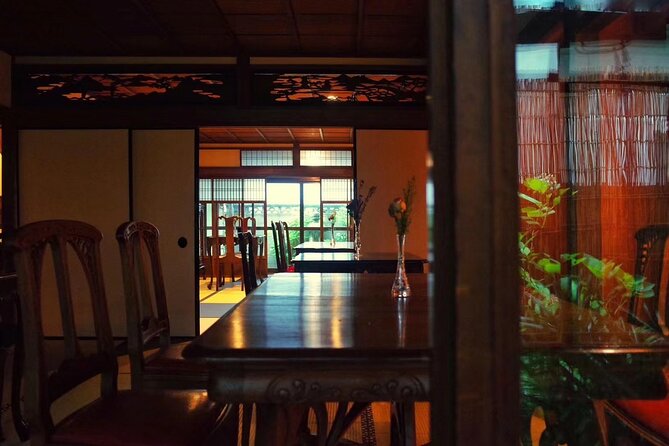
Kyoto is full of polished sights, but a traditional home can show you a different side of the city. The antique furniture and older household objects make the surroundings part of the lesson. You are not simply standing in a room decorated with Japanese touches. You are working in a building that has been preserved and adapted for modern use.
Traditional music plays during the experience, helping set the mood. The instructors also explain some of the food’s background, including the fact that udon originated in China before becoming part of Japanese food culture.
That short history lesson is not the main event, and the activity does not pretend to be a full lecture. It is enough to give context to what you are making. You leave with a better sense of how a familiar Japanese dish fits into a wider food tradition.
The setting can also make this a good choice on a rainy day, though the activity is subject to weather-related cancellation. If poor weather causes a cancellation, you are offered another date or a full refund.
Timing, private groups, and practical details
The scheduled start is noon, which places the class at lunchtime. The cooking portion lasts about one hour, but I would keep at least 1.5 to 2 hours free for the lesson, noodle boiling, lunch, and time in the house.
The activity ends back at the meeting point. There is no separate transport between locations, so you can plan around Nishi Honganji Temple, Kyoto Station, or nearby parts of central Kyoto.
This is a private activity, meaning only your group participates. That matters if you are traveling with children, older relatives, or friends who prefer not to cook in front of a large crowd. It also allows the instructors to give more direct help when someone is struggling with the dough or knife cutting.
The ticket is mobile, which keeps arrival simple. Booking confirmation is sent within 48 hours, subject to availability. Service animals are allowed, and the location is near public transportation.
You can cancel for a full refund if you do so at least 24 hours before the local start time. Changes made inside that 24-hour window are not accepted, and the amount paid is not refunded for a late cancellation.
Is $60.43 a fair price?
The price needs to be judged against what you receive. A bowl of udon by itself costs far less in Kyoto, so this is not a bargain meal. You are paying for access to the old house, the instructor’s time, prepared ingredients, the hands-on lesson, the recipe, and the lunch afterward.
For a family, the value improves because the activity replaces a meal and gives everyone a shared task. You also avoid paying separately for a sightseeing attraction during that hour. The private format adds value for groups that want a relaxed pace and personal help.
For solo visitors or couples on a tight budget, the price may feel high for a one-hour class. The meal and the time afterward soften that concern, but this is still best understood as a cultural activity with lunch, not a low-cost cooking lesson.
I would compare it with the cost of a typical Kyoto food tour or a more elaborate cooking workshop. This class is shorter and more focused, but it offers a distinctive setting and a dish you can recreate at home. If those points matter to you, the cost is reasonable.
Who should book this udon class?
I would point this experience toward:
- Families with children who want a safe, hands-on activity
- First-time visitors seeking a cultural experience near Kyoto Station
- People who enjoy learning a recipe they can repeat at home
- Groups with different ages and cooking abilities
- Anyone visiting Nishi Honganji who wants a lunch activity nearby
- Visitors who prefer a private class to a large group lesson
I would be more cautious if you want to cook every part of the meal. You do not make the tempura or broth, and the class is centered almost entirely on the noodles.
I would also skip it if your schedule is packed tightly around the one-hour listing. The class may take longer once lunch and time in the house are included. Give yourself room rather than rushing away as soon as the noodles are cut.
My recommendation
Book this if you want an approachable Kyoto activity with a real sense of place. The strongest features are the old wooden house, the lively instruction from Tanaka and the local team, the hands-on noodle work, and the complete lunch afterward.
The class is especially good for families because children can help with the dough and do not have to handle the boiling stage. Adults get enough cultural background to make the activity feel meaningful, while the recipe gives you something useful to take home.
At $60.43, it is not the cheapest lunch in Kyoto. But if you value a private setting, a historic house, and an activity that brings your group together, it earns its price. Leave at least two hours around noon, wear comfortable clothes for working with dough, and book it as a cultural meal rather than just a cooking demonstration.
FAQ
Where does the udon class meet?
The meeting point is 364 Momijicho, Shimogyo Ward, Kyoto, 600-8345, Japan.
How far is the class from Kyoto Station?
The facility is about a 12-minute walk from Kyoto Station.
Is the class near a major Kyoto sight?
Yes. The facility is about a two-minute walk from Nishi Honganji Temple.
What time does the class start?
The scheduled start time is 12:00 pm.
How long does the experience last?
The cooking class lasts about one hour. The full visit can take longer because you eat the udon afterward, and some participants stay for 1.5 to 2 hours in total.
Do I make the tempura and broth?
No. You make the udon noodles. The meal includes prepared tempura and broth or dipping sauce.
Can children participate?
Yes. Children can take part in the udon-making steps, and the noodles are not boiled by the children.
Is this a private activity?
Yes. Only your group participates.
Can I cancel for a full refund?
Yes, if you cancel at least 24 hours before the experience start time. Cancellations made less than 24 hours in advance are not refunded, and late changes are not accepted.
Recently added around Kyoto
- Higashiyama | Kyoto: Sakura Season Private Rickshaw Tour★ 5.0 · 3 reviews
- Kyoto Kimono Rental CHAMATSU|Kimono/Yukata Rental FamilyPlan★ 5.0 · 3 reviews
- Kyoto: Half-Day Private Guided Tour to the Old Town of Gion★ 4.4 · 3 reviews
- Nara Private Customizable Half Day Tour★ 5.0 · 3 reviews
- Kansai Region Hiking Adventure in Nara Kobe Kyoto and More★ 5.0 · 3 reviews
- Full Day Nara Deer, Temple, Shrine, Activities & Tea Ceremony★ 5.0 · 3 reviews
- Nara: Essential Private Tour with Deer Park and Temples★ 5.0 · 3 reviews
- Hiking Tour for Sacred Sites in Kyoto with a Guide★ 5.0 · 3 reviews
Cooking Classes, compared.
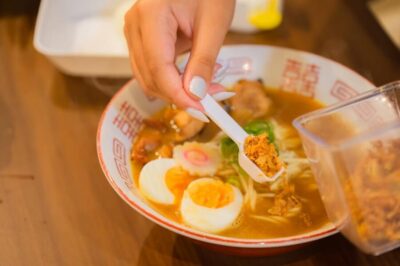
Ramen Cooking Class at a Ramen Factory with Souvenir
Read our review →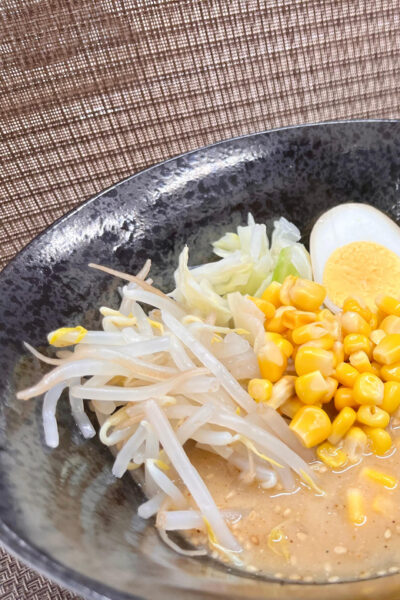
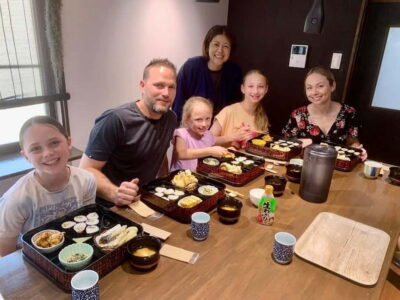
Japanese Washoku Bento Small Group Cooking Class
Read our review →
Kyoto Ramen and Gyoza Cooking Class with Professional Chefs
Read our review →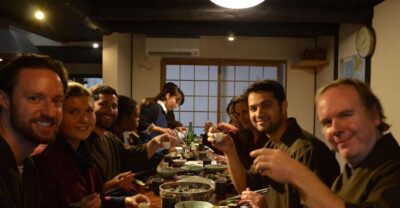
Gyoza Cooking Class in Kyoto: Traditional Japanese Dumplings
Read our review →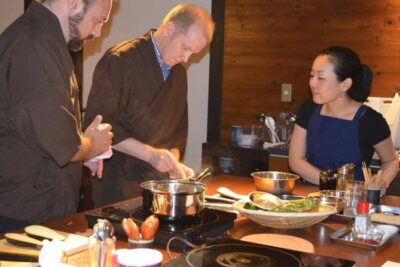
Browse the lists this tour appears in