
REVIEW · COOKING CLASSES
Near Fushimiinari: Kyoto Home Cooking Class & Supermarket tour
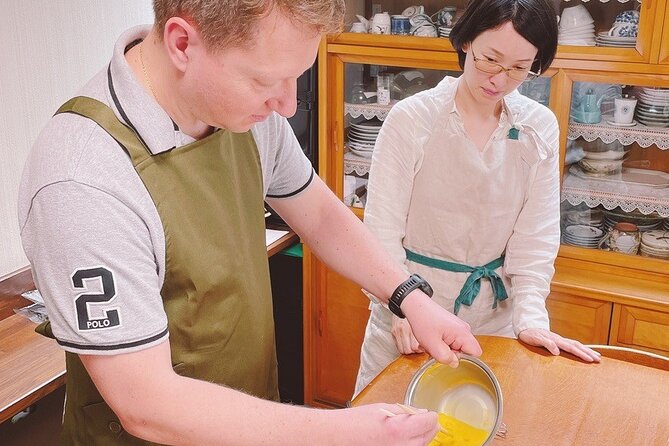
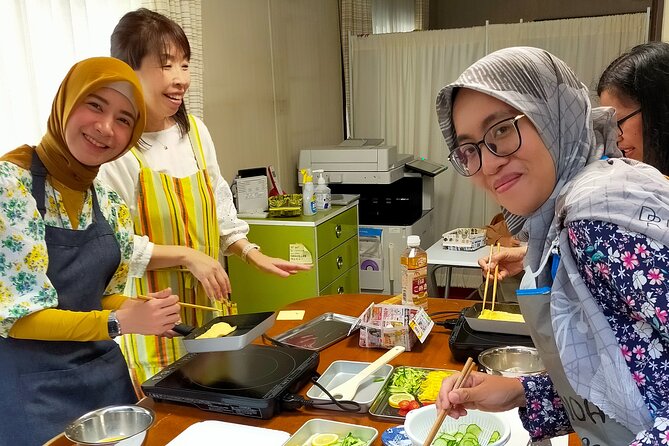
The most useful part of this Kyoto experience happens before the cooking begins: you learn about dashi, the soup stock behind much of Japanese cuisine, then put that lesson to work in about five dishes. The class takes place in a traditional home near Fushimi Inari, with a tatami room, tokonoma display area, and garden view.
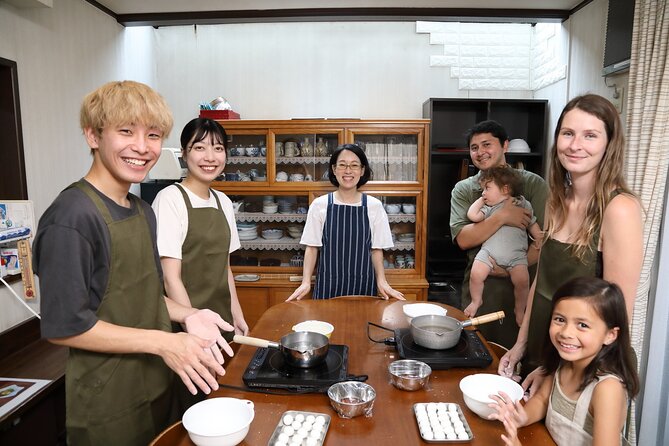
I like the small maximum of six people, which gives you room to ask questions and get hands-on help. I also like the supermarket visit, since Japanese food labels and unfamiliar ingredients can be hard to sort out alone. The main consideration is the price, $118.92 per person, which is a serious spend for a four-hour class, even with lunch and ingredients included.
In This Review
- Key points to know before booking
- A home kitchen near Fushimi Inari
- Starting with dashi, the base of Japanese flavor
- Preparing about five Japanese dishes
- Eating in a tatami room with a garden view
- The local supermarket adds practical value
- Miho’s teaching style and the six-person limit
- Is $118.92 a fair price?
- Timing, meeting point, and cancellation details
- Who should book this Kyoto cooking class?
- My verdict on the Fushimi Inari home cooking class
- FAQ
- Where does the cooking class begin?
- What time does the activity start?
- How long does the experience last?
- How many people can join the class?
- Is the class taught in English?
- Is lunch included?
- Does the experience include a supermarket visit?
- Can I cancel for a full refund?
Key points to know before booking
- Small six-person class: You get more personal instruction than in a large demonstration-style lesson.
- Traditional Kyoto setting: The meal takes place in a Japanese room with tatami flooring and a garden view.
- Five dishes and dashi: You learn basic stock preparation along with practical cooking methods.
- Miho leads the class: Her clear English and friendly approach are especially helpful for first-time cooks.
- Supermarket visit included: Spend about 30 minutes identifying the ingredients used in class.
- Convenient Fushimi Inari location: The meeting point is near public transportation and the famous shrine.
A home kitchen near Fushimi Inari
This class begins at 9:30 a.m. at 38-4 Fukakusa Watamoricho in Fushimi Ward, a convenient base for pairing the lesson with a visit to Fushimi Inari Shrine. The class itself runs about four hours, and you return to the same meeting point after the supermarket visit.
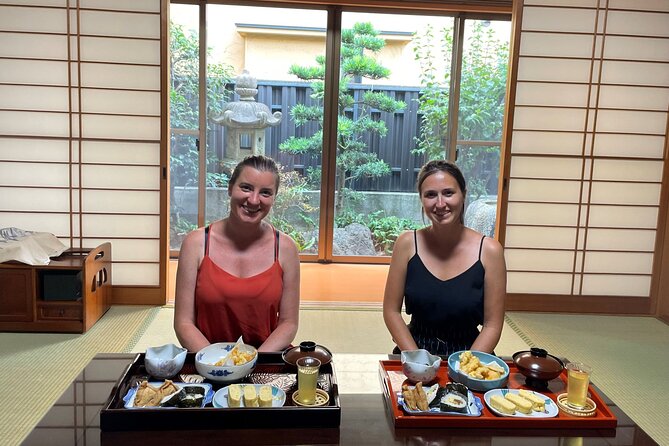
The setting is part of the appeal. You are not cooking in a restaurant classroom or a hotel conference room. You enter a traditional Japanese home, receive a look at everyday domestic design, and later eat in a room with tatami flooring, a tokonoma display space, and a garden view.
That does not turn the morning into a house museum. The kitchen is where you do the work. Still, the contrast between the practical cooking area and the quiet dining room gives the meal a stronger sense of place than a standard cooking school can provide.
The class is conducted in English. Miho and the other instructors are licensed guide interpreters, so the explanations are designed to be clear for English speakers. The small group size matters here: with no more than six people, you should have a reasonable chance to ask about ingredients, techniques, and Japanese food customs.
More cooking classes in Kyoto:
- Kyoto: Ramen Cooking Class at a Ramen Factory with Souvenir
★ 4.9 · 532 reviews - Kyoto: Ramen, Gyoza, and Onigiri Cooking Class
★ 5.0 · 445 reviews - Kyoto: Japanese Washoku Bento Small Group Cooking Class
★ 5.0 · 380 reviews
Starting with dashi, the base of Japanese flavor
The first lesson focuses on dashi, the Japanese soup stock used in a wide range of dishes. This is a smart place to begin because dashi is not simply one recipe. It is a basic building block that helps explain why Japanese soups, sauces, and cooked dishes have their particular taste.
You are introduced to several kinds of dashi before moving on to the meal. That background gives the cooking more context. Instead of following instructions without knowing why they matter, you begin to see how stock, seasoning, and texture fit together.
For a visitor, this is one of the class’s strongest features. You can buy miso soup in Kyoto almost anywhere, but learning how the stock supports it is a different kind of knowledge. The lesson also gives you a better chance of repeating the dish at home, provided you can find the needed ingredients.
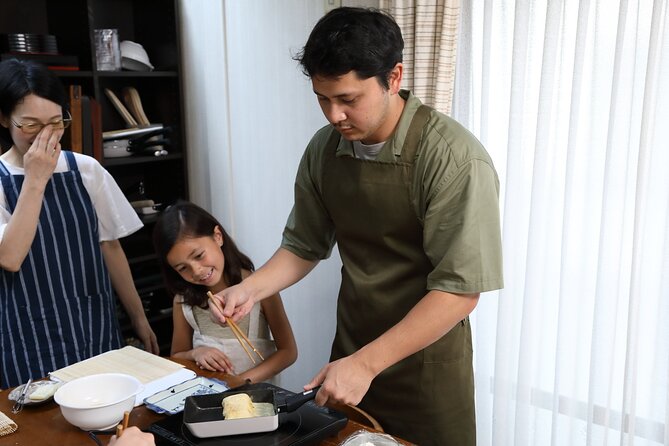
The instruction is not limited to watching. The format calls for demonstrations first, followed by your own preparation, either alone or with a partner. If you enjoy doing rather than simply observing, this should suit you well.
Preparing about five Japanese dishes
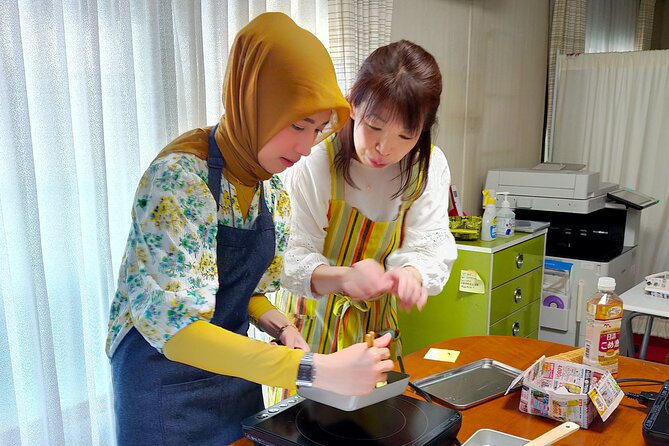
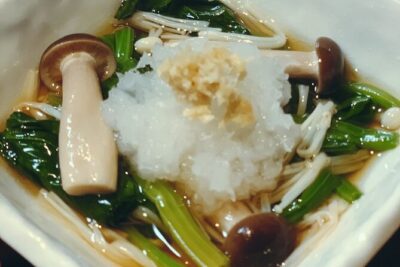
After the dashi introduction, you prepare about five dishes. The exact selection can include familiar Japanese favorites such as miso soup, sushi, spinach salad, tempura, matcha, and mochi. The dishes provide a useful mix of skills rather than repeating one cooking method.
Miso soup connects directly to the opening dashi lesson. Sushi offers practice with preparation and assembly. Tempura brings a different technique, while spinach salad shows how a simple vegetable dish can fit into a Japanese meal. Mochi adds a hands-on sweet finish, and one class version ended with mochi ice cream.
The menu is appealing because it balances dishes that look impressive with recipes that can be made in an ordinary home kitchen. You are not only preparing a single elaborate centerpiece. You are building a meal from several smaller parts, much like a Japanese home meal might be arranged.
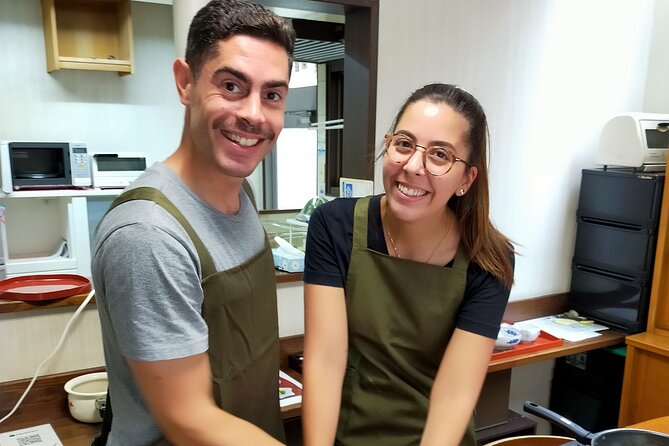
The class is described as hands-on, but you should expect to work with a partner for some tasks. That can be fun for couples and friends, while solo participants may appreciate the chance to share the work with another person. The group cap keeps this from feeling like an assembly line.
A useful detail for home cooks is that recipes are sent to participants after the lesson. That turns the class into something more lasting than a meal eaten and forgotten in Kyoto. You can use the supermarket tour to note which ingredients to buy before leaving Japan, then try the dishes again for family or friends.
Eating in a tatami room with a garden view
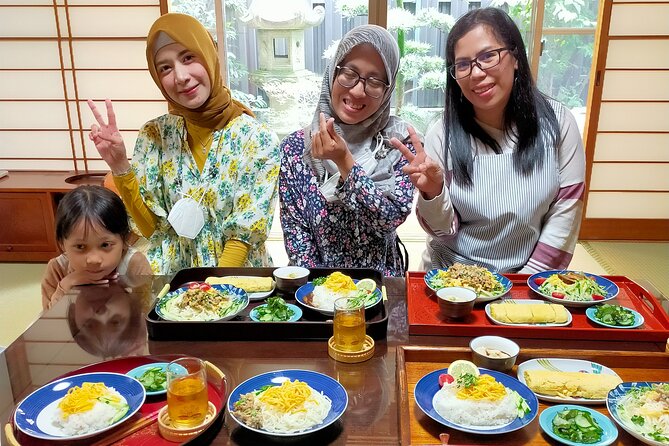
Once the cooking is done, you sit with the other participants and eat the meal in the traditional room. This is a quiet change of pace after the kitchen work, and the tatami setting gives the lunch a distinctly Japanese feel.
The room includes a tokonoma display area and a view toward a tranquil garden. These details matter because the meal becomes part of the lesson. You are not just tasting what you made. You are seeing how food can be served within a traditional domestic setting.
Lunch is included in the price, along with all cooking ingredients, seasonings, fees, and taxes. Drinks are not included, so budget separately if you want something beyond what is provided. The meal itself is the main payoff, but the value comes from preparing it yourself and learning the process.
The food is described as simple and authentic rather than restaurant-style. That is a strength if you want a look at ordinary Japanese cooking, though it may not satisfy someone seeking a formal fine-dining event or a highly polished chef demonstration.
Vegetarian requests can be accommodated, according to the available information. If that matters to you, it is wise to communicate the request when booking so the instructor can plan appropriately. No other dietary arrangements are specified, so you should ask before committing if you have allergies or strict dietary needs.
More workshops and classes in Kyoto:
- Kyoto: 45-Minute Tea Ceremony Lesson Experience
★ 4.3 · 2,378 reviews - Kyoto : Chopsticks Making Workshop in Gion with Engraving Option
★ 5.0 · 958 reviews - Kyoto: Samurai Sword Class by Experts in Traditional Arts
★ 4.9 · 657 reviews - Ninja 1-hour Hands-on Lesson by Japanese master in Kyoto -Entry
★ 5.0 · 489 reviews
The local supermarket adds practical value
After the meal, you spend about 30 minutes walking through a local supermarket with the instructor. This is not just an extra stop to fill time. For many visitors, it may be the most practical part of the morning.
Japanese supermarkets can be confusing even when you recognize the food. Labels may be difficult to read, package sizes vary, and ingredients used in everyday cooking may not be obvious to an international shopper. The instructor explains what you are seeing and helps connect the products on the shelves with the recipes you just prepared.
You can also buy ingredients for making the dishes at home. That gives the tour a useful sequence: learn a technique, eat the result, then see where to purchase the components. If you are taking home food gifts or trying to recreate Japanese meals, this guidance can save time and prevent random purchases.
The supermarket visit is short, about half an hour, so do not expect a full market tour or a detailed survey of every Japanese food product. It works best as a focused follow-up to the cooking class. You already know what you are looking for, and the instructor can point out the relevant items.
Miho’s teaching style and the six-person limit
Miho is the instructor most clearly associated with this class. Her role goes beyond reading out recipes. She explains cooking techniques, gives background on Japanese cuisine, and answers questions in clear English.
That language point is important. Cooking classes can become frustrating when directions are vague or ingredients are left unexplained. Here, the teaching is intended for English speakers, and the instructor’s guide-interpreter background adds cultural context to the food.
The maximum of six participants is another strong point. In a bigger group, you might spend much of the lesson watching someone else chop, mix, or fry. A six-person limit gives you more opportunity to handle the ingredients and receive corrections.
Small groups also help solo visitors. The class is structured around shared preparation and a meal together, so it offers a natural way to meet other people without the forced feeling of a group sightseeing tour.
There is one tradeoff. A small, hands-on class depends on the group dynamic. If one person works slowly or dominates a task, the pace may vary. The partner format can be social and useful, but anyone wanting complete control of every dish should keep that in mind.
Is $118.92 a fair price?
At $118.92 per person, this is not a budget lunch. You are paying for a four-hour activity, instruction in English, a home setting, all ingredients and seasonings, lunch, the supermarket visit, and the personal attention that comes with a six-person maximum.
The value is strongest if you want several things at once: a meal, a cooking lesson, cultural explanation, and a practical introduction to Japanese grocery shopping. Paying for the food alone would not make sense, but the class includes more than food on a plate.
I would compare it with the cost of a restaurant meal plus a separate guided activity. You would still miss the hands-on practice, the recipes, and the chance to see a local home. The class also gives you a skill you can carry beyond Kyoto, especially if you actually use the recipes afterward.
The price is harder to justify if you are only looking for a quick taste of Japanese cuisine. It also may not be ideal if you prefer a formal culinary school, a professional kitchen, or a longer market tour. In that case, the home setting and small-group format are less important to you, and the cost may feel high.
The perfect audience is a curious cook who values direct instruction and cultural detail. It also suits solo visitors, couples, and small groups who want a slower morning near Fushimi Inari instead of another shrine-only visit.
Timing, meeting point, and cancellation details
The start time is 9:30 a.m., and the full activity lasts about four hours. The end point is the same as the meeting point, which keeps the plan simple and makes it easier to continue sightseeing afterward.
The address is near public transportation and close to Fushimi Inari Shrine. You should allow time to reach 38-4 Fukakusa Watamoricho, since arriving late could reduce your cooking time. A morning class also leaves part of the day open for the shrine or other Kyoto sights.
The activity includes a mobile ticket, and confirmation is provided at booking. Hotel pickup and drop-off are not included, so you make your own way to the house.
Free cancellation is available up to 24 hours before the 9:30 a.m. start time for a full refund. Changes or cancellations made inside that window are not accepted for a refund. The experience requires good weather, and if poor weather causes cancellation, you are offered another date or a full refund.
That policy is worth noting even though much of the class takes place indoors. The supermarket walk is outside, and the provider has made weather part of its operating conditions.
Who should book this Kyoto cooking class?
I would choose this class if you want to understand Japanese food rather than simply eat it. The dashi lesson, the five-dish format, the recipes, and the supermarket stop work together as one practical introduction.
It is especially well suited to:
- Solo visitors who want a small social activity
- Couples and friends who enjoy cooking together
- First-time visitors curious about home-style Japanese food
- Home cooks who want recipes they can repeat
- Visitors staying near Fushimi Inari or planning to visit the shrine
- Vegetarians who need a class able to adjust the menu
You may want to skip it if your schedule is tight, your food needs are complex, or you want a restaurant meal with no participation. The four-hour block is substantial, and the price only makes sense if you value the teaching and cultural setting as much as the lunch.
My verdict on the Fushimi Inari home cooking class
I like this experience because it connects the food, the home, and the shopping. You learn what dashi does, prepare several dishes, eat them in a traditional room, and then see the ingredients in a real supermarket. That sequence gives the morning a clear purpose.
The strongest elements are Miho’s clear English instruction, the six-person limit, and the chance to leave with recipes you can use. The tatami room and garden view add atmosphere without replacing the cooking itself.
At $118.92, this is a splurge, but it is a reasonable one for visitors who want a personal, hands-on introduction to Japanese home cooking. Book it if you value practical skills and local context. Pass if you only want an inexpensive meal or a quick sightseeing stop.
FAQ
Where does the cooking class begin?
The class begins at 38-4 Fukakusa Watamoricho, Fushimi Ward, Kyoto, 612-0022, Japan.
What time does the activity start?
The start time is 9:30 a.m.
How long does the experience last?
The activity lasts approximately four hours.
How many people can join the class?
The class has a maximum of six participants.
Is the class taught in English?
Yes. The class is conducted entirely in English, and the instructors are licensed guide interpreters.
Is lunch included?
Yes. Lunch, cooking ingredients, seasonings, all fees, and taxes are included. Drinks are not included.
Does the experience include a supermarket visit?
Yes. The group visits a local supermarket for about 30 minutes after the meal to identify the ingredients used during the class.
Can I cancel for a full refund?
Yes. You can cancel at least 24 hours before the local start time for a full refund. Cancellations or changes made less than 24 hours before the start time are not refunded.
Recently added around Kyoto
- Higashiyama | Kyoto: Sakura Season Private Rickshaw Tour★ 5.0 · 3 reviews
- Kyoto Kimono Rental CHAMATSU|Kimono/Yukata Rental FamilyPlan★ 5.0 · 3 reviews
- Kyoto: Half-Day Private Guided Tour to the Old Town of Gion★ 4.4 · 3 reviews
- Nara Private Customizable Half Day Tour★ 5.0 · 3 reviews
- Kansai Region Hiking Adventure in Nara Kobe Kyoto and More★ 5.0 · 3 reviews
- Full Day Nara Deer, Temple, Shrine, Activities & Tea Ceremony★ 5.0 · 3 reviews
- Nara: Essential Private Tour with Deer Park and Temples★ 5.0 · 3 reviews
- Hiking Tour for Sacred Sites in Kyoto with a Guide★ 5.0 · 3 reviews
Cooking Classes, compared.
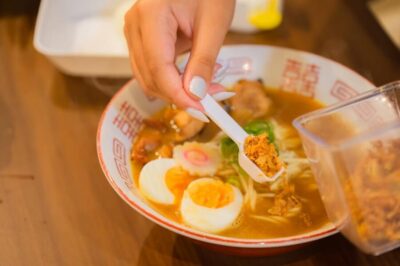
Ramen Cooking Class at a Ramen Factory with Souvenir
Read our review →
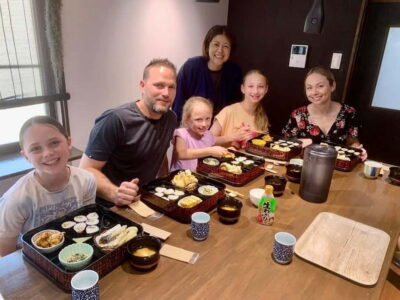
Japanese Washoku Bento Small Group Cooking Class
Read our review →
Kyoto Ramen and Gyoza Cooking Class with Professional Chefs
Read our review →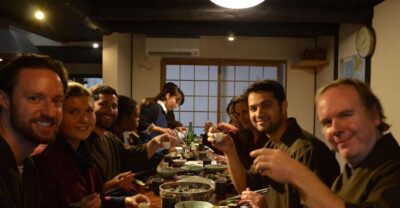

Gyoza Cooking Class in Kyoto: Traditional Japanese Dumplings
Read our review →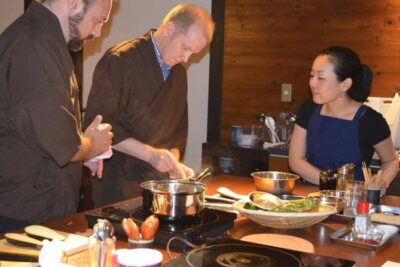
Browse the lists this tour appears in