
REVIEW · NARA DAY TRIPS
Nara:Tea Tasting&Private Tea Ceremony -Master Matcha Making-
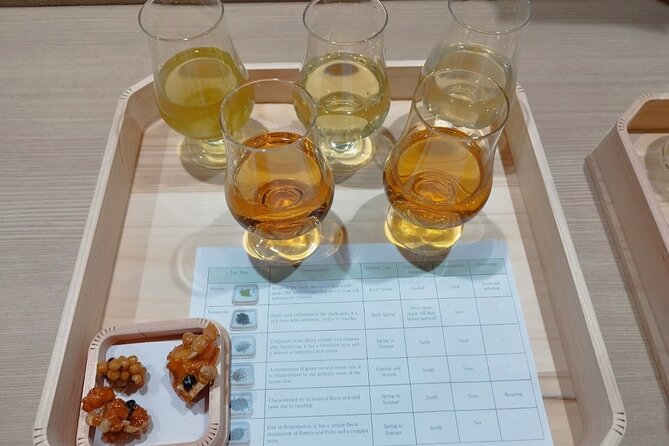
The best part of this Nara experience is the tasting flight. You try five teas from Nara Prefecture, from fragrant matcha to mellow roasted varieties, then choose a favorite for a carefully brewed pot. It gives you a better sense of Japanese tea than a quick cup served with a sweet.
I like the private format, which lets tea master Mike adjust the pace and explain things clearly. I also like the hands-on matcha lesson, where you whisk your own bowl and receive personal guidance instead of simply watching a formal display.
The main consideration is time. At about 90 minutes, this is a focused tea session rather than a full cultural tour, and the $63.06 price is easiest to justify if you value personal instruction, several tastings, and a quiet traditional setting.
In This Review
- Key Points Before You Book
- Five Teas That Make the Session Worthwhile
- Inside the Traditional House Tea Room
- Learning the Customs Without Feeling Stiff
- Making Your Own Matcha
- Wagashi Adds the Sweet Finish
- Why the Private Format Matters
- Meeting Point and Timing in Nara
- Who Will Get the Most From This Tea Experience?
- Is $63.06 a Fair Price?
- The Bottom Line: Should You Book It?
- FAQ
- Where does the tea experience begin?
- Where does the activity end?
- How long does the experience last?
- How much does the experience cost?
- Is this a private activity?
- How many teas will I taste?
- Can I make my own matcha?
- Are traditional Japanese sweets included?
- Is the meeting point near public transportation?
- Can I cancel for a full refund?
Key Points Before You Book
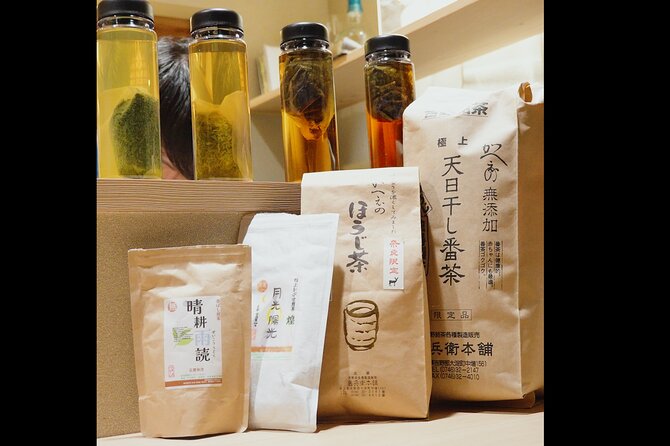
- Five Nara teas in one sitting: Compare different styles, aromas, and brewing methods instead of sampling only matcha.
- Private instruction with Mike: Your group receives one-on-one help with matcha preparation, tea tools, etiquette, and customs.
- A renovated traditional Japanese house: The tea room offers a calm break from sightseeing in Nara.
- Your favorite tea gets special treatment: Choose one tea from the flight for a pot-brewed serving prepared by the tea master.
- Seasonal wagashi with the tea: Traditional Japanese sweets finish the tasting and balance the tea flavors.
- A useful starting point for Nara: Mike also shares local suggestions and practical ideas for places to visit in Japan.
Five Teas That Make the Session Worthwhile
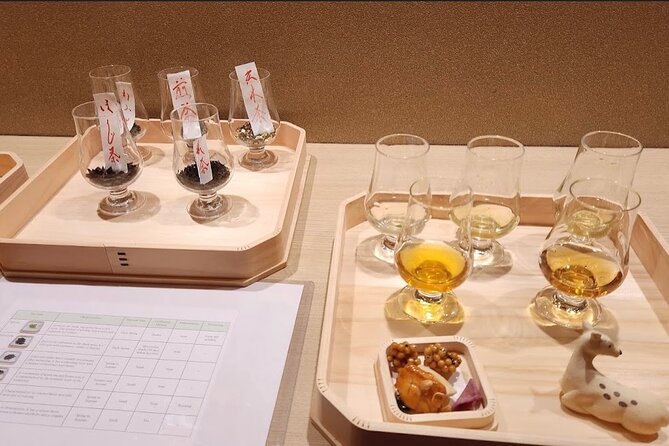
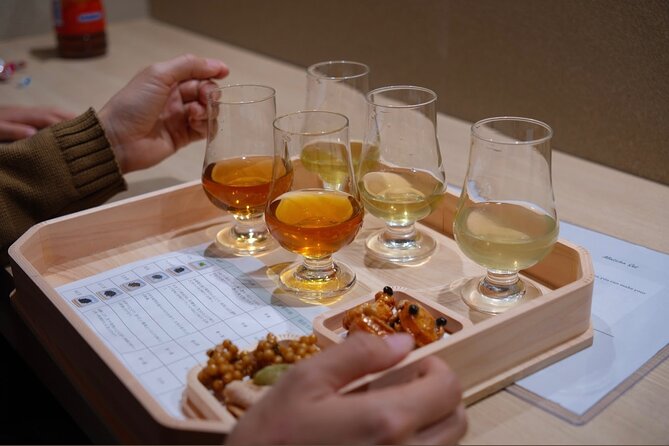
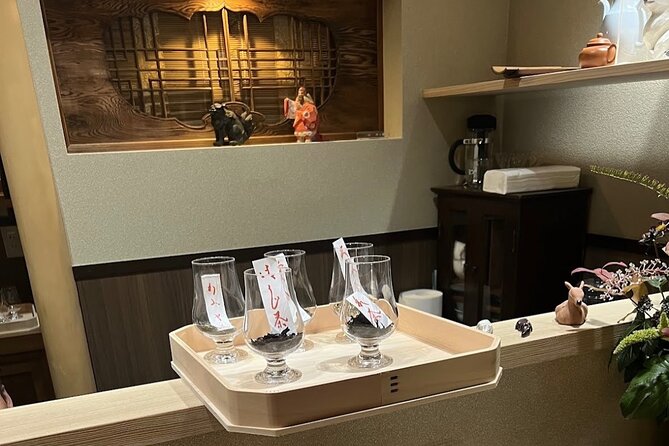
This experience begins with comparison, not ceremony. You taste five Japanese teas selected from Nara Prefecture, which gives the session a clear purpose: to help you notice how much Japanese tea can vary.
Matcha brings a bright aroma and a distinct, finely ground texture. Roasted teas are softer and warmer, with a mellow character that may appeal to you if matcha tastes too strong or grassy. The point is not to declare one tea best. It is to discover what suits your own palate.
I like this setup because it turns tea tasting into a small lesson in observation. You can pay attention to aroma, bitterness, sweetness, body, and aftertaste. You do not need prior tea knowledge. Mike explains the differences in a friendly, conversational way, and the private setting gives you room to ask basic questions without feeling rushed.
Some tea is served cold-brewed, while other tea is prepared hot. That contrast matters. Water temperature and brewing style can change a tea’s flavor, so the tasting helps you understand why the same broad category can taste quite different from one cup to the next.
After the five samples, you choose the tea you prefer. The tea master then prepares it in a pot, bringing out its flavor through careful pours. This is a nice progression: first you compare, then you make a choice, and finally you taste that choice in a more complete serving.
More day trips to Nara:
- World Heritage Kyoto & Nara Uji Authentic Matcha Experience
★ 5.0 · 1,573 reviews - Nara Half Day Trip Walking Tour (Private Option Available)
★ 5.0 · 937 reviews - Nara Early Morning Tour (Kyoto or Osaka Departure Available)
★ 5.0 · 676 reviews
Inside the Traditional House Tea Room
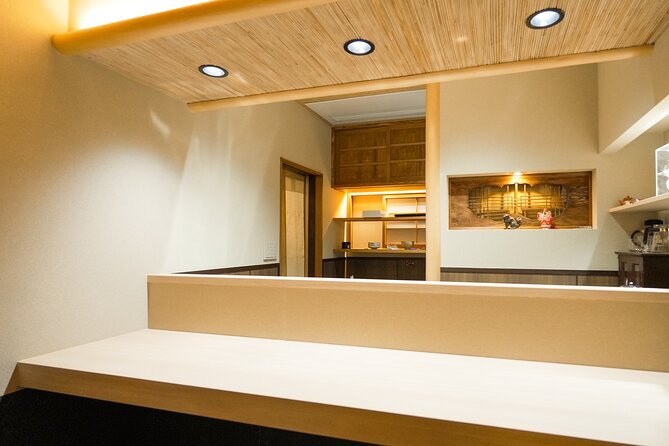
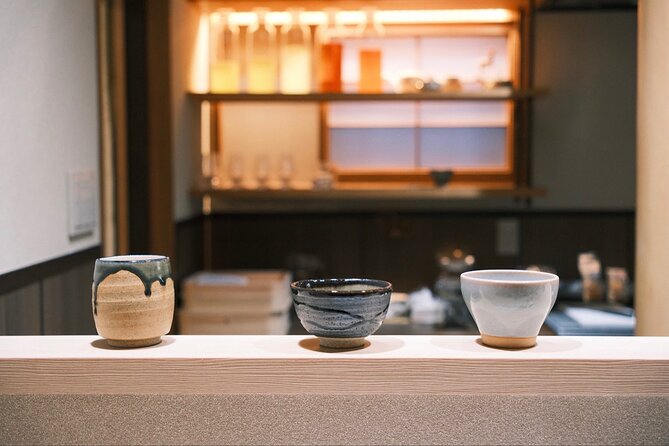
The activity takes place in a renovated traditional Japanese house at or near Guesthouse Naramachi30 in Nara. The setting is not a large performance hall or a busy café. It is a small tea room designed for quiet conversation and focused tasting.
That setting helps the experience feel connected to everyday Japanese culture. You are not only learning a ceremony as a staged show. You are sitting with tea, sweets, tools, and a host in a space where the pace is deliberately slow.
I would plan this as a pause in the middle of a sightseeing day. Nara can involve plenty of walking, and a seated tea session gives you 90 minutes to rest while still doing something meaningful. It can work especially well on a cold day, when hot tea and wagashi offer a welcome break.
The quiet mood may not suit someone looking for a fast, energetic activity. You also should not expect a large-scale cultural demonstration with several performers. This is a private experience built around conversation, tasting, and instruction.
Learning the Customs Without Feeling Stiff
The tea master introduces the tradition, etiquette, tools, and background behind Japanese tea. These details add useful context to the tasting. You learn not only what is in your cup, but also why certain tools and movements matter.
Formal tea culture can appear intimidating when you first encounter it. The private lesson makes it easier to ask questions about manners or technique. Mike is described as warm, funny, and accommodating, and he has been especially good with children. That makes this a more relaxed option for families than a highly formal ceremony where everyone must sit silently and copy exact movements.
The tone also seems to be personal. Mike does more than recite facts. He talks about different tea options and can offer tips about places to visit in Japan. If you are early in your trip, this local conversation may help you shape the next few days.
Do keep your expectations in check. The experience offers an introduction to tea customs, not a long academic course in Japanese tea schools. You will leave with a working understanding of the basics, a few new impressions, and perhaps a better idea of what to order later.
Making Your Own Matcha
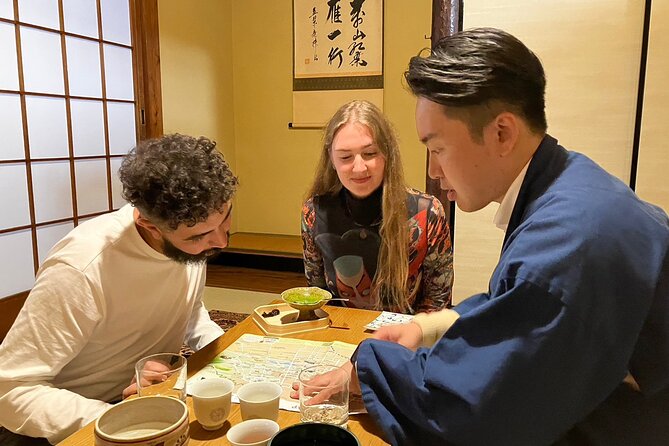
The most interactive part comes when you whisk your own matcha. Instead of only watching the master prepare it, you handle the tools and take part in the process.
The motion is simple in principle but takes some care. You whisk the tea under the master’s direction, paying attention to the rhythm and texture. Personal feedback is important here because a short demonstration alone may not tell you how your technique should feel.
This part works well for couples, families, and first-time visitors who want more than a tasting. It gives the session a clear memory to take home: you did not merely drink matcha, you prepared a bowl yourself.
The appeal is also in the pace. The repeated whisking motion is quiet and focused. You have time to notice the aroma and taste your own creation. It is a small act, but it gives the ceremony a more personal quality.
Matcha can be an acquired taste, and not every person will prefer it. That is one reason the five-tea flight matters. If your homemade matcha is not your favorite cup, you still have four other teas to compare and a chosen tea served from the pot.
More tea ceremonies in Nara:
- Nara:Authentic Tea Ceremony(Max 5 ppl) -Master Matcha Making
★ 5.0 · 119 reviews - Nara:5 Type of Tea Tasting & Mindful Tea Ceremony
★ 5.0 · 28 reviews - Full Day Nara Deer, Temple, Shrine, Activities & Tea Ceremony
★ 5.0 · 3 reviews - Nara:Private Tea Ceremony(Max 5 ppl) -Master Matcha Making-
★ 5.0 · 3 reviews
Wagashi Adds the Sweet Finish
Seasonal wagashi, traditional Japanese sweets, are served with the tea. These sweets are not just decoration. Their sweetness helps balance tea’s bitterness and gives you another way to understand the customs around tea service.
Wagashi can also change how the tea tastes. A bite of sweet before a sip may make a roasted tea feel softer or make matcha’s sharper notes easier to appreciate. The seasonal element adds a link to the time of year, though the exact sweet is not specified in advance.
The sweets are also useful for families and anyone who does not want an experience based entirely on strong tea flavors. They make the session feel like a complete small meal of tastes, even though the focus remains firmly on tea.
Why the Private Format Matters
This is a private tour, so only your group takes part. That is a major part of the value. You do not have to compete with a large class for the tea master’s attention, and the instruction can stay at your level.
For a couple, the format creates a calm shared activity. For a family, it allows the pace to work better for children. For solo visitors, it offers a more direct chance to speak with a local host and ask questions about tea or Nara.
The private setup also makes the ceremony less performative. You can take part without worrying about making a mistake in front of strangers. If you need a second explanation of a tea tool or a matcha step, you can ask.
There is a tradeoff. Private activities often cost more per person than a group class, and this one is priced at $63.06 per person. I see the price as fair if you want five tastings, a pot-brewed serving, a matcha lesson, sweets, and direct time with the host. If you only want to drink a cup of matcha, a tea shop will likely be a simpler and cheaper choice.
Meeting Point and Timing in Nara
You meet at Guesthouse Naramachi30, located at Kitakyōbatechō, Nara, 630-8322, Japan. The activity ends back at the meeting point, so you do not need to arrange a separate end location.
The meeting point is near public transportation, which makes it practical to fit into a day of sightseeing. You should still allow enough time to find the address, since the experience has a set start time and the tea session itself is built around a calm pace.
The duration is about one hour and 30 minutes. That is long enough for the full sequence of tasting, brewing, instruction, matcha preparation, and wagashi without taking over your day.
The activity is often booked about 26 days ahead. That does not mean you must reserve that far in advance, but it is a useful planning clue if your Nara dates are fixed. A private session has limited capacity by nature, so booking early is sensible during busy travel periods.
Confirmation arrives at booking, and mobile tickets are accepted. Free cancellation is available if you cancel at least 24 hours before the local start time. Cancellations or changes made less than 24 hours ahead do not qualify for a refund.
Who Will Get the Most From This Tea Experience?
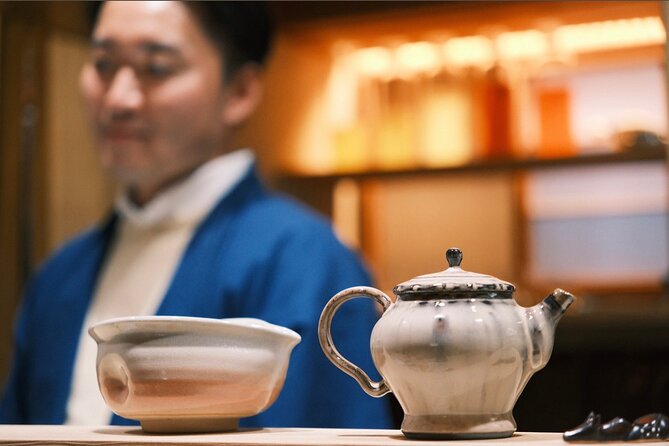
I would recommend this for first-time visitors who want a friendly introduction to Japanese tea. You get enough variety to learn what you like, plus enough instruction to understand the basic customs behind the drink.
It is also a strong choice for families. The private format and Mike’s reported ease with children make it less rigid than a formal group ceremony. Children can taste several teas, help with matcha, and enjoy the wagashi, though the experience is still best for anyone willing to sit and focus for 90 minutes.
Couples may appreciate the quiet setting and shared activity. It gives you something to do together that is more personal than taking photos at a famous sight.
Tea fans will find the tasting variety useful, especially if you want to compare cold-brewed and hot tea. The chance to select a favorite and have it brewed in a pot adds a small layer of control that many basic tea tastings lack.
I would be less likely to recommend it if you want a major Nara history tour, a long temple visit, or a large theatrical ceremony. No temples or other attractions are included in the stated activity. This is about tea, conversation, and a short period of calm.
Is $63.06 a Fair Price?
At $63.06 per person, this is not a bargain cup of tea. The value comes from the number of elements packed into the private 90-minute session.
You receive five local teas, explanations of tea types and customs, a serving of your chosen tea, matcha practice with feedback, and seasonal wagashi. You also have direct time with a host who can answer questions and share local suggestions.
I would judge the price by your interest level. If tea is only a minor curiosity, you may find the cost high for a short activity. If you want a personal cultural lesson and a useful introduction to Japanese tea, the private attention makes the fee easier to defend.
The perfect comparison is not a café visit. It is a private class with tasting and cultural context. Seen that way, the price is reasonable, particularly for a couple or family that wants an experience designed around its own group.
The Bottom Line: Should You Book It?
Book this Nara tea experience if you want a small, personal cultural activity rather than a quick photo stop. The strongest reasons are the five-tea comparison, Mike’s friendly instruction, the chance to make your own matcha, and the peaceful traditional-house setting.
I would schedule it early in your Nara visit if you want local suggestions from Mike or hope the tasting will guide your later tea choices. It also makes a good rest stop on a busy day.
Skip it if you want a broad sightseeing tour or if $63.06 feels too high for a 90-minute activity focused on one subject. For everyone else, this offers a thoughtful way to slow down, learn a little, and leave Nara with a better understanding of what is in your cup.
FAQ
Where does the tea experience begin?
You meet at Guesthouse Naramachi30, Kitakyōbatechō, Nara, 630-8322, Japan.
Where does the activity end?
The activity ends back at the meeting point.
How long does the experience last?
The experience lasts approximately one hour and 30 minutes.
How much does the experience cost?
The listed price is $63.06 per person.
Is this a private activity?
Yes. Only your group participates in the activity.
How many teas will I taste?
You will sample five different Japanese teas sourced from Nara Prefecture.
Can I make my own matcha?
Yes. The tea master guides you through whisking your own matcha and provides personal feedback.
Are traditional Japanese sweets included?
Yes. Seasonal wagashi are served during the experience.
Is the meeting point near public transportation?
Yes. The meeting point is described as being near public transportation.
Can I cancel for a full refund?
Yes, if you cancel at least 24 hours before the experience’s start time. Cancellations made less than 24 hours before the start time are not refunded.
More Food Tours in Nara
- Private Nara Tour and Sake Tasting (Departing from Kyoto/Nara)
★ 5.0 · 40 reviews - Nara Sake Tasting Tour at Local Brewerie(tasting fee included)
★ 5.0 · 12 reviews - Nara – Craft Beer, Sake, and Food Walking Tour
★ 3.5 · 9 reviews - Nara: Sake Tasting Tour at the Birthplace of Japanese Sake
★ 4.9 · 8 reviews
More Kyoto Matcha Experiences in Nara
- Kyoto: Arashiyama Bamboo Forest, Monkeys, Matcha & Temple Tour
★ 5.0 · 759 reviews - Kyoto: Tea Museum Tickets and Matcha Grinding Experience
★ 4.9 · 739 reviews - Kyoto: Tea Ceremony Meditation – Make Matcha with Tea Master
★ 4.8 · 406 reviews - Kyoto: Arashiyama Bamboo, Matcha, Monkeys & Temple Tour
★ 4.9 · 291 reviews
Recently added around Nara
- Nara Private Customizable Half Day Tour★ 5.0 · 3 reviews
- Full Day Nara Deer, Temple, Shrine, Activities & Tea Ceremony★ 5.0 · 3 reviews
- Nara: Essential Private Tour with Deer Park and Temples★ 5.0 · 3 reviews
- Discover the Essence of Nara Ink Through Your Senses★ 5.0 · 3 reviews
- Private Journey in Nara’s Historical Wonder★ 5.0 · 3 reviews
- Nara:Private Tea Ceremony(Max 5 ppl) -Master Matcha Making-★ 5.0 · 3 reviews
- Nara Takayama Tea Whisk Craft and Tea Culture Experience★ 5.0 · 3 reviews
- Nara: Half-Day Private Tour of 4 Must-See Spots & Deer Park★ 5.0 · 3 reviews
Nara Day Trips, compared.
World Heritage Kyoto & Nara Uji Authentic Matcha Experience
Read our review →
Kyoto/Osaka: Nara, Fushimi Inari Taisha, Arashiyama Bus Tour
Read our review →
Nara Half Day Trip Walking Tour (Private Option Available)
Read our review →
Nara Early Morning Tour (Kyoto or Osaka Departure Available)
Read our review →

Kyoto/Osaka: Kinkakuji, Bamboo Forest, and Nara Deer Park
Read our review →Browse the lists this tour appears in