
REVIEW · NARA DAY TRIPS
Nara:Authentic Tea Ceremony(Max 5 ppl) -Master Matcha Making
A tea ceremony can be stiff and formal, or it can feel like a friendly lesson in how Japan pays attention to small things. This Nara experience leans toward the latter. You enter a 120-year-old Japanese farmhouse, learn why the utensils and movements matter, then prepare your own bowl of matcha under a tea master’s eye. I like the quiet setting and the chance to ask questions without being rushed. The main consideration is that one hour goes quickly, especially if you want a long discussion about tea, etiquette, and Nara.
I also like the tasting element. You do not simply drink one sweetened cup and take a photo. You compare single-origin matcha from Nara, sample tea prepared by the host, and work on your own whisking technique. The session is advertised for a small group, with the title stating a maximum of five people and the additional details listing up to six, so confirm the exact group size when booking.
In This Review
- Key points at a glance
- Entering an old Nara farmhouse
- The first lesson: tea, etiquette, and purpose
- Comparing Nara matcha before making your own
- Whisking matcha, one careful movement at a time
- Wagashi and the final taste of the ceremony
- What makes the small format valuable
- The one-hour schedule and its limits
- Is $46 a fair price?
- Who should book this experience?
- Booking and cancellation details
- FAQ
- How long does the tea ceremony experience last?
- How much does the experience cost?
- Where does the experience take place?
- Is the experience private?
- Can I make my own matcha?
- What else is included besides matcha?
- Which languages are available?
- Can I cancel for a refund?
- Should you book it?
Key points at a glance
- A 120-year-old farmhouse: The traditional setting gives the ceremony a calm, lived-in feel rather than a staged classroom atmosphere.
- Hands-on whisking practice: You prepare your own matcha and receive tips on creating a smoother, creamier bowl.
- Tea comparison included: Taste different single-origin matchas from Nara and decide which style suits you.
- English or Japanese instruction: Hosts such as Mike, Hasumi, and Tate have led sessions in English, with Japanese also available.
- Useful local advice: The hosts often share suggestions for restaurants, sake shops, matcha purchases, and places to visit in Nara and Kyoto.
Entering an old Nara farmhouse
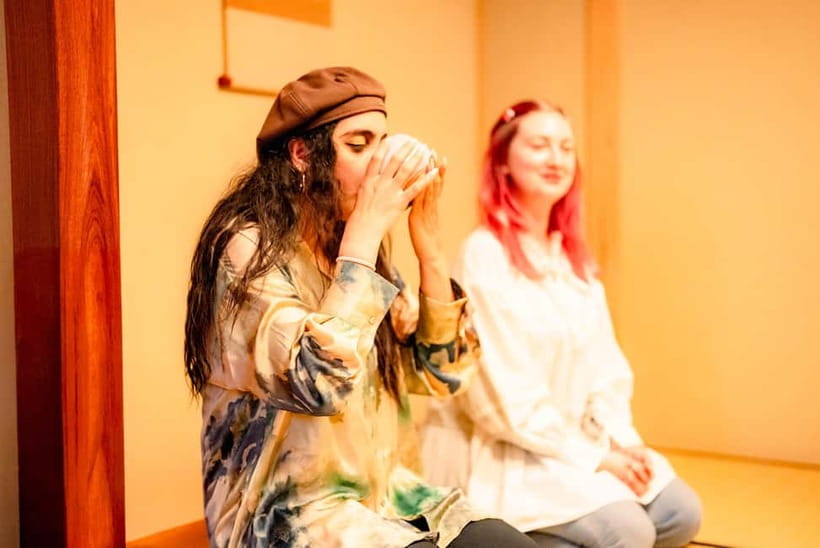
The setting does much of the work here. Rather than taking place in a modern hotel room or a large tourist venue, the ceremony is held in a Japanese farmhouse about 120 years old. That matters because tea ceremony is not only about the drink. The room, the quiet, the tools, and the measured pace all help you understand the custom.
One account describes walking about ten minutes to the guesthouse after meeting the tea master. The same visitor had trouble locating the host at first, then connected by WhatsApp and was guided to the right place. I would keep your phone available, allow a little extra time, and read the meeting instructions carefully.
The house itself is described as quaint, peaceful, and traditional. You might notice that the atmosphere is less polished than a purpose-built cultural center, but that is part of the appeal. This feels closer to being welcomed into a private Japanese home than attending a performance for a busload of people.
More day trips to Nara:
- World Heritage Kyoto & Nara Uji Authentic Matcha Experience
★ 5.0 · 1,573 reviews - Nara Half Day Trip Walking Tour (Private Option Available)
★ 5.0 · 937 reviews - Nara Early Morning Tour (Kyoto or Osaka Departure Available)
★ 5.0 · 676 reviews
The first lesson: tea, etiquette, and purpose
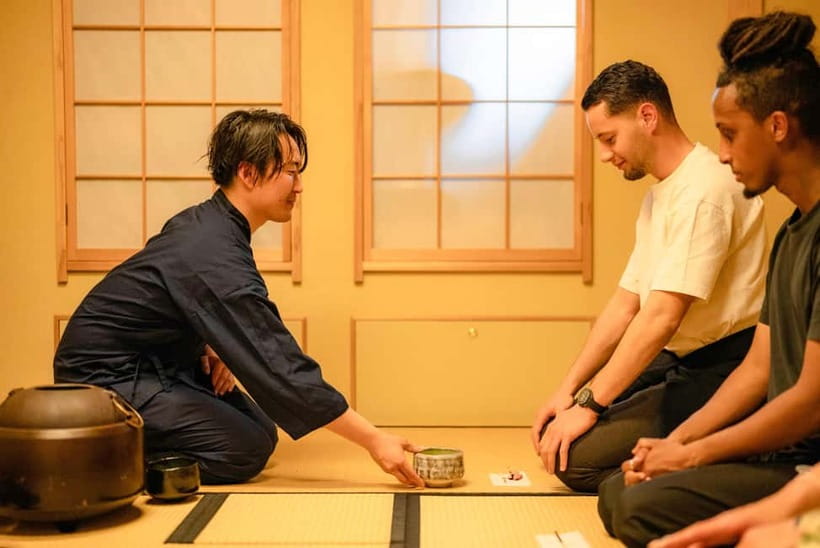
The session begins with an explanation of tea ceremony basics. Your host covers the background of the practice, the meaning behind the formal actions, and the etiquette expected from the person preparing and receiving tea.
This introduction is especially useful if you have never attended a tea ceremony. Without context, the bowing, turning of the bowl, placement of utensils, and careful serving motions can seem mysterious. Here, the host explains the why behind the actions, so the ritual becomes easier to follow.
The tone is formal enough to respect the tradition but relaxed enough for questions. Mike is repeatedly described as friendly, interactive, and willing to add humor. Hasumi is praised for clear explanations of the process and its background, while Tate has been noted for teaching both the ceremony and wider information about Japan. Since host assignments can vary, your guide may not be the person named in a particular account.
The instruction is in English or Japanese. The English-language sessions are designed for international visitors, and one account specifically notes that the host’s English was excellent. Still, tea ceremony has many small details, so do not hesitate to ask for a movement or term to be shown again.
Comparing Nara matcha before making your own
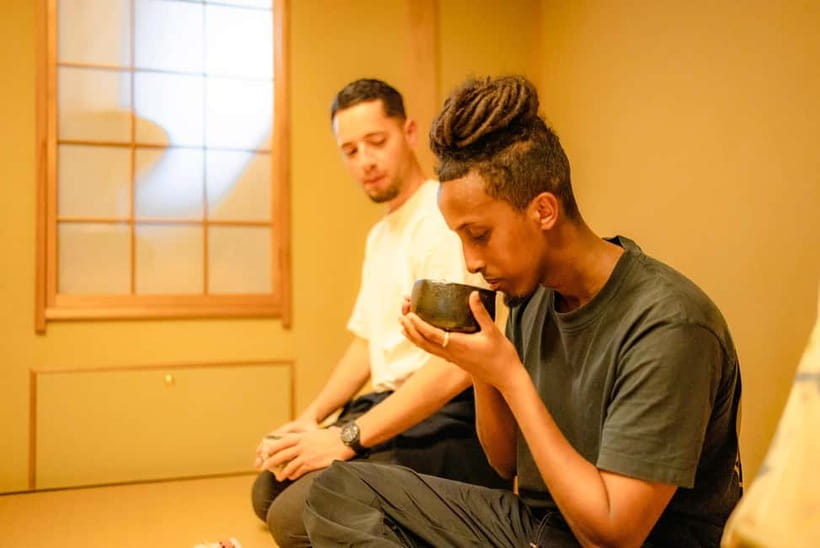
The tasting gives the hour more substance than a simple demonstration. You have the chance to taste and compare matcha from Nara, including single-origin examples. The point is not to decide which tea is objectively best. It is to notice how aroma, bitterness, sweetness, texture, and aftertaste differ.
That comparison helps you understand why matcha can taste so different from one bowl to the next. A newcomer may expect every serving to have the same strong, grassy flavor. Trying several teas side by side gives you a better sense of your own preferences.
Some sessions have included extra tea from Uji, and one host has offered advice on where to buy matcha and sake. That kind of practical local knowledge is a useful bonus. If you like a particular tea, ask its name and where you can find something similar after the class.
The tasting also creates an easy opening for conversation. You can talk about flavor rather than worrying about perfect manners from the start. I like that balance: the ceremony keeps its sense of respect, but you are not left guessing what you are allowed to do.
Whisking matcha, one careful movement at a time
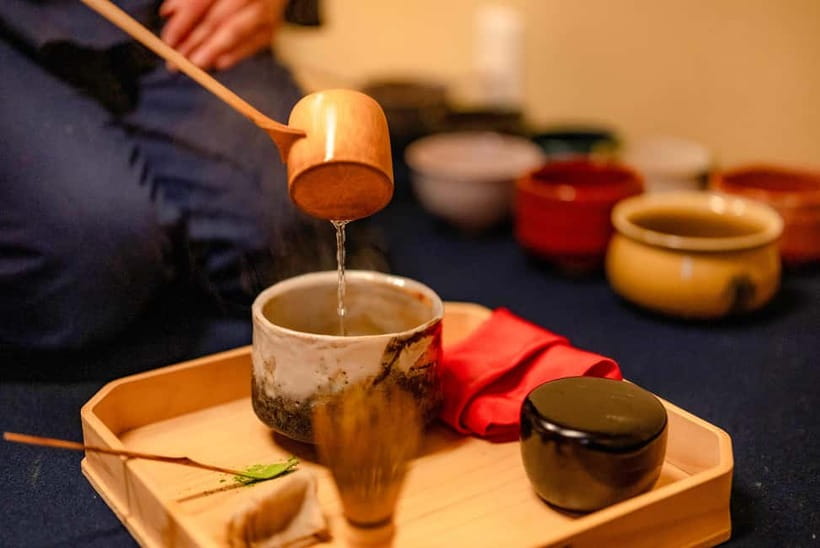
The most rewarding part for many people is making the tea themselves. The tea master demonstrates how to use the bamboo whisk, then lets you prepare your own bowl with personal guidance.
Whisking looks simple until you try it. The aim is not to stir slowly in circles like coffee. You use quick, controlled movements to blend the powder and water, then work toward a fine layer of foam. The host watches your technique and offers corrections, such as how to hold the whisk or adjust the motion.
Several sessions have focused on producing a smoother, creamier matcha. That is a practical skill you can take home. You may not become a tea master in an hour, but you will leave knowing far more than simply adding powder to water.
The hands-on format also makes this a good choice for families and couples. One family of four described having a private, interactive session, and another visitor unexpectedly found the booking had become a one-on-one lesson. The exact arrangement can vary, but the experience is built around direct instruction rather than watching from the back of a room.
Do not worry if your first bowl is not perfect. A slightly uneven foam or a whisk that refuses to cooperate is part of the fun. You are learning a technique, not sitting an exam.
More tea ceremonies in Nara:
- Nara:5 Type of Tea Tasting & Mindful Tea Ceremony
★ 5.0 · 28 reviews - Nara:Tea Tasting&Private Tea Ceremony -Master Matcha Making-
★ 5.0 · 19 reviews - Full Day Nara Deer, Temple, Shrine, Activities & Tea Ceremony
★ 5.0 · 3 reviews - Nara:Private Tea Ceremony(Max 5 ppl) -Master Matcha Making-
★ 5.0 · 3 reviews
Wagashi and the final taste of the ceremony
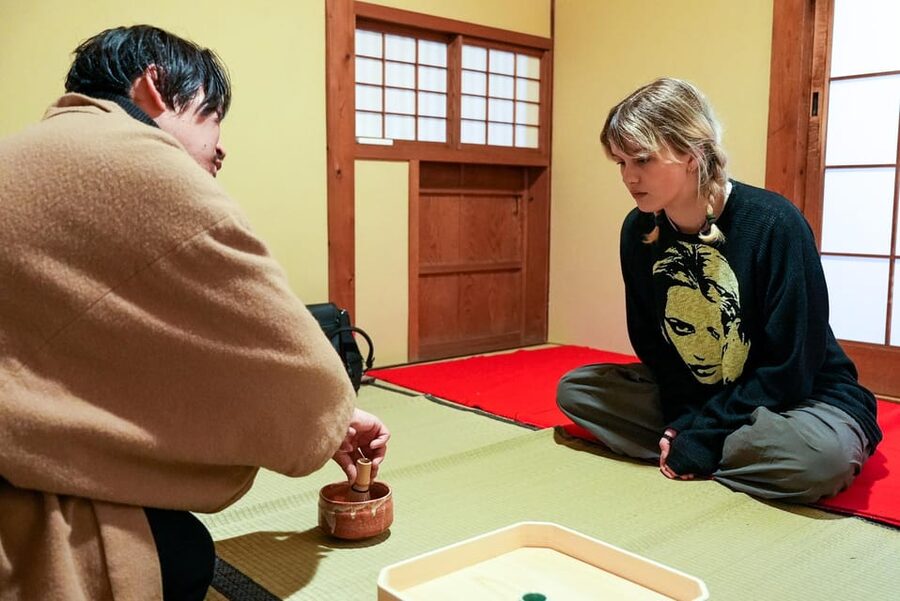
The matcha is served with seasonal wagashi, traditional Japanese sweets designed to balance the tea. Their sweetness softens matcha’s bitterness and gives the ceremony a clear rhythm: sweet first, then tea.
The sweets are not an afterthought. They show how Japanese tea service considers the full experience, including color, season, texture, and contrast. Exact flavors and shapes change, so you should not expect one fixed sweet on every date.
Some hosts have also served freshly made sweets or additional brewed tea. Those extras are not listed as guaranteed parts of every session, so think of them as possible variations rather than something to book for specifically.
This closing portion is calm and unhurried in feel, even though the total activity lasts only one hour. If you want quiet time during a busy Nara day, this is one of the strongest reasons to choose the experience.
What makes the small format valuable
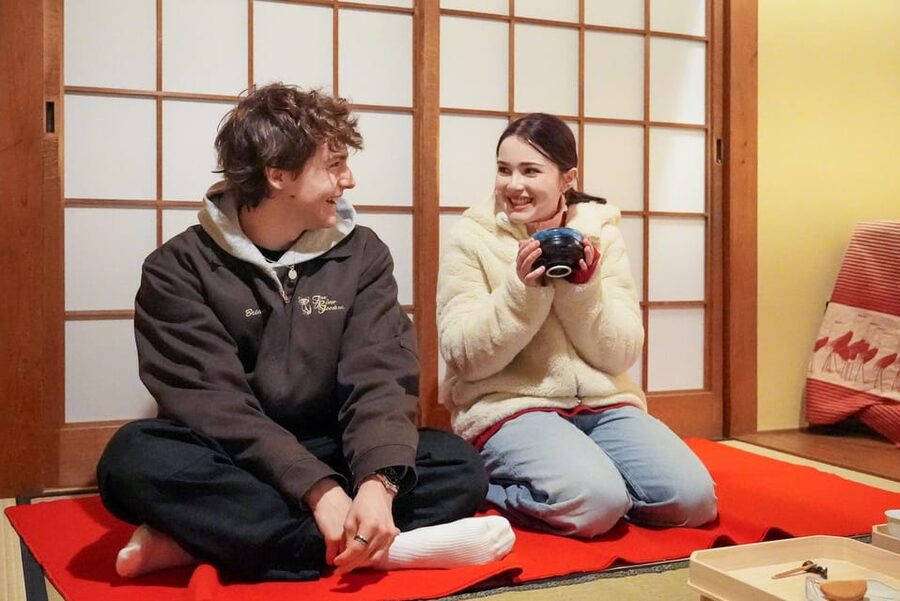
The group size deserves a close look. The activity title says maximum five people, while the additional information says the small group is limited to six participants. The description also calls the instruction one-on-one. These details do not line up perfectly, so check the current booking information for your date.
In practical terms, the experience is designed to stay personal. You should have a chance to whisk tea, ask about the tools, and receive direct feedback. That would be much harder in a large group.
A private or nearly private booking is particularly valuable if you have questions about Japanese customs, tea production, or local food. Hosts have suggested ramen shops, yakiniku restaurants, bars, sake stores, matcha cafés, and less-visited sights in Nara and Kyoto. One tea master even helped arrange a restaurant booking, while another helped a visitor find the bus to Nara’s deer park.
These recommendations are not a formal sightseeing tour, and they should not replace a planned Nara itinerary. Still, a local host who enjoys talking about food and tea can help you make better choices after the ceremony.
The one-hour schedule and its limits
At one hour, this is a compact cultural activity. You can fit it neatly before lunch, after visiting Nara Park, or at the start of a day when you want a quiet introduction to Japan.
The time usually needs to cover several parts:
- Arrival at the traditional house
- An explanation of tea ceremony history and etiquette
- A demonstration by the tea master
- Tea tasting and comparison
- Your own matcha preparation
- Matcha and wagashi
That is a lot for sixty minutes. I would not book this expecting a long formal ceremony with extended meditation or a detailed lesson in every school of tea. The strength is breadth and personal contact: you get an introduction, a tasting, a demonstration, and practice in one well-focused hour.
If you are especially interested in tea, use the question period wisely. Ask about the matcha’s origin, how to buy good powder, how to store it, and which tools matter at home. The hosts have shown a willingness to answer detailed questions, and that personal exchange adds value.
Is $46 a fair price?
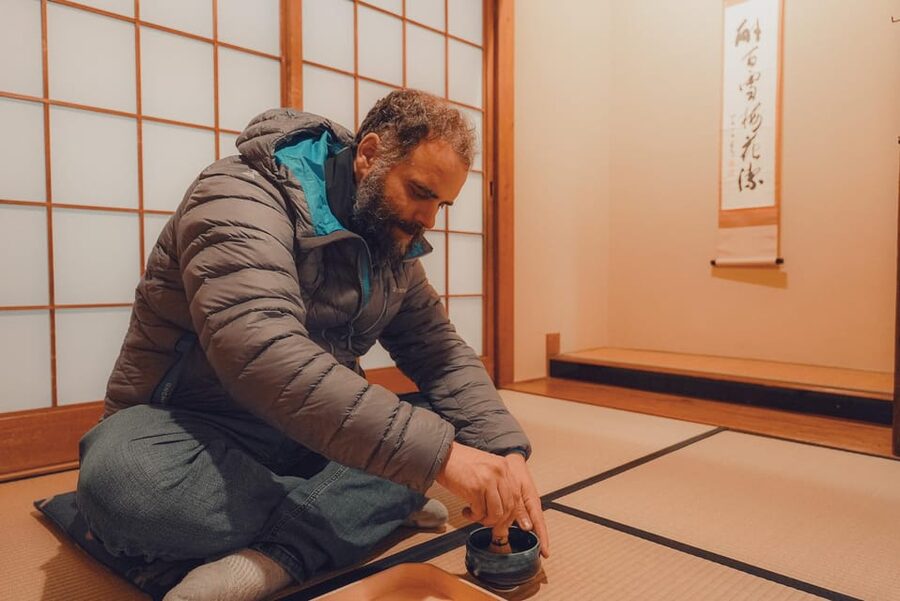
At $46 per person, the cost sits above a basic cup of matcha but includes much more than a drink. You are paying for access to a traditional house, instruction from a tea master, a guided tasting, the tea and sweets, and the chance to practice yourself.
The price makes the most sense if you value a small group and active participation. A cheaper cultural stop might give you tea and a short explanation, but it may not give you individual corrections or time to make your own bowl.
For a family of four or a small group of friends, the private feel can also make the price easier to justify. You are not only buying refreshments. You are buying an hour of focused cultural instruction in a setting that would be difficult to arrange independently.
The value is weaker if you only want to sample matcha quickly or if you already know how to prepare it. In that case, the history and etiquette lesson may feel basic. For a first tea ceremony, though, the mix of explanation, tasting, and practice is well judged.
Who should book this experience?
I would recommend it most strongly to first-time visitors who want a clear introduction to Japanese tea culture without committing half a day. It also suits people who prefer conversation and participation over a silent demonstration.
Families can benefit from the relaxed teaching style, especially if children are old enough to follow simple instructions and handle the whisk carefully. Couples and solo visitors should also find the small format comfortable.
Tea lovers will appreciate the comparison of Nara matchas and the chance to ask about buying tea at home. Food-focused visitors may get extra value from the local restaurant and sake suggestions.
You may want to skip it if your schedule is so tight that a one-hour appointment would make Nara sightseeing stressful. It is also not the right pick if you want a grand, highly formal ceremony performed entirely for you. This is a lesson as much as a ritual, and your own hands are part of the experience.
Booking and cancellation details
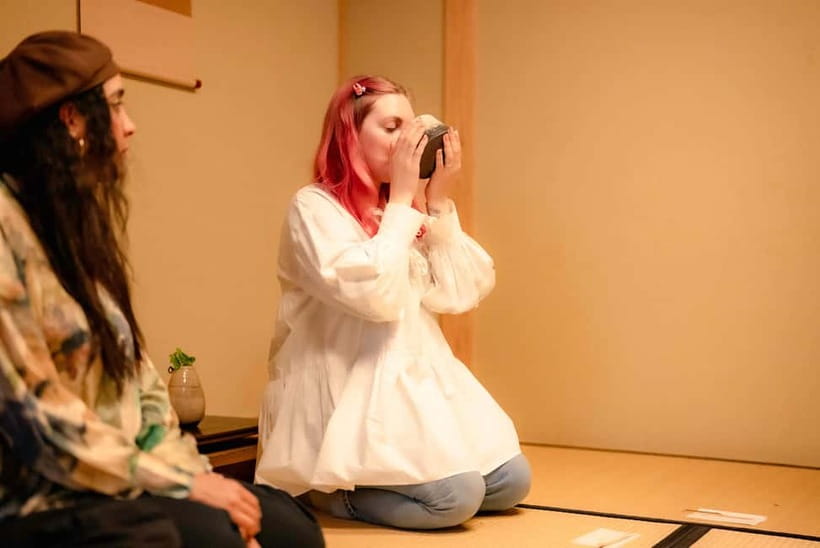
The activity costs $46 per person and lasts one hour. Starting times depend on availability, so check the date that fits your Nara plans.
You can cancel up to 24 hours before the experience for a full refund. A reserve-now, pay-later option is also offered, which helps if your Japan schedule is still shifting.
Instruction is available in English and Japanese. Because the listed capacity varies between five and six people, confirm the group limit and meeting instructions before paying. Keep your phone reachable, especially if the host needs to contact you about finding the house.
FAQ
How long does the tea ceremony experience last?
The activity lasts one hour.
How much does the experience cost?
The price is $46 per person.
Where does the experience take place?
It takes place in a traditional Japanese farmhouse in Nara, described as about 120 years old.
Is the experience private?
The format is described as one-on-one instruction and a small group. The activity title lists a maximum of five people, while the additional information says up to six participants, so check the group size for your date.
Can I make my own matcha?
Yes. The tea master demonstrates the process, then guides you as you whisk your own matcha and gives personalized feedback.
What else is included besides matcha?
The experience includes a tea ceremony introduction, history and etiquette, traditional utensils, matcha preparation and serving, tea tasting, and seasonal wagashi.
Which languages are available?
The instructor languages are English and Japanese.
Can I cancel for a refund?
Yes. You can cancel up to 24 hours in advance for a full refund. Reserve now and pay later is also available.
Should you book it?
Book this if you want more than a ceremonial photo. The strongest parts are the old farmhouse, the direct instruction, the comparison of Nara matchas, and the chance to whisk your own tea. Add the local food and sightseeing advice, and the hour becomes a useful first step into Nara.
I would confirm the group size and meeting directions before booking, then arrive ready to ask questions. For a first tea ceremony, $46 buys a calm, personal lesson with a real skill to take home. That is a fair deal, especially when you want a quiet cultural pause between Nara’s temples, deer park, and busy streets.
More Kyoto Matcha Experiences in Nara
- Kyoto: Arashiyama Bamboo Forest, Monkeys, Matcha & Temple Tour
★ 5.0 · 759 reviews - Kyoto: Tea Museum Tickets and Matcha Grinding Experience
★ 4.9 · 739 reviews - Kyoto: Tea Ceremony Meditation – Make Matcha with Tea Master
★ 4.8 · 406 reviews - Kyoto: Arashiyama Bamboo, Matcha, Monkeys & Temple Tour
★ 4.9 · 291 reviews
Recently added around Nara
- Nara Private Customizable Half Day Tour★ 5.0 · 3 reviews
- Full Day Nara Deer, Temple, Shrine, Activities & Tea Ceremony★ 5.0 · 3 reviews
- Nara: Essential Private Tour with Deer Park and Temples★ 5.0 · 3 reviews
- Discover the Essence of Nara Ink Through Your Senses★ 5.0 · 3 reviews
- Private Journey in Nara’s Historical Wonder★ 5.0 · 3 reviews
- Nara:Private Tea Ceremony(Max 5 ppl) -Master Matcha Making-★ 5.0 · 3 reviews
- Nara Takayama Tea Whisk Craft and Tea Culture Experience★ 5.0 · 3 reviews
- Nara: Half-Day Private Tour of 4 Must-See Spots & Deer Park★ 5.0 · 3 reviews
Nara Day Trips, compared.
World Heritage Kyoto & Nara Uji Authentic Matcha Experience
Read our review →
Kyoto/Osaka: Nara, Fushimi Inari Taisha, Arashiyama Bus Tour
Read our review →
Nara Half Day Trip Walking Tour (Private Option Available)
Read our review →
Nara Early Morning Tour (Kyoto or Osaka Departure Available)
Read our review →

Kyoto/Osaka: Kinkakuji, Bamboo Forest, and Nara Deer Park
Read our review →Browse the lists this tour appears in