
REVIEW · NARA DAY TRIPS
Nara: Sake Tasting Tour at the Birthplace of Japanese Sake
Nara’s sake story began in Buddhist temples more than a thousand years ago, and this private tour lets you taste that past in the places where modern brewers still work. You move through quiet sake districts rather than simply sitting at one bar, sampling bottles made in Nara and hearing why each tōji, or master brewer, takes a different approach.
I like the personal scale, especially since guides such as Takashi, Hiro Takeuchi, and Yayoi have been praised for their warmth and care. I also like the range of stops: three working breweries plus a sake shop gives you both production and shopping, not just a flight of drinks.
The main thing to consider is the walking. The tour lasts three hours and links several locations on foot, so it may feel tiring if you have limited mobility. One guide, Hiro, was able to accommodate a father using a wheelchair, but you should discuss your needs before booking.
In This Review
- Key points to know before you book
- Why Nara is an important place to taste sake
- Starting at Ukimi-do Pavilion
- Stop one: entering Nara’s sake districts
- Stops two and three: three working breweries
- Stop four: comparing the sake shop
- What the tasting teaches you about sake
- How the three-hour schedule feels
- What $119 means in value
- Who will enjoy this most
- Should you book the Nara sake tour?
- FAQ
- Where does the Nara sake tasting tour start?
- Where does the tour finish?
- How many tasting locations are included?
- What languages are available?
- Is the tour private?
- Can I cancel the tour for a full refund?
Key points to know before you book
- Sake at the source: Taste directly at three working Nara breweries, then compare the selection at a dedicated sake shop.
- A walk through old Nara: The route connects quiet sake districts with the city’s wider temple and spiritual traditions.
- Four tasting locations: Each stop lasts about 40 minutes, with time for explanation, sampling, and local context.
- A private guide: Japanese or English guiding lets you ask questions and shape the conversation around your interests.
- A broad flavor range: Expect samples that move from crisp and dry to mellow and full-bodied.
- A flexible afternoon plan: The tour ends near Kintetsu Nara Station, useful if you are continuing by train or returning to Osaka.
Why Nara is an important place to taste sake
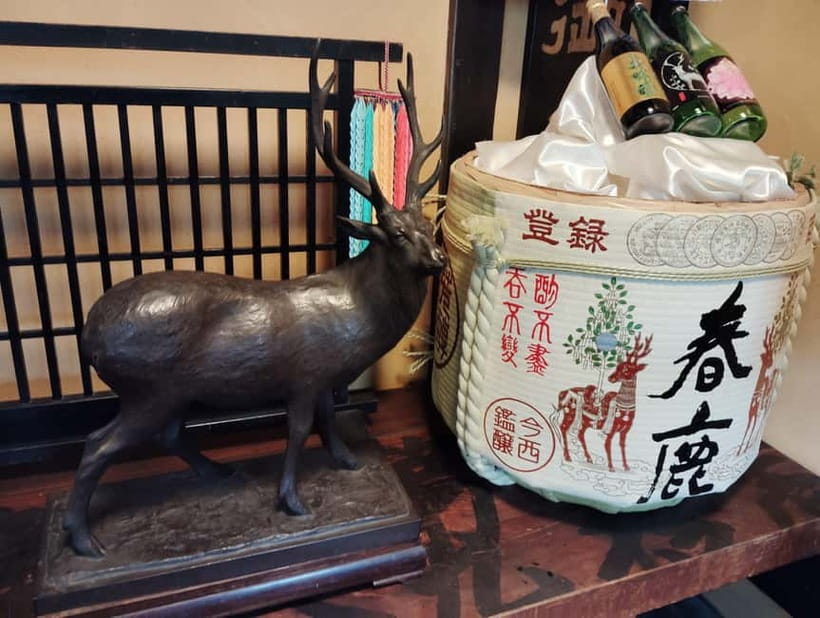
Nara is not just a convenient day trip from Kyoto or Osaka. It is one of the key places in the story of Japanese sake. The drink developed in connection with Buddhist temples, where brewing methods improved over centuries and sake served religious, social, and practical roles.
That background gives the tasting more weight than a standard bar visit. You are not only learning how sake tastes. You are connecting the drink to Japanese climate, cuisine, and spirituality, three forces that still shape brewing today.
The tour also puts you in local neighborhoods instead of keeping you in the busiest sights around Nara Park. You will not spend the whole afternoon moving through grand monuments. Instead, you walk streets where small producers, shopkeepers, and brewers are part of the setting.
That quieter pace suits Nara. The city rewards people who slow down and notice small details, and this experience gives you a reason to look beyond the deer and temples.
More day trips to Nara:
- World Heritage Kyoto & Nara Uji Authentic Matcha Experience
★ 5.0 · 1,573 reviews - Nara Half Day Trip Walking Tour (Private Option Available)
★ 5.0 · 937 reviews - Nara Early Morning Tour (Kyoto or Osaka Departure Available)
★ 5.0 · 676 reviews
Starting at Ukimi-do Pavilion
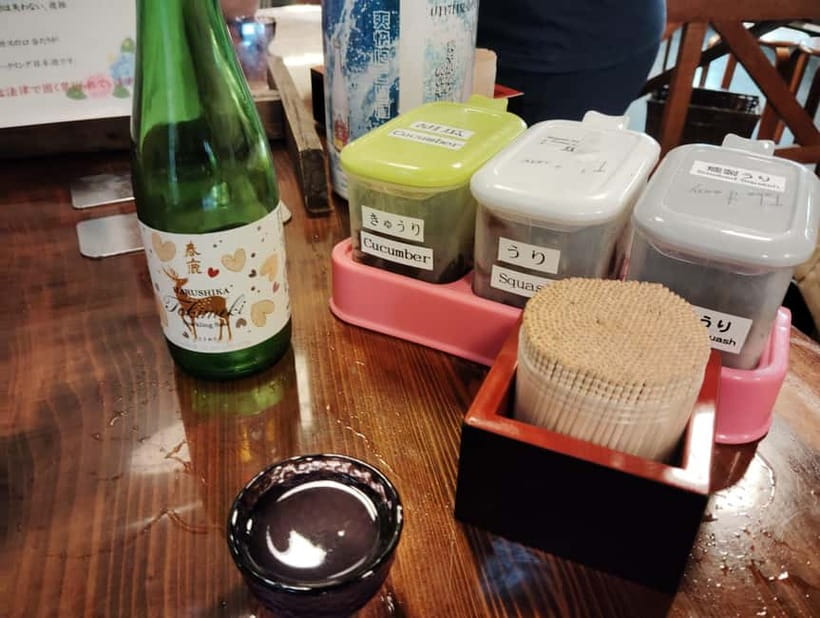
The meeting point is Ukimi-do Pavilion, known in Japanese as 浮見堂. Your guide waits with a yellow sign panel, which should make the first meeting fairly easy to spot.
Starting here places you near the scenic side of Nara before the tasting begins. The tour then moves toward the city’s sake districts, with guided walking, visits, and photo opportunities built into the route.
Allow yourself enough time to reach the pavilion without rushing. The tour is private, so a late arrival could affect the experience more than it would on a large group excursion. The supplied details do not give a fixed starting time, so you need to check availability when choosing your date.
Your guide may be Takashi, Hiro Takeuchi, Yayoi, or another member of the Japanese and English-speaking team. The strongest part of the guiding, based on the available feedback, is the personal attention. Takashi was praised for humor and hospitality, while Yayoi helped with train information and even made sure the afternoon fit the group’s wider plans.
That kind of help matters in Nara. A good guide can turn a tasting into a broader introduction to the city rather than a set of disconnected samples.
Stop one: entering Nara’s sake districts
The first portion of the walk introduces the local sake area and sets up the story behind the drink. Expect a guided visit of roughly 40 minutes, with sightseeing and time on foot.
This is where the tour’s format begins to make sense. If you are new to sake, the historical background gives you a useful frame before you start tasting. If you already know your junmai from your ginjō, you can ask more focused questions about rice, brewing choices, and the tōji’s role.
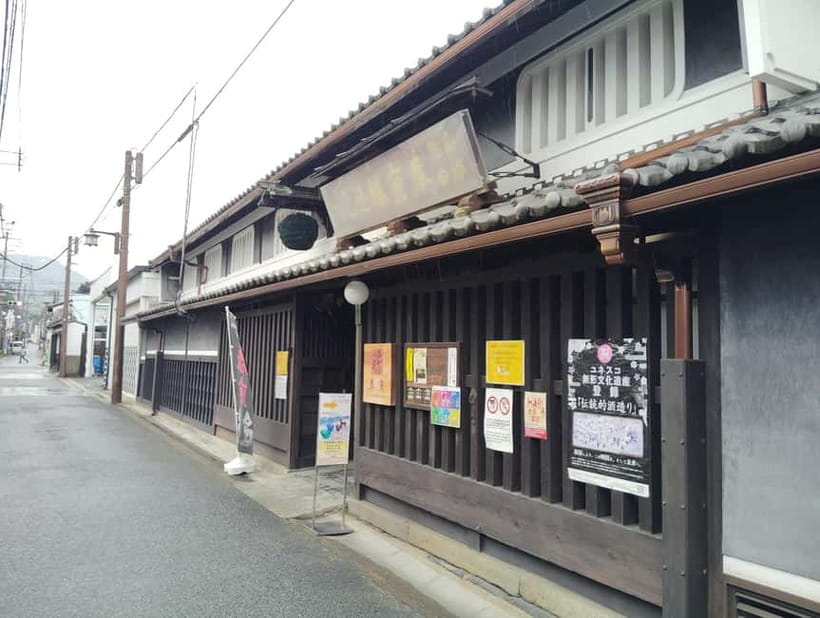
The route through the district is also part of the attraction. You are seeing how sake fits into the city rather than treating it as an isolated luxury product. The streets are described as quiet, which should appeal if you prefer local atmosphere to a crowded tasting room.
The drawback is that the supplied plan does not identify each brewery by name or promise a particular bottle. Sake production changes with season and stock, so you should approach the tasting as a chance to compare what is being made and poured at the time, not as a fixed menu.
Stops two and three: three working breweries
The heart of the experience is the set of brewery visits. Across the tour, you visit three working breweries and sample sake directly from the source.
That wording matters. You are not merely being handed supermarket labels with a short explanation. The guide discusses the philosophy of each tōji, the ingredients valued by each producer, and brewing techniques passed down through generations.
For you, the useful question is not simply Do I like this sake? It is Why does this sake taste this way? One brewery may favor a clean, dry profile. Another may make something softer, rounder, or more mellow. The point is to notice how choices in rice, water, fermentation, and local conditions affect the glass.
The tastings range from crisp and dry to fuller, mellow styles. That spread is good for beginners because you can discover your preferences without needing technical knowledge first. It also gives experienced drinkers a chance to compare Nara producers on their own terms.
Each stop is planned at about 40 minutes, although the exact pace can vary. That is enough time for a real conversation, but not so long that the afternoon becomes a lecture. I would listen for the practical details: how the sake is brewed, what the brewer values, and which food pairings make sense.
The guide acts as the bridge between the brewery and you. When the technical side gets dense, a good explanation can turn it into something memorable. The strongest comments about this experience focus on the guides’ kindness, humor, and willingness to answer questions, not just on the alcohol itself.
Since the group is private, you can ask for more explanation about one style and less about another. You can also tell the guide if you are a complete beginner, a sake fan, or mainly interested in Japanese culture. That flexibility is a major advantage over a fixed public tasting.
More bars and sake stops in Nara:
- Private Nara Tour and Sake Tasting (Departing from Kyoto/Nara)
★ 5.0 · 40 reviews - Nara Sake Tasting Tour at Local Brewerie(tasting fee included)
★ 5.0 · 12 reviews - Nara – Craft Beer, Sake, and Food Walking Tour
★ 3.5 · 9 reviews - Nara – Craft Beer, Sake & Food Walking Tour
★ 4.0 · 7 reviews
Stop four: comparing the sake shop
The fourth tasting location is a sake shop. It provides a useful contrast with the working breweries because the focus shifts from production to selection.
At the shop, you can consider how a local retailer presents Nara sake and compare labels from different producers. This is likely the most practical stop if you want to take a bottle home, though the provided details do not promise a purchase opportunity, specific brands, or shipping service.
The shop also helps complete the tasting arc. At the breweries, you learn how sake is made. At the shop, you see how the finished drink reaches customers and how different bottles sit alongside one another.
Expect another guided visit of about 40 minutes, with sightseeing and tasting included in the overall route. If you are buying, ask the guide for help understanding labels and choosing a style you actually enjoyed. That is more useful than selecting a bottle based only on a handsome design.
One guide, Takashi, also helped with shopping for items unrelated to sake during a longer afternoon together. That suggests the private format can leave room for practical assistance, but extra shopping help should not be treated as a guaranteed part of the tour.
What the tasting teaches you about sake
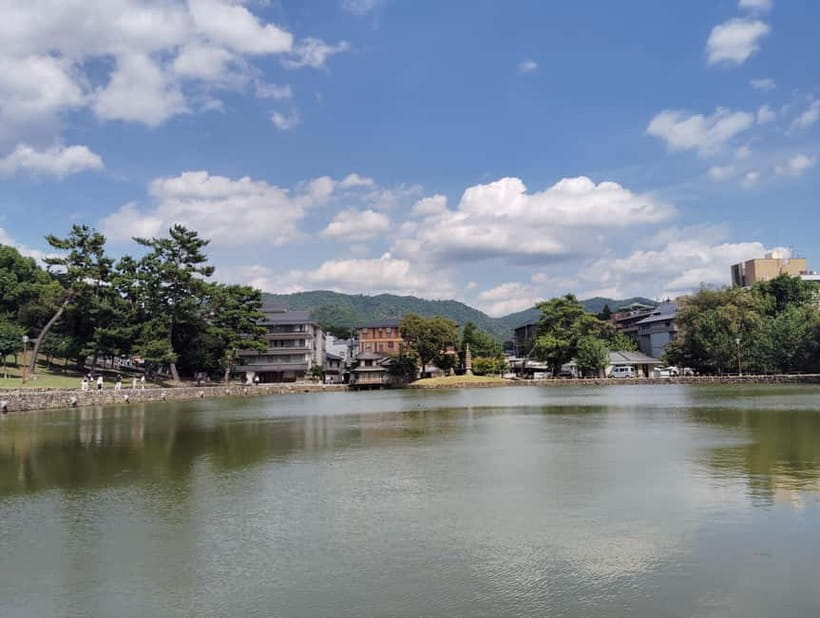
A sake tasting can become confusing when every glass is described with specialized terms. This tour keeps the focus on flavor, brewing, and place, which is the right order for most people.
Start with the basic contrast between crisp and dry pours and softer, more rounded ones. Notice the aroma, the weight on your palate, and the finish. You do not need to identify every technical note. You simply need to decide what you like and ask why the brewer made it that way.
The tour also connects sake to food. Japanese cuisine varies by region and season, and sake is made to work with food rather than overwhelm it. Your guide can help explain how a lighter style might suit delicate dishes while a fuller one may hold up better beside stronger flavors, though the exact pairings offered are not specified.
Climate is part of the discussion too. The activity presents sake as a product shaped by Japanese weather and local conditions. The tour does not provide detailed claims about a specific water source or rice variety, so do not expect a technical brewing seminar at every stop. Instead, expect an accessible introduction with room for questions.
The spiritual connection gives the tasting another layer. Sake’s early ties to Buddhist temples show that it was not always viewed only as a commercial beverage. It belonged to ceremony, community, and daily life. That context helps explain why sake can feel so closely linked to Japanese identity.
How the three-hour schedule feels
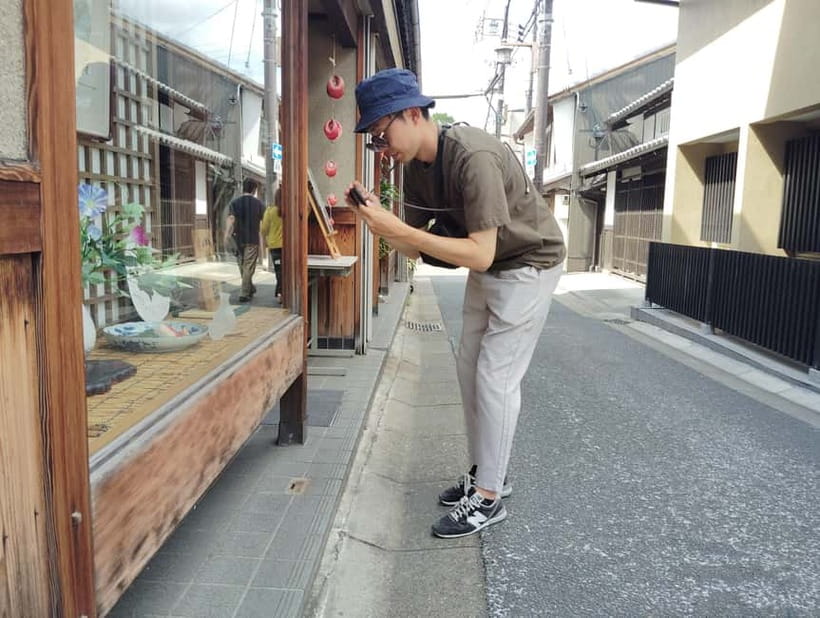
The advertised duration is three hours, with four tasting locations and walking between them. The itinerary lists guided visits of about 40 minutes each, so the schedule is active and fairly full once you count movement and transitions.
You should eat beforehand, but do not arrive overly full if you want to appreciate the tasting. You will be sampling several styles, and one guide sensibly warned that the experience can make you a bit giddy. Pace yourself and use the explanations as a chance to pause between pours.
The walk is not a side detail. It is part of the experience, but it can be tiring, especially in warm weather or if you have already spent the morning at Nara’s temples. Comfortable shoes are a sensible choice.
The final stop is near Kintetsu Nara Station. That makes the ending convenient. You can continue sightseeing, catch a train, or use the station area for dinner. The route does not finish at the original pavilion, so plan your onward route from Kintetsu Nara Station rather than assuming you will return to the starting point.
What $119 means in value
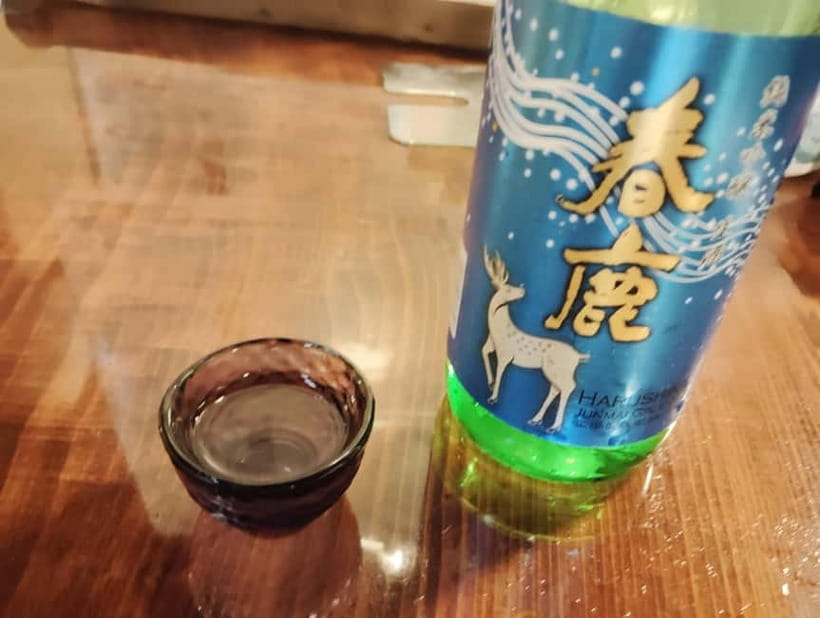
At $119 per person, this is not a bargain drink-tasting you book on a whim. You are paying for a private three-hour experience, an English or Japanese guide, four tasting locations, brewery access, local interpretation, and the convenience of having the route organized for you.
The value is strongest if you care about context and personal service. A self-guided visit to a sake shop could cost much less, but it would not give you the same explanation of the tōji’s philosophy or the connection between sake and Nara’s religious past.
The private format also changes the calculation. You are not sharing the afternoon with a large bus group, and you can ask questions at your own pace. Guides have also helped with train directions and other shopping needs, although those extras are not formally promised.
The price is harder to justify if you only want to sample a few drinks or already have a detailed plan for visiting breweries on your own. The tour makes its case through access, interpretation, and ease, not through the number of samples alone.
Free cancellation up to 24 hours before the start gives you some protection, and you can reserve now and pay later. Starting times depend on availability, so check the schedule before building the rest of your Nara day around it.
Who will enjoy this most
I would recommend this tour to a first-time sake drinker who wants a clear introduction without feeling lost. The flavor range lets you find a style you prefer, while the guide explains the cultural background in plain terms.
It also suits a couple, family, or small private group that values conversation. The personal setting gives you more freedom than a standard group tasting, and the guides have shown a willingness to adjust the experience to individual needs.
History-minded visitors will get more from it than people who only want alcohol. The temple origins, tōji traditions, and links to cuisine and climate give the tasting a strong sense of place.
It may be less suitable if you dislike walking, avoid alcohol, or want a highly technical brewery tour with exact production data at every stop. The available information promises guided visits and cultural explanation, not a full brewing class or a fixed list of rare bottles.
If mobility is a concern, contact the provider before booking. Hiro accommodated a wheelchair user, which is encouraging, but several stops and walks mean you should confirm the route for your own situation.
Should you book the Nara sake tour?
Book it if you want to understand why Nara matters to sake and prefer a private afternoon with a guide who can explain, translate, and adjust the pace. The strongest reasons are the three brewery visits, the range of flavors, and the chance to meet the city through its quieter sake districts.
Skip it if your main goal is a cheap tasting or if three hours of walking and drinking sounds like too much. For most curious visitors, though, $119 buys more than several small pours. It buys a local story, direct contact with working producers, and a practical way to see a less obvious side of Nara.
FAQ
Where does the Nara sake tasting tour start?
The meeting point is Ukimi-do Pavilion, or 浮見堂. Your guide will wait with a yellow sign panel.
Where does the tour finish?
The tour finishes near Kintetsu Nara Station. This is useful if you plan to continue by train after the tasting.
How many tasting locations are included?
You visit four tasting locations in total. Three are working breweries, and one is a sake shop.
What languages are available?
The live tour guide is available in Japanese and English.
Is the tour private?
Yes. The activity is operated as a private group tour.
Can I cancel the tour for a full refund?
Yes. You can cancel up to 24 hours in advance for a full refund. You can also reserve now and pay later.
More Sake Tasting in Nara
- Arashiyama Bamboo, Temple, Monkeys, or Secret Sake Brewery
★ 4.8 · 886 reviews - Kyoto: Insider Sake Brewery Tour with Sake and Food Pairing
★ 5.0 · 704 reviews - Kyoto Sake Brewery & Tasting Walking Tour
★ 5.0 · 623 reviews - 1.5-Hour Kyoto Insider Sake Experience with 7 Tastings & Pairings
★ 5.0 · 297 reviews
More Food Tours in Nara
- Nara:5 Type of Tea Tasting & Mindful Tea Ceremony
★ 5.0 · 28 reviews - Nara:Tea Tasting&Private Tea Ceremony -Master Matcha Making-
★ 5.0 · 19 reviews - Kyoto Night Foodie Tour in Gion (9+ dishes + 6 Sake tastings)
★ 5.0 · 1,762 reviews - 3-Hour Kyoto Insider Sake Brewery Tour with Tastings & Pairings
★ 5.0 · 917 reviews
Recently added around Nara
- Nara Private Customizable Half Day Tour★ 5.0 · 3 reviews
- Full Day Nara Deer, Temple, Shrine, Activities & Tea Ceremony★ 5.0 · 3 reviews
- Nara: Essential Private Tour with Deer Park and Temples★ 5.0 · 3 reviews
- Discover the Essence of Nara Ink Through Your Senses★ 5.0 · 3 reviews
- Private Journey in Nara’s Historical Wonder★ 5.0 · 3 reviews
- Nara:Private Tea Ceremony(Max 5 ppl) -Master Matcha Making-★ 5.0 · 3 reviews
- Nara Takayama Tea Whisk Craft and Tea Culture Experience★ 5.0 · 3 reviews
- Nara: Half-Day Private Tour of 4 Must-See Spots & Deer Park★ 5.0 · 3 reviews
Nara Day Trips, compared.
World Heritage Kyoto & Nara Uji Authentic Matcha Experience
Read our review →
Kyoto/Osaka: Nara, Fushimi Inari Taisha, Arashiyama Bus Tour
Read our review →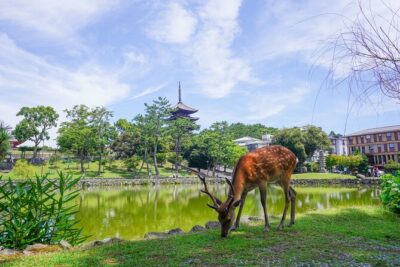
Nara Half Day Trip Walking Tour (Private Option Available)
Read our review →
Nara Early Morning Tour (Kyoto or Osaka Departure Available)
Read our review →

Kyoto/Osaka: Kinkakuji, Bamboo Forest, and Nara Deer Park
Read our review →Browse the lists this tour appears in