
REVIEW · NARA DAY TRIPS
Nara:5 Type of Tea Tasting & Mindful Tea Ceremony
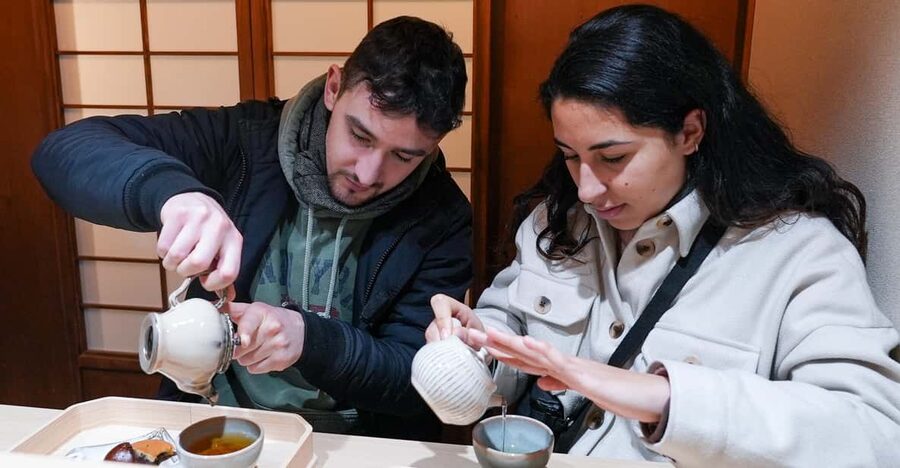
The best part of this Nara experience is its setting: a quiet, roughly 120-year-old Japanese wooden house with a small garden, not a staged hall built for large crowds. You taste five teas from Nara Prefecture, then choose a favorite for a carefully brewed pot.
I like the personal scale, with private instruction and hands-on matcha practice. I also like the chance to speak with Mike and the local hosts about Japan beyond the tea room, including the craft of making bamboo tea whisks. The main consideration is comfort: you may sit on the floor for much of the session, and one participant found the experience lasted closer to two hours than the advertised 90 minutes.
In This Review
- Key details at a glance
- Five Nara teas before the ceremony begins
- A quiet house with a small Japanese garden
- Choosing a favorite tea and learning how it is brewed
- Learning the meaning behind the tea ceremony
- Whisking your own matcha
- Wagashi and the small pleasures of the final course
- Local conversation beyond the tea bowl
- Is the $61 price fair?
- Who should book this Nara tea experience?
- My verdict on the Nara tea ceremony
- FAQ
- How long does the Nara tea tasting and ceremony last?
- How much does the experience cost?
- How many kinds of tea are included?
- Can I choose my favorite tea?
- Do I get to make matcha myself?
- What food is included?
- Is the activity conducted in English?
- Is this a private experience?
- Are children allowed?
- Is the experience wheelchair accessible?
- Can pregnant women take part?
- Can I cancel for a full refund?
- Do I have to pay when I book?
Key details at a glance
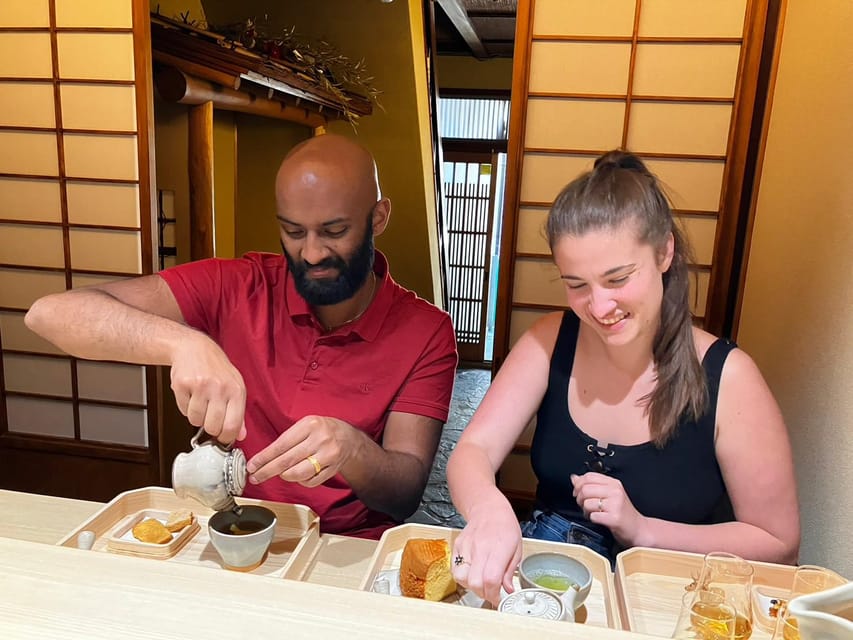
- Five local teas: Compare matcha, roasted teas, and other Japanese varieties selected by the tea master.
- A historic tea room: Meet in a renovated traditional house dating back roughly 120 to 125 years, with a garden view.
- Hands-on matcha: Whisk your own tea and receive one-on-one guidance rather than simply watching a demonstration.
- Seasonal wagashi: Enjoy two kinds of traditional Japanese sweets chosen to pair with the tea.
- Private and English-speaking: The group is private, the instruction is in English, and the experience is wheelchair accessible.
- A calm pace: The listed duration is 90 minutes, but plan extra time if the ceremony and conversation run longer.
Five Nara teas before the ceremony begins
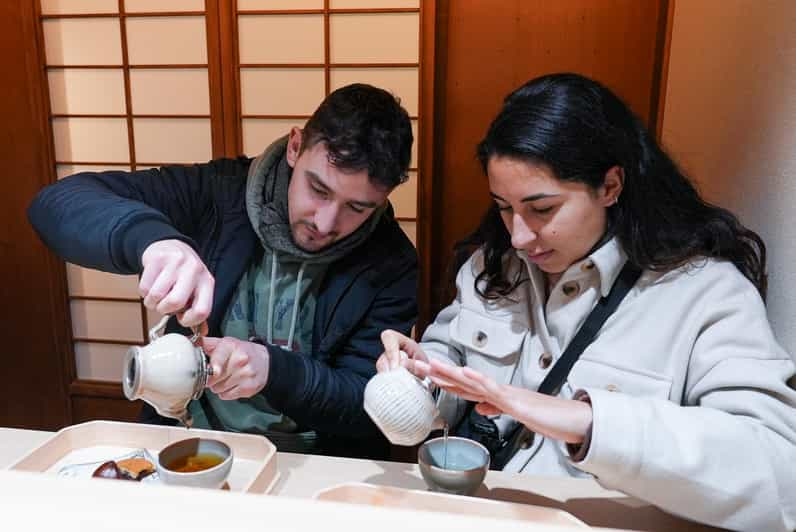
This experience starts with tasting, which is a smart choice for anyone who knows only one Japanese tea by name. Instead of treating tea ceremony as a set of mysterious gestures, the session first lets you notice how different Japanese teas can be.
The tea master selects five varieties from Nara Prefecture. The tasting may include fragrant matcha and mellow roasted teas, with each cup offering a different aroma, color, texture, and finish. You can ask questions as you go, so the first part works well for beginners and tea drinkers who want a clearer sense of what they like.
I appreciate this order. You first learn through your own senses, then move into the more formal ceremony. If roasted tea appeals to you more than matcha, that is useful to discover before buying tea elsewhere in Japan. If you prefer the grassy scent and soft bitterness of matcha, you will have a favorite in mind for the next step.
The five teas are not simply lined up for self-service. The tea master explains them and prepares the chosen tea with care. You select your favorite, then receive a special pot-brewed serving designed to bring out its full flavor through each pour.
That extra serving gives the tasting some purpose. You are not just trying five small samples and moving on. You get to return to the tea you liked best and notice how a different preparation changes it.
More day trips to Nara:
- World Heritage Kyoto & Nara Uji Authentic Matcha Experience
★ 5.0 · 1,573 reviews - Nara Half Day Trip Walking Tour (Private Option Available)
★ 5.0 · 937 reviews - Nara Early Morning Tour (Kyoto or Osaka Departure Available)
★ 5.0 · 676 reviews
A quiet house with a small Japanese garden
The room matters here. The tea shop occupies a renovated traditional Japanese house, described by participants as roughly 120 to 125 years old. It overlooks a small garden, creating a simple backdrop for the ceremony without turning the setting into a sightseeing show.
That atmosphere suits the subject. Tea ceremony asks you to slow down and pay attention to small actions, and a quiet wooden room makes that easier. You are not being rushed through a crowded attraction or asked to watch from behind a large group.
Mike is one of the hosts associated with the experience. His role appears to include welcoming the group, explaining the ceremony, and sharing local conversation. You may also hear about the making of bamboo tea whisks, a detail that adds a useful link between the tools on the table and the craftspeople who produce them.
The private format is a major advantage. The group size is limited, with one account describing no more than four people in the house. That gives you room to ask questions and receive direct help while whisking matcha.
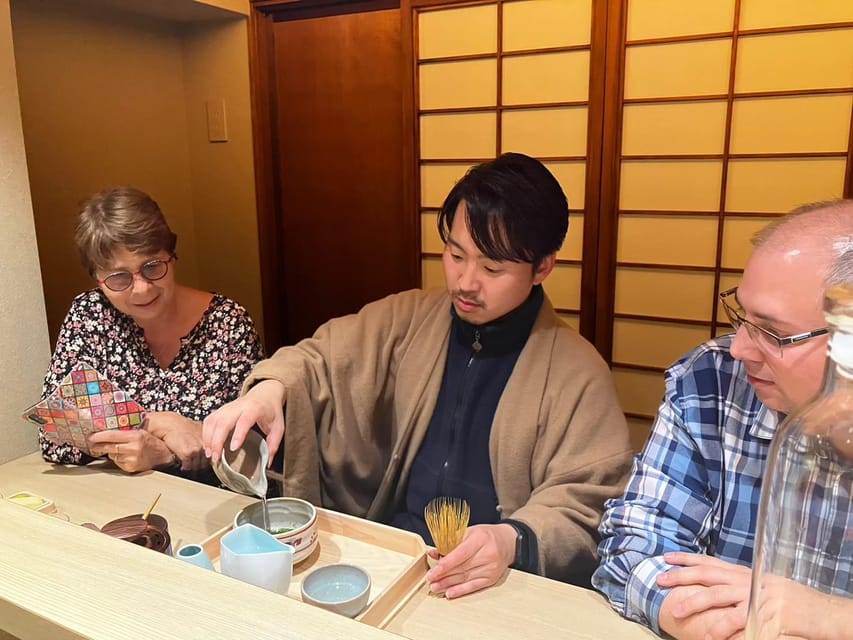
A practical note: the attractive promotional image may not match the actual room. The real experience is the traditional house, garden, quiet, and ceremony, not necessarily the scene shown in every booking image. I would judge this activity by the setting and instruction described here rather than by a single photograph.
Choosing a favorite tea and learning how it is brewed
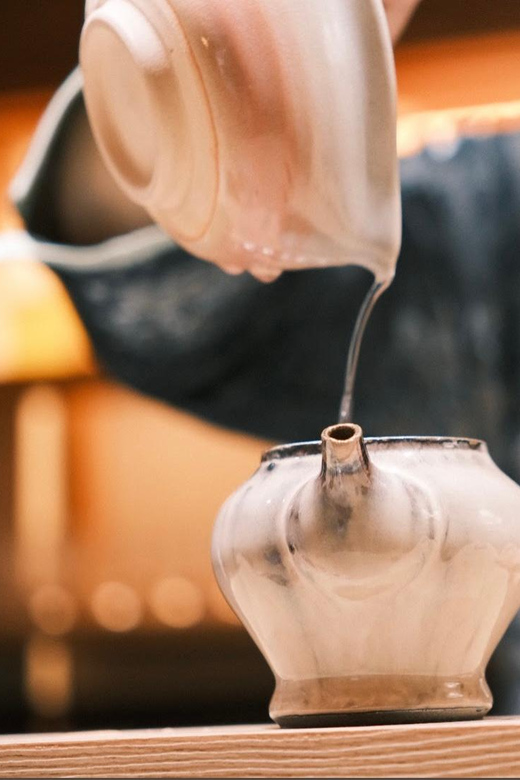
After the initial tasting, you choose the tea you prefer. The tea master then prepares a pot-brewed serving, controlling the brewing process to bring out the flavor.
This is a useful lesson in the difference between tea as a drink and tea as a prepared craft. The same leaf can taste different depending on how it is handled, and the master’s pours let you focus on the result rather than worry about technique.
The five-tea flight also gives you a small introduction to Japanese tea culture across styles. Matcha is powdered and whisked, while roasted teas offer a gentler, toastier character. The experience information does not promise a fixed list of five varieties, so the exact lineup can change with the tea master’s selection and the season.
That changing selection is a plus if you want a local experience rather than a fixed menu. It also means you should not book this expecting one exact tea list.
The included food is two kinds of Japanese sweets, including seasonal wagashi. These are traditional sweets served with tea, and their sweetness helps balance tea flavors that can be grassy, bitter, or roasted.
Learning the meaning behind the tea ceremony
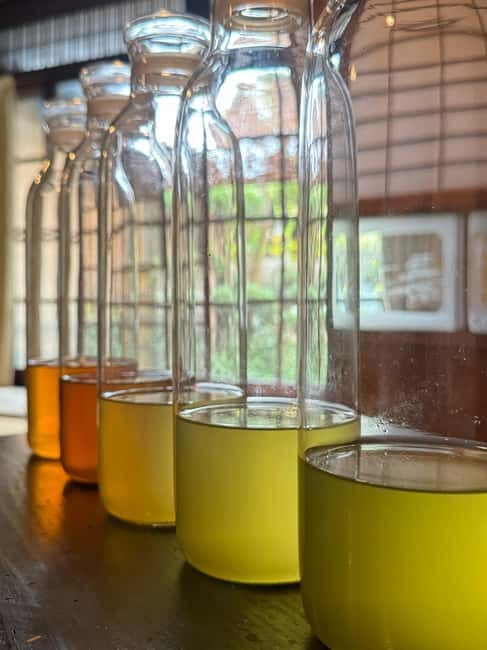
The second part shifts from tasting to ceremony. Under the tea master’s guidance, you learn about the tradition’s history, etiquette, and tools, then watch how the pieces fit together.
The value is not just learning where to place your hands. Tea ceremony gives attention to setting, preparation, movement, and hospitality. The instructor explains the symbols and rituals, helping you understand why the actions matter instead of asking you to copy them without context.
This is a good fit for you if you prefer a cultural activity with explanation. It is less suited to anyone who wants a fast photo stop or a broad sightseeing tour. The session is focused on tea, and its quiet rhythm is part of the point.
Expect personal instruction rather than a performance viewed from a distance. You can ask questions in English, and the private group format gives the tea master space to adjust the explanation to your level.
The tone is formal but friendly. One participant described the atmosphere as calm, dignified, and welcoming, while another found the host kind and helpful. Those qualities matter because a first tea ceremony can feel intimidating if nobody explains what is happening.
More tea ceremonies in Nara:
- Nara:Authentic Tea Ceremony(Max 5 ppl) -Master Matcha Making
★ 5.0 · 119 reviews - Nara:Tea Tasting&Private Tea Ceremony -Master Matcha Making-
★ 5.0 · 19 reviews - Full Day Nara Deer, Temple, Shrine, Activities & Tea Ceremony
★ 5.0 · 3 reviews - Nara:Private Tea Ceremony(Max 5 ppl) -Master Matcha Making-
★ 5.0 · 3 reviews
Whisking your own matcha
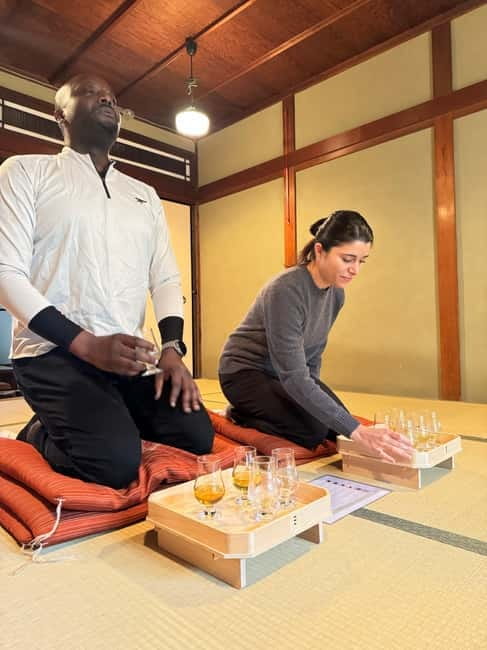
The hands-on matcha portion is where the experience becomes more than a demonstration. You receive instruction in whisking your own bowl, using the traditional bamboo whisk, and the tea master gives personalized feedback.
You will not be expected to produce a perfect bowl on the first attempt. The point is to feel the movement and notice how the tea changes as you whisk. The quiet setting makes this a pleasant pause in a busy Japan itinerary.
The bamboo whisk itself can become a talking point. One participant learned about the host’s connection to the craft of making these whisks, which adds a human detail to an object many people simply see as part of a tea set.
This section also works well for families with older children. A participant described a teenager being invited to act as a tea master in training and serve a parent. Children under 12 are not suitable for the activity, but older children may find the active role more memorable than simply sitting through a formal explanation.
The floor seating deserves attention. At least one participant advised being ready to sit still on the floor for about two hours, despite the stated 90-minute duration. The activity is listed as wheelchair accessible, but floor-based seating may still affect comfort and should be confirmed before booking if you need a chair or have mobility concerns.
Wagashi and the small pleasures of the final course
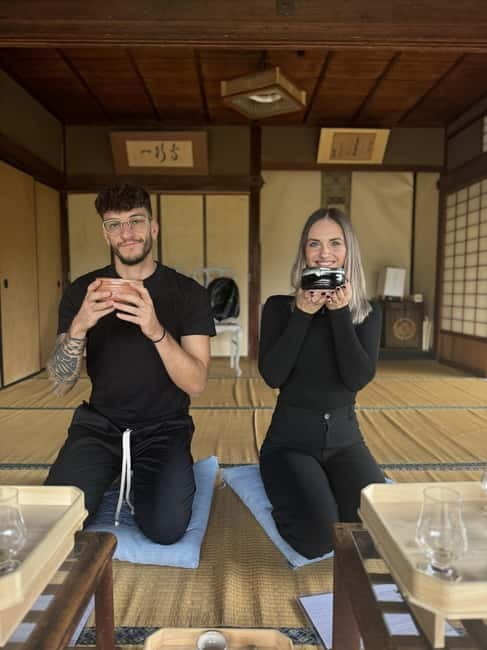
The tea ceremony ends with seasonal wagashi, and two kinds of Japanese sweets are included. These are not an afterthought. Their delicate sweetness is meant to work with the tea, especially matcha.
The sweets give you another way to notice balance. A bite of wagashi can soften matcha’s bitterness, while the tea prevents the sweets from seeming too heavy. You get a simple lesson in how Japanese hospitality pairs food and drink.
The exact sweets are seasonal, so you should not expect a fixed dessert menu. That is part of the appeal, but anyone with strict dietary needs should ask the provider before booking because the supplied information does not list ingredients or substitutions.
One participant also mentioned tasting sake during the visit. Sake is not listed among the included items, so treat that as an occasional extra rather than a promised part of the program. The confirmed inclusions are five kinds of Japanese tea and two kinds of Japanese sweets.
Local conversation beyond the tea bowl
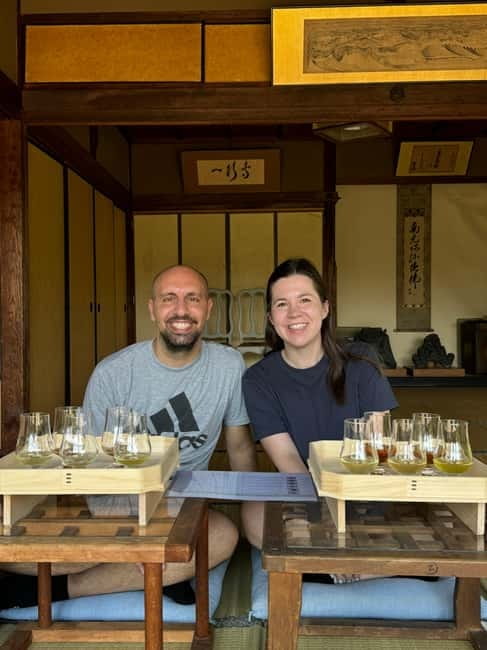
The experience also leaves room for conversation with the hosts. You can ask for practical suggestions about places to visit in Japan, which may help if Nara is only one stop on a larger trip.
This local exchange can be especially useful after the formal ceremony. You are already in a relaxed room with people who know the area, so questions about what to see next may lead to more personal advice than a standard sightseeing brochure.
The activity is not a Nara temple tour, and it does not promise transport, a guided walk, or a list of major landmarks. Its local value comes through conversation rather than movement. If you want to cover several sights in 90 minutes, choose a different tour. If you want a calm cultural meeting with room for questions, this format makes sense.
Is the $61 price fair?
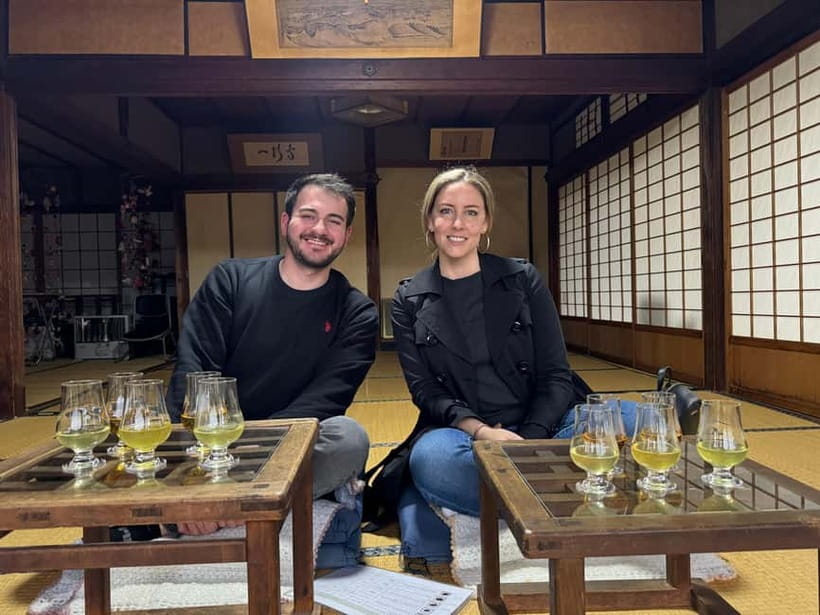
At $61 per person, this is not the cheapest way to drink tea in Japan. You can find a cup of tea and a sweet for far less. The price makes more sense when you count the full package: five teas, a favorite tea brewed in a pot, two sweets, a tea ceremony lesson, matcha practice, English instruction, and a private group in a historic house.
I see the value in the one-on-one guidance. A public ceremony may show you the basic motions, but this activity gives you time to ask why the tools and gestures matter, then try the matcha yourself.
The private setting also changes the feel of the visit. If the group is kept to a few people, you are paying for attention and quiet as much as for the tea. That will appeal to you if cultural context and personal contact matter more than getting the lowest possible price.
The value is weaker if you dislike sitting on the floor, do not drink tea, or want a quick sightseeing activity. It is also worth allowing extra time beyond 90 minutes, particularly if you want to talk with the hosts or the ceremony moves at a slower pace.
Who should book this Nara tea experience?
I would recommend it most strongly to adults, couples, solo visitors, and families with children aged 12 or older who want a calm cultural activity. Tea lovers will get the most from comparing five varieties, but coffee drinkers may also enjoy it because the tasting helps you find a style that suits you.
It is a good choice for your first Japanese tea ceremony because the instruction is in English and the tea master explains the customs and tools. You do not need to arrive already knowing the etiquette.
Book it if you value:
- A small private group rather than a crowded demonstration
- Direct guidance while making matcha
- A traditional house and garden setting
- Seasonal wagashi with tea
- Conversations with local hosts
- A slower activity that leaves room for quiet
Think twice if you need a fully chair-based experience, cannot sit still for an extended period, or want a fixed schedule that ends exactly after 90 minutes. Pregnant women and children under 12 are listed as unsuitable for this activity.
Cancellation is flexible: you can cancel up to 24 hours in advance for a full refund, and you can reserve now and pay later. Wheelchair access is listed, but because floor sitting is described in the practical feedback, contact the provider if seating support is important to you.
My verdict on the Nara tea ceremony
I would book this experience if I wanted to understand Japanese tea rather than simply photograph a ceremony. The five-tea tasting gives the session a clear starting point, the matcha practice keeps you involved, and the old house and garden provide the right sense of calm.
Its strongest feature is the personal scale. Mike and the tea master can explain the customs, answer questions, and help you improve your whisking. The main caution is physical comfort and timing: prepare for floor sitting and allow more than the stated 90 minutes if conversation continues.
For a quiet morning or afternoon in Nara, $61 is a reasonable price for private instruction, local tea, sweets, and a cultural meeting that feels personal rather than mass-produced.
FAQ
How long does the Nara tea tasting and ceremony last?
The listed duration is 90 minutes. One participant reported sitting for about two hours, so allow extra time if the ceremony and conversation run long.
How much does the experience cost?
The price is $61 per person.
How many kinds of tea are included?
You taste five kinds of Japanese tea selected by the tea master.
Can I choose my favorite tea?
Yes. After tasting five teas, you choose a favorite and receive a special pot-brewed serving.
Do I get to make matcha myself?
Yes. You whisk your own matcha under the tea master’s guidance and receive personalized feedback.
What food is included?
Two kinds of Japanese sweets are included. The experience describes them as seasonal wagashi.
Is the activity conducted in English?
Yes. The instructor and activity language are listed as English.
Is this a private experience?
Yes. The group type is private.
Are children allowed?
Children under 12 are not suitable for this activity. Older children may attend, and one participant described a teenager taking part in serving tea.
Is the experience wheelchair accessible?
Yes, the activity is listed as wheelchair accessible. However, floor sitting is described as part of the experience, so contact the provider in advance if you need chair-based seating.
Can pregnant women take part?
Pregnant women are listed as not suitable for this activity.
Can I cancel for a full refund?
Yes. You can cancel up to 24 hours in advance for a full refund.
Do I have to pay when I book?
No. The reserve-now, pay-later option lets you book without paying immediately.
More Food Tours in Nara
- Private Nara Tour and Sake Tasting (Departing from Kyoto/Nara)
★ 5.0 · 40 reviews - Nara Sake Tasting Tour at Local Brewerie(tasting fee included)
★ 5.0 · 12 reviews - Nara – Craft Beer, Sake, and Food Walking Tour
★ 3.5 · 9 reviews - Nara: Sake Tasting Tour at the Birthplace of Japanese Sake
★ 4.9 · 8 reviews
Recently added around Nara
- Nara Private Customizable Half Day Tour★ 5.0 · 3 reviews
- Nara: Essential Private Tour with Deer Park and Temples★ 5.0 · 3 reviews
- Full Day Nara Deer, Temple, Shrine, Activities & Tea Ceremony★ 5.0 · 3 reviews
- Discover the Essence of Nara Ink Through Your Senses★ 5.0 · 3 reviews
- Private Journey in Nara’s Historical Wonder★ 5.0 · 3 reviews
- Nara:Private Tea Ceremony(Max 5 ppl) -Master Matcha Making-★ 5.0 · 3 reviews
- Nara Takayama Tea Whisk Craft and Tea Culture Experience★ 5.0 · 3 reviews
- Nara: Half-Day Private Tour of 4 Must-See Spots & Deer Park★ 5.0 · 3 reviews
Nara Day Trips, compared.
World Heritage Kyoto & Nara Uji Authentic Matcha Experience
Read our review →
Kyoto/Osaka: Nara, Fushimi Inari Taisha, Arashiyama Bus Tour
Read our review →
Nara Half Day Trip Walking Tour (Private Option Available)
Read our review →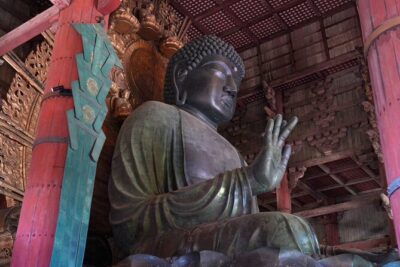
Nara Early Morning Tour (Kyoto or Osaka Departure Available)
Read our review →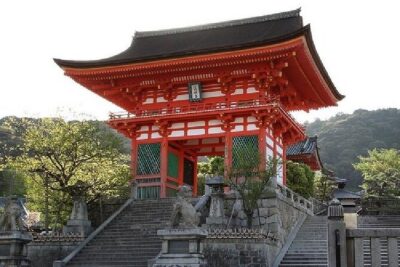
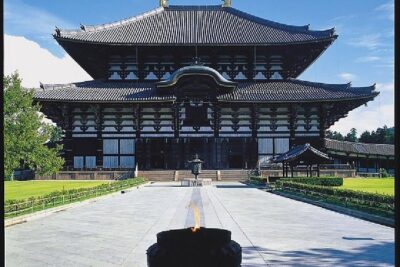

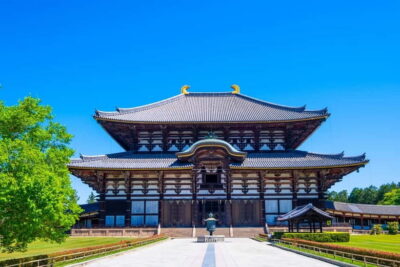
Kyoto/Osaka: Kinkakuji, Bamboo Forest, and Nara Deer Park
Read our review →Browse the lists this tour appears in