
REVIEW · KYOTO CALLIGRAPHY CLASSES
Kyoto: Japanese Calligraphy Workshop
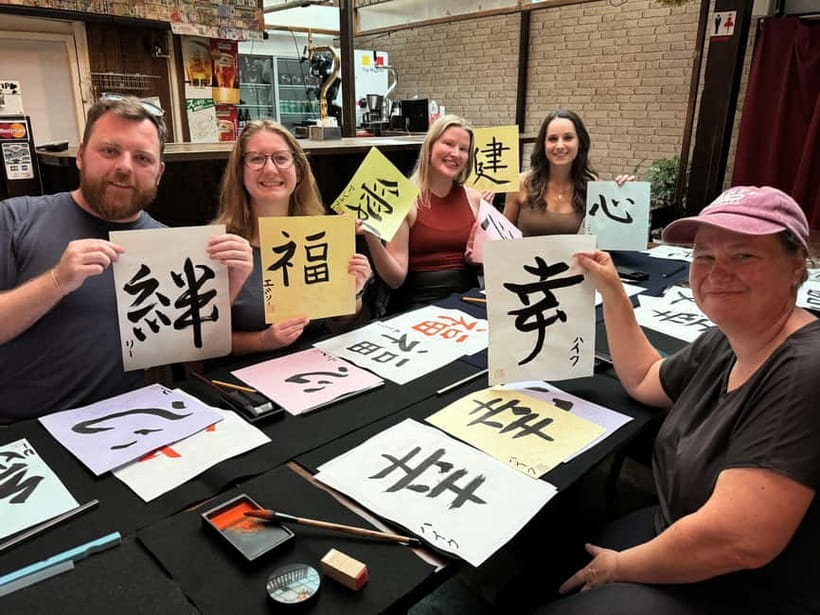
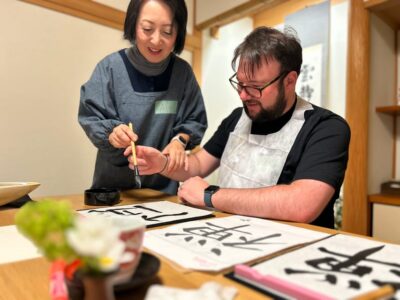
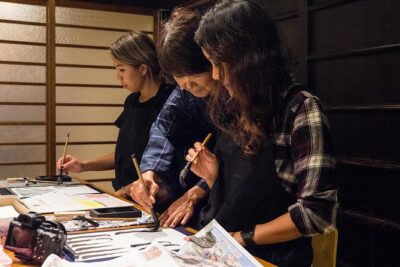
The best part of this Kyoto activity is that you do not just watch a demonstration. You sit down with a brush, ink, and paper, then build a Japanese character stroke by stroke. Takako’s patient, encouraging teaching makes the workshop friendly for complete beginners.
I like two things especially: you create a real piece to take home, and the small group, limited to 10 people, allows for personal help. The central Gojo Paradiso location is also easy to reach from Kiyomizu Gojo Station. The main consideration is time: this is an introduction to calligraphy, not a full course, and children under 10 cannot join.
In This Review
- Key points at a glance
- Why this calligraphy class works for first-time visitors
- Finding Gojo Paradiso beside the Takase River
- Starting with brush control and basic strokes
- Moving from practice marks to meaningful kanji
- Creating a one-of-a-kind piece on rice paper
- A quiet gallery finish and time for photos
- How the $32 price measures up
- Who should book this Kyoto workshop
- Timing, group size, and booking details
- What I would want to know before arriving
- Should you book the Gojo Paradiso calligraphy class?
- FAQ
- Where does the Kyoto calligraphy workshop take place?
- How do I reach Gojo Paradiso?
- How long does the activity last?
- Is the class suitable for complete beginners?
- Is instruction available in English?
- What is included in the price?
- Can children join the workshop?
- Is the activity wheelchair accessible?
Key points at a glance
- Practice before you create: You learn the basic brush strokes before attempting finished kanji.
- Takako teaches in English and Japanese: Clear instructions and patient corrections help beginners follow along.
- Your name can become part of the lesson: You can learn how to write your name in kanji.
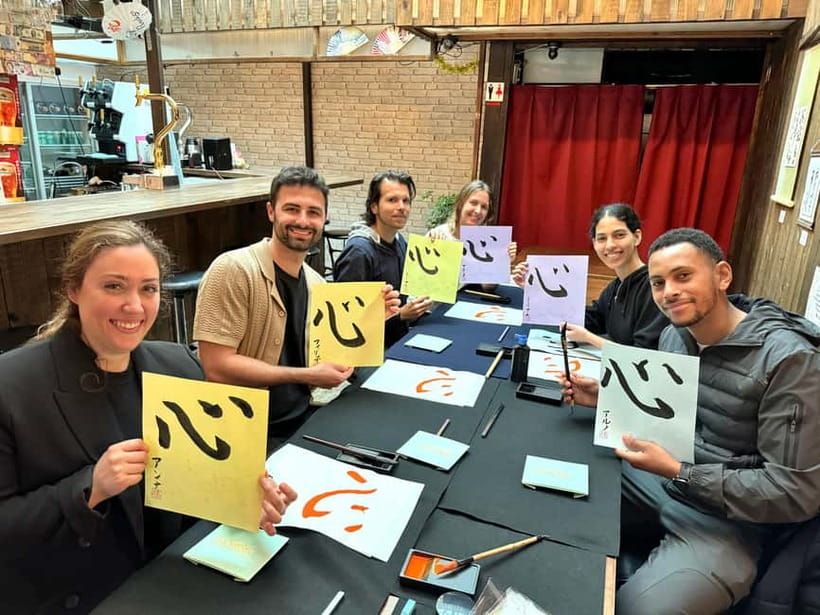
- A finished rice-paper artwork goes home with you: The teacher signs and stamps the completed piece.
- Small, central, and reasonably priced: Groups are capped at 10, and the workshop costs $32 per person.
- A quiet break from sightseeing: The session takes place at Gojo Paradiso beside the Takase River.
Why this calligraphy class works for first-time visitors
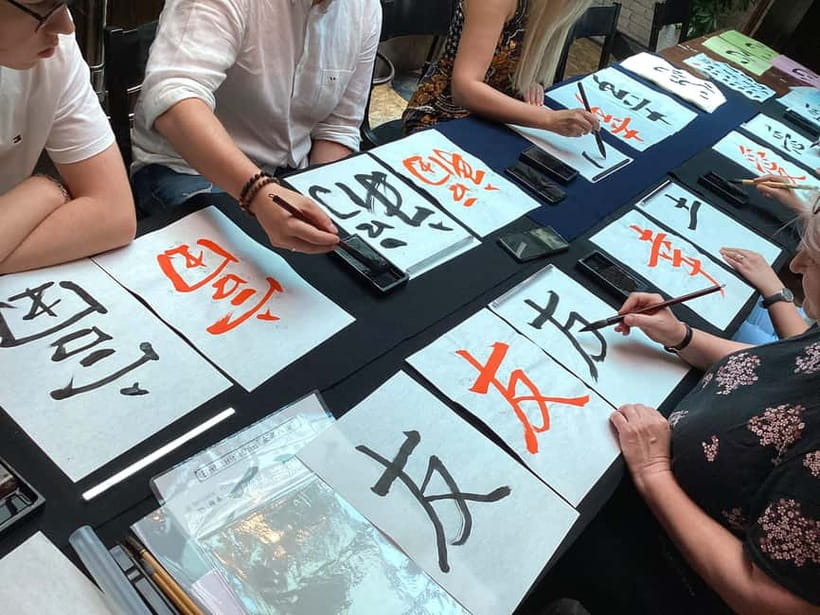
Japanese calligraphy, known as SHODO, can look simple from a distance. A brush touches paper, ink follows, and a character appears. In practice, the angle of the brush, the pressure of your hand, and the order of each stroke all matter.
That is why a guided lesson makes sense. You are not left to copy a finished character and hope for the best. The class begins with an introduction to the meaning and background of calligraphy, then moves into basic strokes. This gives you a little context before you start making marks.
I like this order. It keeps the session cultural, not just crafty. You learn that a kanji character is built from separate movements, and each movement has its own shape and rhythm. Even if your final piece is not museum material, you understand more about what you are seeing on signs, menus, and temple plaques around Japan.
The workshop is designed for beginners, but you do not need to be completely new to the subject. If you have tried calligraphy before, the step-by-step format still gives you a chance to improve control and brush handling.
More calligraphy classes:
- Kyoto: Calligraphy class at Buddhist temple in city center
★ 5.0 · 167 reviews - Kyoto: Japanese Calligraphy Class
★ 4.8 · 89 reviews - Kyoto: Local Home Visit and Japanese Calligraphy Class
★ 5.0 · 66 reviews
Finding Gojo Paradiso beside the Takase River
Gojo Paradiso is on Kiyamachi Street beside the Takase River. Its location gives the activity a pleasant Kyoto setting without requiring a long trip across the city.
From Keihan Kiyomizu Gojo Station, the walk is about five minutes. The meeting point is listed as 386 meters from the station. From Keihan Shichijo Station, allow about 10 minutes on foot.
That easy access matters. You can fit this workshop between other central Kyoto plans instead of giving up half a day to transportation. Still, leave enough time to find the exact entrance. Central streets can be easy to walk past, especially when you are watching station signs, river paths, and restaurant fronts.
Gojo Paradiso also has a gallery. The gallery is part of the final portion of the activity, so the setting is not only a classroom. You get a chance to see calligraphy presented as finished art before you leave.
Starting with brush control and basic strokes
The first practical part of the class is brush practice. You learn how to hold and move the brush, then work through the basic strokes used to form kanji.
This is where patience helps. A brush does not behave like a ballpoint pen. Press too hard and the line grows thick. Move too quickly and the shape may look thin or uneven. The teacher shows you how small changes in pressure and direction affect the result.
The instruction is given in English and Japanese. That makes the class accessible to international visitors, and the teaching style is geared toward clear, simple steps. Takako is described as both a trained calligraphy master and an award-winning teacher, with a degree in calligraphy. Her role is not simply to show you a model and move on. The lesson includes individual guidance as you work.
A small group is valuable here. With no more than 10 participants, you have a better chance of receiving help while your brush is still in your hand, not several minutes later. One detailed account also describes the teacher spending time with each person on every exercise, offering support without making the class feel pressured.
You should expect practice sheets and repeated attempts. That is part of the point. The class is most enjoyable when you accept that your first stroke will not be perfect.
Moving from practice marks to meaningful kanji
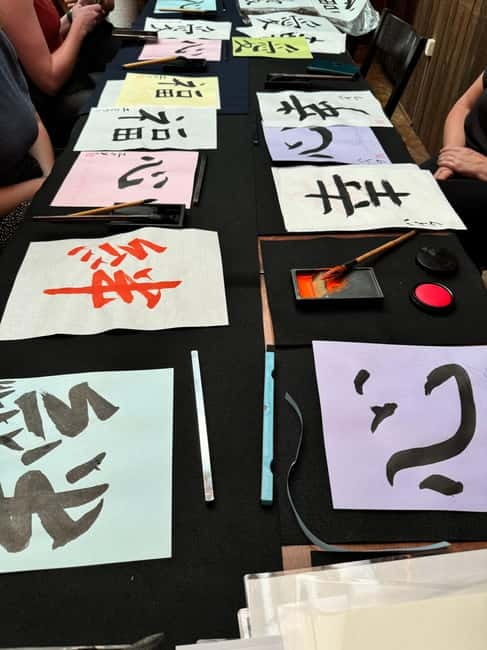
After the basic exercises, you use the strokes to write kanji characters. This is the point where the class shifts from technical practice to personal expression.
The teacher guides you through the character rather than expecting you to memorize a long lesson. You learn how the separate strokes fit together, then work toward a finished design. The character you choose may have personal meaning, but the supplied details do not promise a set menu of words or symbols. Ask the instructor what choices are available on the day.
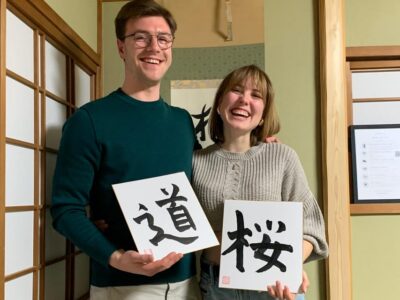
One appealing feature is the chance to write your name in Japanese. For many people, this becomes a more personal souvenir than a generic character. You are not simply buying a decorative sheet from a shop. You take part in making it and learn how your name can be represented in kanji.
The process also gives you a better feel for Japanese writing. You may recognize that kanji are not random pictures or decorative shapes. Their form, balance, and stroke order matter. That small lesson can change the way you look at written Japanese during the rest of your stay.
More workshops and classes in Kyoto:
- Kyoto: 45-Minute Tea Ceremony Lesson Experience
★ 4.3 · 2,378 reviews - Kyoto : Chopsticks Making Workshop in Gion with Engraving Option
★ 5.0 · 958 reviews - Kyoto: Samurai Sword Class by Experts in Traditional Arts
★ 4.9 · 657 reviews - Kyoto: Ramen Cooking Class at a Ramen Factory with Souvenir
★ 4.9 · 532 reviews
Creating a one-of-a-kind piece on rice paper
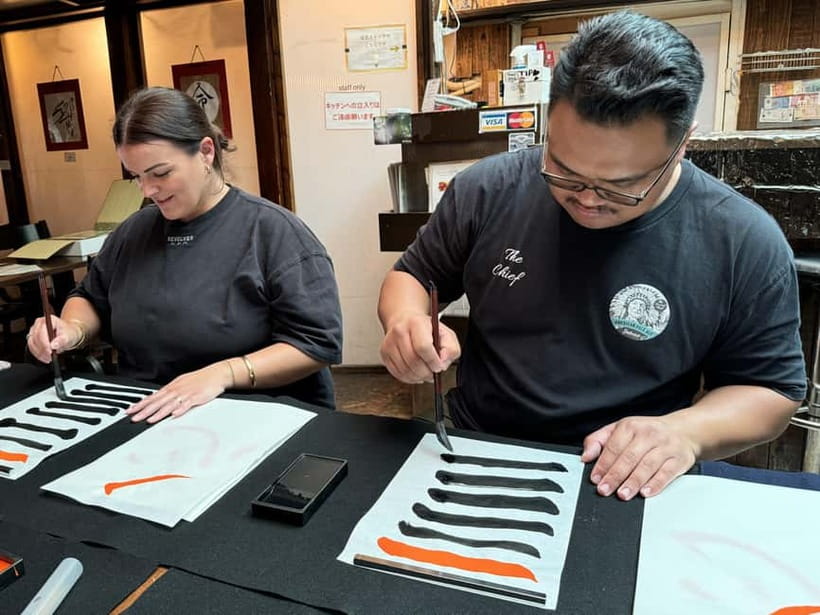
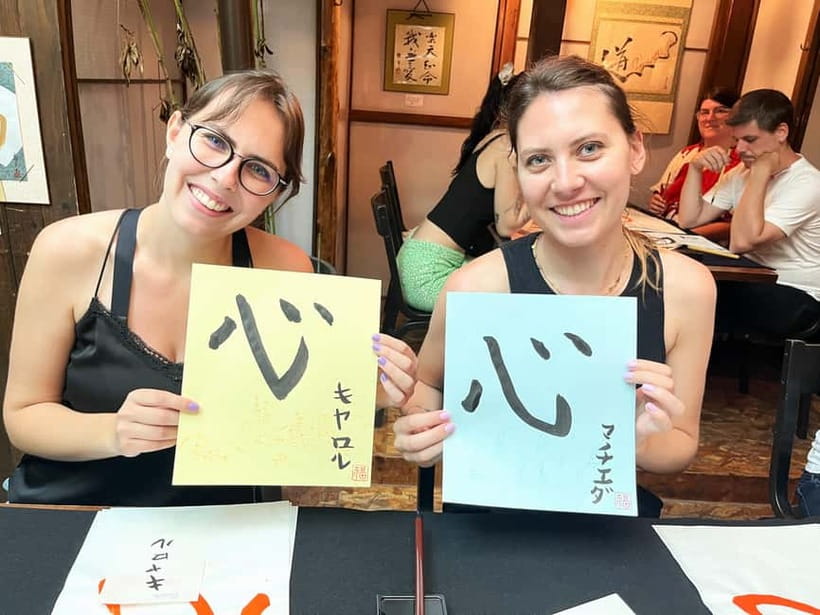
The final artwork is made on beautiful rice paper. You use the skills from the practice section to produce a finished piece, with the teacher helping you refine the result.
This is a smart souvenir for Kyoto. It is light, personal, and connected to something you actually did. It also avoids the common problem of buying an attractive object that has no story attached to it.
The teacher signs the finished work and adds a stamp. That final touch gives the paper a more finished appearance. One detailed account also describes receiving a handmade calligraphy gift from the teacher, accented with gold. The gift is a thoughtful extra, but it should not be treated as the main promise of the booking because included extras can vary by session.
All necessary supplies are provided. You do not need to bring brushes, ink, paper, or other equipment. High-quality materials were also praised in a detailed account, which matters because poor paper and worn brushes can make a beginner’s work much harder.
You will not leave with professional-level calligraphy after one short class. You will leave with a personal work made during a guided introduction. That is the right way to judge the finished piece.
A quiet gallery finish and time for photos
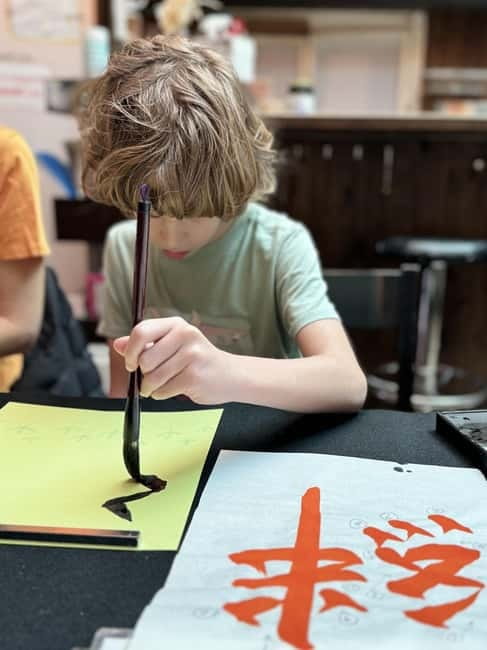
The workshop does not end the instant your brush leaves the paper. The final portion allows time for photos, a look around the gallery, and special orders.
The photo opportunity is useful if you want a record of the process or your finished character. Since ink work can be difficult to transport, photographs give you another way to remember the experience.
The gallery also adds context. You can see how calligraphy changes when it is prepared as finished artwork rather than practice. If you like a particular style, the option to place a special order may interest you, though the supplied information does not give prices, delivery times, or shipping details. Ask before ordering if you need the piece sent home.
The full activity takes about one to two hours. Check the available start times when booking, since the exact length and schedule can vary. The class is long enough to feel worthwhile, but short enough to fit into a day of sightseeing.
How the $32 price measures up
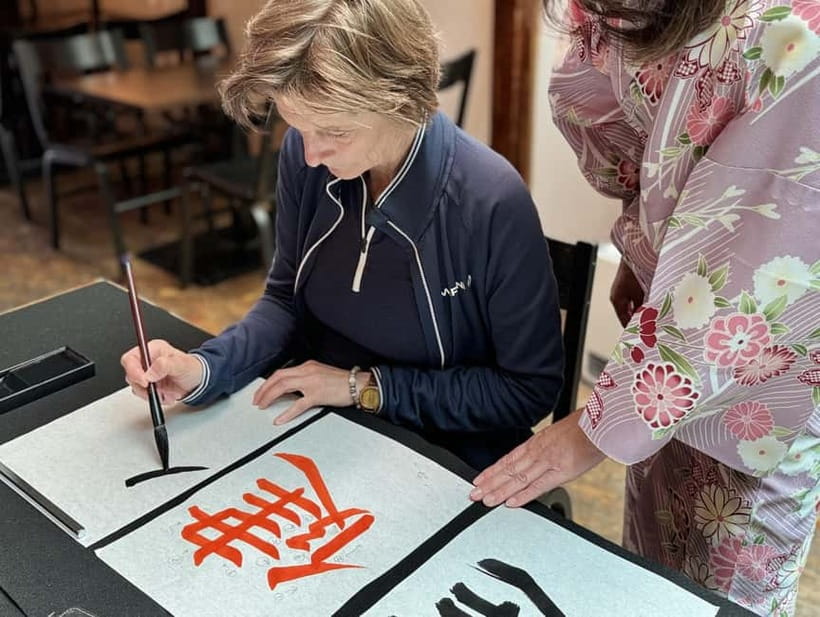
At $32 per person, this is a fair price for a small, instructor-led cultural activity in central Kyoto. The fee includes the calligraphy teacher and all necessary supplies, along with the finished work you create.
The value comes from the personal instruction. You are paying for more than paper and ink. You receive a structured introduction, practice time, corrections, and the chance to finish a keepsake with your name or a chosen character.
The small group improves that value. A cheaper drop-in activity with no individual help might leave you unsure how to hold the brush or form the strokes. Here, the teacher can watch your work and guide you.
Still, expectations matter. If you want a long, advanced course covering many calligraphy styles, $32 will not buy that. This is a compact introduction. I would choose it for a meaningful activity during a Kyoto visit, not as a substitute for serious ongoing study.
The experience has a 4.7 rating from 84 reviews, with repeated praise for the teacher’s patience, clear English, encouragement, and the quality of the materials. The most consistent strength is the teaching, not simply the setting.
Who should book this Kyoto workshop
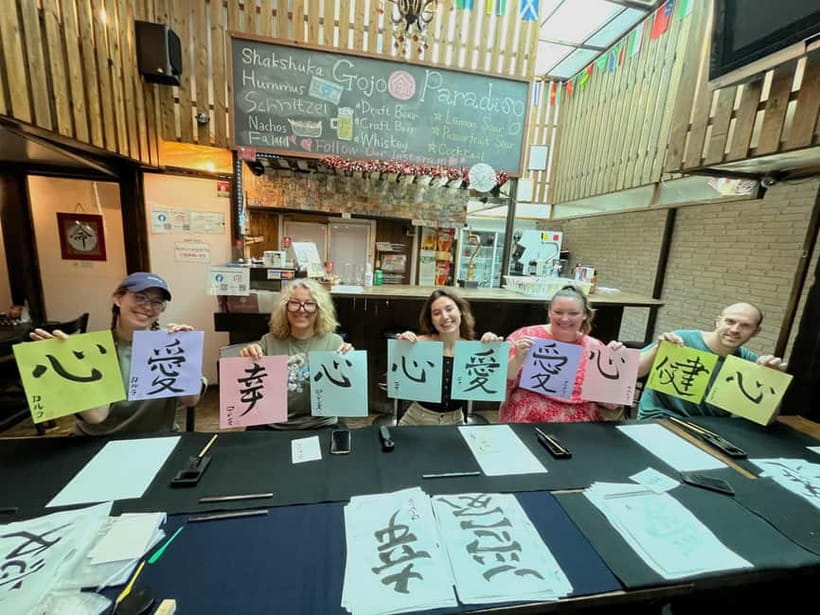
This activity suits adults and children aged 10 or older who want to make something rather than only look at attractions. It works particularly well for couples, friends, and solo visitors who enjoy hands-on cultural activities.
It is also a good choice for a rainy day or for a quieter pause between temples and shopping. The class takes place indoors, and the central location makes it simple to add to a day around the Kiyamizu Gojo and Kiyamachi area.
Art experience is not needed. In fact, beginners are likely to get the most from the clear progression from strokes to characters. If you already practice Japanese calligraphy, you may find the content basic, but personal guidance and the chance to work with traditional materials can still make it worthwhile.
The workshop is wheelchair accessible. Children under 10 are not suitable for this activity, so families with younger children will need another plan.
English speakers should feel comfortable joining. The instructor teaches in English and Japanese, and clear instruction is one of the activity’s strongest practical features.
Timing, group size, and booking details
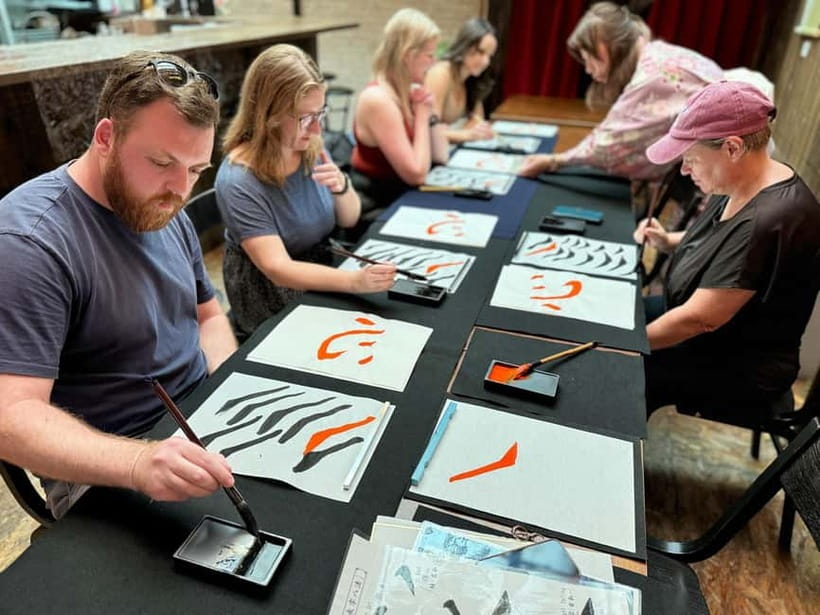
The group is limited to 10 participants. That is small enough for the instructor to give personal attention, though the exact amount of help will depend on the group and pace of the session.
You must reserve at least one day in advance. The activity offers free cancellation up to 24 hours before the start time for a full refund. You can also reserve now and pay later, which helps if your Kyoto schedule is still changing.
Check the start times before committing your sightseeing plans. The class lasts one to two hours, but you should also allow time to walk from the station and find Gojo Paradiso.
Because the work uses ink, wear something you can move comfortably in and keep your belongings organized. The supplied information does not state a dress code or storage policy, so do not assume that bags or coats will be handled for you.
What I would want to know before arriving
Bring curiosity, not artistic confidence. The class is built around practice, and the teacher’s job is to help you improve each step.
Do not rush the first exercises. The basic strokes may seem repetitive, but they prepare you for the character and name work later. If you skip the practice mentally, the final piece will feel more difficult.
Think about what you want from the finished paper. You might prefer a meaningful kanji character, your name in Japanese, or a design chosen with the teacher’s help. The exact choices are not specified in advance, so ask Takako what is possible during the session.
Keep the finished artwork flat and protected afterward. The activity provides the supplies and your completed work, but no special transport container is specified.
Finally, remember that calligraphy rewards control. This is not a race to produce the most elaborate character. The fun comes from slowing down, listening to the instructions, and seeing your marks become more deliberate.
Should you book the Gojo Paradiso calligraphy class?
Book it if you want a personal Kyoto souvenir, enjoy learning by doing, or need a short cultural activity with easy central access. The $32 price is sensible for an instructor, materials, a small group, and a finished rice-paper artwork.
I would be especially keen to book with a partner or friend, since comparing your practice strokes and finished characters adds to the fun. Solo visitors should also fit in well because the class includes individual instruction.
Skip it if you want a long advanced course, a child-friendly activity for anyone under 10, or a tour that covers many Kyoto sights. For everyone else, this is a calm, practical introduction to SHODO with a keepsake that carries a personal story.
FAQ
Where does the Kyoto calligraphy workshop take place?
It takes place at Gojo Paradiso along the Takase River on Kiyamachi Street in central Kyoto.
How do I reach Gojo Paradiso?
Gojo Paradiso is about a five-minute walk from Keihan Kiyomizu Gojo Station and about a 10-minute walk from Keihan Shichijo Station. It is listed as 386 meters from Kiyomizu Gojo Station.
How long does the activity last?
The workshop lasts between one and two hours. Check availability for the exact starting times.
Is the class suitable for complete beginners?
Yes. The instructor gives step-by-step guidance, beginning with the history and meaning of calligraphy, then moving to basic brush strokes and kanji characters.
Is instruction available in English?
Yes. The instructor teaches in English and Japanese.
What is included in the price?
The price includes an expert calligraphy instructor and all necessary supplies. You can also take home the calligraphy artwork you create.
Can children join the workshop?
Children under 10 cannot join. Participants aged 10 and older may take part.
Is the activity wheelchair accessible?
Yes, the workshop is wheelchair accessible.
Recently added around Kyoto
- Higashiyama | Kyoto: Sakura Season Private Rickshaw Tour★ 5.0 · 3 reviews
- Kyoto Kimono Rental CHAMATSU|Kimono/Yukata Rental FamilyPlan★ 5.0 · 3 reviews
- Kyoto: Half-Day Private Guided Tour to the Old Town of Gion★ 4.4 · 3 reviews
- Nara Private Customizable Half Day Tour★ 5.0 · 3 reviews
- Kansai Region Hiking Adventure in Nara Kobe Kyoto and More★ 5.0 · 3 reviews
- Full Day Nara Deer, Temple, Shrine, Activities & Tea Ceremony★ 5.0 · 3 reviews
- Nara: Essential Private Tour with Deer Park and Temples★ 5.0 · 3 reviews
- Hiking Tour for Sacred Sites in Kyoto with a Guide★ 5.0 · 3 reviews
Kyoto Calligraphy Classes, compared.
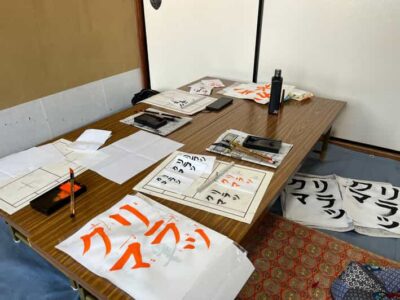
Calligraphy class at Buddhist temple in city center
Read our review →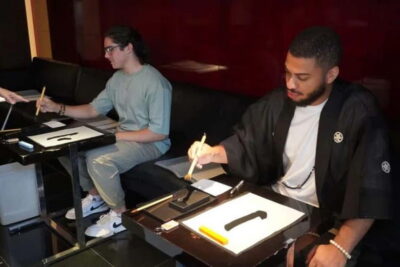
Kyoto Ninenzaka : Japanese Calligraphy Class in Townhouse
Read our review →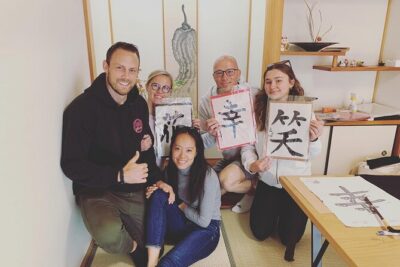
Private Japanese Calligraphy in Kyoto – Learn Shodō with a Master
Read our review →
Japanese Calligraphy – Shodo – Lesson (near Kyoto Station)
Read our review →
Browse the lists this tour appears in