
REVIEW · KYOTO SAMURAI EXPERIENCES
Kyoto: Japanese Archery Workshop with Experienced Instructor
Kyudo is not a quick archery trick. It is a careful martial art built around posture, breathing, focus, and a set sequence of movements. In Kyoto, Yamaguchi-sensei guides beginners through that process with more than 50 years of practice and a Kyudo Kyoshi sixth-grade teaching rank.
I like the very small group, limited to four people, because you get real time with the instructor instead of watching from the back. I also like that you use proper Kyudo equipment, including the tall Japanese bow, and learn why each movement matters. The main consideration is communication: the instructor teaches in Japanese, so an assistant and English materials help carry the lesson.
In This Review
- Key points at a glance
- Why Kyoto Kyudo feels different from ordinary archery
- Meeting Yamaguchi-sensei in a four-person class
- Handling the large Japanese bow
- The one-hour lesson, step by step
- Getting introduced to Kyudo
- Learning stance and bow hold
- Following the formal sequence
- Taking your shots
- The cultural side is worth your hour
- Finding the studio without a wrong turn
- Is $38 good value for one hour?
- Who will enjoy this most
- My verdict on this Kyoto archery workshop
- FAQ
- How long does the Kyudo workshop last?
- How many people can join each session?
- Does the instructor speak English?
- Do I need previous archery experience?
- Is Kyudo equipment included?
- What should I wear?
- Where is the meeting point?
Key points at a glance
- Learn from Yamaguchi-sensei: The instructor has practiced Kyudo for more than 50 years and is known for patient, hands-on teaching.
- Expect a small class: Groups are limited to four participants, giving you repeated turns and close correction.
- It is more than target shooting: You learn stance, bow grip, breathing, sequence, and the calm spirit behind Kyudo.
- English help is available: The instructor speaks Japanese, while an assistant can translate and explain the cultural background.
- Wear easy-moving clothes: The lesson includes physical demonstrations and hands-on guidance, so comfortable clothing matters.
- Allow time to find the entrance: The studio is about 10 minutes on foot from several stations, but the side entrance can be easy to miss.
Why Kyoto Kyudo feels different from ordinary archery
The first thing to understand is that Kyudo is not simply Japanese target archery. The arrow and target matter, but the form leading up to the shot matters just as much. You learn to stand correctly, hold the bow correctly, draw with control, and release without rushing.
The opening movements can feel almost like a martial arts kata. You follow a set pattern rather than casually picking up a bow and firing. That structure gives the session a quiet, focused mood, even when everyone is laughing at their first awkward attempts.
I like this approach because it gives you a small window into Japanese discipline and etiquette. You are not just collecting a photo with a bow. You are learning why Kyudo asks for calm attention and clean movement.
The activity lasts one hour, so it is a compact addition to a Kyoto sightseeing day. You will not become a Kyudo expert in that time, but you can understand the basic shape of the practice, try the equipment, and gain respect for how much skill sits behind a single accurate shot.
More samurai and sword sessions:
- Kyoto Samurai Experience
★ 5.0 · 1,294 reviews - Kyoto: Kendo and Samurai Experience with Uniform and Gear
★ 4.9 · 815 reviews - Kyoto: Samurai Sword Class by Experts in Traditional Arts
★ 4.9 · 657 reviews
Meeting Yamaguchi-sensei in a four-person class
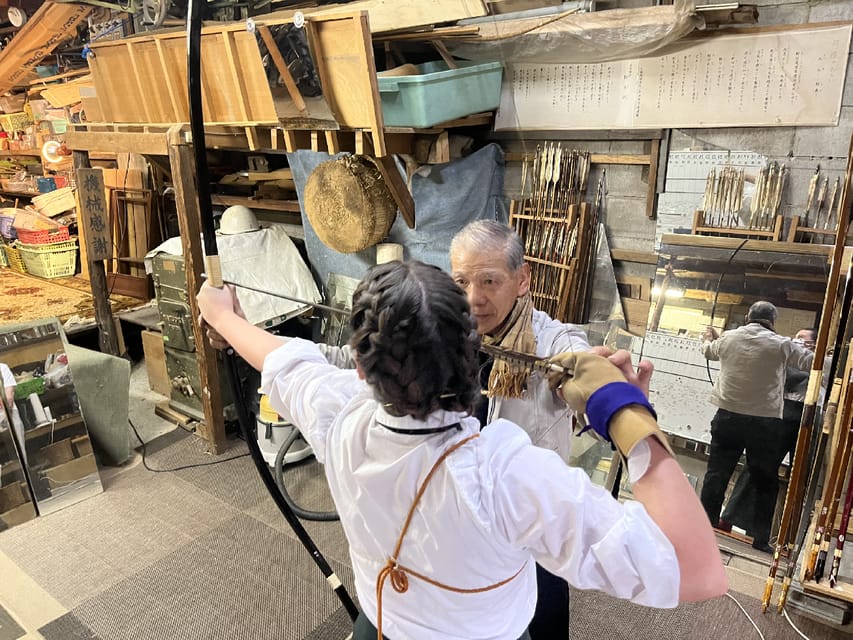
The strongest part of this experience is the instructor. Yamaguchi-sensei has spent more than five decades practicing Kyudo, and the session makes good use of that experience. He demonstrates the movements, watches each participant, and corrects your position as you work through the sequence.
This is a hands-on lesson from the beginning. The guidance may include adjusting your stance, showing the proper bow hold, or helping you understand the direction of each movement. The organizers ask you to mention any concerns about this style of instruction in advance.
The small group size is important. With a maximum of four participants, you are not lost in a crowd, and the teacher has room to give individual attention. You might still wait briefly while another person takes a turn, but that pause lets you watch the form again before trying it yourself.
An assistant helps bridge the language gap. Yamaguchi-sensei teaches in Japanese, while the assistant can translate and explain the lesson in English. English materials also cover the art of Kyudo. You should ask questions as they come up, since the instructor is described as friendly and willing to help.
Do not expect a polished English-language lecture from the master himself. Instead, expect clear demonstrations, gestures, translation, and a shared enthusiasm for the practice. For this kind of physical lesson, that arrangement works well because you can see the correct movement even before every explanation reaches you.
Handling the large Japanese bow
One detail that surprises many beginners is the size of the bow. A Kyudo bow is much taller than the European-style bows many people have tried, and it can feel heavier as well. You may find that holding and drawing it requires more strength than expected.
That does not mean you need archery experience. The lesson is designed for beginners, and the instructor guides you through the basic handling. Still, I would not treat this as a completely effortless activity. You need enough comfort with standing, lifting the bow, and repeating the movements during the session.
The equipment is included, so you do not need to bring a bow, arrows, or protective gear. You can concentrate on learning the form instead of worrying about renting the correct kit.
The bow is also part of what makes the experience memorable. Its height, shape, and handling immediately show you that Kyudo is not just a version of a familiar Western sport. Even before you shoot, you are learning through the feel of the equipment.
Wear clothing that lets you move freely. Loose or comfortable clothes are a better choice than anything tight, stiff, or restrictive. Since the studio has limited space, only participants should attend the session, so plan to leave nonparticipants elsewhere.
The one-hour lesson, step by step
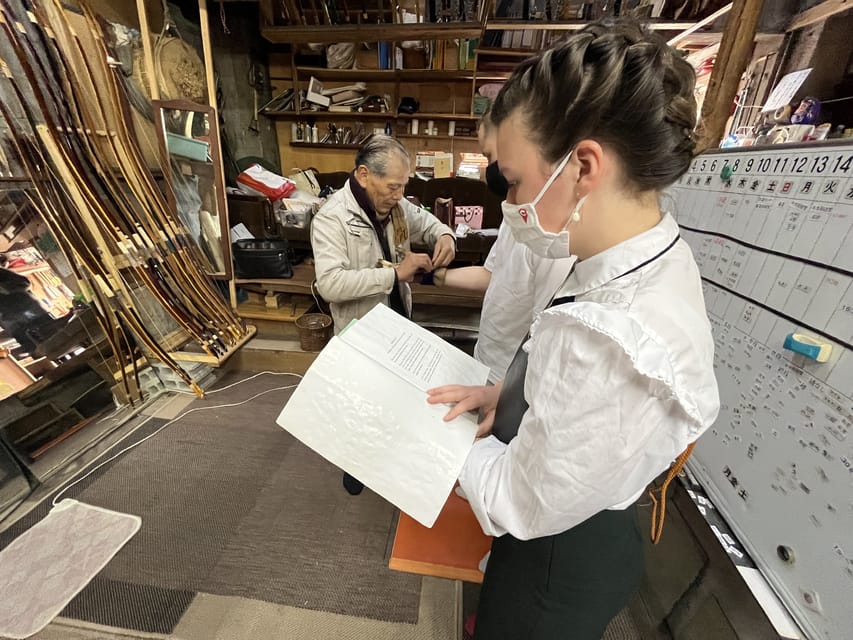
The exact timing of each part can vary, but you can expect the hour to move through several connected stages.
More workshops and classes in Kyoto:
- Kyoto: 45-Minute Tea Ceremony Lesson Experience
★ 4.3 · 2,378 reviews - Kyoto : Chopsticks Making Workshop in Gion with Engraving Option
★ 5.0 · 958 reviews - Kyoto: Ramen Cooking Class at a Ramen Factory with Souvenir
★ 4.9 · 532 reviews - Ninja 1-hour Hands-on Lesson by Japanese master in Kyoto -Entry
★ 5.0 · 489 reviews
Getting introduced to Kyudo
The lesson begins with an introduction to the art, its tools, and its purpose. You learn that Kyudo has roots stretching back about 1,000 years and that its practice includes a peaceful, reflective side.
This background is useful because it changes how you view the physical steps. A movement that first seems fussy or slow has a reason within the larger discipline. The assistant can help explain the spiritual and cultural ideas behind the sequence.
Learning stance and bow hold
Next comes the foundation: how to stand and how to hold the bow. Beginners often want to focus on the arrow immediately, but Kyudo starts with the body.
Yamaguchi-sensei demonstrates the proper position and then watches you try it. He may use hands-on correction to show how your stance or grip should change. That direct help is valuable, especially when the movement feels unnatural.
The aim is not to force you into a perfect pose in a few minutes. It is to help you feel the basic relationship between your feet, shoulders, arms, and bow. Once you understand that, the later steps make more sense.
Following the formal sequence
Kyudo uses an ordered series of movements. You may find this challenging at first because you are thinking about several things at once: standing straight, holding the bow, drawing evenly, breathing, and staying calm.
That challenge is part of the lesson. The practice asks you to slow down and pay attention instead of relying on quick instinct. The process can feel closer to meditation than to a noisy recreational activity.
You will probably make mistakes. That is normal, and the instructor’s patience is one of the best reasons to book this session. He breaks the action down, demonstrates it again, and encourages you to keep working through the sequence.
Taking your shots
You do get to shoot arrows, rather than spending the entire hour watching a demonstration. The lesson moves from instruction into practice, giving you a chance to apply the stance and bow handling.
Do not judge the session only by how many arrows reach the target. Hitting it feels satisfying, and some participants manage to do so, but Kyudo places value on the quality of the whole form. A successful shot begins well before the arrow leaves the bow.
The small group gives you time to try again after receiving corrections. One early attempt may feel confusing, while the next begins to feel more controlled. Even if your arrows are not perfectly placed, you will leave with a clearer sense of how difficult the art really is.
The cultural side is worth your hour
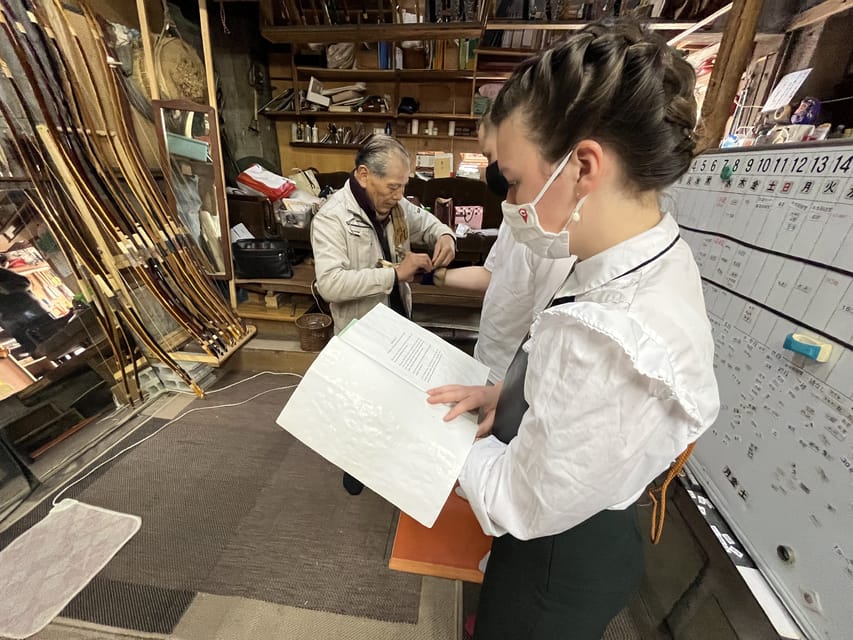
Kyudo offers a quieter type of cultural experience than many Kyoto activities. You are not simply looking at an old object or posing in traditional clothing. You are taking part in a living practice under the direction of someone who has devoted most of his life to it.
The instructor’s long career gives the activity weight, but the lesson remains friendly and approachable. The mood is encouraging rather than stern. That balance matters for beginners who may worry about getting every movement right.
I especially like the way the activity connects physical skill with mental control. You hear reminders to relax, but relaxing while holding a large bow and following a formal sequence is harder than it sounds. That small struggle helps you understand the discipline from the inside.
The lesson also offers a useful contrast with Kyoto’s temples, gardens, and crowded sightseeing routes. It is still a distinctly Japanese cultural activity, but it asks you to participate rather than simply observe. For a one-hour break from walking, that can be a welcome change.
Finding the studio without a wrong turn
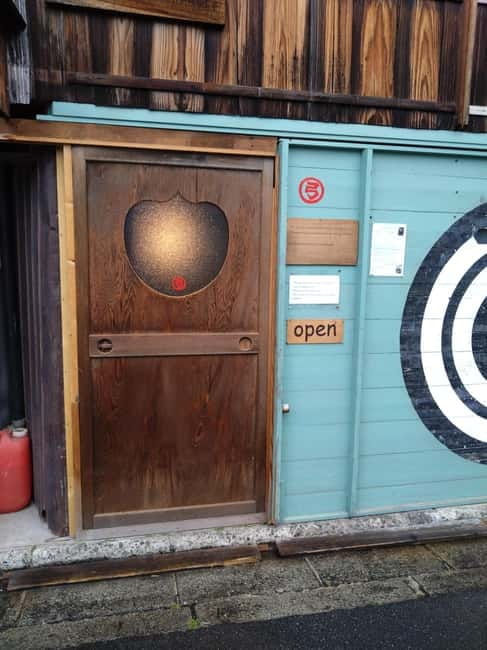
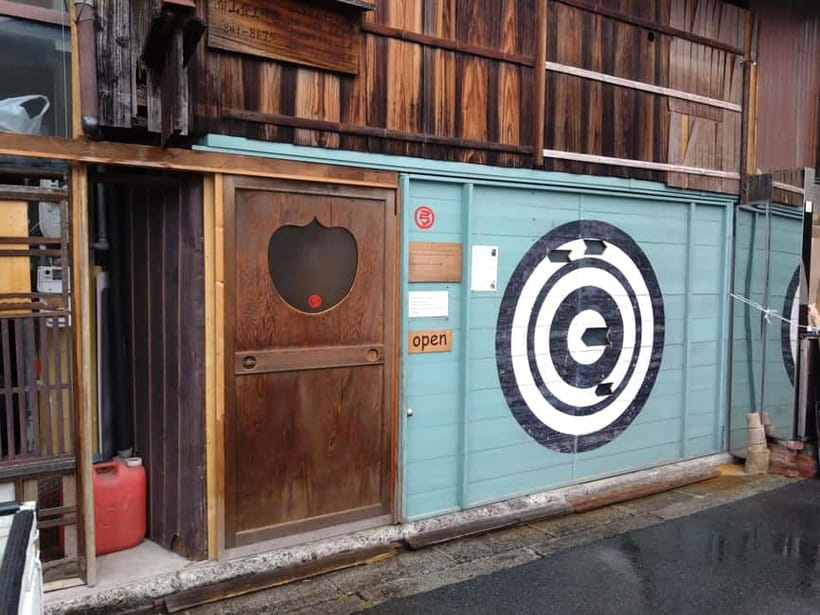
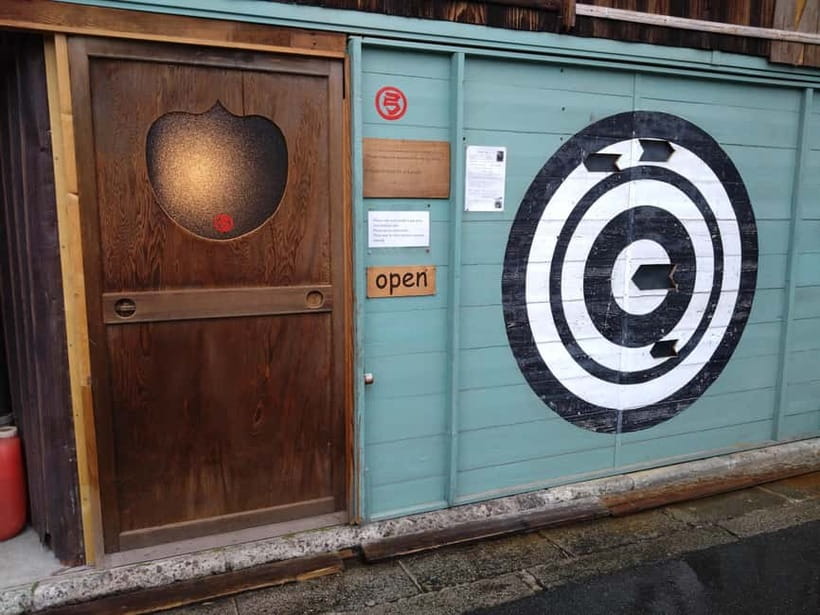
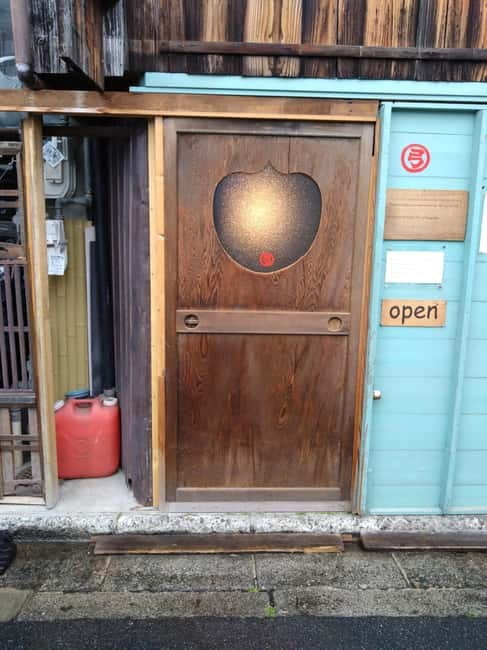
The meeting point is からくり弓道体験場, also described as Kyudo Experience Kyoto. The entrance is on the side of the building, opposite a small parking lot.
Pay close attention here: there are no doorbells at the entrance. Do not enter through other doors or ring doorbells. If you use Google Maps, copy and paste the Japanese name only, or search for Kyudo Experience Kyoto, then compare the result with the stated meeting-point information.
The studio is about a 10-minute walk from JR Tambaguchi, Hankyu Omiya, or Randen Shijo-Omiya station. If you take a taxi, tell the driver Mibugawa-street, Takatsuji-street rather than relying on the full address.
This is a small practical detail, but it can prevent a frustrating start. Give yourself enough time to walk from the station and identify the side entrance before your booked time.
Hotel pickup and drop-off are not included. You make your own way to the studio, which is reasonable for a short, centrally located activity, but you need to plan the route yourself.
Is $38 good value for one hour?
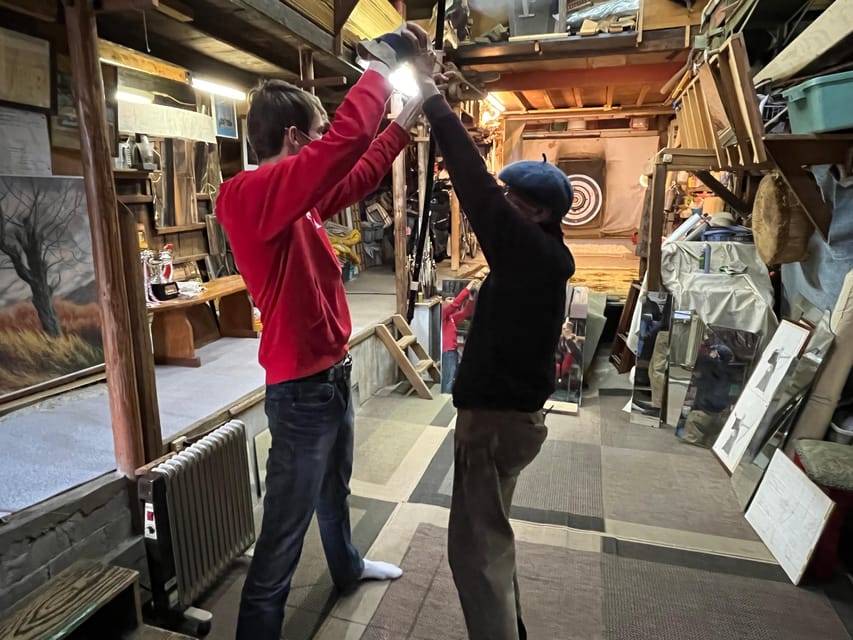
At $38 per person, this is not the cheapest one-hour activity in Kyoto. It is also not priced like a full-day tour. The value comes from the combination of specialist instruction, all required equipment, a small class, and access to a teacher with more than 50 years of practice.
A larger group could offer a lower price, but it would likely give you less personal correction. Here, the four-person limit makes a real difference because Kyudo depends on body position and timing. You need someone watching your form, not just someone explaining it once from across a room.
The cost also includes an experience that would be difficult to arrange independently. You would not easily find the right bow, arrows, space, instruction, or cultural context on your own during a short Kyoto visit.
For me, the price makes sense if you care about authentic local activities and want more than a standard sightseeing stop. It makes less sense if you want a long archery session with many rounds of shooting. The one-hour format gives you an introduction, not extended training.
Free cancellation is available up to 24 hours before the activity for a full refund, and you can reserve now and pay later. Those terms are useful when your Kyoto schedule is still changing.
Who will enjoy this most
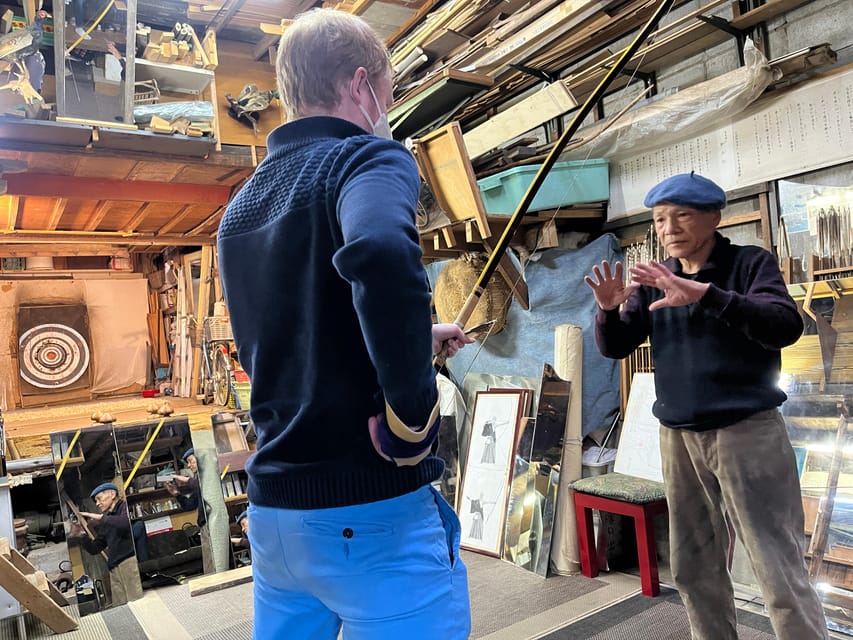
This session suits adults, older children, and teenagers who can follow instructions and take part in a calm, structured activity. One family used a smaller bow for a seven-year-old, while another family found it suitable for teenagers aged 12 and 15. Since the lesson involves equipment and hands-on guidance, confirm the setup for younger children when booking.
You do not need previous archery experience. In fact, the beginner format is one of the main strengths. The teacher starts with the fundamentals and expects you to need help.
You should book it if you like:
- Traditional martial arts and Japanese culture
- Small groups with personal instruction
- Calm activities that reward concentration
- Trying an unusual skill rather than repeating a familiar tourist activity
- Learning the meaning behind a practice, not just taking a turn
You might skip it if you dislike physical correction, have difficulty standing and handling a heavier bow, or want instruction delivered entirely in fluent English. The assistant provides translation, but the master’s own teaching is in Japanese.
My verdict on this Kyoto archery workshop
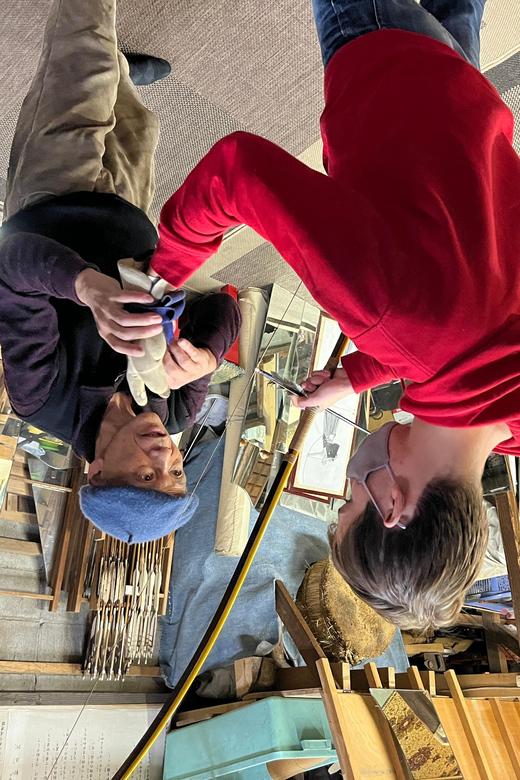
I would choose this activity for a short, genuine cultural experience with a strong teacher at its center. Yamaguchi-sensei’s patience, long practice, and close attention give the hour real substance, while the small group keeps the lesson personal.
Book it if you want to understand why Kyudo is both archery and a disciplined form of movement. Wear comfortable clothes, arrive early enough to find the side entrance, and approach the session with patience rather than a need to hit the target immediately.
Skip it only if you want casual bow-and-arrow entertainment or a fully English-led class. For everyone else, $38 is a fair price for a rare chance to handle authentic Kyudo equipment and learn directly from an experienced Japanese teacher.
FAQ
How long does the Kyudo workshop last?
The activity lasts one hour.
How many people can join each session?
The group is limited to four participants.
Does the instructor speak English?
The instructor teaches in Japanese. English materials are provided, and an assistant helps translate and explain the lesson.
Do I need previous archery experience?
No. The workshop is beginner-friendly and covers basic posture, bow handling, techniques, and the Kyudo sequence.
Is Kyudo equipment included?
Yes. The lesson includes all required Kyudo equipment.
What should I wear?
Wear comfortable clothing that allows you to move freely.
Where is the meeting point?
The meeting point is からくり弓道体験場, also called Kyudo Experience Kyoto. The entrance is on the side of the building, opposite a small parking lot. It is about 10 minutes on foot from JR Tambaguchi, Hankyu Omiya, and Randen Shijo-Omiya stations.
Recently added around Kyoto
- Higashiyama | Kyoto: Sakura Season Private Rickshaw Tour★ 5.0 · 3 reviews
- Kyoto Kimono Rental CHAMATSU|Kimono/Yukata Rental FamilyPlan★ 5.0 · 3 reviews
- Kyoto: Half-Day Private Guided Tour to the Old Town of Gion★ 4.4 · 3 reviews
- Nara Private Customizable Half Day Tour★ 5.0 · 3 reviews
- Kansai Region Hiking Adventure in Nara Kobe Kyoto and More★ 5.0 · 3 reviews
- Full Day Nara Deer, Temple, Shrine, Activities & Tea Ceremony★ 5.0 · 3 reviews
- Nara: Essential Private Tour with Deer Park and Temples★ 5.0 · 3 reviews
- Hiking Tour for Sacred Sites in Kyoto with a Guide★ 5.0 · 3 reviews
Kyoto Samurai Experiences, compared.
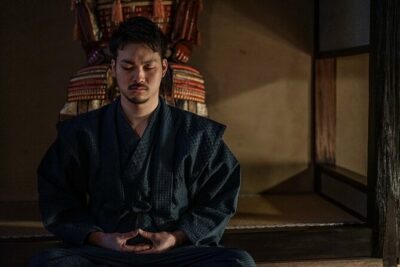
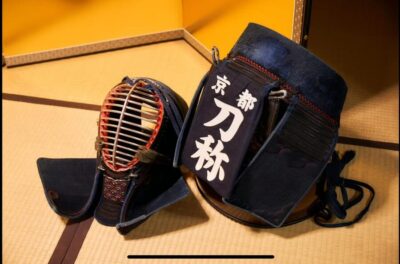
Kendo and Samurai Experience with Uniform and Gear
Read our review →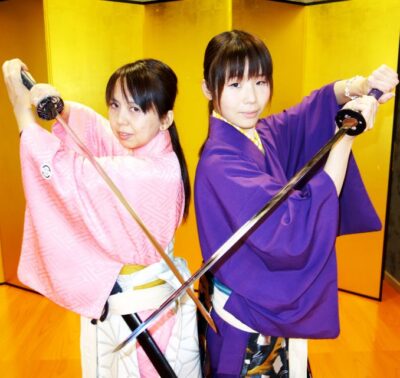
Samurai Sword Class by Experts in Traditional Arts
Read our review →
Skip the lines Basic Ticket at SAMURAI NINJA MUSEUM KYOTO
Read our review →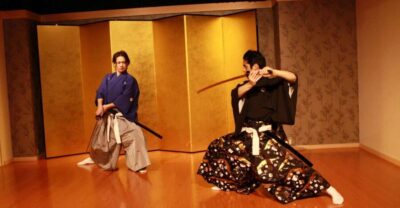
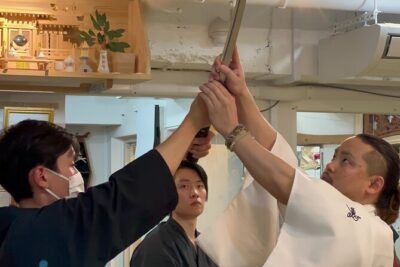
Samurai Training with Modern day Musashi in Kyoto
Read our review →
Private Tea Ceremony and Sake Tasting in Kyoto Samurai House
Read our review →Browse the lists this tour appears in