
REVIEW · KYOTO SAMURAI EXPERIENCES
Samurai School in Kyoto: Samurai for a Day
The best part of this Kyoto experience is that you do not simply watch a samurai show. You learn the formal bow, handle a sword, practice stylized strikes, and put on traditional clothing for photographs. The hands-on sword lesson and the chance to see how kenbu looks on stage are the two reasons I would make room for it.
I also like the small-group feel, with a maximum of 10 people, and the clear English instruction. The main caution is timing: the performance may come before the lesson and can last longer than expected, while the photo session may feel rushed if another class is waiting.
In This Review
- Key points at a glance
- What this Kyoto samurai class really teaches
- Entering the GOZAN building in Higashiyama
- The three-minute introduction and the samurai setting
- Dressing in samurai clothing before handling the sword
- Drawing, sheathing, and striking the samurai sword
- The longer lesson and its stage choreography
- Watching the kenbu performance
- Who will get the most from the $66.32 price
- The small-group advantage and the firm teaching style
- Practical tips for a smoother visit
- Should you book Samurai for a Day?
- FAQ
- How long does Samurai for a Day last?
- Where does the samurai class meet?
- What is included in the experience?
- Do I get to wear a samurai costume?
- Is the class suitable for children?
- Can I cancel for a refund?
Key points at a glance
- Practice the samurai basics: Learn to bow, draw and return a sword to its scabbard, then work on strikes and thrusts.
- Choose the lesson length: The standard session is about 90 minutes, while the longer option allows more practice with choreography, walking, and a folding fan.
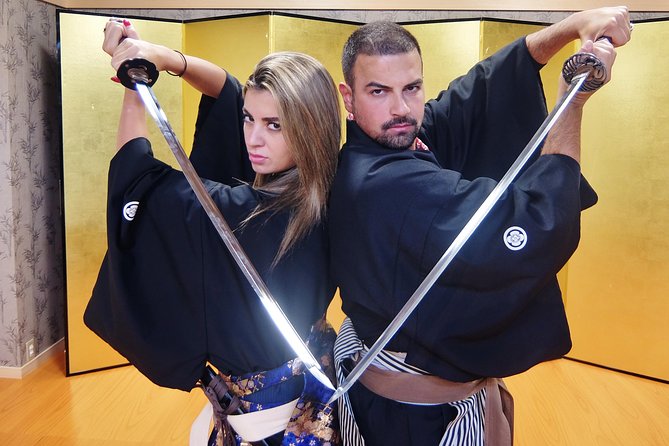
- Wear the full costume: Put on a samurai outfit with a white belt, Japanese-style socks, and sword before your photo session.
- See kenbu performed: The longer class ends with sword choreography set to music and a poem, and some sessions include a performance to watch.
- Keep useful souvenirs: You receive a completion certificate, a traditional tenugui towel, and photographs from the costume session.
- Plan for an indoor Kyoto activity: The dojo is near public transportation and works well when rain interrupts sightseeing.
What this Kyoto samurai class really teaches
This is a practical introduction to kenbu, a Japanese sword performance art connected with samurai traditions. It is not a battlefield combat course, and you should not expect advanced martial arts training in 90 minutes. Instead, you learn the disciplined movements, posture, etiquette, and stage technique that give samurai sword work its formal character.
That distinction matters. The class is built around controlled movement, not wild sword swinging. You will be asked to follow the instructor carefully for safety, and the teacher may be firm when children or adults lose focus. This is part of the lesson, not a flaw. The bow, the handling of the scabbard, and the measured strikes all show that the sword is treated as a serious object.
I find that this makes the activity more useful than a costume photo stop alone. You get a small amount of cultural context, a physical skill to practice, and a better understanding of what you are seeing when performers later present kenbu on stage.
More samurai and sword sessions:
- Kyoto Samurai Experience
★ 5.0 · 1,294 reviews - Kyoto: Kendo and Samurai Experience with Uniform and Gear
★ 4.9 · 815 reviews - Kyoto: Samurai Sword Class by Experts in Traditional Arts
★ 4.9 · 657 reviews
Entering the GOZAN building in Higashiyama
The meeting point is in Kyoto’s Higashiyama Ward at 35 Sanchome, postal code 605-0005. The class takes place at the Kembu Kyoto Dojo, inside the GOZAN building. On arrival, go to the first basement floor using the stairs on the right side of the building.
Give yourself time to find the entrance. The instructions ask you to arrive before the starting time, with about 10 minutes early being the sensible target. The wording also advises arriving no later than three minutes before the class, so do not treat this as an activity to reach at the last second.
There is no hotel pickup or drop-off. You make your own way to the dojo, but the site is near public transportation. A mobile ticket is accepted, and booking confirmation is provided at the time of reservation.
The setting is convenient for pairing with other Higashiyama sightseeing, but remember that this is an indoor lesson with costume changes. Wear clothing that allows you to move and can be covered by the samurai outfit. A single bulky hoodie or tight leggings are not suitable choices for changing into costume.
The three-minute introduction and the samurai setting
Once the group is assembled, you watch a short film of about three minutes explaining the basic samurai practices. This gives you a quick frame for the lesson before the physical work begins.
The class presents the samurai as the warrior class that shaped Japan’s battlefields from the 12th through the 19th centuries. The historical introduction is brief rather than a full lecture, which suits people who prefer activity to museum panels. If you want a detailed study of samurai politics, armor, or the social structure of feudal Japan, you will need a separate museum visit.
The strongest cultural lesson comes through etiquette and movement. You begin with the correct bow, then learn that even drawing a sword has a prescribed method. That formality helps explain why kenbu is more than a simple sword demonstration. Its movements are designed to communicate control, rhythm, and intention.
The instructors include experienced performers, and one has been described as an active competitor and the seventh generation of a family trained in samurai arts. Names are not provided in the booking details, but the teaching style is built around demonstration and repeated practice rather than a long spoken explanation.
Dressing in samurai clothing before handling the sword
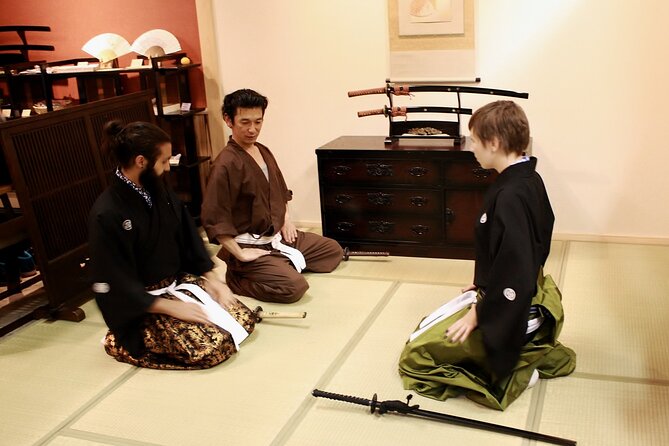
You then change into the samurai uniform. The outfit includes a white belt, Japanese-style socks, a traditional costume, and a sword. The dressing stage is one of the easiest parts of the activity for families and first-time visitors to enjoy because it gives everyone an immediate role in the scene.
The costume also changes how you move. A sword at your side, a belt around your waist, and unfamiliar footwear make ordinary steps feel more deliberate. That is useful preparation for the class, since posture and walking are part of the longer lesson.
You will have a photo session in costume, often with the sword in hand. Bring your own camera or phone if you want personal copies, but manage your expectations. The photo period can be short, particularly when another class is waiting. You may have enough time for several pictures, but do not count on a carefully staged portrait session with many poses.
I would decide in advance which photographs matter most. Get one full-length image, one close-up, and one group shot before changing back. The certificate and tenugui towel provide extra reminders of the experience, but the costume photographs are likely to be your main visual souvenir.
A completely different side of Kyoto:
- PERFECT KYOTO 1-Day Bus Tour
★ 5.0 · 13,518 reviews - Kyoto: Fushimi Inari, Kinkakuji, Bamboo Grove 1 Day Bus Tour
★ 4.8 · 4,316 reviews - Kyoto: Tea Ceremony in a Traditional Tea House in Kiyomizu
★ 4.9 · 3,519 reviews - Kyoto Geisha Walking Tour: Gion District & Hidden Gems
★ 4.7 · 3,273 reviews
Drawing, sheathing, and striking the samurai sword
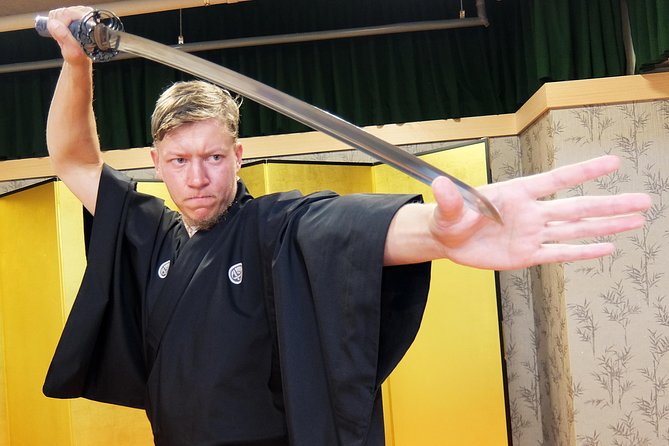
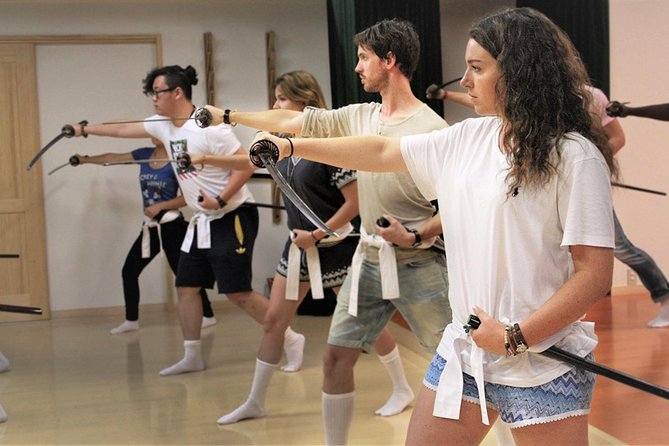
The first sword skill is drawing the blade and returning it to its protective scabbard. This sounds simple until you try to coordinate hand position, posture, timing, and the scabbard itself. The instructor demonstrates the motion, then breaks it into manageable steps.
You also practice different ways of striking. The work includes basic choreography, as well as actions aimed at a potential opponent. The focus is on form and control. For safety, you must follow instructions closely and avoid improvising with the sword.
This section is where the class feels most like training rather than theater. You are not simply holding a prop for a photograph. You are learning the order of movements and trying to repeat them accurately. Adults who enjoy martial arts will appreciate the concentration required, while children may need reminders to slow down and listen.
The activity asks for a moderate level of physical fitness. You do not need to be a trained martial artist, but you should be comfortable standing, walking, bowing, and practicing repeated movements. Children aged 5 to 11 are preferably attending some type of class or martial arts school, which suggests that the lesson suits children who can follow structured instruction.
The longer lesson and its stage choreography
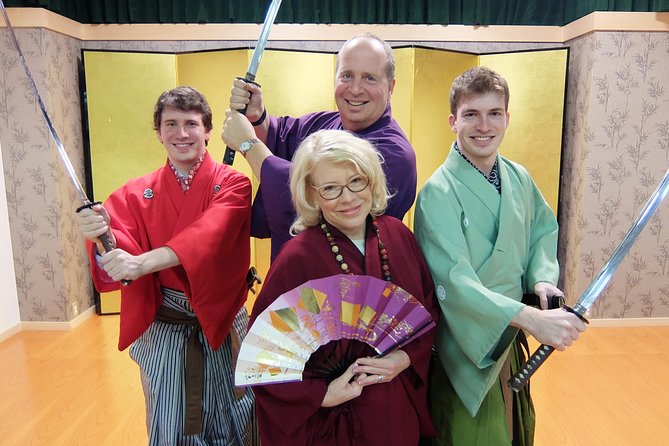
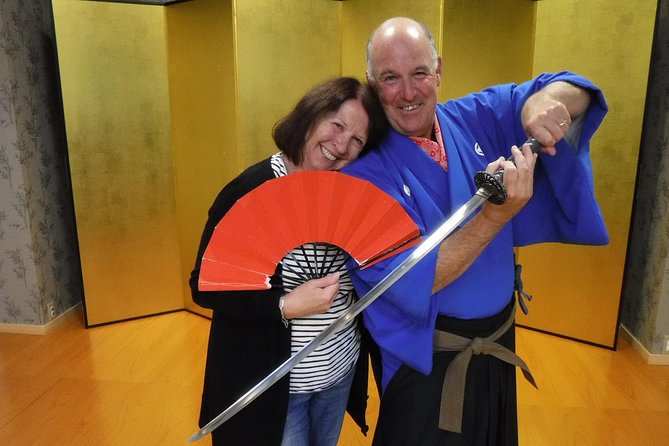
If you choose the longer practice option, the class continues after the basic sword work. You learn additional stylized movements, including how to walk in the samurai manner and how to use a folding fan.
The fan is a useful change of pace. It shows that kenbu is not only about sword mechanics. The performance uses gesture, posture, and rhythm to express a story or poem, with the sword and fan working as parts of a larger sequence.
The longer option finishes with challenging choreography performed on stage. Your sword movements are accompanied by a poem and music. This is the part I would choose if you want more than a quick introduction or if you already have an interest in Japanese performance arts.
The standard session still includes the essential sword introduction, costume, photos, certificate, and farewell bow. The longer option is better for people who want repeated practice and a taste of performance. Check the exact option at booking, since the class length and sequence can vary.
Watching the kenbu performance
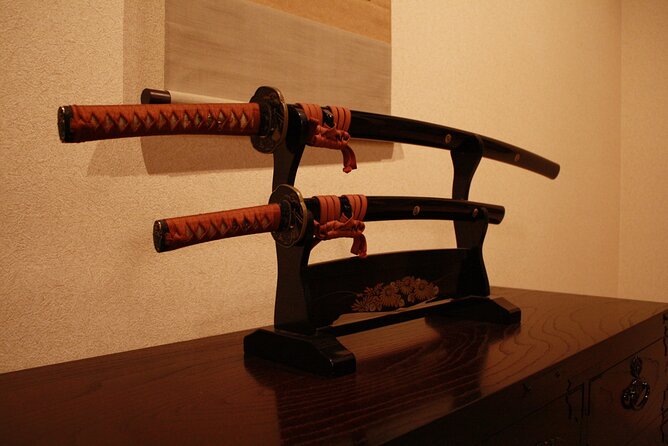
Some sessions include a performance by the dojo staff, either before or after the lesson. The performers show the polished version of the movements you have just attempted. That contrast is valuable: after struggling with one controlled draw or strike, you can better appreciate the precision required on stage.
The show is often praised for its skill and entertainment value, but the order can affect your experience. In some sessions, the performance at the beginning takes close to an hour before the hands-on sword portion starts. If you expected a short demonstration followed immediately by practice, this may feel too long.
I would ask about the schedule when you arrive and allow extra time at the end. The advertised duration is approximately one hour and 30 minutes, but the activity can sometimes run over. This is especially important if you have a restaurant booking, train to catch, or another timed attraction.
If the show comes first, watch the details rather than waiting impatiently for your turn. Look at the footwork, the pauses, the direction of the sword, and the way the performers use music and poetry. The class makes more sense when you see how basic movements become a finished performance.
Who will get the most from the $66.32 price
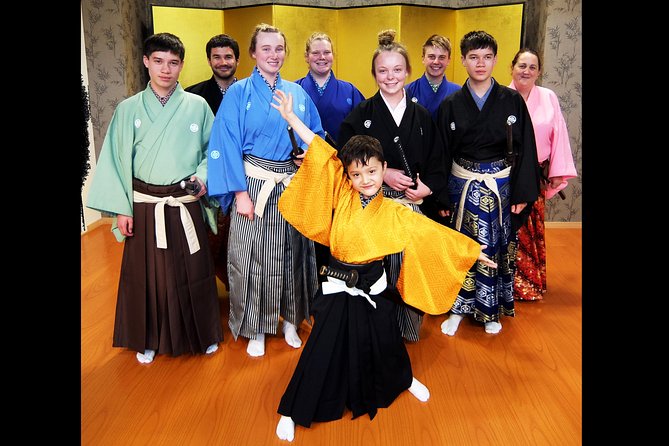
At $66.32 per person, this is not the cheapest one-hour activity in Kyoto. The value comes from the combination of instruction, costume use, photos, a certificate, a tenugui towel, and access to a performance in some sessions. You are paying for a guided activity with a clear structure, not just admission to a show.
For a family, the price can work well because children and adults have something active to do together. The class has attracted groups with teenagers who would rather practice sword movements than spend a long time in a museum. It also suits couples and small groups, particularly when the class has only a few participants.
Martial arts enthusiasts should appreciate the attention to form, but you should not book this expecting a serious substitute for kendo or another long-term discipline. The lesson offers a short taste of kenbu and samurai etiquette. It gives you an introduction, not a qualification.
History buffs will like the cultural setting, though the historical material is limited. The best reason for booking is a mix of interests: you want context, movement, performance, and photographs in one compact activity.
The small-group advantage and the firm teaching style
The maximum group size is 10 people. That is small enough for an instructor to demonstrate clearly and keep an eye on sword handling. A class with only one other couple can feel almost private, while a full group will have less room for individual correction.
The teaching is generally patient and well organized. In one especially positive account, the instructor noticed that two participants wanted more serious instruction than the rest of the group and gave them extra attention in a separate room during the final part. You should not assume a private lesson, but this shows that the staff may adjust when the situation allows.
The tone is friendly, yet not careless. One less positive experience involved a strict instructor correcting young children who were making mistakes. If your family wants free-form play with costumes, this may feel restrictive. If you want children to learn safe sword handling, the structure is helpful.
The class works best when everyone treats the sword as training equipment rather than a toy. Listen, copy the movement, and wait for permission before moving. You will get more from the lesson and help keep the pace comfortable for the whole group.
Practical tips for a smoother visit
Book with enough time around the class. The stated duration is approximately 90 minutes, but the show or photo session may make the visit run longer.
Arrive early at the GOZAN building and use the stairs on the right to reach the first basement floor. Keep the meeting address handy on your phone, since the dojo entrance is not described as a street-level storefront.
Wear exercise-friendly clothing that can fit under or work with a costume. Avoid a single hoodie or tights, since costume changes are part of the activity.
Bring a phone or camera for the photo session, but prepare a short list of poses. The shoot may be rushed. If the instructor offers a group photograph, take it, then use the remaining time for a full-body shot with the sword.
Follow the safety directions exactly. The sword practice is controlled, but you are still handling a blade-shaped object in a group. Keep your attention on the instructor, especially during drawing and sheathing.
If you need to cancel, do it yourself through Viator at least 24 hours before the start time for a full refund. Changes or cancellations made inside that 24-hour window are not accepted for a refund.
Should you book Samurai for a Day?
I would book this activity if you want a lively break from temples, gardens, and museums, especially on a rainy day. It gives you a physical connection to samurai culture, and the combination of costume, sword practice, and kenbu performance makes it easy to remember.
Choose the longer option if you care about technique, fan movements, and stage choreography. Choose the shorter session if your priority is a first taste, family photographs, and a certificate without committing to more practice.
I would hesitate only if you need a tightly timed itinerary, dislike structured instruction, or expect a full historical course. The show can be longer than expected, and the photo session may not provide elaborate portraits.
For most families, couples, teens, and martial arts fans, the $66.32 price is reasonable for the number of elements included. Go ready to listen, move carefully, and take the lesson seriously enough to enjoy the fun.
FAQ
How long does Samurai for a Day last?
The standard experience lasts approximately one hour and 30 minutes. The longer practice option adds more sword and kenbu training, and the activity may sometimes run over.
Where does the samurai class meet?
It meets at Kembu Kyoto Dojo in the GOZAN building at 35 Sanchome, Higashiyama Ward, Kyoto 605-0005. Go to the first basement floor using the stairs on the right side of the building.
What is included in the experience?
The price includes an English-speaking local guide or instructor, a photo shoot, a tenugui traditional Japanese towel, and a lesson completion certificate.
Do I get to wear a samurai costume?
Yes. You change into a traditional samurai costume that includes a white belt, Japanese-style socks, and a sword before taking photographs and practicing the movements.
Is the class suitable for children?
Children aged 5 to 11 are preferably attending some type of class or martial arts school. All participants should have moderate physical fitness and must follow the instructor’s safety directions.
Can I cancel for a refund?
You can cancel at least 24 hours before the experience starts for a full refund. Cancellations or changes made less than 24 hours before the start time are not accepted for a refund.
Recently added around Kyoto
- Higashiyama | Kyoto: Sakura Season Private Rickshaw Tour★ 5.0 · 3 reviews
- Kyoto Kimono Rental CHAMATSU|Kimono/Yukata Rental FamilyPlan★ 5.0 · 3 reviews
- Kyoto: Half-Day Private Guided Tour to the Old Town of Gion★ 4.4 · 3 reviews
- Nara Private Customizable Half Day Tour★ 5.0 · 3 reviews
- Kansai Region Hiking Adventure in Nara Kobe Kyoto and More★ 5.0 · 3 reviews
- Full Day Nara Deer, Temple, Shrine, Activities & Tea Ceremony★ 5.0 · 3 reviews
- Nara: Essential Private Tour with Deer Park and Temples★ 5.0 · 3 reviews
- Photo Shoot with a Private Vacation Photographer in KYOTO, JAPAN★ 5.0 · 3 reviews
Kyoto Samurai Experiences, compared.
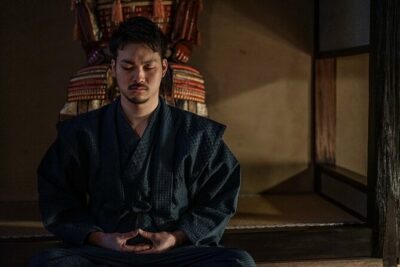
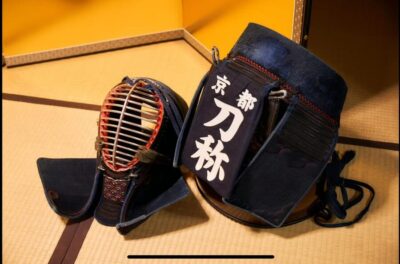
Kendo and Samurai Experience with Uniform and Gear
Read our review →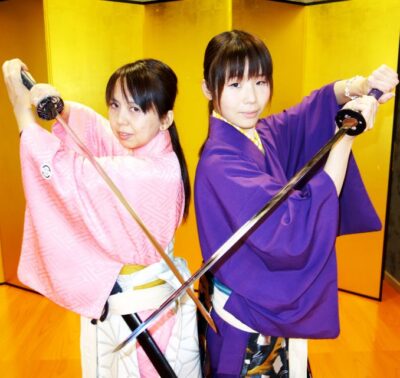
Samurai Sword Class by Experts in Traditional Arts
Read our review →
Skip the lines Basic Ticket at SAMURAI NINJA MUSEUM KYOTO
Read our review →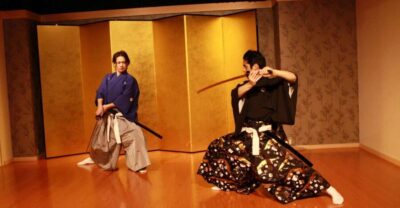
Samurai Training with Modern day Musashi in Kyoto
Read our review →
Private Tea Ceremony and Sake Tasting in Kyoto Samurai House
Read our review →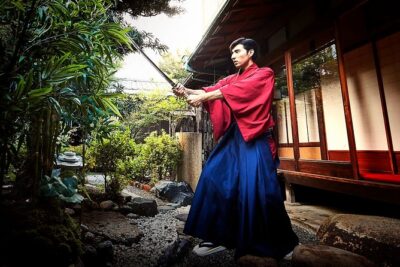
Kyoto Sword Experience – includes Museum Ticket/Ninja Experience
Read our review →Browse the lists this tour appears in