
REVIEW · KYOTO TEA CEREMONY EXPERIENCES
Private Tea Ceremony and Sake Tasting in Kyoto Samurai House
Entering a 300-year-old family samurai house only eight minutes from Kyoto Station gives this short experience its real appeal. Inside, a tea master leads you through a quiet Uji matcha ceremony, followed by your choice of hands-on tea making, five sake samples, or two Japanese whisky pours.
I like the private setting, since your group can ask questions without a crowd watching. I also like the photo session with kimono and katana, a simple way to mark your Kyoto visit without spending a whole day dressed up. The main drawback is time: 50 minutes passes quickly, and full kimono wear requires another 30 minutes and an extra charge.
In This Review
- Key points at a glance
- A quiet tea room close to Kyoto Station
- The tea ceremony: what the 50 minutes are really about
- Choose matcha, sake, or Japanese whisky
- Making your own matcha
- Tasting five sakes
- Sampling two Japanese whiskies
- Kimono, haori, and katana photo time
- Why the private format matters
- Location and small practical matters
- Who will get the most from this experience
- Is the $99 price fair?
- What to know before you book
- Should you book the Kyoto Samurai House tea ceremony?
- FAQ
- Where does the tea ceremony take place?
- How long does the experience last?
- How far is the house from Kyoto Station?
- Is this a private activity?
- What can I choose after the tea ceremony?
- Can children take part?
- Can I wear a kimono during the ceremony?
- Is the experience refundable if I cancel?
Key points at a glance
- A 300-year-old samurai family home: You visit an actual historic residence, not a purpose-built cultural center.
- High-grade organic Uji matcha: The tea comes locally from Uji, Kyoto’s best-known tea-growing area.
- Three choices after the ceremony: Make matcha, taste five sakes, or sample two Japanese whiskies if you are over 20.
- Private booking: Only your party takes part, with a minimum reservation of two people.
- Photos with traditional clothing and weapons: Women may wear an authentic silk wedding kimono for photos, while samurai outfits and katana are available for poses.
- Easy Kyoto Station access: The house is about an eight-minute walk from the station, useful on a busy sightseeing day.
A quiet tea room close to Kyoto Station
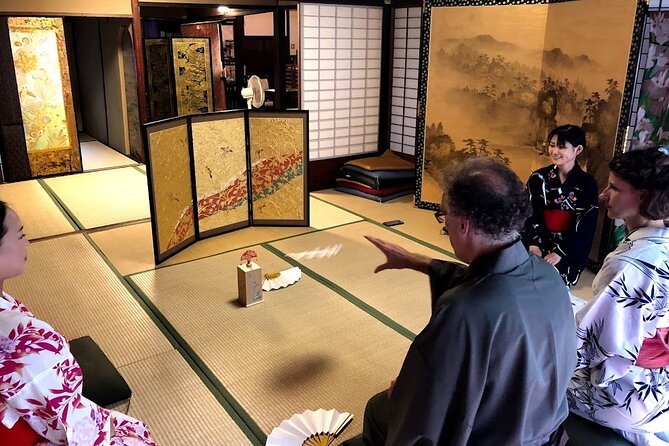
Kyoto is packed with temples, shops, buses, and polished cultural attractions. This experience gives you a short pause from all that motion. The house is on Mongakucho in Shimogyo Ward, within an easy walk of Kyoto Station, so you do not need to spend half a day crossing the city.
The setting matters. You enter a 300-year-old residence that has remained with the same family for generations and has samurai roots. The house and grounds provide the sense of place here. You are not simply seated at a café table while someone explains matcha. You are welcomed into a traditional home, then guided into a tea room designed for a slower, more deliberate ritual.
That does not make the visit a full historical tour. The available time is short, and the focus stays on tea, cultural explanation, tasting, and photographs. Still, the house gives the lesson a weight that a modern venue would struggle to provide.
Because this is a private activity, you can ask about the tea tools, the family home, Japanese customs, or the samurai connection as you go. English-speaking hosts and a tea master lead the session, and the experience is designed to be friendly rather than stiff or overly formal.
More tea ceremonies in Kyoto:
- Kyoto: Tea Ceremony in a Traditional Tea House in Kiyomizu
★ 4.9 · 3,519 reviews - Kyoto: Tea Ceremony Ju-An at Jotokuji Temple
★ 4.9 · 3,207 reviews - Kyoto: 45-Minute Tea Ceremony Lesson Experience
★ 4.3 · 2,378 reviews
The tea ceremony: what the 50 minutes are really about
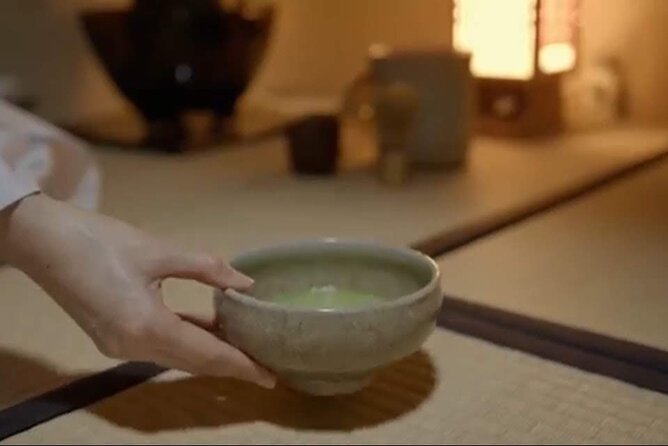
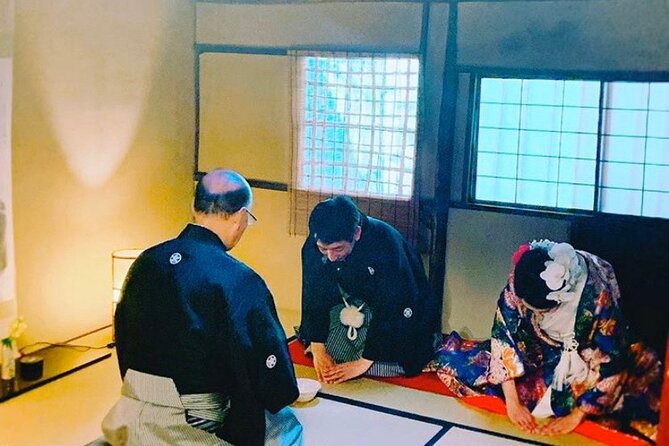
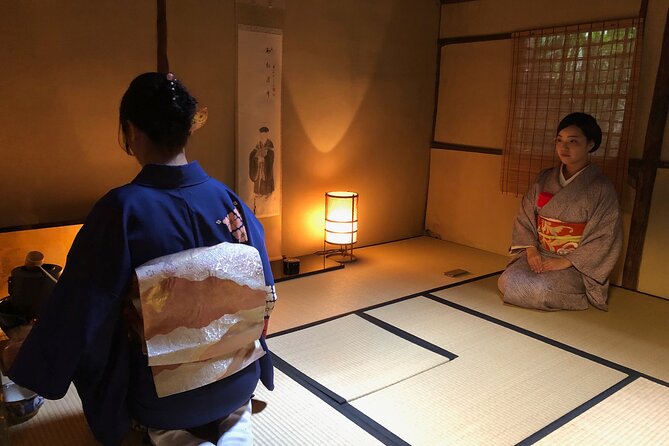
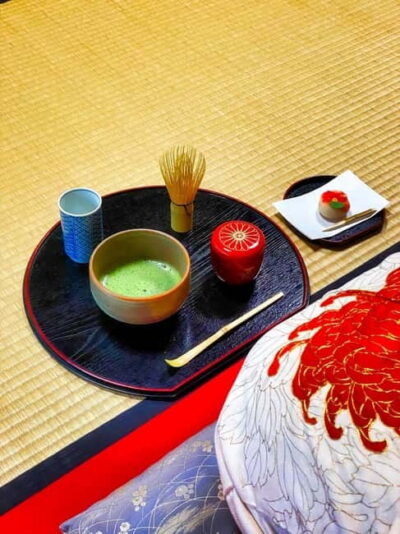
The central part of the visit is the traditional tea ceremony. You sit in a tea room and watch the tea master prepare matcha according to established movements and customs. The emphasis is not on gulping down a green drink. You learn how the tea is received, appreciated, and enjoyed in a ceremonial setting.
The ceremony introduces the ideas behind Cha-Do, the way of tea. You may notice that the pace is slower than ordinary sightseeing. Bowing, handling the bowl, observing the preparation, and drinking with care all form part of the experience. Even if you know little about Japanese tea, the structure helps you understand why matcha is connected with attention, hospitality, and quiet concentration.
The matcha served here is high-grade organic tea sourced from Uji. That detail is worth noting because Uji is closely associated with quality green tea in Kyoto. The powder has a stronger, more distinctive character than the sweetened matcha drinks often sold at tourist cafés.
The tea ceremony is conducted by a tea master with many years of study and practice. The exact person leading your visit may vary, but the format includes both explanation and demonstration. You are not expected to arrive with prior knowledge. The hosts explain the process in clear English and leave room for questions.
I would approach this part with patience. If you want a fast tasting and a quick photo, the ceremony may feel slower than expected. If you want to understand a traditional Japanese custom, the quiet pace is the point.
Choose matcha, sake, or Japanese whisky
After the ceremony, you choose one of three options. You can whisk your own matcha with a bamboo chasen, taste five shots of sake, or sample two shots of Japanese whisky.
Making your own matcha
The matcha lesson gives you a hands-on way to repeat part of what you have just watched. You use the bamboo whisk to mix the powdered tea with hot water, working the whisk until the drink develops a light froth.
This is a good choice if you want the cultural lesson to remain centered on tea. It also suits families with children and anyone who does not drink alcohol. You gain a better sense of how much wrist movement and care go into a bowl of matcha, rather than treating the ceremony as something only to observe.
You may also find this option less rushed than trying to squeeze tea, sake, whisky, and costume changes into one short visit. The basic session includes a lesson after the ceremony. If you want to wear a kimono during the ceremony itself, that is a separate arrangement with extra time and cost.
More samurai and sword sessions:
- Kyoto Samurai Experience
★ 5.0 · 1,294 reviews - Kyoto: Kendo and Samurai Experience with Uniform and Gear
★ 4.9 · 815 reviews - Kyoto: Samurai Sword Class by Experts in Traditional Arts
★ 4.9 · 657 reviews - Skip the lines Basic Ticket at SAMURAI NINJA MUSEUM KYOTO
★ 4.5 · 632 reviews
Tasting five sakes
The sake option brings a livelier finish to the quiet ceremony. You taste five samples and receive explanations of the different flavors and types. The tasting focuses on locally produced spirits and gives you a chance to compare rather than simply drink one serving.
This works well for adults who want a small introduction to Japanese sake without committing to a longer bar tour. Five samples can still be substantial, so take the educational side seriously and pace yourself. The tour information says alcohol is served only to people over 20.
Sampling two Japanese whiskies
You may choose two Japanese whisky pours instead of sake. The experience can include well-known Japanese whisky, and some sessions have offered especially rare bottles. Availability may vary, so you should not book solely expecting a particular label or age statement.
Whisky makes sense for someone who already knows they prefer grain spirits to sake. It also gives you a chance to ask about how Japanese whisky differs from sake, though the main explanation remains tied to the tasting selected for your booking.
Only one of these three choices is included in the standard format, so decide before you arrive. If members of your private group want different options, confirm that arrangement when booking rather than assuming everyone can select separately.
Kimono, haori, and katana photo time
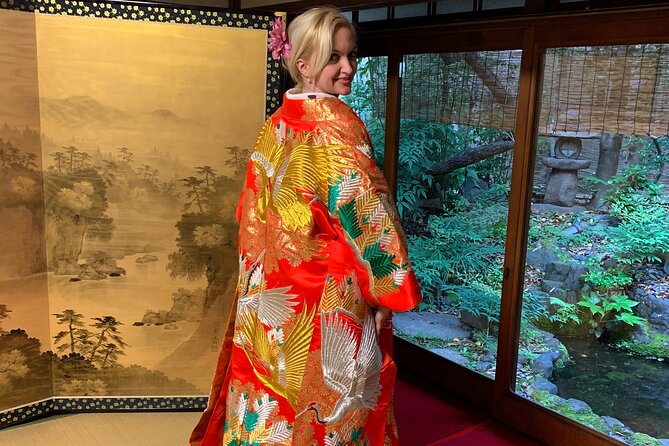
The photo session is one of the most popular parts of the visit. Women can pose in an authentic silk wedding kimono, while men and other participants may wear samurai-style clothing or haori and pose with a katana.
This is not presented as an all-day kimono rental. You dress for photographs at the house, which suits you if you want a memorable portrait but do not want to walk through Kyoto in formal clothing. The host helps direct poses, and photographs can be taken during the visit.
The wedding kimono is for women only, according to the activity information. The outfit itself is a visual highlight, but remember that wearing a formal kimono takes time and care. The standard 50-minute session includes photo opportunities, but wearing a kimono during the tea ceremony adds about 30 minutes and costs extra. That option is limited to one group at a time and may be available only through a separate booking plan on the provider’s website.
If you are traveling with children, the costume element can make the visit more engaging. The experience has accommodated boys aged eight and ten, and children can take part in the cultural portions. Under-20 participants do not receive alcohol. Instead, they take the matcha whisking lesson after the ceremony.
The katana is for posing and photographs, not sword training. Treat it as a respectful costume moment rather than an action activity.
Why the private format matters
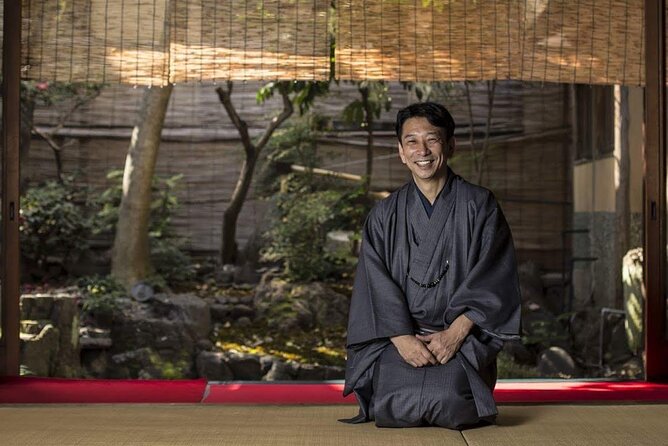
A private booking changes the mood. In a large group, you might hesitate to interrupt a demonstration or ask a basic question. Here, your own party has the room, which makes it easier to set the pace and discuss what you are seeing.
The hosts are described as warm and welcoming, and the family connection to the house adds a personal layer. You meet people who live in or care for the residence, rather than being moved through a generic stage set. That personal contact is especially useful if you are curious about Japanese etiquette and want an answer shaped around your own background.
There is also a practical benefit for couples and families. A private room gives you more freedom with photographs and makes the experience feel like a shared occasion. It can work as a wedding or anniversary activity, a family introduction to Japanese customs, or a calm break between larger Kyoto sights.
The tradeoff is the minimum booking requirement. At least two people must reserve, so this is not designed for a solo visitor booking one seat. The $99 price should also be judged against the group format, the historic property, the tea instruction, the tasting choice, and the photo opportunity. It is not the cheapest way to drink matcha in Kyoto. It offers more than a café visit, but less time than a half-day cultural program.
Location and small practical matters
The meeting point is Kyoto Samurai House at 384 Mongakucho, Shimogyo Ward, Kyoto 600-8222. It ends at the same location. The eight-minute walk from Kyoto Station is a real advantage, especially if you are arriving by train, carrying luggage, or fitting the appointment into a tight sightseeing plan.
Use the restroom before you arrive if possible. This is a 300-year-old residence with only one old toilet, so facilities are limited. That is not a reason to skip the experience, but it is exactly the sort of detail that can save you discomfort.
The activity is not recommended for people over 120 kilograms. Traditional houses may also have confined spaces and old-style facilities, so contact the provider if you have concerns about entering the tea room or changing clothes. The available information does not promise step-free access or specialized assistance.
Wear something that allows comfortable sitting and changing. The exact dress code is not specified, but tea ceremony spaces traditionally involve a low seated position. If kneeling or sitting close to the floor is difficult for you, ask about arrangements before booking.
Your confirmation is provided at booking, and mobile tickets are accepted. Group discounts are available, so larger private parties should compare the adjusted price before paying.
Who will get the most from this experience
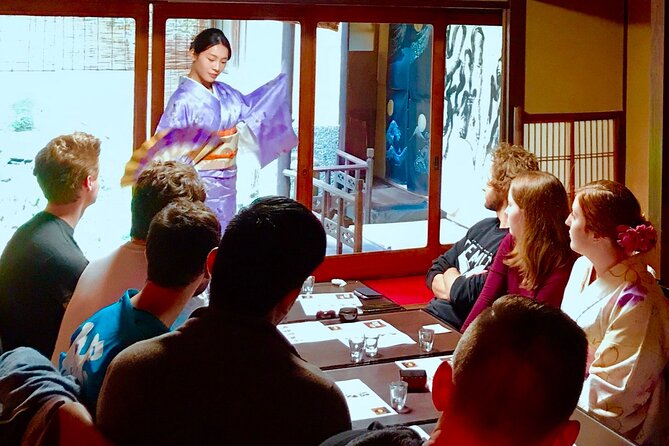
I would recommend it most strongly to couples, families, and small groups who want a personal cultural activity near Kyoto Station. It suits you if you value contact with a local family, enjoy learning by watching and doing, and want photographs that feel connected to the setting.
It is also a good fit for first-time visitors who find a full formal tea school intimidating. The session explains the basics without asking you to arrive as an expert. Children can take part, and the nonalcoholic matcha option keeps the activity open to younger family members.
You may want another kind of activity if you want to wear kimono for several hours, learn advanced tea ceremony technique, or sample a wide range of sake and whisky. The standard session is short. The ceremony, tasting or matcha lesson, and photographs all compete for the same 50 minutes.
The alcohol option is for people over 20. Anyone under that age receives the matcha whisking lesson instead. If your group includes both adults and children, confirm how the choices will be handled so the schedule feels clear.
Is the $99 price fair?
At $99, this is a premium short activity. You are paying for access to a historic private home, a tea ceremony led by a trained tea master, a choice of follow-up activity, and a private group setting close to Kyoto Station.
The value is strongest if you would otherwise book several separate activities: a tea introduction, a costume photo session, and a small sake tasting. The house and personal hosting give the visit a sense of occasion that a standard tea drink will not provide.
The value is weaker if you mainly want a bowl of matcha or a full kimono rental. You can find simpler and likely less expensive versions of those things elsewhere. The included experience is carefully timed, and full kimono wear adds both money and 30 minutes.
I would also remember that the booking is nonrefundable and cannot be changed for any reason. Since a minimum of two people is required, check your date and party size carefully before paying. If the provider cancels because the minimum number is not met, you are offered another date or experience, or a full refund.
What to know before you book
Plan to arrive at the stated address rather than relying only on the station name. Kyoto Station is large, and an eight-minute walk can take longer if you are navigating with luggage or moving through crowded streets.
Decide between matcha making, sake, and whisky in advance. Adults over 20 can choose an alcohol tasting or the tea lesson, while younger participants take the matcha option. Ask about any mixed choices for your group before the appointment.
If costume photographs are important to you, ask whether the standard session gives you enough time for the clothing you want. The supplied information confirms photo opportunities, but a full kimono worn during the ceremony needs extra time and an additional fee.
Take your own photos if you like. Photography is allowed, and the hosts may also help direct poses. Keep the mood respectful: you are inside an old family residence, not a studio built for rough handling.
Should you book the Kyoto Samurai House tea ceremony?
Book it if you want a short, private cultural encounter with a strong sense of place. The combination of Uji matcha, a traditional tea room, a samurai family home, costume photos, and a sake or whisky option gives the visit more substance than a simple tea demonstration.
I would especially choose it for a couple, a family with children, or a small group staying near Kyoto Station. The main reasons to pause are the 50-minute limit, the extra cost for extended kimono wear, the limited restroom, the minimum two-person booking, and the strict cancellation policy.
For the right visitor, this is a memorable Kyoto stop: quiet, personal, and easy to fit between larger sights. Go for the tea ceremony and the historic home first. Treat the costumes and tasting as welcome extras.
FAQ
Where does the tea ceremony take place?
It takes place at Kyoto Samurai House, 384 Mongakucho, Shimogyo Ward, Kyoto 600-8222, Japan.
How long does the experience last?
The standard activity lasts approximately 50 minutes.
How far is the house from Kyoto Station?
The house is about an eight-minute walk from Kyoto Station.
Is this a private activity?
Yes. Only your group participates, and the reservation requires a minimum of two people.
What can I choose after the tea ceremony?
You can choose a bamboo-whisk matcha lesson, five sake tastings, or two Japanese whisky tastings.
Can children take part?
Yes. Participants under 20 do not receive alcohol and take part in the matcha whisking lesson after the tea ceremony.
Can I wear a kimono during the ceremony?
You may request kimono wear during the tea ceremony, but it takes an additional 30 minutes and costs extra. This option is limited to one group at a time.
Is the experience refundable if I cancel?
No. The experience is non-refundable and cannot be changed for any reason. If the provider cancels because the minimum number of participants is not met, you are offered another date or experience, or a full refund.
More Food Tours in Kyoto
- Kyoto: Insider Sake Brewery Tour with Sake and Food Pairing
★ 5.0 · 704 reviews - Kyoto Sake Brewery & Tasting Walking Tour
★ 5.0 · 623 reviews - Kyoto Nishiki Market Food and Culture Walking Tour
★ 5.0 · 412 reviews - Kyoto: Gion Food Tour 13 Dishes at 4 Eateries
★ 5.0 · 408 reviews
More Drinking Tours in Kyoto
- Kyoto Night Foodie Tour in Gion (9+ dishes + 6 Sake tastings)
★ 5.0 · 1,762 reviews - 3-Hour Kyoto Insider Sake Brewery Tour with Tastings & Pairings
★ 5.0 · 917 reviews - Arashiyama Bamboo, Temple, Monkeys, or Secret Sake Brewery
★ 4.8 · 886 reviews - Kyoto: Izakaya Bars Guided Walking Tour
★ 4.9 · 815 reviews
Recently added around Kyoto
- Higashiyama | Kyoto: Sakura Season Private Rickshaw Tour★ 5.0 · 3 reviews
- Kyoto Kimono Rental CHAMATSU|Kimono/Yukata Rental FamilyPlan★ 5.0 · 3 reviews
- Kyoto: Half-Day Private Guided Tour to the Old Town of Gion★ 4.4 · 3 reviews
- Nara Private Customizable Half Day Tour★ 5.0 · 3 reviews
- Kansai Region Hiking Adventure in Nara Kobe Kyoto and More★ 5.0 · 3 reviews
- Full Day Nara Deer, Temple, Shrine, Activities & Tea Ceremony★ 5.0 · 3 reviews
- Nara: Essential Private Tour with Deer Park and Temples★ 5.0 · 3 reviews
- Photo Shoot with a Private Vacation Photographer in KYOTO, JAPAN★ 5.0 · 3 reviews
Kyoto Tea Ceremony Experiences, compared.
Tea Ceremony in a Traditional Tea House in Kiyomizu
Read our review →
Tea Ceremony in 100-year-old Kyo-Machiya Townhouse
Read our review →
Browse the lists this tour appears in