
REVIEW · KYOTO SAMURAI EXPERIENCES
Kyoto: Kendo and Samurai Experience with Uniform and Gear
Kyoto’s samurai experience gets past the usual costume-photo routine. You enter a 120-year-old machiya, put on traditional training clothes and gear, then learn the basics of kendo, sword etiquette, footwork, and controlled strikes inside an actual dojo setting. The class is led in English, often by Taka-san, an experienced instructor with a warm sense of humor and a gift for keeping beginners at ease.
I like the mix of hands-on training and cultural context. You are not just handed a sword and told to pose. You learn why posture, movement, respect, and discipline matter. I also like the photographs and videos, which give you a useful souvenir rather than another quick snapshot at a crowded Kyoto landmark. The main drawback is the setting: the dojo can be chilly, and the residential location takes extra time to reach.
In This Review
- Key points at a glance
- Entering a 120-year-old Kyoto machiya
- Changing into samurai training gear
- Learning the etiquette behind the sword
- Holding the sword and finding your stance
- Practicing strikes, blocks, and footwork
- The final foam-sword bout
- Photos and videos worth keeping
- Why the instructor makes such a difference
- Is $103 a fair Kyoto price?
- Who should book this experience?
- Should you book the Kyoto kendo experience?
- FAQ
- How long does the Kyoto kendo and samurai experience last?
- How much does the experience cost?
- Is instruction available in English?
- Do I need previous kendo or sword experience?
- What is included in the price?
- Where does the activity meet?
- Are children allowed to participate?
- Can I cut tatami mats with a katana?
- Can I buy a replica sword?
- What should I wear in cold weather?
- Can I cancel the booking?
Key points at a glance
- Train inside an old Kyoto machiya: The building and dojo atmosphere add real character to the lesson.
- Learn more than sword poses: The class covers samurai history, kendo, clothing, etiquette, and basic technique.
- Taka-san makes beginners welcome: His friendly English, patience, humor, and long experience are central to the experience.
- Wear the full outfit and gear: Uniform, footwear, equipment, and protective gear are supplied.
- Finish with active practice: Depending on the session, you may practice with bamboo or foam swords and take part in a light sparring activity.
- Plan for cool temperatures: Bring a warm base layer and thick socks in colder months, especially if part of the lesson takes place outdoors.
Entering a 120-year-old Kyoto machiya
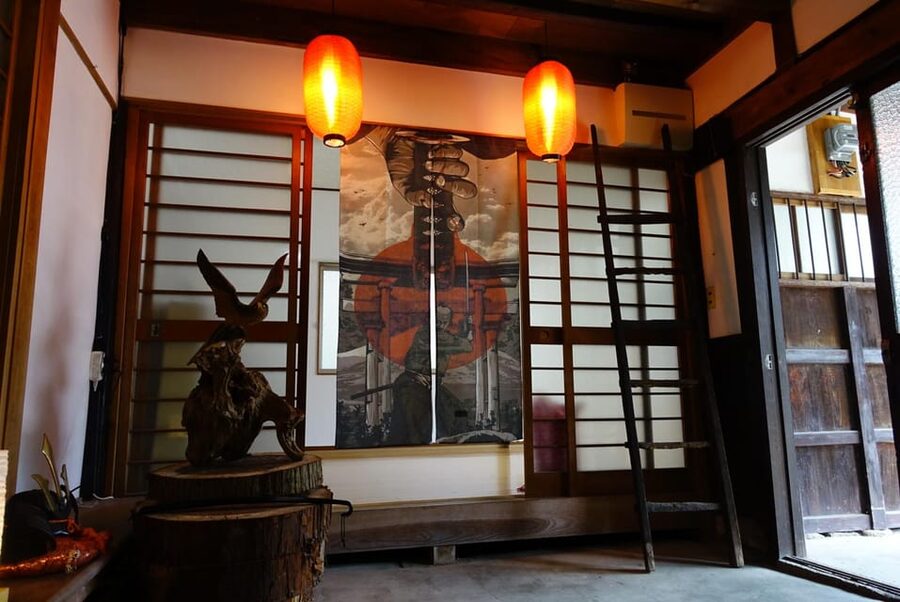
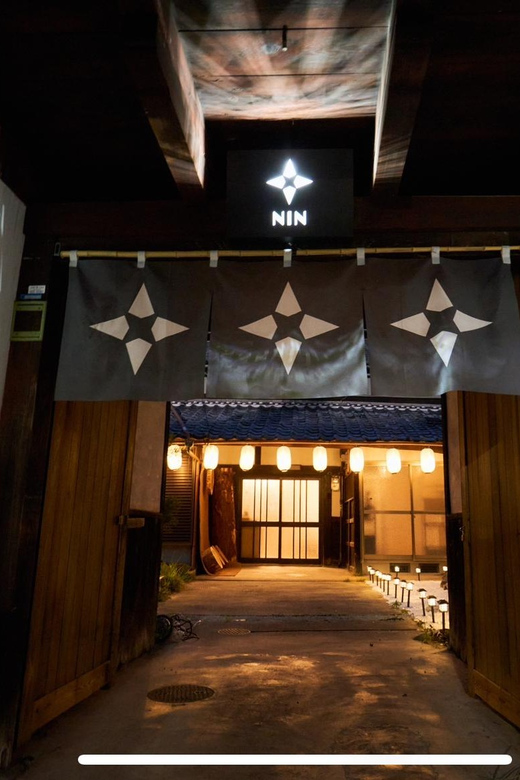
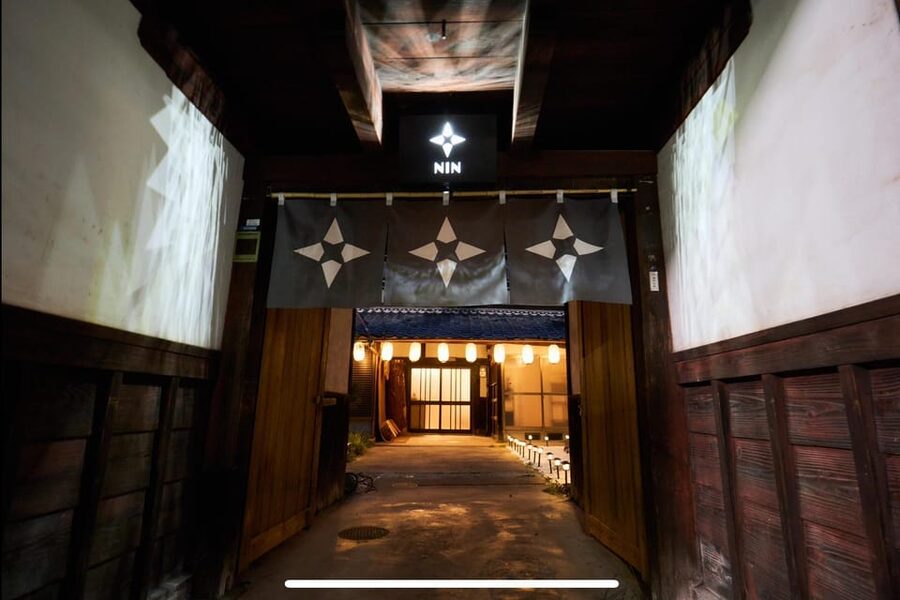
The meeting point is an old Japanese house marked by a large gate. This is not a polished theme park set. It is a traditional building in a residential part of Kyoto, with the worn, quiet character that makes the activity feel connected to the city around it.
That setting matters. Samurai culture can easily become theatrical when presented only through costumes and staged combat. Here, the old wooden house and dojo give the lesson a more grounded feel. You are learning in a place built for traditional practice, not simply standing in front of a decorative backdrop.
Allow extra time to find the entrance. The path through the residential area can be winding, and several people have found the location farther from the station than expected. If you arrive by train, a taxi from the station to the front gate can be the easiest choice. Arriving late may interrupt the opening explanations, so this is one Kyoto activity where arriving early pays off.
The room may feel worn rather than showroom-perfect. One person found it a little dusty, and that is a fair expectation to set. I would trade a few signs of age for a spotless modern studio here, because the older building is part of what gives the class its character. Still, anyone expecting a glossy museum or luxury spa should adjust those expectations.
More samurai and sword sessions:
- Kyoto Samurai Experience
★ 5.0 · 1,294 reviews - Kyoto: Samurai Sword Class by Experts in Traditional Arts
★ 4.9 · 657 reviews - Skip the lines Basic Ticket at SAMURAI NINJA MUSEUM KYOTO
★ 4.5 · 632 reviews
Changing into samurai training gear
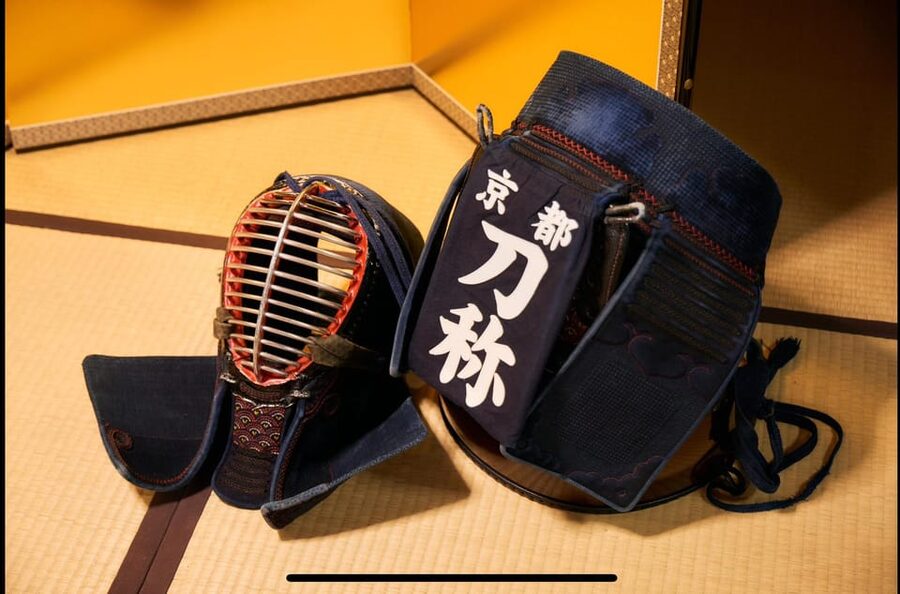
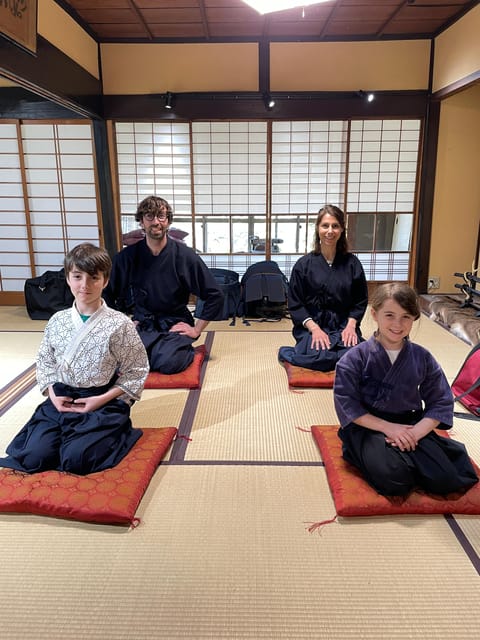
The session begins with your transformation into training clothes. The uniform, footwear, equipment, and gear are included, so you do not need to pack anything special or know how to dress for kendo.
Putting on the uniform is more than a photo opportunity. You begin to understand that martial arts involve a set way of standing, moving, and treating the equipment. The instructor helps you with the clothing and explains the purpose of the items as you go. You may also handle protective armor and different practice weapons during the class.
The supplied gear lets you focus on the lesson instead of worrying about what to rent or buy. Wear comfortable clothes underneath, since changing is part of the experience and the training can become active. In winter, add a warm base layer and thick socks. The dojo can be cold, and some exercises may take place in the courtyard.
This is also a good activity for families with older children. Children under seven are not permitted, and the class involves instructions, equipment, and controlled movement. The supplied information does not set a general fitness requirement, but you should be ready to stand, move, practice footwork, and handle training swords for much of the two hours.
Learning the etiquette behind the sword
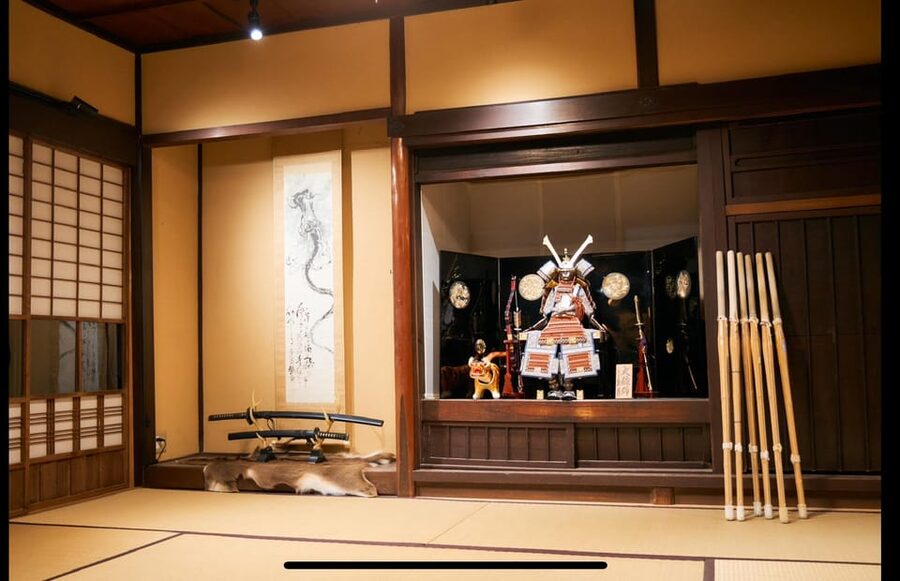
Before you start swinging anything, the instructor explains safety and basic etiquette. This opening gives the activity its shape. You learn that the sword is not simply a prop, and that control and respect are as important as the strike itself.
Taka-san is often praised for explaining the cultural side without turning the session into a lecture. He connects samurai customs with the later development of kendo, helping you see how a warrior tradition became a modern martial art with rules and formal practice.
The English instruction is a real advantage. Taka-san is described as speaking English extremely well, and his patient, approachable manner makes it easy to ask questions. His humor keeps the atmosphere relaxed, which is useful when you are trying to remember unfamiliar movements while wearing unfamiliar clothing.
The history portion is not meant to make you a samurai scholar in two hours. It is a lively introduction to the role of samurai in Japanese history, the idea of a samurai code, and the discipline behind the blade. I like this scale. You get enough background to understand what you are doing, but there is still plenty of time to practice.
Holding the sword and finding your stance
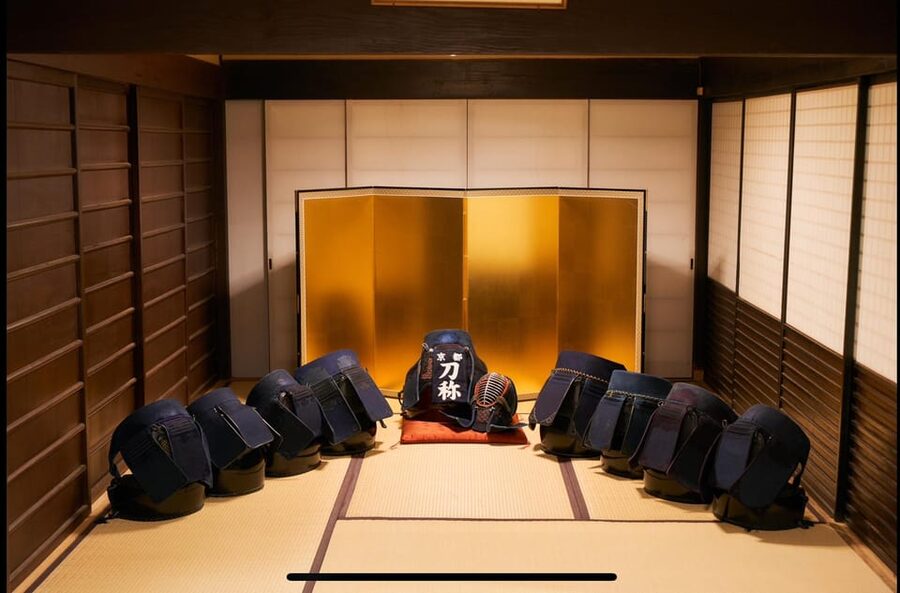
The practical lesson starts with the basics: how to hold a training sword, where to place your hands, how to stand, and how to move your feet. The instructor demonstrates each action, then gives you time to repeat it.
This is where the activity becomes more demanding than a simple dress-up session. A sword may look easy to use, but the class draws your attention to balance, distance, timing, and control. You learn that a strong-looking movement is not necessarily a correct one.
Different accounts of the activity refer to bamboo swords, foam swords, kendo equipment, and replica blades. The precise mix can vary during the session, but the focus is on safe training tools and controlled movements. You should not expect to handle a sharp katana or perform a live blade demonstration.
That point is important. Some people arrive hoping to slice tatami mats. Tatami cutting is no longer part of the activity, and one reason given is that it is illegal. The class gives you sword practice without turning the lesson into a dangerous cutting show. If your main goal is to cut objects with a katana, this is not the right booking.
A completely different side of Kyoto:
- PERFECT KYOTO 1-Day Bus Tour
★ 5.0 · 13,518 reviews - Kyoto: Fushimi Inari, Kinkakuji, Bamboo Grove 1 Day Bus Tour
★ 4.8 · 4,316 reviews - Kyoto: Tea Ceremony in a Traditional Tea House in Kiyomizu
★ 4.9 · 3,519 reviews - Kyoto Geisha Walking Tour: Gion District & Hidden Gems
★ 4.7 · 3,273 reviews
Practicing strikes, blocks, and footwork
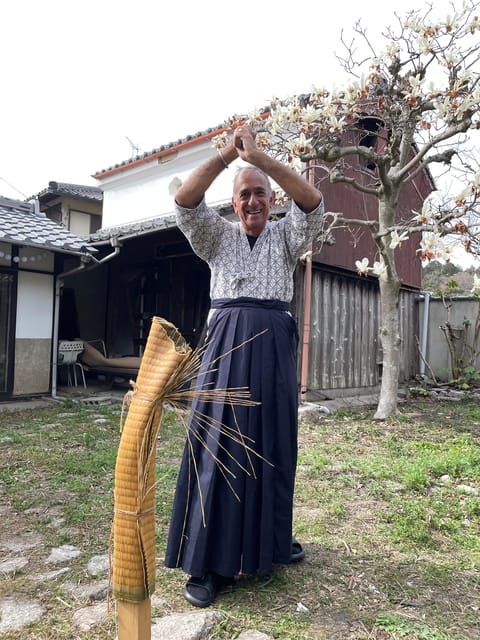
Once you have the basic grip and stance, you practice simple strikes, blocks, and steps. The instructor watches, corrects, and repeats the movements until they begin to feel less awkward.
You will not master kendo in one visit. Two hours is enough to learn a few foundations and understand the discipline, not enough to build real skill. That limitation is part of the honest value of the class. You leave with a first lesson and a better sense of what formal kendo practice demands.
The instructors place strong attention on safety. The training is designed for people with no prior experience, and beginners receive guidance before they work with partners. A family group can take part together, while solo participants can meet others in the class and join the same exercises.
The practice also gives the history some weight. After hearing about samurai conduct and kendo etiquette, you can feel how much attention goes into a simple movement. The activity works best when you treat it as a lesson in discipline, not as a chance to swing a sword as hard as possible.
The final foam-sword bout
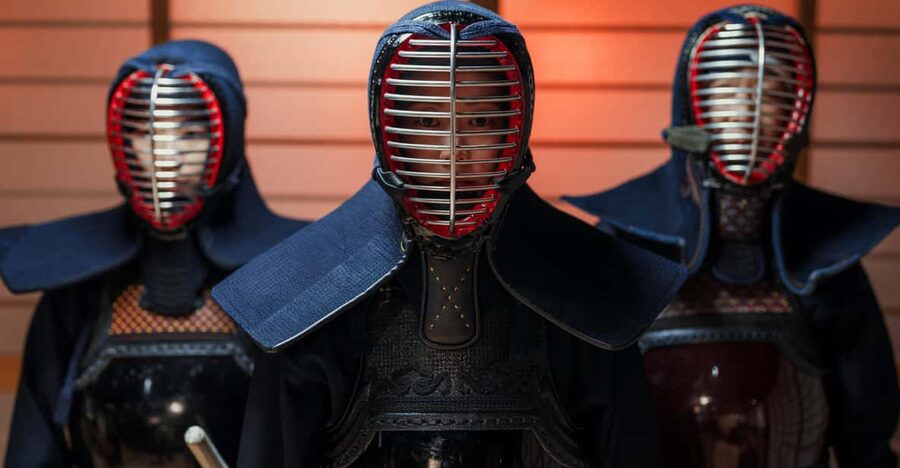
The most playful part often comes near the end. After learning the basic movements, you may take part in a controlled sparring exercise or a small competition using foam swords or other safe equipment.
This is not a serious combat match. It is a light, structured activity that lets you use the footwork and sword movements you have just learned. It also breaks the tension. By this stage, most people have stopped worrying about looking silly in the uniform, and the class becomes more social.
The sparring section is especially useful for families, friends, and solo participants who enjoy a little friendly competition. You still need to follow the instructor’s rules and keep the movements controlled. The point is participation, not proving who is the toughest warrior in Kyoto.
The activity may not include the same final contest every time, so think of it as a possible part of the lesson rather than a guaranteed tournament. You can expect practice and interaction, but the exact balance between instruction, partner work, and sparring may depend on the group.
Photos and videos worth keeping
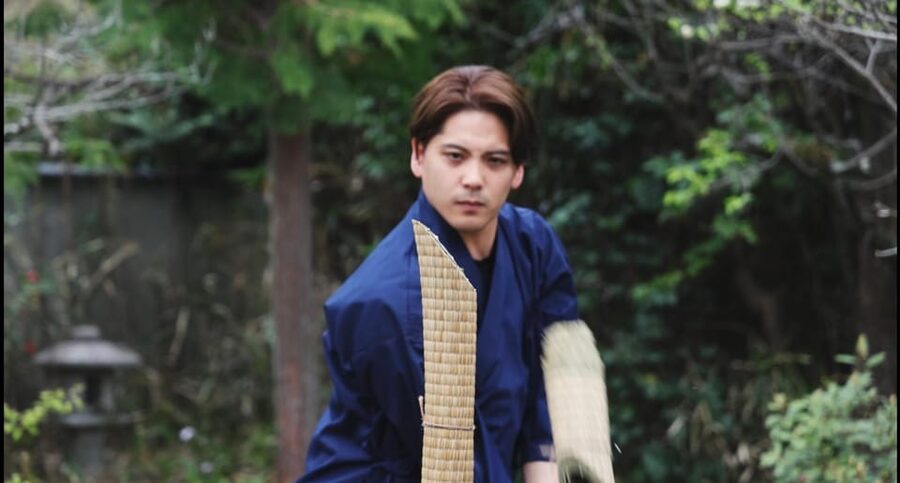
The class includes a photo and video session while you are dressed in the uniform and gear. The instructor or team helps record the experience, including samurai-style poses and action moments.
That is a practical extra. You can enjoy the activity without asking a companion to spend the whole time behind a phone. The images also show the full setting, clothing, and equipment, which makes them more meaningful than a standard souvenir photo.
Take advantage of the session, but remember that the lesson is the main event. The best pictures come after you understand how to hold the sword and stand correctly. You will look more natural when the pose grows out of something you have actually practiced.
Replica swords are not included as a take-home item. They may be available for purchase, so ask about that if you want a physical souvenir. Do not assume that the included equipment becomes yours.
Why the instructor makes such a difference
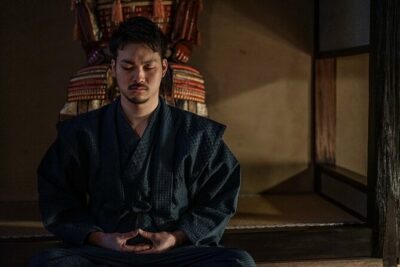
The strongest part of this activity is the teaching. Taka-san is repeatedly described as friendly, funny, patient, and highly experienced. One account describes a Kendo master with more than 50 years of practice, while another points to a family connection with samurai ancestry. Those details add interest, but the practical benefit is simpler: you have an instructor who can explain the tradition and keep the class moving.
Taka-san’s energy helps people who are nervous about trying a martial art for the first time. He also makes room for questions and gives extra help when someone needs it. A family with an autistic child found his patience especially helpful, a useful sign for anyone booking with a mixed-age or mixed-confidence group.
The class is not presented as a stern military drill. The tone is encouraging, with plenty of laughs, but the respect for the practice remains clear. That balance is hard to get right. Too much comedy would make the culture feel shallow, while too much formality could make beginners uncomfortable.
Is $103 a fair Kyoto price?
At $103 per person for two hours, this is not a cheap add-on activity. You are paying more than the cost of simply visiting a temple or watching a cultural performance.
The value comes from the combination of instruction, clothing, footwear, equipment, historic setting, cultural explanation, active practice, and photos or videos. If you would otherwise book a costume shoot and a separate cultural demonstration, this package gives you more to do. The class also offers personal attention that a large stage show cannot provide.
The value is weaker if you only want a quick photograph in samurai clothing. In that case, two hours of instruction and the price may feel excessive. It is also a poor match if you expect sharp-sword cutting or a professional-level kendo lesson.
For someone who wants an active cultural experience, the price is reasonable. You get a structured class rather than a passive presentation, and the historic dojo gives the setting a sense of place. I would consider it particularly worthwhile during a return visit to Kyoto, when you have already seen the main temples and want something more participatory.
Who should book this experience?
I would recommend it to you if you have an interest in Japanese history, martial arts, or traditional customs. It works well for couples, families with children aged seven and up, small groups of friends, and solo visitors who enjoy meeting people through an activity.
You do not need previous kendo experience. Curiosity and a willingness to follow instructions matter more than athletic ability. The class is also a good choice when rain or cold weather makes a full day of sightseeing less appealing, though you should remember that the dojo itself can be chilly.
You may want to skip it if you dislike dressing up, partner exercises, or active instruction. The class is interactive, not a sit-down talk. You will handle training weapons, move around, and may take part in a playful bout with another participant.
Give yourself more time than the stated two hours if you have a fixed appointment afterward. Getting to the old house can take longer than expected, and arriving late can disrupt the start. Free cancellation up to 24 hours before the activity and the reserve-now, pay-later option make it easier to fit into a changing Kyoto schedule.
Should you book the Kyoto kendo experience?
Book it if you want to learn by doing. The old machiya, English-speaking instructors, traditional clothing, sword practice, historical explanations, and final sparring create a fuller experience than a samurai photo stop.
Keep your expectations sensible. This is an introduction to kendo and samurai culture, not a long martial arts course, and there is no tatami cutting with a sharp katana. Bring warm layers in cold weather, allow time to reach the gate, and be ready to listen as carefully as you swing.
For most people who want a memorable Kyoto activity away from the usual sightseeing route, I would make room for it. The teaching, setting, and chance to practice give the $103 price a solid purpose.
FAQ
How long does the Kyoto kendo and samurai experience last?
The activity lasts two hours.
How much does the experience cost?
The listed price is $103 per person.
Is instruction available in English?
Yes. The activity is conducted in English, and Taka-san is described as speaking English extremely well.
Do I need previous kendo or sword experience?
No prior experience is required. The instructor teaches the basics, including grip, posture, movement, and sword handling.
What is included in the price?
Instruction, uniform rental, equipment rental, shoe rental, and gear rental are included.
Where does the activity meet?
You meet at an old Japanese house with a large gate in Kyoto. The building is more than 100 years old and contains the dojo used for the experience.
Are children allowed to participate?
Children under seven are not allowed. The supplied information does not give a maximum age.
Can I cut tatami mats with a katana?
No. Tatami cutting is not part of the current activity. You practice with safe training weapons, which may include bamboo or foam swords and other equipment.
Can I buy a replica sword?
Replica swords are not included, but they are available for purchase.
What should I wear in cold weather?
The dojo can be cold, and part of the practice may take place outside. A warm base layer and warm socks are recommended.
Can I cancel the booking?
Yes. You can cancel up to 24 hours in advance for a full refund. You can also reserve now and pay later.
Recently added around Kyoto
- Higashiyama | Kyoto: Sakura Season Private Rickshaw Tour★ 5.0 · 3 reviews
- Kyoto Kimono Rental CHAMATSU|Kimono/Yukata Rental FamilyPlan★ 5.0 · 3 reviews
- Kyoto: Half-Day Private Guided Tour to the Old Town of Gion★ 4.4 · 3 reviews
- Nara Private Customizable Half Day Tour★ 5.0 · 3 reviews
- Kansai Region Hiking Adventure in Nara Kobe Kyoto and More★ 5.0 · 3 reviews
- Full Day Nara Deer, Temple, Shrine, Activities & Tea Ceremony★ 5.0 · 3 reviews
- Nara: Essential Private Tour with Deer Park and Temples★ 5.0 · 3 reviews
- Hiking Tour for Sacred Sites in Kyoto with a Guide★ 5.0 · 3 reviews
Kyoto Samurai Experiences, compared.
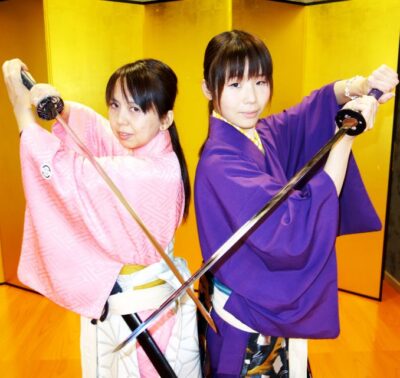
Samurai Sword Class by Experts in Traditional Arts
Read our review →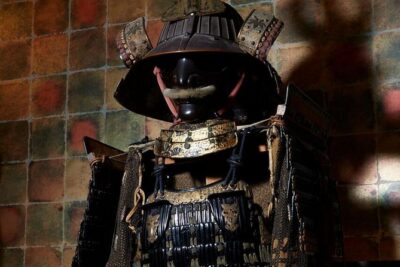
Skip the lines Basic Ticket at SAMURAI NINJA MUSEUM KYOTO
Read our review →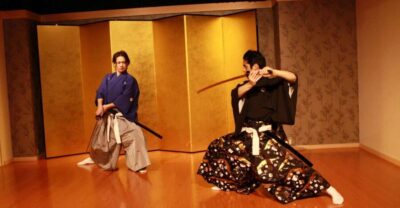
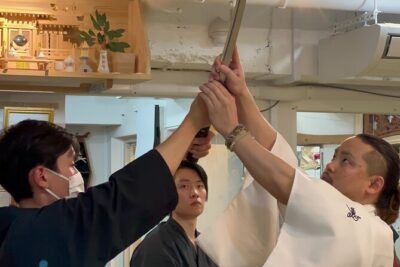
Samurai Training with Modern day Musashi in Kyoto
Read our review →
Private Tea Ceremony and Sake Tasting in Kyoto Samurai House
Read our review →
Kyoto Sword Experience – includes Museum Ticket/Ninja Experience
Read our review →Browse the lists this tour appears in