
REVIEW · KYOTO SAMURAI EXPERIENCES
Kyoto: Samurai Kenbu Traditional Sword Dancing Show
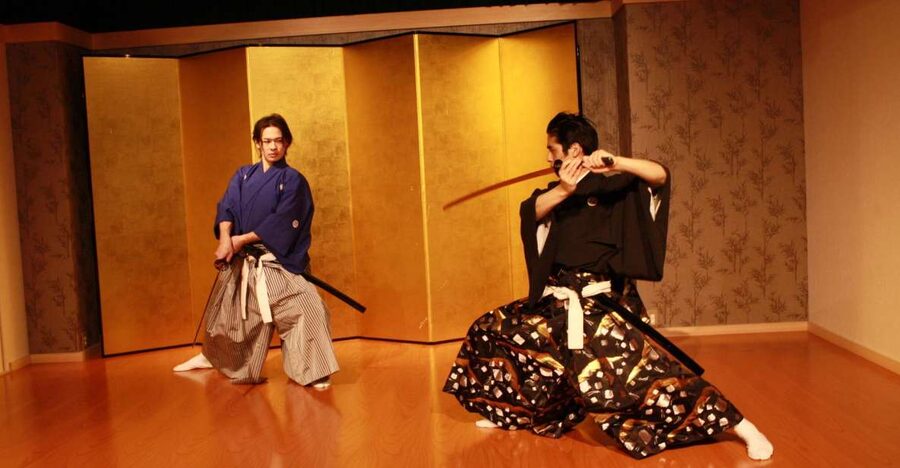
Kyoto’s Samurai Kenbu show turns the samurai’s pre-battle sword rituals into elegant stage art. You’ll see performers swing blades with control and purpose, follow poems once recited before combat, and act out short tales from Japan’s feudal centuries.
I like the English narration, which gives each dance a clear cultural setting, and the hands-on sword lesson, where you learn how carefully a katana is drawn and handled. The performers also make time for photos after the show, since cameras are not allowed during the performance.
The main consideration is expectation. This is graceful sword dancing, not a long fight show or a martial-arts class. The compact stage and one-hour format suit most people, though the narration can be a little hard to follow at times and the lesson may feel briefly organized rather than highly structured.
In This Review
- Key Points at a Glance
- What Kenbu Shows That Samurai Films Often Miss
- Arriving at the Samurai Kembu Theater
- The Opening Lesson on Samurai Culture
- Traditional and New-Style Sword Dancing
- The Meaning of Carrying a Samurai Sword
- The Short Sword Lesson at the End
- Photos, Shoes, and Other Practical Details
- Is $32 a Fair Price for One Hour?
- Who Will Get the Most From This Show?
- Should You Book the Kyoto Samurai Kenbu Show?
- FAQ
- Where does the Samurai Kenbu show take place?
- How long is the activity?
- How much does the experience cost?
- Is the show presented in English?
- Can I take photos during the performance?
- Can I hold a real samurai sword?
- Is the sword lesson included in the price?
- Is the theater easy to reach by train?
- Can I cancel my booking?
Key Points at a Glance
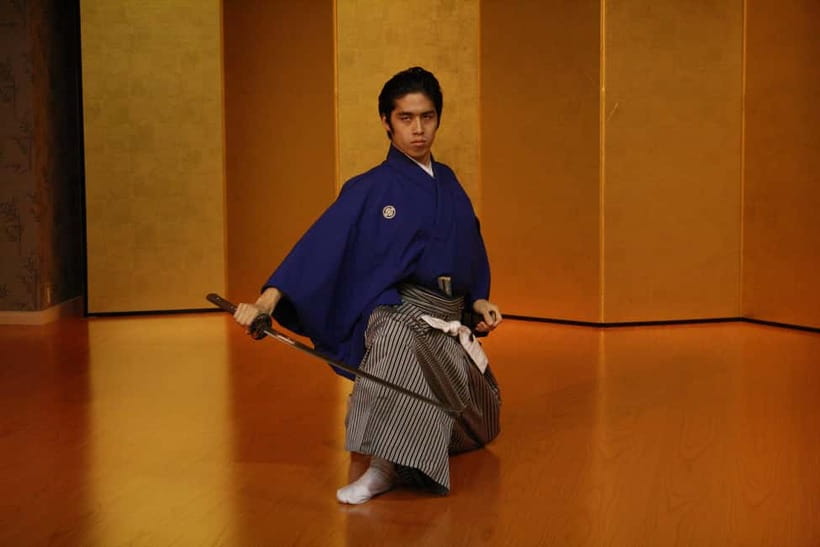
- Seven centuries of sword dance: Kenbu draws on a Japanese performance tradition linked to the samurai era from roughly the 12th through 19th centuries.
- Stories are part of the show: Each demonstration comes with a short explanation, then unfolds through sword movements, poems, and dramatic gestures.
- Traditional and new-style Kenbu: You’ll see more than one approach to the art, including fan work and different performance moods.
- A safe, short katana lesson: You can practice drawing and holding a sword, then follow simple swinging instructions from the instructor.
- Photos come afterward: No photography or video during the show, but performers return for a photo opportunity at the end.
- Easy central Kyoto location: The theater is four minutes from Subway Sanjo Keihan Station and five minutes from Sanjo Station on the Keihan Main Line.
What Kenbu Shows That Samurai Films Often Miss
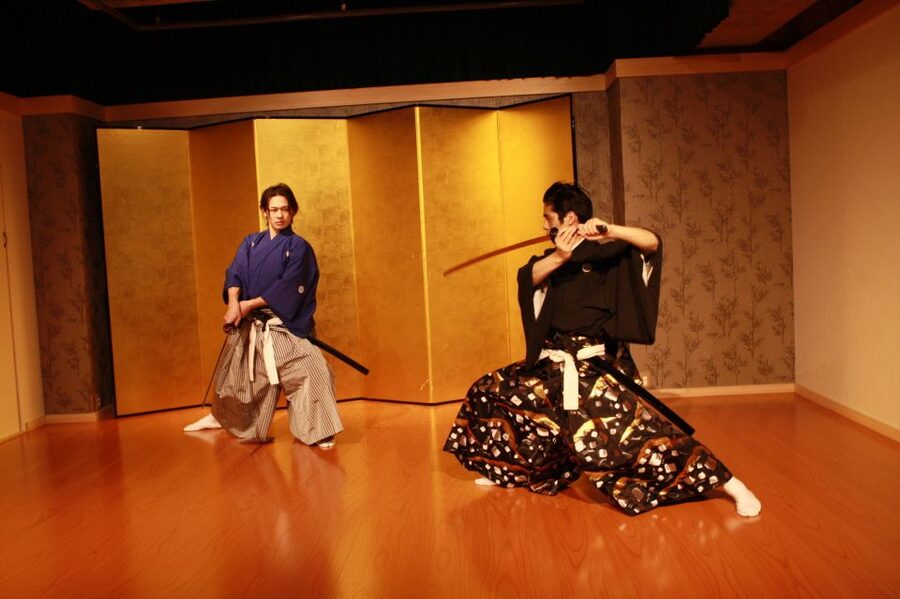
Samurai Kenbu is often translated as traditional sword dancing, but that label can undersell what you are seeing. The sword is not simply a prop for staged combat. The performers use it to express discipline, grief, courage, duty, and the tension of a warrior preparing for battle.
The performance reaches back more than 700 years to Japan’s feudal period. Before going into battle, samurai were associated with reciting poems that expressed their thoughts and resolve. Kenbu gives those words a physical form through measured steps, controlled turns, sweeping blade movements, and changes in posture.
That makes the show different from a basic sword demonstration. You are not watching a series of tricks. You are watching stories shaped by movement, with each gesture carrying a purpose. One scene may feel solemn and formal, while another has more drama and even a touch of humor.
I especially like this balance. The show presents the samurai as real people shaped by duty and culture, not just heroic figures from action movies. The sword work can look effortless from your seat, but the later lesson quickly shows how much control and concentration these movements require.
More samurai and sword sessions:
- Kyoto Samurai Experience
★ 5.0 · 1,294 reviews - Kyoto: Kendo and Samurai Experience with Uniform and Gear
★ 4.9 · 815 reviews - Kyoto: Samurai Sword Class by Experts in Traditional Arts
★ 4.9 · 657 reviews
Arriving at the Samurai Kembu Theater
The meeting point is the Samurai Kembu Theater in Kyoto. It is a practical choice for a sightseeing day because you can reach it easily by public transportation. From Subway Sanjo Keihan Station, allow about four minutes on foot. From Sanjo Station on the Keihan Main Line, allow about five minutes.
Plan to arrive five to 15 minutes before your scheduled start. The theater follows a local custom of removing shoes, so wear socks you will be comfortable showing. There is no waiting room, and people without appointments cannot wait inside. Large luggage and travel bags also have no proper place here.
Those details matter more than they may sound. This is a compact theater experience, not a large venue with a lobby where you can kill time or store a suitcase. I would visit with only a small day bag and arrange your timing so you are not rushing in from another part of Kyoto.
The instruction is available in English and Japanese. Since the show explains the meaning behind the dances, the English presentation is useful even if you know little about samurai culture or Japanese performance traditions.
The Opening Lesson on Samurai Culture
Once you are seated, a performer introduces Kenbu, its background, and the techniques you are about to see. This opening gives you a way to read the performance. Without it, a sword turn or fan gesture might look merely decorative. With it, you begin to understand how the art connects movement with the samurai code and battlefield preparation.
The show covers samurai culture from the 12th through the 19th centuries. That is a wide span, so do not expect a full academic course on every period. Instead, you get short historical explanations before a series of dances, each built around a traditional tale or samurai theme.
The narration is in English, though the level of clarity can vary depending on the speaker and your own comfort with spoken English. One useful strategy is to focus on the main idea of each introduction rather than trying to catch every word. The movements do much of the storytelling once the scene begins.
This format works well for families and first-time visitors. The show is informative without asking you to sit through a long lecture. It also gives younger audience members something visual to follow, especially when the action shifts from a quiet poem to a more dramatic sword sequence.
Traditional and New-Style Sword Dancing
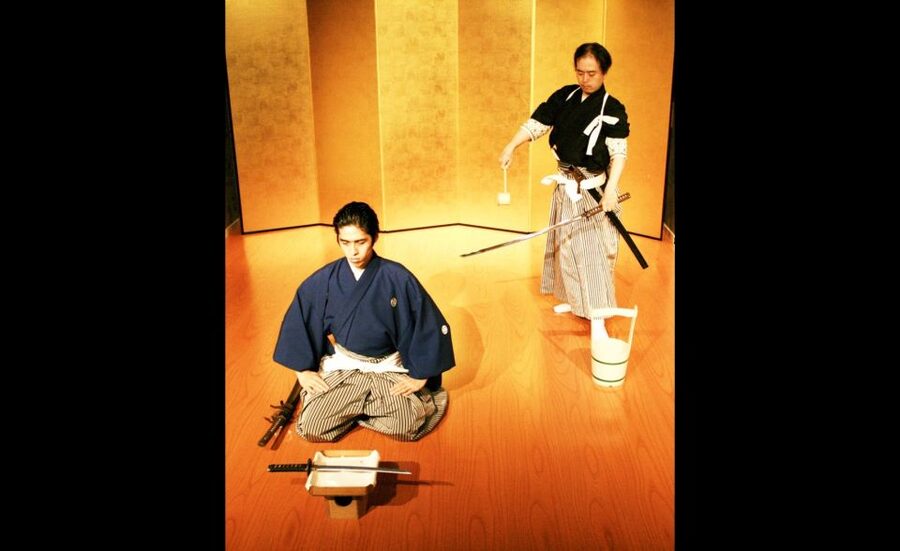
The central performance includes both traditional-style and new-style Kenbu. Each performer moves through a sequence of complex actions, using the sword to represent the scene described in the narration and poem.
The appeal is in the contrast between force and restraint. A blade may travel through a broad arc, but the body remains controlled. A performer can create the feeling of combat without turning the presentation into a noisy fight scene. The result is graceful, serious, and at times surprisingly intense.
You may also see the folding fan used in the performance. The fan was part of a samurai’s formal equipment and could serve as a visual extension of posture and command. In Kenbu, it adds a different quality to the sword work. The blade suggests danger and duty, while the fan can suggest ceremony, communication, or calm.
The short stories help keep the program moving. Rather than watching one long routine, you see a sequence of scenes with different emotions and rhythms. Some portions are solemn. Others have theatrical drama. A small comic touch may appear in a scene that otherwise deals with death or sacrifice.
This is where the show’s limits should be clear. If you want fast choreography, staged battles, or constant sword clashes, you may find the performance too restrained. If you enjoy Japanese arts, cultural storytelling, and the beauty of precise movement, the slower pace gives you more to notice.
A few more Kyoto experiences worth comparing
- Kyoto Gion Cultural Walk & Geisha Show with Dining Options
★ 5.0 · 518 reviews - Kyoto Gion Cultural Walk & Geisha Show with Dining Options
★ 5.0 · 483 reviews - 1 Hour Geisha Show in Kyoto
★ 5.0 · 452 reviews - Kyoto: Meet-and-Greet, Maiko Show and Experience
★ 4.8 · 286 reviews
The Meaning of Carrying a Samurai Sword
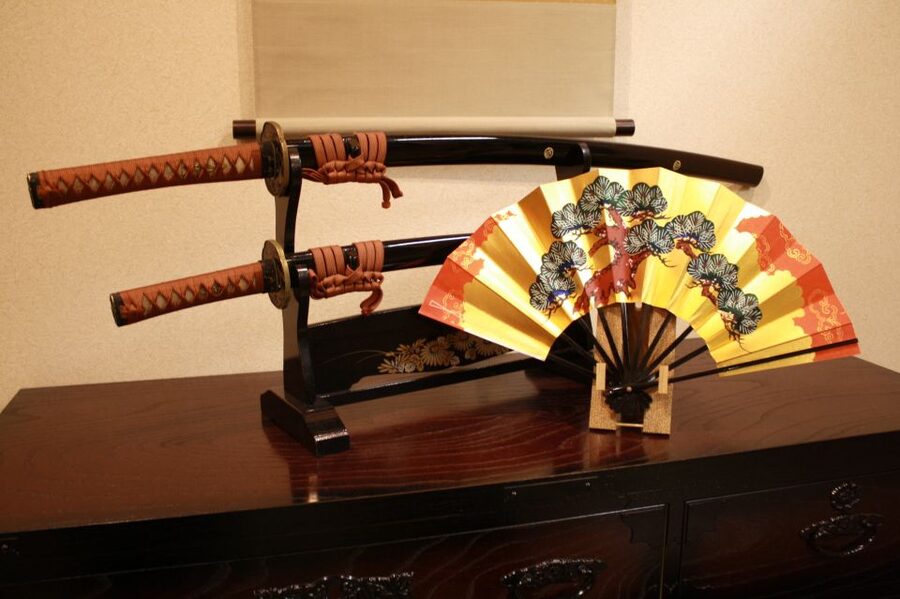
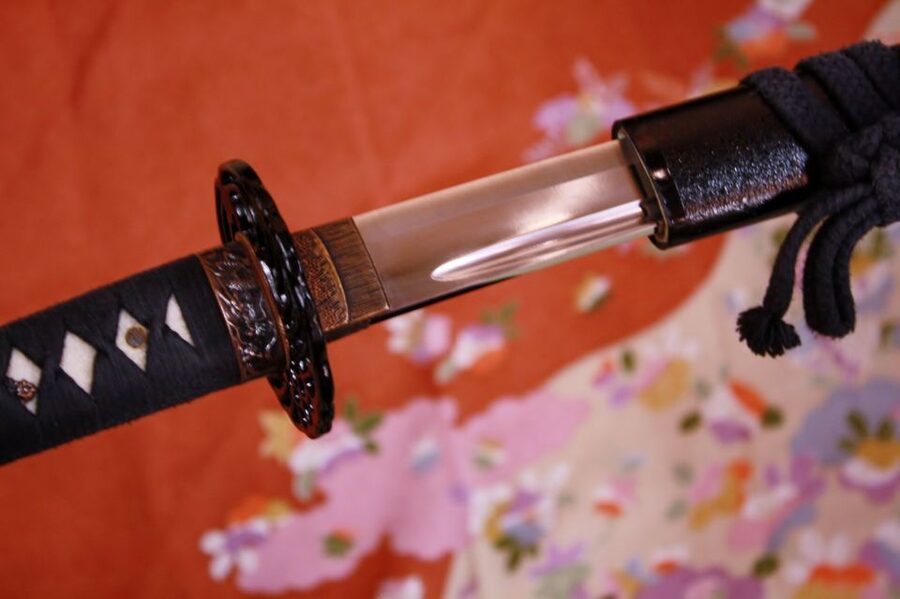
One of the useful ideas in the presentation is the responsibility connected with carrying a samurai sword. The sword represented more than fighting ability. It carried social and moral weight, and the performer’s careful handling shows that sense of responsibility.
You will see the blade treated with respect from the moment it is drawn. The act of removing it from the scabbard is not rushed. The posture, grip, and direction of movement all matter. That attention to ritual is one reason the show feels different from a modern stage combat display.
I find this cultural context important because it changes how you watch the dance. The sword is not simply there to make the performance exciting. It helps tell you who the character is, what he values, and what kind of decision he faces.
The presentation also touches on Bushido and the lasting effect of samurai ideals on Japanese culture. Keep in mind that this is a short introduction, not a detailed debate about the many myths and historical changes surrounding Bushido. Still, it gives you useful questions to take into the rest of your Kyoto visit.
The Short Sword Lesson at the End
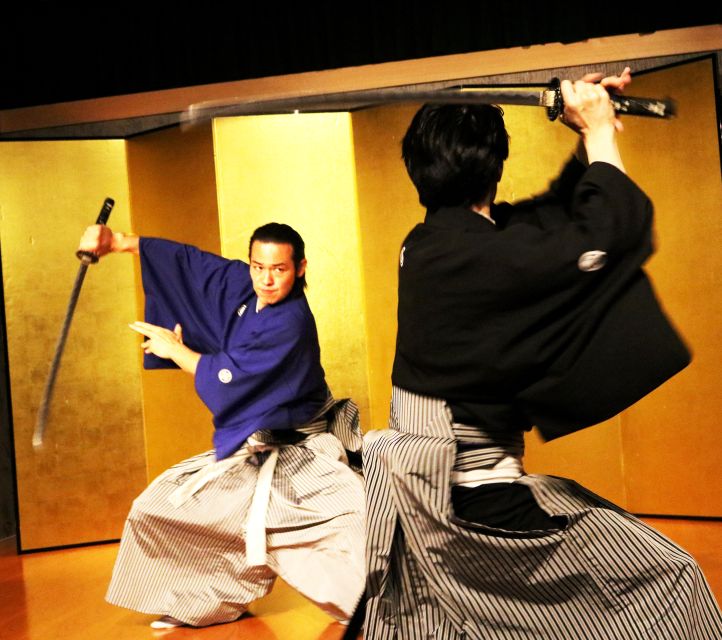
After the main show, the mood becomes more relaxed. Performers and instructors return for the mini-experience, where you can hold a sword, slowly draw it from its scabbard, and practice basic movements under direction.
The lesson begins gently. You follow the instructor’s commands, first learning how to hold the sword and then how to swing it with increasing force. Some sessions also include a chance to learn how to use the folding fan if time allows.
This is not a real sword-fighting course, and you should not expect advanced training. It is a short introduction designed to help you understand the control behind the performance. After holding a katana and trying even a few movements, you may appreciate the dancers’ skill much more.
The instructors use humor to put people at ease. That matters because many participants will be nervous about handling a sword in front of other people. You are guided through the basic positions rather than left to guess what to do.
The hands-on part is also why the one-hour length works. The show gives you context and spectacle, then the lesson lets you take part. Several families have found it suitable for children, including one experience with a three-year-old, though every child will respond differently to the quiet theater setting and sword-handling instructions.
Photos, Shoes, and Other Practical Details
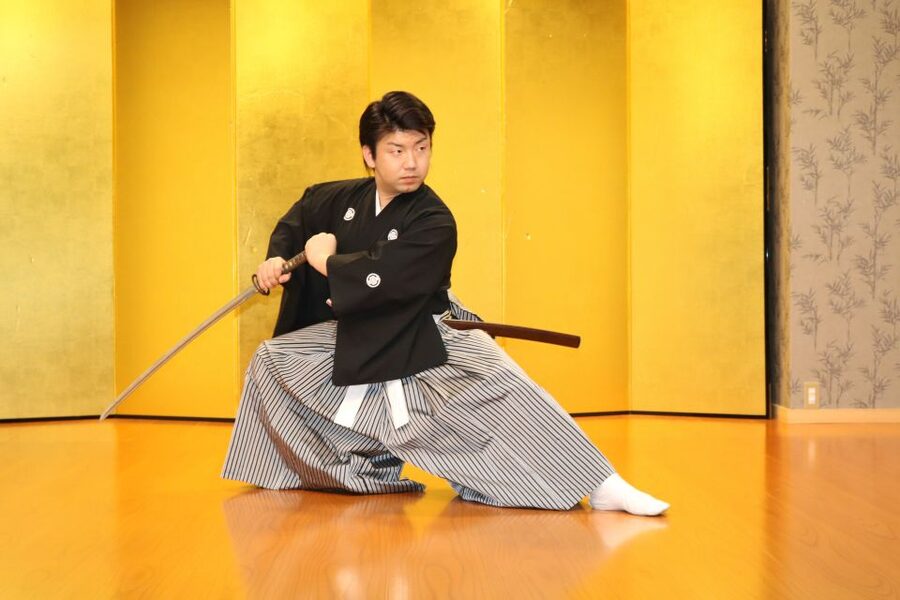
Do not plan to take photos or video during the performance. The restriction protects the atmosphere and keeps screens from distracting both performers and audience members.
You will get a proper photo opportunity afterward. You can pose with the performers and sword, and the staff may help take pictures for you. This is the right time to bring out your camera. The post-show interaction is friendly and adds a personal finish to what is otherwise a formal performance.
Remove your shoes on arrival, in keeping with local custom. Bring no food or drinks as part of the activity, since they are not included. Hotel pickup and drop-off are also not included, but the central location makes public transportation the sensible choice.
The theater is wheelchair accessible. You should still arrive early enough to settle in without rushing, particularly if you need extra time at reception or with seating.
The experience provider is Ginbu Co. The listed instructors speak English and Japanese, and your reservation name is confirmed at reception on the day. Avoid arriving under the influence of alcohol, and do not bring large bags.
Is $32 a Fair Price for One Hour?
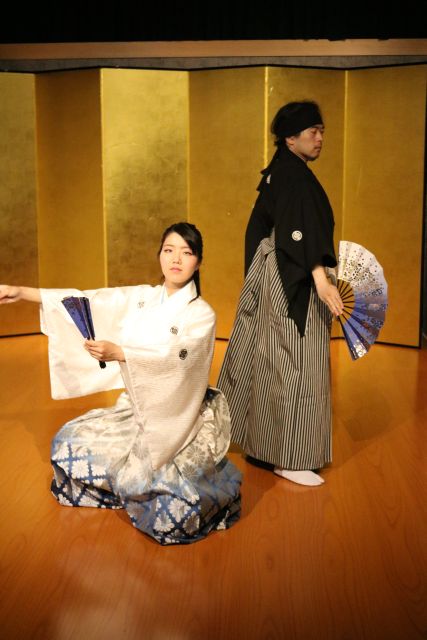
At $32 per person, this sits in a reasonable range for a compact cultural performance in central Kyoto. You are paying for more than a seat in a theater. The price includes entry, the Kenbu presentation, the historical introductions, and the short sword lesson.
The value is strongest if you take part in the final activity. A one-hour show alone might feel brief to some people, especially if you are expecting an elaborate stage production. The chance to draw and swing a sword, receive instruction, and take photos afterward gives the visit a more complete shape.
It is also a good option when you want a cultural activity that fits between larger Kyoto sights. You do not need to give up half a day, and the easy station access helps keep transport costs and planning simple.
I would not choose it as your only samurai-related activity if your main goal is detailed military history or extensive martial-arts practice. I would choose it as a clear, approachable introduction to Kenbu, especially if you want something more meaningful than a costume photo.
Free cancellation is available up to 24 hours before the activity for a full refund, and you can reserve now and pay later. Those policies are useful when your Kyoto schedule depends on weather, temple opening plans, or a crowded sightseeing day.
Who Will Get the Most From This Show?
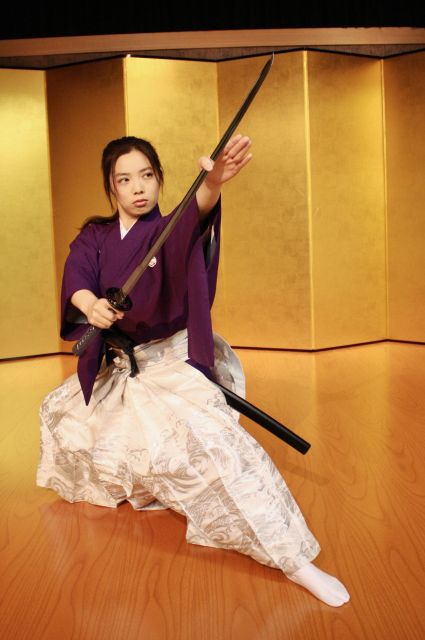
I recommend the show to first-time visitors who want a readable introduction to samurai culture. The English narration, short scenes, and practical lesson make the subject easy to approach without prior knowledge.
It also suits families. The stories provide enough action for children, while the sword lesson gives them a clear activity at the end. Parents should still prepare children to follow instructions and handle the practice sword carefully.
History fans will appreciate the cultural references and the link between poems, ritual, and performance. Photography fans should also enjoy the final portraits, but remember that the most visually striking moments cannot be filmed from your seat.
Couples and solo visitors can enjoy it as a quiet cultural stop. The atmosphere is more intimate and focused than a large theater show, although the exact group size can vary by session.
I would be cautious about booking if you want an extended lesson, realistic combat, or a large production with elaborate scenery. This is a polished introduction to Kenbu, built around grace, storytelling, and controlled movement.
Should You Book the Kyoto Samurai Kenbu Show?
Book it if you want to see samurai culture expressed through poetry, ritual, and sword movement, then try a few basic techniques yourself. The performers bring skill and feeling to the stage, and the final lesson helps you understand why the sword work takes such discipline.
The strongest reasons to go are the English explanations, the mix of traditional and new-style Kenbu, and the friendly photo and practice session afterward. At $32, the experience offers good value when you want a short, central Kyoto activity with real cultural content.
Skip it if you are expecting a full-scale battle show or a serious kendo class. For everyone else, especially families, first-time visitors, and people curious about Japanese performance arts, this is a smart one-hour addition to a Kyoto itinerary.
FAQ
Where does the Samurai Kenbu show take place?
The experience takes place at the Samurai Kembu Theater in Kyoto, on Honshu, Japan.
How long is the activity?
The activity lasts one hour, including the Kenbu show and the short sword lesson.
How much does the experience cost?
The listed price is $32 per person.
Is the show presented in English?
Yes. Instruction and narration are available in English and Japanese.
Can I take photos during the performance?
No. Photos and videos are not permitted during the show. You can take photos after the performance when the performers return for the photo opportunity.
Can I hold a real samurai sword?
You can hold and draw a sword during the short lesson, then practice basic swinging movements under an instructor’s direction.
Is the sword lesson included in the price?
Yes. The included package covers the theater entry fee, Kenbu show, and short sword lesson.
Is the theater easy to reach by train?
Yes. The theater is about four minutes on foot from Subway Sanjo Keihan Station and about five minutes from Sanjo Station on the Keihan Main Line.
Can I cancel my booking?
You can cancel up to 24 hours in advance for a full refund. Reservations can also be made with the option to pay later.
Recently added around Kyoto
- Higashiyama | Kyoto: Sakura Season Private Rickshaw Tour★ 5.0 · 3 reviews
- Kyoto Kimono Rental CHAMATSU|Kimono/Yukata Rental FamilyPlan★ 5.0 · 3 reviews
- Kyoto: Half-Day Private Guided Tour to the Old Town of Gion★ 4.4 · 3 reviews
- Nara Private Customizable Half Day Tour★ 5.0 · 3 reviews
- Kansai Region Hiking Adventure in Nara Kobe Kyoto and More★ 5.0 · 3 reviews
- Full Day Nara Deer, Temple, Shrine, Activities & Tea Ceremony★ 5.0 · 3 reviews
- Nara: Essential Private Tour with Deer Park and Temples★ 5.0 · 3 reviews
- Hiking Tour for Sacred Sites in Kyoto with a Guide★ 5.0 · 3 reviews
Kyoto Samurai Experiences, compared.
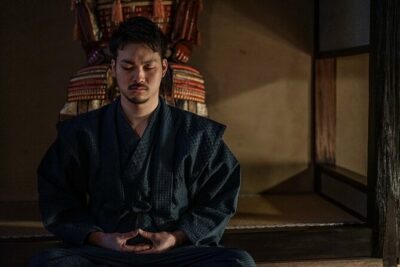
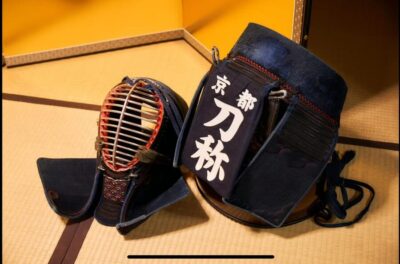
Kendo and Samurai Experience with Uniform and Gear
Read our review →
Samurai Sword Class by Experts in Traditional Arts
Read our review →
Skip the lines Basic Ticket at SAMURAI NINJA MUSEUM KYOTO
Read our review →
Samurai Training with Modern day Musashi in Kyoto
Read our review →
Private Tea Ceremony and Sake Tasting in Kyoto Samurai House
Read our review →
Kyoto Sword Experience – includes Museum Ticket/Ninja Experience
Read our review →Browse the lists this tour appears in