
REVIEW · KYOTO SAMURAI EXPERIENCES
Kyoto Samurai Experience
Kyoto’s samurai past feels more real when you are standing inside an old samurai house, dressed in traditional clothing, holding a sword under the eye of a trained instructor. This 1-hour-45-minute experience combines history, simple sword exercises, Zen meditation, and a look at the principles of Bushido.
I like the hands-on format and the calm pace. You do more than watch a demonstration: you learn basic movements, handle a martial arts sword, and take part in meditation. I also like the setting, which gives the session a sense of place that a modern studio would lack.
The main drawback is value. At $119.38 per person, this is not a cheap short activity, and one unfavorable account described a crowded session that did not match the promotional images. The group can reach 14 people, so ask about the format if personal instruction is your top priority.
In This Review
- Key points to know before booking
- Entering a Kyoto samurai house
- Changing into traditional clothing
- Learning Bushido before handling a sword
- Basic swordsmanship in a controlled setting
- Zen meditation brings the session back down
- How the 1-hour-45-minute schedule feels
- What $119.38 buys you
- Who will enjoy this most
- Practical details that affect your day
- Should you book the Kyoto Samurai Experience?
- FAQ
- How long does the Kyoto Samurai Experience last?
- Where does the experience begin?
- Where does the experience end?
- What activities are included?
- Can I choose a morning or afternoon session?
- Is the activity suitable for beginners?
- How large is the group?
- What should I wear?
- Can children participate?
- Can I cancel for a full refund?
Key points to know before booking
- A real samurai house: The session takes place at Kyoto Samurai Experience, in a traditional house at Waraku111 Inabacho.
- Sword practice, not a stage show: You learn basic handling and techniques with guidance from a sword instructor.
- Kimono and meditation included: Dressing, Bushido instruction, and Zen meditation give the experience more range than sword practice alone.
- Morning or afternoon choice: You can fit the activity around sightseeing, meals, and temple visits.
- Small group, with a limit of 14: The size is manageable, but the amount of individual attention may vary.
- Strong overall satisfaction: The experience is rated 5 out of 5 from 1,295 reviews, with 99 percent recommending it.
Entering a Kyoto samurai house
The first thing that gives this experience weight is the building. You meet at Kyoto Samurai Experience, located at Waraku111 Inabacho in Nakagyo Ward, and the activity ends at the same point. It is not simply a themed room arranged for photographs. The house itself is part of the lesson.
You begin with an introduction to samurai life, including clothing, sword culture, Bushido, and the role of Zen. The historical setting helps connect those ideas to daily life instead of treating the samurai as a cartoon warrior from a movie.
The history of the house is also part of the appeal. You will have time to look at the space and hear about its connection to samurai culture before the physical practice begins. That makes the experience useful for anyone who wants context, not only a photograph holding a katana.
The location is near public transportation, but it may not be the most convenient stop on your Kyoto route. One practical account called it somewhat out of the way, though still worth the extra travel. I would place it alongside nearby plans rather than crossing the city for this appointment and then immediately returning to another district.
More samurai and sword sessions:
- Kyoto: Kendo and Samurai Experience with Uniform and Gear
★ 4.9 · 815 reviews - Kyoto: Samurai Sword Class by Experts in Traditional Arts
★ 4.9 · 657 reviews - Skip the lines Basic Ticket at SAMURAI NINJA MUSEUM KYOTO
★ 4.5 · 632 reviews
Changing into traditional clothing
After the introduction, you change into a traditional kimono. This is more than a costume change for a picture. The clothing helps you understand how movement, posture, and appearance were connected in old Japanese culture.
Wear comfortable clothes underneath and shoes suitable for light athletic activity. The activity includes standing, moving through sword exercises, and following physical instructions, so restrictive clothing or unstable footwear will make the session less pleasant.
The dressing portion also slows the experience down. Instead of rushing straight to sword practice, you get a short transition from modern Kyoto sightseeing into the atmosphere of the house. Families and couples often appreciate this part because it gives everyone a shared role, even if not every person is equally interested in martial arts.
Photos are part of the lasting appeal. Staff have taken photographs during the session and shared them quickly, giving you a record of the clothing, setting, and exercises. Still, I would think of the pictures as a bonus. The value rests more on the instruction and setting than on a formal photo shoot.
Learning Bushido before handling a sword
The instructor explains Bushido, often translated as the Way of the Warrior. This section matters because it places swordsmanship within a larger set of ideas about discipline, conduct, focus, and responsibility.
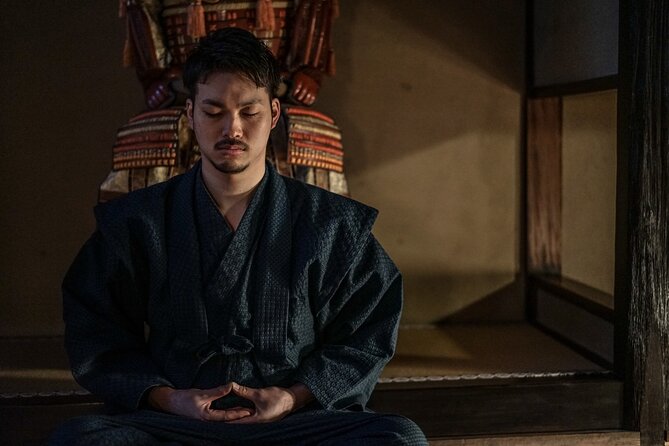
You also learn about the samurai way of life and the role of Zen meditation. The best part of this approach is that the sword is not presented as a toy or simply as a prop. The instruction frames it as an object that requires control and respect.
The exact balance between talk and practice can vary with the group. Some sessions may feel more physical, while others may spend more time on history and explanation. The information provided does not identify the instructors by name, but it does specify expert sword instruction and English-speaking staff support. That is useful if you want explanations rather than silent demonstration.
English communication is a strong practical point. Staff members have been described as speaking English and Japanese, and translation support is available. You should still expect Japanese cultural terms and concepts to require attention, since the purpose is to explain a tradition rather than reduce it to a few easy slogans.
Basic swordsmanship in a controlled setting
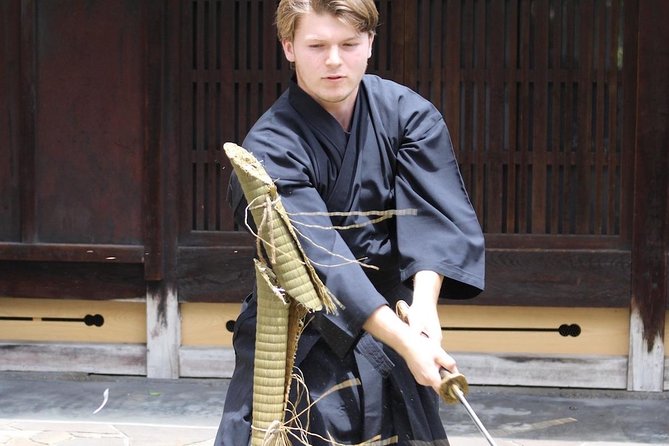
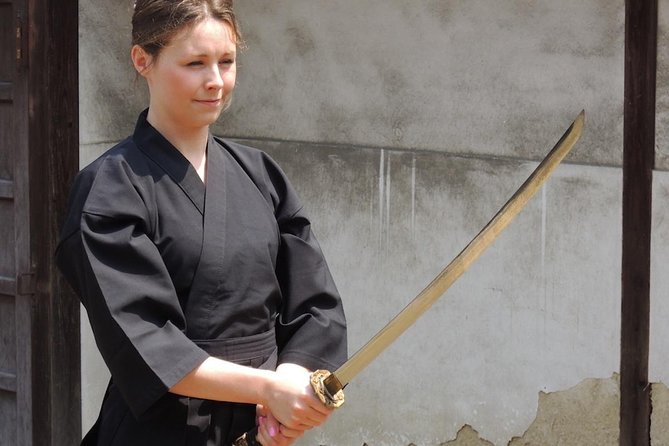
The central activity is sword practice. Under instruction, you learn how to hold and use a martial arts sword, then work through basic movements and strikes. The session is designed for beginners, so you do not need previous fencing or martial arts experience.
The activity description refers to a real martial arts sword, while the practical outline also refers to a martial arts training sword. It is safest to understand this as supervised sword handling and beginner technique, not an unsupervised chance to swing a live blade.
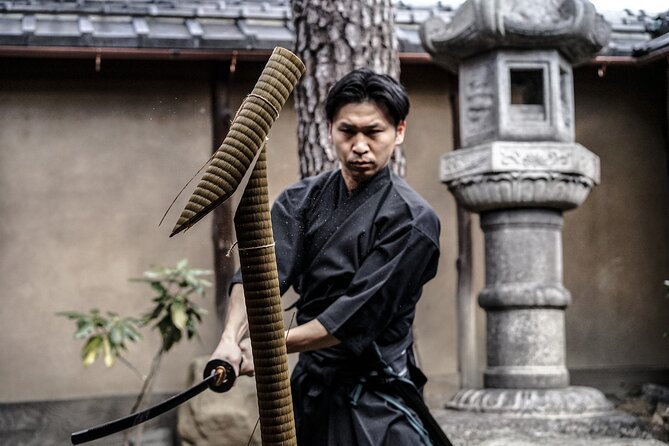
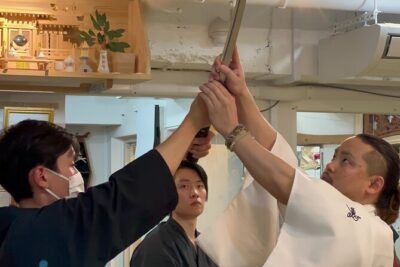
Some accounts also describe cutting practice. That can be an exciting part of the session, but the supplied information does not specify exactly what is cut or guarantee the same cutting sequence for every person. Ask the staff at the start if this is the part you most want to do.
The instructor demonstrates technique and then helps you try it. That sequence makes the activity engaging without turning it into a contest. You are there to learn posture, control, and form, not to prove that you can fight like a film character.
The physical demands are moderate. You should be comfortable standing and moving for much of the session, and the booking information recommends a moderate level of fitness. Minors must have an adult with them.
A completely different side of Kyoto:
- PERFECT KYOTO 1-Day Bus Tour
★ 5.0 · 13,518 reviews - Kyoto: Fushimi Inari, Kinkakuji, Bamboo Grove 1 Day Bus Tour
★ 4.8 · 4,316 reviews - Kyoto: Tea Ceremony in a Traditional Tea House in Kiyomizu
★ 4.9 · 3,519 reviews - Kyoto Geisha Walking Tour: Gion District & Hidden Gems
★ 4.7 · 3,273 reviews
Zen meditation brings the session back down
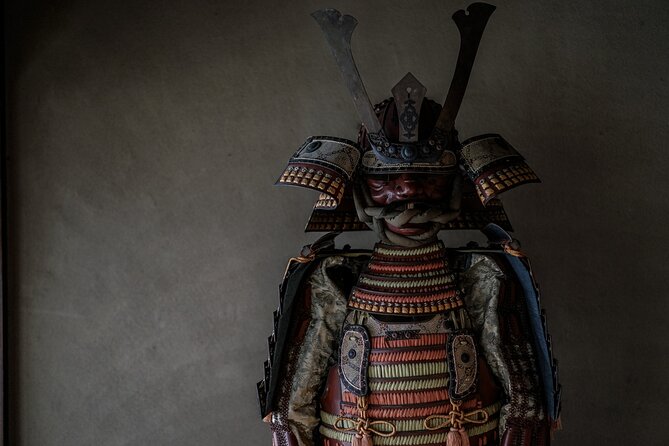
After the sword exercises, Zen meditation gives the activity a quieter finish. This change of pace is one of the smartest parts of the design. Sword practice calls for concentration and controlled movement, while meditation asks you to sit still and settle your attention.
The meditation is not a separate cultural lecture added at the last moment. It helps explain the mental discipline connected with samurai training and gives you a chance to absorb the session before returning to Kyoto’s busy streets.
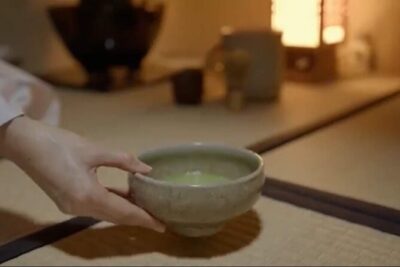
Some sessions have included additional traditional elements such as tea and a sweet, music, a drum, or a string-instrument performance. These details may depend on the day and the session, so I would not book solely on the expectation of receiving every one of them. The core program is the house, clothing, sword instruction, Bushido, and Zen meditation.
I especially like the balance here. Many short cultural activities rush from one photo opportunity to the next. This one has a built-in pause, which can make the experience feel more thoughtful and less like a quick costume stop.
How the 1-hour-45-minute schedule feels
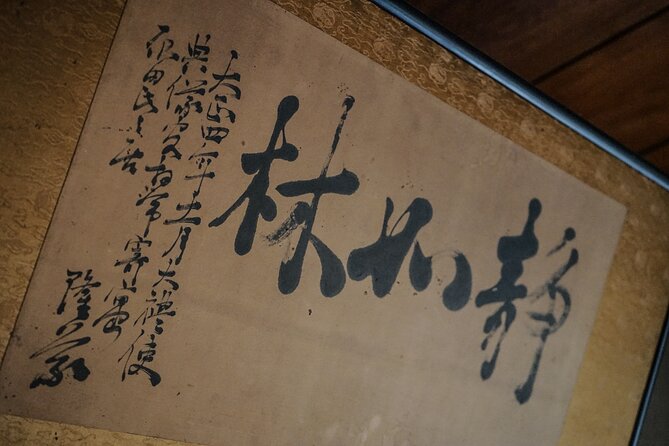
The advertised duration is about one hour and 45 minutes. That is long enough to cover the history, clothing, instruction, practice, and meditation without taking half a day from your Kyoto plans.
A typical flow is:
- Meet the guide and group at the samurai house.
- Hear an introduction to samurai culture, Bushido, and the house.
- Change into a traditional kimono.
- Learn how to handle and use the sword safely.
- Practice basic swordsmanship under instruction.
- Watch demonstrations and take your turn with the exercises.
- Finish with Zen meditation and any additional cultural elements included that day.
- Change back and end at the same meeting point.
The group limit is 14 people. That qualifies as a small group compared with a large bus tour, and it lets the instructor keep the class organized. Still, 14 is not the same as a private lesson. If everyone takes a turn with the sword, you may spend part of the session watching others.
That is the main point to weigh against the price. A small family group may find the shared format warm and fun. A solo visitor expecting nearly constant one-to-one instruction might find it less satisfying, especially on a full session.
You can choose a morning or afternoon departure. The morning may work well before a full day of temples and museums, while the afternoon can fill a gap after sightseeing. Choose based on your route, since the house is not necessarily next to the major attractions you plan to visit.
What $119.38 buys you
At $119.38 per person, the price sits firmly in the special-experience category. You are paying for more than a one-hour demonstration, but you are also paying a substantial amount for less than two hours.
The value is strongest if you care about direct participation. The fee covers a traditional setting, kimono use, instruction in sword basics, cultural explanation, meditation, and the chance to create photographs in the house. For a family or couple looking for something beyond shrine visits, that combination can justify the cost.
It is less convincing if your only goal is to hold a sword for a quick picture. Kyoto offers many inexpensive ways to see samurai objects and learn about Japanese history. This booking makes sense when you want a guided activity with physical practice and a clear cultural structure.
The high recommendation rate and 5 out of 5 rating suggest that the format works very well for most people. I would not treat that as a promise of perfection. One poor account raised concerns about cost, crowding, and a gap between the online images and the actual session. The group cap and the possibility of different session formats are worth keeping in mind.
Before paying, decide what you want most:
- Choose it for a guided, hands-on introduction to samurai culture.
- Choose it for a memorable family activity with photographs.
- Choose it for a calm mix of sword practice and meditation.
- Skip it if you want a private lesson or a long, technically advanced martial arts class.
Who will enjoy this most
This is a good fit for first-time visitors to Japan who want a cultural activity they can actively join. You do not need prior knowledge of samurai history or martial arts, and the instructor leads you through the basic steps.
Families can also make good use of the session. Children must be accompanied by an adult, and the combination of clothing, history, sword practice, and meditation gives different ages something to focus on. The physical level is moderate, but you should judge your own ability to stand and move comfortably.
Couples and friends may like the shared nature of the class. You can take photographs for one another, learn together, and compare your sword forms without the pressure of a formal performance.
It may not suit someone seeking a quiet museum visit. You will be moving, listening, changing clothes, and taking turns. It may also disappoint visitors looking for a historically exact reconstruction of samurai combat. This is an introductory cultural experience, not a certification course or a battlefield simulation.
Practical details that affect your day
The meeting point is Kyoto Samurai Experience, Waraku111 Inabacho, Nakagyo Ward, Kyoto 604-8803, Japan. The activity returns to that same location, so plan your next stop from there rather than assuming you will finish near a major station or temple.
Confirmation is provided when you book, and the site is near public transportation. Comfortable clothing and suitable athletic footwear are recommended. If you have accessibility concerns, contact the provider before booking, since the available information does not give a detailed accessibility breakdown.
You can cancel for a full refund if you do so at least 24 hours before the scheduled start time. Cancellations or changes inside that 24-hour window are not accepted for a refund, and cut-off times follow local Kyoto time. Rescheduling may be possible earlier than that, depending on availability.
The experience has morning and afternoon sessions, but the exact times are not included here. Check the selected departure when booking and allow enough time to reach the house without rushing.
Should you book the Kyoto Samurai Experience?
I would book this if you want an active cultural experience with real structure behind it. The best features are the traditional house, the combination of sword practice and Zen meditation, and the chance to learn how Bushido connects physical skill with personal discipline.
I would pause if $119.38 feels high for a 1-hour-45-minute activity. This is not the cheapest samurai-themed option, and a group of up to 14 means your individual practice time may be limited. If you book, go in expecting a well-guided introduction rather than a private martial arts lesson.
For families, couples, and first-time visitors, it is an appealing change from temple hopping. Pick the session that fits your route, wear shoes you can move in, and ask at the start about the exact sword and cutting activities planned for your group. With those expectations in place, this is a thoughtful and memorable way to meet Kyoto’s samurai culture.
FAQ
How long does the Kyoto Samurai Experience last?
The activity lasts approximately 1 hour and 45 minutes.
Where does the experience begin?
It begins at Kyoto Samurai Experience, located at Waraku111 Inabacho, Nakagyo Ward, Kyoto 604-8803, Japan.
Where does the experience end?
The activity ends back at the meeting point.
What activities are included?
The session includes samurai history and culture, kimono dressing, Bushido instruction, basic swordsmanship, handling a martial arts sword, and Zen meditation.
Can I choose a morning or afternoon session?
Yes. Morning and afternoon departure options are available.
Is the activity suitable for beginners?
Yes. The session teaches basic swordsmanship under the guidance of an instructor, so previous martial arts experience is not listed as a requirement.
How large is the group?
The maximum group size is 14 people.
What should I wear?
Wear comfortable clothing and appropriate footwear for an athletic activity.
Can children participate?
Minors can participate, but they must be accompanied by an adult.
Can I cancel for a full refund?
Yes. You must cancel at least 24 hours before the scheduled start time for a full refund. Cancellations or changes made less than 24 hours before the activity are not accepted for a refund.
Recently added around Kyoto
- Higashiyama | Kyoto: Sakura Season Private Rickshaw Tour★ 5.0 · 3 reviews
- Kyoto Kimono Rental CHAMATSU|Kimono/Yukata Rental FamilyPlan★ 5.0 · 3 reviews
- Kyoto: Half-Day Private Guided Tour to the Old Town of Gion★ 4.4 · 3 reviews
- Nara Private Customizable Half Day Tour★ 5.0 · 3 reviews
- Kansai Region Hiking Adventure in Nara Kobe Kyoto and More★ 5.0 · 3 reviews
- Full Day Nara Deer, Temple, Shrine, Activities & Tea Ceremony★ 5.0 · 3 reviews
- Nara: Essential Private Tour with Deer Park and Temples★ 5.0 · 3 reviews
- Hiking Tour for Sacred Sites in Kyoto with a Guide★ 5.0 · 3 reviews
Kyoto Samurai Experiences, compared.
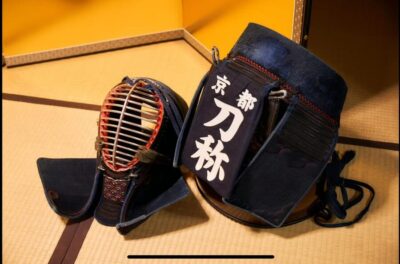
Kendo and Samurai Experience with Uniform and Gear
Read our review →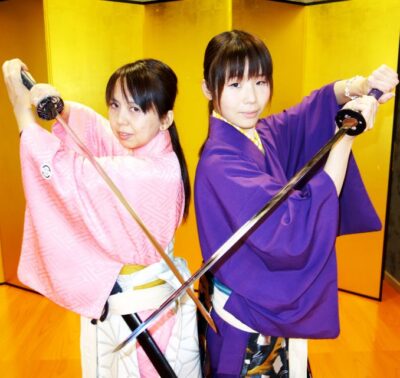
Samurai Sword Class by Experts in Traditional Arts
Read our review →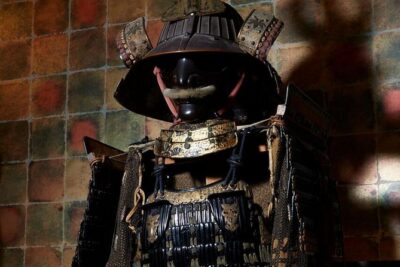
Skip the lines Basic Ticket at SAMURAI NINJA MUSEUM KYOTO
Read our review →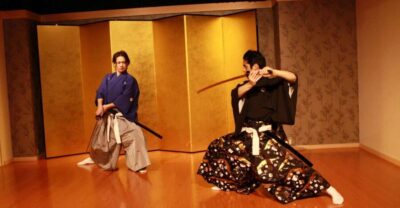
Samurai Training with Modern day Musashi in Kyoto
Read our review →
Private Tea Ceremony and Sake Tasting in Kyoto Samurai House
Read our review →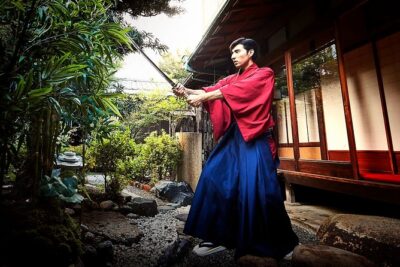
Kyoto Sword Experience – includes Museum Ticket/Ninja Experience
Read our review →Browse the lists this tour appears in