
REVIEW · COOKING CLASSES
Kyoto Home Cooking Class &Supermarket tour near Fushimiinari
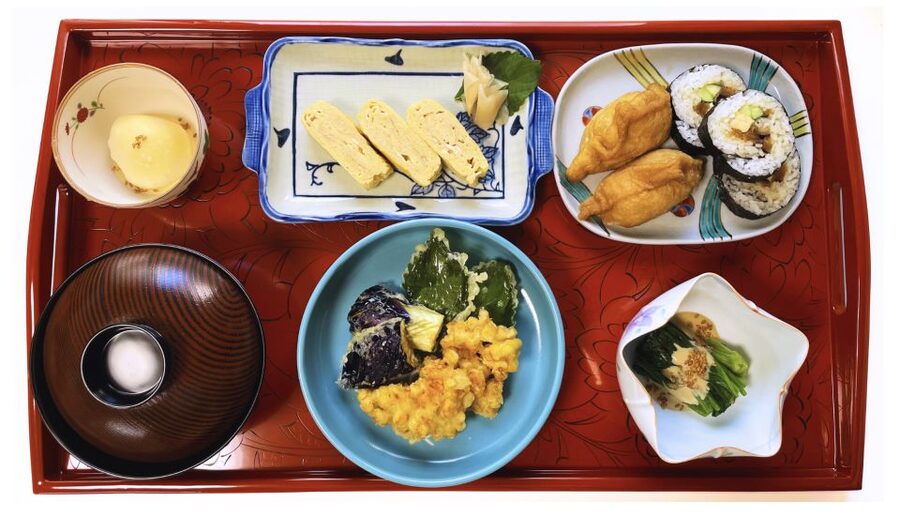
The best part of this Kyoto cooking class is that it takes place in a real traditional Japanese home, not a polished restaurant kitchen. You prepare Japanese food, sit down for lunch in a tatami room with garden views, and then walk through a local supermarket near Fushimi Inari with an English-speaking guide.
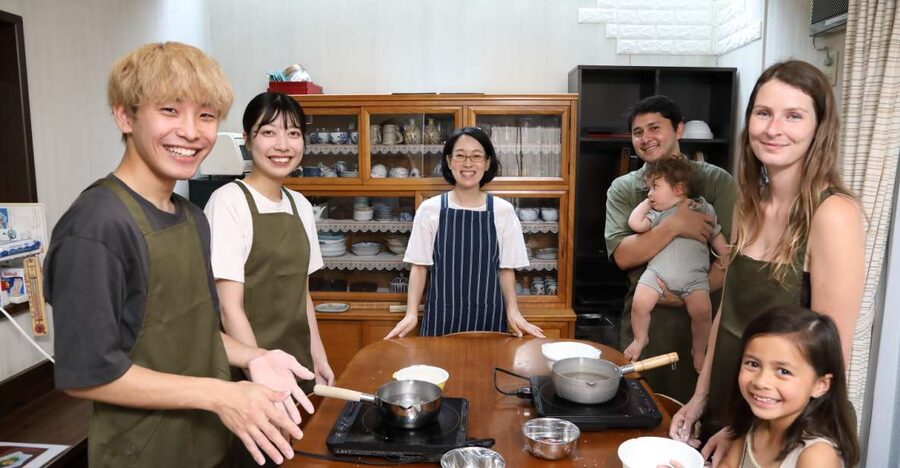
I like the small six-person limit, which gives Miho or another licensed guide interpreter time to correct your technique and answer questions. I also like the supermarket visit, since it turns a pleasant meal into useful shopping knowledge you can carry home. The main consideration is that children under six cannot join, and the class is not suitable for wheelchair users.
The menu changes with the season, and the class may prepare around five dishes, sometimes more. You should also tell the organizers about vegetarian or vegan needs in advance, since the class uses a vegetarian form of dashi.
In This Review
- Key points at a glance
- Cooking Japanese food in a real Kyoto home
- Why dashi is the right place to start
- Preparing five dishes, sometimes more
- Eating lunch beside the garden
- The supermarket visit puts the lesson to work
- What makes this different from a restaurant meal
- The value of $127 per person
- Who should book this class
- Planning the four hours
- Small details that make the experience work
- Should you book it?
- FAQ
- How long does the Kyoto home cooking class last?
- Where does the cooking class take place?
- How many people can join the class?
- Is the class taught in English?
- What food will I prepare?
- Is lunch included?
- Can vegetarians and vegans participate?
- Can children join the class?
- What should I bring?
Key points at a glance
- Traditional home setting: Cook and eat in an authentic Japanese room overlooking a garden.
- Dashi comes first: Learn the soup stock that forms the base of many Japanese dishes.
- About five dishes: Prepare food yourself or with a partner after clear demonstrations.
- English instruction: Licensed guide interpreters lead the class entirely in English.
- Supermarket know-how: See the ingredients again, learn what labels and products mean, and buy supplies for home.
- Useful take-home material: You receive recipes for the dishes prepared during the class.
Cooking Japanese food in a real Kyoto home
This four-hour experience near Fushimi Inari is built around ordinary Japanese cooking rather than a restaurant-style performance. You enter a traditional home, take off your shoes, and prepare food in a relaxed setting that feels closer to being invited to lunch than attending a formal lesson.
That setting matters. A restaurant can show you what Japanese food looks like on a plate, but a home class gives you a better sense of how the food is assembled, seasoned, and served. After cooking, you eat in a traditional Japanese room with a garden view. It is a quiet change from Kyoto’s busy sightseeing streets.
You need to bring socks, since the class takes place in a Japanese-style home. Wear something comfortable enough for several hours of standing and food preparation, though the supplied information does not specify a dress code.
The class is conducted entirely in English. Each instructor is a licensed guide interpreter, so explanations are intended to be clear rather than limited to recipe instructions. That is especially useful when the class moves beyond measurements and explains Japanese ingredients, cooking habits, and supermarket products.
More cooking classes in Kyoto:
- Kyoto: Ramen Cooking Class at a Ramen Factory with Souvenir
★ 4.9 · 532 reviews - Kyoto: Ramen, Gyoza, and Onigiri Cooking Class
★ 5.0 · 445 reviews - Kyoto: Japanese Washoku Bento Small Group Cooking Class
★ 5.0 · 380 reviews
Why dashi is the right place to start
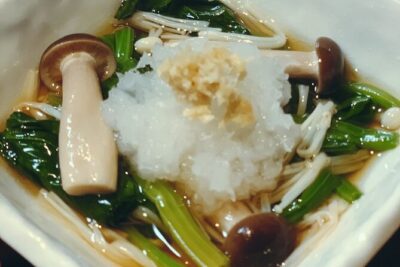
The first lesson introduces dashi, Japanese soup stock used in a wide range of Japanese dishes. This is more useful than beginning with a single famous dish, because dashi helps explain the savory flavor found in soups, sauces, egg dishes, and other everyday foods.
You learn the basic idea before preparing the rest of the menu. That gives the class a practical thread. Instead of treating miso soup, sushi, tempura, or rolled egg as unrelated items, you begin to see how a few basic ingredients and techniques support many Japanese meals.
The class uses dashi suitable for vegetarian cooking. Vegetarian and vegan participants are welcome, but you should make your needs known before the class so the menu and stock can be planned properly. The menu itself changes by season, so you should not book expecting one fixed list of dishes.
Preparing five dishes, sometimes more
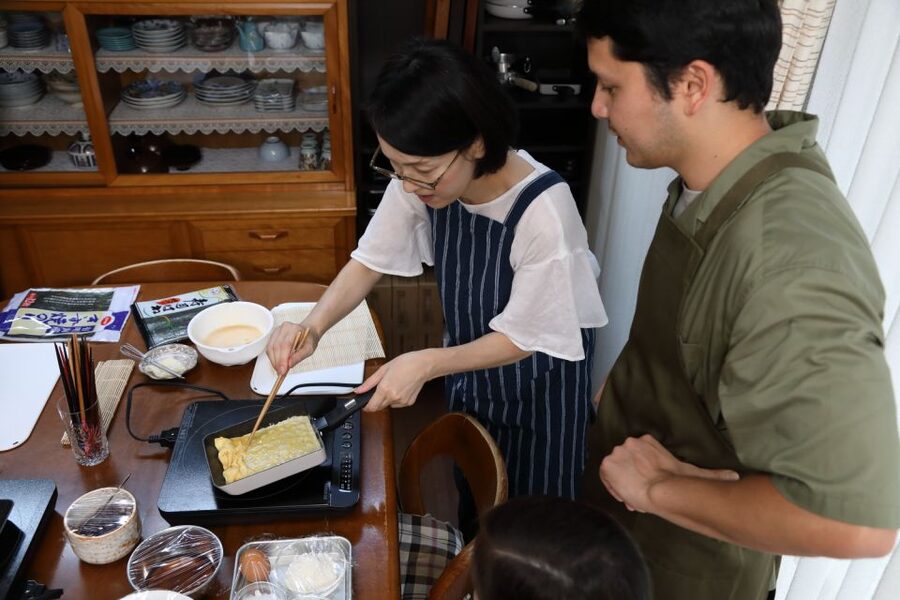
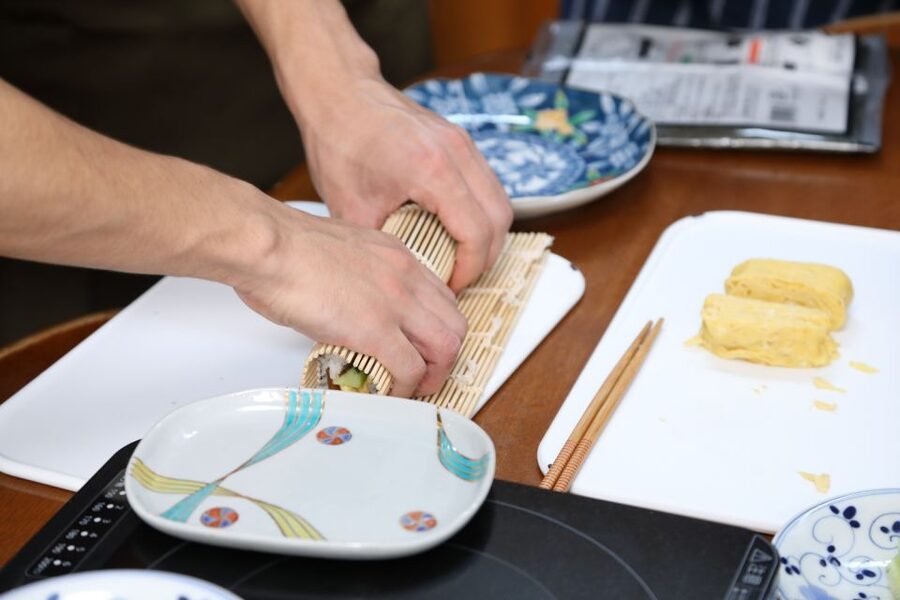
After a demonstration, you prepare about five dishes by yourself or with a partner. The precise menu depends on the season and possibly the group, but past class examples include miso soup, tempura, sushi, Japanese omelet, a salad, and dessert. Mochi has also been included in some sessions.
This mix gives you a useful range of skills:
- Soup: Learn how dashi and miso work together.
- Tempura: Practice preparing and cooking a crisp fried dish.
- Sushi: Work with a dish many people assume is too difficult to make at home.
- Japanese omelet: Learn the technique behind a softly layered rolled egg.
- Salad and dessert: Add simple side dishes and a sweet finish to the meal.
The instructors demonstrate techniques before you begin, then guide you through the work. That structure suits beginners because you are not expected to understand Japanese cooking methods in advance. It also gives confident home cooks a chance to ask about ingredients and methods they may not know.
One practical point: the description says about five dishes, while one reported session prepared seven. Consider the number flexible. The main value is not collecting a set number of recipes, but learning several parts of a Japanese meal in one sitting.
Eating lunch beside the garden
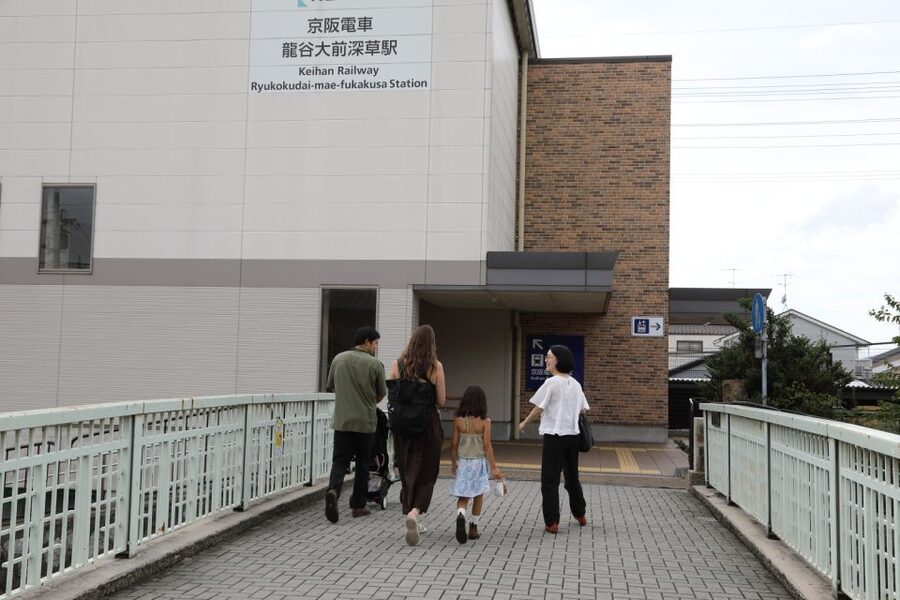
Once the cooking is done, you sit with the other participants and eat what you prepared. The meal takes place in a traditional Japanese room with garden views, which adds a calm, distinctly local touch to the class.
This is not simply a reward after the work. It lets you see how the dishes fit together as a meal. You can taste the effect of the dashi, compare the dishes, and ask questions while the cooking is still fresh in your mind.
The setting also makes the experience feel personal. The class is limited to six people, so the lunch should feel more like a shared table than a large tour group. Solo participants can join, and the friendly teaching style is meant to make it easy to take part even if you arrive alone.
Families have also found the class adaptable. Children aged 12 and below must participate with a guardian, and children under six are not permitted. One family with three young children found the instructor patient and able to adjust the menu, but you should still contact the provider ahead of time if your children have particular needs.
More workshops and classes in Kyoto:
- Kyoto: 45-Minute Tea Ceremony Lesson Experience
★ 4.3 · 2,378 reviews - Kyoto : Chopsticks Making Workshop in Gion with Engraving Option
★ 5.0 · 958 reviews - Kyoto: Samurai Sword Class by Experts in Traditional Arts
★ 4.9 · 657 reviews - Ninja 1-hour Hands-on Lesson by Japanese master in Kyoto -Entry
★ 5.0 · 489 reviews
The supermarket visit puts the lesson to work
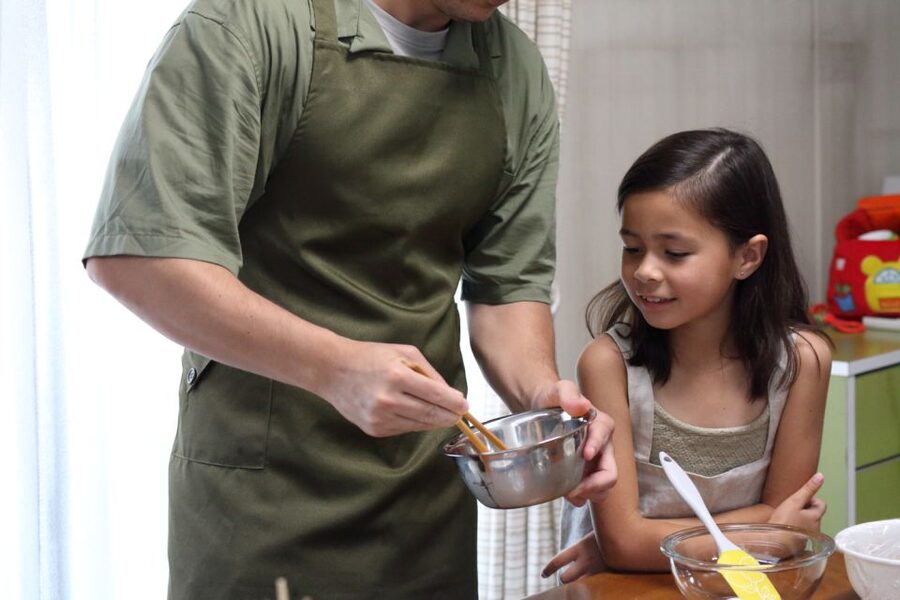
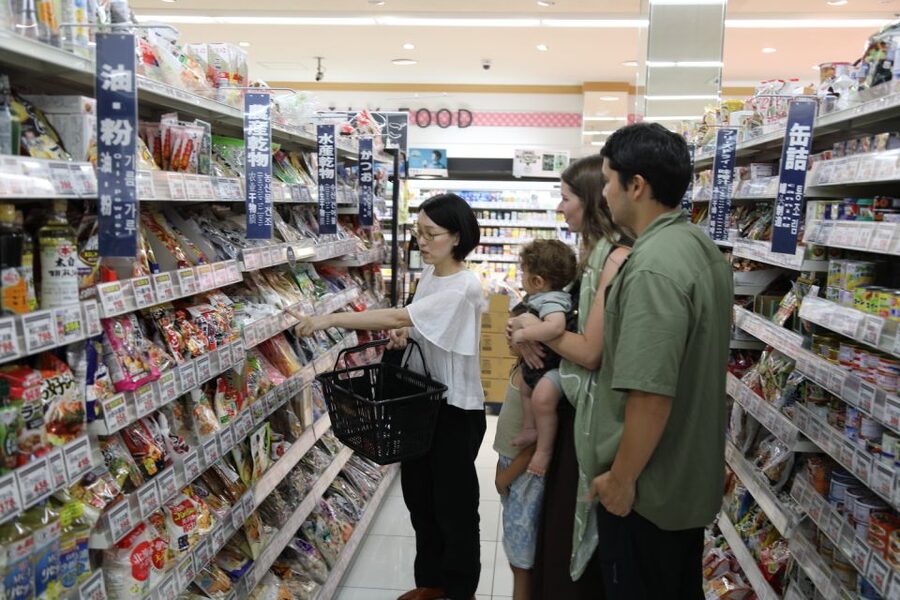
After lunch, you walk to a local supermarket with the instructor. This is one of the most useful parts of the experience because you see the ingredients outside the controlled setting of the cooking class.
The guide shows you products used in Japanese cooking and explains what to look for. The supermarket visit can help with items that are hard to identify from packaging alone, especially if you cannot read Japanese. You can ask about seasonings, vegetables, spices, and other products, not just the ingredients used in your class.
You also have the option to buy supplies for cooking at home. That makes the outing practical for anyone who wants to recreate the meal for family or friends. Instead of returning home with only a recipe, you leave with a better idea of what to purchase.
The visit is not a second cooking lesson, so shoppers expecting a large food market tour should keep their expectations in check. It is a focused walk through a local supermarket, tied directly to the dishes and ingredients from the class.
What makes this different from a restaurant meal
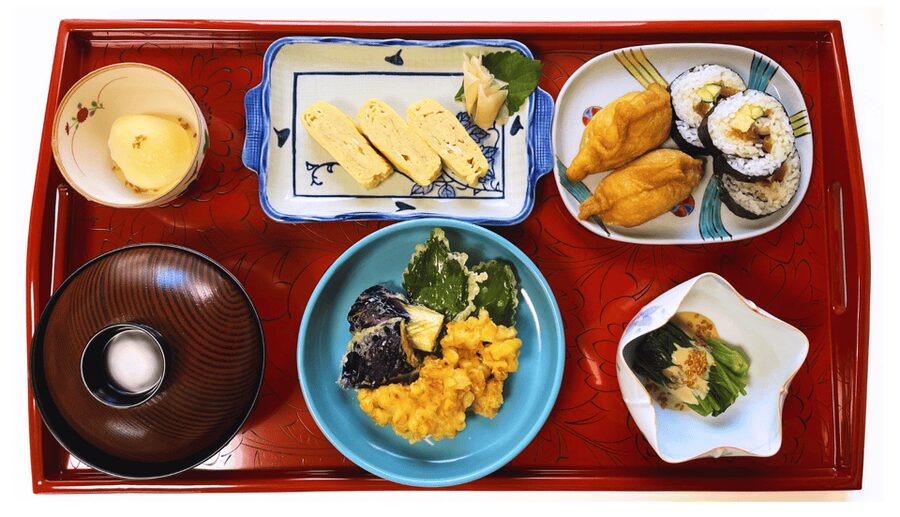
A restaurant meal near Fushimi Inari is easier and faster, but it gives you little control over the process. Here, you handle the ingredients, learn the method, and taste the result immediately.
I see three clear benefits:
- You learn the building blocks. Dashi and basic seasonings help you understand Japanese food beyond a list of restaurant favorites.
- You practice at a manageable pace. Demonstrations come before hands-on preparation, and the small group allows for questions.
- You can repeat the experience at home. Recipes are provided, and the supermarket visit shows you what to buy.
The tradeoff is time. Four hours is a sizeable part of a Kyoto day, and the class is not a quick activity to squeeze between several temples. If your priority is seeing as many sights as possible, a shorter food tasting may suit you better. If you want a skill-based experience with a strong home-life angle, the time feels justified.
The value of $127 per person
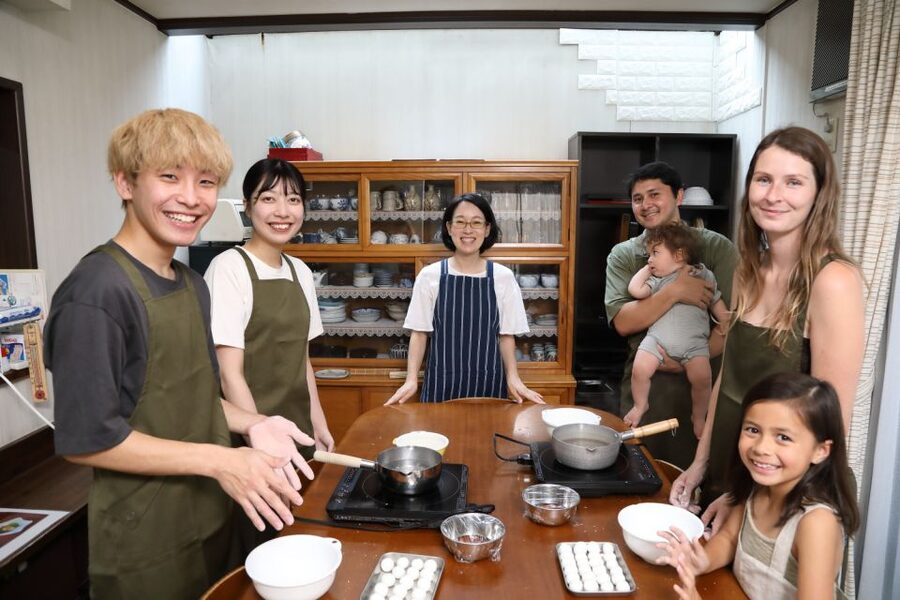
At $127 per person, this is not a budget lunch. The price includes four hours of instruction, lunch, all ingredients and seasonings, the supermarket walk, and recipes for the dishes you prepare.
I judge the value by what you take away. You are not paying only for a meal. You receive instruction from an English-speaking licensed guide interpreter, hands-on practice, a traditional home setting, a garden-view lunch, and help understanding Japanese supermarket products.
The small group is important here. With a maximum of six participants, the cost buys more direct attention than a large cooking demonstration. You may also save yourself the frustration of trying to identify unfamiliar products or reproduce a technique from a vague online recipe.
The value is strongest for people who will actually cook again. If you want a one-time cultural outing and do not care about recipes, the price may feel high. If you enjoy cooking and plan to make Japanese food at home, the supermarket guidance and recipe collection make the fee easier to justify.
Who should book this class
I would choose this class for:
- First-time visitors who want to see inside a traditional Japanese home.
- Home cooks who want practical Japanese recipes rather than a simple tasting.
- Couples, friends, and solo participants who prefer a small group.
- Vegetarians and vegans who can notify the provider in advance.
- Families with children aged six and older, with a guardian for children aged 12 and below.
- Anyone staying near Fushimi Inari who wants to pair sightseeing with a local food experience.
It is less suitable if you need wheelchair access, since the activity is not suitable for wheelchair users. It also may not work well for very young children, because those under six cannot participate.
The class is conducted in English, but non-English speakers are also welcome according to the activity information. Since the instruction and explanations are in English, participants should be comfortable following an English-language lesson.
Planning the four hours
The class begins with dashi and an explanation of the cooking process. You then watch demonstrations and prepare the menu with the instructor’s help. Lunch follows in the Japanese room, and the final part is the supermarket visit.
Starting times vary, so check availability before booking. Hotel pickup and drop-off are not included. You need to make your own way to the class location near Fushimi Inari, and the supplied information does not include a transport service.
The activity offers free cancellation up to 24 hours before the start time, with a full refund. You can also reserve now and pay later, which helps if your Kyoto schedule is still changing.
Small details that make the experience work
Miho is the instructor named in several class accounts, and her teaching style is described as direct, patient, friendly, and clear. That combination matters in a cooking lesson. You want enough guidance to avoid mistakes, but also enough freedom to do the work yourself.
The class also seems suited to people who are unsure about Japanese cooking. Participants have prepared dishes they did not expect to manage, including sushi, tempura, mochi, and rolled egg. The important point is that the instructor demonstrates the steps and guides you through them rather than leaving you to guess.
The menu can be adjusted for vegetarian cooking with advance notice. Since seasonal changes affect the menu, you should treat the class as a chance to learn a style of cooking rather than a guarantee of one particular dish.
Bring socks, plan for a four-hour activity, and leave room in your schedule for the supermarket stop. If you want to purchase ingredients, bring enough space in your bag and allow for the fact that the activity does not include hotel transport.
Should you book it?
Book this class if you want more than a Japanese meal. The strongest reasons are the traditional home, the garden-view lunch, the small English-speaking group, and the supermarket lesson that helps you continue cooking after Kyoto.
I would skip it if you dislike hands-on activities, have strict mobility limitations, or want a short food stop between major sights. For most food-minded visitors, though, $127 buys a personal and useful four hours. You eat what you make, learn why it tastes the way it does, and finish with a clearer idea of how to shop for Japanese ingredients at home.
FAQ
How long does the Kyoto home cooking class last?
The experience lasts four hours, including the cooking lesson, lunch, and local supermarket visit.
Where does the cooking class take place?
It takes place in a traditional Japanese home near Fushimi Inari on Honshu, Japan.
How many people can join the class?
The group has a maximum of six participants.
Is the class taught in English?
Yes. The class is conducted entirely in English, and the instructors are licensed guide interpreters.
What food will I prepare?
You will prepare about five dishes, but the menu changes with the season. Examples include dashi-based soup, tempura, sushi, Japanese omelet, salad, dessert, and mochi.
Is lunch included?
Yes. Lunch is included, along with all seasonings and ingredients used in the class.
Can vegetarians and vegans participate?
Yes. The class uses vegetarian dashi and welcomes vegetarian and vegan participants. Tell the provider about your dietary needs in advance.
Can children join the class?
Children under six cannot participate. Children aged 12 and below must join with a guardian.
What should I bring?
Bring socks. Hotel pickup and drop-off are not included, and the activity is not suitable for wheelchair users.
Recently added around Kyoto
- Higashiyama | Kyoto: Sakura Season Private Rickshaw Tour★ 5.0 · 3 reviews
- Kyoto Kimono Rental CHAMATSU|Kimono/Yukata Rental FamilyPlan★ 5.0 · 3 reviews
- Nara Private Customizable Half Day Tour★ 5.0 · 3 reviews
- Kyoto: Half-Day Private Guided Tour to the Old Town of Gion★ 4.4 · 3 reviews
- Kansai Region Hiking Adventure in Nara Kobe Kyoto and More★ 5.0 · 3 reviews
- Full Day Nara Deer, Temple, Shrine, Activities & Tea Ceremony★ 5.0 · 3 reviews
- Nara: Essential Private Tour with Deer Park and Temples★ 5.0 · 3 reviews
- Hiking Tour for Sacred Sites in Kyoto with a Guide★ 5.0 · 3 reviews
Cooking Classes, compared.
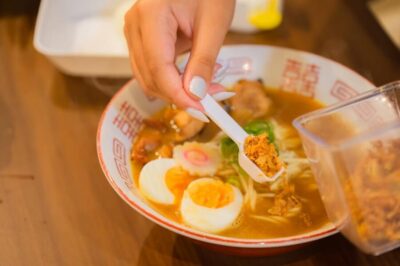
Ramen Cooking Class at a Ramen Factory with Souvenir
Read our review →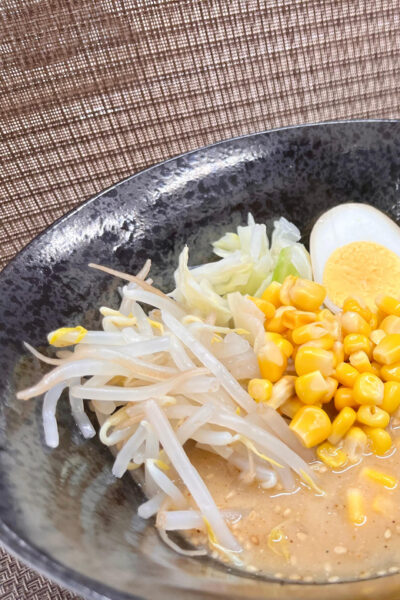
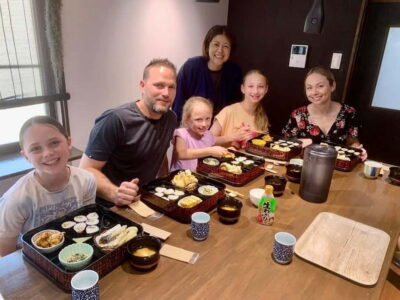
Japanese Washoku Bento Small Group Cooking Class
Read our review →
Kyoto Ramen and Gyoza Cooking Class with Professional Chefs
Read our review →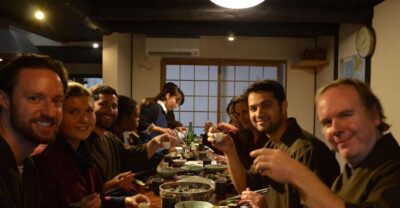

Gyoza Cooking Class in Kyoto: Traditional Japanese Dumplings
Read our review →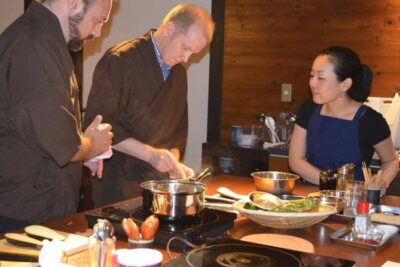
Browse the lists this tour appears in