
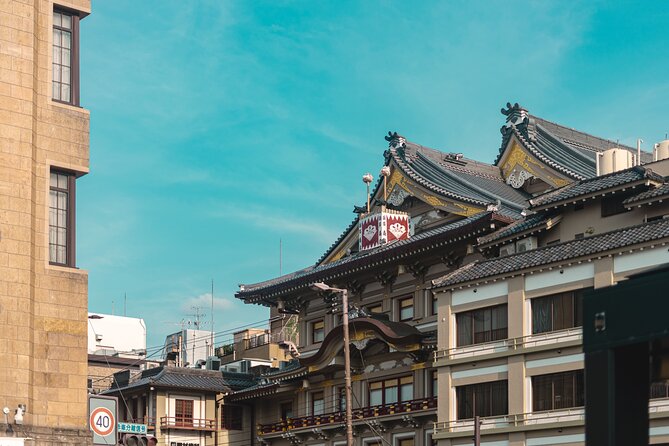
REVIEW · GION GEISHA DISTRICT TOURS
Kyoto Gion Cultural Walk & Geisha Show with Dining Options
Kyoto’s geisha districts make far more sense once someone explains what you’re seeing. This small-group tour takes you through Gion, then brings you close to a maiko, a geisha apprentice, for dance, conversation, and photographs where permitted. I like the clear cultural context and the chance to ask questions directly. The possible catch is that the meal is not the main event, and some diners may find the lunch portions modest.
I also like the group size, limited to eight people, and the choice of morning lunch, afternoon tea, or evening dinner. Guides such as Kenta, Ken, and Akari are praised for careful explanations and strong English. You should be comfortable walking for up to two hours, and large bags are not allowed.
In This Review
- Key points at a glance
- Why this Gion experience is different
- Starting at the Izumo-no-Okuni statue
- Walking through Gion for up to two hours
- Learning the difference between geiko, maiko, and geisha
- Meeting a maiko in Miyagawasuji
- Choosing lunch, afternoon tea, or dinner
- How much value do you get for $108?
- Who should book this experience?
- Practical advice before you go
- Should you book the Gion Cultural Walk and Geisha Show?
- FAQ
- Where does the tour meet?
- How long does the experience last?
- What language is the tour conducted in?
- How many people are in the group?
- What dining options are available?
- What is included with the maiko meeting?
- Can I bring luggage?
- Is the tour suitable for people with mobility impairments?
Key points at a glance
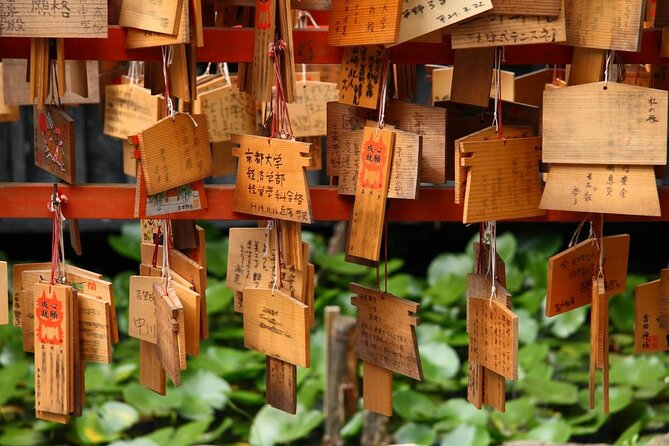
- Meet near the Izumo-no-Okuni statue: The tour begins outside exit 4 of Keihan Gion-Shijo Station, a useful central meeting spot.
- See Gion with context: The walk covers the history, rituals, training, and present-day role of geiko and maiko.
- Spend time with a maiko: The 50-minute meeting includes questions, a performance, and one or two songs.
- Choose your meal time: Select lunch at 10:30 AM, tea at 2:30 PM, or dinner at 6:30 PM.
- Keep the group personal: With no more than eight participants, it is easier to hear the guide and ask questions.
- Plan for walking: The experience is not suitable for people with mobility impairments, and large luggage must stay behind.
Why this Gion experience is different
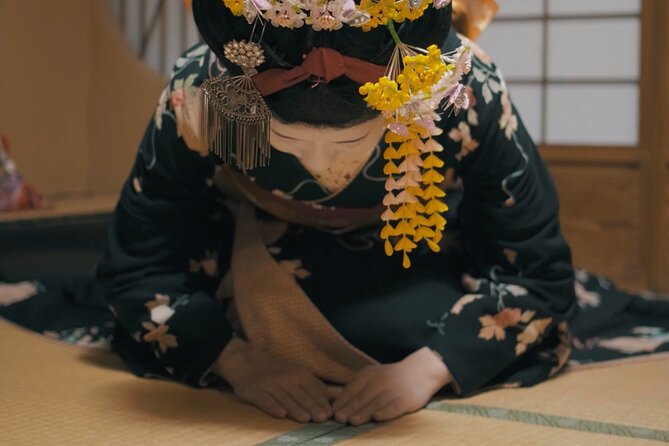
Many people arrive in Kyoto with a picture of geisha culture shaped by films and old Western stereotypes. This tour works to replace that picture with a more careful explanation of geiko and maiko life, training, work, and place in Kyoto’s entertainment districts.
The first half is a guided walk. The second half moves indoors for a performance and question session with a maiko. That combination matters. You are not simply watching a staged cultural show, and you are not only looking at old lanes without explanation. You get both the setting and a chance to ask about the person standing in front of you.
I especially value the way the tour treats the subject with respect. Guides explain how to behave around the districts and help you understand that these are working neighborhoods, not theme parks. One guide, Kenta, is repeatedly praised for explaining the difference between geiko, maiko, and geisha in accessible English. Akari is also noted for her warmth and ability to answer questions clearly.
The experience is rated five out of five from 518 bookings, but the useful point is not the number alone. The same strengths keep appearing: the guides explain well, the walk is easy to follow, the maiko meeting feels special, and the performance gives the evening or afternoon a memorable finish.
More evenings in Gion:
- Kyoto Geisha Walking Tour: Gion District & Hidden Gems
★ 4.7 · 3,273 reviews - Kyoto: Gion Magical Night Walking Tour with Geisha Trivia
★ 4.9 · 2,393 reviews - Kyoto: Gion Geisha District Walking Tour – Stories of Geisha
★ 4.7 · 2,187 reviews
Starting at the Izumo-no-Okuni statue
You meet in front of the statue of Izumo-no-Okuni near exit 4 of Keihan Gion-Shijo Station. This is a practical start because the station is in the middle of Kyoto’s southern Higashiyama area, close to the traditional entertainment districts.
Give yourself enough time to find the correct station exit. The meeting point is outdoors by the statue, not inside a restaurant or hotel. Since the group is small, arriving late could be more troublesome than on a large bus tour.
The statue honors Izumo-no-Okuni, a performer associated with the origins of kabuki. That makes it a fitting place to begin a tour about Kyoto’s performing arts. Your guide uses the opening section to set up the story before you enter the lanes of Gion.
Do not bring a suitcase or large backpack. The activity specifically excludes large bags, and narrow streets and dining rooms are easier to manage with only a small day bag.
Walking through Gion for up to two hours
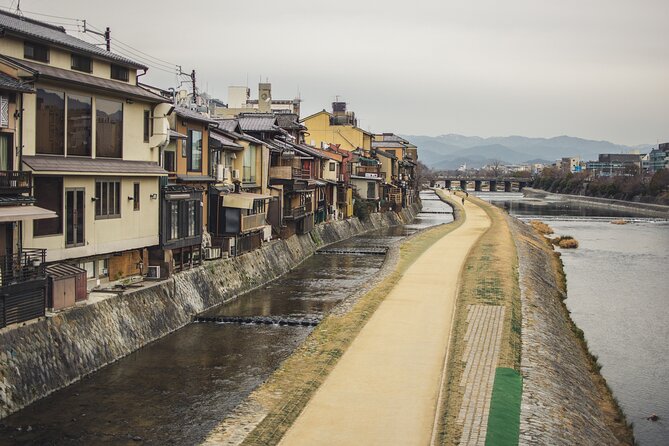
The walking section lasts about 1.5 hours, with the full walk described as lasting between 1.5 and 2 hours. You move through Gion and nearby areas while the guide explains the district’s customs and the work carried out by geiko and maiko.
This is where the tour earns much of its value. Gion can look like a collection of pretty wooden buildings and quiet lanes, but its meaning is not obvious from the outside. Your guide explains the schools, training, rituals, and rules that shape the profession. The point is not just to spot a performer in traditional dress. It is to understand the years of study behind music, dance, conversation, manners, and presentation.
The walk may also include temples, shrines, and the school area connected with geiko and maiko training. Exact sights can vary, but the route is built around the historical districts rather than a long list of unrelated attractions. You can ask questions as you go, and guides such as Ken and Kenta have been praised for making the walk feel like a conversation instead of a lecture.
Miyagawasuji is another important part of the setting. It is one of Kyoto’s traditional entertainment areas, and seeing it alongside Gion helps you understand that Kyoto has more than one district connected with geiko culture. Some tour times pass through the streets after dark, while daytime departures offer easier views of buildings and street details.
I would choose a daylight departure if your main goal is to see architecture and get your bearings. An evening walk has a different mood, with quieter lanes and lantern-lit streets, but it can be harder to notice details. One useful piece of advice is to avoid treating the walk as a photo hunt. The guide’s explanation is the point, and respectful behavior is part of the lesson.
The walking pace is described as moderate, but this is still a three-hour activity with substantial time on foot. It is not suitable for people with mobility impairments. Wear shoes you can walk in comfortably, and do not assume you will be able to sit often during the first half.
Learning the difference between geiko, maiko, and geisha
The terms can be confusing. In Kyoto, geiko refers to a professional female entertainer trained in traditional arts, while maiko refers to an apprentice. Geisha is a broader term widely used outside Kyoto, though the local language and customs matter.
The exact explanation is one of the most useful parts of the tour because it moves beyond costume. You learn about training, performance, etiquette, and the demands of maintaining this way of life. Guides also address common misconceptions, including the false idea that geisha are simply entertainers in fancy clothes or characters from popular movies.
This background changes the way you watch the later performance. The kimono, hairstyle, makeup, movements, music, and songs are not separate decorations. They are parts of a disciplined art form. You do not need prior interest in Japanese theater to appreciate the skill, but curiosity will make the experience more rewarding.
The tour also gives you a better sense of the difference between observing someone in the street and meeting her in a structured setting. The latter allows questions and conversation without encouraging the sort of intrusive behavior that can make public encounters uncomfortable.
A few more Kyoto experiences worth comparing
- Kyoto Gion Cultural Walk & Geisha Show with Dining Options
★ 5.0 · 483 reviews - Dinner with Maiko in a Traditional Kyoto Style Restaurant Tour
★ 5.0 · 175 reviews - Kyoto: Geisha Dinner & Gion Cultural Walk
★ 5.0 · 73 reviews - Private Dinner with a Geisha
★ 5.0 · 65 reviews
Meeting a maiko in Miyagawasuji
After the walk, you meet a maiko at a performance venue in or around Miyagawasuji. This portion lasts about 50 minutes and includes a question session, the performance, and one or two songs.
The meeting is the emotional center of the experience. You have time to ask about her routine, training, work, and life in the profession. The supplied details do not promise a fixed list of questions or a particular performer every time, so you should expect the person and exact presentation to vary.
The strongest practical point is the format. This is not a quick appearance followed by a rushed photograph. The question period gives you room to understand the person behind the formal presentation. Several participants describe the maiko as patient, poised, interactive, and good-humored, which suggests that the exchange is designed to be friendly while still respectful.
Photography is allowed in some circumstances, but you should follow the guide’s instructions. One participant specifically chose not to share photographs online after being asked not to do so. That is an important reminder: a permitted picture for personal memory does not automatically mean permission to post it publicly.
The maiko then performs traditional dances, with one or two songs included in the session. This is a live cultural presentation rather than a large stage production. You are close enough to notice the controlled movement, costume, and presentation, so the performance feels personal and focused.
If you expect a long theatrical show, you may find the 50-minute format short. If you want an introduction with conversation rather than a full evening of stage entertainment, the length works well. The performance is brief enough to fit into a busy Kyoto schedule and substantial enough to give the meeting real shape.
Choosing lunch, afternoon tea, or dinner
The tour has three dining options, and your choice changes the feel of the afternoon or evening.
The 10:30 AM option includes a Japanese lunch plate. This is useful for early risers or for anyone who wants the rest of the day free for temples and shopping. Lunch also gives families a practical way to fit the activity into a sightseeing schedule. The food is described as well arranged and tasty, though one participant found the meal less filling than expected.
The 2:30 PM option includes a cup of tea. This is the lightest choice and makes sense if you already have lunch plans or want to keep the tour focused on the walk and meeting. Tea also suits people who prefer not to commit to a full Japanese meal during a three-hour cultural activity.
The 6:30 PM option includes dinner served as eight sharing plates. The portions are described as small courses, which is normal for a multi-dish Japanese meal, but you should not book it expecting a huge dinner. The format lets you sample several foods while speaking with the maiko and other members of the group.
Some descriptions characterize the dinner as kaiseki style, with carefully arranged courses. The exact menu is not specified, so avoid choosing the evening option solely for a particular dish. Choose it for the overall combination of food, conversation, and performance.
Drinks and tea may be available as part of the selected meal arrangement, but the included details specifically promise a cup of tea for the tea option and dinner sharing plates for the evening option. Check the selected package carefully before booking if you have dietary needs or want a particular drink included.
How much value do you get for $108?
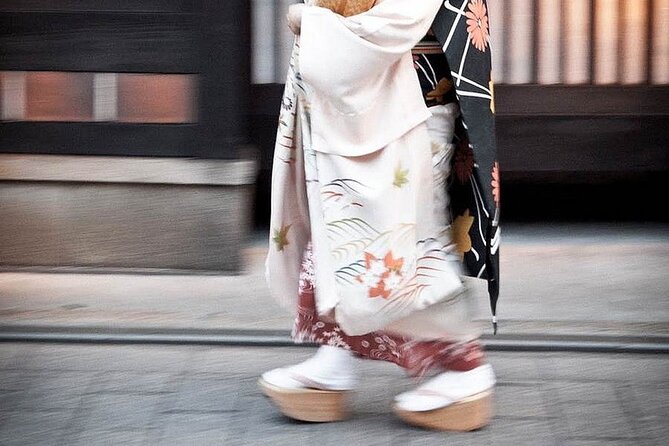
At $108 per person, this is not a bargain walking tour, but it bundles several costly elements: a live English-language guide, a small group, a substantial district walk, a private-style meeting with a maiko, a dance performance, and food or tea.
The value is strongest if you would otherwise struggle to arrange an encounter with a maiko. Gion is easy to visit independently, but seeing the streets does not explain the training system or give you a respectful question session. The guide provides access and context that a self-guided stroll cannot easily match.
The small group also matters. With up to eight participants, you are less likely to disappear at the back of a crowd, and you should have a realistic chance to ask questions. Several guides, especially Kenta, Ken, and Akari, receive strong praise for answering questions and speaking clear English.
The meal should be treated as part of the setting rather than the full financial justification. Lunch may be light, and dinner consists of eight sharing plates rather than one large serving. If you want a major food experience, book a separate restaurant meal. If you want food to make the cultural meeting more comfortable and social, the included option does its job.
Free cancellation is available up to 24 hours before the activity for a full refund, and you can reserve now and pay later. Those terms are useful when arranging a Kyoto schedule around weather, train plans, or other timed attractions.
Who should book this experience?
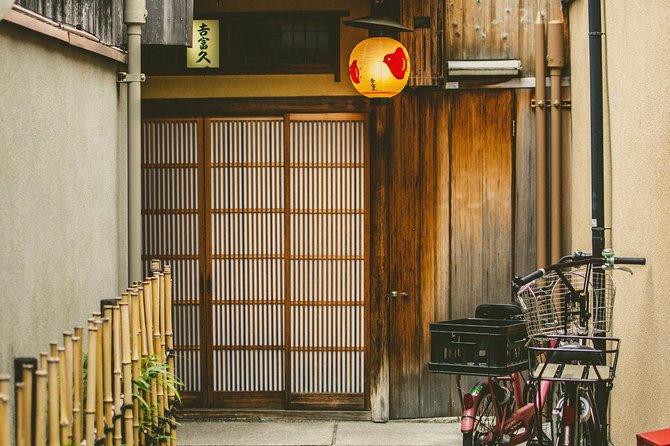
I would recommend it most strongly to first-time Kyoto visitors who want a clear introduction to geiko and maiko culture. It also suits people who enjoy asking questions, learning local etiquette, and seeing how a living tradition fits into a modern city.
Families with older children may find it memorable and educational. One parent specifically valued the cultural lesson for children, though the length of the walk and the formal setting may not suit very young kids.
This is also a good match for visitors who have already seen Kyoto’s famous temples and want something different. You still get historic streets, shrines, and district architecture, but the focus is on people, performance, and social customs.
You may want to skip it if you dislike group activities, have difficulty walking, or mainly want a large-scale stage show. It is also not the right choice if your priority is a long, filling dinner. The strongest reasons to book are the explanations, the small group, the direct conversation, and the close performance.
Practical advice before you go
Arrive at the statue near Keihan Gion-Shijo Station with enough time to locate exit 4. Keep your belongings small, since luggage and large bags are not permitted.
Bring questions. Ask about training, daily routines, music, dance, clothing, or the difference between geiko and maiko. A prepared question helps you make better use of the limited meeting time.
Listen carefully to the guide’s instructions about photography and conduct. The tour is built around respect for a working cultural community, not simply access to people in traditional dress.
Choose the time slot based on your full Kyoto plan. Daylight is best for seeing street details. Tea is the lightest food option. Lunch leaves your evening open. Dinner creates the most complete evening outing, but the meal is a series of small shared dishes.
Should you book the Gion Cultural Walk and Geisha Show?
Yes, if you want more than a quick glimpse of a woman in a kimono. The combination of a guided walk, cultural explanation, maiko conversation, live dance, and meal or tea gives you a fuller picture of Kyoto’s traditional entertainment world.
Book it with realistic expectations. You are getting a focused 50-minute meeting, not an all-night performance, and the food is an accompaniment rather than the central attraction. For most people, the best value comes from the access and careful interpretation provided by guides such as Kenta, Ken, and Akari.
At $108, I would put this high on a Kyoto list for anyone curious about geiko and maiko culture. Choose daylight for street detail, dinner for a complete evening, or tea if you want the most compact version of the experience.
FAQ
Where does the tour meet?
Meet in front of the statue of Izumo no Okuni near exit 4 of Keihan Gion-Shijo Station in Kyoto.
How long does the experience last?
The activity lasts three hours, or 210 minutes. The walking portion takes about 1.5 to 2 hours, followed by a 50-minute maiko meeting and performance.
What language is the tour conducted in?
The tour is conducted in English with a live English-speaking guide.
How many people are in the group?
The group is limited to eight participants.
What dining options are available?
You can choose Japanese lunch at 10:30 AM, an afternoon tea break at 2:30 PM, or dinner at 6:30 PM.
What is included with the maiko meeting?
The 50-minute session includes a question-and-answer period, a maiko performance, and one or two songs.
Can I bring luggage?
Large bags and luggage are not allowed on the activity.
Is the tour suitable for people with mobility impairments?
No. The experience is not suitable for people with mobility impairments because it includes an extended walking tour.
More Walking Tours in Kyoto
- Night Walk in Gion: Kyoto’s Geisha District
★ 4.5 · 2,003 reviews - Kyoto Gion Geisha District Walking Tour – The Stories of Geisha
★ 5.0 · 1,441 reviews - Nishiki Market Brunch Walking Tour (7 Tastings + Brunch)
★ 5.0 · 1,355 reviews - Kyoto Arashiyama Walking Tour: Bamboo, Monkeys, Gardens & Secrets
★ 5.0 · 1,216 reviews
More Dining Experiences in Kyoto
- Kyoto Evening Gion Food Tour Including Kaiseki Dinner
★ 5.0 · 62 reviews - Kyoto: Maiko Dinner in Traditional Restaurant and Tour
★ 4.8 · 55 reviews - Kyoto: Lunch or Dinner with Maiko
★ 4.2 · 52 reviews - Private Dinner with Maiko and Geiko in Kyoto
★ 5.0 · 28 reviews
Recently added around Kyoto
- Higashiyama | Kyoto: Sakura Season Private Rickshaw Tour★ 5.0 · 3 reviews
- Kyoto Kimono Rental CHAMATSU|Kimono/Yukata Rental FamilyPlan★ 5.0 · 3 reviews
- Kyoto: Half-Day Private Guided Tour to the Old Town of Gion★ 4.4 · 3 reviews
- Nara Private Customizable Half Day Tour★ 5.0 · 3 reviews
- Kansai Region Hiking Adventure in Nara Kobe Kyoto and More★ 5.0 · 3 reviews
- Full Day Nara Deer, Temple, Shrine, Activities & Tea Ceremony★ 5.0 · 3 reviews
- Nara: Essential Private Tour with Deer Park and Temples★ 5.0 · 3 reviews
- Hiking Tour for Sacred Sites in Kyoto with a Guide★ 5.0 · 3 reviews
Gion Geisha District Tours, compared.

Kyoto Geisha Walking Tour: Gion District & Hidden Gems
Read our review →
Gion Magical Night Walking Tour with Geisha Trivia
Read our review →
Gion Geisha District Walking Tour – Stories of Geisha
Read our review →
Best of Kyoto: Gion, Geisha, Pagodas & Cobblestones
Read our review →
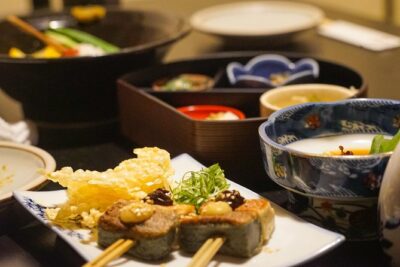
Kyoto Night Foodie Tour in Gion (9+ dishes + 6 Sake tastings)
Read our review →
Kyoto Gion Geisha District Walking Tour – The Stories of Geisha
Read our review →
Kyoto Gion: 2-Hour Geisha Culture & History Walking Tour
Read our review →Browse the lists this tour appears in