
REVIEW · GION GEISHA DISTRICT TOURS
Kyomai Dance by Maiko Geiko and Visits of Gion Art Museum Kyoto
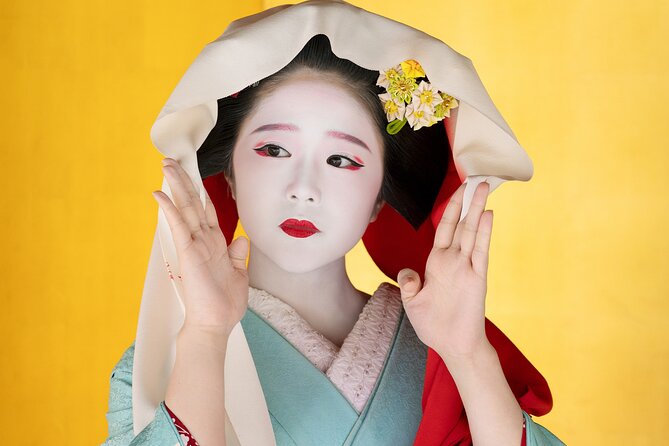
A maiko or geiko steps into a banquet-room setting and performs two Kyomai dances in the Inoue style. This is the main event: a close look at the controlled gestures, formal posture, and quiet drama of Kyoto’s geiko culture, not a long stage show packed with spectacle.
I like two things here. The dance is intimate, and the museum gives you useful context before or after the performance. I also like the setting, with its beautiful garden and displays of hand-painted Yuzen kimono, Nishijin brocade obi, seasonal hair ornaments, and maiko makeup. The tradeoff is simple: the performance lasts only about 15 minutes, so anyone expecting a full evening of entertainment may find it too brief.
In This Review
- Key Points to Know Before You Go
- Why the Short Kyomai Performance Matters
- Starting at Gion Kagai Art Museum
- The Permanent Exhibit: Costumes, Makeup, and Daily Culture
- Watching the Maiko or Geiko Up Close
- Is the 20-Minute Visit Good Value at $20?
- Who Will Get the Most from This Experience?
- Booking, Timing, and Small Practical Details
- Should You Book the Gion Kyomai Dance?
- FAQ
- How long does the Kyomai dance experience last?
- What does the ticket include?
- Who performs the Kyomai dance?
- Are photographs allowed during the dance?
- Where does the experience begin and end?
- Do I need to remove my shoes?
- What is the cancellation policy?
Key Points to Know Before You Go
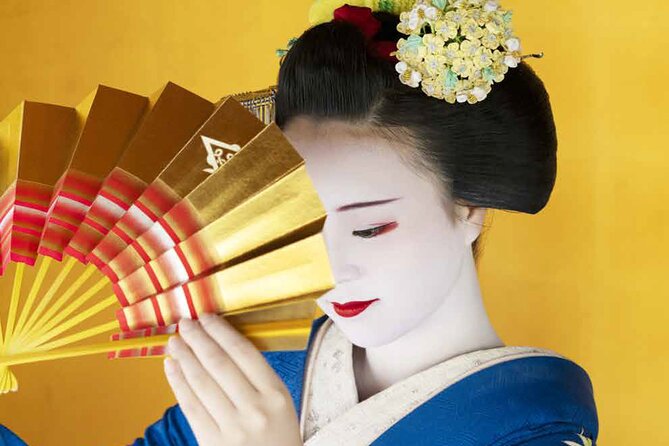
- Two Kyomai dances in about 15 minutes: A maiko or geiko performs in the Inoue style, close enough for you to notice small movements and details.
- Museum admission is included: Explore exhibits on geiko and maiko culture without paying a second entrance fee.
- A useful first taste of Gion culture: The experience works well if you have limited time or are unsure about booking a longer cultural evening.
- Beautiful costume displays: Look for Yuzen kimono, Nishijin obi, seasonal kanzashi, black crested kimono, makeup, and personal belongings.
- Shoes must be removed: One visitor specifically noted this practical detail, so wear socks and footwear you can take off easily.
- Photography has limits: Photos of the dance are not allowed, and a separate photo session costs 2,000 yen per group of up to five people.
Why the Short Kyomai Performance Matters
Kyomai means Kyoto Mai, or Kyoto dance. It is a formal dance tradition shaped for the refined entertainment culture of Kyoto’s kagai districts. Here, you see the Inoue style, the dance school associated with Gion Kobu.
The performance is quiet and deliberate. Do not expect a musical, a theatrical plot, or a parade of performers. A single maiko or geiko presents two songs, using measured steps, controlled arm movements, and subtle changes in expression. The small gestures are the point.
I think the short length works well for many people. You can see a traditional art form without giving up half a day, and the performance fits neatly into a visit around Gion. It also makes a good first-night activity, when you want something distinctly Kyoto but still have energy for dinner or an evening walk.
The same short length can disappoint if you want a fuller presentation. One critical assessment described the dance as simple and lacking energy. That reaction is understandable if you prefer fast-moving shows. Go in expecting grace and restraint, and you are more likely to appreciate what you are seeing.
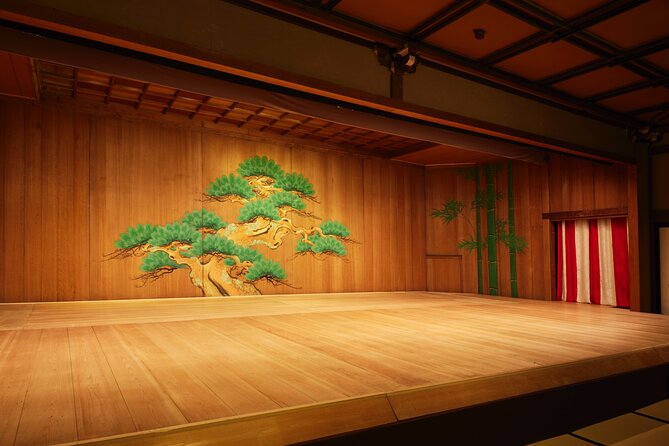
The show is held in an atmospheric banquet-room environment rather than a large modern theater. That setting helps you focus on the performer and the details of the costume. Seating and sightlines are described as close, with one account noting that each show accommodates roughly 40 to 50 people. The activity itself lists a maximum of 25 travelers, so the exact audience size may depend on the scheduled session.
More evenings in Gion:
- Kyoto Geisha Walking Tour: Gion District & Hidden Gems
★ 4.7 · 3,273 reviews - Kyoto: Gion Magical Night Walking Tour with Geisha Trivia
★ 4.9 · 2,393 reviews - Kyoto: Gion Geisha District Walking Tour – Stories of Geisha
★ 4.7 · 2,187 reviews
Starting at Gion Kagai Art Museum
The meeting point is Gion Kagai Art Museum, also identified as Yasaka Club, at 570-2 Gionmachi Minamigawa in Kyoto’s Higashiyama Ward. The activity begins and ends at this same location, which makes the visit easy to fit into a day spent in Gion.
The museum is located in the Gion Kobu quarter, one of Kyoto’s traditional kagai districts. Kagai refers to the neighborhoods connected with geiko and maiko arts, performances, dining, and hospitality. You are not simply visiting a general costume museum. The displays are tied to the working cultural world represented by the dancers you see.
Admission and the dance are covered by the ticket. The itinerary lists the theater stop with free admission and the museum admission as included, so you should not need to buy a separate entry ticket for the core experience.
Plan to arrive early enough to see the exhibits before the performance. This is the best way to make the dance feel less like a quick photo stop and more like a cultural visit. One useful suggestion is to read about geiko and maiko customs first, then watch the dance with an idea of what the costume, posture, and movements represent.
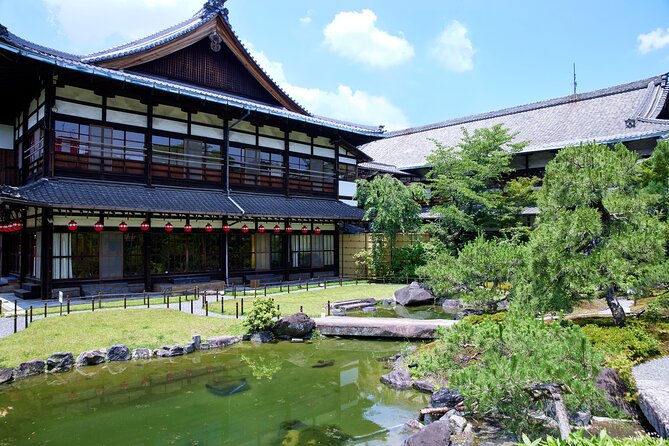
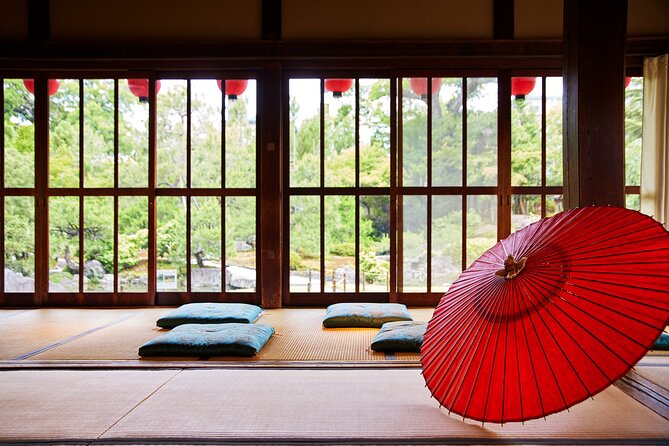
You must remove your shoes before entering the building. That is easy to manage, but it is the sort of detail that can catch you off guard if you arrive in complicated footwear. The museum also has a garden, which gives you a pleasant place to pause before or after the show.
The Permanent Exhibit: Costumes, Makeup, and Daily Culture
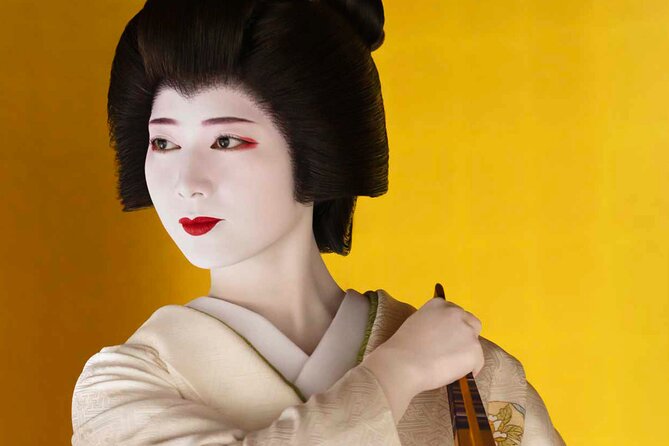
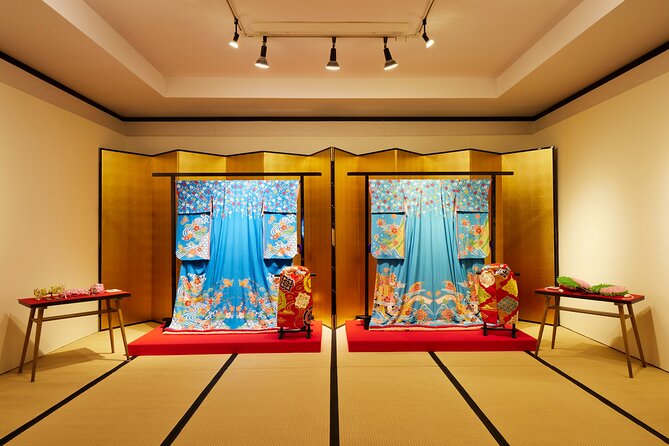
The permanent collection introduces the world of Kyoto’s geiko and maiko through objects rather than long explanations alone. You can see hand-painted Yuzen kimono, Nishijin brocade obi sashes, personal belongings, and the makeup associated with maiko.
The kimono displays are especially helpful because the clothing is not just decoration. Fabric, pattern, color, and season all matter in Kyoto’s traditional arts. The collection includes seasonal kanzashi, the decorative hair ornaments worn by maiko. These ornaments change with the time of year, so they offer a small but telling look at how seasonal awareness shapes the culture.
You can also see black crested formal kimono, items that are rarely visible in the Gion quarter itself. Geiko and maiko may be encountered in Kyoto, but their work takes place in private or semi-private settings. The museum provides a respectful way to learn about their clothing and tools without treating the women themselves as public exhibits.
The displays also help explain the difference between seeing a costume in a glass case and seeing it worn in motion. A kimono can look elaborate when stationary, but the dance shows how sleeves, fabric, and posture work together. If you rush straight to the performance, you lose some of that connection.
Families should set expectations carefully. The garden may give children a place to move around, but the museum material may not hold the attention of young children for long after the dance. A ten-year-old enjoyed the full visit, but younger children may need a short explanation before entering and a little freedom in the garden afterward.
Watching the Maiko or Geiko Up Close
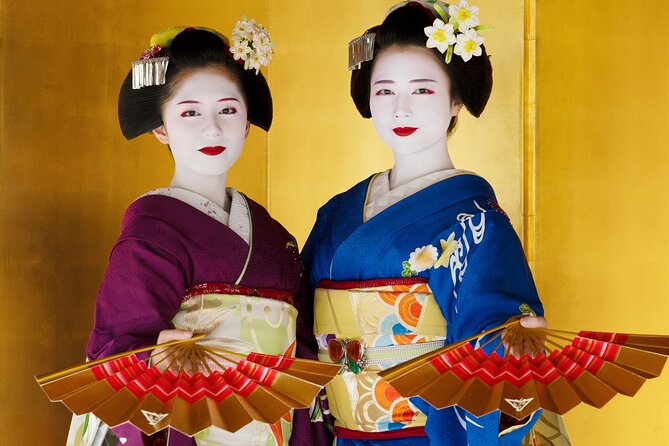
The central performance lasts approximately 15 minutes and includes two songs. A geiko or maiko performs the Kyomai dance, rather than a large group of dancers or a rotating cast.
The close setting is valuable. From a nearby seat, you can notice the movement of the hands, the position of the head, the line of the sleeves, and the way the dancer holds herself. These details can disappear in a large theater, especially if you are seated far from the stage.
You should also remain quiet during the dance. One detailed account specifically advised families to keep children calm, and that is good advice for everyone. The performance depends on silence and concentration. It is not the place for conversation, repeated phone checks, or casual movement in and out of the room.
Photography of the dance is not allowed. You can purchase a separate photo session for 2,000 yen per group, with a maximum of five people. That extra charge matters if your main goal is a posed photograph with the performer. If you mainly want to watch the dance, the included ticket gives you the essential experience without that added cost.
The no-photo rule may feel strict in a culture-heavy visit, but it also keeps the performance from turning into a camera contest. You are asked to watch the short presentation as it happens. If a photo session is important to you, decide before arriving so you can budget for it.
More museums in Kyoto:
- Kyoto: Tea Museum Tickets and Matcha Grinding Experience
★ 4.9 · 739 reviews - Skip the lines Basic Ticket at SAMURAI NINJA MUSEUM KYOTO
★ 4.5 · 632 reviews - Kyoto : Geiko Maiko Dance of Kyoto & Visits of Gion Museum
★ 4.6 · 415 reviews - Kyoto Sword Experience – includes Museum Ticket/Ninja Experience
★ 4.5 · 149 reviews
Is the 20-Minute Visit Good Value at $20?
At $20, this experience is priced as a compact cultural activity rather than a full evening show. The ticket covers museum admission, the dance, and all listed fees and taxes. You are paying for two connected pieces: a live Kyomai performance and access to a specialized museum.
The value is strongest if you already plan to spend time in Gion and want a clear cultural stop between walks, meals, or temple visits. You do not have to commit to a long dinner with entertainment, and you get a direct introduction to geiko and maiko traditions.
The value is less convincing if you judge the ticket only by minutes of performance. The dance itself is about 15 minutes, and the overall activity is roughly 20 minutes, though you should allow extra time for the exhibits and garden. Someone seeking a long, elaborate stage production may consider the show too basic for the price.
I would treat the museum as part of the value, not as a waiting room. Read the labels, look carefully at the obi and hair ornaments, and give yourself enough time to understand what you will see on stage. The visit becomes more worthwhile when you use the collection to prepare your eye for the performance.
There may be multiple performance times during the day, according to practical information associated with the experience. That flexibility can help you fit the visit around Kyoto sightseeing. It is also worth checking the direct museum price before booking, since one useful suggestion was that buying at the museum may sometimes cost less. Compare the current rates, then choose the option that gives you the timing and cancellation terms you need.
Who Will Get the Most from This Experience?
I would recommend this for someone who wants a first taste of geiko and maiko culture without making a large time commitment. It suits solo visitors, couples, older children who can sit quietly, and anyone with a strong interest in traditional Japanese clothing and dance.
It is also a good choice for a first evening in Kyoto. The visit is short, central to a Gion outing, and easy to pair with dinner or a walk through the district. You get an organized introduction before trying to make sense of Kyoto’s traditional entertainment culture on your own.
You may want something longer if you already know a great deal about Kyomai or have attended similar performances. The museum remains useful, but the dance is not designed as a full lecture or extended concert.
This is not a tour with a named guide leading you through the streets. The experience is centered on the museum, the exhibits, and the scheduled performance. If you want background in English throughout the visit, check what explanatory material is available at your chosen time rather than assuming a live guide is included.
Most people can participate, and service animals are allowed. The site is near public transportation, which makes it practical to reach as part of a Gion day. Because the activity begins and ends at the museum, you are not dependent on a bus or a group transfer afterward.
Booking, Timing, and Small Practical Details
Confirmation is provided at booking, and mobile tickets make entry straightforward. Keep the ticket available on your phone, especially if you are fitting the visit into a busy day.
The maximum group size is listed as 25 travelers. The performance room may accommodate more people in some sessions, but the setting is still intended to keep the dancers visible from nearby seats.
Allow time to visit the permanent exhibit before the dance. If you arrive only minutes before the scheduled performance, you may see the main event but miss much of the museum’s purpose.
Wear socks you are comfortable being seen in, since shoes must come off. Keep your phone quiet, and do not plan to photograph the dance. If you want the optional photo session, bring an extra 2,000 yen per group of up to five people.
Free cancellation is available if you cancel at least 24 hours before the local start time. Cancellations within 24 hours are not refunded, and changes during that period are not accepted. That deadline is worth noting when Kyoto plans are still shifting.
Should You Book the Gion Kyomai Dance?
Book it if you want a short, focused introduction to Kyoto’s geiko and maiko traditions, especially if you value a real performance more than a long show. The museum, garden, costume displays, and close seating make the $20 fare reasonable for many first-time visitors.
Skip it if you need high-energy entertainment or expect an hour-long production. The dance is restrained and brief, and young children may lose interest once the performance ends. For the right audience, though, this is a graceful way to see a part of Gion culture that is normally difficult to access.
FAQ
How long does the Kyomai dance experience last?
The full activity lasts approximately 20 minutes. The Kyomai performance itself lasts about 15 minutes and includes two songs.
What does the ticket include?
The ticket includes admission to Gion Kagai Art Museum, the Kyomai dance performance, and all listed fees and taxes.
Who performs the Kyomai dance?
A geiko or maiko performs the dance in the Inoue style of Kyomai.
Are photographs allowed during the dance?
No. Photography during the dance is not allowed. An optional photo session costs 2,000 yen per group of up to five people.
Where does the experience begin and end?
It begins and ends at Gion Kagai Art Museum, Yasaka Club, at 570-2 Gionmachi Minamigawa, Higashiyama Ward, Kyoto.
Do I need to remove my shoes?
Yes. Shoes must be removed before entering the building.
What is the cancellation policy?
You receive a full refund if you cancel at least 24 hours before the experience start time. Cancellations or changes made within 24 hours are not accepted and are not refunded.
Recently added around Kyoto
- Higashiyama | Kyoto: Sakura Season Private Rickshaw Tour★ 5.0 · 3 reviews
- Kyoto Kimono Rental CHAMATSU|Kimono/Yukata Rental FamilyPlan★ 5.0 · 3 reviews
- Kyoto: Half-Day Private Guided Tour to the Old Town of Gion★ 4.4 · 3 reviews
- Nara Private Customizable Half Day Tour★ 5.0 · 3 reviews
- Nara: Essential Private Tour with Deer Park and Temples★ 5.0 · 3 reviews
- Kansai Region Hiking Adventure in Nara Kobe Kyoto and More★ 5.0 · 3 reviews
- Full Day Nara Deer, Temple, Shrine, Activities & Tea Ceremony★ 5.0 · 3 reviews
- Hiking Tour for Sacred Sites in Kyoto with a Guide★ 5.0 · 3 reviews
Gion Geisha District Tours, compared.
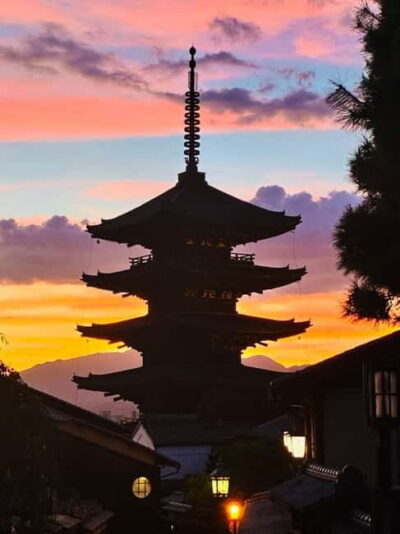
Kyoto Geisha Walking Tour: Gion District & Hidden Gems
Read our review →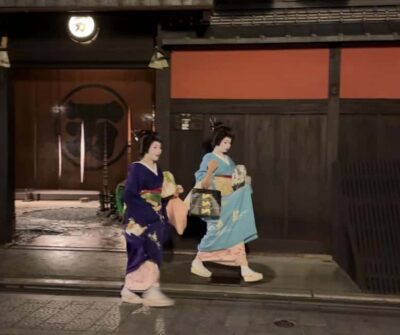
Gion Magical Night Walking Tour with Geisha Trivia
Read our review →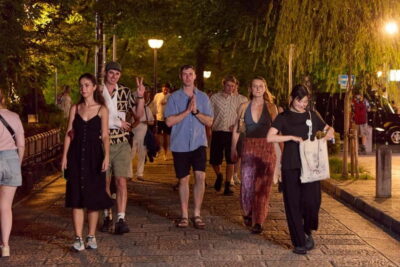
Gion Geisha District Walking Tour – Stories of Geisha
Read our review →
Best of Kyoto: Gion, Geisha, Pagodas & Cobblestones
Read our review →

Kyoto Night Foodie Tour in Gion (9+ dishes + 6 Sake tastings)
Read our review →
Kyoto Gion Geisha District Walking Tour – The Stories of Geisha
Read our review →
Kyoto Gion: 2-Hour Geisha Culture & History Walking Tour
Read our review →Browse the lists this tour appears in