
REVIEW · NISHIKI MARKET FOOD TOURS
Kyoto Nishiki Market Food and Culture Walking Tour
Nishiki Market is where Kyoto’s food culture gets wonderfully hands-on. Along its narrow, five-block passage, you’ll find roughly 130 shops selling pickles, seafood, fruit, sweets, seasonings, and prepared bites. This tour helps you make sense of it all, then adds a shrine, a small temple, and several downtown shopping streets.
I like the small maximum group of six, which gives your guide room to explain unfamiliar foods and adjust the pace. I also like the wider view of Kyoto: guides such as Keiko, Takuma, Annie, Toshi, and Atsu have been praised for explaining local customs as well as food. The main caution is value. At $80.92 per person, the tour makes sense if you want guidance and a filling tasting route, but less so if you mainly want to buy a few snacks and browse alone.
In This Review
- Key points to know before you book
- Starting with Kyoto’s Kitchen at Nishiki Market
- Why a guide changes the market experience
- Nishiki Tenmangu Shrine and the basics of Shinto worship
- Shinkyogoku: Kyoto shopping with a modern edge
- Takoyakushido Eifukuji Temple in ordinary city life
- Teramachi-dori and the final stretch
- What you may eat, and why the menu matters
- Is $80.92 a fair price?
- Timing, group size, and practical details
- Who should book this Kyoto food walk?
- Should you book the Nishiki Market tour?
- FAQ
- How long does the Kyoto Nishiki Market Food and Culture Walking Tour last?
- How many people can join the tour?
- How much does the tour cost?
- Is food included?
- What foods might I try?
- Can the tour accommodate dietary restrictions?
- What places are included besides Nishiki Market?
- Is the tour available in bad weather?
- What is the cancellation policy?
Key points to know before you book
- Nishiki Market takes up most of the tour: Allow about 1 hour and 40 minutes to explore Kyoto’s famous food street.
- The tasting menu can vary: Past food stops have included yuba, soy doughnuts, pickles, omelette, gyoza, fruit, wagyu, minced-meat sandwiches, eel tempura, and drinks.
- The group is capped at six people: On a quiet date, you might receive nearly private attention from your guide.
- Food and culture are combined: The route includes Nishiki Tenmangu Shrine, Takoyakushido Eifukuji Temple, Shinkyogoku, and Teramachi-dori.
- Come hungry, but check your expectations: The food is meant to replace a meal, though some tours may offer fewer paid tastings than you expect.
- Dietary restrictions are a serious limitation: Vegetarian, halal, kosher, gluten-free, and allergy-related requests cannot be accommodated.
Starting with Kyoto’s Kitchen at Nishiki Market
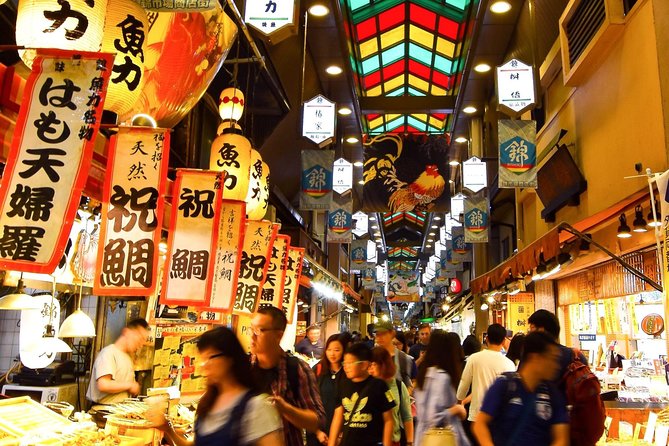
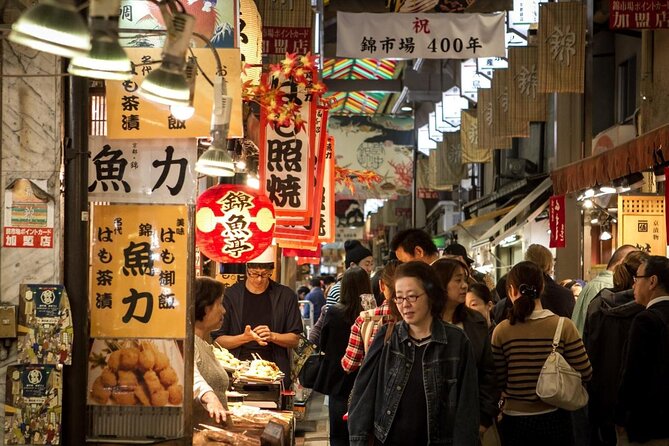
Nishiki Market is the heart of this experience. The covered market runs along a narrow street for about five blocks, with around 130 shops packed close together. It has served Kyoto for roughly 400 years, and it still feels like a working food district rather than a museum display.
Your guide leads you through the busy passage, pointing out ingredients and prepared foods that can be hard to identify on your own. That help matters here. Signs may not explain much in English, and the market offers so many choices that you can spend half your time simply deciding where to stop.
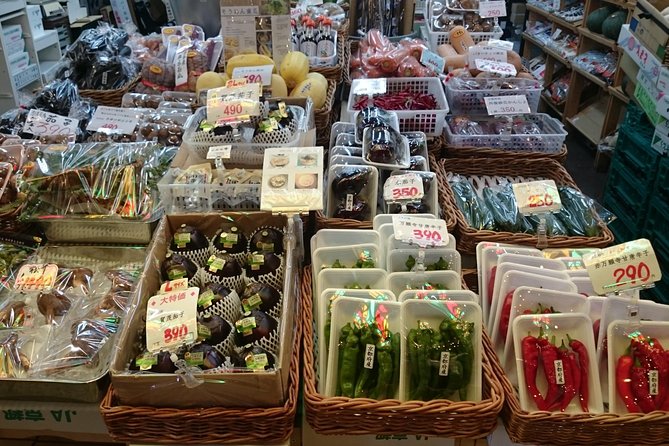
The appeal is not only eating. You’ll see how Kyoto shops present seafood, pickled vegetables, fruit, sweets, seasonings, and other local products. Some food is designed for immediate eating, while other items make good souvenirs. One guide helped a visitor find matcha salt, and another directed a shopper toward Japanese seasonings and drink concentrates to take home.
The official timing gives Nishiki Market about 1 hour and 40 minutes. That is enough time to walk at a reasonable pace, pause for explanations, taste several items, and leave room for shopping. The market can be crowded, so a guide is useful for keeping the group together and deciding when to move on.
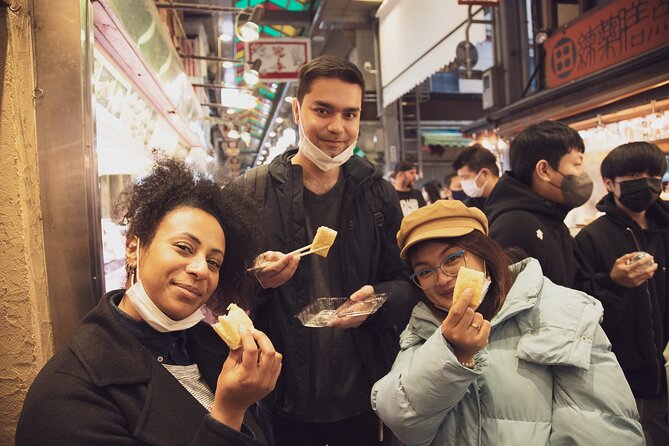
The number of tastings is not completely fixed. Accounts of the tour describe anything from three market items plus several restaurant bites to a much wider spread of foods. Examples include yuba, soy doughnuts, pickled cucumbers, omelette, gyoza, wheat starch, honey yuzu lemonade, minced-meat sandwiches, Kobe-style minced meat pies, and tempura conger eel.
That variation is important when you judge the price. You should expect a series of substantial samples, but not assume that every date will deliver the same dishes or the same number of stops. The operator describes the food as enough to fill you in place of a meal, and several experiences clearly do that. Still, if your main goal is to eat at as many stalls as possible, you may find a self-guided visit cheaper and more flexible.
More food walks through Nishiki Market:
- Nishiki Market Brunch Walking Tour (7 Tastings + Brunch)
★ 5.0 · 1,355 reviews - Kimono Tea Ceremony at Kyoto Maikoya, NISHIKI
★ 5.0 · 911 reviews - Kyoto: Nishiki Market Tea Ceremony with Koto Performance
★ 4.8 · 294 reviews
Why a guide changes the market experience
You can walk into Nishiki Market without a ticket, and admission is free. The value of this tour comes from the person beside you, not from access to the street.
A good guide explains what you are looking at, how it fits into Kyoto cooking, and what is worth trying. Guides named in the feedback include Keiko, Takuma, Miku, Toshi, Naoko, Atsu, Annie, Saeko, Nagi, Taisei, Taka, Yasuko, Yoko, Chizuko, and others. The strongest praise centers on their friendly manner, clear English, cultural explanations, and ability to answer questions without rushing.
Takuma, for example, was praised for explaining Japanese culture and language while keeping the tasting pace comfortable. Toshi connected food with religious customs and local life. Yasuko’s route included a broad mix of foods and shrine explanations, while Chizuko helped with shopping choices as well as tastings.
This is especially useful if you are new to Japanese markets. You might recognize sushi or fruit, but less familiar items such as yuba, konjac products, Japanese pickles, or wheat starch can pass by without a second glance. Your guide gives those foods a place in the story of Kyoto.
The small group also helps. With no more than six people, you can ask about ingredients, pronunciation, table manners, or a product you want to buy. On a quiet day, the experience may feel almost private, and guides have sometimes adjusted the route to match a group’s interests.
That personal attention is the strongest reason to choose this tour instead of walking Nishiki alone. It is not the cheapest way to eat in the market. It is a way to avoid guesswork and make better use of a limited Kyoto schedule.
Nishiki Tenmangu Shrine and the basics of Shinto worship
After the market, the tour moves to Nishiki Tenmangu, a local Shinto shrine. The visit lasts about 15 minutes, so this is an introduction rather than a long religious stop.
Your guide explains the basic features you are likely to see at a Japanese shrine and shows you how to pray. You’ll also hear about everyday worship in Japan, which adds useful context to the many shrines you may encounter elsewhere in Kyoto.
This short pause works well after the food market. You move from what people eat to how they mark important moments, show respect, and use religious spaces in daily life. The stop is free, and you do not need to prepare any special clothing or equipment.
Because the visit is brief, you should not book this tour expecting a detailed study of Shinto. Think of it as practical cultural orientation. You leave with enough understanding to approach other shrines more respectfully and with fewer questions about what you are seeing.
Shinkyogoku: Kyoto shopping with a modern edge
The next stop is Shinkyogoku Shopping District, a pedestrian-only arcade that mixes older Kyoto traditions with modern retail. The scheduled visit lasts about 20 minutes.
This section gives the tour a change of rhythm. Nishiki is focused on food, while Shinkyogoku shows how downtown Kyoto serves local shoppers and people looking for clothing, gifts, snacks, and everyday goods. You can feel the city shift from market stalls to a broader commercial street.
Twenty minutes is enough for a guided look, but not enough for serious shopping. If you see something you want, make a note of the location and return after the tour, or ask your guide when there is time to browse. Several routes allow shopping along the way, but the main purpose remains the food and cultural walk.
More food tours in Kyoto:
- Kyoto Night Foodie Tour in Gion (9+ dishes + 6 Sake tastings)
★ 5.0 · 1,762 reviews - 3-Hour Kyoto Insider Sake Brewery Tour with Tastings & Pairings
★ 5.0 · 917 reviews - Arashiyama Bamboo, Temple, Monkeys, or Secret Sake Brewery
★ 4.8 · 886 reviews - Kyoto: Insider Sake Brewery Tour with Sake and Food Pairing
★ 5.0 · 704 reviews
Takoyakushido Eifukuji Temple in ordinary city life
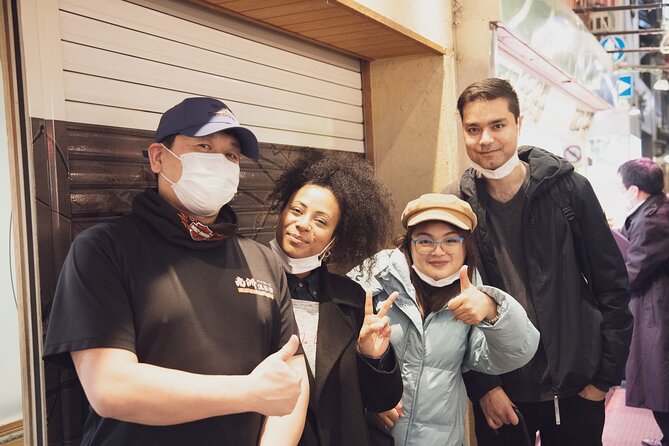
Takoyakushido Eifukuji is a small Buddhist temple at the corner of the shopping street. The stop lasts about 10 minutes.
Its size is part of the point. Kyoto has grand temples that fill a morning, but small temples also appear within ordinary neighborhoods, beside shops and daily errands. This visit helps you notice religion as part of the city rather than something separated from it.
The stop is simple and compact. You will not spend hours examining a large temple complex, but you get another look at Japanese religious practice after the Shinto introduction at Nishiki Tenmangu. Together, the two stops give the tour a useful balance between food, shopping, and local customs.
Teramachi-dori and the final stretch
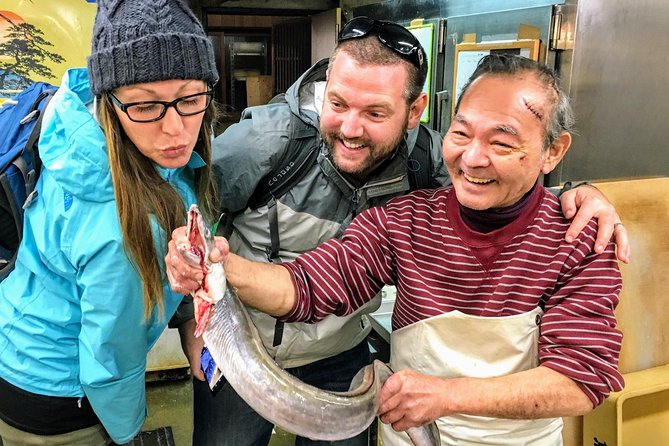
The walk finishes along Teramachi-dori, another downtown shopping street. The route includes both long-established businesses and newer shops, so it offers a final look at Kyoto’s changing commercial life.
The scheduled time is about 15 minutes. Depending on the guide and the group, this may be used for more explanations, recommendations, or a little shopping. It is also a practical place to ask where to find a product you want to bring home.
This final stretch makes the tour more useful than a simple in-and-out market visit. You learn how Nishiki connects with the surrounding shopping streets and where to continue exploring after the guided portion ends.
What you may eat, and why the menu matters
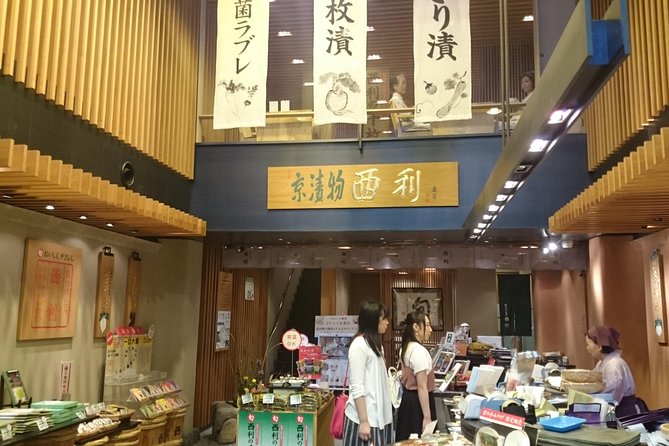
The operator presents the tastings as enough food to replace a meal. That claim is supported by some of the described routes, which include a long list of small portions. A broad tasting day might include tofu skin, soy-based sweets, pickled vegetables, egg dishes, dumplings, fruit, wagyu, eel, minced meat, lemonade, and other market foods.
The portions are not presented as a formal restaurant meal. You are sampling from shops and food counters, so the experience is about variety and discovery. You might taste a bite, hear how it is made or used, then move on to the next stop.
The menu can also reflect the guide’s judgment. Saeko was praised for recommending foods to try and foods to skip, while other guides adjusted the route around what the group wanted to sample. This flexibility is useful in a market where every stall competes for your attention.
There is a catch. At least some tours have included only a few paid market tastings, with additional food available for purchase. If you are paying mainly for a large number of included bites, confirm the expected tasting arrangement before booking. The experience may be filling, but the exact value depends on the day’s stops.
You should also avoid booking if you need a carefully controlled diet. Vegetarian, halal, kosher, gluten-free, and allergy-related requests cannot be accommodated. Severe dietary restrictions may make it impossible to arrange food for you. This is not a minor footnote, since the food is central to the tour.
Is $80.92 a fair price?
The price is $80.92 per person. That is high for a market walk where the public sites themselves cost nothing, so you need to decide what you are buying.
You are paying for about three hours of a guide’s time, food tastings, cultural explanations, route planning, and a group capped at six. You also avoid the uncertainty of choosing unfamiliar foods, finding the meeting area, and working out how the market connects to the nearby streets.
I think the price is easier to justify if you have only a short stay in Kyoto, prefer a guided introduction, or want a proper food-focused outing instead of random snacks. It also becomes more reasonable when the tour includes enough samples to replace lunch and your guide helps you shop for products you would probably miss alone.
The price is harder to defend if you are comfortable navigating markets, can read enough menus to make your own choices, or mainly want to eat at many stalls. Since Nishiki Market is free to enter, you can spend less by browsing independently and buying only what appeals to you.
The tour earns its cost through attention and explanation, not guaranteed quantity. Go in expecting a guided tasting walk, not an all-you-can-eat food crawl.
Timing, group size, and practical details
The experience lasts approximately three hours and takes place rain or shine. The stated route adds up to about two hours and 40 minutes of scheduled stops, leaving some natural room for walking between locations, transitions, and extra time at food shops.
The tour is near public transportation, but hotel pickup and drop-off are not included. You are also responsible for transportation to and from the attractions, extra food or drink, and personal purchases.
Nishiki Market can become very crowded. If you are bringing a stroller, contact the operator in advance, since moving through the narrow market may be difficult at busy times. Most people can participate, but this is still a walking route through crowded commercial streets, with stops rather than a long seated meal.
Japan’s legal drinking age is 20. The supplied information does not promise alcohol tastings, so do not assume drinks are part of the food route.
You receive confirmation at booking, and mobile tickets are available. Free cancellation applies when you cancel at least 24 hours before the start time. Changes or cancellations inside that window are not accepted for a refund. If poor weather causes the operator to cancel, you are offered another date or a full refund.
One practical warning: check the meeting point carefully and message Japan Wonder Travel if anything looks unclear. Directions have caused confusion for some bookings, including cases where a starting point and ending point were mixed up. Do not wait until the morning of the tour to resolve an address problem.
Who should book this Kyoto food walk?
I would choose this tour for a first visit to Kyoto when you want a quick introduction to local food and customs without arranging several restaurants. It suits solo visitors, couples, and families who like to ask questions and try foods they might overlook.
It is also a good fit for multigenerational groups. The route combines walking, standing, tasting, shopping, and short seated breaks, and one account specifically found the balance comfortable despite back problems. Still, you should remember that the market is crowded and the tour is not built around extensive accessibility services.
You will get the most from it if you arrive hungry, remain open to unfamiliar foods, and value explanations as much as the food itself. If your group has strict dietary needs, this is the wrong choice.
The tour also works well early in a Kyoto stay. You can use the guide’s suggestions to return to Nishiki or nearby shopping streets later, armed with ideas about what to buy and what to eat.
Should you book the Nishiki Market tour?
Book it if you want a small, guided introduction to Kyoto food, market customs, Shinto and Buddhist sites, and downtown shopping. The best guides add real value, especially when they explain local ingredients, recommend useful souvenirs, and adjust the pace to your questions.
Skip it if you want the lowest-cost way to eat, need a controlled diet, or measure a food tour by the number of stalls visited. At $80.92, the tour asks you to pay for guidance and context. For the right person, that makes Nishiki easier, more meaningful, and far less overwhelming. For an independent market browser, the free public street may be enough.
FAQ
How long does the Kyoto Nishiki Market Food and Culture Walking Tour last?
The tour lasts approximately three hours.
How many people can join the tour?
The tour has a maximum of six travelers.
How much does the tour cost?
The listed price is $80.92 per person.
Is food included?
Yes. The tour includes food samples intended to be filling enough to replace a meal. The exact foods and number of tastings can vary.
What foods might I try?
Possible foods include yuba, soy doughnuts, pickled cucumbers, omelette, gyoza, fruit, wagyu, minced-meat sandwiches, Kobe-style minced meat pies, honey yuzu lemonade, and tempura conger eel.
Can the tour accommodate dietary restrictions?
No. Vegetarian, halal, kosher, gluten-free, and allergy-related requests cannot be accommodated. Severe dietary restrictions may make it impossible to arrange food.
What places are included besides Nishiki Market?
The route includes Nishiki Tenmangu Shrine, Shinkyogoku Shopping District, Takoyakushido Eifukuji Temple, and Teramachi-dori Street.
Is the tour available in bad weather?
The tour takes place rain or shine. If the experience is canceled because of poor weather, you are offered a different date or a full refund.
What is the cancellation policy?
You can cancel at least 24 hours before the start time for a full refund. Cancellations or changes made less than 24 hours before the start time are not accepted for a refund.
More Shopping Tours in Kyoto
- Nishiki Market Lunch Tour
★ 5.0 · 47 reviews - Nishiki Market Food Tour with Cooking Class
★ 4.9 · 42 reviews - Kyoto Nishiki Market Tour
★ 5.0 · 32 reviews - Golden Pavilion, Nijo Castle, & Nishiki Market Half day tour
★ 5.0 · 29 reviews
More Markets in Kyoto
- Kyoto: Nishiki Market Brunch Walking Tour-7 Tastings+Brunch
★ 4.8 · 197 reviews - Kyoto: Local Food Tasting Tour at the Nishiki Market
★ 4.7 · 135 reviews - Kyoto: Nishiki Market and Depachika Food Tour with a Local
★ 4.7 · 76 reviews - Kyoto: Nishiki Market Tour with a Local Foodie & Tastings
★ 4.5 · 67 reviews
Recently added around Kyoto
- Higashiyama | Kyoto: Sakura Season Private Rickshaw Tour★ 5.0 · 3 reviews
- Kyoto Kimono Rental CHAMATSU|Kimono/Yukata Rental FamilyPlan★ 5.0 · 3 reviews
- Kyoto: Half-Day Private Guided Tour to the Old Town of Gion★ 4.4 · 3 reviews
- Nara Private Customizable Half Day Tour★ 5.0 · 3 reviews
- Kansai Region Hiking Adventure in Nara Kobe Kyoto and More★ 5.0 · 3 reviews
- Full Day Nara Deer, Temple, Shrine, Activities & Tea Ceremony★ 5.0 · 3 reviews
- Nara: Essential Private Tour with Deer Park and Temples★ 5.0 · 3 reviews
- Hiking Tour for Sacred Sites in Kyoto with a Guide★ 5.0 · 3 reviews
Nishiki Market Food Tours, compared.
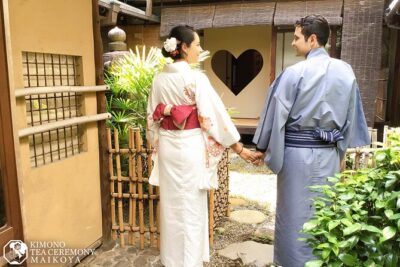
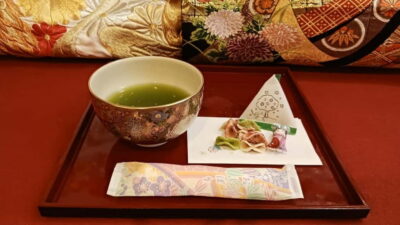
Nishiki Market Tea Ceremony with Koto Performance
Read our review →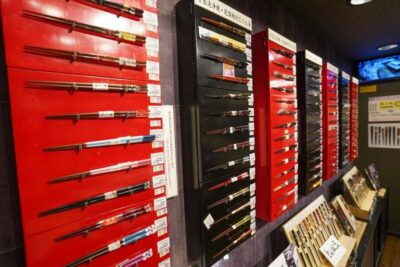
Nishiki Market Brunch Walking Tour-7 Tastings+Brunch
Read our review →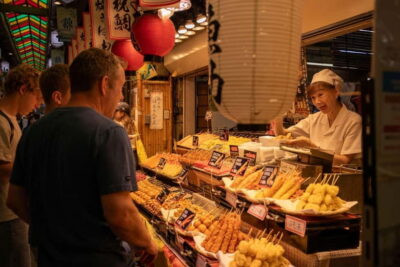
Kimono Tea Ceremony Experience at Kyoto Oritzuruya, Nishiki
Read our review →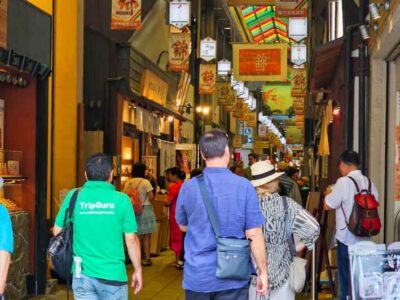
Nishiki Market and Depachika Food Tour with a Local
Read our review →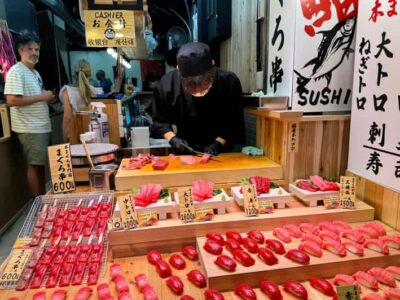
Nishiki Market Tour with a Local Foodie & Tastings
Read our review →
Browse the lists this tour appears in