
REVIEW · KYOTO TEA CEREMONY EXPERIENCES
Kyoto Walking Tour with Kimono Rental Lunch and Tea Ceremony
Kyoto’s old customs come together neatly on this eight-hour private walking tour. You can dress in a traditional kimono, visit a former Imperial Family residence, enter one of Kyoto’s major shrines, eat lunch in a renovated machiya, and finish with matcha and wagashi. It gives you a full day of culture without forcing you to plan each stop yourself.
I especially like the professional kimono dressing and the small-scale tea ceremony. The tour also offers useful personal context from an expat guide, including insight into life in Japan as a foreigner. The main catch is that lunch and the kimono rental are not both covered in the listed price, so you should check the option you select and budget for those extras.
In This Review
- Key points to know before booking
- Why this Kyoto day works well
- Starting at Ume Sakura in a Kyoto kimono
- Strolling through former Imperial grounds
- Old Mitsui Family Shimogamo Villa
- Shimogamo Jinja and a thousand years of tradition
- Lunch in a renovated machiya
- Matcha, wagashi, and the tea ceremony
- What the $117.06 price really covers
- Who should book this day in Kyoto
- Practical details before you go
- Should you book the Kyoto kimono and tea tour?
- FAQ
- How long does the Kyoto walking tour last?
- What time does the tour begin?
- Where does the tour start and end?
- Is kimono rental included in the listed price?
- Is lunch included?
- What is included in the tour price?
- Can the tour be canceled for a full refund?
Key points to know before booking
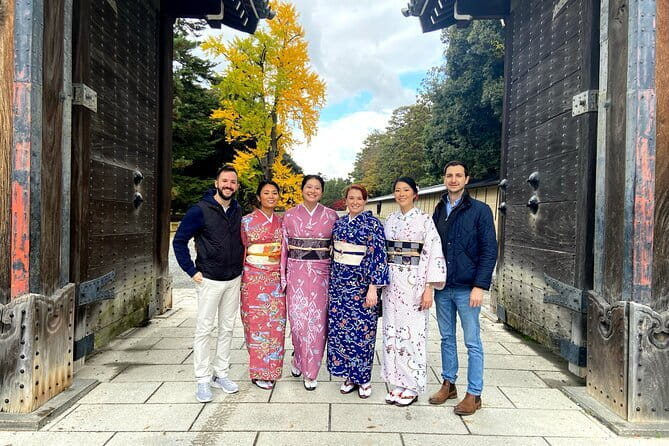
- Kimono dressing at Ume Sakura: Licensed professionals dress you in a traditional kimono, with basic hairstyling included. You handle makeup before arrival.
- Imperial grounds and a historic villa: The walk includes former Imperial Family grounds and the Old Mitsui Family Shimogamo Villa.
- A major Kyoto shrine: Shimogamo Jinja brings more than 1,000 years of religious history into the day.
- Machiya lunch stop: You choose from Japanese meal options in a renovated traditional Kyoto house, but lunch costs extra.
- Tea and wagashi: The final hour explains Japanese tea ceremony customs in an intimate setting.
- Private, full-day format: Only your group takes part, with a 10:30 a.m. start and a return to the meeting point.
Why this Kyoto day works well
This is not just a shrine photo stop followed by a rushed tea demonstration. The day has a useful rhythm: get dressed, walk through historic places, sit down for lunch, then slow down with tea. You see Kyoto through buildings, gardens, food, religion, and clothing rather than through one famous sight alone.
The private format matters. Your guide can explain customs at your pace, help connect the different stops, and respond to questions about Japanese culture. One especially useful part of the experience is the chance to ask about daily life in Japan from an expat point of view. That can add a practical layer that a standard sightseeing script may miss.
You should still approach the tour with realistic expectations. Eight hours is a long day, and much of it involves walking and standing. The tour is near public transportation, but the supplied details do not specify how much transport is used between stops. Ask the operator about the route if mobility or walking time is a concern.
More tea ceremonies in Kyoto:
- Kyoto: Tea Ceremony in a Traditional Tea House in Kiyomizu
★ 4.9 · 3,519 reviews - Kyoto: Tea Ceremony Ju-An at Jotokuji Temple
★ 4.9 · 3,207 reviews - Kyoto: 45-Minute Tea Ceremony Lesson Experience
★ 4.3 · 2,378 reviews
Starting at Ume Sakura in a Kyoto kimono
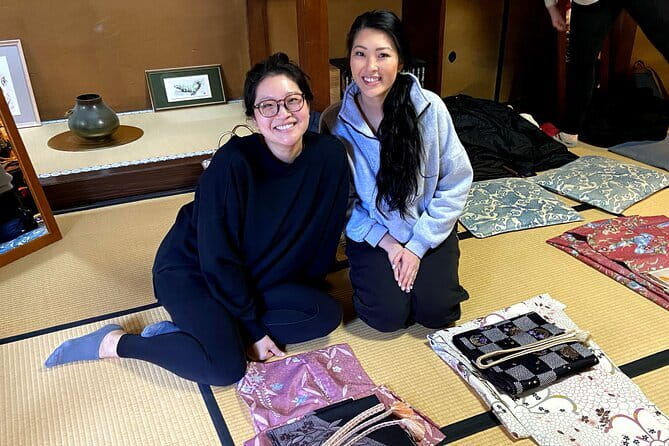
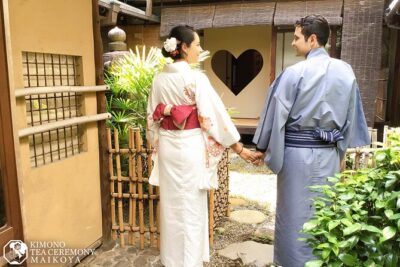
The day begins at Ume Sakura, at 38 Fujikicho in Nakagyo Ward, with a 10:30 a.m. start. If you choose the kimono option, licensed professionals dress you in a traditional garment from a selection described as high-quality and suitable for local wear, rather than a basic costume chosen only for tourists.
That distinction is important. A kimono is not simply a robe you throw on for a quick photograph. Proper dressing takes time, and the clothing can feel formal and restrictive compared with ordinary sightseeing clothes. The one-hour appointment gives the staff room to dress you properly and add a basic hairstyle.
Makeup is not included, so arrive ready. You should also select the kimono option when booking if you want to take part. The supplied details do not state the exact extra cost, garment return time, or clothing restrictions, so confirm those points before you pay.
The kimono changes the way you experience the walking portion. You will likely move more slowly and pay closer attention to posture, steps, and how you appear in old Kyoto settings. That can make the day feel special, but it also means you should wear suitable underlayers and avoid treating the first hour as a quick wardrobe change.
Strolling through former Imperial grounds
After dressing, the tour takes you through the grounds of a former Imperial Family home. The gardens host festivals and seasonal activities during the year, with spring and autumn noted as especially attractive times to visit.
This stop gives the day some breathing room. Kyoto’s famous temples and shrines can feel packed, but broad gardens allow you to notice the relationship between buildings, paths, open space, and seasonal change. Your guide can help explain how an Imperial residence differs from the family villa and shrine that follow.
The description does not name this stop or state how long you remain there. That makes it difficult to predict the exact balance between walking and sightseeing. Still, it is a useful early part of the route because you are not pushed straight from the kimono studio into a crowded landmark.
If you visit in spring or autumn, the gardens may offer the strongest visual payoff. At other times, the appeal is more about space, design, and the connection to Kyoto’s former court life. Do not book this tour only for a single seasonal view. The day has several cultural stops, and the garden visit is one part of a larger program.
Old Mitsui Family Shimogamo Villa
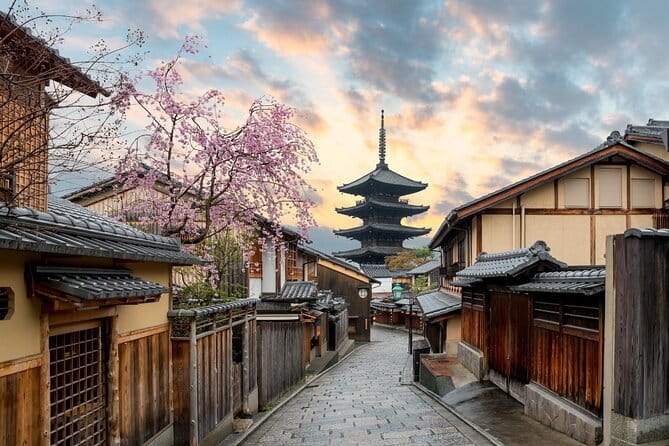
The Old Mitsui Family Shimogamo Villa is a preserved Japanese residence once owned by one of Japan’s prominent families. You have about 30 minutes there, and admission is included.
A villa such as this helps make traditional Japanese architecture easier to understand. Instead of seeing only a shrine gate or a temple roof, you can look at a private family setting and consider how rooms, garden views, and quiet spaces worked together. The visit also gives you a more personal view of elite Japanese life than a major religious site alone.
Thirty minutes is enough for an introduction, but not a long architectural study. If you like detailed house tours, you may wish the stop were longer. For most people, the short visit keeps the day moving and leaves room for the shrine, meal, and tea ceremony.
Your guide’s role is useful here. Ask about the villa’s former owners, how the building was used, and what features reflect Japanese design. The supplied information does not promise a special interior demonstration, so expect a guided visit rather than a hands-on craft session.
More kimono and yukata rentals:
- Kimono Tea Ceremony at Kyoto Maikoya, NISHIKI
★ 5.0 · 911 reviews - Kyoto: Kimono Rental with Hairstyling and Accessories
★ 4.8 · 653 reviews - Kyoto: Kimono Tea Ceremony at Orizuruya Gion
★ 4.9 · 618 reviews - KYOTO Tea Ceremony with kimono near by Imamiya Jinjya Shrine
★ 5.0 · 343 reviews
Shimogamo Jinja and a thousand years of tradition
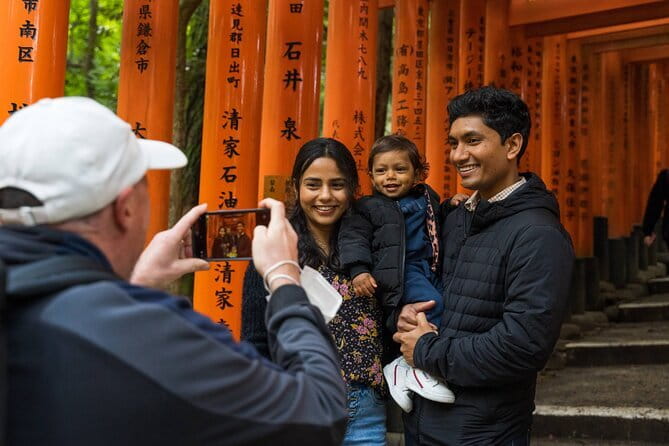
The next major stop is Shimogamo Jinja, one of Kyoto’s most important shrines, with more than 1,000 years of history. Admission is free, and the planned visit lasts about 30 minutes.
This is the point where the tour’s religious side becomes clearest. A shrine is not simply an old building for photographs. It is a place connected to Shinto practice, ritual, and local identity. Your guide can help you understand what you are seeing and how to behave respectfully.
Half an hour gives you time to enter the grounds, take in the main features, and hear an explanation. It is not enough for an unhurried exploration of every area, especially if you stop for photographs in a kimono. Keep your expectations focused: this is a meaningful introduction, not an exhaustive shrine tour.
I like the way Shimogamo Jinja follows the villa. The villa shows private life and family wealth, while the shrine shows a public spiritual tradition. Together, they create a broader picture of Kyoto than a list of famous landmarks would.
Lunch in a renovated machiya
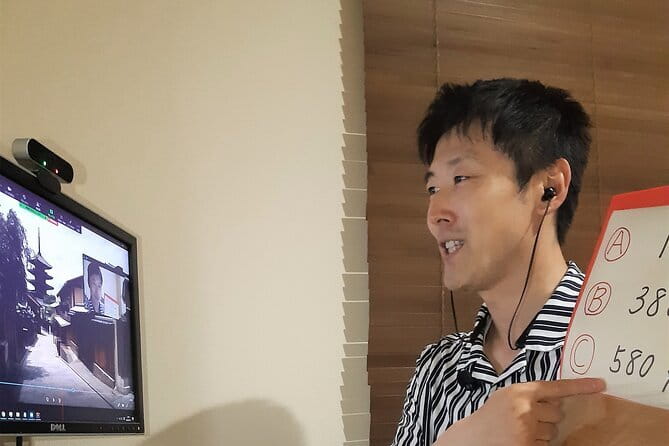
Lunch takes place at Kyoto cuisine Teramachi Yoshikura, a Japanese restaurant in a renovated machiya. You are invited to choose your meal option, and the lunch portion lasts about an hour.
The setting is part of the appeal. A machiya is a traditional Kyoto townhouse, so the meal takes place in a building type closely tied to the city’s older commercial streets. This makes lunch more than a pause to refuel. It connects food with the architecture and streetscape you have been seeing.
Lunch is not included in the tour price. That is the most important cost detail to remember. The listed price is $117.06 per person, but your final spend can rise with the meal and the kimono option. Ask what meal choices are available and what each costs before the day begins.
Dietary restrictions must be stated ahead of time. The operator warns that some requests may not be possible. You should be specific when booking, rather than hoping the restaurant can adjust a dish at the last minute. The available information does not list the menu, so do not assume vegetarian, vegan, allergy-safe, or religious-diet choices are guaranteed.
An hour is a comfortable lunch window. You can eat without rushing, make your selection, and ask your guide about the dishes. Since lunch is an extra charge, you also retain some control over how much you spend.
Matcha, wagashi, and the tea ceremony
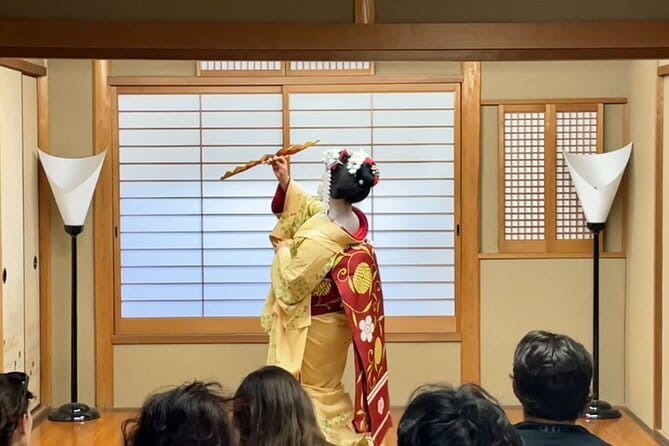
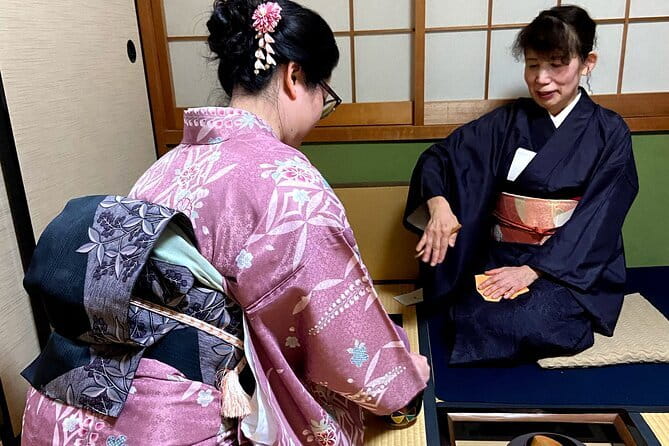
The final featured stop is Tea Ceremony Experience Chisato, where you spend about an hour learning about Japanese tea ceremony and wagashi. Admission is included.
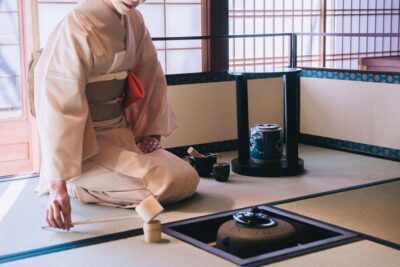
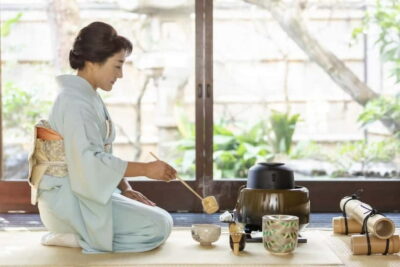
This is one of the strongest parts of the day because it turns observation into participation. You are not only looking at an old building or listening to an explanation. You are introduced to the gestures, order, and meaning behind a traditional tea setting, with matcha and wagashi included.
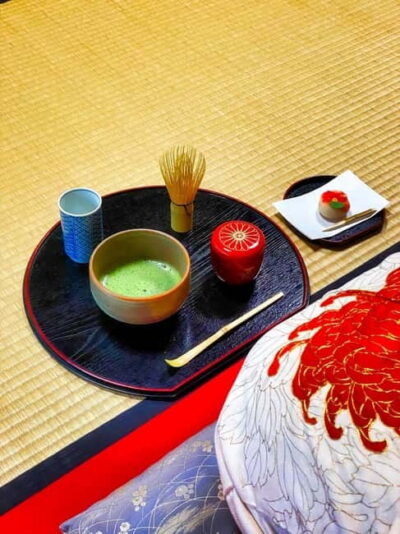
Wagashi are Japanese sweets commonly served with tea. Their sweetness works with the bitterness of matcha, and the pairing gives you a small but clear lesson in Japanese taste. The host and guide provide explanations, so you can focus on understanding the ritual rather than guessing what to do.
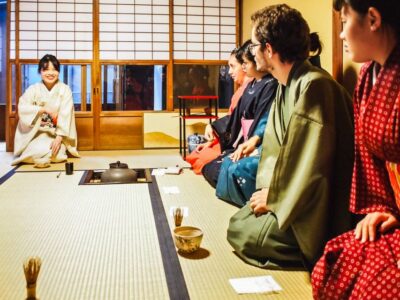
The setting is described as intimate, which fits the private nature of the tour. A quieter tea experience lets you ask questions and take in the details without feeling like part of a large audience. Still, you should remember that one hour is an introduction. It will not cover every school, utensil, or historical variation of tea ceremony.
The tea visit also gives the day a calm finish. After the movement of the walking route and the formality of kimono dressing, sitting down with matcha creates a natural pause before you return to the meeting point.
What the $117.06 price really covers
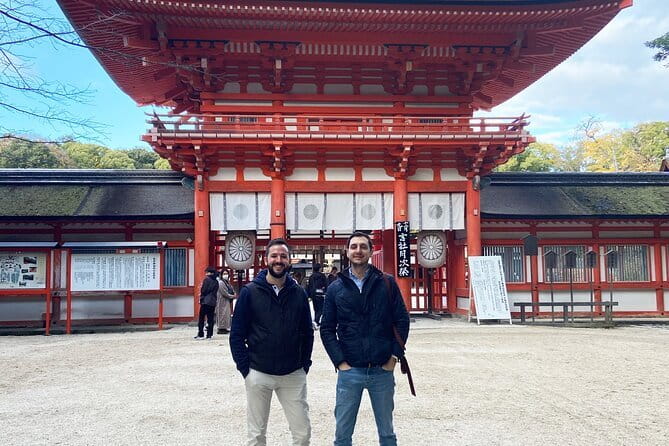
At $117.06 per person, the tour offers solid value if you want a private cultural day and plan to use the included admissions. Tea ceremony admission and entry to the Old Mitsui Family Shimogamo Villa are covered. The guide, private format, and eight-hour structure also add value compared with booking each piece separately.
The price is less attractive if you do not care about the kimono or tea ceremony. Lunch is extra, and the kimono option has to be selected separately. You should compare the total price, not only the headline amount.
The private format is where much of the value lies. Only your group takes part, which can make explanations more personal and reduce the awkwardness of asking basic questions about shrine etiquette or tea ceremony behavior. It also suits families or friends who want to move together instead of joining strangers.
The tour is often booked well ahead, with an average booking lead time of 64 days. That suggests you should reserve early for a preferred Kyoto date, especially if the kimono option matters to you. Confirmation is provided at booking, and the activity accepts a mobile ticket.
Who should book this day in Kyoto
I would recommend this tour to you if you want a guided introduction to several sides of Kyoto in one day. It suits first-time visitors who want cultural context, families who prefer a private group, and couples or friends who like the idea of wearing kimono for a full sightseeing route.
It is also a good fit if you want to ask questions about modern life in Japan. The expat guide’s personal perspective was a particularly useful part of the experience, adding context about living in Japan as a foreigner alongside explanations of Japanese culture.
You may want a different plan if your priority is free time, shopping, or a long visit at one major temple. The schedule has several stops, and the 30-minute villa and shrine visits are introductions rather than extended explorations. The day is structured, so you trade flexibility for coverage.
Most people can participate, according to the supplied details. Even so, plan for a full day with walking and time in formal clothing. The tour ends back at the starting point, which is convenient if you need to collect belongings or continue from the same area.
Practical details before you go
The meeting point is Ume Sakura, 38 Fujikicho, Nakagyo Ward, Kyoto, 604-0992, Japan. The start time is 10:30 a.m., and the activity ends back at that meeting point.
Public transportation is nearby. The exact transport plan between stops is not specified, so ask the provider if you need to know whether the route relies mainly on walking or includes transfers.
State dietary restrictions in advance. Also confirm the cost and conditions of the kimono option, since it is not automatically included in the basic price. Makeup is not provided, but basic hairstyling is included with kimono dressing.
Free cancellation is available until 24 hours before the local start time for a full refund. Cancellations or changes made less than 24 hours ahead are not accepted for a refund.
Should you book the Kyoto kimono and tea tour?
Book it if you want a private, well-rounded day that links clothing, architecture, religion, food, and tea. The combination of Ume Sakura dressing, the former Imperial grounds, Mitsui villa, Shimogamo Jinja, machiya lunch, and tea ceremony gives you a stronger sense of Kyoto’s traditions than a single landmark visit can provide.
Before booking, confirm the kimono supplement, lunch cost, dietary options, and walking details. If those extras fit your budget and you are comfortable with a structured eight-hour day, this is a practical way to experience Kyoto with personal guidance and a thoughtful cultural focus.
FAQ
How long does the Kyoto walking tour last?
The experience lasts approximately eight hours.
What time does the tour begin?
The tour begins at 10:30 a.m.
Where does the tour start and end?
It starts at Ume Sakura, 38 Fujikicho, Nakagyo Ward, Kyoto, and ends back at the same meeting point.
Is kimono rental included in the listed price?
The tour offers a kimono option, but the supplied details do not state that it is included in the listed price. Select the appropriate option when booking and confirm the additional cost.
Is lunch included?
No. Lunch at Kyoto cuisine Teramachi Yoshikura is not included. You can choose from meal options, and dietary restrictions must be stated in advance.
What is included in the tour price?
Tea ceremony admission and admission to the Old Mitsui Family Shimogamo Villa are included. The tour also includes the guided experience, while lunch is excluded.
Can the tour be canceled for a full refund?
Yes. You can cancel at least 24 hours before the local start time for a full refund. Changes or cancellations made less than 24 hours ahead are not accepted for a refund.
More Walking Tours in Kyoto
- Kyoto Geisha Walking Tour: Gion District & Hidden Gems
★ 4.7 · 3,273 reviews - Kyoto: Gion Magical Night Walking Tour with Geisha Trivia
★ 4.9 · 2,393 reviews - Kyoto: Gion Geisha District Walking Tour – Stories of Geisha
★ 4.7 · 2,187 reviews - Night Walk in Gion: Kyoto’s Geisha District
★ 4.5 · 2,003 reviews
More Lunch Experiences in Kyoto
- Bike Tour Exploring North Kyoto plus Lunch
★ 5.0 · 1,087 reviews - Kyoto Zen Meditation & Garden Tour at a Zen Temple with Lunch
★ 5.0 · 441 reviews - 4.5-Hour Kyoto Bike Tour with Lunch and UNESCO Zen Temples
★ 5.0 · 122 reviews - From Kyoto: Nara History Guided Half Day Bus Tour with Lunch
★ 4.8 · 114 reviews
Recently added around Kyoto
- Kyoto Kimono Rental CHAMATSU|Kimono/Yukata Rental FamilyPlan★ 5.0 · 3 reviews
- Higashiyama | Kyoto: Sakura Season Private Rickshaw Tour★ 5.0 · 3 reviews
- Kyoto: Half-Day Private Guided Tour to the Old Town of Gion★ 4.4 · 3 reviews
- Nara Private Customizable Half Day Tour★ 5.0 · 3 reviews
- Kansai Region Hiking Adventure in Nara Kobe Kyoto and More★ 5.0 · 3 reviews
- Full Day Nara Deer, Temple, Shrine, Activities & Tea Ceremony★ 5.0 · 3 reviews
- Nara: Essential Private Tour with Deer Park and Temples★ 5.0 · 3 reviews
- Hiking Tour for Sacred Sites in Kyoto with a Guide★ 5.0 · 3 reviews
Kyoto Tea Ceremony Experiences, compared.
Tea Ceremony in a Traditional Tea House in Kiyomizu
Read our review →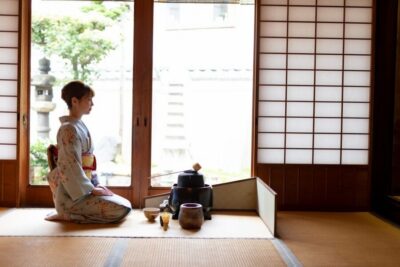
Tea Ceremony in 100-year-old Kyo-Machiya Townhouse
Read our review →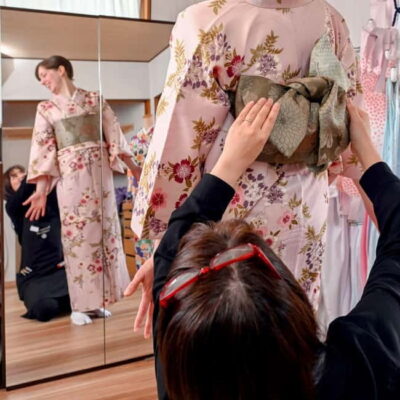
Browse the lists this tour appears in