
REVIEW · COOKING CLASSES
Kyoto Udon and Tempura Cooking Class with Professional Chefs
Fresh udon is the star here. You start with flour and water, then knead, roll, and cut the dough by hand with help from a local udon master and an English-speaking guide. I like that the class also covers four useful Japanese dishes: udon, tempura, onigiri, and inari sushi. You are not just watching a chef cook.
I also like the small group, capped at eight, and the chance to eat what you make with two drinks, including sake. Josh and Nakajima-san are named as part of the friendly teaching team. The main consideration is timing: this is a full 2.5-hour food session starting at 10 a.m., so you should skip or keep breakfast light.
In This Review
- Key Points
- Making Udon by Hand in Central Kyoto
- Four Japanese Dishes Instead of One
- Why the Small Group Matters
- From Cooking Lesson to Shared Meal
- The Value of $85.39
- Who Will Enjoy This Class Most
- What Makes the Udon Portion Worthwhile
- Booking Details That Can Affect Your Day
- Should You Book the Kyoto Cooking Class?
- FAQ
- Where does the Kyoto cooking class begin?
- Where does the activity end?
- What time does the class start?
- How long does the cooking class last?
- What dishes will I learn to make?
- Are drinks included?
- Is transportation included?
- Will I receive recipes and photos?
Key Points
- Hand-cut udon from flour and water: Knead, roll, and slice the noodles yourself, with guidance from a local udon master.
- Four dishes in one class: Make udon, tempura, onigiri, and inari sushi rather than focusing on a single recipe.
- Small group setting: The class accepts a maximum of eight people, allowing more room for hands-on practice.
- A proper meal at the end: Eat the dishes you prepare, with two alcoholic or non-alcoholic drinks, including sake.
- Useful take-home extras: Downloadable English recipes and tour photos are sent by email after the class.
- Easy Kyoto meeting point: Meet at the 7-Eleven at 599 Uraderacho in Nakagyo Ward, then return to the same place.
Making Udon by Hand in Central Kyoto
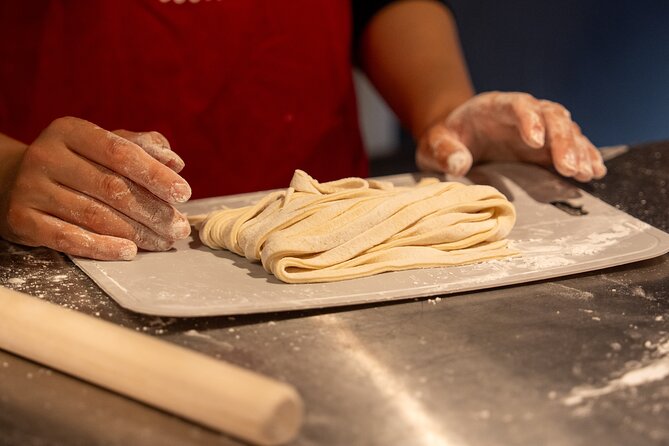
The most memorable part of this class is the udon dough. You begin with the basics, flour and water, and work toward thick, chewy noodles. That simple starting point gives you a clear sense of how much texture comes from kneading, rolling, and cutting rather than from a complicated ingredient list.
A local udon master leads this part with help from an English-speaking guide. Josh and Nakajima-san are named among the teaching team, and their role is practical: show you the steps, help you avoid common mistakes, and keep the session moving when several people are working at once.
You do not need cooking experience. The class is built around doing the work yourself, so expect flour, hand movements, and a little trial and error. That is part of the appeal. You learn by handling the dough instead of standing behind a demonstration counter.
The class includes both hot and cold udon, according to the details provided by one family who attended. That gives you a useful comparison. Hot udon shows off the noodles in a warm bowl, while cold udon puts more attention on their chew and shape.
A practical tip: arrive hungry, but not so hungry that you are uncomfortable during the cooking. The food includes several dishes, and the finished meal is substantial enough that a large breakfast would be a mistake.
More cooking classes in Kyoto:
- Kyoto: Ramen Cooking Class at a Ramen Factory with Souvenir
★ 4.9 · 532 reviews - Kyoto: Ramen, Gyoza, and Onigiri Cooking Class
★ 5.0 · 445 reviews - Kyoto: Japanese Washoku Bento Small Group Cooking Class
★ 5.0 · 380 reviews
Four Japanese Dishes Instead of One
Many cooking classes build the whole session around a single specialty. This one gives you a wider sample of everyday Japanese food. Along with udon, you prepare tempura, onigiri, and inari sushi.
Onigiri is a useful dish to learn because it is simple, portable, and easy to adapt at home. You shape cooked rice into a compact form, giving you a better feel for one of Japan’s most familiar casual foods.
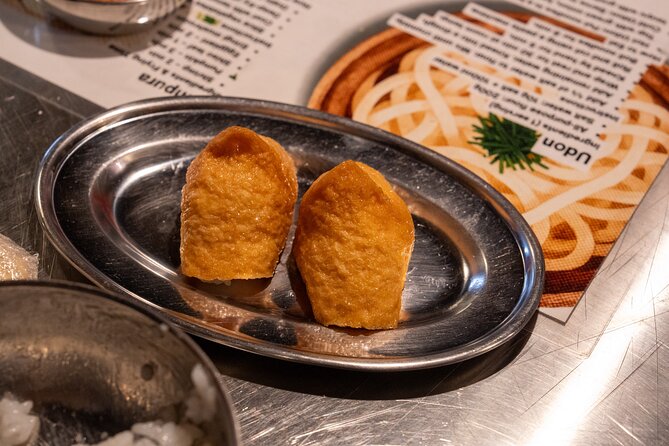
Inari sushi offers a different rice technique. The rice is placed inside seasoned tofu pockets, creating a sweet and savory bite with a texture unlike standard rolled sushi. It is a good choice for a beginner class because you can learn an important Japanese rice dish without needing advanced knife work or raw fish preparation.
Tempura brings a change in pace. You prepare ingredients and fry them until crisp and golden. The cooking process is hands-on, but hot oil always calls for attention. Follow the chef’s instructions closely and expect this portion to require more care than shaping rice or cutting noodles.
The four-dish lineup also gives you a useful sense of balance. Udon is warm and filling, tempura adds crunch, and the rice dishes bring smaller, hand-shaped portions. You finish with a meal that feels more varied than a single bowl of noodles.
Why the Small Group Matters
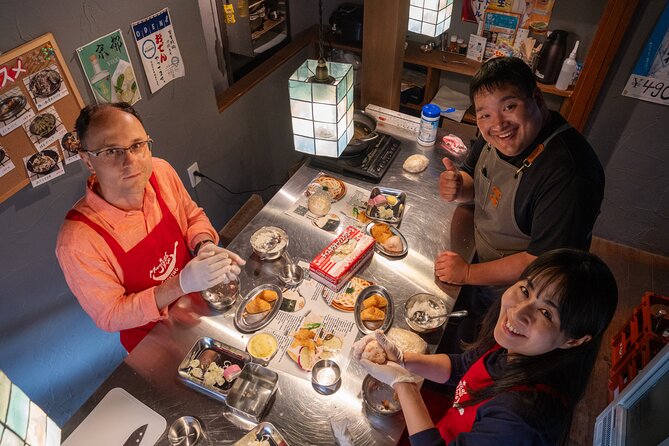
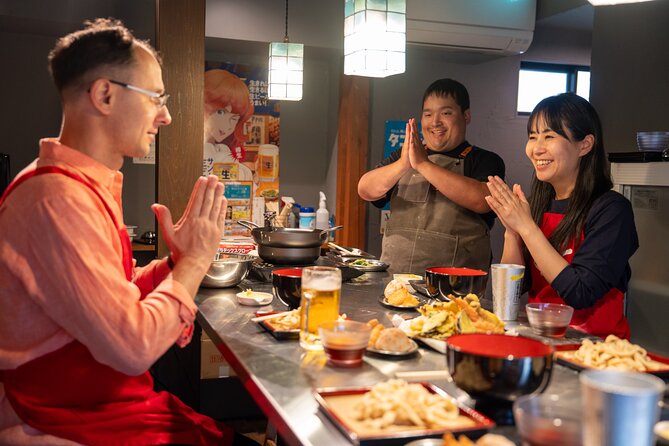
The maximum group size is eight people. That is a useful limit for a class where everyone needs access to dough, knives, rice, and a fryer.
In a large cooking group, you can end up watching one person perform the key steps. Here, you should have a better chance to knead the udon, roll it, cut it, shape the rice, and take part in the tempura preparation yourself. The exact amount of individual attention can vary, but eight people is a manageable number for this type of class.
The class runs for about two and a half hours. That is long enough to cover four dishes without forcing the whole session into a quick demonstration. It also means you should treat this as a main morning activity, not a short stop squeezed between major sightseeing visits.
The start time is 10 a.m. The location is near public transportation in Kyoto’s Nakagyo Ward, with the meeting point at the 7-Eleven at 599 Uraderacho. The activity finishes back at that same meeting point. Transportation to and from the meeting point is not included, so plan that part yourself.
A mobile ticket makes arrival simpler. You receive confirmation when booking, but still allow time to identify the correct convenience store and reach the meeting point before the start time.
From Cooking Lesson to Shared Meal
The reward comes after the preparation. You sit down and eat the udon, tempura, onigiri, and inari sushi made during the class.
That meal matters because it lets you judge the results while the techniques are still fresh. You can notice the chew of the noodles, the crispness of the tempura, and the difference between the two rice dishes. It turns the class from a simple recipe lesson into lunch.
You also receive two drinks. These can be alcoholic or non-alcoholic, and sake is included as an option. The information describes this as a mini sake tasting, so expect a modest sampling rather than a long drinks program.
If you do not drink alcohol, the non-alcoholic choice keeps the meal accessible. If you do enjoy sake, the tasting adds a small piece of Japanese food culture to the cooking. It is a pleasant match for the meal, but the food remains the main event.
Because you eat what you prepare, the class works well for people who like a clear payoff at the end of an activity. You are not buying a cooking lesson and then arranging a separate lunch. The meal is part of the experience.
More workshops and classes in Kyoto:
- Kyoto: 45-Minute Tea Ceremony Lesson Experience
★ 4.3 · 2,378 reviews - Kyoto : Chopsticks Making Workshop in Gion with Engraving Option
★ 5.0 · 958 reviews - Kyoto: Samurai Sword Class by Experts in Traditional Arts
★ 4.9 · 657 reviews - Ninja 1-hour Hands-on Lesson by Japanese master in Kyoto -Entry
★ 5.0 · 489 reviews
The Value of $85.39
At $85.39 per person, this is not the cheapest way to eat lunch in Kyoto. You can find a bowl of noodles for far less. The value comes from the combination of instruction, food, drinks, a small group, recipes, and photos.
You are making four dishes rather than watching a short cooking display. You also spend about 2.5 hours with a local udon master and an English-speaking guide. For someone who wants a practical activity and a meal in one booking, the price is easier to justify.
The take-home recipes improve the value. You receive downloadable English recipes, so the class can continue after Kyoto. Udon may require more practice at home, but onigiri, inari sushi, and tempura give you several ways to use what you learned.
Tour photos are another useful extra. Your guide takes pictures during the class and sends them by email afterward. That means you do not have to keep stopping your work to photograph every stage.
The price makes the most sense for couples, families, and food-focused visitors who want to spend part of a morning cooking instead of only eating. It is less compelling if your priority is the lowest-cost meal or a very short activity.
Who Will Enjoy This Class Most
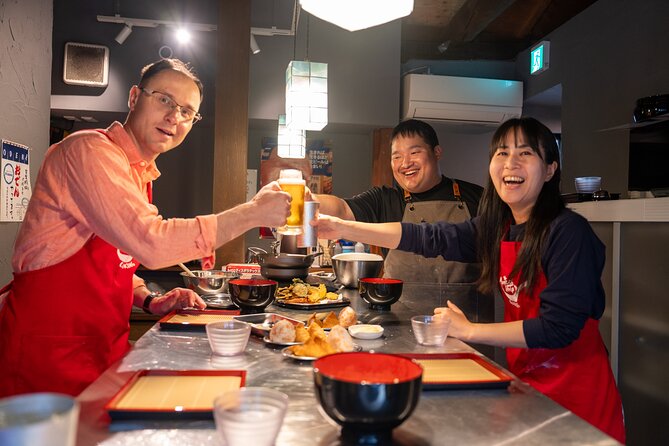
This is a strong fit for families. The hands-on format gives children and adults separate jobs, and the range of dishes keeps the session from feeling repetitive. One family found the class enjoyable for everyone and advised arriving with a good appetite because the food kept coming.
It also suits first-time cooks. The instruction is designed for people with no experience, and the menu uses familiar stages: knead, roll, cut, shape, and fry. You do not need to arrive with special knowledge of Japanese cuisine.
Food lovers who want more than a restaurant meal will get the most from it. You can ask questions through the English-speaking guide, watch how a local specialist handles udon, and take the recipes home.
The class may be less suitable if you want a quiet morning or a purely sightseeing-based activity. Cooking involves movement and participation. You will need to stay involved, especially during the hot oil portion, rather than simply sit and observe.
The 10 a.m. start also matters. If you prefer a late breakfast, schedule this before breakfast or have only a small snack. The meal includes multiple dishes and drinks, so you should expect to leave full.
What Makes the Udon Portion Worthwhile
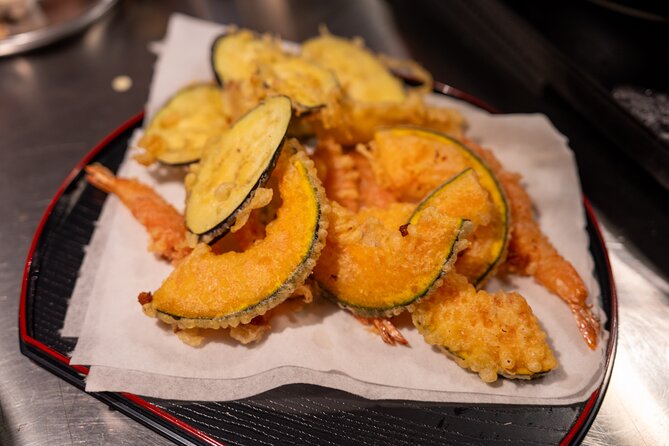
Udon is familiar to many people as a restaurant dish, but making it by hand changes how you understand it. The noodles are not just a base for broth. Their chew depends on the dough and the way it is rolled and cut.
That is why this part deserves most of your attention. Watch the udon master’s technique, then notice how your own noodles differ in thickness and shape. Small variations are normal in a beginner class, and they make the finished bowl more personal.
The hot and cold versions add another useful lesson. A warm preparation can feel soothing and filling, while cold udon gives you a sharper sense of the noodle texture. You get to taste the same central ingredient in two different ways.
For a short class, this is a sensible amount of depth. You are not training to become a noodle maker, but you do leave with a better idea of what handmade udon involves and why the texture matters.
Booking Details That Can Affect Your Day
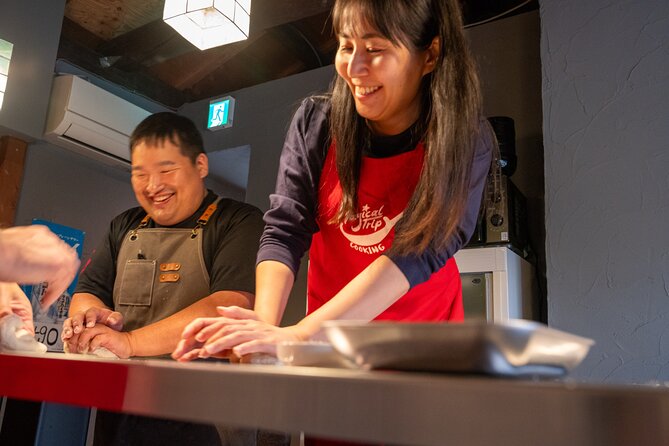
The experience begins and ends at the same meeting point, the 7-Eleven at 599 Uraderacho, Nakagyo Ward, Kyoto, postal code 604-8041. Transportation is not included, so check your route before the morning of the class.
The class has a maximum of eight people, and confirmation is provided at booking. It is recommended by 100 percent of the published participants and has a 5 out of 5 rating from 17 reviews. That is a small sample, but it matches the practical strengths of the experience: friendly instruction, a family-friendly format, and plenty of food.
Free cancellation is available if you cancel at least 24 hours before the local start time. Cancellations made less than 24 hours before the start are not refunded, and late changes are not accepted. Keep that deadline in mind if your Kyoto plans are still shifting.
The experience is operated by MagicalTrip Inc. and offers a mobile ticket. Afterward, the guide sends the tour photos by email, while the recipes are available to download in English.
Should You Book the Kyoto Cooking Class?
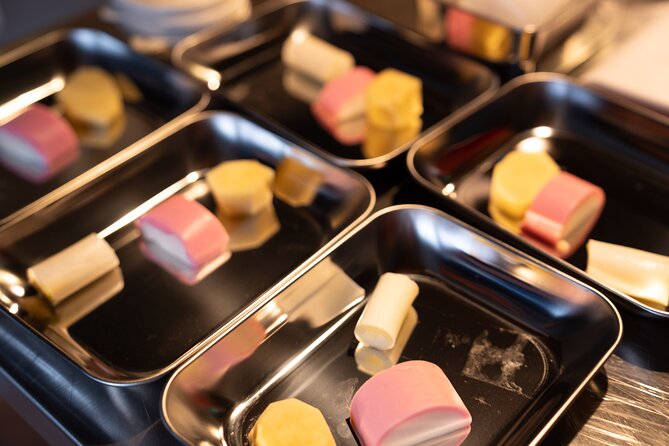
Book it if you want an active food experience with a small group, a full meal, and recipes you can use later. The handmade udon is the main reason to choose it, while tempura, onigiri, inari sushi, two drinks, and the photo package round out the morning.
I would especially recommend it to families, first-time cooks, and anyone who wants to understand Japanese food through preparation rather than only eating at restaurants. The class also works well on a rainy Kyoto morning when an indoor activity makes sense.
Think twice if you want a low-cost lunch, a short lesson, or a relaxed tasting with no cooking. At $85.39, you are paying for instruction and participation as much as for the food.
For most food-minded visitors, the balance is good: four dishes, a local udon teacher, English guidance, a maximum of eight people, and a meal you make with your own hands. Arrive near the 10 a.m. meeting time, keep breakfast light, and come ready to work.
FAQ
Where does the Kyoto cooking class begin?
It begins at the 7-Eleven at 599 Uraderacho, Nakagyo Ward, Kyoto, postal code 604-8041.
Where does the activity end?
The activity ends back at the meeting point.
What time does the class start?
The class starts at 10 a.m.
How long does the cooking class last?
The experience lasts approximately 2 hours and 30 minutes.
What dishes will I learn to make?
You will learn to make udon, tempura, onigiri, and inari sushi.
Are drinks included?
Yes. Two drinks are included, with alcoholic and non-alcoholic options available. Sake is included as an option.
Is transportation included?
No. Transportation to and from the meeting point is not included.
Will I receive recipes and photos?
Yes. You receive downloadable English recipes, and the guide takes photos during the class and sends them to you by email afterward.
Recently added around Kyoto
- Higashiyama | Kyoto: Sakura Season Private Rickshaw Tour★ 5.0 · 3 reviews
- Kyoto Kimono Rental CHAMATSU|Kimono/Yukata Rental FamilyPlan★ 5.0 · 3 reviews
- Kyoto: Half-Day Private Guided Tour to the Old Town of Gion★ 4.4 · 3 reviews
- Nara Private Customizable Half Day Tour★ 5.0 · 3 reviews
- Kansai Region Hiking Adventure in Nara Kobe Kyoto and More★ 5.0 · 3 reviews
- Full Day Nara Deer, Temple, Shrine, Activities & Tea Ceremony★ 5.0 · 3 reviews
- Nara: Essential Private Tour with Deer Park and Temples★ 5.0 · 3 reviews
- Photo Shoot with a Private Vacation Photographer in KYOTO, JAPAN★ 5.0 · 3 reviews
Cooking Classes, compared.
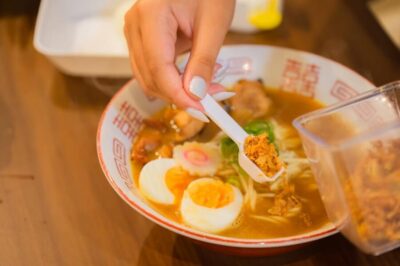
Ramen Cooking Class at a Ramen Factory with Souvenir
Read our review →
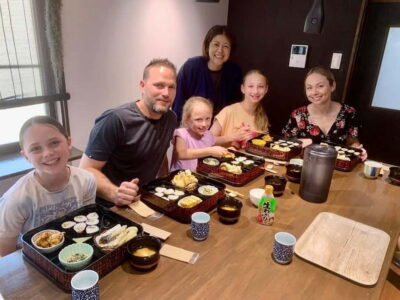
Japanese Washoku Bento Small Group Cooking Class
Read our review →
Kyoto Ramen and Gyoza Cooking Class with Professional Chefs
Read our review →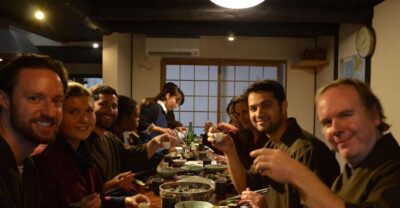
Gyoza Cooking Class in Kyoto: Traditional Japanese Dumplings
Read our review →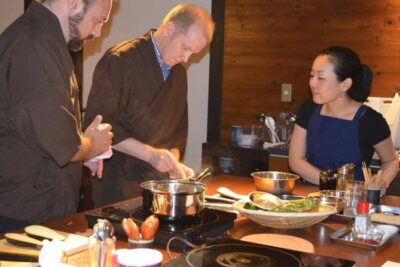
Browse the lists this tour appears in