
REVIEW · KIYOMIZU-DERA TEMPLE TOURS
Kyoto Tea Ceremony & Kiyomizu-dera Temple Walking Tour
Kyoto’s famous sights make more sense when you connect them on foot. This three-hour tour leads you from Yasaka Shrine through the old lanes of Kiyomizuzaka, into colorful Yasaka Koshin-do, and up to Kiyomizu-dera, with a hands-on matcha ceremony to finish. The walking route gives you both major landmarks and small local details.
I like the mix of temple visits and food stops, since you can taste local snacks instead of simply passing shopfronts. I also like that the tea ceremony lets you prepare your own green tea and handle traditional utensils, rather than watching a silent demonstration.
The main caution is timing. The walk includes several stops, and one past booking missed the tea ceremony after a misunderstanding about the schedule. Arrive early, listen closely to the guide’s timing instructions, and tell MagicalTrip about allergies at least a day ahead.
In This Review
- Key points to know before booking
- From Yasaka Shrine to Kyoto’s old shopping lanes
- Yasaka Koshin-do and its colorful wish balls
- Local snacks along Kiyomizuzaka
- Entering Kiyomizu-dera, Kyoto’s Water Temple
- Drinking from Otowa Waterfall
- Preparing matcha in a traditional tea room
- What $63 includes, and what it does not
- Who will enjoy this Kyoto walking tour
- Meeting point, language, and cancellation details
- Should you book this tea ceremony and temple walk?
- FAQ
- Where does the Kyoto tea ceremony and Kiyomizu-dera tour start?
- Where does the tour finish?
- How long does the tour last?
- Is the Kiyomizu-dera entrance fee included?
- Is the tea ceremony included?
- Is food included?
- Can children and wheelchair users join?
Key points to know before booking
- Three major Kyoto sights in one walk: Yasaka Shrine, Yasaka Koshin-do, and Kiyomizu-dera all fit into the route.
- A hands-on matcha lesson: You prepare your own green tea with a bamboo whisk and traditional tea bowls.
- Kiyomizuzaka adds local flavor: Old teashops, sweet shops, and sun-dried food shops line the uphill streets.
- Otowa Waterfall is part of the visit: You can drink its water, though a line may form.
- The tour costs $63 per person: That includes the temple entrance, tea ceremony, samples, guide, and tour photos.
- The route requires walking: Some locations are not suitable for wheelchairs or strollers, and summer heat can be intense.
From Yasaka Shrine to Kyoto’s old shopping lanes
Meet your English-speaking MagicalTrip guide in front of the statue at the Yasaka Shrine Nishiromon Gate. The guide will hold a board marked MagicalTrip, and you should arrive 10 minutes before the start. The tour begins promptly, which matters here because the tea ceremony is tied to the walking schedule.
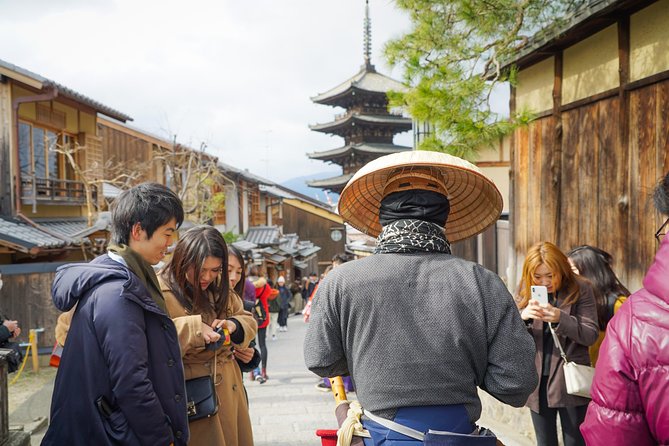
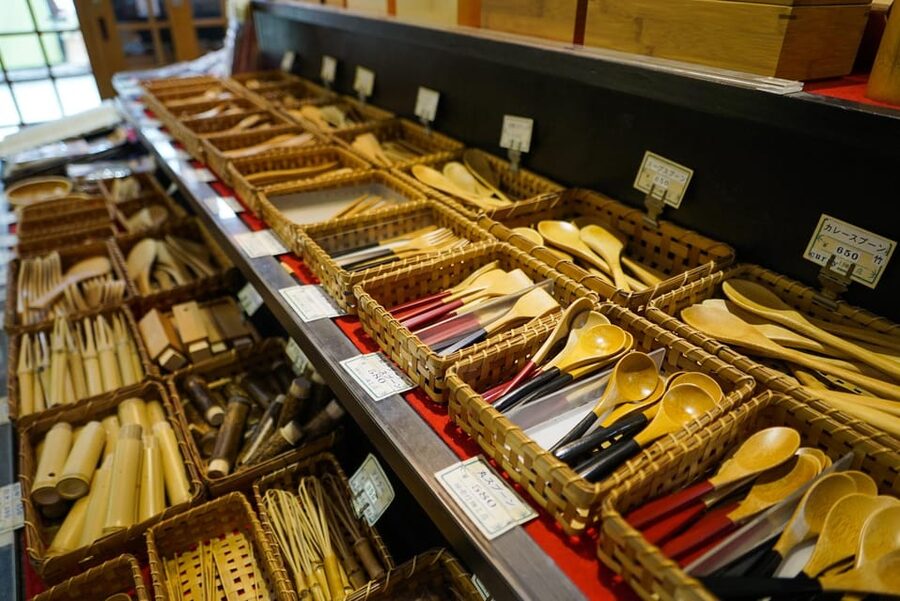
From the shrine, you head toward Kiyomizuzaka, the traditional approach to Kiyomizu-dera. This is one of the better parts of the experience for anyone who wants Kyoto beyond temple gates. The street has old teashops, sweet shops, and stores selling Japanese sun-dried foods. Maiko and geisha may also pass through the area, though sightings are never something you should count on.
I like this opening because it gives you a gentle introduction to Kyoto’s old-town setting. You can look at the shop displays, ask your guide about the foods, and get a sense of how religious sites and everyday commerce sit side by side.
The route is not a flat city stroll. You will walk through narrow streets and approach temple areas on foot, with some uphill sections around Kiyomizuzaka. Wear comfortable shoes, and keep your group together when the lanes are crowded.
More visits to Kiyomizu-dera:
- Kyoto: Tea Ceremony in a Traditional Tea House in Kiyomizu
★ 4.9 · 3,519 reviews - Kyoto: Nijo Castle, Kiyomizu & Fushimi Inari Guided Tour
★ 4.7 · 700 reviews - Kyoto: Nijo, Kinkaku-ji, Arashiyama, Kiyomizu & Fushimi Inari
★ 5.0 · 699 reviews
Yasaka Koshin-do and its colorful wish balls
One of the tour’s most photogenic stops is Yasaka Koshin-do, a small temple known for the many colorful balls hanging from its ceiling. Wishes are written on these balls, creating a bright scene that looks very different from Kyoto’s more restrained wooden temples.
The stop also gives your guide a chance to explain Japanese religious culture in a more approachable way. You are not only taking a photograph. You are learning why people visit, what the decorations represent, and how local religious customs appear in daily life.
This is a short stop, but it adds character to the itinerary. Kiyomizu-dera is the major landmark, while Yasaka Koshin-do feels more intimate and visually unusual. If you enjoy photography, bring your camera or phone ready, but remember that this remains a religious site rather than a staged photo set.
The tour’s cultural explanations depend partly on the guide leading your group. One guide named Akiko received especially warm praise for making the shrine and temple visits interesting, though guide assignments can change. Another guide was newer to the route and somewhat nervous, yet still offered useful explanations. That tells you to expect a friendly local guide, while the exact depth and style may vary.
Local snacks along Kiyomizuzaka
The walk includes several stops at eateries, where you can sample local foods recommended by your guide. A few samplings are included, but extra food and drinks cost more. Bring cash if you want to buy additional snacks, refreshments, or souvenirs.
This part is useful because food shops around Kiyomizuzaka can be tempting but confusing. Your guide can point out items worth trying and explain what you are eating. It also breaks up the sightseeing, which is welcome on a three-hour walking tour.
Do not treat the included samples as a full meal. The food is intended as a taste of the area, not lunch or dinner. If you need substantial food, plan to purchase more along the route or eat before or after the tour.
Dietary needs require planning. MagicalTrip cannot guarantee allergy-free food because the snacks come from kitchens it does not control. Substitutions may not be possible at every stop, though the company says it will try to make up for missed items at other stops. Send allergy or dietary information at least one day before the tour, and carry a small backup snack if your restrictions are serious.
Entering Kiyomizu-dera, Kyoto’s Water Temple
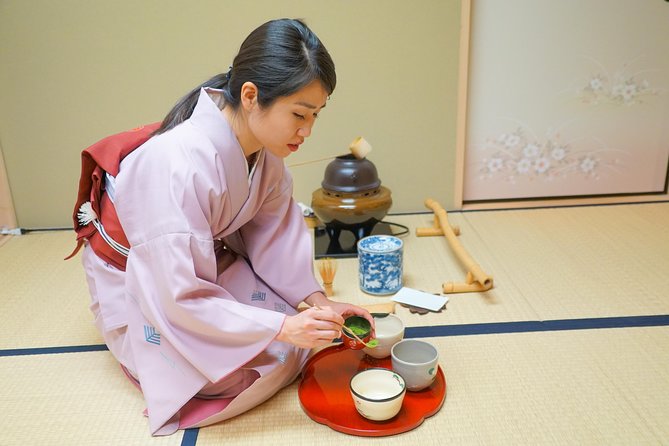
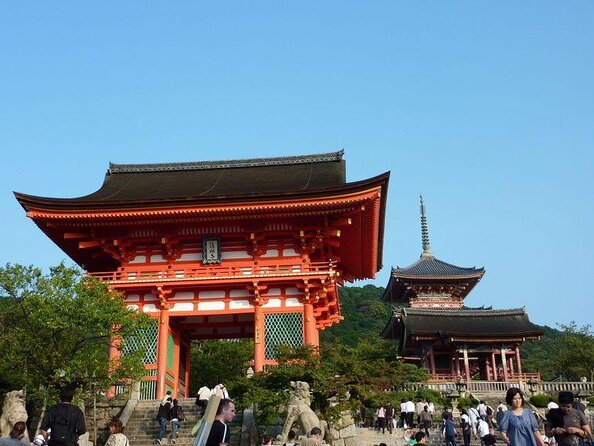
Kiyomizu-dera is the major sight on this tour, and the entrance fee is included. The temple is a UNESCO World Heritage Site and one of Japan’s best-known religious landmarks.
Its name means Water Temple, a reference to the Otowa Waterfall on the site. The famous wooden platform gives you views toward Kyoto and the surrounding cherry and maple trees. The scenery changes with the season, but the platform is valuable even when the trees are not in bloom or autumn color. It gives you a clear sense of the temple’s position above the city.
Your guide can explain the religious customs and history connected with the temple as you move through the grounds. That context is important because Kiyomizu-dera can otherwise feel like a series of beautiful gates, buildings, and viewpoints. With an explanation, the details become easier to read.
Crowds are part of the bargain at such a famous place. The tour does not promise a quiet temple visit, and narrow approach streets can slow the group. The guide helps you move through the area, but you should allow for people stopping to take photos and for possible waiting at the waterfall.
More tea ceremonies in Kyoto:
- Kyoto: Tea Ceremony Ju-An at Jotokuji Temple
★ 4.9 · 3,207 reviews - Kyoto: 45-Minute Tea Ceremony Lesson Experience
★ 4.3 · 2,378 reviews - Kyoto: Table-Style Tea Ceremony at a Kyo-Machiya
★ 4.9 · 1,211 reviews - Kimono Tea Ceremony at Kyoto Maikoya, NISHIKI
★ 5.0 · 911 reviews
Drinking from Otowa Waterfall
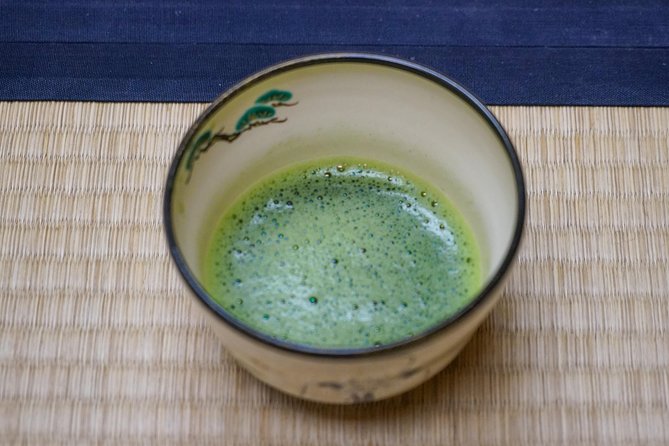
At Otowa Waterfall, you can drink its clear water, which is said to bring good luck. The experience is simple, but it connects the visit to a living religious practice rather than just an architectural tour.
A line may form at the waterfall. This is one reason the three-hour schedule needs attention. A longer wait can affect the time available for the tea ceremony, so stay aware of where the group is and follow the guide’s instructions.
The waterfall stop is also a good moment to ask questions. Your guide can explain the custom and its place within the temple visit. The tour presents the practice as part of Japanese religious culture, not as a promise of any guaranteed result.
Preparing matcha in a traditional tea room
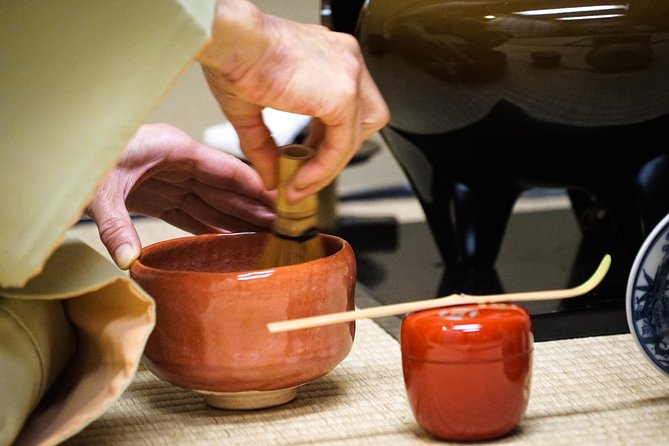
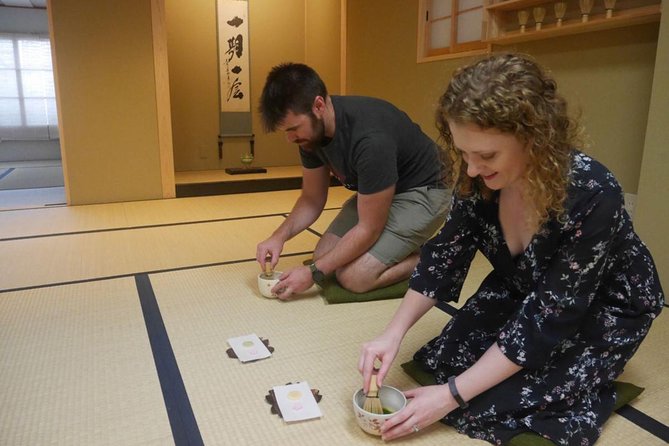
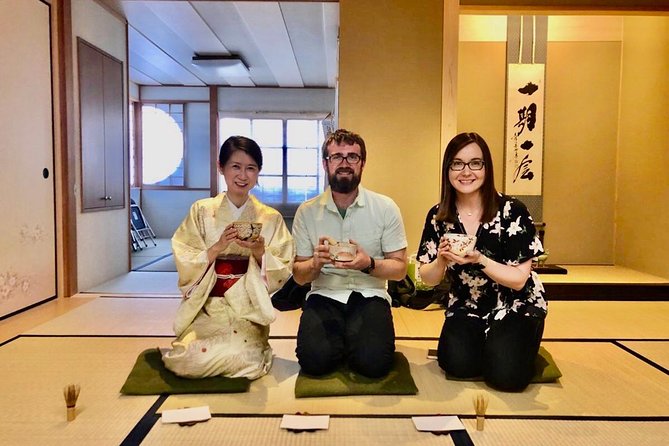
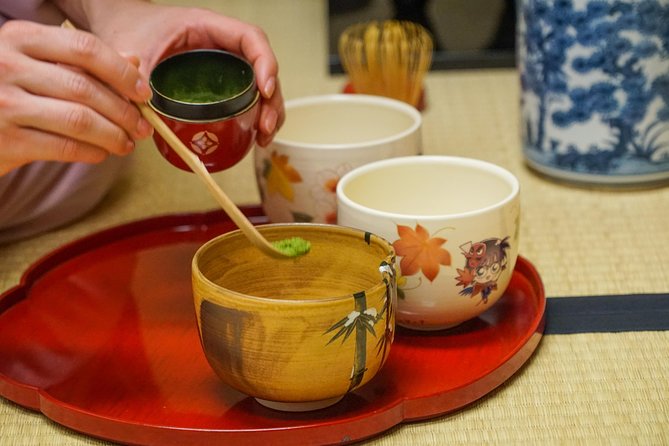
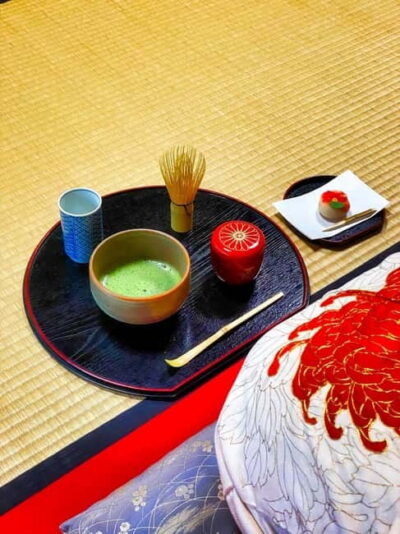
The tea ceremony is the experience’s most hands-on feature. In a sophisticated room surrounded by tea utensils, you learn the basic steps for preparing matcha. A bamboo tea whisk and distinctive tea bowls give the lesson a tactile quality, and Japanese sweets accompany the tea.
You will not simply sit and watch someone else make tea. You get to prepare your own green tea, with the guide explaining the process and teaching a few Japanese phrases connected with the ceremony. That makes the activity approachable even if you know little about tea customs.
The value here is the chance to notice the care given to simple actions: handling the bowl, using the whisk, and observing the setting. The ceremony offers a slower finish after the busy streets and major temple grounds.
The tea portion is also the part most affected by timing. One earlier booking missed the ceremony because of a schedule misunderstanding. The guide worked to arrange another session or a refund for people who could not return, but you should not rely on that solution. Confirm the meeting time, arrive early, and make sure you understand when the group must leave each stop.
If the tea ceremony is your main reason for booking, keep the rest of your day flexible. The activity ends back at the original meeting point, but you should avoid scheduling an immediate train, reservation, or other fixed event.
What $63 includes, and what it does not
At $63 per person, this tour offers fair value if you want an English-speaking guide, the Kiyomizu-dera admission, food samples, and a tea ceremony in one compact outing. Buying the temple ticket separately would not provide the route planning or explanations, and arranging a tea ceremony on your own may take extra research.
The strongest value comes from the combination. You get a walking introduction to one of Kyoto’s most visited areas, a colorful smaller temple, local snack suggestions, and a cultural activity. If you already know Kiyomizuzaka well or have booked a separate tea ceremony, the price may feel less attractive.
The included food is limited to a few samples. Budget extra cash for drinks, additional snacks, and souvenirs. The tour does not include extra food or beverages.
Photos taken during the tour are included, which is a useful touch if you want pictures of the experience without constantly stopping to photograph yourself. The exact number and style of photos are not specified, so consider them a bonus rather than the main reason to book.
Who will enjoy this Kyoto walking tour
I would choose this tour for a first visit to Kyoto, especially if you want several well-known sights explained in one morning or afternoon. It suits people who like to walk, taste small portions of local food, and take part in a cultural activity rather than only view temples.
It is also a good fit if you want help understanding Japanese religious customs. Yasaka Koshin-do and Otowa Waterfall provide specific examples, while the tea ceremony shows how ritual and attention shape another part of Japanese culture.
Families should note that children under six are not allowed. The route is not fully accessible for wheelchairs or strollers, so check carefully before booking if anyone in your party has mobility needs.
Summer requires extra care. Kyoto can be very hot and humid, so bring water and wear a hat. Comfortable shoes matter in every season because this is a walking tour through traditional streets and temple grounds.
Meeting point, language, and cancellation details
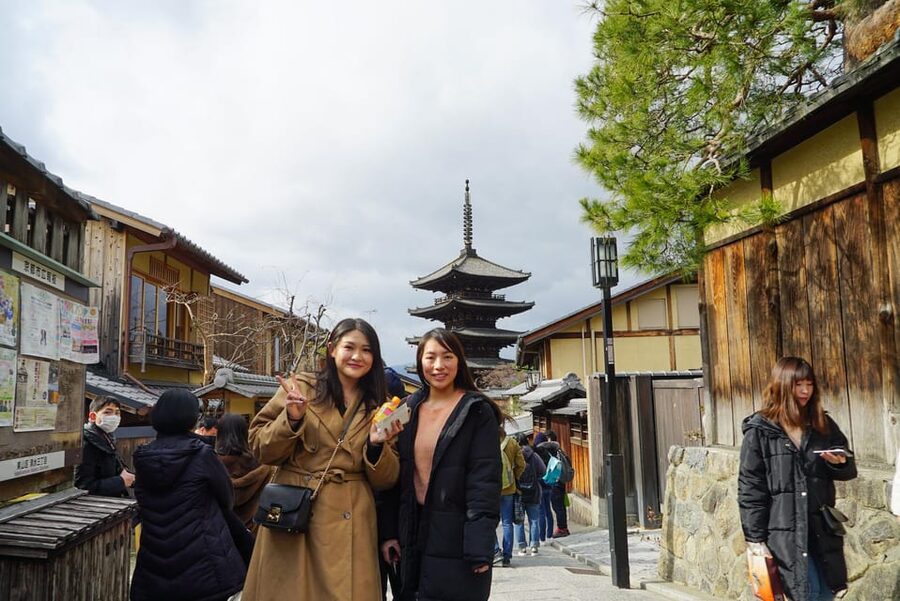
The tour is conducted in English and begins at the Yasaka Shrine Nishiromon Gate, in front of the shrine statue. Look for the guide holding a MagicalTrip board, and arrive 10 minutes early.
The tour returns to the same meeting point. No separate transportation is described, so plan on walking for the full route rather than expecting a bus or train transfer between stops.
You can reserve now and pay later, which helps if your Kyoto plans are still shifting. Cancellation is allowed up to 24 hours before the activity for a full refund.
Should you book this tea ceremony and temple walk?
Book it if you want Kiyomizu-dera plus a hands-on tea ceremony without arranging each part yourself. The route adds Yasaka Koshin-do, local snack samples, religious explanations, and a guide who can help you make sense of Kyoto’s old streets.
Think twice if you need a fully accessible route, have strict food allergies, or want a quiet, unhurried temple visit. The popular sites can be crowded, the waterfall may have a line, and the tea ceremony depends on keeping to schedule.
For most first-time visitors who can manage the walking, $63 is a sensible price for the range of included experiences. Just arrive early, bring cash and water, and protect the tea ceremony time by following the schedule closely.
FAQ
Where does the Kyoto tea ceremony and Kiyomizu-dera tour start?
Meet in front of the statue at the Yasaka Shrine Nishiromon Gate. Your guide will hold a board that says MagicalTrip.
Where does the tour finish?
The activity ends back at the original meeting point.
How long does the tour last?
The tour lasts three hours.
Is the Kiyomizu-dera entrance fee included?
Yes. The Kiyomizu-dera entrance fee is included in the $63 price.
Is the tea ceremony included?
Yes. The tea ceremony is included, along with Japanese sweets and the chance to prepare your own matcha.
Is food included?
A few samplings are included. Extra food and drinks are available for purchase and are not included in the price.
Can children and wheelchair users join?
Children under six are not allowed. Some locations on the route are not accessible by wheelchair or stroller.
More Walking Tours in Kyoto
- Kyoto Geisha Walking Tour: Gion District & Hidden Gems
★ 4.7 · 3,273 reviews - Kyoto: Gion Magical Night Walking Tour with Geisha Trivia
★ 4.9 · 2,393 reviews - Kyoto: Gion Geisha District Walking Tour – Stories of Geisha
★ 4.7 · 2,187 reviews - Night Walk in Gion: Kyoto’s Geisha District
★ 4.5 · 2,003 reviews
More Temples in Kyoto
- Arashiyama Bamboo, Temple, Monkeys, or Secret Sake Brewery
★ 4.8 · 886 reviews - Kyoto: Arashiyama Bamboo Forest, Monkeys, Matcha & Temple Tour
★ 5.0 · 759 reviews - Kyoto: Ninnaji Temple Entry Ticket
★ 4.2 · 650 reviews - Kyoto Zen Meditation & Garden Tour at a Zen Temple with Lunch
★ 5.0 · 441 reviews
Recently added around Kyoto
- Higashiyama | Kyoto: Sakura Season Private Rickshaw Tour★ 5.0 · 3 reviews
- Kyoto Kimono Rental CHAMATSU|Kimono/Yukata Rental FamilyPlan★ 5.0 · 3 reviews
- Kyoto: Half-Day Private Guided Tour to the Old Town of Gion★ 4.4 · 3 reviews
- Nara Private Customizable Half Day Tour★ 5.0 · 3 reviews
- Kansai Region Hiking Adventure in Nara Kobe Kyoto and More★ 5.0 · 3 reviews
- Full Day Nara Deer, Temple, Shrine, Activities & Tea Ceremony★ 5.0 · 3 reviews
- Nara: Essential Private Tour with Deer Park and Temples★ 5.0 · 3 reviews
- Hiking Tour for Sacred Sites in Kyoto with a Guide★ 5.0 · 3 reviews
Kiyomizu-dera Temple Tours, compared.
Tea Ceremony in a Traditional Tea House in Kiyomizu
Read our review →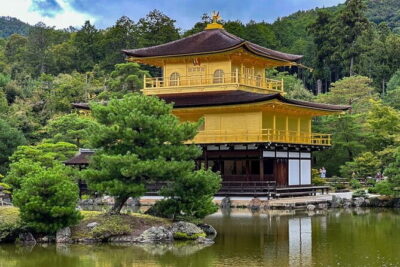
Nijo, Kinkaku-ji, Arashiyama, Kiyomizu & Fushimi Inari
Read our review →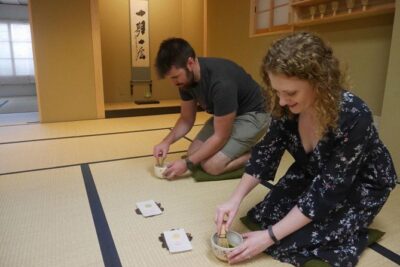
Kyoto Tea Ceremony & Kiyomizu-dera Temple Walking Tour
Read our review →
Kyoto Kiyomizu Tea Ceremony with Scenic Garden Views
Read our review →
Kimono/Yukata Rental 5 Minute from Kiyomizu-dera
Read our review →
Kiyomizu Temple and Backstreets of Gion, Half Day Group Tour
Read our review →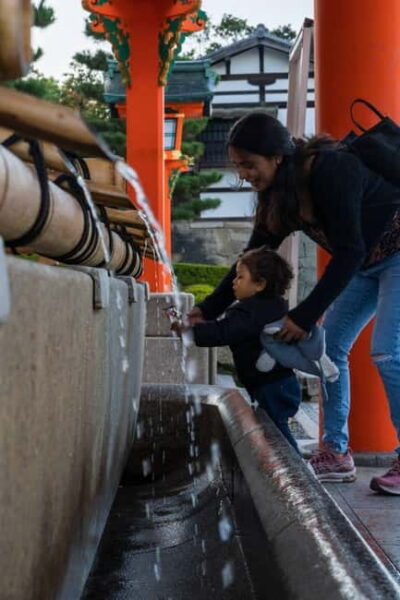
Best of Kyoto: Red Gates of Fushimi Inari & Kiyomizu Temple
Read our review →
Kyoto kiyomizu Temple : Maiko and Samurai Couple Photoshoot
Read our review →Browse the lists this tour appears in