
REVIEW · NISHIKI MARKET FOOD TOURS
Kyoto: Nishiki Market Tea Ceremony with Koto Performance
Kyoto: Nishiki Market Tea Ceremony with Koto Performance Review
The most memorable part of this Kyoto tea ceremony is not only making matcha. It is the gentle mix of tea, sweets, and live koto music in a small studio near Nishiki Market. Yurika guides you through the steps, then plays the Japanese zither while you sit with your tea.
I like two things right away: you prepare the matcha yourself, and the music gives the hour a calm rhythm that a standard demonstration may lack. I also like the location, since you can step into Nishiki Market and its food stalls afterward. The main consideration is space. The studio is small, large bags are awkward, and the optional kimono session costs extra.
In This Review
- Key points at a glance
- What happens inside KOTOLILY KYOTO
- Making matcha from powder to cup
- Tea etiquette without the guesswork
- The koto performance before and after tea
- The optional kimono session
- Why the Nishiki Market location works well
- Is $56 good value for one hour?
- Timing, comfort, and practical details
- Who will enjoy this Kyoto experience most?
- Should you book KOTOLILY KYOTO?
- FAQ
- Where does the tea ceremony take place?
- How long does the activity last?
- What is included in the price?
- Is the kimono included?
- Can I take photographs?
- Is the activity suitable for children and wheelchair users?
Key points at a glance
- Yurika leads the tea and music: Expect clear instruction in English or Japanese, with explanations of tea etiquette and the koto.
- You make your own matcha: You handle the preparation, from adding water to whisking the tea into a creamy drink.
- Live koto music shapes the hour: Performances take place before and after the tea ceremony, not just as background music.
- Nishiki Market is next door: The central location works well on a rainy day and pairs easily with shopping and food stops.
- Kimono photos are optional: You can arrange a kimono session with photos and video at the studio for an additional fee.
- The group is limited to eight: The small format makes it easier to follow the instructions and ask questions.
What happens inside KOTOLILY KYOTO
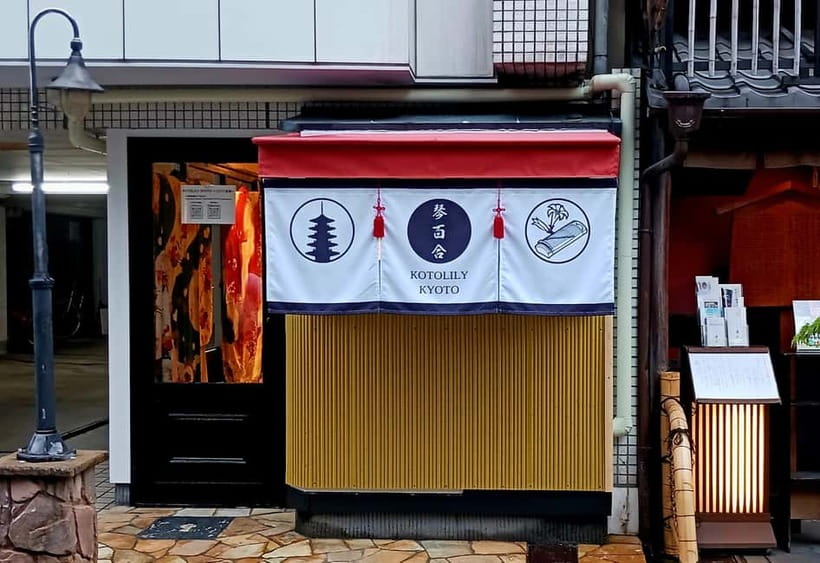
You meet inside KOTOLILY KYOTO, next to KINMATA Restaurant and across the street from Hotel GOCO stay. Do not wait at the hotel. The shop itself is the meeting point.
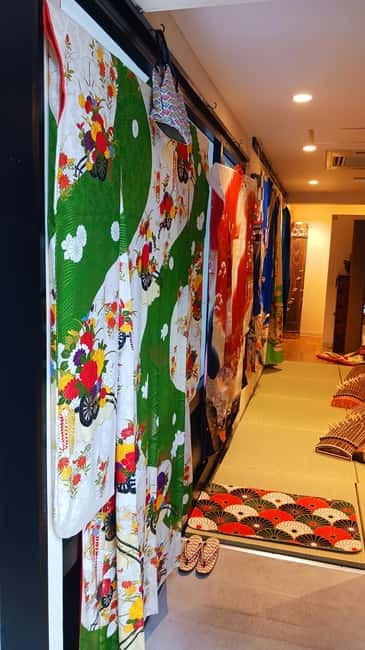
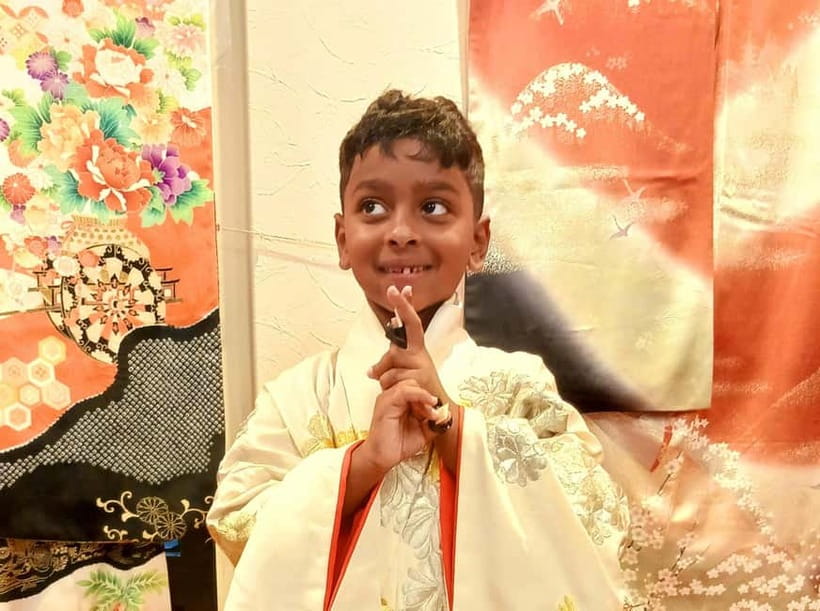
The studio has a compact, carefully arranged feel, with colorful kimonos displayed along the walls. You remove your shoes at the door, so wear clean, comfortable socks if that matters to you. Leave large backpacks, shopping bags, and certainly suitcases elsewhere when possible. The room can accommodate the group, but it is not designed for bulky luggage.
The one-hour session moves at a friendly pace. It does not ask you to sit through a long formal ceremony without explanation. Instead, Yurika explains what you are doing and why each stage matters, then gives you a chance to take part.
That approach is useful if this is your first contact with Japanese tea customs. You get enough context to understand the gestures instead of copying them blindly. If you have already attended a tea ceremony, you may still enjoy the music and the relaxed setting, though the instructional portion will feel familiar.
More food walks through Nishiki Market:
- Nishiki Market Brunch Walking Tour (7 Tastings + Brunch)
★ 5.0 · 1,355 reviews - Kimono Tea Ceremony at Kyoto Maikoya, NISHIKI
★ 5.0 · 911 reviews - Kyoto Nishiki Market Food and Culture Walking Tour
★ 5.0 · 412 reviews
Making matcha from powder to cup
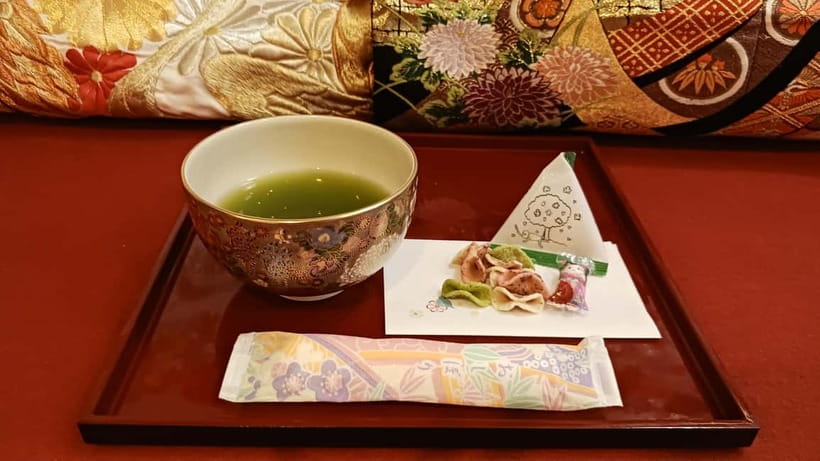
The hands-on tea preparation is the heart of the activity. You learn how to make matcha, beginning with the basic process of adding water and whisking the tea. The aim is a smooth, creamy cup with less bitterness, and the careful instructions make the method approachable.
This matters because matcha can be an acquired taste. A poorly mixed cup may seem harsh, especially if you are not used to powdered green tea. Here, you learn how preparation affects the texture and flavor. The tea is served with traditional sweets, which provide a small, pleasant contrast to the earthy drink.
You are not simply handed a bowl and told to drink. You take part in preparing it, then taste the result. That makes the experience more useful than a photo stop. You leave with a better sense of how matcha is made and how the tea fits into Japanese hospitality.
The session may include more than one green tea preparation, depending on the presentation and timing. Do not expect a full meal. Tea sweets are included, but meals and transportation are not.
Tea etiquette without the guesswork
Tea ceremonies can seem mysterious if you do not know the rules. Yurika breaks down the etiquette in a way that makes it easier to follow. The ceremony has formal movements, but the instruction keeps the mood warm and practical rather than stiff.
You learn to slow down and pay attention to small actions. The value here is cultural as much as culinary. The tea is a reason to discuss respect, presentation, hospitality, and the care given to a simple bowl of drink.
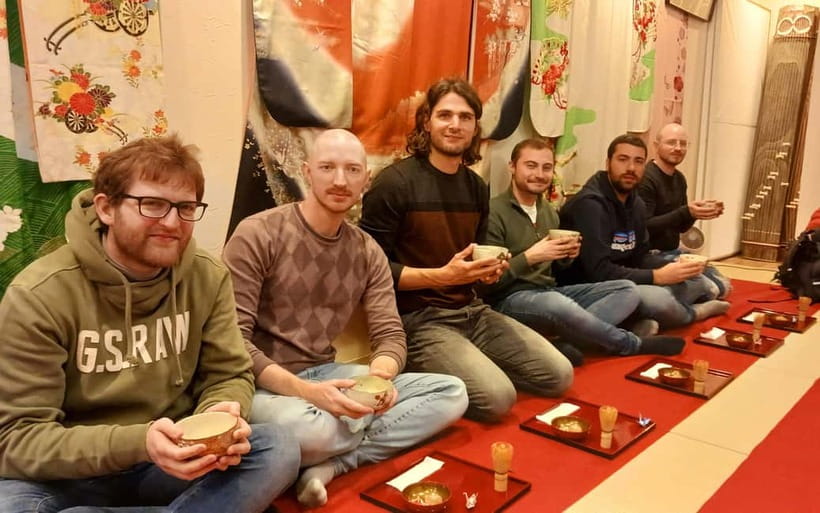
The setting also helps. Rather than sitting in a large hall with a crowd, you share a compact studio with no more than seven other participants. That limit gives you a better chance to see the demonstration and ask questions. A private session is possible if the group size and booking happen to allow it, but you should not assume you will have the room to yourself.
The format suits couples, families with older children, and solo visitors who want a quieter hour in central Kyoto. Children under eight cannot take part, and the activity is not suitable for people with food allergies.
The koto performance before and after tea
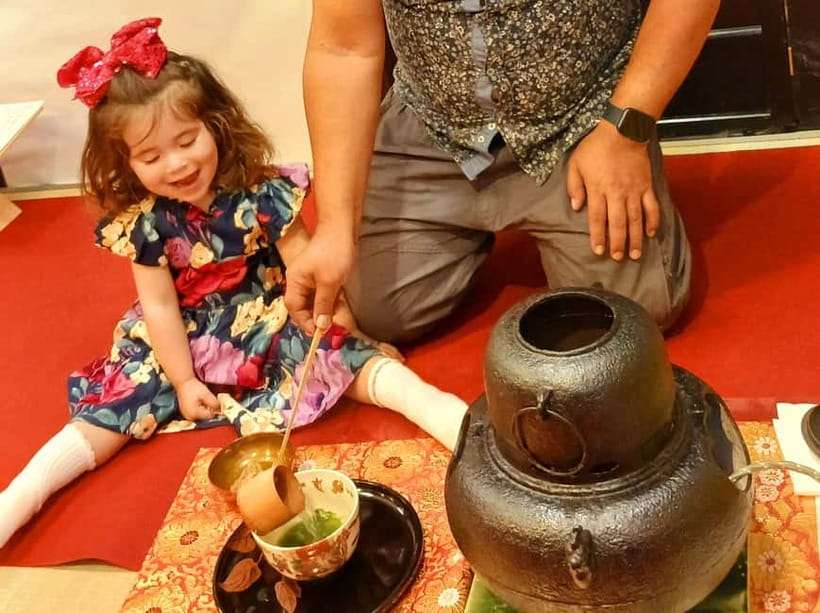
The live koto performance is what gives this activity its own character. The koto is a traditional Japanese string instrument, sometimes described in English as a Japanese harp. Yurika plays it in the studio, with music before and after the tea ceremony.
The performance is more than a short musical sample. Several accounts describe multiple pieces and a chance to hear about the instrument and its background. The music provides a peaceful pause between the practical steps of preparing tea.
I especially like this pairing because tea and koto do different jobs. The tea ceremony asks you to focus on movement and taste. The music lets you sit back and listen. Together, they create a fuller introduction to Japanese culture than either activity alone.
You may hear traditional melodies or other pieces chosen for the session. Specific songs are not guaranteed, so book this for the live koto experience rather than for a particular tune. Flash photography is not allowed, which helps preserve the quiet mood and protects the atmosphere during the performance.
If you want more than listening, ask about the optional koto lesson after the tea ceremony. It costs extra and is arranged on-site. This is a good add-on for anyone curious about how the instrument is played, but it is not part of the $56 base price.
More tea ceremonies in Kyoto:
- Kyoto: Tea Ceremony in a Traditional Tea House in Kiyomizu
★ 4.9 · 3,519 reviews - Kyoto: Tea Ceremony Ju-An at Jotokuji Temple
★ 4.9 · 3,207 reviews - Kyoto: 45-Minute Tea Ceremony Lesson Experience
★ 4.3 · 2,378 reviews - Kyoto: Table-Style Tea Ceremony at a Kyo-Machiya
★ 4.9 · 1,211 reviews
The optional kimono session
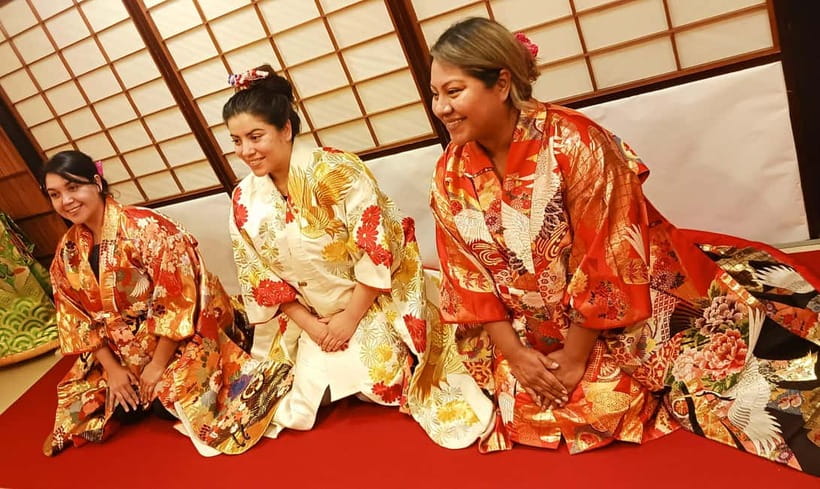
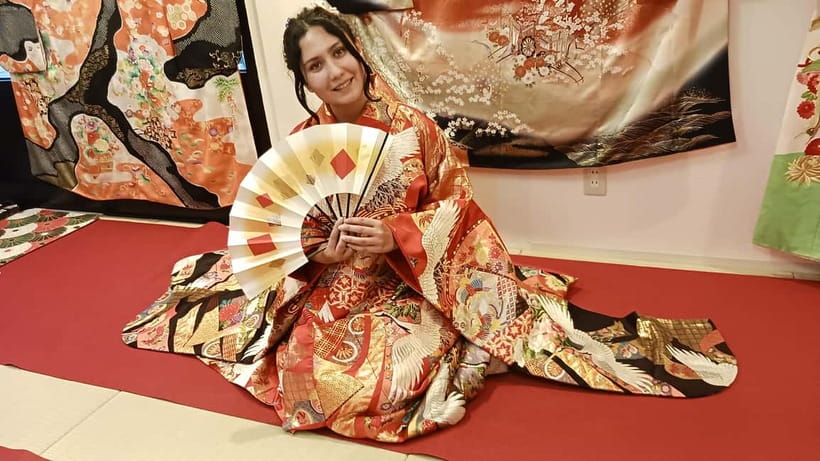
Kimonos are displayed in the studio, and you can pay extra for a try-on session with photos and video. This is a practical add-on if you want a polished Kyoto souvenir without arranging a separate rental appointment.
The available clothing is described as gorgeous and carefully chosen, with traditional hair accessories also available according to the activity details. The photo session normally comes after the tea experience, so do not assume you will wear the kimono throughout the ceremony.
That distinction matters. Some people will prefer to concentrate on making tea in comfortable clothes, then change for photographs. Others may want the full tea ceremony while dressed traditionally and could find the timing a little limiting.
Ask the staff about the price and exact arrangement when you arrive. The kimono photos and koto lesson are optional purchases, not included services. Bring a camera if you want to take your own pictures, but follow the no-flash rule.
Why the Nishiki Market location works well
KOTOLILY KYOTO is in central Kyoto, close to Nishiki Market and other shopping streets. You do not need to build a separate day around the activity. Schedule it before or after market browsing, depending on your energy and appetite.
The location is especially helpful in poor weather. Much of your time is indoors, and the central setting is easier to reach than a remote temple or countryside venue. Afterward, you can browse food stalls and shops around Nishiki Market.
The trade-off is the city setting. This is not a secluded temple ceremony in a garden. You are in a small shop near one of Kyoto’s busiest shopping areas. The experience gives you a calm indoor break, but it does not offer a grand architectural setting or outdoor scenery.
That is not a flaw, as long as you book it for the right reason. Choose it for direct participation, personal instruction, and live music. Choose a temple visit instead if your main goal is a formal tea room, landscaped grounds, or a historic religious setting.
Is $56 good value for one hour?
At $56 per person, this is not the cheapest way to drink matcha in Kyoto. You can find tea and sweets for much less at a cafe. The price makes more sense when you count the instruction and performance together.
You receive a tea ceremony lesson, the chance to prepare matcha, tea sweets, and live koto music. The group limit of eight also matters. You are paying for an activity with personal guidance, not simply admission to a show.
The value is strongest if you would otherwise book separate tea and traditional music experiences. Here, both fit into one hour and one central stop. The host’s warm teaching style is also part of the appeal. Yurika explains the process, answers questions about Japanese culture, and plays the instrument herself.
The value is weaker if you only want a quick bowl of matcha, if you dislike group instruction, or if you expect a lengthy formal ceremony. The optional kimono photographs and koto lesson add to the final cost, so decide in advance how much you want to spend.
Timing, comfort, and practical details
The activity lasts one hour, with starting times based on availability. That short length makes it easy to fit into a Kyoto day, but it also means the session moves with purpose. Arrive ready to begin rather than expecting a long leisurely afternoon.
Wear comfortable clothes. You will be inside without shoes, and the studio has limited room for personal belongings. A camera is useful, especially if you purchase the kimono photo option, but flash photography is prohibited.
English and Japanese instruction are available. The teaching is designed for international visitors, and the activity works well if you want cultural context without needing advanced Japanese.
The experience is not suitable for wheelchair users, children under eight, or people with food allergies. The supplied details do not identify the ingredients in the sweets, so anyone with an allergy should ask the staff before booking or attending.
You do not receive transportation to or from the shop. Plan your own route to KOTOLILY KYOTO and use the precise landmarks: next to KINMATA Restaurant, opposite Hotel GOCO stay, and inside the shop itself.
You can cancel up to 24 hours before the start for a full refund. A reserve-now, pay-later option is also available, which helps if your Kyoto schedule is still changing.
Who will enjoy this Kyoto experience most?
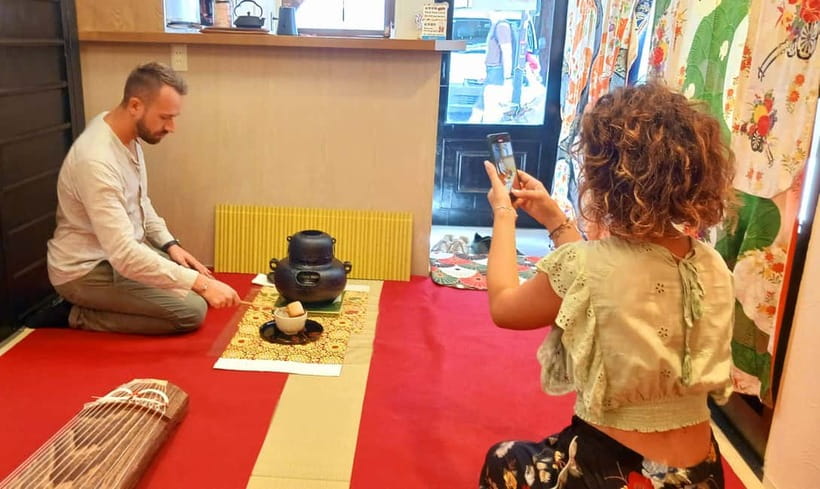
I would recommend it to anyone who wants to understand matcha rather than simply photograph it. The hands-on preparation gives you something to do, and the explanations make the ritual easier to appreciate.
It is also a strong pick for music lovers. The koto performance is not an afterthought. It appears before and after the tea portion, and the live sound changes the mood of the room.
Couples and families with older children should find the format easy to share. It is calm, compact, and short enough to suit different energy levels. Solo visitors can also benefit from the small group and direct access to the instructor.
It may not suit you if you need step-free access, have a food allergy, or are traveling with young children. It is also not the best choice if you want a grand traditional building or a ceremony lasting several hours.
Should you book KOTOLILY KYOTO?
Book this experience if you want a small-scale cultural lesson with three clear ingredients: making matcha, eating tea sweets, and hearing live koto music. The central Nishiki Market location, one-hour format, and group limit of eight make it easy to fit into a busy Kyoto itinerary.
I would also consider the kimono photos if you want a keepsake, but treat them as a separate purchase. Skip the add-ons if your budget is tight. The base experience already gives you the main value.
At $56, this is best judged as tea instruction plus a live performance, not as a cup of green tea. For that combination, the price is reasonable. If you prefer a historic tea house or need accessible facilities, choose another activity. For a personal, calm, and practical introduction to two Japanese traditions, KOTOLILY KYOTO is a sound choice.
FAQ
Where does the tea ceremony take place?
It takes place inside KOTOLILY KYOTO in central Kyoto. The shop is next to KINMATA Restaurant and opposite Hotel GOCO stay, close to Nishiki Market.
How long does the activity last?
The tea ceremony and koto experience last one hour. Starting times depend on availability.
What is included in the price?
The $56 price includes the tea ceremony experience, matcha preparation, tea sweets, and a live koto performance.
Is the kimono included?
No. Kimono wear with photos and video is available for an additional fee at the shop. Ask the staff about arranging it after the tea ceremony.
Can I take photographs?
You can bring a camera and take photos, but flash photography is not allowed. Large bags may be difficult to manage because the studio is small.
Is the activity suitable for children and wheelchair users?
Children under eight cannot take part, and the activity is not suitable for wheelchair users. It is also not suitable for people with food allergies.
More Markets in Kyoto
- Kyoto: Nishiki Market Brunch Walking Tour-7 Tastings+Brunch
★ 4.8 · 197 reviews - Kyoto: Local Food Tasting Tour at the Nishiki Market
★ 4.7 · 135 reviews - Kyoto: Nishiki Market and Depachika Food Tour with a Local
★ 4.7 · 76 reviews - Kyoto: Nishiki Market Tour with a Local Foodie & Tastings
★ 4.5 · 67 reviews
More Kyoto Traditional Music Experiences in Kyoto
- TAIKO, Japanese Drum Experience from Kyoto
★ 5.0 · 86 reviews - Shamisen Experience in Kyoto 【Private】
★ 5.0 · 82 reviews - Kyoto: Japanese Koto & Shamisen Concert and Koto Class
★ 4.9 · 31 reviews - Shamisen Discovery in Kyoto 【Group】
★ 5.0 · 24 reviews
Recently added around Kyoto
- Higashiyama | Kyoto: Sakura Season Private Rickshaw Tour★ 5.0 · 3 reviews
- Kyoto Kimono Rental CHAMATSU|Kimono/Yukata Rental FamilyPlan★ 5.0 · 3 reviews
- Nara Private Customizable Half Day Tour★ 5.0 · 3 reviews
- Kyoto: Half-Day Private Guided Tour to the Old Town of Gion★ 4.4 · 3 reviews
- Kansai Region Hiking Adventure in Nara Kobe Kyoto and More★ 5.0 · 3 reviews
- Full Day Nara Deer, Temple, Shrine, Activities & Tea Ceremony★ 5.0 · 3 reviews
- Nara: Essential Private Tour with Deer Park and Temples★ 5.0 · 3 reviews
- Hiking Tour for Sacred Sites in Kyoto with a Guide★ 5.0 · 3 reviews
Nishiki Market Food Tours, compared.
Kyoto Nishiki Market Food and Culture Walking Tour
Read our review →
Nishiki Market Brunch Walking Tour-7 Tastings+Brunch
Read our review →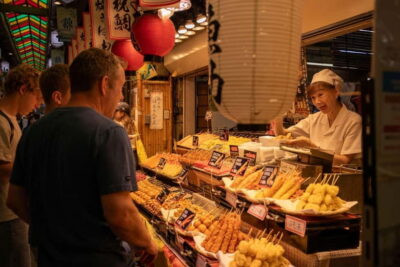
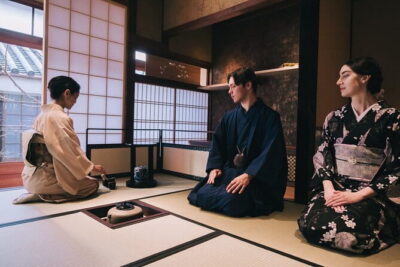
Kimono Tea Ceremony Experience at Kyoto Oritzuruya, Nishiki
Read our review →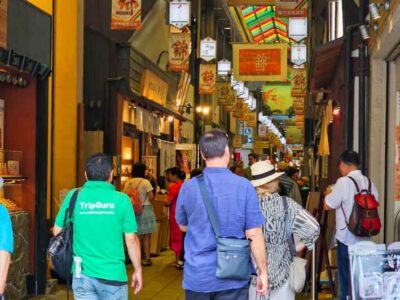
Nishiki Market and Depachika Food Tour with a Local
Read our review →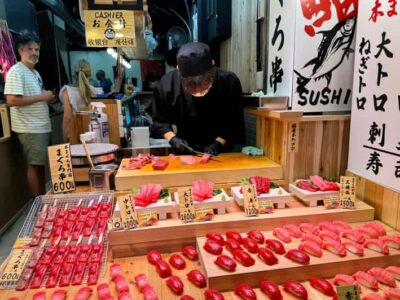
Nishiki Market Tour with a Local Foodie & Tastings
Read our review →
Browse the lists this tour appears in