
REVIEW · NISHIKI MARKET FOOD TOURS
Kimono Tea Ceremony Experience at Kyoto Oritzuruya, Nishiki
The most memorable part of this Kyoto experience begins before the tea is served: you choose a kimono from more than 200 designs, select hair ornaments, and let the staff dress you in several careful layers. I like the friendly hands-on help, and I like that you do more than watch the tea ceremony because you whisk your own bowl of matcha. The small-group limit of 10 people also keeps the session from feeling like a large bus tour.
The main thing to consider is the balance of the experience. This is as much a kimono and photograph session as it is a lesson in tea. If you want an in-depth study of tea ceremony philosophy, you may find the presentation brief and somewhat staged.
In This Review
- Key details at a glance
- Choosing a kimono near Nishiki Market
- Dressing takes longer than you may expect
- Entering the tea room
- Making matcha with a bamboo whisk
- Optional calligraphy for a handmade souvenir
- How the 90 minutes feel
- What makes the cultural lesson useful
- Comfort, sizing, and sitting on the floor
- Is $50.87 a fair price?
- Who should book this Kyoto activity?
- Booking and cancellation tips
- Should you book Nishiki Orizuruya?
- FAQ
- Where does the tea ceremony experience begin?
- Where does the activity end?
- How long does the experience last?
- How many people can join the group?
- What is included in the price?
- Is transportation included?
- Can I choose my own kimono?
- Is calligraphy included?
- Can I cancel for a full refund?
Key details at a glance
- Choose from over 200 kimono designs: Staff help you select the kimono, obi, cord, sandals, and hair accessories.
- Simple hairstyling is included for women: The staff finish the outfit with pins, flowers, or other adornments.
- Make your own matcha: An instructor demonstrates the traditional bamboo whisk, then you prepare and drink your own tea.
- Enjoy wagashi with the tea: The Japanese sweets come from a century-old confectionery.
- Optional calligraphy adds a personal souvenir: You learn basic brushwork and create a piece to take home.
- The experience lasts about 90 minutes: It begins and ends at Nishiki Orizuruya near Nishiki Market.
Choosing a kimono near Nishiki Market
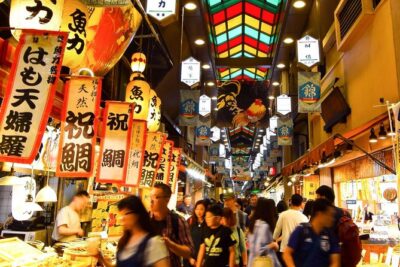
The meeting point is Nishiki Orizuruya at 452 Jūmonjichō, in Kyoto’s Nakagyo Ward. It is close to public transportation and Nishiki Market, so you can easily pair the activity with market browsing, shopping, or a walk through central Kyoto.
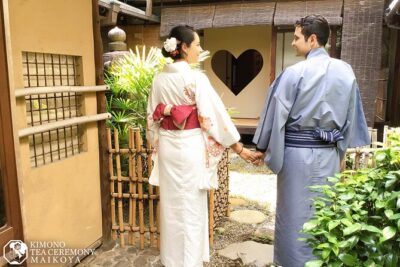
Once you arrive, the process begins with kimono selection. The large range of colors and patterns is one of the strongest parts of the experience. You are not simply handed a standard outfit. You can look through the available designs and choose the style that suits you.
The selection includes different sizes, and the experience has accommodated plus-size participants with a broad range of options. That matters, since many visitors worry in advance that a traditional kimono may not fit comfortably or attractively.
More food walks through Nishiki Market:
- Nishiki Market Brunch Walking Tour (7 Tastings + Brunch)
★ 5.0 · 1,355 reviews - Kimono Tea Ceremony at Kyoto Maikoya, NISHIKI
★ 5.0 · 911 reviews - Kyoto Nishiki Market Food and Culture Walking Tour
★ 5.0 · 412 reviews
Dressing takes longer than you may expect
Kimono dressing is not a quick costume change. Staff help with the underlayer, kimono, sash, cord, sandals, and finishing pieces. The process has several stages, and the careful wrapping is part of the cultural lesson.
For women, simple hairstyling is included. You can choose hair sticks, flowers, pins, and other ornaments to finish the look. The staff have also worked with a range of hair types, including natural Black hair, which can be an important concern when booking a traditional styling experience abroad.
I would allow yourself to enjoy this part rather than treating it as a delay before the tea. Much of the pleasure comes from making choices and seeing the outfit take shape. At the same time, dressing can take up a meaningful portion of the 90-minute schedule, especially when the room is busy.
A few photographs are taken after you are dressed. Some participants have also been allowed to wear the kimono outside afterward and walk around the nearby area until the venue closes at 6 p.m. Confirm the return time with the staff on the day, since you are responsible for bringing the outfit back.
Entering the tea room
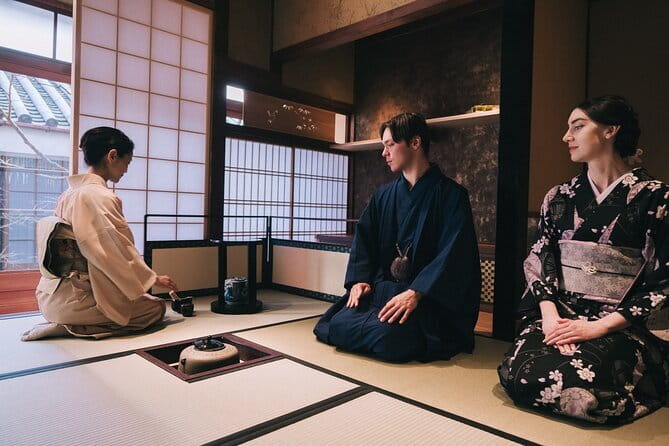
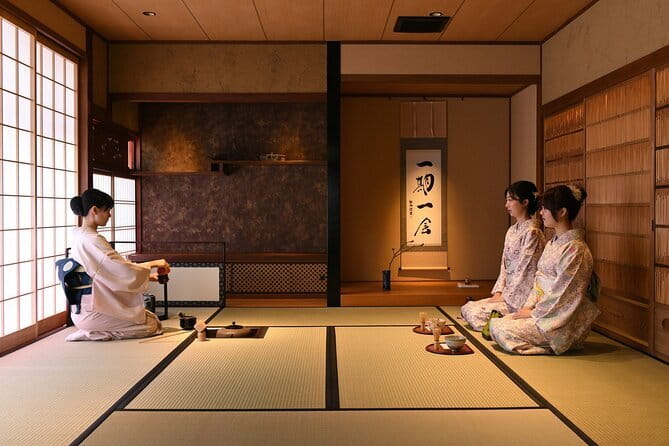
After dressing, you are shown into an elegant tea room. The instructor explains the cleansing process and the order of the ceremony before the tea is prepared.
This introduction helps you avoid the worry of making a cultural mistake. You learn where to sit, how the ceremony proceeds, and why certain movements are slow and deliberate. The tea ceremony is not just about drinking a cup of matcha. The preparation, presentation, and welcome are all part of the experience.
The setting is calm, and the ceremony gives you a useful glimpse of Japanese attention to movement and hospitality. One especially interesting point is the amount of preparation that happens before the tea is served. The cleansing steps and the careful welcoming process show that the ceremony values readiness and respect as much as the drink itself.
Still, you should set your expectations correctly. The instructor performs the main ceremony while you watch. Your active role comes later, when you prepare your own matcha. If you expect to perform every step of a full tea ceremony, this format may feel limited.
Making matcha with a bamboo whisk
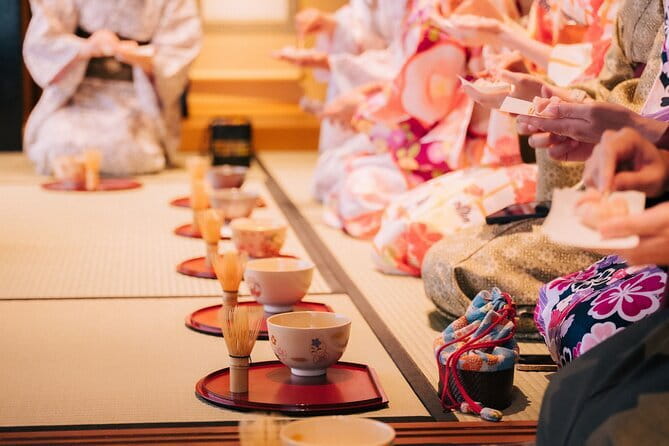
The hands-on matcha lesson is the clearest practical takeaway. You learn how to use a traditional bamboo whisk, called a chasen, and then try preparing your own bowl.
For many people, this is the point when the ceremony becomes less intimidating. You are no longer just watching precise movements from across the room. You get to feel how the whisk moves, see the foam form, and drink what you have made.
The tea is served with wagashi, a traditional Japanese sweet. The pairing gives you a simple explanation of how bitterness and sweetness work together in a tea setting. The sweets are supplied by a confectionery with a history of about 100 years, adding a small but worthwhile local detail to the tasting.
The activity is designed for beginners. You do not need prior knowledge of matcha, Japanese etiquette, or tea ceremony customs. The instructor guides you through the process, and the staff are available to help with the practical parts.
More tea ceremonies in Kyoto:
- Kyoto: Tea Ceremony in a Traditional Tea House in Kiyomizu
★ 4.9 · 3,519 reviews - Kyoto: Tea Ceremony Ju-An at Jotokuji Temple
★ 4.9 · 3,207 reviews - Kyoto: 45-Minute Tea Ceremony Lesson Experience
★ 4.3 · 2,378 reviews - Kyoto: Table-Style Tea Ceremony at a Kyo-Machiya
★ 4.9 · 1,211 reviews
Optional calligraphy for a handmade souvenir
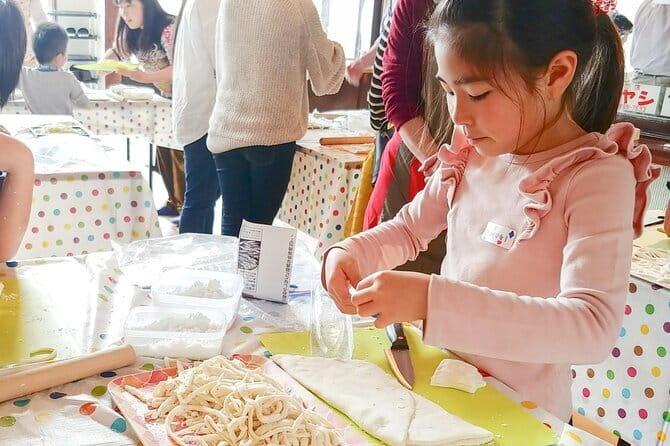
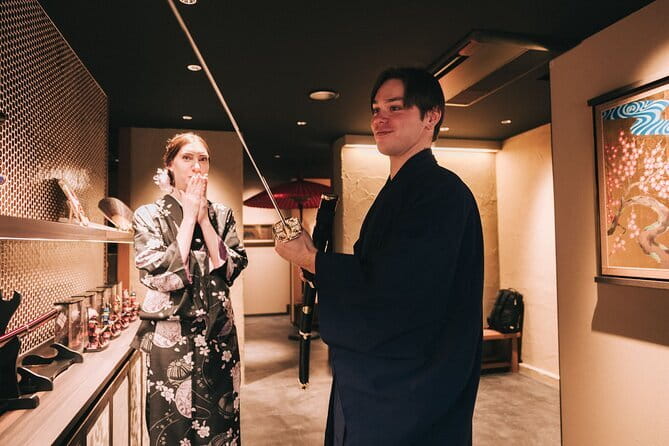
Calligraphy is an optional addition rather than a central part of the listed tea ceremony. If you want more than photographs, I think it is worth considering.
The session introduces the basics of Japanese brush writing and lets you create your own piece. One participant used the kanji for beautiful, but your own word or character will depend on the lesson and the arrangement made at the venue.
Calligraphy changes the feel of the outing. The kimono gives you a visual souvenir, while the finished brushwork gives you something personal to pack in your luggage. It is also a good choice if you are celebrating a honeymoon, birthday, or other special trip.
The supplied price is $50.87 per person for the main experience, but the details provided do not state the cost of the calligraphy addition. Check that price before booking if you want the extra lesson.
How the 90 minutes feel
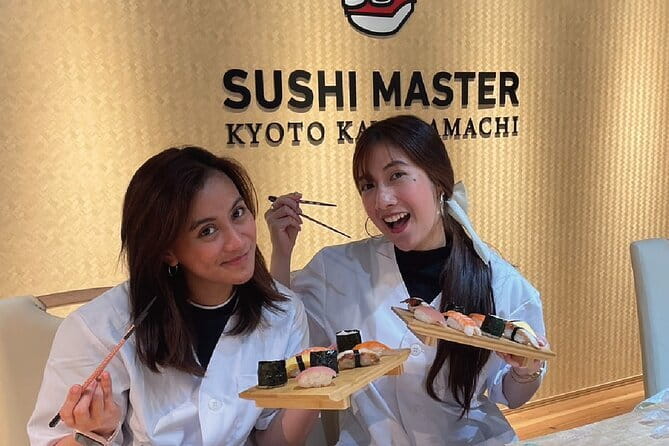
The advertised duration is about one hour and 30 minutes. A typical flow includes:
- Choosing your kimono and accessories
- Dressing and, for women, receiving simple hairstyling
- Taking a few photographs
- Learning the cleansing and tea ceremony customs
- Watching the instructor prepare tea
- Whisking and drinking your own matcha
- Eating wagashi
- Taking part in optional calligraphy if arranged
The schedule is compact. That is useful if your Kyoto itinerary is full, but it also means the ceremony cannot cover every detail of Japanese tea culture.
Some people find the dressing process takes longer than expected, followed by waiting for the tea portion to begin. The experience can feel busier when several people are being prepared at once. I would not book this expecting a long, private meditation or an extended conversation with the instructor.
On the other hand, the 90-minute length works well for families and first-time visitors. You get the main elements without giving up half a day of sightseeing. The group maximum is 10, which is small enough for personal assistance but not the same as a private ceremony.
What makes the cultural lesson useful
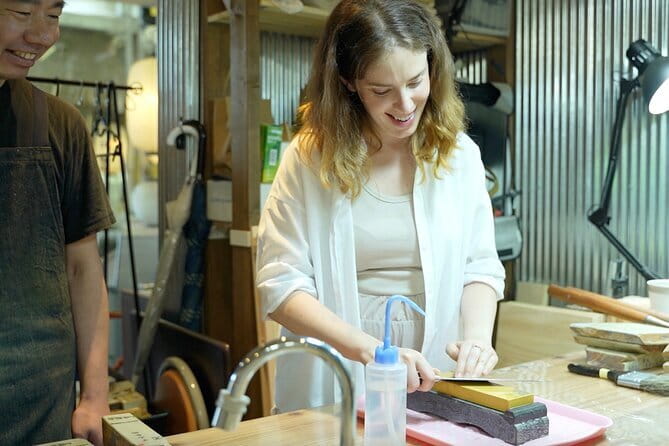
A tea ceremony can be difficult to understand from photographs alone. The gestures may look simple, but the order, cleanliness, posture, and presentation carry meaning.
This experience gives you a beginner’s framework. You see how the room is prepared, learn about purification, watch the tea being made, and then practice one central skill yourself. That is enough to make a later tea room visit less mysterious.
I would describe the cultural content as an introduction rather than a full study. The instructor explains the traditions and intentions behind the movements, but the short format limits the depth of the discussion. A short question-and-answer period may not satisfy someone who wants detailed answers about the spiritual and aesthetic schools of tea ceremony.
That distinction is important. If your priority is wearing a kimono, taking photographs, tasting matcha, and learning a few customs, the format fits well. If your priority is serious instruction in tea ceremony, look for a longer and more specialized class.
Comfort, sizing, and sitting on the floor
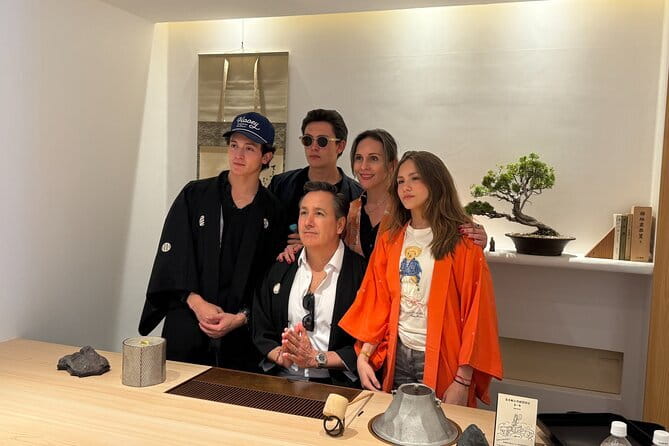
Traditional tea ceremonies often involve sitting on the floor, which can be difficult if you have bad knees, limited mobility, or simply are not used to kneeling. The venue has provided a small table and chair for an older participant who could not sit on the floor.
That accommodation is encouraging, but the information does not promise a particular accessibility setup for every booking. Tell the staff about your needs when you arrive and ask what can be arranged.
The kimono itself is fitted and layered. You should expect a snug, structured outfit rather than loose sightseeing clothes. Comfortable footwear for getting to the meeting point is sensible, since transportation to and from the venue is not included.
No hotel pickup is provided. You make your own way to Nishiki Orizuruya and return there at the end. Its central location near Nishiki Market makes the outing easy to combine with other Kyoto plans.
Is $50.87 a fair price?
At $50.87 per person, the value depends on what you want from the morning or afternoon.
The price includes the kimono costume, simple hairstyling for women, tea utensils, matcha, wagashi, a licensed guide, all fees, and taxes. You are paying for several services in one visit: outfit selection, dressing assistance, styling, cultural instruction, and a hands-on tea lesson.
That is a fair package for someone who would otherwise pay separately for kimono rental and a tea activity. The convenience also matters. You do not need to learn how to dress yourself, find a tea room, or worry about etiquette without guidance.
The value is weaker if you are interested only in a serious tea ceremony. Part of the price supports the dressing and styling experience, and the active tea preparation is limited to whisking your own matcha rather than performing the full ceremony.
The optional chance to walk around nearby in the kimono can improve the value, especially for photographs. Ask the staff about the return deadline before leaving the venue.
Who should book this Kyoto activity?
I would recommend it most strongly to:
- First-time visitors who want a simple introduction to tea ceremony customs
- Couples looking for a memorable Kyoto activity
- Families with limited time
- People who enjoy clothing, photography, and hands-on cultural activities
- Visitors who want to learn basic matcha preparation
- Anyone interested in adding calligraphy to a cultural outing
It also suits people who feel nervous about etiquette. The staff dress you, explain the steps, and guide you through the tea preparation, so you are not left guessing.
I would be more cautious if you want a quiet, private, or highly academic experience. The setting can feel commercial, and some of the time may be spent waiting for dressing or for the ceremony to begin. The ceremony itself is demonstrated by the instructor, while your participation centers on making your own tea.
Booking and cancellation tips
Confirmation is provided when you book. Your voucher includes a link to a website page. On your smartphone, open that page, press the Use button, and show the live screen to the staff.
Screenshots and printed tickets are not accepted. Make sure your phone has an internet connection before arriving.
If you need to change the date or time, the stated process is to cancel the original booking and make a new reservation. Free cancellation is available up to 24 hours before the start time. Cancellations or changes made less than 24 hours in advance are not accepted for a refund.
The activity requires good weather. If poor weather causes cancellation, you are offered another date or a full refund.
Should you book Nishiki Orizuruya?
Book it if you want a polished, friendly introduction to Kyoto culture with plenty of time for kimono selection, hair styling, photographs, matcha, and wagashi. The staff assistance, wide size range, small group, and optional calligraphy make it easy for first-time visitors.
Skip it if your main goal is a long, deeply traditional tea ceremony in which you perform every ritual. This experience offers a genuine look at selected customs, but it is also built for international visitors and places strong emphasis on dressing up.
For most visitors, I see it as a good-value cultural sampler near Nishiki Market. Add the calligraphy if you want a lasting handmade souvenir, and leave room in your day to enjoy the nearby streets in your kimono if the venue permits it.
FAQ
Where does the tea ceremony experience begin?
It begins at Nishiki Orizuruya, located at 452 Jūmonjichō, Nakagyo Ward, Kyoto, 604-8121, Japan.
Where does the activity end?
The activity ends back at the Nishiki Orizuruya meeting point.
How long does the experience last?
The experience lasts approximately one hour and 30 minutes.
How many people can join the group?
The maximum group size is 10 people.
What is included in the price?
The price includes wagashi and matcha, the kimono costume, tea utensils, simple hairstyling, all fees and taxes, and a licensed guide.
Is transportation included?
No. Transportation to and from the meeting point, as well as hotel pickup and drop-off, is not included.
Can I choose my own kimono?
Yes. You can select from more than 200 kimono designs, with staff assistance. You can also choose accessories such as hair ornaments, a sash, and a kimono cord.
Is calligraphy included?
Calligraphy is an optional session. The provided information does not state that it is included in the main price or provide its additional cost.
Can I cancel for a full refund?
Yes. You can cancel at least 24 hours before the start time for a full refund. Cancellations or changes made less than 24 hours before the start time are not accepted for a refund.
More Kimono Rentals in Kyoto
- Kyoto: Kimono Rental with Hairstyling and Accessories
★ 4.8 · 653 reviews - Kyoto: Kimono Tea Ceremony at Orizuruya Gion
★ 4.9 · 618 reviews - KYOTO Tea Ceremony with kimono near by Imamiya Jinjya Shrine
★ 5.0 · 343 reviews - Kyoto: Kimono and Tea Ceremony Experience at Cultural Asset
★ 4.3 · 306 reviews
Recently added around Kyoto
- Higashiyama | Kyoto: Sakura Season Private Rickshaw Tour★ 5.0 · 3 reviews
- Kyoto Kimono Rental CHAMATSU|Kimono/Yukata Rental FamilyPlan★ 5.0 · 3 reviews
- Kyoto: Half-Day Private Guided Tour to the Old Town of Gion★ 4.4 · 3 reviews
- Nara Private Customizable Half Day Tour★ 5.0 · 3 reviews
- Kansai Region Hiking Adventure in Nara Kobe Kyoto and More★ 5.0 · 3 reviews
- Full Day Nara Deer, Temple, Shrine, Activities & Tea Ceremony★ 5.0 · 3 reviews
- Nara: Essential Private Tour with Deer Park and Temples★ 5.0 · 3 reviews
- Photo Shoot with a Private Vacation Photographer in KYOTO, JAPAN★ 5.0 · 3 reviews
Nishiki Market Food Tours, compared.
Kyoto Nishiki Market Food and Culture Walking Tour
Read our review →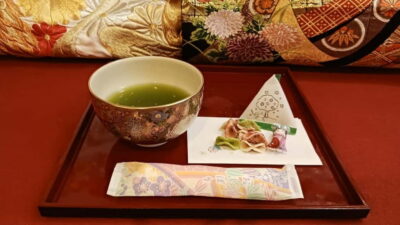
Nishiki Market Tea Ceremony with Koto Performance
Read our review →
Nishiki Market Brunch Walking Tour-7 Tastings+Brunch
Read our review →
Nishiki Market and Depachika Food Tour with a Local
Read our review →
Nishiki Market Tour with a Local Foodie & Tastings
Read our review →
Browse the lists this tour appears in