
REVIEW · GION GEISHA DISTRICT TOURS
Kyoto: Maiko Dinner in Traditional Restaurant and Tour
Gion is where Kyoto’s maiko tradition comes alive, and this evening gives you more than a quick staged photo. You walk the old streets with a local guide, sit down to a full Kyoto dinner, and meet a maiko for dance, conversation, games, and pictures.
I like the small group of seven or fewer, which makes it easier to ask questions and take part in the evening. I also like the guide’s role as translator and cultural coach, especially when guests need help understanding the food or speaking with the maiko.
The main drawback is the price, $292 per person, and the fairly strict dining limits. This experience is not suitable for children under 15, wheelchair users, vegans, or people with gluten intolerance, and you should be comfortable walking through Gion.
In This Review
- Key points to know before booking
- Why this Gion evening feels different
- Meeting at Gion Shijo Station
- Walking Gion and learning the maiko tradition
- Dinner inside a century-old machiya
- Preparing for the maiko’s arrival
- The maiko performance, games, and conversation
- The final group photo
- Is $292 a fair price?
- Who should book this experience?
- FAQ
- Where does the tour meet?
- How long does the experience last?
- Is the tour available in English?
- Is a vegetarian meal available?
- Can children join the tour?
- Is the tour wheelchair accessible?
- Should you book it?
Key points to know before booking
- Walk through Gion with a local guide: Spend about 40 minutes learning how maiko culture developed among Kyoto’s traditional machiya streets.
- Dinner in a 100-year-old machiya: Eat a Kyoto-style course meal in a setting that feels tied to the city’s past.
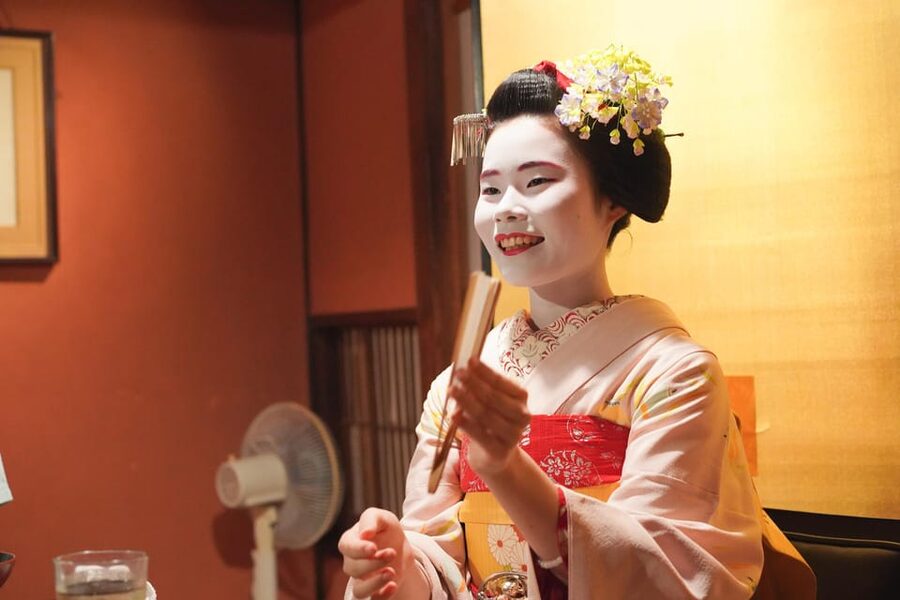
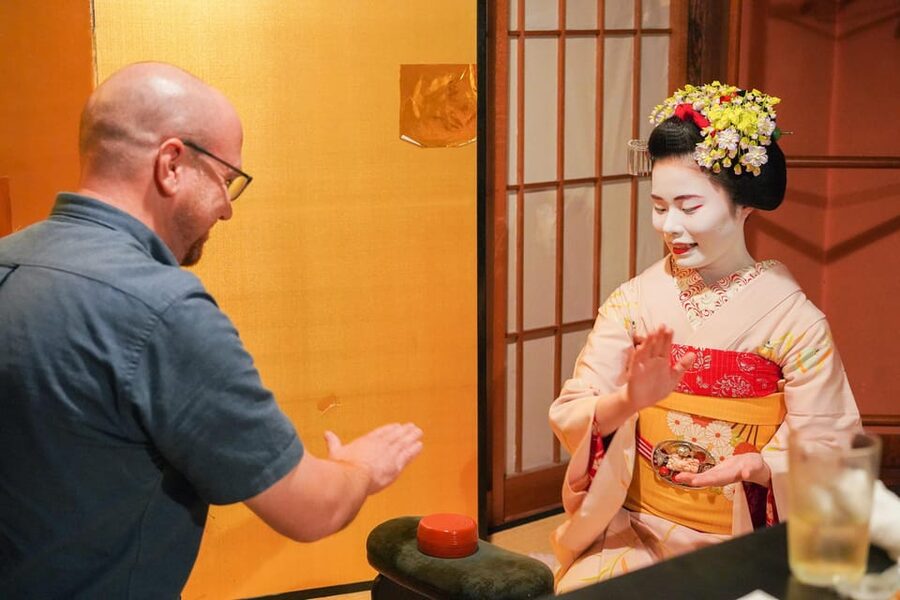
- Meet a maiko face to face: Expect traditional dance, questions through the guide, drinking games, and a group photograph.
- Kyoto sake is included: The all-you-can-drink package covers Japanese sake and other drinks during dinner.
- English guidance keeps the evening comfortable: Guides such as Yusuke, Hikari, Eri, Pico, and T have helped explain etiquette and translate conversations.
- Small group, strict practical limits: The tour lasts 210 minutes, but it is not wheelchair accessible and cannot handle vegan or gluten-free meals.
Why this Gion evening feels different
A maiko dinner can easily become a polished photo opportunity with little context. This experience takes a better route: first you walk through Gion, then you learn how to behave at dinner, and only after that does the maiko arrive.
That order matters. You are not dropped into a formal room with no idea what is happening. Your guide explains the setting, the food, and appropriate ways to speak with and enjoy the company of a maiko. The result should feel more relaxed and respectful.
You also get a useful look at Kyoto’s traditional entertainment culture without needing to arrange a private dinner yourself. The evening combines a neighborhood walk, a meal, drinks, a performance, translation, and a photo. At $292, it is expensive, but you are paying for several connected parts rather than a short appearance by a performer.
The small group makes the format work. With no more than seven participants, you have a reasonable chance to ask questions and join the games instead of watching from the far end of a crowded banquet room.
More evenings in Gion:
- Kyoto Geisha Walking Tour: Gion District & Hidden Gems
★ 4.7 · 3,273 reviews - Kyoto: Gion Magical Night Walking Tour with Geisha Trivia
★ 4.9 · 2,393 reviews - Kyoto: Gion Geisha District Walking Tour – Stories of Geisha
★ 4.7 · 2,187 reviews
Meeting at Gion Shijo Station
The meeting point is in front of the Izumo no Okuni Statue, directly outside Exit 5 of Gion Shijo Station. Look for the guide holding a Magical Trip board.
This is a practical starting point because Gion can feel confusing at first. The station puts you close to the traditional streets, and the guide can get everyone moving without wasting the first part of the evening on navigation.
The tour lasts 210 minutes, or three and a half hours. Starting times vary, so check the available times when you book. Wear comfortable shoes and prepare for walking outdoors before settling in for dinner.
Kyoto’s weather can be tough. Summer highs may reach 40°C, while winter lows can fall to -5°C. Your comfort during the Gion walk depends heavily on the season, so bring suitable layers, sun protection, or warm clothing as needed.
Walking Gion and learning the maiko tradition
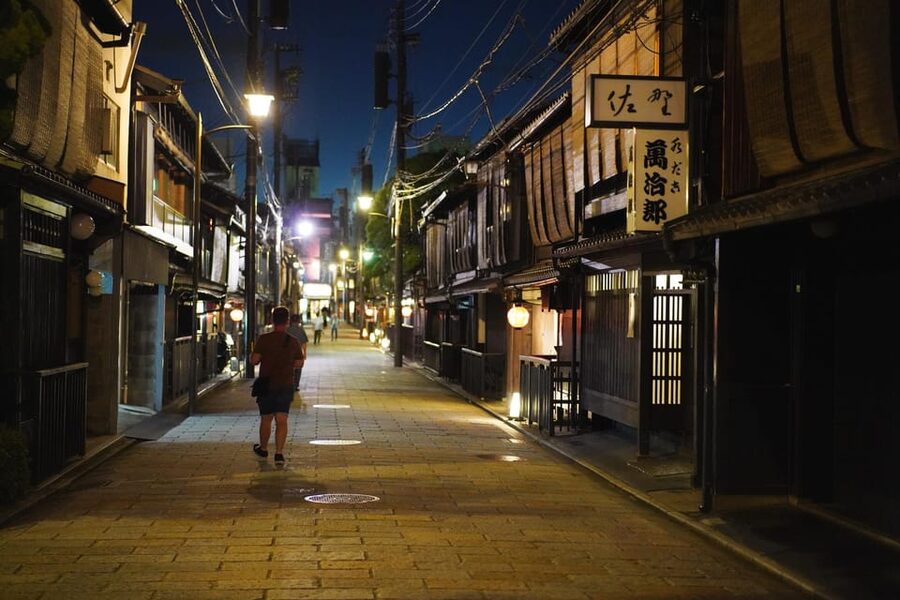
The first part takes about 40 minutes in Gion, the area closely associated with Kyoto’s maiko culture. You walk among traditional machiya buildings and narrow streets while your guide explains the origins and customs of maiko life.
This short walk gives the dinner a sense of place. You are not simply meeting a maiko in an anonymous restaurant. You are seeing the kind of historic neighborhood where this culture developed, then entering a traditional Kyoto setting for the main event.
The walk also helps you notice details you could easily pass without context. Machiya architecture, old street patterns, and the atmosphere of Gion make more sense when someone explains how the district connects to maiko and geiko traditions.
Do not expect a long architectural tour. Forty minutes is enough for an introduction, not a complete study of Gion. The point is to set the scene and answer the basic questions you may have before dinner.
Mobility is an important concern here. Some parts of the route are not accessible to wheelchairs or strollers, and the experience is not recommended if you have difficulty walking. A private tour is suggested for people who need a more flexible pace.
Dinner inside a century-old machiya
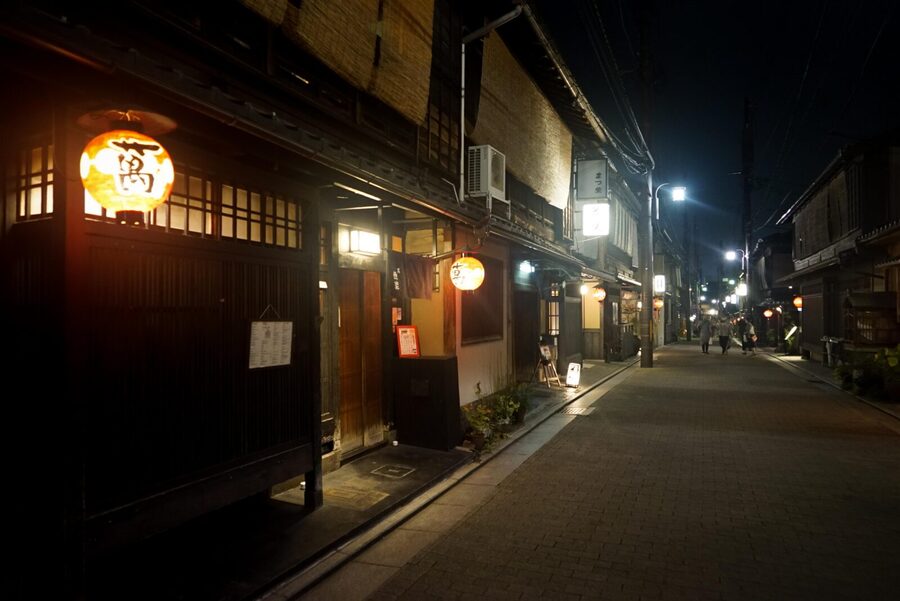
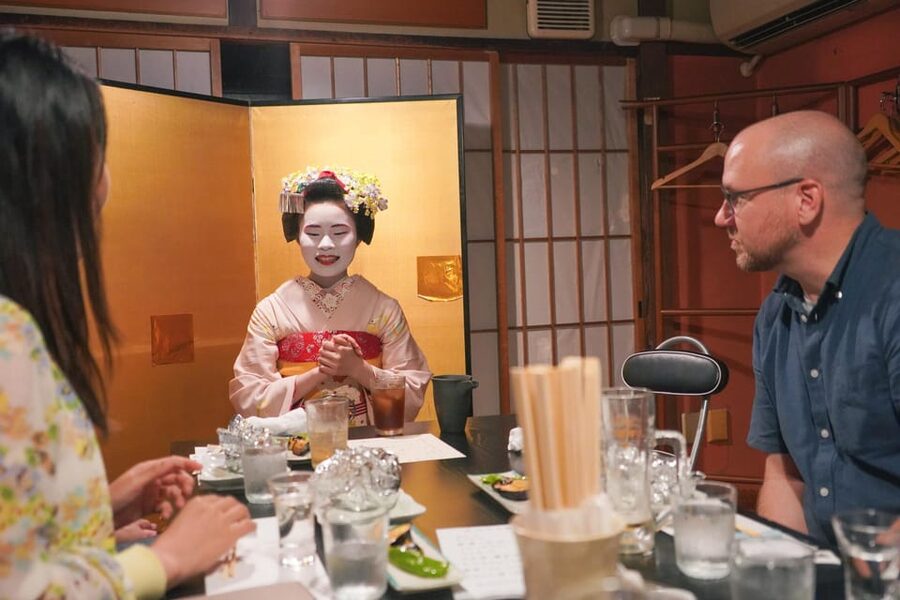
After the walk, you continue to a traditional restaurant in a roughly 100-year-old machiya. The building itself is part of the appeal. Kyoto-style townhouses have a very different feel from a modern restaurant, and the setting gives the meal a strong local character.
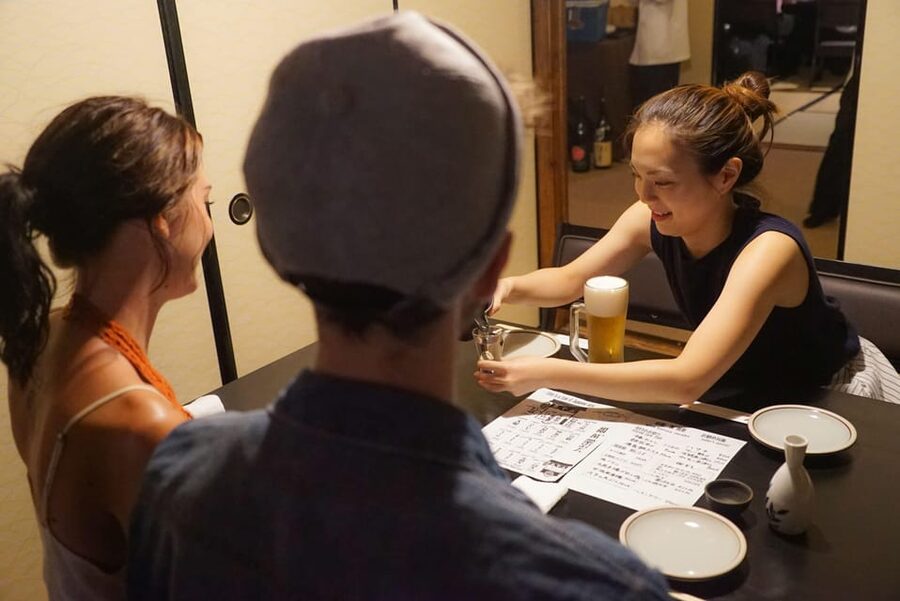
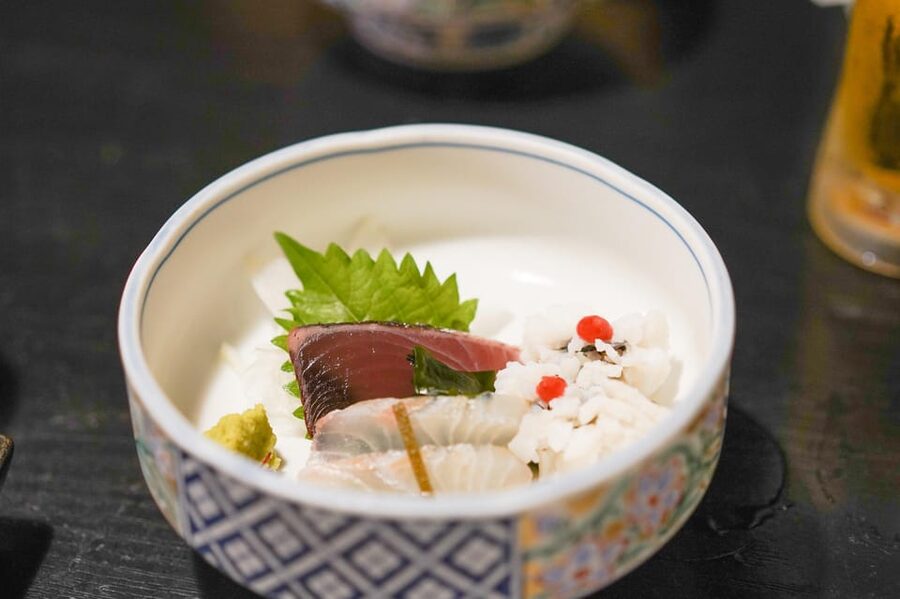
You receive a full Kyoto-style course meal, with dishes designed to look as careful as they taste. The food is described as delicate and visually appealing, and several people have singled out the dinner as a strong part of the evening.
Your guide helps explain the dishes and how to eat them. This is useful if you are unfamiliar with Kyoto cuisine, where presentation, small portions, seasonal touches, and subtle flavors can matter as much as the main ingredient.
The meal includes an all-you-can-drink package, including Kyoto’s sake. That adds value to the price, especially if you would like to try local sake without choosing a bottle or ordering each drink separately. Drink at your own pace, though. The maiko’s visit includes games and conversation, and you will enjoy that part more if you remain clear-headed.
The food limits deserve close attention. A vegetarian menu is available with advance notice, but it may include only a limited selection of dishes without fish stock. There are no vegan or gluten-free options. Tell the operator about dietary requests or allergies at least one day before the tour, but the kitchen cannot guarantee an allergy-free meal, substitutions, or full compliance with every restriction.
Requests made on the day cannot be accommodated. If food is a major concern, read these limits carefully before paying.
A few more Kyoto experiences worth comparing
- Kyoto Gion Cultural Walk & Geisha Show with Dining Options
★ 5.0 · 518 reviews - Kyoto Gion Cultural Walk & Geisha Show with Dining Options
★ 5.0 · 483 reviews - Dinner with Maiko in a Traditional Kyoto Style Restaurant Tour
★ 5.0 · 175 reviews - Kyoto: Geisha Dinner & Gion Cultural Walk
★ 5.0 · 73 reviews
Preparing for the maiko’s arrival

While you wait for the maiko, your guide explains Kyoto cuisine, local drinks, and basic etiquette. This may be the most useful part for first-time visitors because it removes some of the uncertainty from the meeting.
You learn how to ask questions without putting the maiko in an awkward position. The guide can also explain the meaning of the performance and help the group understand the drinking games before they begin.
The guide acts as a bridge between cultures. English-speaking guides named Yusuke, Hikari, Eri, Pico, and T have been part of different evenings, and the feedback about their warmth, explanations, and translation is particularly strong. Names and guide assignments can vary, but the format depends on that local host to keep the conversation flowing.
A good guide matters here. Without translation, you might get a dance and a few pictures but miss the personal exchange. With translation, you can ask about the maiko’s training and daily life, then understand her answers instead of relying on gestures.
The maiko performance, games, and conversation
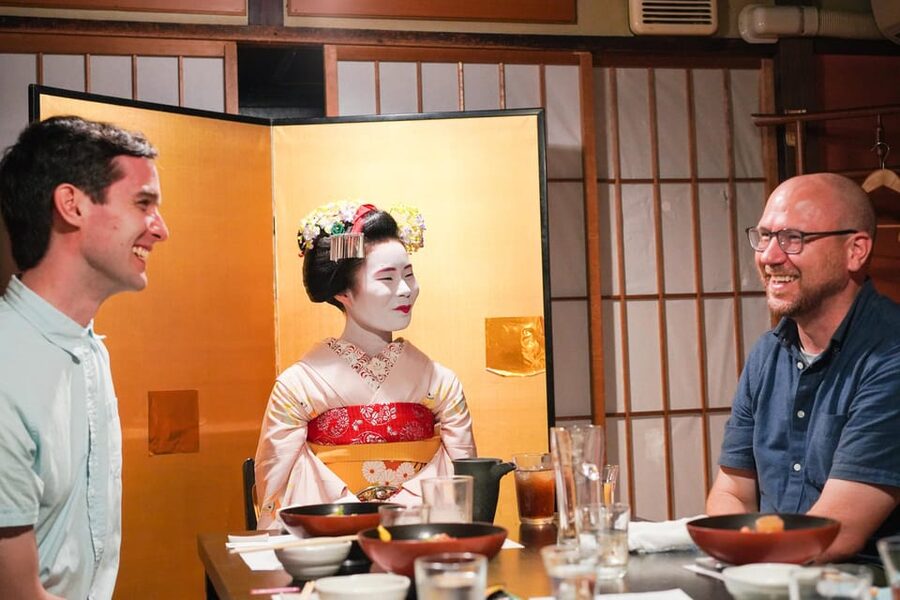
The maiko enters partway through dinner. She performs traditional dances, speaks with the group, and joins drinking games set to Japanese music.
The performance is short enough to fit naturally into the evening, but it is not the entire experience. The conversation and games create a more personal meeting than simply sitting quietly through a stage show. You can ask questions through the guide, learn more about the maiko’s life and career, and take part in the lively exchange.
The drinking games are a traditional social element, but participation should remain comfortable. You are not required to match anyone drink for drink. The all-you-can-drink package gives you choices, and the guide explains how the interaction works so you can join in without guessing at local etiquette.
This is also where expectations matter. You are meeting a maiko, a performer in training within Kyoto’s geiko world, not booking a private friendship or an unfiltered look at every part of her life. The exchange is warm and personal within a professional setting.
The performance may be the highlight for you, especially if you have never attended a geisha or maiko experience. The group’s questions and energy also shape the mood, so a small, open-minded party will get more from the evening than a group hoping to remain completely passive.
The final group photo
Near the end, everyone has a chance to take a group photo with the maiko. Photos during the tour are included, making this more than a quick selfie you have to organize yourself.
The picture is a simple touch, but it gives the evening a clear finish. You leave with a record of the meeting as well as memories of the dance, games, food, and walk through Gion.
Remember that the photo is a group photograph, not necessarily a long private portrait session. If your main goal is extensive individual photography, this format may feel limited. If you want one memorable image from a carefully structured cultural evening, it fits the purpose well.
Is $292 a fair price?
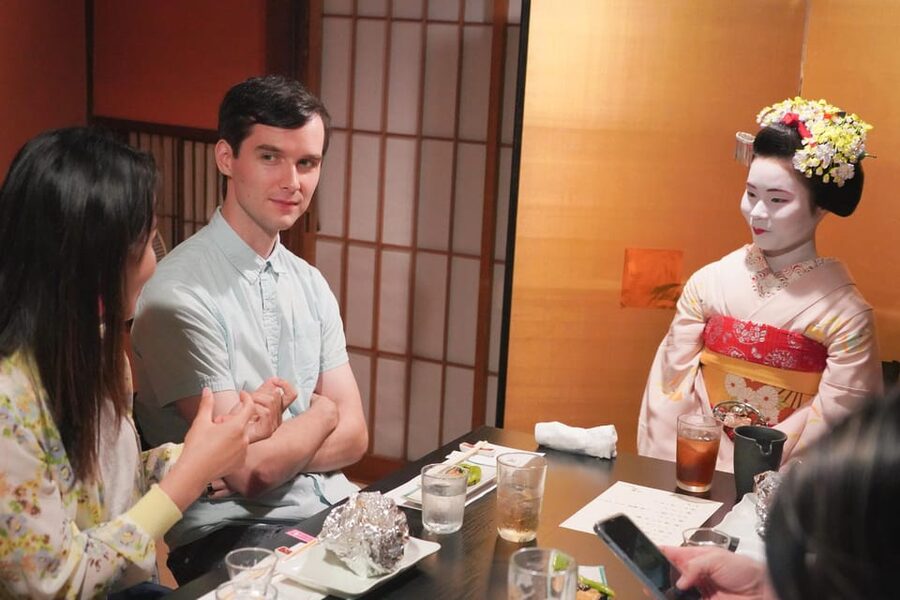
At $292 per person, this is one of Kyoto’s pricier evening activities. I would not book it as a casual dinner or a simple neighborhood walk. The value comes from the combination of services packed into three and a half hours.
Your price covers:
- A guided Gion walk
- An English-speaking guide
- A full Kyoto-style course meal
- All-you-can-drink service, including sake
- Cultural explanations and etiquette guidance
- A maiko performance
- Conversation and drinking games
- Photos during the tour
- A group photo with the maiko
If you tried to arrange these pieces separately, you would face a more complicated evening and might not receive the translation or cultural coaching. The small group also adds value because you have more room to interact than you would in a large tour.
Still, the price will feel high if you are mainly interested in seeing Gion or eating Kyoto cuisine. You can explore the neighborhood on your own for far less. Book this only if the maiko meeting is central to your Kyoto plans and you are willing to pay for a structured, guided introduction.
Who should book this experience?
I would recommend it to adults who want a respectful introduction to maiko culture and prefer a guided evening over a formal show with no explanation. It suits first-time visitors who want help with the food, drinks, questions, and etiquette.
It also works well for repeat visitors to Japan. One participant had visited Japan three times without finding a chance to attend a geisha experience, and this format filled that gap without requiring access to a private Kyoto social circle.
Couples, friends, and solo visitors who enjoy conversation should fit comfortably in a group of seven or fewer. The experience depends on asking questions and joining the social parts, so it is best for people who are curious and willing to take part.
I would not choose it for young families, guests with serious food restrictions, or anyone who needs step-free access. Children aged 14 or younger cannot join the shared tour, though a private tour may be available for families. The experience is also a poor match if walking is difficult.
Cancellation is free up to seven days before the start time, with a full refund or rescheduling option within that window. Weather can also affect the tour, since it may be cancelled for safety reasons.
FAQ
Where does the tour meet?
Meet in front of the Izumo no Okuni Statue, directly outside Exit 5 of Gion Shijo Station. The guide will hold a Magical Trip board.
How long does the experience last?
The experience lasts 210 minutes, or three and a half hours. It includes the Gion walk, dinner, drinks, the maiko performance, conversation, games, and the group photo.
Is the tour available in English?
Yes. An English-speaking live guide leads the experience and helps translate during the conversation with the maiko.
Is a vegetarian meal available?
A vegetarian menu is available if you request it in advance. The selection may be limited because some dishes are prepared without fish stock. Vegan and gluten-free options are not available.
Can children join the tour?
Children under 15 cannot join the shared tour. If you want to bring children aged 14 or younger, you should book a private tour.
Is the tour wheelchair accessible?
No. Some locations are not accessible to wheelchairs or strollers, and the experience is not recommended for people with mobility issues. A private tour is recommended if you have difficulty walking.
Should you book it?
Book this experience if meeting a maiko is one of your main Kyoto goals and you want the cultural background, translation, meal, drinks, and photo handled in one evening. The strongest parts are the small group, the guide’s personal explanations, and the chance to move beyond a short dance performance into real conversation and games.
Skip it if you only want an inexpensive Gion stroll, need strict dietary control, or dislike structured social activities. For the right audience, though, this is a memorable way to connect a historic Kyoto neighborhood with the living maiko tradition.
More Dining Experiences in Kyoto
- Private Dinner with a Geisha
★ 5.0 · 65 reviews - Kyoto Evening Gion Food Tour Including Kaiseki Dinner
★ 5.0 · 62 reviews - Kyoto: Lunch or Dinner with Maiko
★ 4.2 · 52 reviews - Private Dinner with Maiko and Geiko in Kyoto
★ 5.0 · 28 reviews
Recently added around Kyoto
- Higashiyama | Kyoto: Sakura Season Private Rickshaw Tour★ 5.0 · 3 reviews
- Kyoto Kimono Rental CHAMATSU|Kimono/Yukata Rental FamilyPlan★ 5.0 · 3 reviews
- Kyoto: Half-Day Private Guided Tour to the Old Town of Gion★ 4.4 · 3 reviews
- Nara Private Customizable Half Day Tour★ 5.0 · 3 reviews
- Kansai Region Hiking Adventure in Nara Kobe Kyoto and More★ 5.0 · 3 reviews
- Full Day Nara Deer, Temple, Shrine, Activities & Tea Ceremony★ 5.0 · 3 reviews
- Nara: Essential Private Tour with Deer Park and Temples★ 5.0 · 3 reviews
- Hiking Tour for Sacred Sites in Kyoto with a Guide★ 5.0 · 3 reviews
Gion Geisha District Tours, compared.
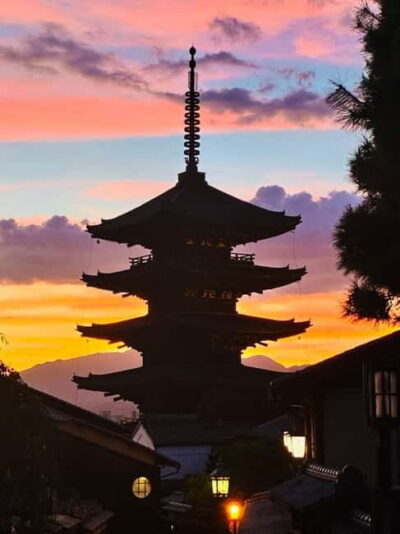
Kyoto Geisha Walking Tour: Gion District & Hidden Gems
Read our review →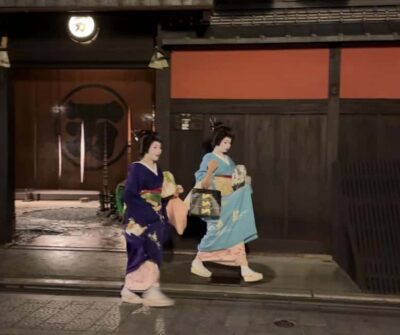
Gion Magical Night Walking Tour with Geisha Trivia
Read our review →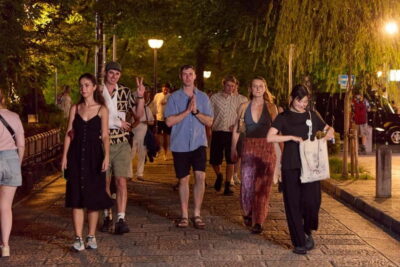
Gion Geisha District Walking Tour – Stories of Geisha
Read our review →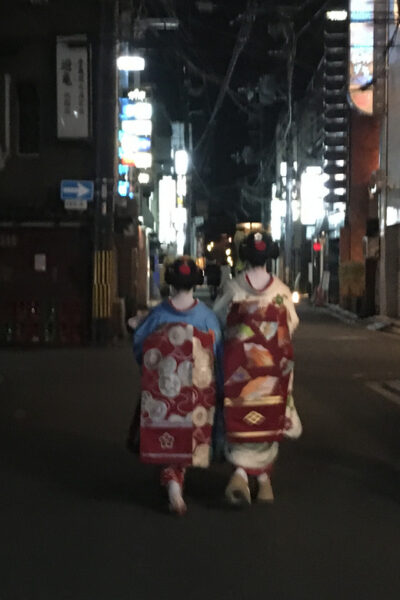
Best of Kyoto: Gion, Geisha, Pagodas & Cobblestones
Read our review →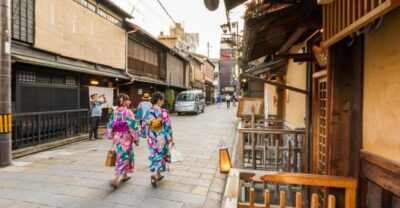
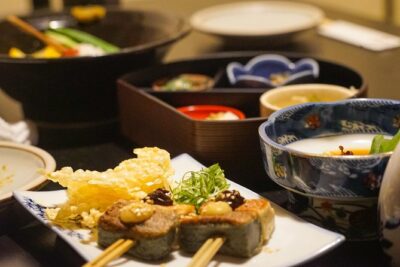
Kyoto Night Foodie Tour in Gion (9+ dishes + 6 Sake tastings)
Read our review →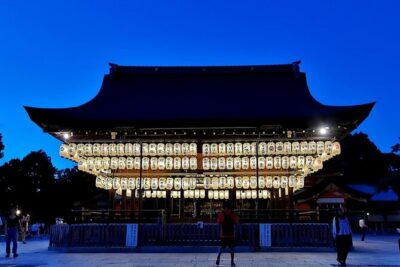
Kyoto Gion Geisha District Walking Tour – The Stories of Geisha
Read our review →
Kyoto Gion: 2-Hour Geisha Culture & History Walking Tour
Read our review →Browse the lists this tour appears in