
REVIEW · KYOTO TEA CEREMONY EXPERIENCES
Kyoto: Kimono and Tea Ceremony Experience at Cultural Asset
Kyoto’s Tondaya experience brings together three things that are hard to appreciate separately: a 140-year-old machiya, a genuine silk kimono, and a traditional tea ceremony. You’ll move through an old townhouse with woodwork, gardens, and historic objects, then watch a tea master perform the careful rituals of preparing and serving matcha.
I especially like the chance to take photos in a real historic home rather than a plain studio, and the patient staff who help with dressing, explain the ceremony, and often take pictures for you. The main consideration is the shared format: busy sessions can feel crowded, and English explanations may rely on a translation device.
In This Review
- Key points to know before booking
- Entering Tondaya, Kyoto’s 140-year-old machiya
- Choosing and wearing the silk kimono
- Photographing the townhouse and gardens
- Watching a traditional tea ceremony
- Touring the rooms and historic objects
- Shared session or private experience?
- Is $222 a fair price?
- Timing, clothing, and practical advice
- Who will enjoy Tondaya most?
- Should you book this Kyoto kimono and tea ceremony?
- FAQ
- Where does the kimono and tea ceremony experience take place?
- How long does the experience last?
- Is the kimono made of silk?
- Is the tea ceremony private?
- Are hair styling and makeup included?
- What should I bring?
- Is the experience available in English?
Key points to know before booking
- A real Nishijin townhouse: Tondaya is a nationally registered cultural property with traditional rooms, interior gardens, woodwork, and old household objects.
- Silk kimono dressing: Staff select and fit a high-quality kimono, usually in about five minutes, though the full experience includes time for photos and undressing.
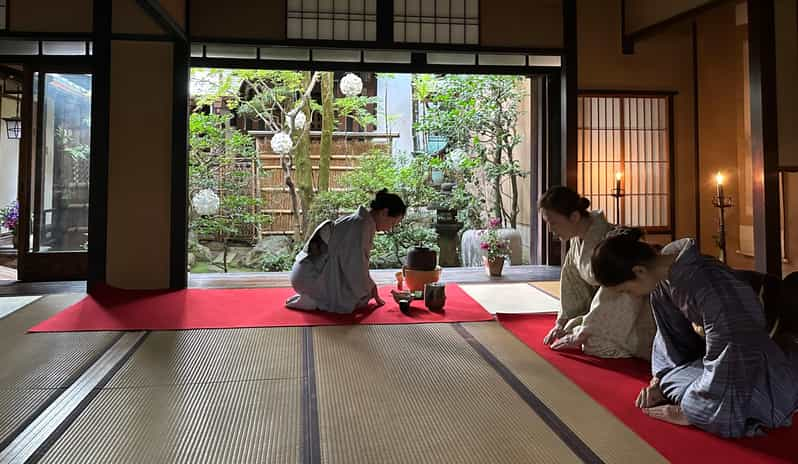
- Tea ceremony viewing: A seasoned tea master performs the ceremony and explains the meaning behind the movements and utensils.
- Photo-friendly setting: You’ll have time to photograph the kimono, gardens, rooms, and traditional details after dressing.
- Group size matters: Standard bookings may join other participants. A private option offers a calmer setting and more time for questions.
- Bring socks: Bare feet are not allowed, and stockings are discouraged. Wear a loose-necked top and bring a dry spare T-shirt if needed.
Entering Tondaya, Kyoto’s 140-year-old machiya
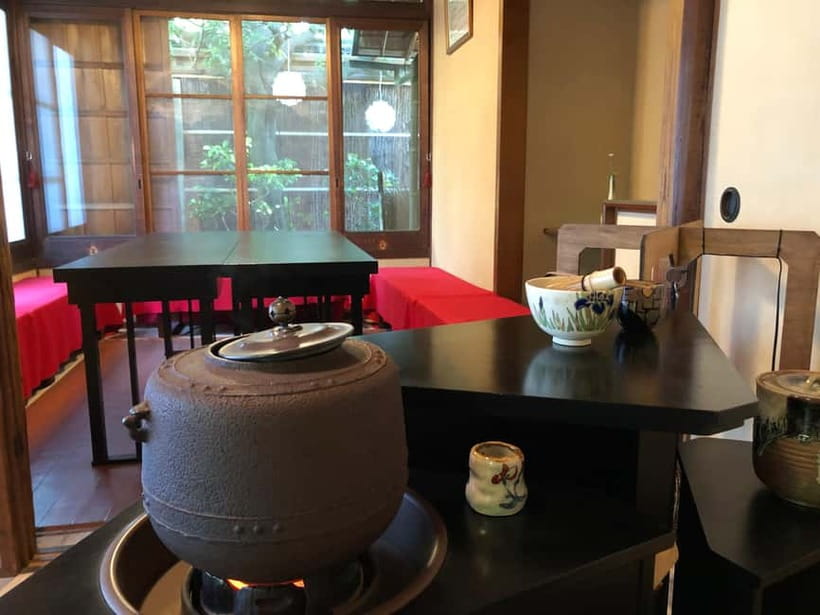
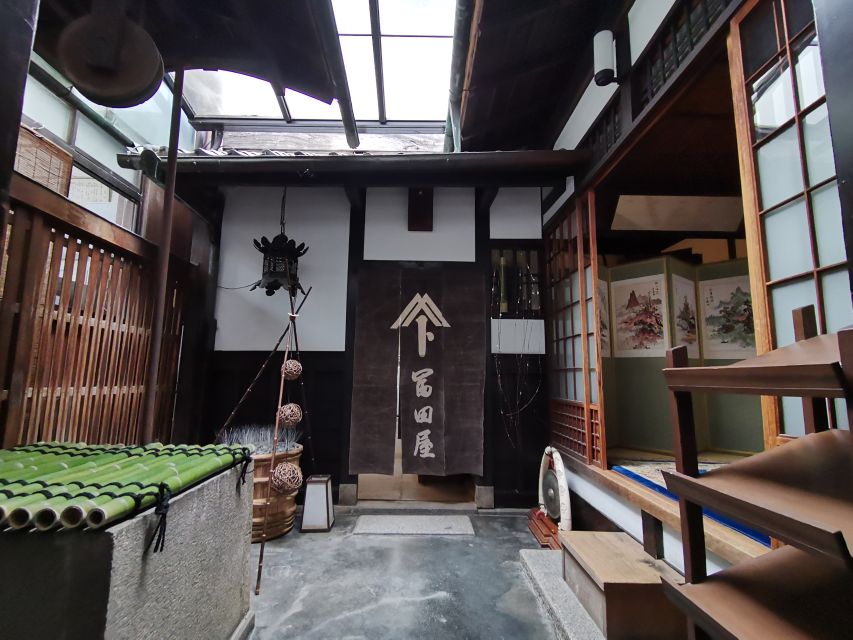
Tondaya is in Kyoto’s Kamigyo Ward, at 697 Ishiyakushicho, in the Nishijin area. The building itself is the reason to come. This is not simply a room arranged to look Japanese for photographs. It is a traditional machiya, a narrow Kyoto townhouse with carefully made wooden details, quiet gardens, and objects connected to the home’s long past.
The first few minutes set the tone. You step away from modern Kyoto and into rooms where the materials do much of the talking. Look closely at the woodwork, garden views, and household pieces as you move through the property. The staff also give a house tour, explaining why the building matters and pointing out details you might otherwise pass without noticing.
I find this part especially useful because it gives the tea ceremony a proper setting. Matcha served in a modern activity room can be pleasant, but tea culture makes more sense inside a house shaped by older customs. Tondaya lets you see the rooms, gardens, and traditions as parts of one experience.
The atmosphere can change with the number of bookings. At quiet times, you might have an unhurried visit and plenty of room for photographs. At busy times, several groups may be moving through the townhouse, and the property can feel crowded. Arriving early is wise, but do not assume that early arrival means immediate entry into the full program. One visitor arrived 30 minutes ahead and was dressed right away, while the scheduled experience itself lasted about an hour.
More tea ceremonies in Kyoto:
- Kyoto: Tea Ceremony in a Traditional Tea House in Kiyomizu
★ 4.9 · 3,519 reviews - Kyoto: Tea Ceremony Ju-An at Jotokuji Temple
★ 4.9 · 3,207 reviews - Kyoto: 45-Minute Tea Ceremony Lesson Experience
★ 4.3 · 2,378 reviews
Choosing and wearing the silk kimono
Your visit begins in the kimono dressing room. Staff help you choose an authentic silk kimono and fit it to your body. The actual dressing is described as taking about five minutes, but the complete clothing portion can take longer because you also need time to adjust, photograph yourself, and later change back.
The kimono is the star for many people. The fabric, pattern, and formal shape make this feel different from putting on a costume for a quick snapshot. Staff are friendly and attentive, and they help make sure the garment looks presentable before you enter the house and tea ceremony.
You should set realistic expectations about selection. Sizes and styles are not unlimited. Taller participants may be given larger kimonos in solid colors, while smaller sizes may offer more printed designs. One participant also found that a kimono did not fit quite right. If the exact color or pattern matters to you, ask what options are available before dressing, though the information provided does not promise a particular style.
The clothing rules are simple but important. Bring socks, since bare feet are not permitted. Wear a top with a loose neckline so the kimono’s collar sits properly. Do not arrive in a wet T-shirt, since staff cannot dress you while it is wet. Bring a spare T-shirt or ask about purchasing one at the property if that situation applies.
Hair styling and makeup are not included. You can still take attractive photographs without those extras, but you should arrange your own styling before arriving if that part of the look matters to you.
Photographing the townhouse and gardens
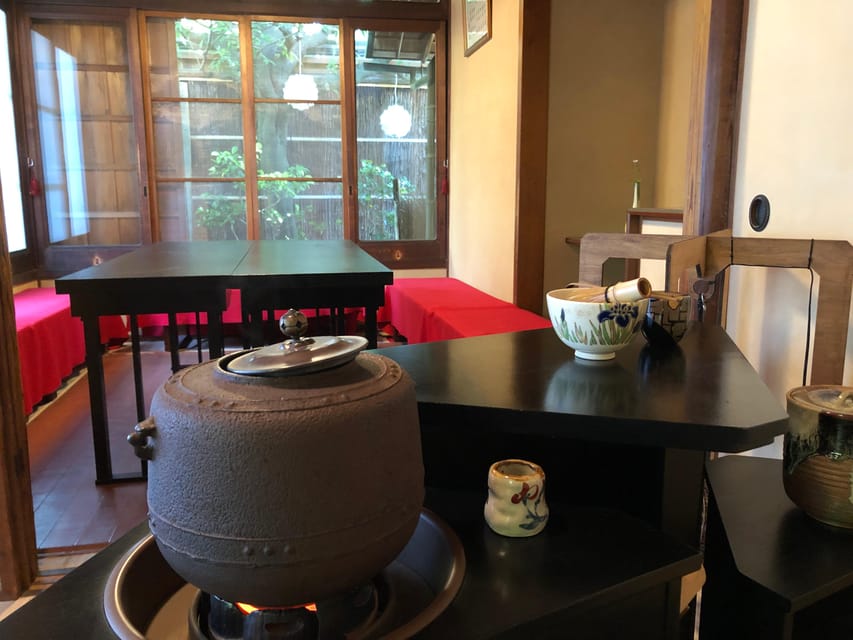
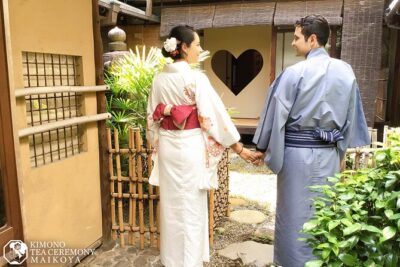
After dressing, you’ll have time to take photographs around Tondaya. The old rooms and small gardens provide a much better setting than a blank backdrop, with natural Japanese details behind the kimono.
Staff are helpful with pictures and may take photos for you. The available time is generous enough for many people to make their own images rather than rushing through a single posed shot. This is one of the strongest reasons to choose Tondaya over a shorter kimono-only activity.
There are limits. Photography is not allowed while you are being dressed or undressed, so keep your camera away during those moments. Once you are ready, you’ll have plenty of opportunities in the appropriate rooms and garden areas.
The photo experience depends on the crowd. A busy group may make some rooms feel cramped, and you may need to wait for a clear view. Still, the setting photographs well, and even a crowded visit can produce intimate-looking images if you take your time and choose your background carefully.
Watching a traditional tea ceremony
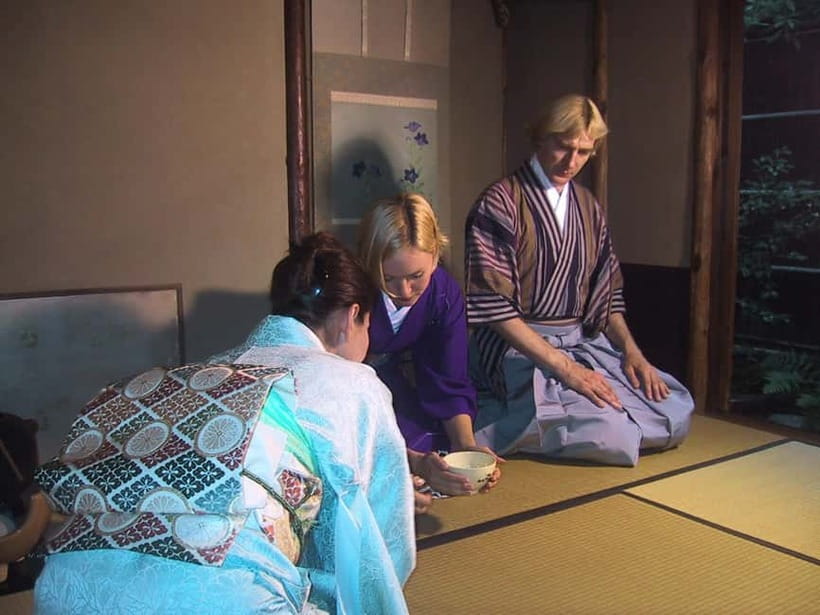
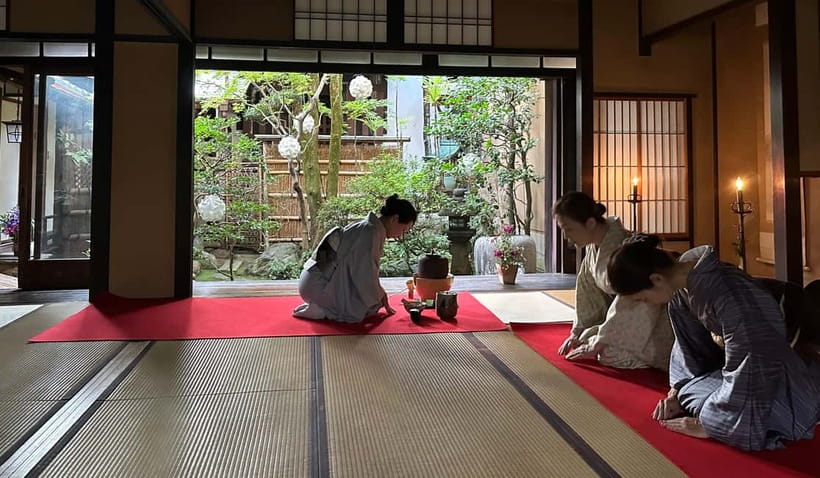
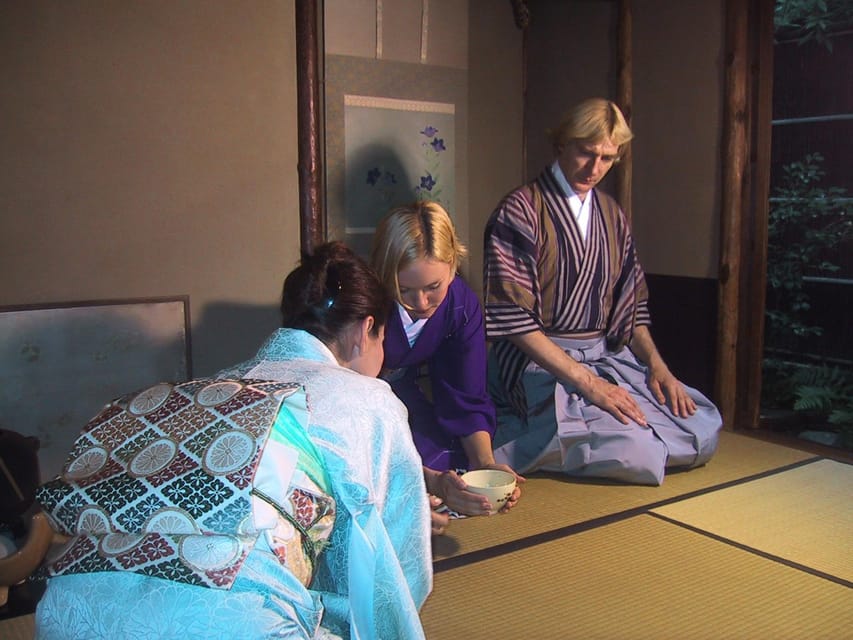
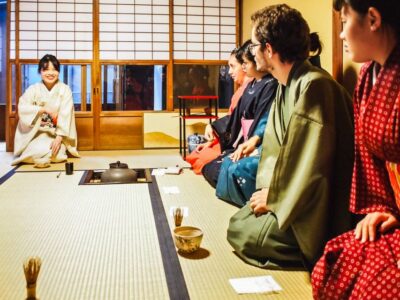
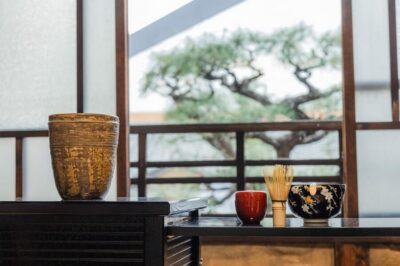
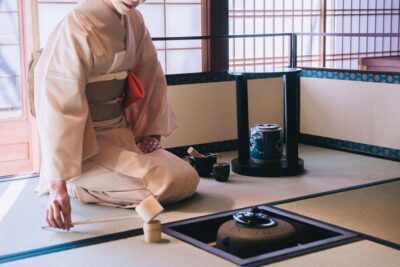
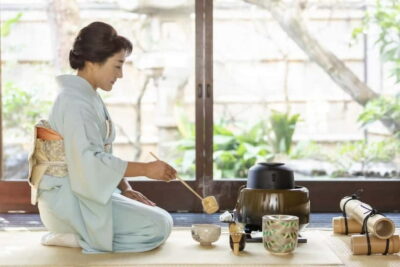
The tea ceremony usually takes place upstairs in the historic machiya. A tea master prepares and serves matcha while explaining the actions and their purpose. The ceremony is not simply a demonstration of someone making a drink. The formal movements, pauses, utensils, bows, and presentation all show how Japanese tea culture values attention and respect.
English ability varies among staff. Some sessions have clear English explanations, while others use Japanese with a translation device or app. The tea ceremony can still be interesting when language is limited, but you’ll get more from it if you are willing to watch closely and ask questions through the available translation help.
The ceremony is generally fairly short and focused. That is good news if you have never sat through one, especially since seating may be on the floor. A few small chairs are available, but you should not count on chair seating for everyone. If floor sitting is difficult, ask about a chair when you arrive.
I like the calm change of pace here. Kyoto sightseeing can involve a lot of walking, crowds, and rapid decisions. The tea ceremony asks you to stop, watch, and pay attention to small actions. It is also a demonstration, so do not assume you’ll personally whisk the tea. One person specifically wished for a chance to mix it, but that is not part of the listed inclusions.
Please silence your phone and keep it down during the ceremony. The hosts are performing a formal cultural practice, not a stage show designed for constant filming. Photos are available later, and respectful attention will make the ceremony more enjoyable for everyone in the room.
More kimono and yukata rentals:
- Kimono Tea Ceremony at Kyoto Maikoya, NISHIKI
★ 5.0 · 911 reviews - Kyoto: Kimono Rental with Hairstyling and Accessories
★ 4.8 · 653 reviews - Kyoto: Kimono Tea Ceremony at Orizuruya Gion
★ 4.9 · 618 reviews - KYOTO Tea Ceremony with kimono near by Imamiya Jinjya Shrine
★ 5.0 · 343 reviews
Touring the rooms and historic objects
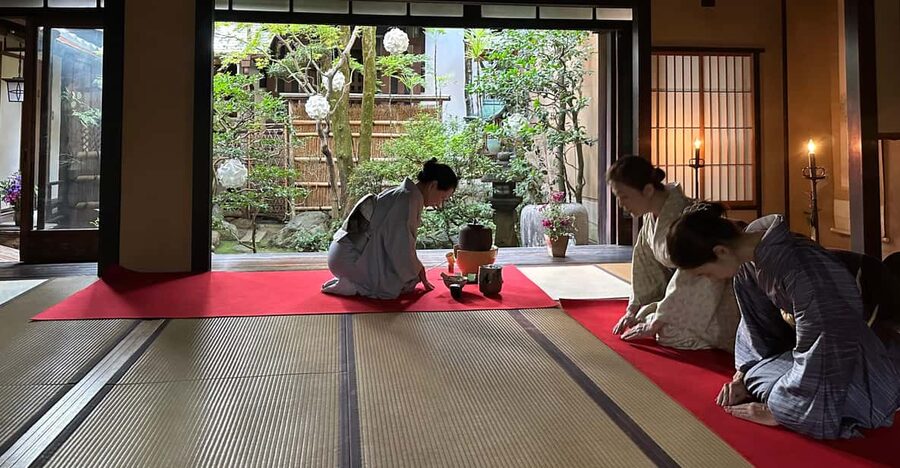
The house tour fills in the gaps between dressing and tea. Staff explain Tondaya’s importance as a property designated by the Kyoto City Government and show you its historic artifacts and traditional features.
The value here is context. The kimono is easier to appreciate when you see it inside an older domestic setting, and the tea ceremony feels less like a stand-alone performance when you understand the house around it. You’ll also have more chances to look at the gardens, timber details, and objects that give the townhouse its character.
The amount of explanation can vary. Some staff provide detailed background on the home, kimono, and ceremony. Others speak limited English, so the tour may be more visual than verbal. Translation tools help, but they can slow the flow of conversation. If learning the history is your main goal, consider the private option and prepare a few questions in advance.
The staff’s manner is a major strength. They are described as welcoming, patient, and attentive, and they work across several traditional arts, including tea ceremony, calligraphy, ikebana, and kimono. The experience has an old-fashioned human quality because the team is not simply ushering you from one photo station to the next.
Shared session or private experience?
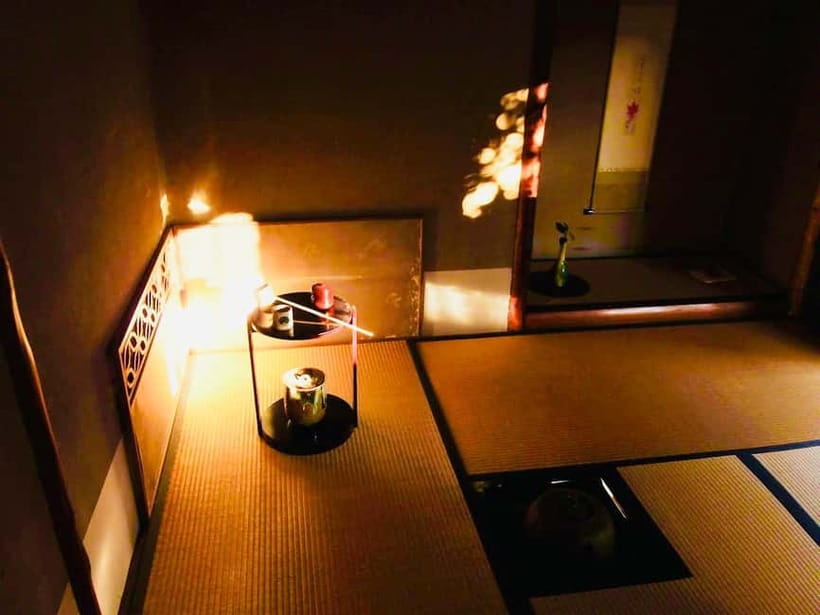
The standard format can include other participants, and that is the biggest variable in your visit. A shared tea ceremony may require waiting, and a large or noisy group can weaken the quiet mood. Some sessions have felt chaotic or commercial, particularly when visitors arrive late, talk during the ceremony, or focus on phones instead of the performance.
That problem is not created by Tondaya’s setting, but it affects what you receive for your money. A considerate group can make the shared format work well. A careless one can make the tea ceremony feel less personal and less peaceful.
The private option is the better choice if you want time for questions, a slower house tour, or a more personal connection with the hosts. A private booking has also allowed some visitors to feel like they were being welcomed into a home, with time for photographs and conversation.
The activity information describes the group type as a private group, while also noting that non-private bookings join a shared tea ceremony. Check the specific option you are selecting. Do not assume every departure has the same group arrangement.
Is $222 a fair price?
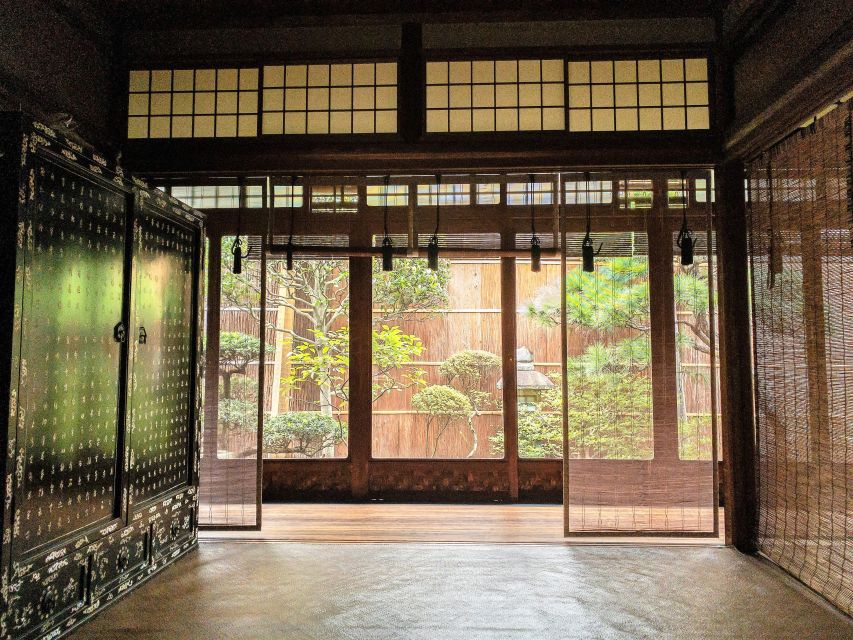
At $222 per person, this is not a cheap way to sample matcha and put on a kimono. You are paying for the historic property, entrance, dressing, tea ceremony, staff time, and access to a photo setting that would be difficult to recreate independently.
The price makes more sense if you want the whole package. You receive a silk kimono rather than only a quick rental, a tour of a genuine machiya, an organized ceremony, and time for photographs. For a couple or family marking a special occasion, the setting and photographs may justify the expense.
The value is weaker if you mainly want to taste matcha or take a few kimono pictures. Kyoto offers many lower-cost cultural activities, and this experience may feel expensive if the group is large or the English explanation is limited.
Private booking changes the calculation. You pay more for a calmer setting, but that can be worthwhile if you care about conversation and personal attention. The free cancellation period of up to 24 hours and reserve-now, pay-later option also reduce the risk of committing too far ahead, though you should still check the exact terms shown for your selected time.
Timing, clothing, and practical advice
The advertised duration ranges from 90 minutes to four hours, depending on the selected time and format. The core schedule includes kimono dressing, the tea ceremony, the house tour, photographs, and changing back. Busy sessions or private arrangements may affect the total time.
Plan for at least 90 minutes and avoid placing a tight appointment immediately afterward. The dressing may be quick, but waiting, photo time, and the movement of several groups through the house can stretch the visit.
Use this checklist:
- Bring clean socks, not stockings, and do not arrive barefoot.
- Wear a loose-necked shirt so the kimono collar shows properly.
- Pack a spare T-shirt if you might arrive sweaty or wet.
- Arrange your own hair and makeup, since neither is included.
- Arrive on time. Early arrival may help, but it does not guarantee a shorter visit.
- Keep your phone quiet during the ceremony.
- Ask about chair seating if sitting on the floor is difficult.
- Allow extra time after the activity if you plan to find a taxi, since one visitor had trouble arranging a ride from the location.
The meeting point is Tondaya, Nishijin Japanese Cultural Experience Museum, 697 Ishiyakucho, Kamigyo Ward, Kyoto. The listed teaching languages are English and Japanese, but not every staff member speaks English fluently. A translation device may be used, and patience helps the exchange go smoothly.
Who will enjoy Tondaya most?
I’d choose this for a first visit to Kyoto when you want one organized experience that combines clothing, architecture, photography, and tea culture. It also suits couples and families looking for a memorable set of photographs in a real traditional home.
It is a good match for anyone curious about Japanese customs but short on time. In one visit, you see how a machiya works, learn some basic points about kimono, and watch a tea master perform a formal ceremony.
You may want another activity if you dislike group settings, need extensive English instruction, or want to participate directly in preparing matcha. In those cases, book the private option if available and confirm what level of hands-on participation and language support you can expect.
Should you book this Kyoto kimono and tea ceremony?
Book it if the historic townhouse setting matters as much to you as the kimono itself. Tondaya offers more substance than a quick dress-up session, with a real old house, interior gardens, cultural objects, and a formal tea performance.
I would pay the $222 when photographs and atmosphere are central to your Kyoto plans, especially with a private booking or a small group. I would hesitate if your budget is tight or if you expect a long, detailed English lecture and hands-on tea preparation.
Bring socks, arrive ready to be patient, and treat the ceremony with respect. With those expectations, Tondaya can give you a lovely, distinctly Kyoto memory.
FAQ
Where does the kimono and tea ceremony experience take place?
It takes place at Tondaya, Nishijin Japanese Cultural Experience Museum, at 697 Ishiyakucho, Kamigyo Ward, Kyoto, Japan.
How long does the experience last?
The stated duration is 90 minutes to four hours. The exact length depends on the selected time and booking format.
Is the kimono made of silk?
The experience includes fitting an authentic, high-quality silk kimono.
Is the tea ceremony private?
Non-private bookings join a tea ceremony with other participants and may involve waiting. A private experience option is available for a more personal setting.
Are hair styling and makeup included?
No. Hair styling and makeup are not included, so arrange them yourself if you want those services.
What should I bring?
Bring socks. Bare feet are not allowed, and stockings are discouraged. A spare T-shirt is also useful if your shirt may become wet before dressing.
Is the experience available in English?
English and Japanese are listed languages. Not every staff member speaks English fluently, so a translation device may be used when necessary.
Recently added around Kyoto
- Higashiyama | Kyoto: Sakura Season Private Rickshaw Tour★ 5.0 · 3 reviews
- Kyoto Kimono Rental CHAMATSU|Kimono/Yukata Rental FamilyPlan★ 5.0 · 3 reviews
- Kyoto: Half-Day Private Guided Tour to the Old Town of Gion★ 4.4 · 3 reviews
- Nara Private Customizable Half Day Tour★ 5.0 · 3 reviews
- Full Day Nara Deer, Temple, Shrine, Activities & Tea Ceremony★ 5.0 · 3 reviews
- Nara: Essential Private Tour with Deer Park and Temples★ 5.0 · 3 reviews
- Kansai Region Hiking Adventure in Nara Kobe Kyoto and More★ 5.0 · 3 reviews
- Hiking Tour for Sacred Sites in Kyoto with a Guide★ 5.0 · 3 reviews
Kyoto Tea Ceremony Experiences, compared.
Tea Ceremony in a Traditional Tea House in Kiyomizu
Read our review →
Tea Ceremony in 100-year-old Kyo-Machiya Townhouse
Read our review →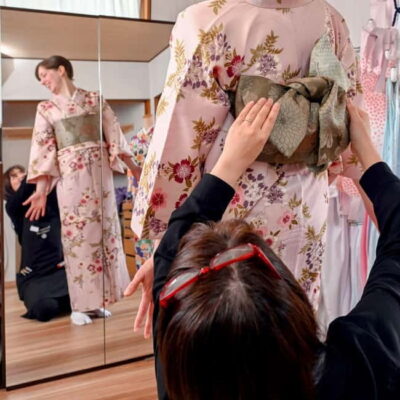
Browse the lists this tour appears in