
REVIEW · KYOTO KAISEKI DINING
Kyoto: Kaiseki Dinner at a Historical Townhouse
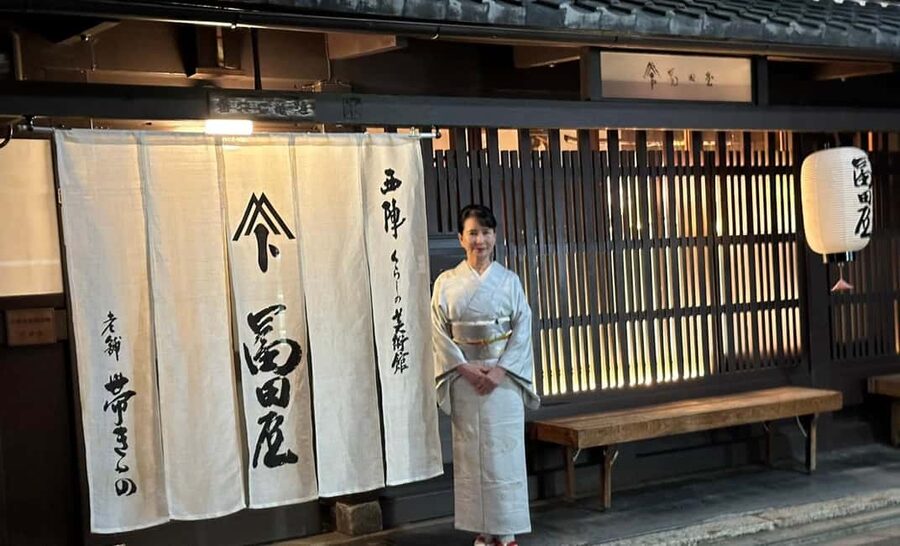
Kyoto’s Tondaya townhouse gives this dinner something a restaurant cannot: a 140-year-old setting filled with traditional objects, rooms, and stories. You tour the historic machiya first, then sit down to seasonal Kyoto-style kaiseki with a softly lit garden outside.
I like the combination of a cultural visit and a proper meal, and I like that dietary requests can include vegan, vegetarian, gluten-free, and halal menus. The main caution is service pace and explanation. One recent diner found the meal tasty but rushed and lightly explained, while others praised the warm welcome and detailed house tour.
In This Review
- Key points to know
- Entering Tondaya, a 140-year-old Kyoto townhouse
- What the house tour adds before dinner
- Kaiseki dinner beside the illuminated garden
- How the food and service shape the evening
- Dietary choices require advance planning
- Dress and floor etiquette at Tondaya
- Best occasions for this two-hour experience
- Timing, price, and practical planning
- Who should book Tondaya
- Should you book this Kyoto townhouse dinner?
- FAQ
- How long does the Tondaya experience last?
- What does the $141 price include?
- Is the meal suitable for dietary restrictions?
- Do I need to wear socks?
- Is the experience available in English?
- Can I book for one person?
- Is the experience wheelchair accessible?
- Is Tondaya open during the New Year holiday?
Key points to know
- A real Kyoto machiya: Tondaya is a 140-year-old townhouse designated as a cultural property by the Kyoto City Government.
- Dinner follows the seasons: The chef selects ingredients and adjusts the menu for the season and occasion.
- The garden matters: You dine while looking toward a beautifully illuminated garden, a major part of the evening’s mood.
- Dietary requests are possible: Vegan, vegetarian, gluten-free, and halal meals can be arranged with advance notice.
- Plan for floor-level Japanese dining: You must wear socks, and bare feet, stockings, and tights are not allowed.
- A polished but not fully predictable experience: English and Japanese support is available, but a translation device or interpreter may be needed.
Entering Tondaya, a 140-year-old Kyoto townhouse
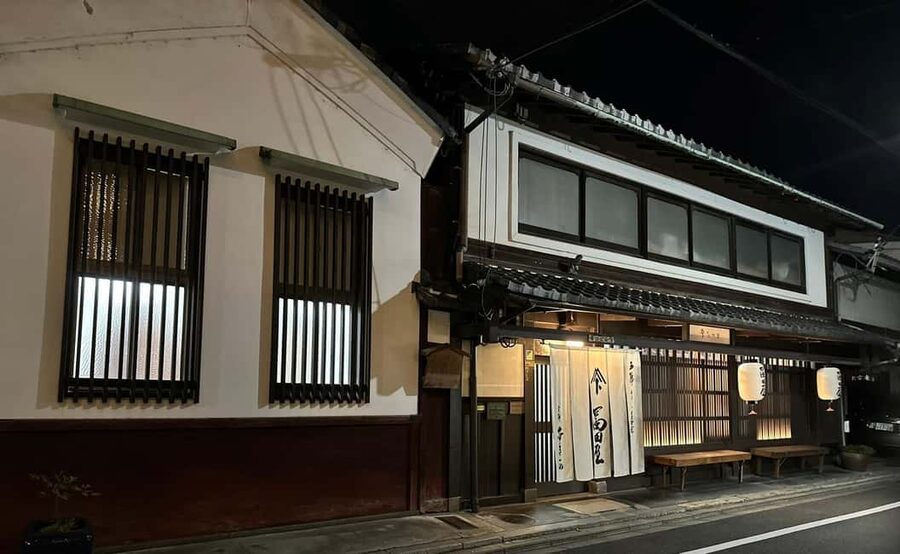
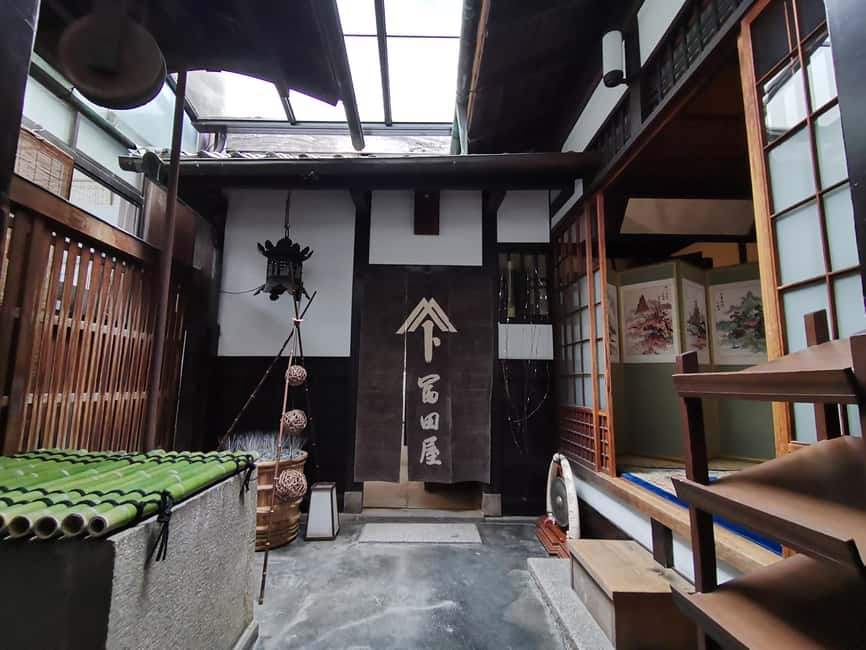
The evening begins with a guided look around Tondaya, a traditional Kyoto machiya that has been preserved for roughly 140 years. This is not simply a dining room dressed up with old wood and Japanese decorations. The property itself is the first part of the experience, and it gives you a clearer sense of how an established Kyoto home functioned.
You can expect to see historically valuable objects and hear stories connected with the townhouse. Staff members also work with traditional arts such as kimono, tea ceremony, calligraphy, and ikebana. The exact depth of the introduction may depend on who is assisting you and how much English support is available, but the house tour gives the evening a useful cultural frame.
I would not rush this opening portion. A kaiseki meal can be beautiful, but without context it may feel like a parade of small dishes. Seeing the house first helps you understand why the setting matters and why this is more than a standard Japanese dinner.
The property is designated as a culturally significant landmark by the Kyoto City Government. That designation does not turn the visit into a museum tour, but it does signal that you are entering a place with recognized historical value. You are dining inside part of Kyoto’s built heritage, not merely looking at a modern room with a traditional theme.
More kaiseki dinners:
- Kyoto Evening Gion Food Tour Including Kaiseki Dinner
★ 5.0 · 62 reviews - Maiko Night Performance with Kaiseki-style Kyoto cuisine Dinner
★ 4.0 · 9 reviews - Kyoto: Kaiseki Reservation at Hanasaki Manjiro
★ 4.8 · 6 reviews
What the house tour adds before dinner
A machiya is a traditional Kyoto townhouse, often associated with narrow street fronts and long interiors that extend back from the road. The supplied details do not specify the exact layout of every room or the length of the house tour, so you should not expect a fixed museum-style route with a long list of named exhibits.
What you can count on is a staff-led introduction to Tondaya and its objects. One French visitor described the house as authentic and singled out the care given to the people attending. Another praised the amount of interesting explanation provided during the visit. That suggests the house tour can be a real highlight when the staff member has time to explain the details.
Language is the one variable. The hosts or greeters work in English and Japanese, and the staff will try to arrange an interpreter when needed. A translation device may also be used. If you want to ask detailed questions about architecture, family history, or traditional objects, keep your expectations flexible and allow a little patience in the conversation.
This is also a private-group experience option, which may help if you want a more personal evening. The information does not promise that every booking is private, so check the option you choose. A private setting would be especially useful for a birthday, anniversary, business gathering, or family celebration.
Kaiseki dinner beside the illuminated garden
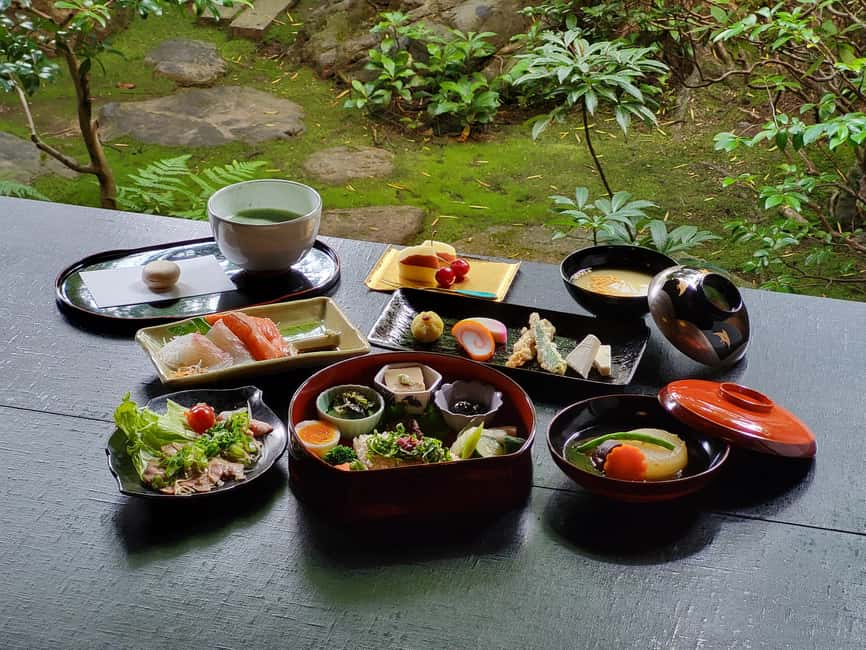
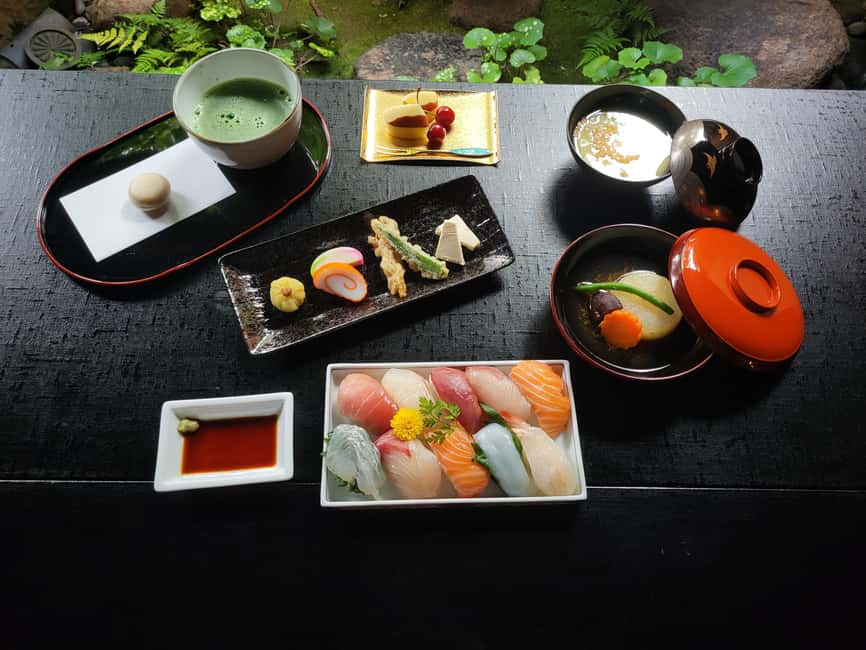
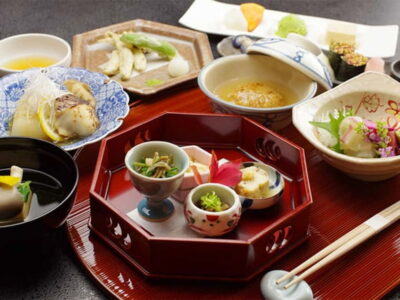
After the tour, you are served a traditional Kyoto-style kaiseki meal prepared by a seasoned Kyoto chef. Kaiseki is a multi-course format in which appearance, season, balance, and presentation matter as much as sheer quantity.
The menu is not described dish by dish, and it changes with the season and occasion. That is a good sign for authenticity, but it means you should not book expecting a fixed menu based on a photograph. The chef selects ingredients according to what suits the time of year, so the meal you receive in spring may differ greatly from one served in autumn or winter.
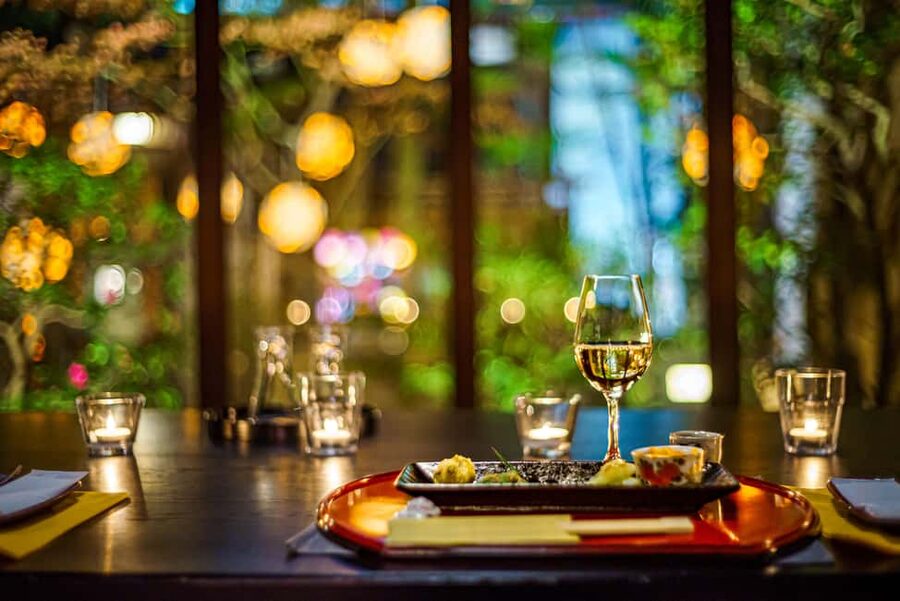
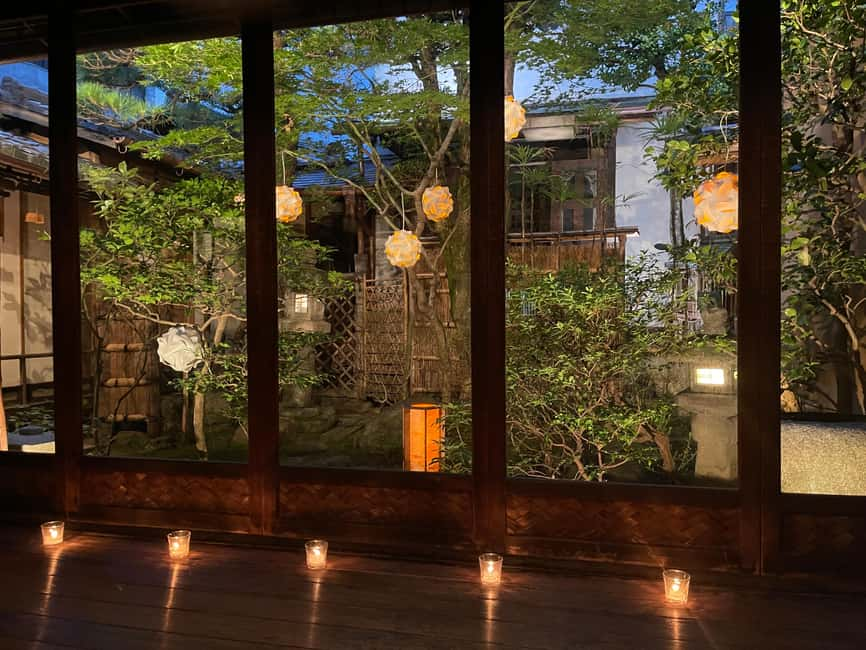
The garden view supplies much of the atmosphere. You dine while looking out at a beautifully illuminated garden, with soft lighting in the townhouse adding to the calm, formal mood. This is the sort of setting that makes sense for a special occasion, when the room and presentation matter almost as much as the food.
The meal lasts within a two-hour experience, including the house visit. That is long enough for a substantial multi-course dinner and cultural introduction, but it is not an open-ended evening. If you enjoy long, leisurely meals with extensive explanations between courses, you may find the schedule brisk.
One Italian diner found the food good and the atmosphere attractive but felt the dishes arrived too quickly and without enough explanation. That is useful advice. Kaiseki is more rewarding when you understand what you are eating, so tell the staff at the start if explanations matter to you. English interpretation may be possible, but it is not guaranteed that every course will receive a detailed spoken description.
How the food and service shape the evening
The strongest positive impressions center on hospitality and food. A visitor from the United States described the setting as welcoming and fun, while a French diner called the meal excellent and noted the attention given by the hosts. A vegetarian diner also found the menu delicious, which is encouraging for people who need an alternative to the standard meal.
At the same time, this is a formal traditional experience, not a casual restaurant where you can easily change the rhythm. The pace may be set by the kitchen and the schedule of the evening. You should arrive on time, since a late arrival could affect both the house introduction and the meal service.
The description does not promise sake, wine, beer, or soft drinks. Additional drinks are not included, so budget separately if you want something beyond the meal. At $141 per person, the price is best understood as payment for three things at once: access to a historic cultural property, a guided introduction, and a seasonal kaiseki dinner in a garden-facing setting.
That is a fair value for someone seeking a special Kyoto evening rather than the least expensive way to eat Japanese food. It is less compelling if your only goal is to sample as much food as possible. Kaiseki portions are part of a measured sequence, and the setting carries a large share of the cost.
A few more Kyoto experiences worth comparing
- Kyoto Gion Cultural Walk & Geisha Show with Dining Options
★ 5.0 · 518 reviews - Kyoto Gion Cultural Walk & Geisha Show with Dining Options
★ 5.0 · 483 reviews - Dinner with Maiko in a Traditional Kyoto Style Restaurant Tour
★ 5.0 · 175 reviews - Kyoto: Geisha Dinner & Gion Cultural Walk
★ 5.0 · 73 reviews
Dietary choices require advance planning
The ability to request vegan, vegetarian, gluten-free, and halal options widens the appeal of this experience. The vegetarian meal has already proved a strong choice for at least one diner, who found it delicious.
You must tell Tondaya about allergies or dietary restrictions in advance. Do not wait until you sit down. Kaiseki menus depend on carefully selected ingredients, and advance notice gives the kitchen a chance to plan a suitable sequence.
The information confirms that these four dietary categories are available upon request, but it does not provide details about cross-contamination, substitutions, or the exact ingredients used. If you have a serious allergy, explain it clearly when booking and confirm that the kitchen can meet your needs.
For vegan diners, it is worth remembering that Japanese cuisine can include fish stock or other animal-based ingredients in dishes that appear vegetable-focused. The fact that a vegan menu is offered is helpful, but advance communication remains essential.
Dress and floor etiquette at Tondaya
Bring socks and wear them during the visit. Bare feet are not allowed, and the instructions specifically ask you not to wear stockings or tights. This is an easy detail to miss, especially in warm weather, so pack a spare pair if needed.
The experience is not suitable for wheelchair users. The information does not give a detailed accessibility description, so anyone with mobility concerns should contact Tondaya before booking rather than assume the townhouse will be easy to navigate.
The setting is formal enough for a celebration, but the dress code provided only covers footwear and legwear. You do not need to guess at an elaborate costume. Clean, comfortable clothing that suits a refined dinner should work, with socks as the firm requirement.
Best occasions for this two-hour experience
Tondaya makes the most sense when you want dinner to be part of a larger Kyoto memory. The historic home, illuminated garden, and formal meal create a setting suited to a birthday, anniversary, proposal celebration, or important family evening.
It can also work for a business gathering or private party. The private-group option may give you more control over the atmosphere, though you need to confirm exactly what is included with your selected booking.
I would choose this for someone visiting Kyoto for the first time who wants a concentrated introduction to traditional culture. In two hours, you see a historic home and eat a seasonal meal without having to arrange separate activities.
I would be more cautious for a diner who wants a relaxed, highly interactive food lesson. This is not advertised as a cooking class, and the amount of explanation may vary. It is also not the best match for someone watching every dollar, since the $141 cost includes atmosphere and heritage access as much as food.
Timing, price, and practical planning
The experience lasts two hours, with starting times based on availability. Your meeting point may vary depending on the option booked, so read the confirmation carefully rather than heading to a general Tondaya address without checking.
Reservations require at least two participants. Solo bookings are therefore not suitable unless you are able to join another arrangement, and the supplied information does not promise that option.
Free cancellation is available up to 24 hours before the experience for a full refund. You can also reserve now and pay later, which is useful if your Kyoto schedule is still changing.
Pay attention to the holiday dates. Tondaya is closed on December 31 and January 1. From December 28 through January 5, except for those two closed days, a 30 percent holiday surcharge applies to all experience fees. That raises the listed $141 price, so check the total before you commit to a New Year visit.
Who should book Tondaya
You should consider this dinner if you value atmosphere, historic architecture, and a traditional meal more than a large serving size. It is particularly well suited to couples and families marking an occasion, diners seeking dietary alternatives, and anyone who wants a private-group setting.
You may want a different dinner if you need guaranteed wheelchair access, dislike floor-level traditional settings, or expect every course to be explained in fluent English. The hosts can work in English and Japanese and may arrange interpretation, but language support is not presented as a fixed feature for every booking.
The most praised elements are consistent: the welcoming staff, the beauty of the traditional home, the interesting explanations, and the quality of the meal, including the vegetarian version. The main weakness is also clear: the service can feel fast, and the meal may come with less explanation than you hoped for.
Should you book this Kyoto townhouse dinner?
Book it if you want a complete cultural evening rather than just a restaurant reservation. The combination of Tondaya’s age, the guided house visit, seasonal kaiseki, and illuminated garden gives the $141 price a reasonable foundation for a special occasion.
Before booking, send dietary details early, confirm the meeting point, check the language arrangements, and wear proper socks. If you do those four things and accept that the pacing may be brisk, Tondaya offers a memorable way to connect dinner with Kyoto’s traditional domestic culture.
FAQ
How long does the Tondaya experience last?
The experience lasts two hours, including the visit to the historic townhouse and the kaiseki dinner.
What does the $141 price include?
The price includes the traditional Kyoto kaiseki meal, entrance to Tondaya as a cultural landmark, and a view of the illuminated garden. Additional drinks are not included.
Is the meal suitable for dietary restrictions?
Vegan, vegetarian, gluten-free, and halal options are available upon request. You must inform Tondaya about allergies or dietary needs in advance.
Do I need to wear socks?
Yes. Socks are required. Bare feet are not allowed, and the instructions ask you not to wear stockings or tights.
Is the experience available in English?
The host or greeter languages are English and Japanese. Tondaya will try to arrange an interpreter, and a translation device may be used when necessary.
Can I book for one person?
No. Reservations must be made for a minimum of two participants.
Is the experience wheelchair accessible?
No. The experience is listed as not suitable for wheelchair users.
Is Tondaya open during the New Year holiday?
Tondaya is closed on December 31 and January 1. From December 28 through January 5, excluding those closed dates, a 30 percent holiday surcharge applies to the experience fee.
More History Walks in Kyoto
- World Heritage Kyoto & Nara Uji Authentic Matcha Experience
★ 5.0 · 1,573 reviews - Kyoto Gion: 2-Hour Geisha Culture & History Walking Tour
★ 5.0 · 1,186 reviews - Kyoto Gion Historical Walking Tour
★ 5.0 · 188 reviews - Historical Kyoto E-Bike Tour
★ 5.0 · 181 reviews
More Dining Experiences in Kyoto
- Private Dinner with a Geisha
★ 5.0 · 65 reviews - Kyoto: Maiko Dinner in Traditional Restaurant and Tour
★ 4.8 · 55 reviews - Kyoto: Lunch or Dinner with Maiko
★ 4.2 · 52 reviews - Private Dinner with Maiko and Geiko in Kyoto
★ 5.0 · 28 reviews
Recently added around Kyoto
- Kyoto Kimono Rental CHAMATSU|Kimono/Yukata Rental FamilyPlan★ 5.0 · 3 reviews
- Higashiyama | Kyoto: Sakura Season Private Rickshaw Tour★ 5.0 · 3 reviews
- Kyoto: Half-Day Private Guided Tour to the Old Town of Gion★ 4.4 · 3 reviews
- Nara Private Customizable Half Day Tour★ 5.0 · 3 reviews
- Kansai Region Hiking Adventure in Nara Kobe Kyoto and More★ 5.0 · 3 reviews
- Full Day Nara Deer, Temple, Shrine, Activities & Tea Ceremony★ 5.0 · 3 reviews
- Nara: Essential Private Tour with Deer Park and Temples★ 5.0 · 3 reviews
- Hiking Tour for Sacred Sites in Kyoto with a Guide★ 5.0 · 3 reviews
Kyoto Kaiseki Dining, compared.
Kyoto Evening Gion Food Tour Including Kaiseki Dinner
Read our review →
Maiko Night Performance with Kaiseki-style Kyoto cuisine Dinner
Read our review →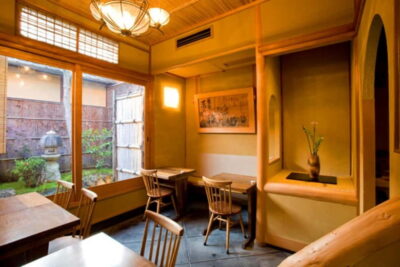
Browse the lists this tour appears in