
REVIEW · NISHIKI MARKET FOOD TOURS
Kyoto:Seasonal Kaiseki Reservation at Hanasaki Nishiki
Hanasaki Nishiki gives you a calm Kyoto meal in the middle of the city. You enter a traditional machiya townhouse, leave the noise of Shijo-Karasuma behind, and sit down to a seasonal kaiseki course shaped by Kyoto vegetables, tofu, and local seafood.
I like the monthly changing menu, which lets the meal follow the season, and I like the quiet rooms facing an inner garden. The main consideration is that this is a restaurant reservation only, so you must arrive and enter on your own. Drinks beyond water cost extra, and the listed $39 price is best understood as an attractive entry point into formal Kyoto dining rather than an all-inclusive evening.
In This Review
- Key points to know before booking
- A quiet Kyoto meal near Shijo-Karasuma
- What the two-hour kaiseki meal is like
- Why the seasonal menu matters
- Tatami rooms, horigotatsu seating, and the inner garden
- Finding Hanasaki Nishiki from the stations
- The value of the $39 price
- Service and the cultural side of the meal
- Who will enjoy this experience most
- How to fit it into a Kyoto day
- Should you book Hanasaki Nishiki?
- FAQ
- Where is Hanasaki Nishiki located?
- How long does the meal last?
- What does the reservation include?
- Are drinks included?
- Is this a guided tour?
- What kind of food is served?
- Can the staff explain the dishes in English?
- What type of seating is available?
- Is the restaurant wheelchair accessible?
Key points to know before booking
- Seasonal menus change monthly: The food reflects the time of year, with local Kyoto ingredients and seasonal seafood.
- Traditional machiya setting: Tatami and horigotatsu rooms look toward a peaceful inner garden.
- Central Kyoto location: The restaurant is about five minutes from both Karasuma Station and Shijo Station.
- Two-hour full-course meal: The reservation includes the course, sales tax, and booking, but not drinks other than water.
- English help is available: Staff explain each dish in English, making the meal easier to follow for international diners.
- Optional cultural performance: Maiko and geiko entertainment can be arranged upon request, creating a more special occasion meal.
A quiet Kyoto meal near Shijo-Karasuma
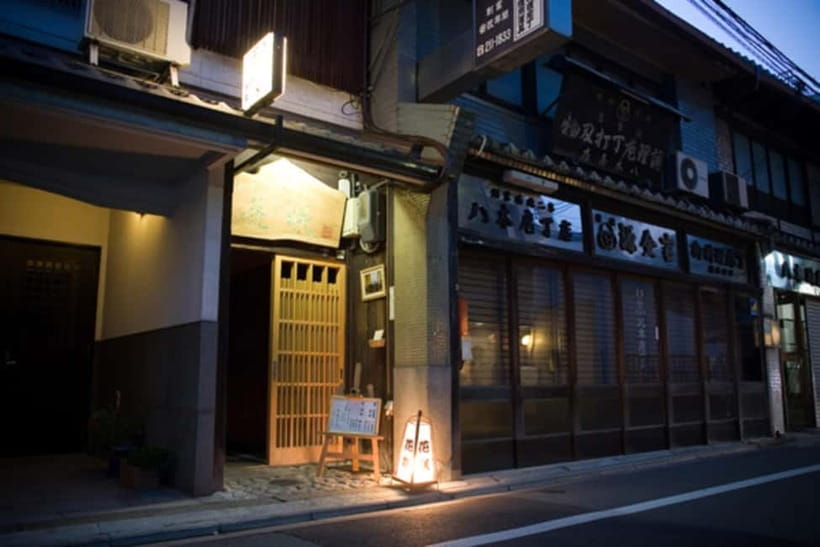
The appeal here begins with the setting. Shijo-Karasuma is one of central Kyoto’s busiest commercial areas, full of offices, department stores, restaurants, and transit connections. Hanasaki Nishiki is close to all of that, yet the restaurant sits in a quiet alley where the mood changes quickly.
That change matters. Kaiseki is not simply a meal of expensive Japanese dishes. It is a carefully ordered experience in which the season, the serving ware, the arrangement of each plate, and the balance of flavors all play a part. A peaceful room gives you the time and attention needed to notice those details.
The restaurant occupies a traditional Kyoto townhouse, or machiya. These narrow urban houses are closely linked with the city’s older streets and merchant culture. Here, the machiya setting gives the meal a sense of place that a modern restaurant near the station could not provide.
I would plan this reservation for a day when you are already in central Kyoto. It is close to Nishiki Market, the Shijo shopping area, and major transport lines, so it can fit neatly between sightseeing stops. You do not need to make a separate trip across the city just to eat here.
More food walks through Nishiki Market:
- Nishiki Market Brunch Walking Tour (7 Tastings + Brunch)
★ 5.0 · 1,355 reviews - Kimono Tea Ceremony at Kyoto Maikoya, NISHIKI
★ 5.0 · 911 reviews - Kyoto Nishiki Market Food and Culture Walking Tour
★ 5.0 · 412 reviews
What the two-hour kaiseki meal is like
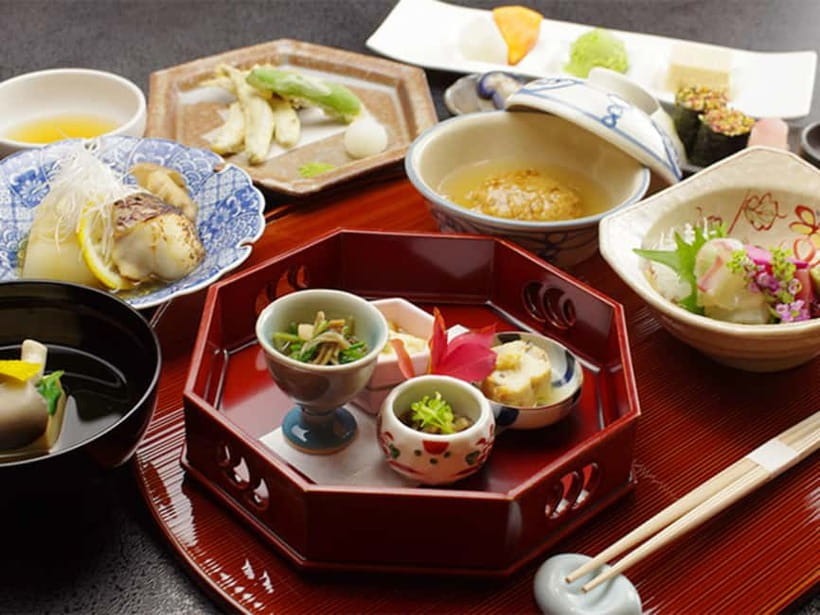
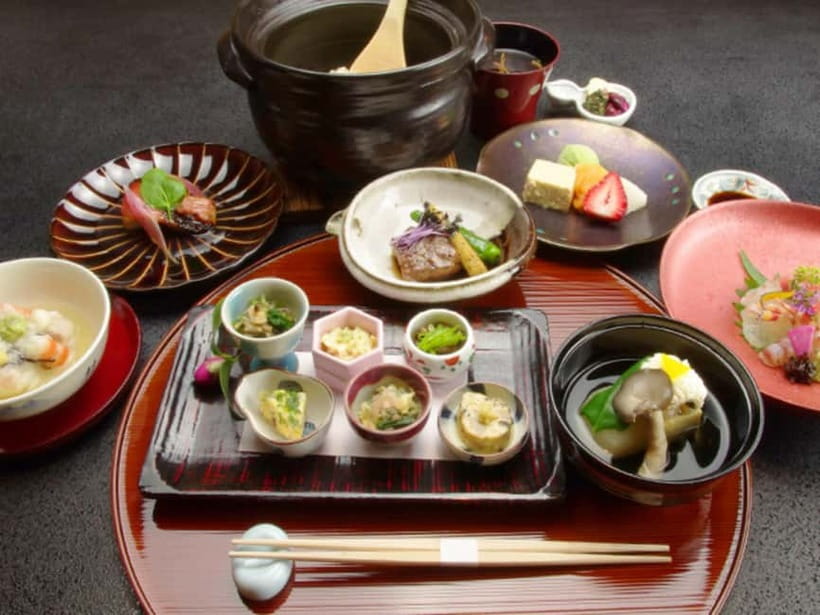
Your reservation covers a full seasonal course, served over about two hours. The exact dishes change monthly, so you should not book this expecting one fixed menu. That changing format is part of the point: Kyoto cooking pays attention to what is available and appropriate at a particular time of year.
You can expect ingredients such as Kyoto vegetables, tofu, and seasonal seafood. One meal may also include carefully prepared Kyoto beef, as it has appeared as part of the restaurant’s seasonal presentation. The available information does not specify every course or portion, so I would think of the menu as a guided progression rather than a list of promised individual dishes.
Kaiseki usually gives each preparation room to make its own impression. Texture matters as much as flavor. A delicate vegetable dish may be followed by seafood, soup, rice, or another preparation that changes the pace of the meal. At Hanasaki Nishiki, the stated focus is on taste, presentation, texture, and harmony between the elements.
That makes this a better choice for someone who enjoys a slow meal than for someone who wants to eat quickly and return to sightseeing. Two hours is a useful amount of time: long enough to feel like a proper occasion, but not so long that it takes over an entire day.
The staff can explain the dishes in English. That is especially useful with kaiseki, where the ingredient, preparation, and seasonal reason for serving a dish may not be obvious from appearance alone. You can follow what is on the plate instead of guessing your way through the meal.
Why the seasonal menu matters
Kyoto cuisine places strong value on the calendar. Spring, summer, autumn, and winter each bring different produce, colors, temperatures, and serving styles. A course that changes monthly can reflect those shifts more closely than a standard menu offered all year.
I like this feature because it gives you a meal tied to the moment of your visit. You are not just ordering a famous dish that could be served anywhere at any time. You are tasting the restaurant’s interpretation of what is suitable now, with local vegetables and fresh ingredients at the center.
The focus on Kyoto vegetables is also important. Kyoto cooking is often associated with refined treatment of simple ingredients, and vegetables can carry much of the meal’s character. Tofu and seafood add variety without turning the course into a heavy parade of meat.
Do not expect a large buffet or a single oversized main course. The pleasure comes from several carefully prepared stages. If you prefer bold, strongly seasoned food or want complete control over every item, the format may feel restrained. If you enjoy small portions, careful presentation, and a meal with a clear rhythm, it should suit you well.
Because menus change, anyone with strict dietary needs should confirm arrangements before booking. The supplied details identify the main ingredients and seasonal format, but they do not provide a full allergen or dietary policy.
Tatami rooms, horigotatsu seating, and the inner garden
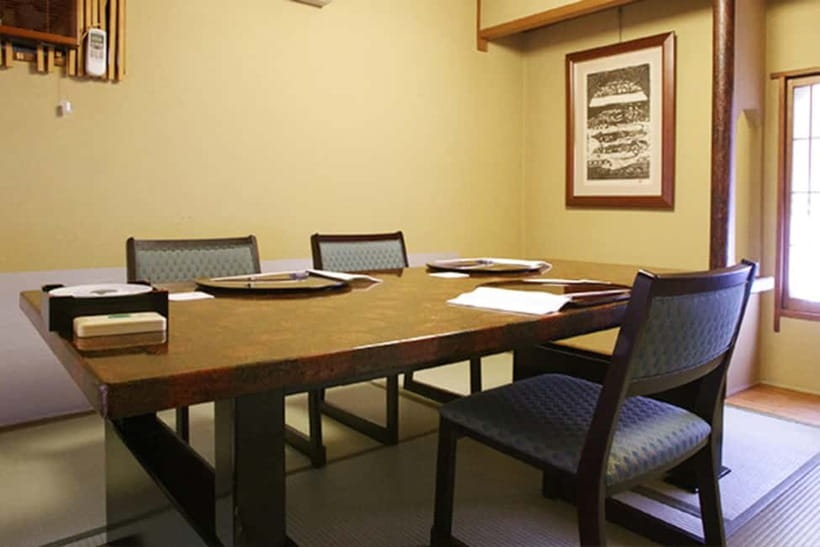
The dining rooms offer traditional tatami seating and horigotatsu seating. Tatami means you sit in a room with woven floor mats, while horigotatsu seating provides a lowered space for your legs. That distinction can make a real difference if you are unsure about sitting directly on the floor.
The rooms look toward a quiet inner garden. You may not spend the whole meal staring outside, but the garden helps set the pace. Instead of facing a bright street or a crowded dining room, you have a composed background that supports the calm style of the food.
This atmosphere makes Hanasaki Nishiki a good fit for several occasions. I would consider it for a special lunch, a quiet dinner, a business meal, or a first formal introduction to Kyoto cuisine. It also works for visitors who want a cultural experience but do not want to commit to a full evening performance or a long excursion.
The setting is elegant without requiring you to dress for a grand hotel dining room, at least based on the information provided. Still, the traditional surroundings and course format call for respectful, unhurried behavior. Treat the meal as an occasion, not simply a stop for fuel.
More kaiseki dinners:
- Kyoto Evening Gion Food Tour Including Kaiseki Dinner
★ 5.0 · 62 reviews - Maiko Night Performance with Kaiseki-style Kyoto cuisine Dinner
★ 4.0 · 9 reviews - Kyoto: Kaiseki Reservation at Hanasaki Manjiro
★ 4.8 · 6 reviews - Kyoto: Kaiseki Dinner at a Historical Townhouse
★ 4.5 · 4 reviews
Finding Hanasaki Nishiki from the stations
Hanasaki Nishiki is about a five-minute walk from Karasuma Station on the Hankyu Kyoto Line. It is also about five minutes from Shijo Station on the Kyoto Municipal Subway Karasuma Line.
That location is one of the restaurant’s strongest practical features. Shijo-Karasuma is easy to reach from other parts of Kyoto, and you can pair the meal with shopping or a walk through nearby Nishiki Market. If you are staying in central Kyoto, the restaurant should be straightforward to reach by train.
Allow a few extra minutes to find the entrance. The restaurant is set in a quiet alley and may feel less obvious than a dining room with a large street frontage. Since this is a reservation only experience, you should arrive with the restaurant name and booking details ready.
At the reservation time, enter the restaurant directly. There is no guide waiting outside, no walking tour, and no transfer included. This arrangement suits independent visitors who can manage their own route and prefer to move at their own pace.
The value of the $39 price
At $39 per person, the reservation offers a useful way to try formal Kyoto dining without paying the price of a luxury hotel kaiseki menu. The full course, sales tax, and reservation are included, which makes the basic cost easy to understand.
Drinks are not included except for water. That is the main extra cost to keep in mind. The available details do not state drink prices, so I would check the menu or ask the restaurant if you want sake, beer, wine, or another beverage with the course.
The value depends on what you want from the meal. If you are comparing it with a quick lunch near Kyoto Station, it is more expensive and takes much longer. If you are comparing it with a formal cultural dining experience in a traditional townhouse, the price is quite approachable.
You are paying for more than ingredients. The cost also covers the setting, the sequence of the meal, the care given to presentation, and the service needed to explain the course. That does not mean every diner will find it worth the money. A person who mainly wants to sample one familiar Kyoto dish may prefer a casual restaurant. I would choose Hanasaki Nishiki when the meal itself is part of the day’s plan.
Service and the cultural side of the meal
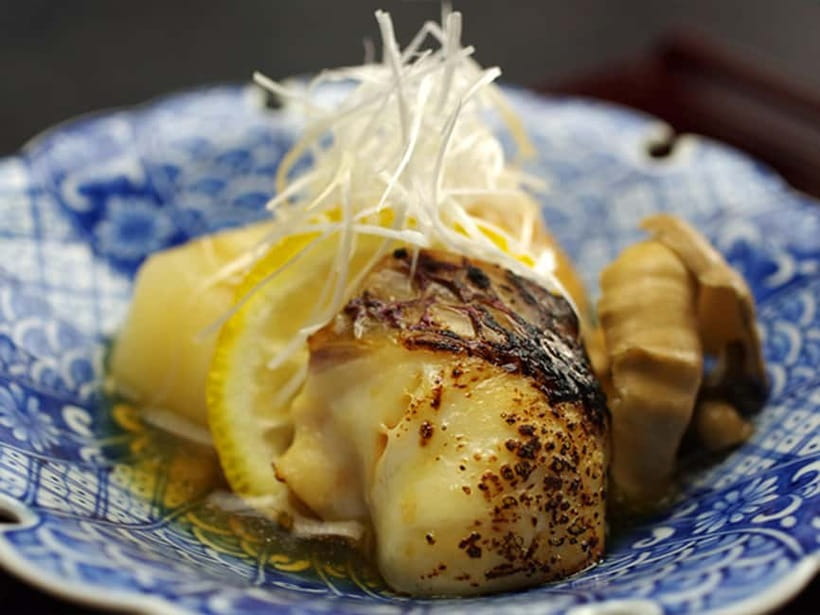
The service is described as attentive without being intrusive. That balance is valuable in kaiseki dining. You want help understanding the food, but you do not want constant interruptions while you are eating or talking.
English explanations of each dish are available. This is a practical benefit, not a small extra. Without an explanation, the visual presentation can be lovely but hard to interpret. With some context, you can understand the role of a seasonal ingredient and follow the movement from one course to the next.
Maiko and geiko performances can be arranged upon request. This is not presented as part of every reservation, so you should not assume a performance is waiting for you. If this is the main reason you want to book, ask about availability and arrangements before committing.
When available, that option can turn a refined meal into a more formal cultural occasion. It may suit a celebration or a visitor who wants a stronger connection to Kyoto’s traditional arts. For a simple lunch, the food and machiya setting may be enough.
Who will enjoy this experience most
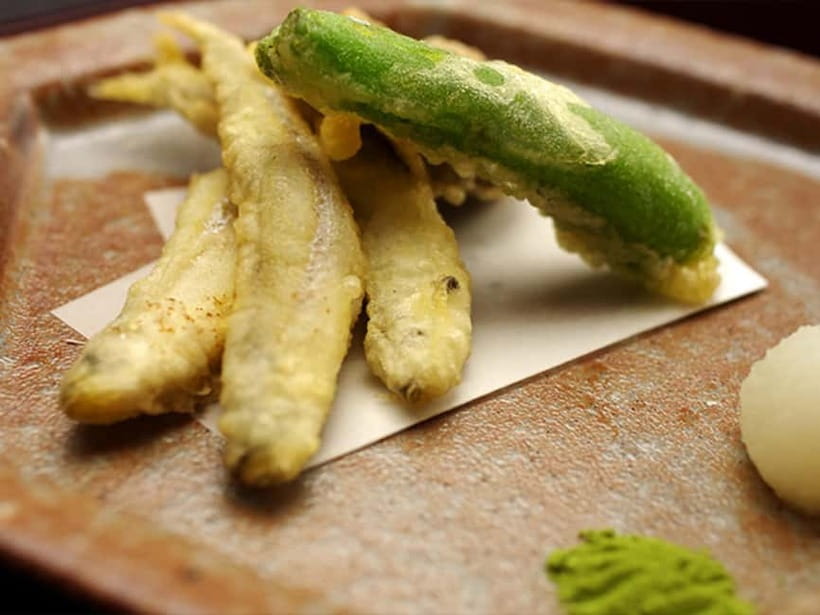
I would recommend Hanasaki Nishiki to you if you want:
- A traditional Kyoto setting near major central transport
- A full seasonal course rather than a quick meal
- Local vegetables, tofu, seafood, and other fresh ingredients
- A calm room for conversation or a special occasion
- English explanations of the dishes
- A restaurant experience that can be paired with Nishiki Market or Shijo shopping
It is also a sensible choice for a business lunch or dinner because the private-style rooms and quiet setting allow conversation. The two-hour format gives the meal a clear beginning and end, which helps when planning the rest of your day.
I would hesitate if you dislike unfamiliar foods, have strict dietary requirements that have not been confirmed, or want an informal meal with instant service. I would also hesitate if you expect a guided cultural program. No guide is provided, and you are responsible for reaching the restaurant and entering at your reservation time.
The restaurant is wheelchair accessible according to the supplied details. If you need a particular type of seating, such as horigotatsu rather than standard tatami, it is sensible to request it when making the reservation.
How to fit it into a Kyoto day
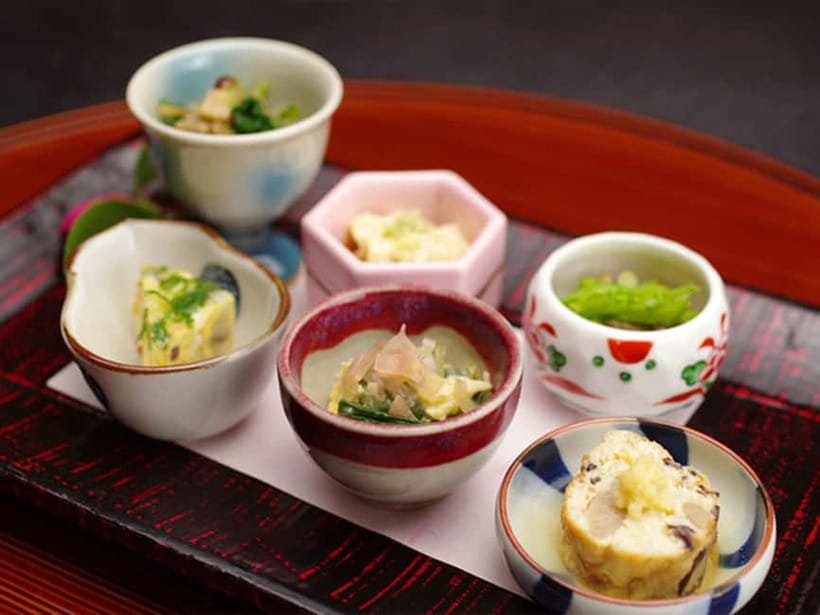
A meal here pairs naturally with central Kyoto plans. You could visit Nishiki Market first, then walk toward Shijo-Karasuma for your reservation. You could also schedule the meal between shopping and an afternoon visit elsewhere in the city, since the two-hour duration is predictable.
I would avoid placing a rushed temple visit immediately before the meal. Give yourself enough time to reach the alley, settle in, and arrive without watching the clock. Kaiseki rewards attention, and the setting works best when you are not already hurrying to the next train.
The restaurant also suits an arrival or departure day only if your transport schedule is flexible. The meal itself lasts around two hours, and the reservation does not include transfers. Central access helps, but you still need time for the walk to the station and any delays on the way.
For a special occasion, request information about maiko or geiko arrangements in advance. For a quieter meal, book the course on its own and let the garden, room, and seasonal food carry the experience.
Should you book Hanasaki Nishiki?
I would book Hanasaki Nishiki if you want an approachable introduction to Kyoto kaiseki in a traditional setting. The strongest reasons are the monthly seasonal menus, the calm machiya rooms, the inner garden, and English explanations that help you understand what you are eating.
The $39 price makes the experience appealing, especially because the full course, tax, and reservation are included. Just budget separately for drinks and remember that this is not a guided tour. You enter the restaurant yourself, and the meal may not suit diners seeking large portions or a fast schedule.
For an authentic-feeling Kyoto meal near Shijo-Karasuma, this is a practical choice with a clear cultural focus. Book it for the food, setting, and pace, and ask ahead if you want a maiko or geiko performance.
FAQ
Where is Hanasaki Nishiki located?
Hanasaki Nishiki is near Shijo-Karasuma in central Kyoto, about a five-minute walk from Karasuma Station on the Hankyu Kyoto Line and Shijo Station on the Kyoto Municipal Subway Karasuma Line.
How long does the meal last?
The experience lasts about two hours.
What does the reservation include?
The reservation includes the full course menu, sales tax, and the restaurant reservation.
Are drinks included?
Only water is included. Other drinks are not included in the price.
Is this a guided tour?
No. This is a restaurant reservation only. You should enter the restaurant directly at the reservation time, and no guide is provided.
What kind of food is served?
The restaurant serves seasonal kaiseki courses using ingredients such as Kyoto vegetables, tofu, and seasonal seafood. Menus change monthly.
Can the staff explain the dishes in English?
Yes. English explanations of the dishes are available.
What type of seating is available?
The dining rooms include traditional tatami seating and horigotatsu seating, with views toward a peaceful inner garden.
Is the restaurant wheelchair accessible?
Yes, the experience is listed as wheelchair accessible.
Recently added around Kyoto
- Higashiyama | Kyoto: Sakura Season Private Rickshaw Tour★ 5.0 · 3 reviews
- Kyoto Kimono Rental CHAMATSU|Kimono/Yukata Rental FamilyPlan★ 5.0 · 3 reviews
- Kyoto: Half-Day Private Guided Tour to the Old Town of Gion★ 4.4 · 3 reviews
- Nara Private Customizable Half Day Tour★ 5.0 · 3 reviews
- Kansai Region Hiking Adventure in Nara Kobe Kyoto and More★ 5.0 · 3 reviews
- Full Day Nara Deer, Temple, Shrine, Activities & Tea Ceremony★ 5.0 · 3 reviews
- Nara: Essential Private Tour with Deer Park and Temples★ 5.0 · 3 reviews
- Hiking Tour for Sacred Sites in Kyoto with a Guide★ 5.0 · 3 reviews
Nishiki Market Food Tours, compared.
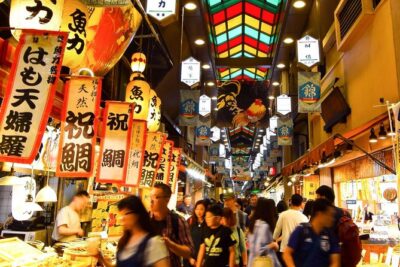
Kyoto Nishiki Market Food and Culture Walking Tour
Read our review →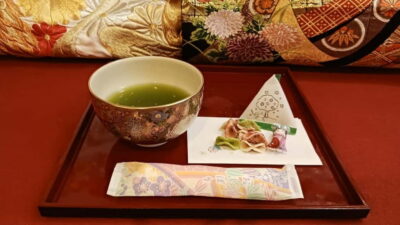
Nishiki Market Tea Ceremony with Koto Performance
Read our review →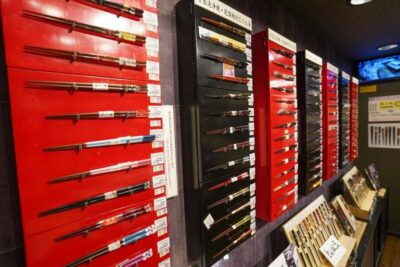
Nishiki Market Brunch Walking Tour-7 Tastings+Brunch
Read our review →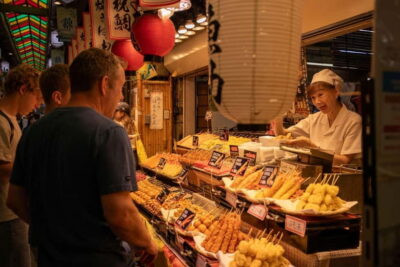
Kimono Tea Ceremony Experience at Kyoto Oritzuruya, Nishiki
Read our review →
Nishiki Market and Depachika Food Tour with a Local
Read our review →
Nishiki Market Tour with a Local Foodie & Tastings
Read our review →Browse the lists this tour appears in