
REVIEW · KYOTO KAISEKI DINING
Kyoto: Kaiseki Reservation at Hanasaki Manjiro
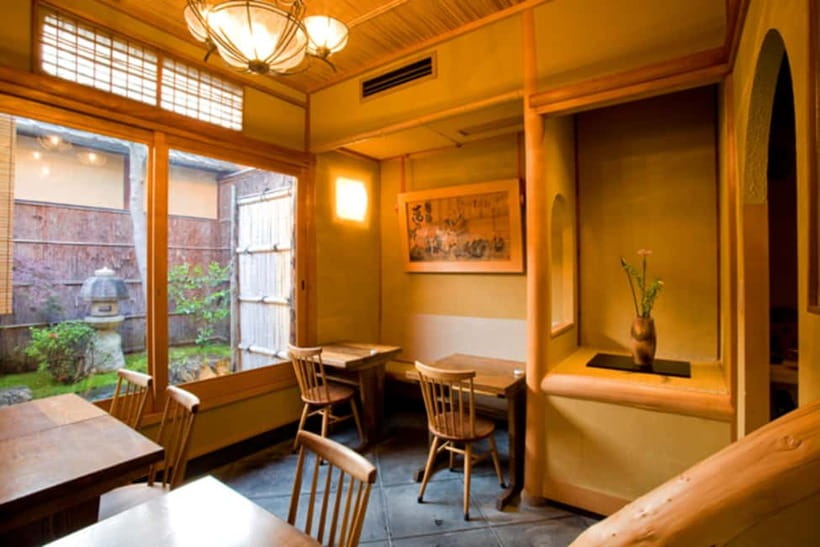
Hanasaki Manjiro gives you one of Kyoto’s most graceful combinations: a seasonal kaiseki meal inside a 120-year-old machiya. You enter through the old Higashiyama district, leave the temple crowds behind, and sit down in a traditional room with a garden view.
I like the setting first. I also like the focus on Kyoto vegetables and local ingredients, with each course shaped by the season. The main consideration is that this is a restaurant reservation, not a guided cultural tour, and drinks beyond water cost extra.
The meal lasts about two hours, which fits neatly between sightseeing stops. You are close to Kodaiji Temple, Chion-in, and Kiyomizu-dera, but the quiet townhouse atmosphere feels far removed from the busiest lanes.
In This Review
- Key points to know before booking
- Arriving through old Higashiyama
- What the 120-year-old machiya adds
- How the two-hour kaiseki meal unfolds
- Why the seasonal menu matters
- Service, atmosphere, and cultural context
- Is $48 a good value?
- Who will enjoy Hanasaki Manjiro most
- Practical tips for planning your visit
- Should you book this Kyoto kaiseki meal?
- FAQ
- Where is Hanasaki Manjiro located?
- How long does the dining experience last?
- How do I reach the restaurant?
- What does the reservation include?
- Are drinks included?
- Is a guide included?
- Can I request a maiko or geiko performance?
Key points to know before booking
- A 120-year-old machiya: The traditional townhouse provides the setting, not just a backdrop, for your Kyoto meal.
- Seasonal kaiseki cooking: Expect delicate courses built around Kyoto vegetables and other local ingredients.
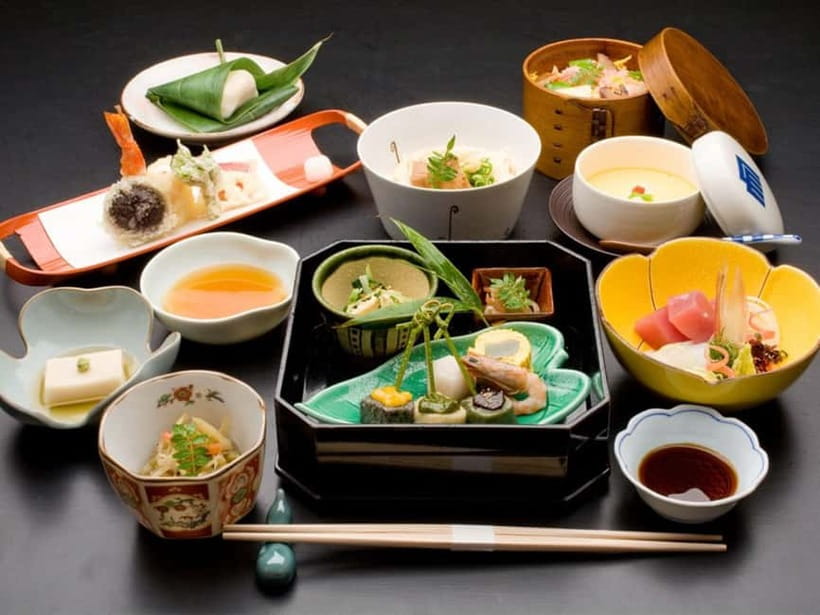
- Nine-course option: A generous nine-course meal may include seafood, wagyu beef, appetizers, and eel rice.
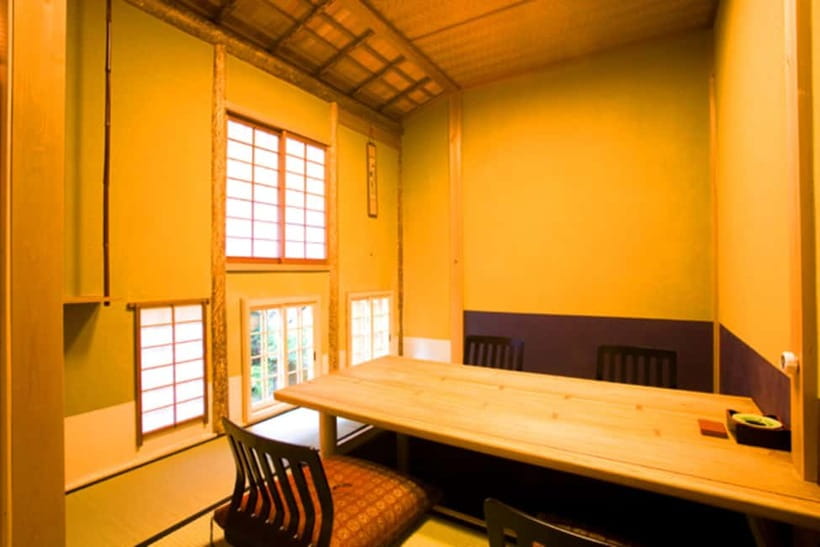
- Garden-facing tatami rooms: The quiet rooms offer a calm break from Higashiyama’s crowded streets.
- Near three major sights: Kodaiji, Chion-in, and Kiyomizu-dera are all within easy reach.
- Maiko or geiko on request: A performance can be arranged separately for a more formal cultural occasion.
Arriving through old Higashiyama
Hanasaki Manjiro sits along Higashiyama Sando, a scenic route through one of Kyoto’s most traditional districts. From Gion-Shijo Station on the Keihan Main Line, allow about 10 minutes on foot. From Kawaramachi Station on the Hankyu Kyoto Line, the walk takes about 15 minutes.
That location matters. You can pair lunch or dinner with a visit to Kodaiji Temple, then continue toward Yasaka Shrine, Chion-in, or Kiyomizu-dera. The restaurant is not isolated from the sights, but it gives you a quieter place to stop once the stone lanes and temple approaches become crowded.
Give yourself enough time to arrive without rushing. Higashiyama is easy to explore on foot, but its lanes, temple grounds, and photo stops can stretch a short walk into a longer one. I would plan the meal as part of a wider walking route rather than treat it as a quick restaurant stop.
The setting also helps mark a change in pace. Outside, you have one of Kyoto’s most visited sightseeing areas. Inside, you exchange souvenir shops and foot traffic for timber, tatami, careful service, and a view of greenery.
More kaiseki dinners:
- Kyoto Evening Gion Food Tour Including Kaiseki Dinner
★ 5.0 · 62 reviews - Maiko Night Performance with Kaiseki-style Kyoto cuisine Dinner
★ 4.0 · 9 reviews - Kyoto: Kaiseki Dinner at a Historical Townhouse
★ 4.5 · 4 reviews
What the 120-year-old machiya adds
A machiya is a traditional urban townhouse, designed for narrow city plots and closely linked to old Kyoto’s streetscape. At Hanasaki Manjiro, the age of the building gives the meal a sense of place that a modern dining room cannot easily provide.
You are not simply eating Japanese food in Kyoto. You are eating inside an old Kyoto-style home, with the room, garden, and quiet atmosphere working alongside the dishes. That is important with kaiseki, where presentation and setting are part of the meal’s meaning.
The private tatami rooms are suited to a calm lunch, dinner, date, or special occasion. You should be comfortable with a slower rhythm and a more formal room than you would find at a casual noodle shop or izakaya.
The building is also a reason to book this meal even if you are not a serious food expert. You do not need to know every kaiseki term to appreciate the woodwork, the garden view, the small courses, and the care taken with the table.
The activity is listed as wheelchair accessible. Still, because the meal takes place in a historic townhouse with tatami rooms, you may want to confirm the exact seating arrangement when booking if you need a particular setup.
How the two-hour kaiseki meal unfolds
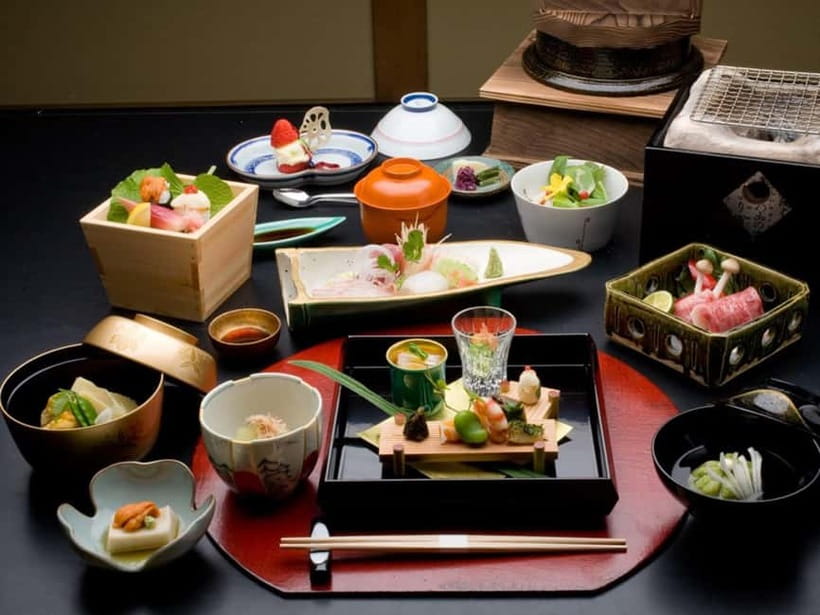
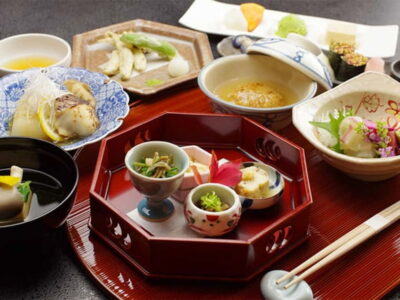
The meal is presented as a full seasonal course rather than one large plate. The exact dishes change, since kaiseki cooking follows available ingredients and the time of year. That seasonal approach is central to the style, so you should expect variety rather than a fixed menu built around one main dish.
Early courses often set the tone with small, carefully arranged bites. One particularly memorable meal included light appetizers, fresh shrimp, and wagyu beef. Those ingredients give you a useful sense of the range: seafood can be delicate and clean, while the wagyu offers a richer note without turning the meal into a heavy steak dinner.
Next, the meal moves through a series of prepared dishes that highlight texture, color, and balance. Kyoto vegetables are important here. Their role is not simply to fill space beside meat or seafood. They help express the season and keep the meal varied from course to course.
The plating is part of the pleasure. Kaiseki portions are often modest, but the visual detail encourages you to slow down and pay attention. You may notice the shape of a garnish, the color of a vegetable, or the way a dish reflects the time of year.
The meal can include a rice course toward the end. A nine-course version included eel rice, and the portion was generous enough for some of it to be packed to take away. That is a useful detail if you arrive expecting tiny portions. The meal may be delicate, but the full course can still be substantial.
Plan to arrive hungry if you choose the nine-course option. One diner found the meal generous and suggested considering a smaller course if you prefer a lighter dinner. Since drinks are not included except for water, remember that the final cost will rise if you order beverages.
Why the seasonal menu matters
Kaiseki is not just a procession of expensive ingredients. Its appeal comes from balance: hot and cold, soft and crisp, light and rich, simple and elaborate. Each course has a role in the larger meal.
At Hanasaki Manjiro, the emphasis on Kyoto vegetables and local ingredients connects the food to the city around you. You are tasting a style shaped by Kyoto’s seasons, culinary traditions, and preference for restrained flavors.
This is also why the food may seem subtle rather than forceful. If you want bold sauces, large grilled portions, or a fast dinner, kaiseki may feel too quiet. If you enjoy noticing small changes from one course to the next, the pace works in your favor.
The strongest part of the meal may be the opening courses, especially if you enjoy seafood and delicate preparations. Fresh shrimp and the small appetizers were singled out as highlights, while the wagyu provided a memorable first taste for one diner.
You should also expect the menu to be explained as it arrives. The staff explain the dishes and make sure the table has what it needs. That help is useful because a seasonal course can include ingredients or preparations that are unfamiliar to you.
A completely different side of Kyoto:
- PERFECT KYOTO 1-Day Bus Tour
★ 5.0 · 13,518 reviews - Kyoto: Fushimi Inari, Kinkakuji, Bamboo Grove 1 Day Bus Tour
★ 4.8 · 4,316 reviews - Kyoto: Tea Ceremony in a Traditional Tea House in Kiyomizu
★ 4.9 · 3,519 reviews - Kyoto Geisha Walking Tour: Gion District & Hidden Gems
★ 4.7 · 3,273 reviews
Service, atmosphere, and cultural context
The hospitality is formal but personal. The staff take time to explain the food, and the chef or owner may come out to meet diners. That small touch can make the meal feel less like a transaction and more like a hosted occasion.
The calm room is one of the best reasons to choose this restaurant over a standard dinner near the temples. You get a chance to sit quietly, enjoy the garden view, and let the meal unfold without the noise of a busy dining hall.
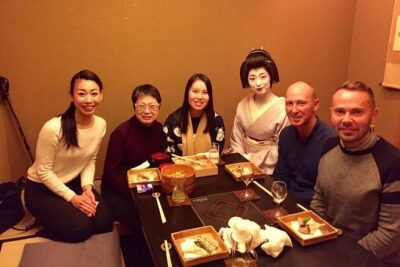
A maiko or geiko performance can be arranged upon request. This is not part of the standard restaurant reservation, so you should treat it as an optional addition that needs advance planning. If arranged, it could make the meal suitable for a milestone celebration or a focused introduction to Kyoto’s traditional arts.
Keep the distinction clear: this booking includes the meal and reservation, but no guide. You enter the restaurant directly at the reservation time. If you want a history lesson or a walking tour, you will need to arrange that separately.
That may be a benefit for some people. You have more privacy and can set your own pace. It may disappoint you if you expected someone to lead you through the neighborhood or explain every part of Kyoto culture during the meal.
Is $48 a good value?
At $48 per person, the reservation offers a fair way to sample formal Kyoto dining in a historic setting. You are paying for more than food. The price also covers the full course, sales tax, the townhouse atmosphere, the service, and the convenience of having a reservation near major sights.
The value depends on what you want from dinner. If your priority is the largest amount of food for the lowest cost, you can eat more cheaply in Kyoto. If you want a special meal with careful presentation and a strong sense of place, the price is easier to justify.
A full nine-course meal can feel especially worthwhile if you are marking a birthday, anniversary, or first visit to Kyoto. It also gives food-focused visitors a wider look at the kitchen’s seasonal style than a short set menu would.
Remember to budget for drinks. Water is included, but other beverages are not. Since the meal can be generous, you may also want to compare the available course sizes before settling on the nine-course option.
The reservation’s flexibility is useful when your sightseeing plans are still shifting. You can reserve now and pay later, and cancellation is free up to 24 hours in advance. Check the available starting times before committing, since the meal lasts about two hours.
Who will enjoy Hanasaki Manjiro most
I would recommend this meal to you if you value atmosphere as much as flavor. The old townhouse, tatami rooms, seasonal food, and garden view create a complete Kyoto moment rather than a simple stop for lunch.
It suits couples and anyone planning a special occasion. The intimate rooms and careful service give the meal a formal feel without requiring a full-day commitment.
It is also a strong choice for first-time visitors who want to try kaiseki but do not want to spend an entire evening at a high-end restaurant. Two hours is long enough to understand the rhythm of the meal, yet short enough to fit around temple visits.
Food enthusiasts should pay attention to the seasonal vegetables, opening appetizers, seafood, wagyu, and rice course. You will get the most from the experience if you enjoy small portions, restrained seasoning, and presentation.
I would think twice if you want a casual, quick, or highly interactive meal. There is no guide included, the atmosphere is traditional, and the menu may feel too delicate if you prefer hearty comfort food.
Practical tips for planning your visit
Build your route around the restaurant. Kodaiji Temple is especially convenient, while Chion-in and Kiyomizu-dera can also fit into the same Higashiyama outing.
Arrive with time to spare. The restaurant is easy to reach from both Gion-Shijo and Kawaramachi, but the old streets encourage frequent stops. A calm arrival suits the meal better than a last-minute dash from a distant sight.
Wear clothing that allows you to sit comfortably in a traditional room. The information provided confirms tatami rooms but does not specify every seating arrangement, so contact the restaurant if you have mobility needs or require a particular type of seat.
Do not assume the meal includes a performance. Maiko or geiko entertainment must be arranged upon request, and the standard reservation includes no guide.
Finally, consider your appetite. The nine-course menu can be generous, with enough eel rice left over in one case to take away. Choose the larger course when you want a full celebration meal, and ask about a smaller option if you prefer a lighter experience.
Should you book this Kyoto kaiseki meal?
Book Hanasaki Manjiro if you want traditional Kyoto atmosphere, seasonal food, and a quiet meal near the temples. The 120-year-old machiya gives the reservation a sense of place, while the two-hour format makes it practical during a day in Higashiyama.
The $48 price is most attractive for a special meal that includes a full course and tax. Just remember that drinks cost extra, the exact seasonal dishes can change, and no guide is provided.
I would choose it for a first taste of kaiseki, an intimate date, or a celebration. I would skip it only if you want a casual meal, large bold flavors, or a guided cultural program. For the right diner, this is a thoughtful way to experience Kyoto through both its food and its old-town setting.
FAQ
Where is Hanasaki Manjiro located?
It is in Kyoto’s Higashiyama district near Kodaiji Temple, along Higashiyama Sando. Chion-in Temple and Kiyomizu-dera are also nearby.
How long does the dining experience last?
The reservation lasts about two hours.
How do I reach the restaurant?
It is about a 10-minute walk from Gion-Shijo Station on the Keihan Main Line and about a 15-minute walk from Kawaramachi Station on the Hankyu Kyoto Line.
What does the reservation include?
It includes the full course menu, sales tax, and the restaurant reservation.
Are drinks included?
Only water is included. Other drinks are not part of the reservation.
Is a guide included?
No. This is a restaurant reservation only, and you should enter the restaurant directly at your reservation time.
Can I request a maiko or geiko performance?
Yes. A maiko or geiko performance can be arranged upon request. It is not listed as part of the standard meal inclusion.
Recently added around Kyoto
- Higashiyama | Kyoto: Sakura Season Private Rickshaw Tour★ 5.0 · 3 reviews
- Kyoto Kimono Rental CHAMATSU|Kimono/Yukata Rental FamilyPlan★ 5.0 · 3 reviews
- Kyoto: Half-Day Private Guided Tour to the Old Town of Gion★ 4.4 · 3 reviews
- Nara Private Customizable Half Day Tour★ 5.0 · 3 reviews
- Kansai Region Hiking Adventure in Nara Kobe Kyoto and More★ 5.0 · 3 reviews
- Full Day Nara Deer, Temple, Shrine, Activities & Tea Ceremony★ 5.0 · 3 reviews
- Nara: Essential Private Tour with Deer Park and Temples★ 5.0 · 3 reviews
- Hiking Tour for Sacred Sites in Kyoto with a Guide★ 5.0 · 3 reviews
Kyoto Kaiseki Dining, compared.
Kyoto Evening Gion Food Tour Including Kaiseki Dinner
Read our review →
Maiko Night Performance with Kaiseki-style Kyoto cuisine Dinner
Read our review →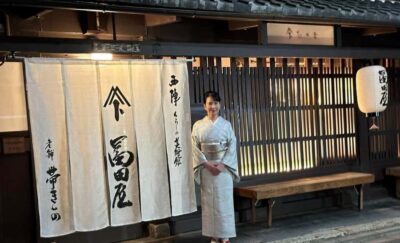
Browse the lists this tour appears in