
REVIEW · COOKING CLASSES
Japanese Cuisine Cooking Class in Kyoto
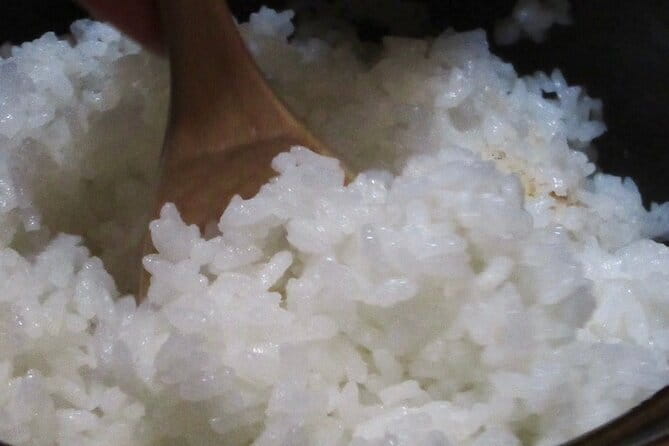
Kyoto cuisine here is not about fancy restaurant tricks. It is about rice cooked in a clay pot, homemade miso, and a table filled with small vegetable dishes. Chef and nutritionist Iku teaches the cooking in a machiya exhibition room near Toji Temple, using ingredients tied to Kyoto and recipes you can try again at home.
I like the intimate format and the practical focus. Your group is the only group taking part, and past classes have been as small as three people. I also like the clear meal plan: one soup and five side dishes, followed by matcha tea. The main consideration is timing: the class runs only on Tuesdays, begins at 11:30 a.m., and fish or eggs may appear unless you arrange a fully vegan menu in advance.
In This Review
- Key points to know before booking
- A Kyoto cooking class built around everyday food
- Meeting chef Iku and learning the kitchen basics
- Cooking rice in a traditional clay pot
- Making miso and building the one-soup, five-side-dish meal
- Sitting down to eat what you prepared
- Why the private format matters
- A useful choice for vegetarian and vegan diners
- The $71.67 price and what you receive
- Timing, location, and practical planning
- Who will enjoy this class most
- Should you book this Kyoto cooking class?
- FAQ
- Where does the Japanese cuisine cooking class take place?
- What time does the class start?
- On which day is the class available?
- Is the class private?
- What food will I prepare?
- Will I learn how to cook rice?
- Will I learn about miso?
- Is the menu vegan?
- Can I report allergies or dietary needs?
- What is included in the price?
Key points to know before booking
- Clay-pot rice is a central lesson: You learn how rice is cooked in a traditional vessel rather than simply watching a chef prepare it.
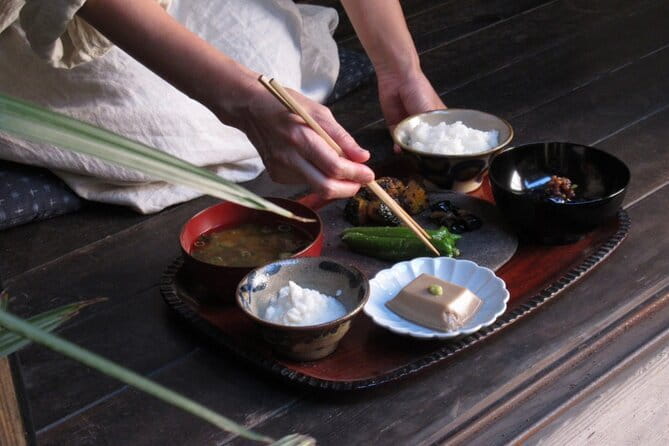
- The meal includes six prepared dishes: Expect one soup and five side dishes, with most ingredients being vegan.
- Chef Iku teaches healthy home cooking: Her background combines professional restaurant work with nutrition.
- The class is private and small-scale: Only your group participates, making it easier to ask questions and request food adjustments.
- The location is easy to reach: The machiya is about a five-minute walk from Kyoto Station and near Toji Temple.
- You get recipes and tools during class: Cooking utensils, recipes, writing materials, fees, and taxes are included.
A Kyoto cooking class built around everyday food

Many cooking classes in Japan focus on one famous dish. This one takes a broader view. You work toward a complete Japanese meal, with rice, soup, and several side dishes arranged together at the end.
That matters because Japanese home cooking often depends on balance rather than one large centerpiece. A meal can include rice, soup, pickles, vegetables, tofu, mushrooms, or other small portions. The appeal is not just learning a recipe. You begin to see how separate dishes work together.
The setting is a Kyoto machiya exhibition room at 411-2 Kujōchō, in Minami Ward. It is about a five-minute walk from Kyoto Station and close to Toji Temple. That is a useful location for a cooking class, especially if you are staying near the station or planning to visit Toji on the same day.
The class begins at 11:30 a.m. and lasts about three hours. You should allow the full morning and early afternoon rather than trying to squeeze in a rushed temple visit before lunch. Since the activity ends where it begins, you can continue sightseeing from the station area afterward.
More cooking classes in Kyoto:
- Kyoto: Ramen Cooking Class at a Ramen Factory with Souvenir
★ 4.9 · 532 reviews - Kyoto: Ramen, Gyoza, and Onigiri Cooking Class
★ 5.0 · 445 reviews - Kyoto: Japanese Washoku Bento Small Group Cooking Class
★ 5.0 · 380 reviews
Meeting chef Iku and learning the kitchen basics
Chef Iku is both a chef and a nutritionist. She previously operated a French restaurant serving home-style meals on Yakushima, a World Heritage site. That background helps explain the tone of the class: this is not only about restaurant presentation, but also about making food that feels sensible and repeatable at home.
Instruction is given in both English and Japanese. You can ask about ingredients, utensils, preparation methods, and Japanese food culture as you work. The small private format should make this easier than in a large class where questions can get lost.
The teaching style includes demonstrations as well as hands-on work. One account of the class describes a mix of watching the teacher cook, taking notes, tasting, and trying parts of the preparation yourself. That makes the experience suitable for people who want guidance but do not need to spend every minute working independently.
The recipes are supplied, along with writing materials. I would still take a few notes about ingredient names, substitutions, and cooking times, since those details may be useful when you try the dishes in your own kitchen.
Cooking rice in a traditional clay pot
The rice lesson is one of the most distinctive parts of the class. You will see how to cook rice in a clay pot, then help prepare the meal around it.
Rice can look simple, but the pot, heat, water, and timing all affect the result. Learning the method in person gives you a better sense of the process than reading a recipe alone. You can ask questions as the rice cooks and connect the finished texture with the steps that produced it.
This is also a useful lesson for anyone interested in Japanese table customs. Rice is not treated as a minor side dish here. It is the foundation of the meal, and the soup and smaller dishes are arranged to complement it.
The class information does not say whether you need to bring special equipment or whether a clay pot is included for home use. You should expect to learn the method during the session, not leave with a cooking vessel.
Making miso and building the one-soup, five-side-dish meal
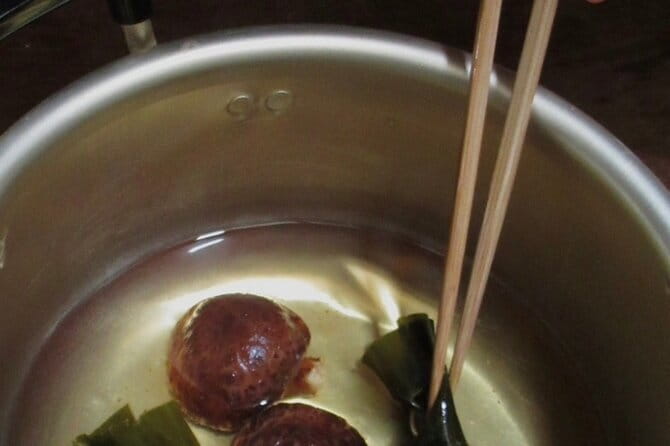
Miso is another important part of the lesson. You will learn about making this fermented food and use it in the meal, including the soup.
The class connects the ingredients with Kyoto, which gives the cooking a stronger sense of place. Rather than preparing generic Japanese food that could appear anywhere, you are introduced to ingredients and methods associated with the city. The exact menu may change, so you should think of the one soup and five side dishes as the structure rather than a fixed list of recipes.
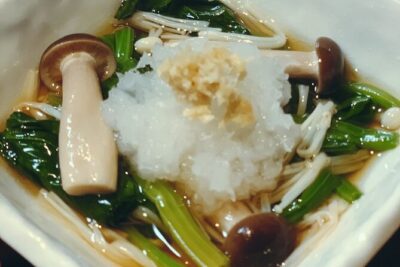
Most of the ingredients are vegan, and the menu is centered on vegetables. One particularly useful detail is that the class can accommodate a completely vegan diet if you send a message ahead of time. Fish and eggs may also be used, so do not rely on the usual menu being fully plant-based without confirming it.
Allergies should also be shared before the class. This is especially important in a hands-on kitchen, where sauces, fermented ingredients, and prepared components may not be obvious from appearance alone.
You will prepare rice, soup, and several side dishes with help from the instructor and the rest of your group. The format gives you a chance to see professional technique while still doing some of the work yourself. If you mainly want a demonstration, you can focus on watching and note-taking. If you want to practice, there is room to try parts of the preparation.
More workshops and classes in Kyoto:
- Kyoto: 45-Minute Tea Ceremony Lesson Experience
★ 4.3 · 2,378 reviews - Kyoto : Chopsticks Making Workshop in Gion with Engraving Option
★ 5.0 · 958 reviews - Kyoto: Samurai Sword Class by Experts in Traditional Arts
★ 4.9 · 657 reviews - Ninja 1-hour Hands-on Lesson by Japanese master in Kyoto -Entry
★ 5.0 · 489 reviews
Sitting down to eat what you prepared
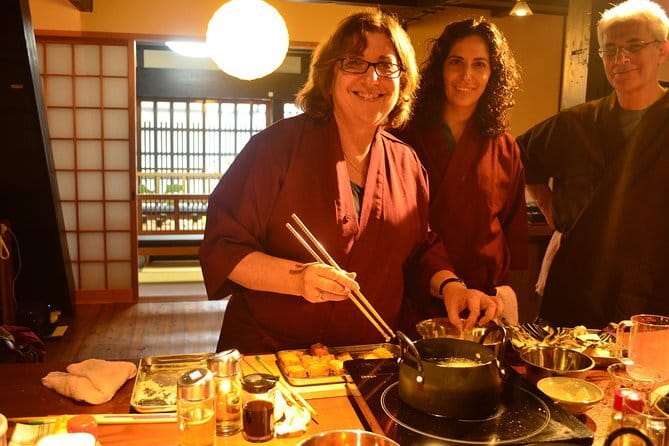
After the cooking, you plate the dishes and eat the meal. The final spread is one soup and five side dishes, along with the rice you prepared.
This meal is where the class becomes more than a kitchen lesson. You can taste how the dishes relate to one another and see why Japanese meals often use several modest portions instead of one heavy main course. It also gives you a chance to ask questions after cooking, when the ingredients and techniques are fresh in your mind.
The presentation is treated with care. A past participant described the food as beautifully presented, and that is worth noting if you enjoy the visual side of Japanese cuisine. Still, you should book this for the learning and meal together, not solely for a restaurant-style performance.
Matcha tea is served after the meal. It provides a calm finish to the class and adds a traditional element without making the activity feel like a formal tea ceremony. The available information does not state that a full tea ceremony is included, so expect matcha as a closing drink rather than a separate ceremony.
Why the private format matters
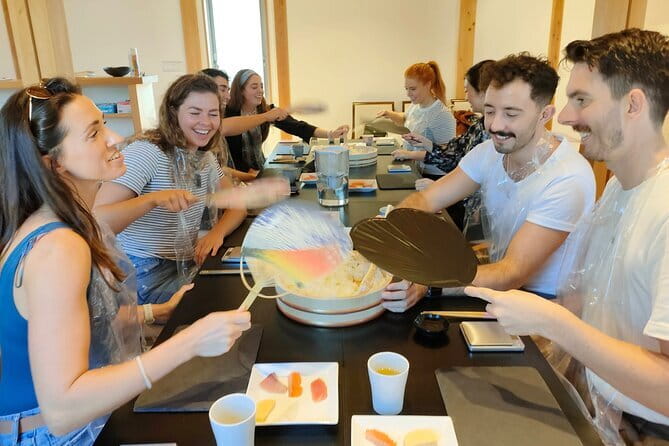
The activity is described as a private tour, meaning only your group participates. This is a major advantage if you are traveling with family or friends and want to ask direct questions.
Small numbers also help with dietary requests. In a large class, one allergy or preference can be difficult to handle. Here, the instructor can discuss your needs in advance and shape the menu accordingly, provided you send the information before the class.
There is one point to clarify when comparing this class with other private experiences. The description says your group alone participates, while one class account describes three people attending. The practical takeaway is that this is designed for a small group, not a crowded public workshop, but you should confirm the exact group arrangement if that matters to you.
The private setting may also suit families. You can ask about utensils, ingredients, and food customs at your own pace. Children are not specifically mentioned, so families should confirm suitability before booking rather than assume every age group will enjoy three hours of cooking.
A useful choice for vegetarian and vegan diners
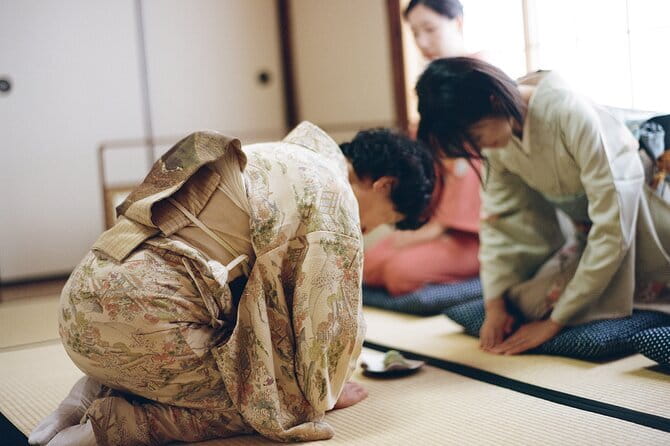
The menu is especially appealing if you want to explore Japanese food beyond sushi and tempura. The meal is based mostly on vegetables and includes several side dishes, which gives you a good look at plant-based home cooking.
Vegetarians should still communicate their needs in advance because fish and eggs may be included. Vegans should send a specific request for a completely vegan meal. The class provider also asks participants to report allergies before arrival.
This advance message is more than a formality. Japanese cooking often uses ingredients such as miso, stocks, sauces, and seasonings that may contain fish or other animal products. You will have a better experience if you explain exactly what you can and cannot eat before the Tuesday session.
The class is also useful for people who want healthier cooking ideas. Iku’s work as a nutritionist gives the lesson a focus beyond flavor alone, though the supplied information does not promise a particular diet plan or nutritional consultation. Expect practical cooking instruction, not a private medical or dietary appointment.
The $71.67 price and what you receive
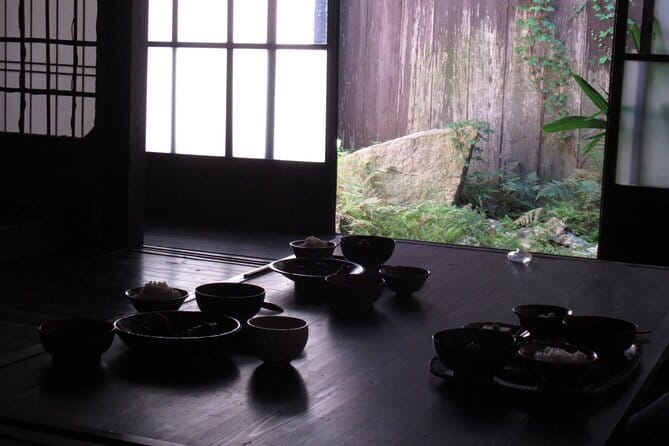
At $71.67 per person, the class is priced above a basic meal and below many premium private food activities. The value comes from the combination of instruction, a full lunch, ingredients, recipes, utensils, writing materials, and a private format.
You are not simply paying to watch someone cook. You take part in preparing rice, soup, miso, and side dishes, then eat the finished meal. If you use the recipes later, the class can continue paying off after your time in Kyoto.
The price includes all fees and taxes, so there should not be a separate charge for the listed cooking materials or the meal itself. Private transportation is not included. That is not a serious issue here because the meeting point is near Kyoto Station and public transportation is nearby.
For a couple or family, the cost adds up quickly. I would compare it with what you want from the activity. If your aim is only to eat Japanese food, a restaurant will cost less. If you want a guided lesson, a private setting, and recipes you can take home, the price is easier to justify.
Timing, location, and practical planning
Plan to arrive at 411-2 Kujōchō, Minami Ward, Kyoto, at the stated start time of 11:30 a.m. The address is about a five-minute walk from Kyoto Station, but give yourself enough time to find the exact machiya entrance.
The class is held every Tuesday. That limited schedule is the biggest planning issue. If your Kyoto stay is short, check the date before building your day around it. The activity lasts about three hours, and it ends back at the meeting point.
Toji Temple is nearby, so you might pair the class with a visit there before or after. The experience itself does not include transportation or a temple tour, and no sightseeing stops are part of the cooking session. Keep those plans separate.
A mobile ticket is provided, and confirmation is received at booking. Service animals are allowed, and the location is near public transportation. If your plans change, free cancellation is available up to 24 hours before the local start time. Changes or cancellations inside that window are not accepted for a refund.
Who will enjoy this class most
I would choose this experience if you like learning by doing, want a small private setting, or are curious about Japanese food beyond restaurant favorites.
It is a good match for:
- Couples and families who want a shared activity
- Vegetarian and vegan diners who arrange their needs in advance
- Home cooks who want recipes and practical methods
- Visitors staying near Kyoto Station
- Anyone interested in miso, rice preparation, and vegetable side dishes
- People who prefer conversation and questions over a large group demonstration
It may be less suitable if you dislike cooking, want a fixed menu announced well ahead of time, or have only a narrow window in Kyoto. The Tuesday-only schedule also rules it out for many short visits.
Should you book this Kyoto cooking class?
Book it if you want a personal introduction to everyday Japanese cooking, not just a meal. The strongest reasons are the private small-group setting, the complete one-soup and five-side-dish menu, the clay-pot rice lesson, and the chance to learn directly from chef and nutritionist Iku.
I would be especially inclined to book if you are traveling with two or three people and care about dietary flexibility. Send allergy and vegan requests before arrival, and confirm any concerns about the group size or menu.
Skip it if you are looking for a quick activity, a famous restaurant meal, or a class available on any day. For the right schedule and interests, though, this is a thoughtful Kyoto food experience that gives you something useful to take home: a better sense of how Japanese meals are built.
FAQ
Where does the Japanese cuisine cooking class take place?
The class takes place at 411-2 Kujōchō, Minami Ward, Kyoto, 601-8473, Japan. It is in a Kyoto machiya exhibition room near Toji Temple, about a five-minute walk from Kyoto Station.
What time does the class start?
The class starts at 11:30 a.m. The full activity lasts about three hours.
On which day is the class available?
The cooking class takes place every Tuesday.
Is the class private?
Yes. Only your group participates in the activity.
What food will I prepare?
You will help prepare rice, soup, and several side dishes. The completed meal includes one soup and five side dishes.
Will I learn how to cook rice?
Yes. The instructor demonstrates how to cook rice in a clay pot.
Will I learn about miso?
Yes. The class includes instruction about making miso, a fermented food.
Is the menu vegan?
Most ingredients used in the class are vegan, but fish and eggs may also be used. Send a message in advance if you need a completely vegan meal.
Can I report allergies or dietary needs?
Yes. You should tell the provider about allergies in advance. You should also send a message before booking or attending if you require a fully vegan menu.
What is included in the price?
All fees and taxes are included. Cooking utensils, recipes, and writing implements are also provided. Private transportation is not included.
Recently added around Kyoto
- Higashiyama | Kyoto: Sakura Season Private Rickshaw Tour★ 5.0 · 3 reviews
- Kyoto Kimono Rental CHAMATSU|Kimono/Yukata Rental FamilyPlan★ 5.0 · 3 reviews
- Kyoto: Half-Day Private Guided Tour to the Old Town of Gion★ 4.4 · 3 reviews
- Nara Private Customizable Half Day Tour★ 5.0 · 3 reviews
- Kansai Region Hiking Adventure in Nara Kobe Kyoto and More★ 5.0 · 3 reviews
- Full Day Nara Deer, Temple, Shrine, Activities & Tea Ceremony★ 5.0 · 3 reviews
- Nara: Essential Private Tour with Deer Park and Temples★ 5.0 · 3 reviews
- Photo Shoot with a Private Vacation Photographer in KYOTO, JAPAN★ 5.0 · 3 reviews
Cooking Classes, compared.
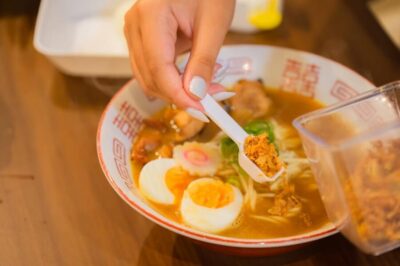
Ramen Cooking Class at a Ramen Factory with Souvenir
Read our review →
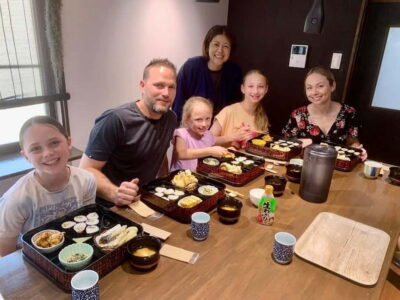
Japanese Washoku Bento Small Group Cooking Class
Read our review →
Kyoto Ramen and Gyoza Cooking Class with Professional Chefs
Read our review →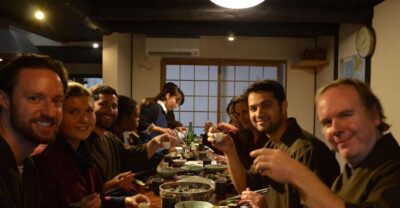
Gyoza Cooking Class in Kyoto: Traditional Japanese Dumplings
Read our review →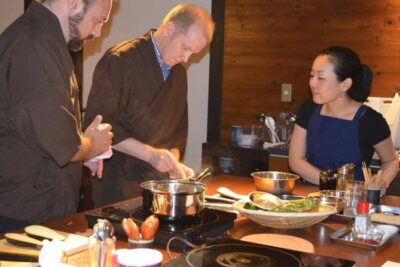
Browse the lists this tour appears in