
REVIEW · WORKSHOPS
Sekka Cotton Furoshiki Class
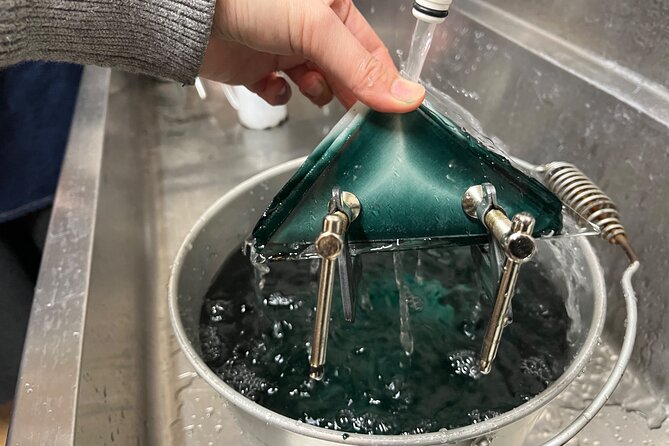
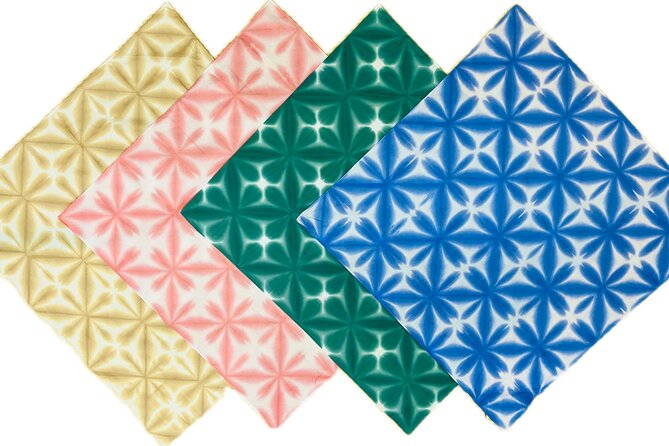
The best part of this Kyoto class is that you do not simply look at Japanese textile art. You make a usable piece yourself. At the Kyoto Shibori Museum, your private party chooses a color, folds an 86-by-89-centimeter cotton furoshiki, and uses boards to create the sekka shibori pattern before dyeing it.
I like two things here. First, the finished cloth gives you a personal Kyoto souvenir rather than another shop-bought trinket. Second, the drying time becomes useful museum time, with tools, samples, art pieces, and an impressive textile exhibition to see. The one drawback is that the hands-on work is fairly simple and standardized, so experienced crafters may want a more demanding workshop.
In This Review
- Key points to know before booking
- Making a Kyoto souvenir with sekka shibori
- What happens at the Kyoto Shibori Museum
- The museum visit makes the short class worthwhile
- The finished furoshiki is more than a keepsake
- Is the $43.35 price good value?
- Why a private class helps families and small groups
- How to fit the museum into your Kyoto day
- Who should book this experience?
- FAQ
- Where does the Sekka Cotton Furoshiki Class take place?
- How long does the class take?
- What will I make during the class?
- Is the activity private?
- What happens during the hands-on portion?
- Is the museum visit included?
- Can I cancel for a refund?
- Should you book the sekka shibori class?
Key points to know before booking
- You make the cloth yourself: Choose the color, fold the cotton, clamp it between boards, and apply the dye.
- The class is private: Only your party participates, making it a good fit for families, couples, or small groups.
- The museum fills the waiting time: While the fabric dries for about 30 minutes, you can see shibori displays, tools, samples, and a film.
- The finished furoshiki is practical: The cloth measures about 86 by 89 centimeters and can be used for wrapping gifts or carrying items.
- The activity is short: Plan on roughly 30 to 60 minutes, depending on the pace of the lesson and museum visit.
- The shop is tempting: It sells shibori fabrics, souvenirs, and finished textile goods, so set a spending limit before you browse.
Making a Kyoto souvenir with sekka shibori
Shibori is a Japanese resist-dyeing craft. The basic idea is simple: parts of the fabric are folded, pressed, tied, stitched, or otherwise protected so dye cannot reach them in the same way. When the cloth opens, the protected sections create a pattern.
The sekka method used here relies on careful folding and boards. You begin with a plain cotton furoshiki, select your preferred color, and follow the teacher’s instructions for folding the fabric. The folded cloth is placed between two boards, then dyed.
That folding step matters. It determines how the color spreads and how the pattern appears when the fabric is opened. You do not need to arrive with craft experience, and the instructions are designed to be followed by beginners. The process is controlled enough for children and families, but still gives you the pleasure of making the key decisions yourself.
The class is not a long studio course. It is a compact introduction to a traditional technique, followed by a finished item you can take with you. I see that as the right scale for a Kyoto sightseeing day. You get a hands-on activity without giving up half a day of temples and neighborhoods.
More workshops and classes in Kyoto:
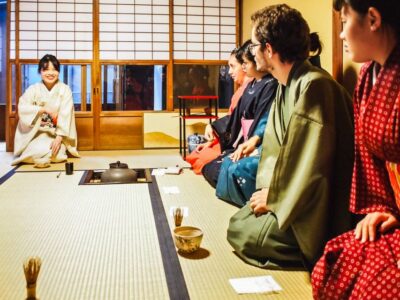
- Kyoto: 45-Minute Tea Ceremony Lesson Experience
★ 4.3 · 2,378 reviews - Kyoto : Chopsticks Making Workshop in Gion with Engraving Option
★ 5.0 · 958 reviews - Kyoto: Samurai Sword Class by Experts in Traditional Arts
★ 4.9 · 657 reviews
What happens at the Kyoto Shibori Museum
The meeting point is the Kyoto Shibori Museum at 135-5 Shikiamicho in Nakagyo Ward. The museum is near public transportation, and the activity ends at the same place where it begins.
Your group receives a private lesson, rather than joining a large class. That distinction is useful if you want to ask questions, need the folding steps repeated, or are traveling with children. The instruction is described as being available in English, with staff who take time to explain the process and answer questions.
The first stage is choosing the dye color. This is a small decision, but it gives the finished cloth a personal touch. You then learn the particular folding method, place the folded material between boards, and dye it.
The crafting portion is hands-on, but not open-ended. You are not designing an entirely original textile from scratch. The method follows a set sequence, and the structure helps first-time crafters produce a reliable result. If you want a lesson in the basics of sekka shibori, that is a strength. If you are an experienced textile artist looking for technical freedom, it may feel too easy.
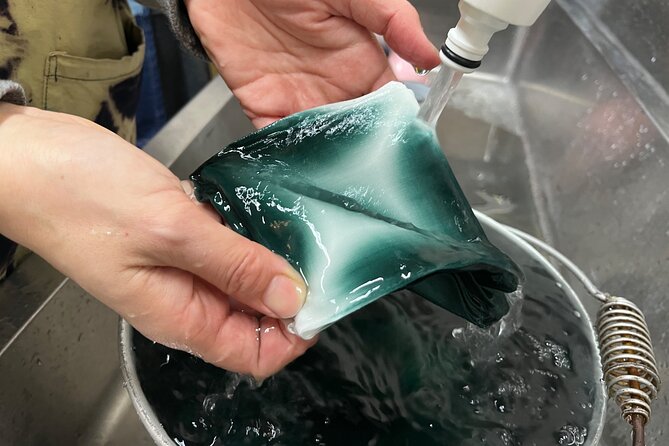
Once the fabric has been dyed, it needs about 30 minutes to dry. This is not dead time. You use it to see the museum, and that second half gives the visit more substance than a quick craft demonstration.
The museum visit makes the short class worthwhile
The Kyoto Shibori Museum displays shibori art, tools, fabric samples, and examples connected with Japanese kimono-making. You can also see an educational video about the craft.
One exhibition highlighted during the visit was made by 50 artisans over 50 years. That detail gives you a sense of the patience and labor behind major textile works. Your own furoshiki takes only a short time, but the museum helps you understand how far the craft can go when artists spend years refining it.
I especially like this pairing of activity and exhibition. Without the museum visit, the class could feel like a quick souvenir-making stop. With it, you see the larger tradition behind the folded cloth in your hands.
The displays also help you notice details you might otherwise miss. Before the lesson, shibori can look like attractive patterned fabric. After you have folded and clamped your own cloth, you begin to understand how pressure, folds, dye, and time affect the result.
The museum is not described as a vast institution, so do not book this expecting hours of galleries. The activity itself is usually 30 to 60 minutes, and the drying period is part of that visit. The appeal comes from the quality of the craft and the chance to connect the exhibits with something you have just made.
The finished furoshiki is more than a keepsake
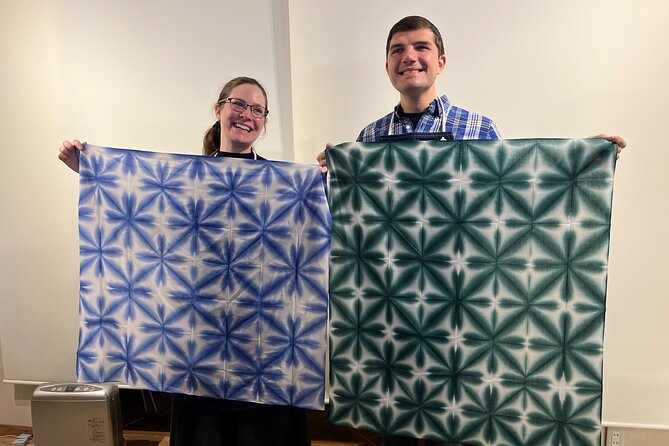
A furoshiki is a Japanese wrapping cloth. The finished cotton cloth here measures about 86 by 89 centimeters, large enough to be useful rather than merely decorative.
You can use it to wrap a gift, carry a few belongings, cover an object, or display it at home. Its practical nature is one reason I consider the class a good value for people who are tired of buying souvenirs that sit in a drawer.
The pattern will reflect the folding and dyeing method, so your cloth will have a handmade character. Do not expect the precision of a factory-printed design. Small variations are part of the point. You have made it through a traditional process, and the result carries a memory of your time in Kyoto.
The cloth also travels well compared with fragile ceramics or bulky craft pieces. You should still give it enough room in your luggage to avoid crushing it during the rest of your trip, but a fabric souvenir is generally an easy item to bring home.
A completely different side of Kyoto:
- PERFECT KYOTO 1-Day Bus Tour
★ 5.0 · 13,518 reviews - Kyoto: Fushimi Inari, Kinkakuji, Bamboo Grove 1 Day Bus Tour
★ 4.8 · 4,316 reviews - Kyoto: Tea Ceremony in a Traditional Tea House in Kiyomizu
★ 4.9 · 3,519 reviews - Kyoto Geisha Walking Tour: Gion District & Hidden Gems
★ 4.7 · 3,273 reviews
Is the $43.35 price good value?
At $43.35 per person, this is not the cheapest craft activity in Kyoto. The value depends on what you want from the hour.
You are paying for a private lesson, the material, instruction, the finished furoshiki, and access to the museum displays during the drying period. For a private party, that package is more appealing than a basic drop-in craft activity where you pay only to watch a demonstration.
The finished cloth is the clearest part of the value. You do not leave empty-handed, and the souvenir is linked to a skill you learned rather than simply purchased. The museum visit adds context, especially if you are interested in kimono, fabric, Japanese design, or traditional handcrafts.
Still, keep your expectations in proportion. The activity lasts about an hour, and the folding and dyeing process is straightforward. If you measure value by the number of detailed techniques taught, you may find it limited. If you measure value by a private cultural activity, a usable souvenir, and a short museum visit, the price is easier to justify.
The museum shop sells additional shibori items, fabrics, and souvenirs. I would decide in advance how much you want to spend there. The shop is part of the experience, but extra purchases are not included in the class price.
Why a private class helps families and small groups
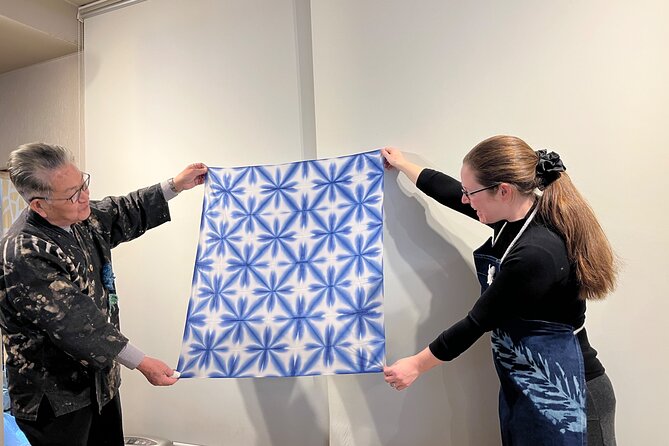
A private booking means only your party takes part. That makes the hour feel calmer and more personal than a crowded workshop.
For families, the format lets children participate in the folding and dyeing rather than simply watch an instructor. The process is easy enough for a range of ages, and the completed cloth gives everyone a shared project. The private setup also means you can move at your own pace within the class period.
It works well for couples and friends, too. Each person can choose a color and make an individual cloth. You can compare the patterns when the fabric is opened, which adds a pleasant element of surprise.
The class has also been described as welcoming to people from different language backgrounds, with several staff members able to speak English. You should still pay close attention during the folding instructions, since this is the step that shapes the final design.
The private format does not turn the lesson into advanced personal coaching. The method remains structured, and the craft portion is fairly quick. Its main benefit is attention from the instructor and the freedom to enjoy the museum with your own group.
How to fit the museum into your Kyoto day
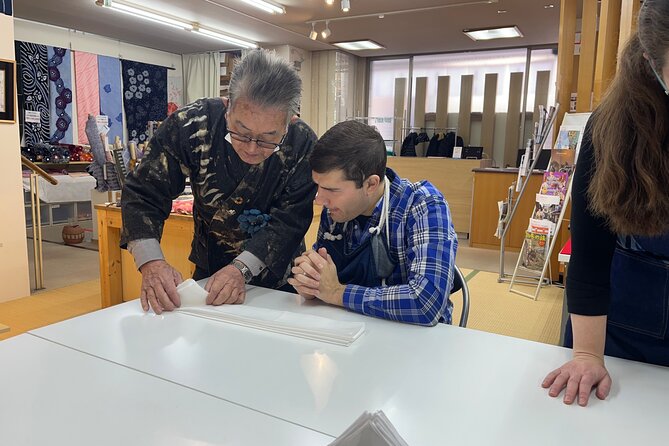
The activity begins and ends at the Kyoto Shibori Museum, so it is easy to treat it as one stop in a larger sightseeing plan. Since the class is short and the museum is near public transportation, you do not need to sacrifice a full morning or afternoon.
I would avoid scheduling it so tightly that you must leave the moment the fabric is ready. The drying period is when you see the displays, tools, samples, and educational material. Allow yourself enough breathing room to look closely instead of rushing through the museum.
This is also a useful rainy-day plan. The main work takes place indoors, and the museum gives the visit a cultural focus beyond ordinary shopping. It can provide a welcome change after several hours of temples, gardens, or outdoor walking.
The activity is booked, on average, about 19 days ahead. That suggests planning in advance is sensible, particularly if you want a specific date or are traveling with a private party. Confirmation arrives at booking, and the ticket is mobile, so you can keep the booking on your phone.
Free cancellation is available up to 24 hours before the start time. Cancellations or changes made less than 24 hours in advance are not accepted for a refund.
Who should book this experience?
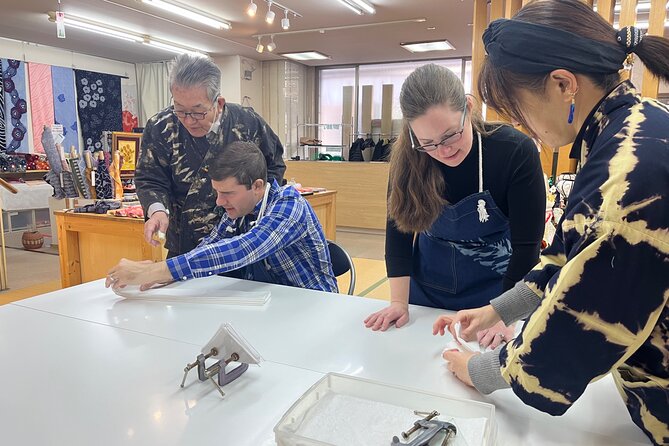
I would recommend the class to you if you want a short, hands-on introduction to Japanese craft. It suits families, couples, small groups, and anyone who prefers a souvenir with a story behind it.
It is also a good choice if you enjoy textiles or want to understand more about kimono-making techniques. The museum exhibits put the small craft lesson into a wider setting, and the educational video adds another layer for people who want more than a quick activity.
You may want to skip it if you are seeking an advanced dyeing course. The folding and dyeing are intentionally simple, and the lesson follows a standardized process. You will learn a traditional method, but you will not spend hours experimenting with several resist techniques.
I also would not choose this as your only cultural activity in Kyoto. It is a compact workshop, not a full-day course. Its strength is that it fits neatly between other plans while giving you a real object to take home.
FAQ
Where does the Sekka Cotton Furoshiki Class take place?
The class takes place at the Kyoto Shibori Museum, 135-5 Shikiamicho, Nakagyo Ward, Kyoto, Japan. The activity ends back at the museum.
How long does the class take?
Classes usually take between 30 and 60 minutes. The fabric needs about 30 minutes to dry after dyeing, and you can use that time to see the museum displays.
What will I make during the class?
You will dye a cotton furoshiki measuring about 86 by 89 centimeters using the sekka shibori method. You take the finished cloth with you.
Is the activity private?
Yes. Only your group participates in the activity, so it is a private lesson.
What happens during the hands-on portion?
You choose a color, learn how to fold the fabric, place it between two boards, and dye it. The folding method is taught by the instructor.
Is the museum visit included?
Yes. While your furoshiki dries, you can see shibori art, tools, fabric samples, and other displays at the museum. An educational video may also be part of the visit.
Can I cancel for a refund?
You can cancel up to 24 hours before the experience start time for a full refund. Changes or cancellations made less than 24 hours before the start time are not accepted for a refund.
Should you book the sekka shibori class?
Book it if you want a personal, useful souvenir and an easy introduction to Japanese textile craft. The private format, friendly instruction, museum displays, and finished furoshiki make the $43.35 fee reasonable for many visitors.
Go in knowing that the craft steps are short and structured. If you want complex dye experiments, look for a longer studio course. If you want one memorable hour that combines making, learning, and a piece of Kyoto to carry home, this class is a smart choice.
Recently added around Kyoto
- Higashiyama | Kyoto: Sakura Season Private Rickshaw Tour★ 5.0 · 3 reviews
- Kyoto Kimono Rental CHAMATSU|Kimono/Yukata Rental FamilyPlan★ 5.0 · 3 reviews
- Kyoto: Half-Day Private Guided Tour to the Old Town of Gion★ 4.4 · 3 reviews
- Nara Private Customizable Half Day Tour★ 5.0 · 3 reviews
- Kansai Region Hiking Adventure in Nara Kobe Kyoto and More★ 5.0 · 3 reviews
- Full Day Nara Deer, Temple, Shrine, Activities & Tea Ceremony★ 5.0 · 3 reviews
- Nara: Essential Private Tour with Deer Park and Temples★ 5.0 · 3 reviews
- Hiking Tour for Sacred Sites in Kyoto with a Guide★ 5.0 · 3 reviews
Workshops, compared.
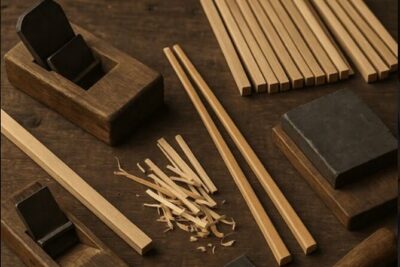
Chopsticks Making Workshop in Gion with Engraving Option
Read our review →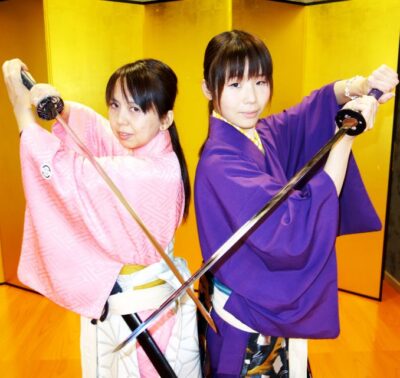
Samurai Sword Class by Experts in Traditional Arts
Read our review →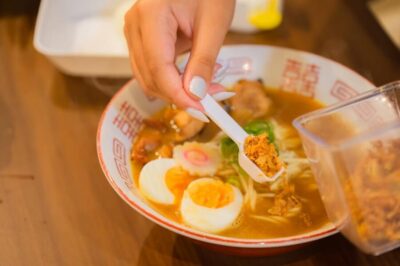
Ramen Cooking Class at a Ramen Factory with Souvenir
Read our review →
Ninja 1-hour Hands-on Lesson by Japanese master in Kyoto -Entry
Read our review →
The Original Small-Group Sushi Making Class in Kyoto
Read our review →
Japanese Washoku Bento Small Group Cooking Class
Read our review →Browse the lists this tour appears in