
REVIEW · KYOTO RAMEN TOURS
Ramen Broth Class by Michelin Guide Shop & Custom Chopsticks
The best part of this Kyoto class is that you do not simply assemble a bowl from prepared ingredients. You make the ramen broth from scratch, then cook fresh noodles and finish the bowl with handmade toppings from Musoshin’s nearby restaurant. It is a useful food lesson, not just a quick photo stop.
I like the personal souvenirs: your name engraved on chopsticks and the tenugui you wear while cooking. I also like the choice of vegan and vegetarian broth, not just meat-free toppings. The main consideration is time and access. Ninety minutes is a tight schedule for a full cooking activity, children under 10 cannot participate, and the class is not suitable for wheelchair users.
In This Review
- Key points at a glance
- Why this ramen class feels different
- Engraved chopsticks before the cooking starts
- Put on the tenugui and become the cook
- Forty minutes devoted to ramen broth
- Fresh Musoshin noodles and handmade toppings
- What the $58 price includes
- Who should book this experience
- How to fit it into a Kyoto day
- The main strengths and the small compromises
- Should you book the Musoshin ramen class?
- FAQ
- How long does the ramen class last?
- What is included in the price?
- Can I take home the chopsticks?
- Do I keep the tenugui?
- Are vegetarian and vegan options available?
- Is the class taught in English?
- Can children join the experience?
- Is the activity accessible to wheelchair users?
Key points at a glance
- Make the broth yourself: The soup takes about 40 minutes, with a chef guiding you through a simple recipe you can repeat at home.
- Take home useful souvenirs: Your engraved chopsticks go in a traditional Japanese box, and your cooking tenugui becomes a keepsake.
- Eat a proper bowl of ramen: Fresh noodles come from Musoshin’s nearby noodle factory, with handmade toppings from the Gion restaurant.
- Good for different diets: Gluten-free, vegetarian, and vegan choices are available, including broth options.
- Meet the Musoshin team: Shin-san, the owner, has been praised for patient instruction, while the English-speaking staff help keep the class moving.
- Plan for a compact class: The experience lasts 90 minutes and costs $58 per person, so its value depends on how much you want to cook rather than simply eat.
Why this ramen class feels different
Kyoto has no shortage of food activities, but this one puts the main craft of ramen in your hands. The focus is broth. That matters because soup is the foundation of the dish, yet many casual ramen workshops skip it and concentrate on toppings or noodle stretching.
Here, you spend about 40 minutes making the soup. A professional chef shows you the method, seasonings, and order of preparation. The recipe is designed for a home kitchen, and the ingredients are described as easy to buy in other countries. At the end, you receive the recipe, so this is something you can actually try again instead of leaving with only a photograph.
The cooking lesson takes place in Musoshin’s Gion setting, right in the heart of Kyoto’s traditional sightseeing district. That makes it easy to pair with time in Gion, though the exact meeting point can vary with the option you book. Check that detail before setting out.
The Musoshin name also carries restaurant experience. Musoshin Toronto has received Michelin recognition for four years, and the Kyoto class is connected to the wider Musoshin operation. That does not turn the activity into a formal chef school, but it does give the lesson a real restaurant backbone.
More Kyoto ramen crawls:
- Kyoto: Ramen Cooking Class at a Ramen Factory with Souvenir
★ 4.9 · 532 reviews - Kyoto: Ramen, Gyoza, and Onigiri Cooking Class
★ 5.0 · 445 reviews - Kyoto Ramen and Gyoza Cooking Class with Professional Chefs
★ 5.0 · 282 reviews
Engraved chopsticks before the cooking starts
Your first task is not culinary. You give the team your name, then use a special machine to engrave it onto a pair of chopsticks. The staff place the chopsticks in a traditional Japanese box, add color, and prepare them as a personal souvenir.
This is a smart opening activity. It gives you something to do before the broth work begins, and it creates a keepsake tied to the class rather than a generic item bought in a shop. The chopsticks are also practical. You can use them at home when you attempt the ramen recipe again.
The painted items can be sent to your next hotel if you request delivery, but shipping is not included in the price. If you are moving on quickly, ask about this cost before agreeing to delivery. Otherwise, plan to carry the items with you.
The class also includes a special effects-themed photo spot. It adds a playful touch, especially if you are cooking with family or friends. I would treat it as a small extra rather than a main reason to book. The chopsticks and meal are the stronger parts of the experience.
Put on the tenugui and become the cook
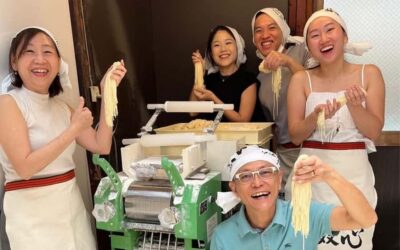
After the chopsticks, you receive a Musoshin tenugui, a traditional Japanese cloth often used as a head towel. You wrap it around your head, put on a Musoshin apron, and get ready to cook.
The tenugui is yours to keep. That makes it more useful than a disposable costume accessory, and it gives you a second souvenir alongside the chopsticks. You may want to wear comfortable clothing, since the class involves food preparation and hands-on work.
The staff ask you to wash your hands carefully before cooking begins. This is basic, but it sets the right tone. You are not just watching a demonstration. You are handling ingredients and building the soup that you will eat.
English and Japanese instruction is available. Shin-san, the owner, has been singled out for patient teaching, and the team has been praised for speaking English well. Language should not prevent you from following the process, though the speed of a 90-minute class means you should pay attention when each step is demonstrated.
Forty minutes devoted to ramen broth
The broth is the heart of the class. You work with the chef to prepare a soup that is meant to be recreated at home, rather than a complicated restaurant-only formula.
That home angle is one of the strongest reasons to spend $58 here. You are not merely learning what ramen tastes like. You are learning a repeatable method, using seasonings that can be found outside Japan. The finished recipe gives you a clear way to carry the experience into your own kitchen.
The class format also helps you understand why ramen can taste so different from a packet of instant noodles. The soup, noodles, and toppings each contribute something, and the broth pulls the bowl together. The forty-minute preparation time gives this part enough attention to feel substantial.
Still, keep your expectations realistic. You are learning one approachable ramen method in a short class, not mastering every regional style of Japanese ramen. The activity does not promise a full culinary apprenticeship. Its appeal is that you can make a very good bowl without needing restaurant equipment.
Guests choosing vegetarian or vegan food can request suitable options, including broth. That is a real advantage. Many ramen shops offer meat-free toppings but use an animal-based soup, so confirm your dietary choice when booking or at the start of the class. Gluten-free options are available as well.
More workshops and classes in Kyoto:
- Kyoto: 45-Minute Tea Ceremony Lesson Experience
★ 4.3 · 2,378 reviews - Kyoto : Chopsticks Making Workshop in Gion with Engraving Option
★ 5.0 · 958 reviews - Kyoto: Samurai Sword Class by Experts in Traditional Arts
★ 4.9 · 657 reviews - Ninja 1-hour Hands-on Lesson by Japanese master in Kyoto -Entry
★ 5.0 · 489 reviews
Fresh Musoshin noodles and handmade toppings
Once the broth is ready, you cook the noodles. These are fresh, homemade noodles made at a nearby Musoshin noodle factory. That connection gives the bowl a more complete restaurant feel than using packaged noodles.
You then build the ramen with toppings prepared by chefs at the nearby Musoshin Gion restaurant. The ingredients are not an afterthought. The toppings include bamboo shoots, green onions, a seasoned soft-boiled egg, and two kinds of chashu.
The first chashu is pork belly, prepared over a full day in the kitchen. It brings the familiar rich, tender character associated with ramen. The second is pork cartilage chashu, pressure-cooked for two hours and seasoned with Musoshin’s special sauce. This second version is available only here, which gives the final bowl a local signature.
The class lets you see how a finished ramen bowl is built, but the main satisfaction comes from eating what you prepared. Several people describe the final bowl as the most delicious ramen they have eaten, a common effect of effort and appetite working together. I would not treat that as a scientific restaurant ranking. Still, eating your own soup after forty minutes of work is part of the fun.
What the $58 price includes
At $58 per person, this is not the cheapest meal in Kyoto. You can find an excellent bowl of ramen for far less. The price makes more sense if you separate the meal from the rest of the package.
You are paying for:
- A 90-minute guided cooking class
- Instruction from a professional chef
- The broth lesson and recipe
- Fresh noodles and prepared toppings
- The ramen you make and eat
- A named pair of engraved chopsticks
- A traditional box for the chopsticks
- The Musoshin tenugui and apron experience
- A photo spot
The engraved chopsticks and tenugui add tangible value, especially if you want a Japanese souvenir that you will use. The class also saves you from having to buy a separate ramen meal during that time. I see the price as fair for a hands-on food activity with a full bowl and two personal keepsakes, but not as a bargain if your only goal is lunch.
The value is strongest for people who enjoy cooking, food culture, or practical souvenirs. It is weaker for someone who would rather spend 90 minutes visiting a temple or simply wants a fast meal.
Who should book this experience
I would recommend it to couples, friends, families with older children, and solo visitors who enjoy small-group cooking. The class offers enough action to keep you involved, but the recipe is simple enough for a beginner.
It also works well for a mixed-diet group. One person can choose pork toppings while another selects vegetarian or vegan ingredients, subject to the available option. That is much easier than finding a group meal where everyone can eat the same style of ramen.
Children under 10 should not participate. The age rule is important for families planning a Kyoto day. Older children may enjoy the chopstick engraving and head towel as much as the cooking itself, but the class still requires attention and basic kitchen care.
The activity is not suitable for wheelchair users. If access needs matter for anyone in your group, confirm the conditions before booking rather than relying on the general Gion location.
How to fit it into a Kyoto day
The class lasts 90 minutes, so it is easy to place between other Gion plans. You could schedule it alongside a day in the district, but leave enough time for the meeting point, since it may vary by booking option.
I would avoid placing it immediately before a tightly timed reservation or train departure. The class has several stages: chopstick engraving, changing into the apron and tenugui, hand washing, broth preparation, noodles, toppings, and the meal. Even with a clear 90-minute schedule, you will want a little breathing room afterward.
Bring a camera if you like food photographs or want a record of the chopstick process. Wear comfortable clothes. You do not need to bring cooking equipment, and the tenugui and apron are provided.
The activity is offered in English and Japanese. The English-speaking staff have been praised for clear and kind help, while Shin-san is described as patient in explaining the ramen process. If you have a dietary restriction, tell the team early so the correct ingredients can be prepared.
Free cancellation is available up to 24 hours in advance for a full refund. You can also reserve now and pay later, which helps if your Kyoto schedule is still shifting.
The main strengths and the small compromises
The strongest feature is the balance between instruction and reward. You learn a real method, then eat the result. That makes the class more satisfying than a demonstration where someone else does all the work.
The second strength is the souvenir design. Engraved chopsticks with your own name feel personal, while the tenugui recalls the cooking session. Together, they are more memorable than a standard branded mug or packet of noodles.
The food itself is another major plus. Fresh noodles, handmade toppings, pork belly chashu, and the exclusive pork cartilage chashu make the meal feel connected to Musoshin’s restaurant kitchen. The gluten-free, vegetarian, and vegan choices broaden the class’s appeal.
The compromises are straightforward. At $58, the activity costs much more than buying ramen. The 90-minute format may feel brisk if you want long explanations or a relaxed meal. The meeting point can vary by option, shipping for painted items costs extra, and wheelchair users cannot take part.
I also would not book this solely because of the Michelin connection. Restaurant recognition can suggest professional standards, but the real value here is the hands-on lesson, the recipe, and the chance to eat your own bowl.
Should you book the Musoshin ramen class?
Book it if you want a practical Kyoto food memory, enjoy making things with your hands, and like the idea of cooking ramen again at home. It is particularly good for groups with vegetarian or vegan diners, since suitable broth choices are available.
Skip it if you are counting every meal expense, have limited time in Gion, need wheelchair access, or only want to taste ramen without taking part in the preparation.
For most people who enjoy Japanese food, the combination of broth-making, fresh noodles, handmade toppings, engraved chopsticks, and a tenugui souvenir makes the $58 worthwhile. You leave with dinner, a recipe, and something personal to use at home. That is a solid return from 90 minutes in Kyoto.
FAQ
How long does the ramen class last?
The experience lasts 90 minutes. Broth preparation takes about 40 minutes, followed by cooking the noodles and assembling the ramen.
What is included in the price?
The $58 price includes the ramen broth experience, the ramen you prepare and eat, the tenugui you use during the class, named engraved chopsticks, and access to the special effects-themed photo spot.
Can I take home the chopsticks?
Yes. Your name is engraved on the chopsticks, which are placed in a traditional Japanese box and given to you as a souvenir.
Do I keep the tenugui?
Yes. The Musoshin tenugui used during the cooking activity becomes your souvenir.
Are vegetarian and vegan options available?
Yes. Vegetarian and vegan options are available, including suitable broth choices. Gluten-free options are also offered.
Is the class taught in English?
The available instruction languages are English and Japanese. Shin-san and the team provide the cooking guidance.
Can children join the experience?
Children under 10 years old should not participate.
Is the activity accessible to wheelchair users?
No. The experience is listed as not suitable for wheelchair users.
Recently added around Kyoto
- Higashiyama | Kyoto: Sakura Season Private Rickshaw Tour★ 5.0 · 3 reviews
- Kyoto Kimono Rental CHAMATSU|Kimono/Yukata Rental FamilyPlan★ 5.0 · 3 reviews
- Kyoto: Half-Day Private Guided Tour to the Old Town of Gion★ 4.4 · 3 reviews
- Nara Private Customizable Half Day Tour★ 5.0 · 3 reviews
- Kansai Region Hiking Adventure in Nara Kobe Kyoto and More★ 5.0 · 3 reviews
- Full Day Nara Deer, Temple, Shrine, Activities & Tea Ceremony★ 5.0 · 3 reviews
- Nara: Essential Private Tour with Deer Park and Temples★ 5.0 · 3 reviews
- Photo Shoot with a Private Vacation Photographer in KYOTO, JAPAN★ 5.0 · 3 reviews
Kyoto Ramen Tours, compared.
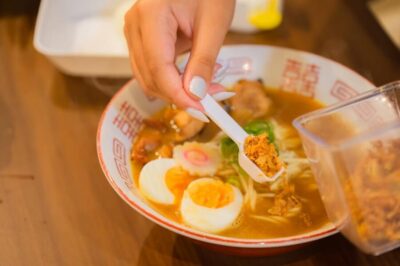
Ramen Cooking Class at a Ramen Factory with Souvenir
Read our review →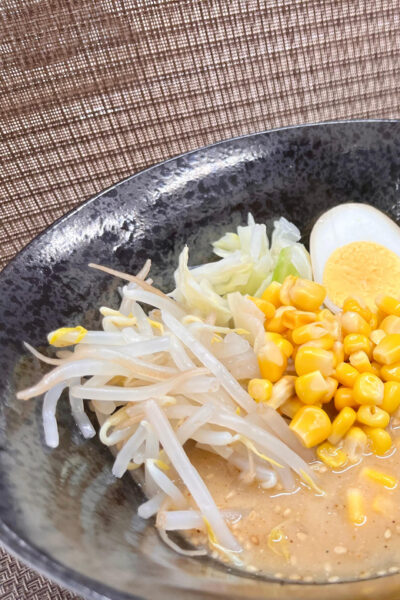
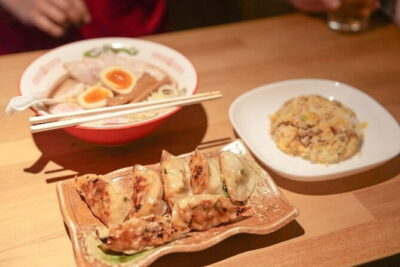
Kyoto Ramen and Gyoza Cooking Class with Professional Chefs
Read our review →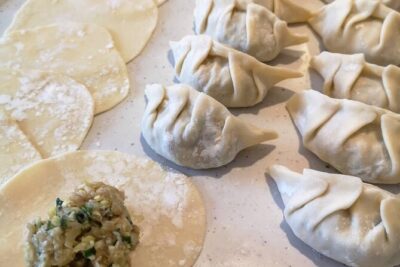
Kyoto Michelin Ramen Workshop or Painting Ramen Essentials
Read our review →Kyoto Ramen & Gyoza Cooking Class with Professional Chefs
Read our review →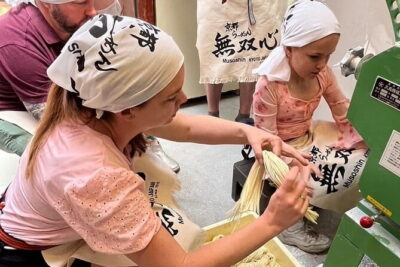
Browse the lists this tour appears in